

When you think of warehouse theft, you might picture a dramatic nighttime break-in. The reality is often much quieter and closer to home. Statistics show that theft by employees is a far more frequent threat than theft by external parties, making it a complex and sensitive challenge for any facility manager. This isn’t just about stolen inventory; it’s about a breach of trust that can damage morale and your bottom line. Understanding how to prevent theft in warehouse operations requires looking beyond the perimeter fence and focusing on internal vulnerabilities. This guide provides a comprehensive look at both internal and external threats, giving you actionable strategies to protect your assets from every angle.
How to Increase Security and Prevent Theft with Warehouse Security

Written by Rafi Kalliny In today’s increasingly digital world, securing physical assets, like warehouses, is often overlooked. However, warehouse security plays a crucial role in protecting valuable inventory, preventing theft, and ensuring the smooth operation of businesses. This article will explore the importance of warehouse security and provide you with key elements to implement a comprehensive security plan. Additionally, we will discuss the significance of training staff, legal and insurance considerations, and the importance of measuring the effectiveness of your security measures.
 Understanding the Importance of Warehouse Security
 Understanding the Importance of Warehouse Security
Warehouses are pivotal in supply chains as they store large quantities of valuable goods. Therefore, safeguarding these assets is essential. Warehouse security not only protects inventory but also helps maintain customer trust and prevent financial losses. By investing in robust security measures, businesses can mitigate the risk of theft, ensure employee safety, and safeguard sensitive information.
How Security Improves Daily Warehouse Operations
Warehouse security goes beyond theft prevention. It also plays a vital role in day-to-day operations. Security measures, such as access control systems and surveillance cameras, and security guards on patrol can help monitor employee activities, detect potential safety hazards, and improve overall operational efficiency. Additionally, security measures can help in adherence to regulatory compliance in industries with specific security requirements. Moreover, advanced security technologies like biometric scanners and RFID tagging systems are revolutionizing warehouse security. Biometric scanners provide an extra layer of protection by verifying the identity of individuals accessing sensitive areas, while RFID tagging enables real-time tracking of inventory, reducing the risk of internal theft and streamlining logistics processes.
What Are the Risks of Poor Warehouse Security?
Neglecting warehouse security can have severe consequences for businesses. Theft not only leads to financial losses but also damages the reputation of a company. Additionally, without proper security measures, businesses may face costly legal battles and potential insurance claims. By ignoring warehouse security, businesses leave themselves vulnerable to operational disruptions, decreased productivity, and even the loss of customer trust. Furthermore, in today’s digital age, cybersecurity is an integral aspect of warehouse security. With the rise of e-commerce and interconnected systems, warehouses are increasingly becoming targets for cyber attacks. Implementing robust cybersecurity protocols, such as firewalls, encryption, and regular security audits, is crucial to protect sensitive data and prevent breaches that could compromise the entire supply chain.
Key Elements of a Secure Warehouse
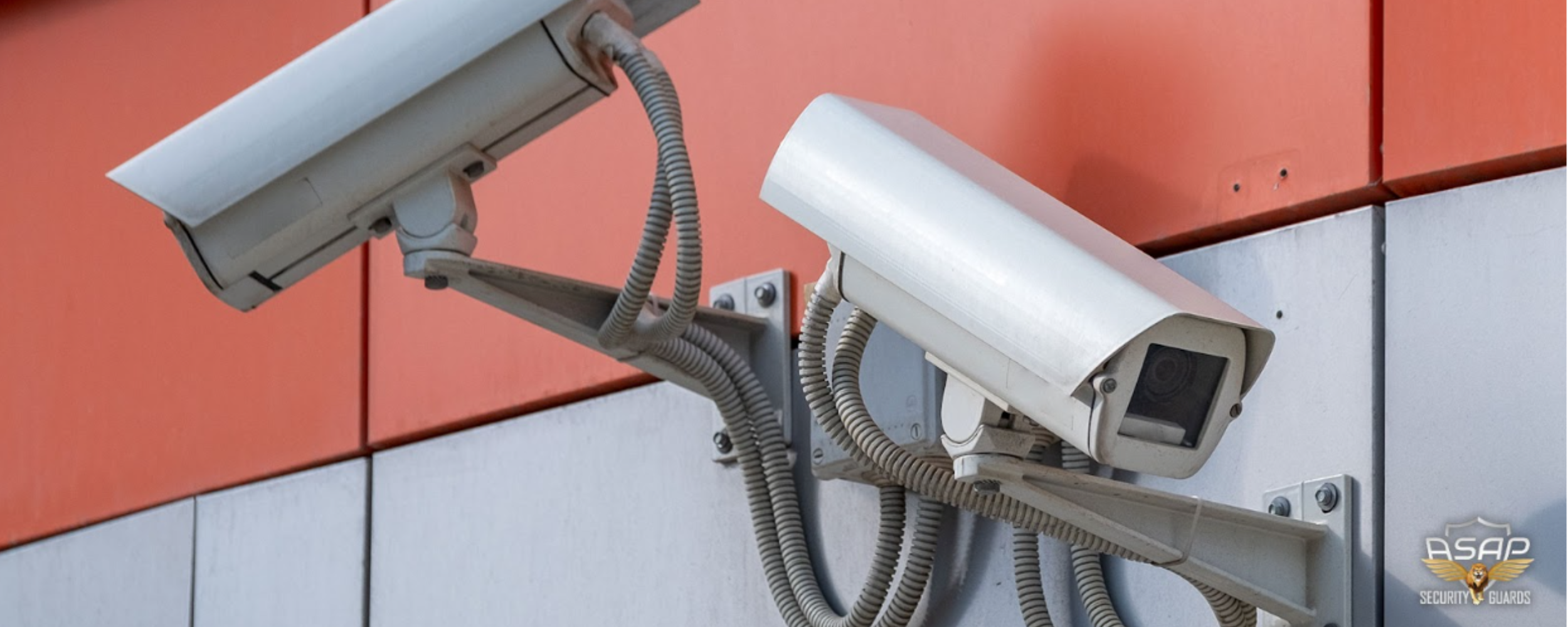 Key Elements of a Secure Warehouse
A secure warehouse incorporates various physical and technological security measures to protect assets and deter potential intruders effectively. Implementing the following key elements will significantly enhance warehouse security.
Beyond Theft: Other Common Causes of Warehouse Loss
When you think about warehouse loss, theft is probably the first thing that comes to mind. While it’s a major concern, it’s not the only way inventory disappears. Loss can stem from a variety of issues, ranging from simple human error to systemic problems in your operations. Things like inaccurate inventory counts, damaged goods that aren’t properly recorded, shipping mistakes, or even vendor fraud can slowly eat away at your bottom line. Understanding that loss is a multifaceted problem is the first step toward creating a comprehensive strategy that protects your assets from every angle, not just from deliberate theft.
The Alarming Reality of Warehouse Theft
While operational errors contribute to loss, we can’t ignore the staggering impact of theft. In 2022 alone, warehouse-related losses soared to over $112 billion, a number that highlights the scale of this challenge for businesses. It’s a common misconception that the biggest threat comes from outside intruders breaking in after hours. The reality is often much closer to home. Statistics show that theft by employees is a staggering 15 times more likely to occur than theft by external parties. This makes it crucial for facility managers to focus on both internal and external security measures to create a truly secure environment.
Addressing these threats requires a proactive and layered approach. Relying solely on locks and alarms is no longer enough to deter determined individuals. This is where professional security solutions become invaluable. Having highly trained armed security guards on-site provides a powerful visual deterrent and an immediate response capability that technology alone cannot offer. They are skilled in identifying suspicious behavior, controlling access points, and managing both internal and external risks, ensuring your facility is protected around the clock from the diverse threats it faces.
The Financial Impact of Warehouse Losses
The cost of warehouse theft goes far beyond the value of the stolen goods. Each incident creates a ripple effect that can destabilize your business. First, there’s the direct financial hit from the lost inventory, which immediately impacts your profitability. But the consequences don’t stop there. A security breach can damage your company’s reputation, eroding the trust you’ve built with customers and partners. Furthermore, a lack of proper security can lead to expensive legal disputes and rising insurance premiums, adding even more financial strain. These combined costs can disrupt operations, lower productivity, and ultimately threaten the long-term health of your business.
Internal vs. External Threats
Warehouse security threats can be broadly categorized into two groups: external and internal. External threats are what we typically picture—burglars, organized crime rings, or unauthorized individuals trying to gain access to the facility. These threats are often targeted and can result in significant, one-time losses. However, the more frequent and often more damaging threat comes from within. Internal theft, committed by employees or contractors with legitimate access to your facility, is a persistent problem. These individuals know your security protocols, inventory locations, and operational weaknesses, making their actions harder to detect and prevent without a robust security plan.
Cargo Theft Trends
One of the most costly forms of warehouse-related crime is cargo theft, which often involves targeting entire truckloads of goods. This isn’t just petty pilfering; it’s a highly organized criminal activity. A few years ago, the most common method involved stealing the entire truck, with the average loss per incident reaching over $120,000. These thefts often happen at loading docks, in unsecured yards, or during transit. To combat this, a dynamic security presence is essential. Implementing mobile security patrols can effectively monitor large properties, secure perimeter access points, and provide a visible deterrent to criminals targeting high-value shipments.
Understanding the Internal Threat: Why Employees Steal
It can be difficult to accept that the people you trust to run your operations might be the ones causing the most harm. However, understanding why employees steal is key to preventing it. It’s rarely as simple as a “good” person suddenly turning “bad.” More often, it’s a combination of pressures and circumstances that lead someone down that path. Criminologists often refer to a concept called the “Theft Triangle” to explain the factors that converge to create a situation where an employee is likely to steal. By understanding this framework, you can better identify and address the root causes of internal theft in your own facility.
The Theft Triangle suggests that three elements must be present for an employee to commit theft: motive, desire, and opportunity. If you can remove just one of these elements, you can significantly reduce the likelihood of theft occurring. While you may have little control over an employee’s personal motives or desires, you have a great deal of control over the opportunity. Strengthening your security protocols, improving inventory management, and fostering a positive work environment are all practical steps you can take to dismantle the Theft Triangle and protect your business from the inside out.
The Theft Triangle: Motive, Desire, and Opportunity
The Theft Triangle is a simple yet powerful model for understanding why internal theft happens. It breaks down the decision to steal into three core components that must all be present for the act to occur. Think of it as a three-legged stool—if you take away any one of the legs, the whole thing collapses. The three legs are Motive, which is the pressure or reason driving the person; Desire, which is the rationalization they use to justify their actions; and Opportunity, which is the weakness in your system that allows the theft to happen. Let’s look at each one more closely.
Motive
Motive is the “why” behind the theft. It’s the external pressure pushing an employee toward a desperate decision. This can come in many forms, but it often relates to financial hardship, such as overwhelming debt, unexpected medical bills, or personal crises. However, the motive isn’t always financial. It can also stem from a sense of injustice or resentment, like feeling underpaid, unappreciated, or passed over for a promotion. In these cases, the theft becomes a way for the employee to “get what they deserve” or retaliate against the company.
Desire
While motive is the external pressure, desire is the internal justification. It’s the thought process an employee goes through to make stealing seem acceptable in their own mind. They might tell themselves things like, “The company can afford it,” “I’m just borrowing it,” or “I work hard and deserve a little extra.” This rationalization helps them overcome their own moral compass and bridge the gap between knowing something is wrong and doing it anyway. It’s a way of reframing the act from “stealing” to “taking what’s owed.”
Opportunity
Opportunity is the single most critical element of the Theft Triangle because it’s the one you, as a manager, have the most control over. It refers to the circumstances that allow an employee to believe they can steal without getting caught. This could be due to lax security measures, poor inventory tracking, a lack of supervision, or unenforced company policies. When employees see that nobody is watching or that the systems in place are easy to bypass, the perceived risk of theft is low. By removing the opportunity, you effectively break the triangle, regardless of an employee’s motive or desire.
The 10-10-80 Rule of Employee Behavior
When thinking about your workforce, it’s helpful to use the 10-10-80 rule as a general guideline for employee integrity. This principle suggests that your employees fall into three distinct groups. The first 10% are people who will never steal, no matter the temptation or opportunity. Their personal ethics are rock-solid. The second 10% are individuals who will actively seek out ways to steal and will do so whenever they think they can get away with it. The vast majority of your team, however, falls into the middle 80%. These are generally honest people who could be tempted to steal if the right combination of motive, desire, and, most importantly, opportunity presents itself.
- 10% of employees will never steal, regardless of the circumstances.
- 10% will actively look for opportunities to steal.
- 80% could be tempted to steal if the opportunity arises and they believe they won’t be caught.
How to Spot Internal Theft
Since the majority of employees could be swayed by opportunity, being able to spot the warning signs of internal theft is a critical skill for any manager. It’s not about creating a culture of suspicion, but rather one of awareness and accountability. The clues are often subtle and can be found in both your operational data and in the behavior of your staff. By learning to recognize these red flags, you can intervene early, investigate potential issues, and prevent small problems from escalating into major losses. This proactive approach is a cornerstone of effective loss prevention.
Implementing clear procedures and maintaining a visible security presence are powerful deterrents. When employees know that inventory is meticulously tracked and that professional oversight is in place, the opportunity to steal diminishes significantly. This is where professional corporate security services can be a game-changer. Experts can help you develop and enforce protocols, conduct audits, and provide the personnel needed to create a secure environment. This not only helps you identify existing issues but also discourages the 80% of employees who might otherwise be tempted by a perceived lack of oversight.
Red Flags in Warehouse Operations
Your warehouse’s daily operations can offer the first clues that something is wrong. Pay close attention to your paperwork and inventory data, as discrepancies are often the earliest indicators of theft. Are your physical counts consistently lower than what your records show? This is a major red flag. Also, look for missing documents like shipping manifests or purchase orders, or an unusual number of items being written off as “damaged” or “lost in transit.” Another telltale sign is finding products stored in odd locations, especially near exits, in personal lockers, or in areas where they don’t belong. These inconsistencies are rarely accidental and warrant a closer look.
- Inventory records that don’t match sales figures.
- Missing or copied paperwork, like invoices or shipping manifests.
- An unusual increase in items reported as “damaged” or “lost.”
- Stock being found in strange places, especially near exits or loading docks.
Identifying High-Risk Employees
While you should never jump to conclusions, certain behavioral changes in an employee can signal that they may be involved in illicit activities. Be mindful of individuals who suddenly seem to be living a lifestyle that their salary can’t support, or those who become defensive or secretive about their work. An employee who consistently works odd hours, comes in on days off without a clear reason, or refuses to take a vacation might be trying to conceal their actions. A reluctance to take time off is a classic red flag, as they may fear that a replacement will uncover their scheme. While these behaviors aren’t definitive proof of guilt, they are signs that warrant discreet observation and follow-up.
- Act strangely, become defensive when questioned, or consistently work unusual hours.
- Avoid taking vacations, which could be an attempt to prevent others from discovering their activities.
- Appear to be living a lifestyle beyond their means.
- Frequently break company rules or seem disgruntled.
Your First Line of Defense: Physical Security
- Controlled Access Systems: Installing access control systems, such as electronic key card readers or biometric scanners, can restrict entry to authorized personnel only.
- Video Surveillance: Strategically placing high-quality surveillance cameras throughout the warehouse can help monitor activities, act as a deterrent, and provide evidence in case of incidents.
- Perimeter Security: Fencing, locks, and gates fortify the external boundaries of the warehouse, preventing unauthorized access.
- Lighting: A well-lit warehouse, both inside and outside, discourages theft by eliminating potential hiding spots and increasing visibility.
Ensuring physical security is crucial, but it is equally important to consider other aspects that contribute to a secure warehouse environment. Let’s explore some additional measures that can be implemented.
Strategic Warehouse Layout and Access Control
How your warehouse is organized plays a huge role in its security. A smart layout isn’t just about efficiency; it’s a powerful tool for preventing theft. Start by creating clear, separate zones for receiving and shipping. When new inventory comes in one designated area and goes out another, you reduce the chances of items getting “lost” in transit or intentionally misplaced. Keep the bulk of your stock stored away from these high-traffic zones. This simple separation makes it much harder for unauthorized items to be slipped into outgoing shipments or for new arrivals to disappear before they’re even logged. It’s a foundational step in creating a controlled environment where every product’s movement is intentional and accounted for.
Once your layout is optimized, the next step is to manage who can go where. Implementing modern access control systems is essential for restricting entry to sensitive areas. Instead of traditional locks and keys, consider electronic key card readers or biometric scanners that only grant access to authorized personnel. This technology not only secures your stock but also creates a digital record of everyone who enters a specific zone, providing valuable data if an incident occurs. A well-designed access plan is a core part of any effective corporate security strategy, ensuring that only trusted individuals can access your most valuable assets.
Advanced Inventory Control Systems
While controlling physical space is critical, you also need a robust system for tracking your inventory digitally. This is where a Warehouse Management System (WMS) becomes invaluable. Think of a WMS as the digital brain of your operation; it keeps precise records of your stock in real time. By knowing exactly what you have and where it is at all times, you can quickly identify discrepancies that might signal theft or mismanagement. This level of accuracy removes the guesswork from inventory counts and makes it significantly more difficult for internal theft to go unnoticed, as every single item is tracked from entry to exit.
To get the most out of your WMS, integrate it with technologies like barcodes or RFID tags. These systems allow you to track stock movements with incredible precision and efficiency. Each time an item is moved, scanned, or shipped, its status is updated automatically in your system. This not only streamlines your logistics but also creates a detailed, unbroken chain of custody for every product. When combined with physical security measures, this digital oversight provides a comprehensive defense against both internal and external threats, helping you protect your inventory and maintain operational integrity.
Turn Your Team into a Security Asset
One of the most effective ways to enhance warehouse security is by providing comprehensive training to all employees. By educating them about security protocols, recognizing suspicious activities, and reporting potential threats, employees become an integral part of the security system. Regular training sessions and awareness programs can empower employees to be proactive in identifying and addressing security risks.
Finding Your Weak Spots with Security Audits
Regular security audits and assessments play a vital role in identifying vulnerabilities and evaluating the effectiveness of existing security measures. Conducting thorough inspections, both internally and externally, allows warehouse managers to identify areas that require improvement. These audits can help identify blind spots in surveillance coverage, weak points in access control systems, or any other potential security gaps that need to be addressed promptly.
Using Technology for Better Intrusion Prevention
- Alarm Systems: Installing alarm systems with motion sensors and intrusion detection can alert security personnel or law enforcement authorities to potential security breaches.
- Inventory Management Systems: Utilizing advanced inventory management systems with real-time tracking capabilities helps identify discrepancies and ensures accurate stock management.
- Security Software: Implementing robust cybersecurity measures such as firewalls, encryption, and regular software updates protect against cyber-attacks and data breaches.
By integrating these technological security solutions into warehouse operations, businesses can significantly enhance their ability to detect and respond to security threats effectively. Remember, a secure warehouse is not just about implementing a few security measures; it requires a comprehensive approach that combines physical security, employee training, regular audits, and advanced technological solutions. By investing in these key elements, businesses can create a secure environment that safeguards their valuable assets and ensures peace of mind.
Implementing a Comprehensive Security Plan
 Implementing a Comprehensive Security Plan
To ensure the effectiveness of your warehouse security measures, it is crucial to develop a well-structured security plan. This plan will serve as a roadmap for implementing and maintaining security practices.
Developing Your Security Plan, Step by Step
- Assessing Vulnerabilities: Conduct a thorough assessment of your warehouse’s strengths and weaknesses to identify potential security vulnerabilities.
- Designing Security Measures: Based on your vulnerability assessment, develop a tailored security plan that addresses specific risks and focuses on prevention and detection.
- Implementing Security Measures: Enforce and implement the security plan by installing physical security measures, investing in technological solutions, and providing proper training to employees.
- Incident Response Procedures: Outline clear and efficient procedures to follow in case of security incidents, ensuring a swift and appropriate response.
- Regular Review and Update: Continuously review and update security measures to adapt to evolving threats and technological advancements.
A Systematic Approach: The 7S Rules for Organization and Security
A well-organized warehouse is inherently more secure. The 7S methodology, an extension of the popular 5S system, provides a clear framework for creating a workspace that is not only efficient but also safe and secure. By systematically addressing each of the seven principles, you can reduce risks, prevent losses, and build a stronger operational foundation. Think of it as a step-by-step guide to transforming your facility into a model of productivity and protection.
- Sort: This first step is all about decluttering. Go through your entire space and remove everything that isn’t essential for current operations. This includes old equipment, excess inventory, and unnecessary paperwork. A tidy space reduces hiding spots for stolen goods, eliminates safety hazards, and makes it easier to see what you have and where it is.
- Set in Order: Once you’ve sorted out the clutter, it’s time to organize. This means creating a logical, designated home for every tool, piece of equipment, and pallet of inventory. When everything has its place, your team can find what they need quickly, and you can spot missing items at a glance, which is a simple but effective form of inventory control.
- Shine: This principle is about maintaining a clean and well-kept environment. Regular cleaning, sweeping, and immediately addressing spills or messes does more than just look good—it prevents accidents and helps maintain equipment. A clean facility also sends a clear message that the space is well-managed and monitored, which can deter potential thieves.
- Standardize: Consistency is key to efficiency and security. This step involves creating clear, uniform procedures for everything from receiving shipments to end-of-day lock-up. When everyone follows the same steps for every task, you reduce confusion, minimize errors, and ensure that critical security protocols are never overlooked.
- Sustain: The goal here is to make the first four S’s a long-term habit, not a one-time project. Sustaining these practices requires ongoing commitment, regular training, and getting your entire team involved. When employees understand why these rules are important for their own safety and the company’s success, they become active participants in maintaining a secure environment.
- Safety: This principle focuses explicitly on creating a hazard-free workplace. It involves identifying potential risks, from unsafe stacking practices to blocked emergency exits, and implementing measures to prevent accidents and injuries. A strong safety culture protects your most valuable asset—your people—and reduces costly downtime and liability.
- Security: The final ‘S’ ties everything together by focusing on protecting your facility from internal and external threats. This includes implementing access control systems, monitoring surveillance feeds, and ensuring only authorized personnel can enter sensitive areas. Having professional private security guards on-site is one of the most effective ways to enforce these protocols, manage visitor access, and provide a visible deterrent to protect your valuable assets.
Keeping Your Security Plan Effective Over Time
Implementing a security plan is not a one-time task. Regularly reviewing and updating security measures is essential to ensure ongoing effectiveness. Stay informed about new security technologies, industry best practices, and emerging threat trends. Conduct regular audits of security procedures, check cameras and alarms for proper functionality, and seek feedback from employees to identify areas for improvement. Regular review and update of security measures is a critical aspect of maintaining a comprehensive security plan. By staying proactive and vigilant, you can ensure that your warehouse remains secure against potential threats. One important step in this process is to stay informed about new security technologies. As technology continues to advance, new tools and solutions are constantly being developed to enhance security measures. By keeping up with the latest advancements, you can identify opportunities to strengthen your security plan and stay one step ahead of potential threats. In addition to staying informed about new technologies, conducting regular audits of security procedures is another vital step in the review and update process. These audits allow you to assess the effectiveness of your current security measures and identify any areas that may need improvement. By thoroughly examining your procedures, you can identify potential vulnerabilities and take proactive steps to address them. This could involve updating access control systems, enhancing surveillance capabilities, or implementing additional training programs for employees.
Training Staff for Better Warehouse Security
 Training Staff for Better Warehouse Security
While physical and technological security measures are crucial, the role of employees should not be underestimated. Properly trained and aware employees can proactively contribute to warehouse security.
Why Trained Employees Are Your Biggest Security Asset
By educating employees about security protocols, potential threats, and the importance of maintaining security, companies can create a culture of security awareness. Training empowers employees to identify and report suspicious activities promptly, follow security procedures correctly, and ensure compliance with security policies. Employee training is not just about understanding rules and procedures; it also fosters a sense of responsibility and ownership among staff members. When employees feel invested in the security of the warehouse, they are more likely to actively participate in maintaining a safe and secure environment. This sense of shared responsibility can significantly enhance the overall effectiveness of security measures.
Effective Security Training Tips That Stick
Develop a comprehensive training program that covers topics such as access control, surveillance systems, emergency response, and cyber awareness. Offer regular refresher training and provide opportunities for employees to ask questions or provide feedback. Encourage an open dialogue between employees and security personnel to address concerns and improve overall security awareness. Furthermore, consider incorporating practical exercises and simulations into your training sessions. Hands-on experience can help employees better understand security protocols and respond effectively in real-life scenarios. Additionally, recognizing and rewarding employees who demonstrate exemplary security practices can serve as positive reinforcement and motivate others to actively engage in security efforts.
Legal and Insurance Considerations for Warehouse Security
 Legal and Insurance Considerations for Warehouse Security
Warehouses must also consider the legal and insurance aspects of their security measures. Ensuring the security of a warehouse involves more than just physical measures; it also requires a thorough understanding of the legal and insurance implications. By delving into these aspects, warehouse managers can better protect their assets and employees.
Strengthening Security from Day One: Hiring and Policies
Your security strategy should begin long before a new hire steps onto the warehouse floor. Building a trustworthy team starts with a thorough vetting process. Always conduct comprehensive criminal background checks and make it a standard practice to contact past employers to verify work history and character. This initial screening is your first and best opportunity to filter out high-risk individuals. Once someone is on your team, it’s crucial to set clear expectations from the start. Implement a zero-tolerance theft policy that is clearly written, easy to understand, and signed by every employee during their onboarding. This document should explicitly state the rules and the serious consequences of theft, leaving no room for ambiguity and creating a strong foundation of accountability for everyone in your facility.
Fostering a Secure Culture Through Management and Engagement
While rules and policies are essential, a truly secure warehouse is built on a culture of shared responsibility. This starts with comprehensive training that goes beyond a simple handbook review. Educate your team on specific security protocols, how to recognize suspicious activities, and the exact procedures for reporting potential threats. When employees are empowered with this knowledge, they transform from passive workers into active participants in your security plan. Encourage an open dialogue where staff feel comfortable bringing concerns to management or on-site private security guards without fear of reprisal. This fosters a sense of ownership and makes it clear that everyone plays a vital role in protecting the facility, turning your entire team into a vigilant security asset.
What Are Your Legal Security Obligations?
Be aware of the legal requirements and regulations related to warehouse security in your local jurisdiction. Compliance with these regulations is crucial to avoid legal penalties and ensure the safety of your employees and the protection of your assets. Legal obligations can vary widely depending on location, so it’s essential to stay informed and up to date on any changes in legislation. This may include requirements for surveillance systems, access control measures, or emergency response protocols. By staying compliant, warehouses can mitigate risks and operate with confidence.
How Insurance Protects You From Security Losses
Consult with your company’s insurance providers to understand the coverage options available to protect your warehouse from potential losses due to theft, natural disasters, or accidents. Insurance coverage can provide financial assistance in the event of security incidents, offering peace of mind to businesses. Insurance plays a critical role in risk management for warehouses, providing a safety net in case of unforeseen events. It’s crucial to review and update insurance policies regularly to ensure they align with the evolving security needs of the warehouse. By working closely with insurance professionals, warehouses can tailor coverage to address specific security concerns and vulnerabilities.
Measuring the Effectiveness of Your Security Measures
 Measuring the Effectiveness of Your Security Measures
An integral part of maintaining a secure warehouse is routinely measuring the effectiveness of your security measures. This evaluation allows you to identify weaknesses, make relevant improvements, and adapt to changing threats. Consider the following measures.
Pinpoint Weaknesses with Regular Audits
Conduct comprehensive security audits at regular intervals. These audits should include assessments of all physical and technological security measures to identify vulnerabilities and areas for improvement. Engage professional security consultants for in-depth assessments and recommendations. During a security audit, it is crucial to not only focus on the existing security protocols but also to anticipate potential future threats. By staying proactive and forward-thinking, you can better prepare your warehouse for any emerging security challenges. Additionally, involving employees from various departments in the audit process can provide valuable insights and perspectives on security vulnerabilities that may have been overlooked.
Metrics That Matter: Tracking Security KPIs
Establish key performance indicators (KPIs) to measure the success of your security measures. These can include metrics such as the number of security incidents, incident response time, employee adherence to security protocols, and successful prevention of theft. Regularly review these KPIs to gauge the effectiveness of your security measures and make data-driven decisions for further enhancements. Furthermore, consider incorporating benchmarking into your KPI analysis. By comparing your warehouse’s security performance against industry standards or best practices, you can gain valuable insights into areas where your security measures excel and where they may need improvement. Benchmarking can also help you set realistic goals for enhancing security and staying ahead of potential security threats in the ever-evolving landscape of warehouse security.
Your Next Steps for a Secure Warehouse
Investing in warehouse security is essential for businesses to protect valuable assets and prevent theft. By understanding the importance of warehouse security, implementing key security measures, training employees effectively, considering legal and insurance obligations, and measuring the effectiveness of security procedures, businesses can create a secure environment, minimize risks, and ensure the smooth operation of their warehouses. 
Ready to Secure Your Warehouse? Let’s Talk.
We are proud of our stellar customer service record, so check our website for all the testimonials from our various satisfied customers. Call ASAP Security at 1-833-272-7247
About the author: Rafi Kalliny is the CEO of ASAP Security and has worked in the security guard industry since 2013. He leads the company with a focus on professionalism, training, and client trust, making ASAP one of San Diego’s most respected security guard providers.
Frequently Asked Questions
My budget is limited. What are the most impactful first steps I can take to improve security? You don’t need a massive budget to make a real difference. Start with the fundamentals that cost little to nothing. Focus on organization by implementing the 7S principles to create a clean, orderly space where it’s harder for items to go missing. Next, review and reinforce your policies. Make sure every employee understands and signs a clear, zero-tolerance theft policy. These foundational steps create a culture of accountability and control, which can be more powerful than any single piece of technology.
How can I implement stricter security without making my honest employees feel like they’re under suspicion? This is all about communication and framing. When you introduce new measures, present them as a collective effort to protect the company and everyone’s jobs, not as a way to police individuals. Explain that these protocols safeguard the business from both external and internal threats, ensuring a stable and secure workplace for all. Involve your team in the process by asking for their input on safety and security, which fosters a sense of ownership rather than suspicion.
Is it better to invest in more cameras and technology or to hire on-site security guards? The most effective strategy usually involves a blend of both. Technology like cameras and inventory management systems are excellent for monitoring, tracking, and gathering evidence after an incident has occurred. However, a professional security guard provides a powerful, visible deterrent and the ability to respond to a situation in real time. A guard can manage access, patrol your property, and handle issues immediately, something technology alone cannot do. Think of technology as your eyes and guards as your hands-on response team.
The article mentions spotting red flags. What should my immediate next step be if I suspect an employee of theft? Your first step is to remain discreet and avoid direct confrontation. Immediately begin documenting any evidence or discrepancies you’ve noticed, and be as specific as possible with dates, times, and items. Once you have your initial facts, you should consult with your human resources department or a legal advisor. Acting on suspicion alone can create legal problems; it’s critical to follow established company procedures and let the proper channels guide the investigation.
How often should I be conducting a full security audit of my warehouse? A comprehensive security audit should be performed at least once a year. This gives you a chance to thoroughly review all your systems, from access control and camera placement to employee training and inventory records. In addition to the annual review, it’s a good practice to conduct smaller, informal checks on a quarterly basis. You should also consider an immediate audit after any significant security incident or if you make major changes to your warehouse layout or operations.
Key Takeaways
- Prioritize internal security measures: Since employee theft is a more frequent risk than external break-ins, focus your efforts on removing the opportunity to steal. This involves implementing strict inventory controls, enforcing clear policies, and maintaining a visible security presence to address internal vulnerabilities.
- Build a layered security system: A single lock or camera isn’t enough; true security comes from combining multiple strategies. Integrate physical controls like a smart layout and access systems with digital tracking and organized procedures to create a comprehensive defense.
- Develop a security-conscious team: Your employees are a critical part of your security plan, so foster a culture of awareness from day one. Start with thorough background checks, establish a zero-tolerance policy for theft, and provide ongoing training so your team can help identify and report potential risks.
Related Articles
- Warehouse Security: Prevent Theft & Protect Inventory | ASAP Security Guards
- Warehouse Security Guards: A Manager’s Guide | ASAP Security Guards