
Surveillance technology has become incredibly sophisticated and compact. Cameras can now be concealed in objects you wouldn’t look at twice, like a USB charger, a smoke detector, or even a pen. This accessibility offers powerful new options for protecting your property and assets. But with so many choices, it’s important to understand what you’re buying. A camera’s effectiveness depends on its features, from video resolution to how it’s powered and connected. This article explores the fascinating world of covert surveillance, breaking down the different types of hidden cameras and the key technical specifications to look for. We’ll help you see past the disguise and focus on the performance you need.
The Different Types of Security Cameras and Which Ones to Choose

Which Security Camera Should You Choose?
Security cameras are an essential tool for maintaining safety and security in both residential and commercial settings. Having cameras in place can deter crime, provide evidence in investigations, and monitor activity in real-time. However, with so many different types of security cameras available, it can be challenging to know which one is best suited for your needs. In this article, we’ll explore the various types of security cameras and which ones to choose based on specific requirements.
- Dome Cameras
Dome cameras are named after their dome-shaped design and are commonly used in indoor settings such as offices, stores, and homes. These cameras provide a 360-degree view of the room and can be easily mounted on walls or ceilings. The design of these cameras makes it difficult for people to know which direction they’re pointing in, which can help deter potential intruders. Dome cameras are often equipped with features such as night vision, motion detection, and high-resolution video recording.
- Bullet Cameras
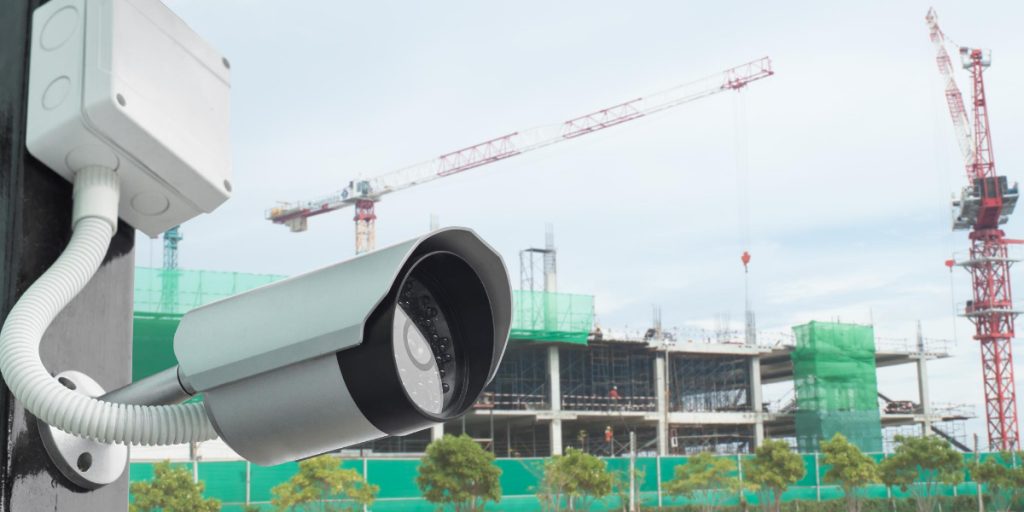
Bullet cameras, also known as cylindrical cameras, are typically used in outdoor settings due to their weather-resistant design. They are long and cylindrical in shape and can be easily mounted on walls or poles. Bullet cameras often have a longer range than dome cameras and can provide high-quality video recording in low-light conditions.
- PTZ Cameras
PTZ cameras are “pan, tilt, and zoom” cameras that are commonly used in larger settings such as warehouses, parking lots, and stadiums. They can be remotely controlled to rotate, tilt, and zoom in on specific areas, providing a closer view of specific objects or individuals. PTZ cameras can also be programmed to track movement, making them ideal for monitoring large areas with multiple entry points.
- Hidden Cameras
Hidden cameras, also known as spy cameras or covert cameras, are designed to be concealed from view. They can be hidden in everyday objects such as clocks, pens, or smoke detectors, making them ideal for covert surveillance. Hidden cameras are often used in situations where a more visible camera may be too obvious or intrusive.
- Wireless Cameras
Wireless cameras, also known as Wi-Fi cameras, are connected to a wireless network and can be accessed remotely through a computer or mobile device. They are often used in residential settings and can be placed anywhere within range of the wireless network. Wireless cameras are easy to install and can be operated using a mobile app, making them a convenient option for homeowners who want to monitor their homes while away. When choosing a security camera, it’s essential to consider the specific needs of your home or business. Factors to consider include the location, lighting conditions, and the type of surveillance required. A professional security company can help determine which type of camera is best suited for your needs and can provide expert installation and maintenance services to ensure that your cameras are operating at their best. With the right security camera in place, you can enjoy the peace of mind that comes with knowing that your property is safe and secure. The points mentioned above would have provided you with a detailed overview of the numerous ways in which you can keep the premises of your workplace safe. ASAP Security takes the responsibility of securing your office building, employees, and guests around the clock. With us by your side, you don’t have to worry a bit about the security of your workplace. We provide you with exceptional security guard services throughout San Diego County. Contact us to start providing your premises with the most reliable security.
A Deep Dive Into Hidden Cameras
While dome and bullet cameras are excellent visual deterrents, sometimes you need a more discreet approach. Hidden cameras, also known as covert or spy cameras, are designed for surveillance without drawing attention. Their primary advantage is their ability to capture activity naturally, as people are unaware they are being recorded. This can be particularly useful for sensitive situations in a corporate setting, like monitoring for internal theft, or for discreetly keeping an eye on your home. However, using them comes with a significant responsibility to respect privacy and adhere to legal guidelines. Understanding the different types, features, and legal rules is essential before you decide to use one.
Detailed Classification of Hidden Cameras
Hidden cameras are masters of disguise. They aren’t a one-size-fits-all solution; instead, they come in a wide variety of forms, each designed to blend into a specific environment. From devices that look like ordinary office supplies to cameras that can be worn, the options are extensive. The best choice depends entirely on where you need to place it and what you hope to achieve. Some are built for short-term, specific monitoring, while others can be integrated into a long-term security setup. Let’s look at the most common categories you’ll find.
Cameras Disguised as Everyday Objects
The most common type of hidden camera is one that’s built into an everyday object. Think about items you wouldn’t look at twice: a smoke detector, a digital clock, a USB wall charger, or even a pen. Because these objects are so common in homes and offices, they provide the perfect cover for a tiny camera lens. This makes them ideal for covert surveillance when you need to monitor a room without altering its appearance or making occupants feel like they are being watched. The effectiveness of these cameras lies in their ability to blend in seamlessly with their surroundings.
Wearable “Body-Worn” Cameras
For surveillance on the go, wearable cameras are the solution. Often called body-worn cameras, these devices are integrated into accessories or clothing items like glasses, buttons, or pendants. They provide a first-person perspective, capturing video and audio from the wearer’s point of view. This type of camera is useful in dynamic situations where a stationary camera wouldn’t work, such as during business negotiations, for private investigations, or for documenting interactions during an event security detail. Their discreet nature allows for recording in various environments without arousing suspicion.
Miniature and DIY Cameras
For those who need a more customized solution, miniature and DIY cameras offer incredible flexibility. Pinhole cameras, for example, have a lens that is incredibly small—sometimes no bigger than the tip of a pen. This tiny lens can be concealed behind a small opening in a wall, a piece of furniture, or another object. DIY camera modules take this a step further, providing you with the basic camera components (lens, circuit board, battery) so you can build your own custom enclosure. This is perfect for unique situations where off-the-shelf hidden cameras just won’t fit.
Outdoor Hidden Cameras
Securing the exterior of a property discreetly is also possible with hidden cameras designed for the outdoors. These are built to be weatherproof and to blend into natural environments. You can find cameras disguised as fake rocks or tree stumps that disappear into your landscaping or garden. Other popular options include cameras hidden inside birdhouses or outdoor light fixtures. Many of these models are battery-operated or even solar-powered, allowing for long-term placement in areas without easy access to a power source, providing covert monitoring of your property’s perimeter.
Key Technical Features and Considerations
Beyond the physical disguise, the technical specifications of a hidden camera determine how effective it will be. It’s not enough for a camera to be unseen; it also needs to capture clear, usable footage. Key features like how it connects to a network, how it’s powered, and the quality of its video are critical factors to consider. A camera with poor resolution or an unreliable power source won’t be of much help. Understanding these technical details will help you choose a device that meets your specific surveillance needs and performs reliably when you need it most.
Connectivity and Power Source
Hidden cameras generally fall into two categories for connectivity. Wi-Fi or IP cameras connect to your local internet network, allowing you to view a live video feed from a smartphone app anywhere in the world. This is great for real-time monitoring. On the other hand, some cameras record footage locally onto a microSD card for you to retrieve and review later. For power, many are plug-in types disguised as chargers or clocks, while others rely on rechargeable batteries. The right choice depends on whether you need remote access and how long you need the camera to operate.
Important Camera Features
Several key features are shared across different types of hidden cameras. High video quality, typically 1080p (HD) or higher, is crucial for capturing clear details. Many models also include night vision capabilities, using infrared LEDs to see in low-light conditions without emitting any visible light. Motion detection is another vital feature; it allows the camera to start recording only when it senses movement, which saves battery life and storage space. This feature can also send you an alert on your phone, so you know exactly when something is happening.
How to Find Hidden Cameras
While hidden cameras can be a useful security tool, the thought of them being used without your consent is unsettling. Whether you’re in a rental property, a hotel room, or even a changing room, knowing how to spot a hidden camera is a valuable skill for protecting your privacy. It doesn’t always require expensive, specialized equipment. Often, a careful physical inspection combined with some simple tech tricks can help you uncover a covert device. Being observant and knowing what to look for are your best defenses against unwanted surveillance.
Physical and Visual Inspection
The first step is always a thorough physical search of the room. Look for objects that seem out of place or have strange wires or small holes that don’t serve a clear purpose. Pay close attention to common hiding spots like smoke detectors, clocks, power outlets, lamps, and decor items. Check vents and any small gaps in walls or furniture. A tiny, dark circle could be a camera lens. If you find an unfamiliar electronic device, like a USB charger you didn’t bring, unplug it and examine it closely for any signs of a camera.
Using Technology to Detect Cameras
You can also use simple technology to aid your search. Turn off the lights and slowly scan the room with your smartphone’s flashlight. A camera lens will often reflect the light, creating a small, distinct sparkle that you can spot. Another effective method is to use a Wi-Fi scanning app on your phone, like Fing. These apps can show you all the devices connected to the local network. If you see an unfamiliar device listed, especially one with a generic name or one identified as a camera, it could be a hidden Wi-Fi camera streaming footage.
Legal and Ethical Rules for Usage
Using hidden cameras walks a fine line between security and invasion of privacy, and it’s an area governed by strict laws. Before you even consider installing a covert camera, you must understand the legal and ethical rules. These regulations vary significantly by state and country, but they generally revolve around the concept of a “reasonable expectation of privacy.” Recording someone in a private space like a bathroom or bedroom without their consent is illegal almost everywhere. Failing to follow these laws can lead to serious legal consequences, so it’s a topic to take very seriously.
Understanding Privacy and Consent
The most important rule is that you cannot place hidden cameras in areas where people have a reasonable expectation of privacy. This includes places like bathrooms, locker rooms, and bedrooms. In a business setting, this might extend to an employee break room. Generally, you are legally allowed to record video in common areas of your own property, like a living room or a commercial sales floor. However, you should always check your local and state laws, as the specifics can differ. It’s always best to inform people if they are being recorded, even if it’s not legally required.
Rules for Audio Recording
Laws surrounding audio recording are often much stricter than those for video. Federal law and many states operate under “one-party consent,” which means you can record a conversation as long as you are part of it. However, several states are “two-party” or “all-party” consent states, meaning you need permission from everyone involved to legally record the conversation. Because many hidden cameras capture both video and audio, you could be breaking the law by recording conversations without consent, even if the video recording itself is legal. It’s often safest to disable the audio recording feature.
Expert Insights on Using Cameras for Security
When it comes to building a truly effective security strategy, it’s important to think about how different tools work together. Hidden cameras can be a valuable asset, but they are rarely a complete solution on their own. They serve a different purpose than traditional, visible security cameras. A comprehensive security plan, like the kind we design for our private security clients, often involves a layered approach. This means understanding the strengths and weaknesses of each type of camera and using them strategically to cover all your bases and protect your property effectively.
Visible vs. Hidden Cameras
The biggest difference between visible and hidden cameras is their primary function. Visible cameras, like bullet or dome cameras, act as a powerful deterrent. When potential intruders see them, they are often discouraged from attempting a break-in. Hidden cameras, on the other hand, are for evidence gathering. They capture footage of people acting naturally because they don’t know they’re being watched. While hidden cameras are often smaller and less expensive, they typically don’t have the same performance or range as a dedicated security camera. A good strategy often uses visible cameras for deterrence and hidden cameras for specific, sensitive monitoring needs.
Performance and Quality Considerations
If you decide a hidden camera is right for your situation, don’t compromise on quality. The entire point of recording is to have clear, usable evidence if something happens. Look for a camera that records in at least 1080p (HD) resolution. This level of detail is often necessary to clearly identify faces or read text. Also, consider the camera’s field of view to ensure it covers the entire area you need to monitor. Finally, check reviews for its low-light performance, as many incidents occur in dim conditions. A high-quality camera will provide footage that is actually useful when you need it most.
Have Questions? Get Your Free Security Quote.
We are proud of our stellar customer service record. Call ASAP Security at 1-833-272-7247
Frequently Asked Questions
When should I use a hidden camera instead of a regular one? Think of it this way: visible cameras are for prevention, while hidden cameras are for investigation. A visible dome or bullet camera is a great deterrent that can discourage potential criminals. You should use a hidden camera for specific, sensitive situations where you need to gather evidence without altering people’s behavior, such as monitoring a cash register for internal theft or checking on a specific area of a warehouse discreetly.
Is it legal for me to use a hidden camera at my business or property? This is a critical question, and the answer depends on your location and how you use the camera. The most important rule is that you cannot record in places where people have a reasonable expectation of privacy, like bathrooms, locker rooms, or employee break rooms. Recording in common areas of your own property, such as a sales floor or a living room, is generally permissible. However, laws vary by state, so you should always check your local regulations before installing any covert device.
What’s the most important feature to look for in a hidden camera? While features like motion detection and night vision are very useful, the single most important feature is video resolution. If you can’t clearly see faces or details in the footage, the camera isn’t serving its purpose. Look for a camera that records in at least 1080p (HD) quality. This ensures the video is clear enough to be used as credible evidence if an incident occurs.
Can hidden cameras replace my existing security system? No, they really shouldn’t. Hidden cameras are a specialized tool, not a complete security solution. They work best as part of a larger, layered security strategy. An effective plan often includes visible cameras to deter crime, an alarm system to alert you to breaches, and sometimes professional security guards for an active presence. Hidden cameras fill a specific gap for discreet monitoring, but they don’t offer the preventative power of a comprehensive system.
Do hidden cameras record sound, and is that allowed? Many hidden cameras are capable of recording audio, but you need to be extremely careful here. The laws for recording audio are much stricter than those for video. Some states require the consent of all parties to record a private conversation. Because of these complex legal rules, it is often safest to disable the audio recording feature on your camera to avoid potential legal trouble.
Key Takeaways
- Choose the right tool for the job: Different cameras serve specific purposes. Use dome cameras for a wide indoor view, weatherproof bullet cameras for exteriors, and PTZ cameras to actively monitor large properties.
- Look beyond the disguise for hidden cameras: When selecting a covert camera, its technical performance is what truly matters. Prioritize features like 1080p resolution, motion detection, and a reliable power source to ensure you capture clear, usable evidence.
- Understand the rules before you record: Using hidden cameras comes with serious legal responsibilities. You must know your state’s laws on privacy and consent, especially since audio recording is regulated more strictly than video.
Related Articles
- Security Camera Types & How to Choose the Best | ASAP Security Guards
- 5 Best Security Solutions for Car Lots That Work | ASAP Security Guards
- Temporary Construction Site Security: Options, Costs & Tips
- Automotive Dealership Security Guard Alternatives, Compared