
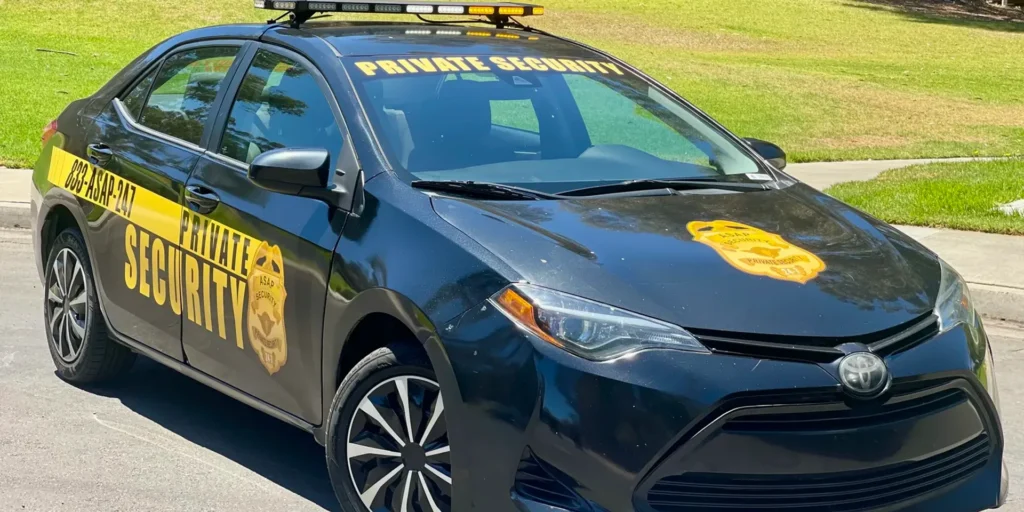
A construction site security company should be judged on proof, not a brochure. Before you award the post, confirm a current California private patrol operator license and guard cards for the officers who will stand the site. Also confirm insurance that names your GC and owner, written post orders for each phase, and a sample report you would forward to a superintendent. If any of those fail, keep looking.
Call (833) 272-7247 to review a construction site security company against your bid set.
General contractors in Southern California lose time when a low bid hides a firm that cannot staff nights, cannot document a gate, or cannot answer a claim. This checklist is the pass-fail review. It is not a threat briefing and it is not a price sheet. For the wider jobsite plan, use the construction site security guide. For service types and armed versus unarmed choices, use construction site security services.
What a Construction Site Security Company Must Prove First
Start with the license, not the logo. In California, a firm that contracts to protect people or property for a client must hold a private patrol operator license from the Bureau of Security and Investigative Services. A guard card alone does not let someone sell the contract. Ask for the PPO number, the legal business name on that license, and the qualified manager. Then look the number up yourself on the BSIS license search at bsis.ca.gov. A current license is the floor. A suspended or mismatched name is a stop.
ASAP Security Guards operates under PPO 120273. Put that number, or any bidder’s number, next to the name on the proposal. If the proposal uses a marketing name and the license uses another, ask which entity will sign the contract and which entity employs the officers.
Next, ask who will actually stand the post. California security guards must be at least 18, pass a DOJ and FBI background check, and complete power-to-arrest training before registration, under the Bureau’s guard rules at bsis.ca.gov/forms_pubs/guard_fact. The first 32 hours of skills training are due in the first six months, and eight hours of continuing training are due each year. You do not need every certificate on day one. You do need a written promise that no unregistered person will be left alone on your fence line.
Reject these answers:
- “Our officers are licensed” with no PPO number and no guard-card process.
- A subcontractor you have never heard of, with no written approval right.
- A salesperson who cannot name the supervisor for nights and weekends.
Insurance, Contract, and Who Is on the Hook
A license does not pay a claim. Ask for a current certificate of insurance before you issue a notice to proceed. You want general liability, workers’ compensation, and auto coverage if the firm will drive a patrol vehicle on or between your sites. Ask to be named as an additional insured, and ask for a waiver of subrogation when your owner or lender requires it. Match the certificate holder to the contracting entity, not to a sister company.
Read the scope the same day you read the certificate. A useful scope names the site address, the hours, the posts, who may open the gate, and what the officer must do when the site is dark. It also names what the firm will not do. Security officers are not a substitute for a fire watch when hot work rules require one, and they are not your safety manager. If the bid says “security as needed,” send it back. That phrase hides both the price and the gap.
ASAP’s public ranges for a quote conversation are $28 to $45 per hour for unarmed guards and $35 to $65 per hour for armed guards. Treat those as a starting band, not a construction bid. Gates, relief, holidays, and drive time between yards change the number. For a fuller cost walkthrough, see how much it costs to hire security guards for a construction site.
Put these items in the contract file before the first shift:
- PPO license printout and the legal name that will invoice you.
- Certificate of insurance with additional-insured wording.
- A site address list and the hours for each post.
- A named supervisor and a live after-hours phone, not a voicemail tree.
- Your right to remove an officer who misses posts or falsifies a log.
Questions That Separate a Jobsite Firm from a Generic Guard Vendor
A generic vendor can stand in a lobby. A construction site security company has to live with a site that changes every week. Ask these questions on the bid call and write down the answers. Vague answers are a fail even when the price is low.
| Ask this | Pass | Fail |
|---|---|---|
| Who is licensed to sell this contract? | Names a current PPO and qualified manager | Offers only guard cards or a referral |
| How do you staff a dark site? | Names relief, call-off cover, and a supervisor | “We will find someone” |
| What is in the post orders? | Gate rules, patrol loop, and escalation names | A one-page generic order |
| What do we get after each shift? | A time-stamped report a super can forward | A paper log left in a shack |
| Can you pause between phases? | Writes a stop, restart, and short-post process | Requires a long minimum with no pause |
| Who calls 911 and who calls the GC? | Both paths are written and practiced | The officer “uses judgment” |
Listen for construction language. A fit firm talks about laydown yards, copper, skid steers, temporary power, and weekend lockups. A mismatch talks only about visitor badges and lobby greetings. You can still hire a capable general firm, but only after it rewrites the orders for your site.
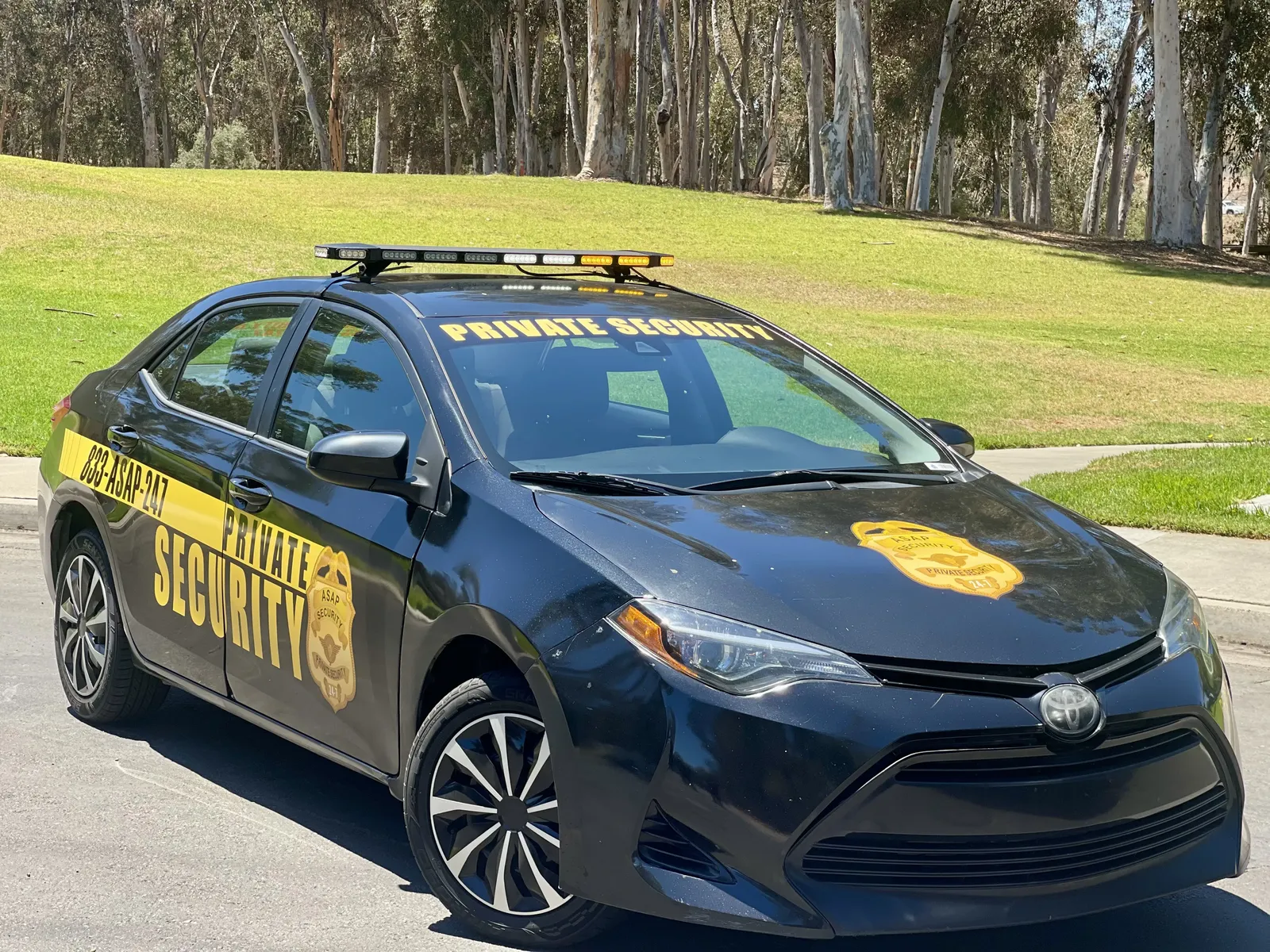
Ask for one redacted report from a past construction post. Look for the time, the gate checked, anything left open, and who was called. If the sample is three sentences that say “all clear,” assume that is what your lender will see after a loss.
Post Orders, Phases, and the After-Hours Handoff
Post orders are the job. If they are thin, the officer will invent the job, and two officers will invent it differently. Require orders that a new officer can follow on night one without a phone call to the salesperson.
Good orders cover at least these points:
- Which gates are active, which are locked, and who may be let in after hours.
- The patrol loop, including the laydown yard, equipment row, and any dark corner.
- How to log a cut fence, a missing serial plate, or a vehicle that does not belong.
- Who to call first for a life-safety issue, a theft in progress, and a routine defect.
- What changes when the crew is in demolition, structure, or finish.
Phases are where generic coverage fails. Early work may need a mobile check because the site is a fence and a few machines. Structure work may need a fixed post because copper, tools, and open floors multiply. Finish work may need tighter control of subs and deliveries. A company that bids one static post for the whole job has not read your schedule. The Southern California project notes in construction site security for Southern California projects show how coverage should move. Your vendor should be able to write that movement into orders, not just agree with it.
Temporary work needs the same honesty. If your exposure is eight weeks, the contract should say how to stop, restart, and shrink the post. Read temporary construction site security for the coverage patterns, then make the bidder attach those patterns to dates.
Holiday weekends deserve a direct question. The National Equipment Register, a Verisk business, reported that worksites were the top location type for equipment theft around Memorial Day 2023, alongside dealer yards and storage sites. Ask the bidder who is on duty from the Thursday before a long weekend through the following Wednesday, and who checks that the officer actually arrived. A firm that goes quiet on holiday weekends is not a construction partner.
Call (833) 272-7247 and ask ASAP to mark up your post orders before the next phase.
Reports You Can Hand a Superintendent
The report is the product you still have after the officer leaves. It is also the exhibit when a machine is missing on Monday. Require a report after every shift, not only after an incident. Each report should name the site, the officer, the start and end time, the gates and yards checked, and any exception. Photos of an open container or a cut lock are worth more than a paragraph.
Decide the path before the first night. Some GCs want the report in email by 6 a.m. Some want it in a shared folder the project engineer already uses. Either is fine. A notebook in the trailer is not fine, because it will not be there when the adjuster asks. If you are comparing digital activity reports with handwritten logs, DAR reports versus traditional guard logs lays out the difference. Ask the bidder which system you will actually receive.
Set a short list of must-call events so the officer does not wait for the morning email:
- A person on site who is not on the after-hours list.
- A vehicle, trailer, or machine that was not there at dusk.
- Damage to fence, lock, fuel cap, or equipment glass.
- Fire, medical, or a utility strike.
24/7 security services and live dispatch — office Mon–Fri 9 am–5 pm. On a construction post, that split matters. The officer and the dispatcher must be reachable when the office is closed. Ask every bidder who answers the phone at 2 a.m. and how that call is written into the same report the superintendent sees.
How ASAP Fits This Checklist
Use the same tests on ASAP Security Guards that you use on every other construction site security company. The firm is a California private patrol operator, PPO 120273, and the public phone for a bid review is (833) 272-7247. Coverage can be a fixed post, a vehicle patrol, or a mix that changes when the schedule changes. Officers can support access control at the gate and after-hours checks of the yard. They do not replace your safety officer, and they do not replace a required fire watch. When a site needs fire watch, scope it on purpose and read fire watch security in California so that post is not buried inside a generic guard line.
A practical first call covers four things. Cover the sites and dates, and whether you need unarmed, armed, or a patrol. Also cover the insurance wording your owner already requires and the report format your superintendent will accept. Bring the gate plan if you have one. ASAP can then say what the post orders must include and what the first week of reports will look like. If the fit is wrong, you should hear that before you sign.
Two habits keep the relationship clean after award. First, update the orders when the gate, the laydown, or the sub list changes. Second, read the first seven reports yourself. If they are thin, fix the orders in week one. Do not wait for a loss to discover that every night was “all secure.”
Frequently Asked Questions
How do I check a construction site security company in California?
Ask for the private patrol operator license number and the legal business name. Search that number on the BSIS license lookup. Then match it to the name on the proposal, the insurance certificate, and the contract. A guard card is not a company license.
What insurance should the company show before work starts?
Ask for general liability, workers’ compensation, and auto if a patrol car will be on your site. Have your GC, owner, or lender named as an additional insured when the contract requires it. Save the certificate in the project file before the first shift.
Can one company cover a short phase and then pause?
Yes, if the contract says how the pause and restart work. Write the dates, the reduced post, and the notice you must give. Do not accept a long minimum that ignores a gap between demolition and the next trade.
What should the nightly report include?
It should name the site, the officer, the hours, the areas checked, and any exception, with photos when something is wrong. You should be able to forward it to a superintendent without rewriting it. A note that only says “all clear” is not enough.
Does a security post replace fire watch?
No. Fire watch is its own post when hot work, impairment, or the fire department requires it. Ask the company to price and staff that post separately so it is not lost inside a general patrol.
Call (833) 272-7247 to put your next construction site against this checklist.
