
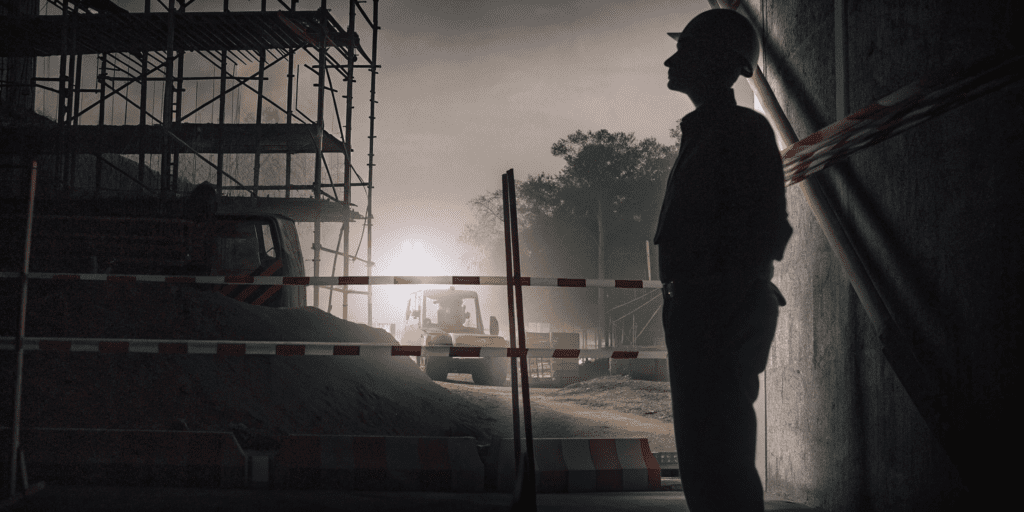
Security camera footage is great for an insurance claim, but it won’t stop a theft in progress. By the time you hit play, the damage is done and your project is already delayed. A truly effective temporary security solution is proactive, not reactive. The goal is to deter crime before it happens, not just document it after the fact. This is the key difference between a DIY setup and a professional plan. A comprehensive temporary construction site security strategy is built around active prevention, using a visible presence and smart tech to stop criminals cold. We’ll explore how to build a plan that actively protects your site.
Key Takeaways
- Create layers of defense: Don’t just rely on a fence. Combine physical barriers, surveillance technology, and on-site security personnel to make your site a much harder target for criminals.
- Evolve your security with your site: A construction project is always changing, and your security plan should too. Regularly update your strategy to protect new materials and address vulnerabilities as they appear.
- Partner with experts to prevent costly losses: Professional security is an investment, not just an expense. A dedicated team reduces your liability and stops theft before it happens, saving you from project delays and budget overruns.
Why Your Construction Site is a Target
Construction sites are a unique blend of high value and high vulnerability. Unlike a finished building with solid walls and locked doors, a site in progress is often open, chaotic, and constantly changing. This dynamic environment, combined with the expensive assets left on-site, creates a perfect storm for security threats. From organized theft rings to casual vandalism, the risks are real and can have a massive impact on your project’s timeline and budget. Understanding exactly what makes your site so attractive to criminals is the first step in building an effective defense.
High-Value Equipment is a Magnet for Theft
Think of your construction site as an open-air warehouse filled with high-dollar items. It’s not just the heavy machinery; it’s the power tools, copper wiring, lumber, and appliances that are easy targets for thieves. These materials and tools are not only expensive to replace but also have a high resale value on the black market, making them incredibly tempting. Leaving these assets unattended, especially overnight or during a long weekend, is an open invitation for theft. Having professional private security guards on-site creates a strong deterrent, protecting your valuable equipment from walking off the job.
Preventing Costly Vandalism and Damage
The threats to your site go beyond simple theft. Vandalism can be just as costly and disruptive. A single act of malicious damage—like graffiti on a newly finished wall, broken windows, or tampered equipment—can halt progress instantly. The financial hit isn’t just about the cost of cleanup and repairs. These incidents cause significant project delays, throwing your entire schedule off track and leading to missed deadlines and budget overruns. Regular mobile security patrols can disrupt potential vandals before they have a chance to cause damage, keeping your project moving forward smoothly.
The Dangers of Unauthorized Trespassers
An unsecured construction site is a massive liability. The inherent dangers—uneven ground, exposed materials, and heavy machinery—pose a serious risk to anyone who wanders onto the property. Unauthorized visitors, whether they’re curious kids or individuals with malicious intent, can easily get injured, leaving you responsible for a potential lawsuit. Beyond the risk of injury, every unauthorized entry is a security breach that can lead to theft or vandalism. Implementing 24/7 security services ensures that access points are controlled and the entire perimeter is monitored, protecting both your assets and yourself from legal trouble.
Know the Top Targets and High-Risk Times
Not all security risks are created equal. By understanding what thieves are looking for and when they are most likely to strike, you can tailor your security plan to address the most significant threats head-on. Criminals often case a site before they act, identifying valuable materials and noting periods of inactivity. A smart security strategy anticipates these moves, creating a proactive defense that protects your most vulnerable assets during high-risk windows. This knowledge allows you to allocate your security resources more effectively, ensuring you have the right protection in the right place at the right time.
Commonly Stolen Materials
Experienced thieves know exactly what to look for on a construction site. They target items with high resale value that are relatively easy to move. This includes raw materials like copper wiring and scrap metal, which can be sold quickly. Power tools, fuel, and even catalytic converters from on-site vehicles are also prime targets. These aren’t random acts of theft; they are often planned operations targeting specific, valuable assets. The loss of these materials doesn’t just impact your budget—it can bring your project to a standstill. A visible security presence from a professional corporate security team makes your site a much less attractive target for criminals looking for an easy score.
When Your Site is Most Vulnerable
Your construction site is most vulnerable when it’s least active. According to industry data, weekends and the first 30 days of a project are peak times for theft and vandalism. During the initial phase, security protocols may not be fully established, leaving the site exposed. After hours and on weekends, the absence of workers creates a perfect opportunity for criminals to operate undetected. In fact, over 70% of construction site crimes occur at locations without active monitoring. This is why having consistent mobile security patrols or dedicated after-hours guards is so critical. They close the window of opportunity, ensuring your site is never an easy target.
What Are Your Temporary Security Options?
Securing a construction site isn’t about picking just one solution; it’s about creating layers of protection. The right strategy combines a physical presence with smart technology to cover all your bases. Depending on your site’s size, location, and risk level, you can mix and match different options to build a security plan that fits your project perfectly. Let’s walk through the most effective temporary security measures you can put in place.
On-Site Guards vs. Mobile Patrols
Nothing deters potential intruders quite like a visible security presence. On-site private security guards are your first line of defense, controlling access points, monitoring activity, and responding instantly to any issues. They are invaluable for preventing trespassing, theft, and vandalism simply by being there.
For larger sites or projects with multiple entry points, a mobile security patrol offers a flexible and cost-effective alternative. These patrols can cover more ground, performing regular, randomized checks on your perimeter, equipment, and materials. This blended approach ensures that even the most remote corners of your site are monitored, keeping your assets safe around the clock.
24/7 Watch with Remote Video Monitoring
Technology gives you eyes on your site 24/7, even when no one is physically there. Temporary, mobile security cameras are essential for modern construction site security. These systems don’t just record events; they actively prevent them. With live viewing capabilities and instant alerts sent directly to a monitoring center or your phone, you can get an immediate response to potential threats. This real-time oversight is a core component of any 24/7 security services plan, allowing you to act quickly to stop theft or vandalism before significant damage occurs.
Mobile Surveillance Trailers
What happens when you need eyes on a part of your site that has no power or internet? That’s where mobile surveillance trailers come in. These are self-sufficient security towers on wheels, equipped with high-definition cameras, solar panels, and their own cellular connection. You can place them anywhere you need coverage, and they can be moved easily as your project develops. This flexibility is perfect for a construction site’s ever-changing layout, ensuring you always have surveillance on your most vulnerable areas, from the initial groundbreaking to the final touches.
The real power of these trailers is their ability to actively deter crime. They aren’t just passively recording; they are part of a live, responsive security system. When motion is detected after hours, a signal is sent to a remote monitoring station where a live agent can assess the situation. If they spot an intruder, they can use a two-way speaker to issue a warning, letting the person know they are being watched and that authorities are on their way. This immediate intervention is a key part of a proactive 24/7 security plan, stopping criminals before they have a chance to cause any damage or loss.
Creating a Strong Perimeter with Fencing
Your security strategy starts at the perimeter. Establishing a clear and secure boundary is a fundamental step in protecting your site. Temporary fencing, like chain-link or anti-climb barriers, makes unauthorized entry significantly more difficult. You can reinforce this perimeter with controlled access points managed by security personnel, ensuring only authorized workers and vehicles can enter. Implementing these physical barriers helps you maintain control over who is on your property, reducing the risk of theft, liability, and project delays caused by unwanted visitors. It’s a simple but powerful way to define and defend your workspace.
Instant Alerts with Alarms and Motion Sensors
Think of alarms and motion detection systems as your site’s invisible tripwire. These tools are excellent for protecting high-value areas like storage containers, tool lockups, and office trailers after hours. When triggered by unauthorized movement, they can activate loud sirens, bright lights, and send an immediate notification to your security team or a remote monitoring station. When integrated with video surveillance, motion detectors can prompt cameras to start recording and alert a guard to investigate the specific location of the disturbance. This creates an active, responsive security layer that works tirelessly to protect your assets.
How Modern Security Protects Your Site
Security technology has evolved far beyond a simple camera pointed at the gate. Modern systems are smart, responsive, and designed to work in tandem with trained professionals to create a powerful defense for your construction site. Think of it as a digital watchdog that never sleeps, giving you and your security team the upper hand against potential threats. By integrating advanced surveillance with on-the-ground personnel, you can create a comprehensive security blanket that covers every corner of your project, from the perimeter fence to the tool storage containers.
This technology isn’t just about recording what happens; it’s about preventing incidents before they escalate. With features like artificial intelligence and instant connectivity, these systems can identify suspicious activity in real-time, filter out false alarms, and give security officers the critical information they need to respond effectively. This proactive approach means you can stop theft and vandalism in their tracks instead of just dealing with the aftermath. It’s a smarter, more efficient way to protect your valuable assets, maintain your project timeline, and ensure the safety of your site around the clock. When paired with professional oversight, these tools become an indispensable part of your site management strategy.
Get Instant Alerts with Real-Time Monitoring
The biggest advantage of modern surveillance is speed. When a camera detects motion in a restricted area after hours, it doesn’t just record—it sends an immediate alert to a monitoring center or directly to your phone. This allows a security team to view a live feed and assess the situation instantly. Is it a trespasser or just a piece of equipment shifting in the wind? Real-time monitoring provides the answer, enabling a swift and appropriate response. This capability ensures that potential threats are addressed in moments, not hours, drastically reducing the window for theft or damage to occur.
Manage Your Site Security from Anywhere
As a site manager, you can’t be on-site 24/7, but your security can be. Modern systems give you the power to check in on your project from anywhere through a simple app on your phone or computer. This remote access provides incredible peace of mind, allowing you to view live camera feeds or review alerts whenever you need to. For complete coverage, a professional security partner can manage this surveillance around the clock from a dedicated command center. These 24/7 security services ensure an expert is always watching, ready to dispatch officers or notify authorities at the first sign of trouble.
How AI-Powered Cameras Reduce False Alarms
Not all motion is a threat, and constant false alarms from passing animals or weather can be a major headache. That’s where artificial intelligence comes in. Smart cameras use AI to differentiate between a person climbing a fence and a plastic bag blowing by. They can be programmed to recognize specific behaviors, vehicles, or uniforms, making your surveillance incredibly precise. Advanced features like infrared technology provide clear vision in complete darkness, while pan-tilt-zoom functions allow a remote operator to follow a subject across the site. This intelligent detection means you only get alerted to genuine threats, making your security response far more effective.
Deter Trespassers with Voice-Down Capabilities
Imagine a trespasser sneaking onto your site in the middle of the night. A passive camera might record them, but a smart system does more. With voice-down capabilities, a remote security officer monitoring your site can speak directly to the intruder through on-site speakers. A clear, authoritative voice announcing that they are being watched and that law enforcement is on the way is an incredibly powerful deterrent. This transforms your surveillance system from a passive recording device into an active, preventative tool that is a core part of professional 24/7 security services. It stops a crime in progress by making the threat of being caught immediate and real, forcing criminals to flee before they can cause any damage or theft.
Essential Features for Mobile Security Cameras
When you’re choosing a mobile camera system, not all are created equal. Your construction site has unique needs, so look for units with robust features designed for the job. Ensure they have reliable solar power (at least 300W) and a strong battery backup (around 200Ah) to keep them running around the clock without a dedicated power source. Since you likely won’t have Wi-Fi, strong 4G or 5G internet connectivity is non-negotiable for remote viewing and alerts. The camera itself should offer a 360-degree pan-tilt-zoom (PTZ) view to cover wide areas, and the entire unit must be weatherproof to withstand the elements. These features ensure your surveillance is dependable, comprehensive, and built to last the entire project.
Bonus: Time-Lapse Video for Project Management
High-quality security cameras offer a fantastic perk beyond just protection. Many systems can capture and create compelling time-lapse videos of your project from start to finish. This isn’t just a cool feature; it’s a valuable tool for project management and marketing. You can monitor progress, review timelines, and share updates with stakeholders and clients without requiring them to visit the site. It’s a great way to document your hard work and create impressive promotional content once the job is complete, turning a security expense into a multi-purpose asset.
Security That Moves with Your Project
Construction sites are constantly changing, and your security needs to be able to adapt. Modern security systems are often designed to be mobile and temporary. Wireless camera towers and sensors can be deployed quickly—sometimes in just a few minutes—without the need for disruptive trenching or expensive installation. As your project progresses and high-value areas shift, these units can be easily relocated to provide coverage where it’s needed most. This flexibility ensures that your security plan evolves with your site, protecting new material deliveries, recently completed structures, and vulnerable access points at every phase of construction.
How to Choose the Right Security Partner
Selecting a security provider is one of the most important decisions you’ll make for your project. The right partner acts as an extension of your team, protecting your assets and keeping your timeline on track. But with so many options, how do you find a company you can trust? It comes down to looking for a few key qualities that separate the experts from the rest. A great security partner doesn’t just provide guards; they provide a comprehensive strategy tailored to the unique, ever-changing environment of a construction site.
Look for Proven Construction Security Experience
A construction site isn’t like an office building or a retail store. It’s a dynamic environment with unique vulnerabilities, from theft of high-value materials like copper wiring to the liability risks of trespassers getting injured. That’s why you need a partner who has specific experience in construction security. They’ll understand the flow of a project, know where the weak points are, and anticipate problems before they happen. An experienced team knows that security needs change as the project moves from foundation work to finishing touches, and they’ll have proven methods for handling each phase effectively.
Do They Offer Custom Plans and Quick Setup?
Every construction project is different, so a one-size-fits-all security plan won’t cut it. Look for a partner who starts with a thorough assessment of your site to create a customized strategy. This plan should be flexible enough to adapt as your project evolves—what you need during excavation is very different from what you’ll need when expensive fixtures are being installed. The right company can offer mobile security patrols that adjust their routes as the site layout changes. They should also be able to deploy resources quickly, whether you’re starting a new project on short notice or need to scale up security in response to an incident.
Insist on Reliable Tech and 24/7 Support
Modern security is a blend of professional personnel and cutting-edge technology. Your partner should offer reliable, high-definition surveillance systems that can withstand the dust and debris of a construction site. But the technology is only half the equation. It needs to be backed by a team of professionals who are monitoring feeds and ready to respond at a moment’s notice. When an alert comes in at 3 a.m., you need to know someone is acting on it immediately. This is where 24/7 security services become essential, ensuring your site is never left unprotected.
Find a Partner for All Your Security Needs
The most effective security strategies are multi-layered. Relying on just one measure, like a fence or a single guard, leaves you vulnerable. A top-tier security partner will offer a full range of services that can be combined to create a robust defense. This might include a mix of on-site armed security guards during high-traffic hours, mobile patrols overnight, and remote video monitoring around the clock. By integrating different security elements, you can cover more ground, deter a wider range of threats, and create a solution that is both more effective and more cost-efficient than any single service could be on its own.
What’s the Investment for Site Security?
When you’re planning your project budget, security is one of the most important line items to consider. It’s not just an expense—it’s an investment in protecting your assets, your timeline, and your bottom line. The cost can vary widely based on your site’s size, location, and risk level, but understanding the key components will help you make a smart decision that prevents much larger losses down the road. Let’s break down what goes into the cost of securing your construction site.
Understanding the True Cost of Construction Site Theft
The sticker shock from construction site theft is staggering, costing the U.S. industry around one billion dollars every year. But the true cost isn’t just about replacing a stolen generator or a pallet of lumber. The real damage comes from the ripple effect: project delays while you wait for new materials, higher insurance premiums after you file a claim, and potential penalties for missing deadlines. When you consider that nearly 80% of stolen heavy equipment is never recovered, the loss becomes permanent. A single act of vandalism can halt progress just as effectively, requiring costly cleanup and repairs that throw your schedule off track. Investing in proactive security, like dedicated private security guards, isn’t just an expense; it’s a crucial strategy to protect your project from these much larger, cascading financial losses.
Comparing the Costs: Guards vs. Technology
One of the first decisions you’ll make is whether to rely on human guards, technology, or a combination of both. The cost of hiring a security guard can range from $15 to over $100 per hour, depending on whether they are armed and their level of experience. While technology like cameras provides constant recording, nothing deters a potential thief like the physical presence of a trained officer. For many sites, the ideal solution is a hybrid one. You might use a mobile security patrol to conduct random, visible checks throughout the night, supported by cameras that monitor the perimeter 24/7. This integrated approach covers more ground and creates a powerful deterrent.
What to Expect for Installation and Monitoring Fees
If you opt for a tech-heavy solution, you’ll need to account for more than just the hardware. Professional installation is key to ensuring cameras have no blind spots and sensors are placed effectively. Beyond that, ongoing monitoring fees are standard. Subscription fees for surveillance cameras can range from $99 to $600 monthly, which typically covers services like cellular connectivity, cloud storage for footage, and remote access. This allows you and your security partner to view live feeds from anywhere. These recurring costs are essential for keeping your system online and effective, providing a constant watch over your site even when no one is there.
Should You Rent or Buy Your Security Equipment?
For a temporary project like a construction build, renting security equipment almost always makes more sense than buying it outright. This avoids a large capital expense for gear you won’t need once the project is complete. Renting gives you access to the latest technology without the burden of ownership, maintenance, or storage. For example, installing temporary fencing is a foundational security step, and costs can range from $3 to $5 per linear foot. When you rent from a security provider, that cost often includes delivery, professional setup, and removal, saving your team valuable time and labor that can be focused on the build itself.
How to Budget for Security and Avoid Surprises
It’s easy to see security as a cost center, but it’s more accurate to view it as a form of insurance. The real cost isn’t the security plan; it’s the price of not having one. Unprotected construction sites can face annual theft losses between $50,000 and $150,000. The average cost to replace stolen tools or materials is significant, and that doesn’t even include the indirect costs of project delays and higher insurance premiums. Investing in professional 24/7 security services proactively prevents these incidents, protecting your budget from the unpredictable and often devastating financial impact of theft, vandalism, and liability claims.
Why Go with a Pro Instead of DIY?
While setting up a few cameras yourself might seem like a quick fix, professional security is an investment in your project’s success and your own peace of mind. The difference isn’t just about having a person in a uniform on-site; it’s about leveraging expertise, reducing your risk, and stopping problems before they start. A professional team brings a strategic approach that a DIY setup simply can’t match, protecting your assets and keeping your project on track.
The Professional Edge: Trained Officers and Better Tech
When you hire a professional security service, you’re not just getting a guard; you’re getting a trained officer. These professionals are equipped with skills that go far beyond just watching a gate. They’re often trained in first aid, CPR, and emergency response, and they know how to manage site access effectively to keep unauthorized individuals out. Plus, a professional firm provides access to cutting-edge technology. Instead of just a few standalone cameras, you can get an integrated system of 24/7 security services that combines on-site guards with remote monitoring and advanced surveillance for a comprehensive solution.
How Professional Security Reduces Your Liability
Construction sites are filled with potential liabilities, from stolen equipment to accidents involving trespassers. A DIY security camera might record a theft, but it won’t stop it or prevent an unauthorized person from getting injured on your property. Professional security significantly reduces your liability. Trained guards control access points, ensuring only authorized personnel are on-site. Their presence deters vandalism and theft, which prevents costly project delays and insurance claims. By maintaining detailed logs and providing a visible deterrent, a professional mobile security patrol creates a secure environment that protects you from financial and legal trouble.
Defend Against False Liability Claims with Video Evidence
A construction site is a hazardous place, and unfortunately, that opens the door to false liability claims. Someone might claim they were injured on your property when they weren’t, or exaggerate a minor incident. Without proof, it becomes a costly “he said, she said” situation. This is where video surveillance becomes your best defense. High-quality video footage provides indisputable evidence of what actually happened, or more importantly, what didn’t. It can quickly disprove a fraudulent claim, saving you from expensive legal battles and protecting your reputation. Professional 24/7 security services ensure your cameras are always recording and the footage is properly managed, giving you a reliable record when you need it most.
Maintain Compliance with OSHA and Other Regulations
Meeting safety regulations from bodies like OSHA isn’t just about checking a box; it’s about creating a genuinely safe work environment. A professional security plan is a key part of maintaining that compliance. Security officers do more than just watch for intruders; they enforce site safety rules, ensure all personnel are wearing proper PPE, and maintain access logs that can be crucial for audits. This visible commitment to safety not only helps you avoid hefty fines but can also lead to lower insurance premiums. By partnering with a professional team, you demonstrate a proactive approach to risk management, satisfying the requirements of OSHA and other regulatory bodies while protecting your workers and your bottom line.
Stop Threats Before They Happen
The biggest advantage of professional security is the shift from a reactive to a proactive mindset. A simple alarm system only alerts you after a breach has already occurred. A professional security partner, on the other hand, starts with a thorough risk assessment of your specific site. They create a custom security plan designed to prevent incidents from happening in the first place. This strategy involves identifying vulnerabilities, establishing patrol routes, and implementing procedures that deter criminals. This kind of tailored corporate security service ensures your site is protected by a robust, adaptable solution that safeguards your project’s continuity and safety from day one.
Tailoring Security to Your Project Phase
Your security needs aren’t static—they change as your project moves from an empty lot to a finished building. A smart security strategy adapts to each phase, addressing the specific risks that come with site prep, active construction, and project completion. Thinking about your security plan in stages ensures you have the right protection at the right time, without overspending or leaving critical gaps. By matching your security measures to the project timeline, you can effectively protect your assets from start to finish.
Pre-Construction: Securing Your Empty Lot
Even before the first shovel hits the dirt, your site is vulnerable. An unsecured lot can attract illegal dumping, trespassing, or vandalism, creating cleanup costs and delays before you’ve even started. The first step is to establish a strong perimeter. This means installing secure fencing and clear signage to define the property line and deter casual trespassers. Implementing an access control system at the main gate ensures you know who is coming and going from day one. To establish an early and visible deterrent, consider using mobile security patrols to regularly check the site, especially after hours. This proactive approach sets a secure tone for the entire project.
During Construction: Protecting Assets and People
Once construction is underway, your site becomes a hub of activity with a constant flow of workers, vehicles, and valuable materials. This is often the most vulnerable phase. The key challenges are preventing theft of tools and materials like copper and lumber, and ensuring only authorized personnel are on site. A strong security presence is essential. Stationing private security guards at access points helps manage entry and verify credentials, preventing unauthorized access and potential internal theft. Regular patrols, both on foot and in vehicles, disrupt criminal opportunities and help enforce safety protocols, keeping your team and your assets safe during this critical period.
Post-Construction: Securing the Final Touches
As you near completion, it might seem like you can ease up on security, but this phase is surprisingly high-risk. The site is now filled with high-value finished materials, appliances, and fixtures that are prime targets for thieves. With fewer workers around, the site can appear less active and more vulnerable. A comprehensive strategy is crucial here, combining on-site guards with surveillance cameras and alarm systems to protect your investment. Failing to secure your site properly in the final stretch can be costly, with potential theft losses running into tens of thousands of dollars. Maintaining robust 24/7 security services until the final handover ensures your project crosses the finish line without any expensive setbacks.
How to Build a Smart Security Strategy
A truly effective security plan is more than just a fence and a camera. It’s a thoughtful strategy that anticipates risks and adapts as your project evolves. Building a smart strategy means thinking in layers, being strategic with your resources, and never assuming that yesterday’s plan is good enough for today. It’s about creating a secure environment from the ground up, giving you the peace of mind to focus on getting the job done.
Why a Layered Security Approach Works Best
The most effective way to protect your site is with a multi-layered approach. Think of it like a castle’s defenses—the more barriers an intruder has to cross, the less likely they are to succeed. Your first layer is the perimeter: strong fencing, clear signage, and controlled access points. The next layer could be technology, like motion-sensor lighting and surveillance cameras. The innermost layer is often the human element, such as dedicated on-site guards protecting high-value areas or mobile patrols making regular, unpredictable rounds. By combining physical, technological, and human security elements, you create a formidable defense that deters most opportunistic criminals.
Where to Place Cameras and Guards for Max Impact
Where you place your security assets is just as important as having them. Simply installing a few cameras won’t cut it; they need to be positioned strategically to eliminate blind spots and monitor critical areas. Focus on entry and exit points, material storage zones, and equipment lockups. For comprehensive coverage, consider a system that includes 24/7 security services with remote video monitoring. This allows a team to watch your site in real-time and respond instantly. Similarly, guards should be positioned at key checkpoints or tasked with patrol routes that cover the most vulnerable parts of your site, ensuring their presence is a constant and visible deterrent.
Design a Secure Site Layout with Access Control
Your security plan starts at the property line. Establishing a clear and secure boundary is a fundamental step in protecting your site from unwanted visitors. Temporary fencing, like sturdy chain-link or anti-climb barriers, creates an immediate physical deterrent that makes unauthorized entry significantly more difficult. But a fence is only as strong as its weakest point—the gate. By reinforcing your perimeter with controlled access points managed by professional security personnel, you can ensure only authorized workers, vehicles, and deliveries make it onto your site. This single step helps you maintain a detailed log of who is on your property at all times, drastically reducing the risk of theft and liability.
Protect Your High-Value Equipment and Materials
Think of your construction site as an open-air warehouse filled with high-dollar items. It’s not just the heavy machinery; it’s the power tools, copper wiring, lumber, and appliances that are easy targets for thieves. These materials and tools are not only expensive to replace but also have a high resale value on the black market, making them incredibly tempting. Leaving these assets unsecured, especially overnight or during a long weekend, is an open invitation for theft. Having a professional security presence is a powerful way of protecting your valuable equipment from walking off the job, ensuring your project stays on budget and on schedule.
Use GPS Trackers and Inventory Management
For an extra layer of defense, technology can be your best friend. Placing GPS trackers on heavy machinery and high-value equipment allows you to monitor their location in real-time, making recovery much easier in the event of a theft. For smaller items, create a rigorous inventory management system. Mark tools with unique identifiers and store them in locked containers or trailers at the end of each day. By keeping a detailed log of your assets and conducting regular audits, you can quickly identify if something goes missing and pinpoint when the loss likely occurred, giving you a much better chance of addressing the issue before it impacts your project.
Train Your Crew on Security Protocols
Your security tools and personnel work best when your entire crew is on the same page. Your team can be your first line of defense, but only if they understand their role in maintaining a secure site. Regular training helps create a culture of security awareness. This means teaching everyone the proper procedures for signing in and out, securing their tools at the end of the day, and reporting any suspicious activity to a supervisor or the on-site guard immediately. When your crew understands the importance of these protocols, they become active participants in protecting the site, making your professional security measures even more effective.
Establish a Clear Emergency Response Plan
Even with the best prevention, you need a plan for when things go wrong. A clear, documented emergency response plan is essential for handling incidents like theft, fire, medical emergencies, or severe weather. Make sure everyone on site knows the plan, including evacuation routes, emergency contact numbers, and the location of safety equipment. Installing emergency call buttons in key areas can also speed up response times. By practicing emergency drills regularly, you ensure your team can react quickly and calmly, minimizing damage and keeping everyone safe. This preparedness is a critical component of a comprehensive security strategy that protects both people and property.
Keep Your Security Plan Current
A construction site is a dynamic environment. What was secure last week might be a vulnerability today as the layout changes and new materials arrive. Because these risks can change, it’s crucial to regularly assess your security plan and update it accordingly. Schedule weekly check-ins to walk the site and identify new weak spots. Review any incident reports with your security team to understand what’s working and what isn’t. A great security partner will work with you on these reviews, adjusting camera angles, patrol routes, and access protocols as your project progresses from one phase to the next. This proactive approach ensures your defenses are always aligned with your current needs.
Perform Regular Security Audits and Maintenance
Think of regular security audits as a health check for your site’s protection. It’s a hands-on review to ensure every part of your plan is still effective. This means walking the perimeter to check for fence damage, confirming gates are locked, and making sure new material deliveries haven’t created camera blind spots. It also involves testing your technology, from motion sensors to video clarity. A professional partner handles this proactively, adjusting patrol routes and camera angles to address new vulnerabilities. This ongoing maintenance is what makes a corporate security service truly effective, ensuring your defenses adapt and stay strong as your project changes, rather than becoming outdated and predictable.
Related Articles
- 5 Ways to Improve Construction Site Security | ASAP Security Guards
- Why your Construction Site is a Target for Criminals | ASAP Security Guards
- 24/7 Security Guards for Industrial Facilities in San Diego | ASAP Security
Frequently Asked Questions
My project is small. Do I really need professional security? It’s a common question, but even small sites contain thousands of dollars in tools, equipment, and materials that are easy targets for theft. More importantly, your liability risk is the same regardless of project size. If a trespasser gets injured on your property, the consequences can be severe. A professional security plan doesn’t have to be complex; it can be scaled to your needs with cost-effective options like mobile patrols and targeted surveillance to protect your assets and your bottom line.
Is it better to have on-site guards or just cameras? This isn’t really an either/or situation. The most effective security strategies use both. Cameras are fantastic for providing constant oversight and recording evidence, but they can’t physically stop an intruder. A trained guard provides a powerful visual deterrent that makes criminals think twice. The ideal solution often combines the strengths of each, using technology for 24/7 monitoring and guards for their physical presence, rapid response, and ability to manage site access.
When is the best time to bring in a security partner for a new project? You should bring a security partner in as early as possible, ideally before any equipment or materials arrive on site. An empty lot is still vulnerable to illegal dumping and trespassing, which can cause delays and cleanup costs before you even break ground. Starting with a professional assessment allows you to establish a secure perimeter from day one and build a security plan that can adapt and grow with each phase of your project.
How can I keep security costs manageable without creating vulnerabilities? The key is to be strategic rather than just cutting corners. A good security partner will help you do this by performing a risk assessment to identify your site’s most critical vulnerabilities. This allows you to focus your resources where they will have the greatest impact. Often, a blended approach using mobile patrols and remote video monitoring can provide comprehensive coverage for less than the cost of a full-time on-site guard, preventing the much larger financial losses that come from theft or vandalism.
What makes a security plan ‘proactive’ instead of just ‘reactive’? A reactive plan is one that only responds after something has already gone wrong, like an alarm that sounds after a break-in. A proactive plan is designed to prevent that incident from ever happening. It involves layering your defenses—like secure fencing, strategic lighting, visible patrols, and controlled access points—to make your site an unappealing target. It’s about anticipating risks and creating an environment where criminals feel too exposed to even make an attempt.
