
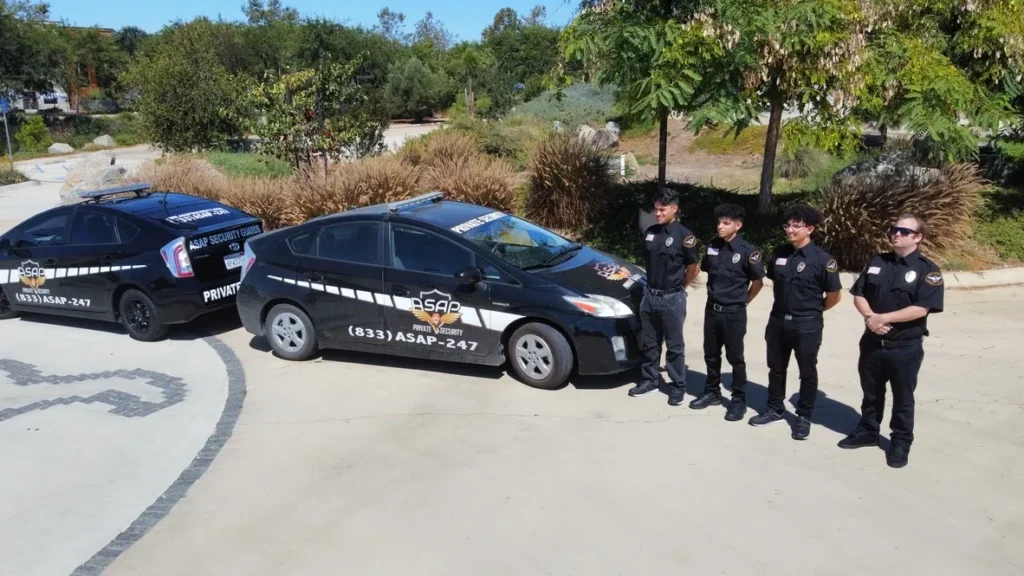
Security cameras are a great tool, but they have one major flaw: they’re reactive. By the time you review footage of a break-in, the criminals are long gone and your valuable equipment is already missing. You’re left with a video file and a project delay. This is where proactive construction site security comes in. Hiring security guards for construction sites is about preventing crime before it happens. A trained officer is a powerful deterrent who can patrol the grounds and respond instantly to threats. It’s the difference between documenting a loss and preventing one altogether.
Key Takeaways
- Security is a strategic investment: View professional security not as a cost, but as essential protection for your project’s timeline and budget. Proactive security prevents expensive losses from theft and vandalism that can derail your entire operation.
- Guards provide active deterrence: While cameras record crimes, guards prevent them. A physical presence stops criminals before they act by controlling access, patrolling the site, and responding instantly to threats in a way technology cannot.
- Vet your security partner carefully: The right company is more than just a uniform. Verify they are licensed and insured, offer customized plans for construction sites, and have specialized training to handle your project’s unique risks effectively.
Why Are Construction Sites So Vulnerable?
A construction site is a hub of activity and progress, but it’s also uniquely exposed to risks that can derail your project. From the moment you break ground, your site becomes a target for theft, vandalism, and other liabilities. Understanding these vulnerabilities is the first step toward building a solid security plan. The open nature of these sites, combined with the high-value assets on hand, creates a perfect storm for potential losses. Let’s look at the key reasons why construction sites are so susceptible to crime and disruption.
The High Cost of Unattended Equipment
Think about everything on your site right now: heavy machinery, power tools, copper wiring, and even fuel. To a thief, this isn’t just equipment; it’s a treasure trove. These assets are not only expensive to replace but are also difficult to trace once stolen. With nearly $1 billion in equipment and materials stolen from U.S. construction sites annually, the financial risk is staggering. When your crew clocks out, these valuable items are often left with minimal protection, making them an easy score for criminals. The loss of a critical piece of machinery can halt your entire project, leading to costly delays.
When No One’s Watching: The After-Hours Risk
During the day, a construction site is bustling with workers, creating a sense of natural surveillance. But what happens after 5 p.m. or over the weekend? Most sites become deserted, quiet, and dark, creating an open invitation for trouble. This lack of oversight is when most theft and vandalism occurs. Criminals know they can operate under the cover of darkness with a low chance of being seen. Relying on your crew to double as a security force simply isn’t realistic, which is why 24/7 security services are essential for continuous protection.
Struggling to Control Site Access?
A simple chain-link fence might keep honest people out, but it does little to stop a determined intruder. Construction sites are notoriously difficult to secure. Perimeters are large, gates are constantly opening for deliveries, and it’s easy for someone to slip in unnoticed. The threat isn’t just from thieves; it also includes trespassers who could get injured, creating a serious liability for your company. Effective access control is the foundation of a secure site. Having professional private security guards on-site to manage entry points and verify credentials ensures only authorized personnel are present, protecting both your assets and your team.
How Security Guards Protect Your Bottom Line
Hiring security for your construction project isn’t just another line item on the budget; it’s a strategic investment that protects your assets, your people, and your reputation. A professional security presence does more than just watch over a site. It actively prevents losses, creates a safer work environment, and demonstrates a level of professionalism that gives clients and stakeholders confidence in your operation. From the moment ground is broken until the final walkthrough, security guards are your first line of defense against the many risks that can delay timelines and eat into your profits. A secure project is less likely to face unexpected costs from theft, vandalism, or accidents, ensuring you stay on schedule and within budget. Let’s look at the specific ways security adds tangible value to your project.
Deter Theft and Protect Your Assets
Construction sites are a goldmine for thieves. With over a billion dollars in equipment and materials stolen from U.S. sites each year, leaving your project unprotected is a significant financial risk. Valuable tools, copper wiring, and heavy machinery are often left unattended, especially after hours, making them easy targets. A visible security presence is one of the most effective deterrents you can have. Professional guards control who comes and goes, monitor for suspicious activity, and conduct regular mobile security patrols to ensure the entire perimeter is secure. This proactive approach doesn’t just catch criminals; it convinces them to look for an easier target in the first place, saving you from costly replacements and project delays.
Keeping Your Crew Safe and Compliant
A secure site is a safe site. Your crew’s safety is paramount, and security guards play a crucial role in maintaining a controlled environment where they can work without unnecessary risk. Guards prevent unauthorized individuals, like vandals or trespassers, from wandering onto the site and potentially causing disruptions or getting injured. By managing access points, they ensure only approved personnel are present, which helps reduce the chance of accidents and workplace incidents. This controlled environment not only protects your team but also helps you maintain compliance with safety regulations, shielding your project from potential fines and legal complications.
Reduce Liability and Lower Insurance Costs
Think of security as a form of financial protection. When you take proactive steps to secure your construction site, you significantly reduce your liability. Fewer thefts, accidents, and incidents of vandalism mean fewer insurance claims. Many insurance providers recognize this and may offer lower premiums for projects protected by professional security. Beyond insurance, a secure site protects your company’s reputation. It shows inspectors, investors, and clients that you are a responsible contractor who takes asset protection seriously. This commitment can prevent costly legal battles and solidify your standing as a trustworthy business partner.
Earn Client Trust with Professional Security
Visible security measures send a powerful message to everyone involved in your project. For clients and investors, it provides peace of mind knowing their investment is well-protected around the clock. It demonstrates that you run a tight ship and are committed to seeing the project through without preventable setbacks. This level of professionalism builds immense trust and can be a deciding factor for future partnerships. Effective corporate security isn’t just about guarding physical assets; it’s about safeguarding your reputation and strengthening the relationships that are essential for long-term success.
What Does a Construction Security Guard Do?
When you picture a security guard on a construction site, you might just think of a person standing watch. But their role is much more active and essential to your project’s success. A professional construction security guard is your first line of defense, a trained observer, and an immediate responder all rolled into one. Their duties go far beyond simply being present; they actively protect your assets, your team, and your timeline. From the moment the first truck arrives until the last tool is packed away, they are the eyes and ears on the ground. They manage the flow of people and materials, proactively look for potential risks, and are prepared to handle any situation that arises. Think of them as a vital part of your project management team, dedicated to keeping everything secure and on track.
Controlling Every Entry and Exit Point
A busy construction site has a lot of moving parts, with workers, subcontractors, and deliveries coming and going all day. Without a system to manage this traffic, your site becomes an open invitation for theft and liability issues. A key responsibility for a security guard is to control every access point. This means they are responsible for verifying the credentials of every person and vehicle entering the site, maintaining a detailed log of all activity. By ensuring only authorized personnel are on-site, they significantly reduce the risk of internal and external theft. This strict access control not only secures your valuable equipment and materials but also helps maintain a safe and organized work environment for your crew.
Patrolling the Site to Spot and Deter Threats
A stationary guard can only see so much. That’s why consistent, active patrols are a critical part of securing a construction site. Professional guards conduct regular foot patrols around the entire perimeter, checking for vulnerabilities like broken fences, unsecured equipment, or signs of a potential break-in. These patrols are not random; they follow strategic routes to ensure every corner of your property is monitored. In addition to physical patrols, many security plans integrate technology. Guards can monitor live CCTV feeds, giving them a complete view of the site at all times. This combination of a visible mobile security patrol and technology-assisted surveillance creates a powerful deterrent that makes would-be criminals think twice.
Providing Rapid On-Site Incident Response
Even with the best prevention, incidents can still happen. A professional security guard is trained to be the first responder in any emergency. Whether it’s a fire, a medical issue, vandalism, or an attempted theft, they know how to react quickly and effectively. Their training allows them to assess the situation, de-escalate conflicts, and provide immediate assistance while contacting the appropriate emergency services like the police or fire department. Having a trained professional on-site to manage a crisis can save valuable time, minimize property damage, and most importantly, protect your workers. This rapid response is crucial for keeping your project on schedule and ensuring the safety of everyone involved.
Performing Fire Watch Duties
A construction site is filled with potential fire hazards, from welding sparks and electrical work to flammable materials stored on-site. A security guard’s responsibilities often include performing dedicated fire watch, a critical safety function that goes beyond preventing crime. In this role, guards are trained to actively watch for fire dangers, ensure all safety protocols are followed, and confirm that fire suppression equipment is accessible and functional. This is especially important during “hot work” like welding or cutting. Having a trained professional on-site whose sole focus is fire prevention can be the difference between a minor spark and a major disaster that could halt your project and endanger lives.
Tracking and Securing Valuable Assets
Beyond just guarding the perimeter, a professional security officer plays a crucial role in the logistics of asset protection. This involves more than just watching for intruders; it’s about actively tracking your valuable equipment and materials. Guards can maintain detailed logs of when high-value items like generators or heavy machinery arrive on-site, where they are stored, and when they are moved. This creates a clear chain of custody that discourages both internal and external theft. By combining meticulous record-keeping with regular mobile security patrols, guards ensure that every asset is accounted for. This systematic approach not only helps you recover items if they go missing but also convinces potential thieves that your site is too organized and too difficult a target to bother with.
Cameras vs. Guards: Do You Need Both?
It’s a common question for any project manager or property owner: are security cameras enough? While technology has made surveillance more accessible than ever, relying on cameras alone can leave your site exposed. The most effective security plans often find a balance, using both technology and a human touch. Let’s look at what cameras can and can’t do, and why a physical guard might be the missing piece of your security puzzle.
Why Security Cameras Alone Aren’t Enough
While cameras are great for documenting what happens on your property, they are fundamentally reactive. They record an incident, but they don’t stop it from happening in the first place. By the time you review the footage of a break-in or act of vandalism, the damage is already done and the culprits are long gone. This leaves you with the frustrating task of filing reports and insurance claims instead of preventing the loss altogether. Plus, cameras have their own vulnerabilities. They can be disabled, their views can be obstructed, or poor lighting can make footage useless. A camera can’t question someone who looks out of place or perform a mobile security patrol in the dark corners of your property, but a trained guard can.
The Unmatched Deterrent of a Physical Guard
Nothing deters a potential criminal quite like a visible security presence. While a camera might be seen as a minor obstacle, a professional guard is a direct and immediate risk. In fact, simply having guards on-site can significantly reduce the chances of theft and vandalism. A uniformed officer isn’t just a passive observer; they are an active deterrent who can assess situations in real time. They can patrol the perimeter, manage access points, and respond instantly to anything suspicious. This proactive approach not only protects your assets but also creates a safer environment for everyone on site, from workers to clients. The goal is to prevent incidents, and having trained private security guards is one of the most effective ways to do that.
Integrating Technology with On-Site Personnel
The most effective security strategy isn’t about choosing between technology and people; it’s about combining them into a single, cohesive system. When you pair on-site guards with modern surveillance technology, you get the best of both worlds. The cameras act as your tireless eyes in the sky, providing constant coverage over a wide area, while the guard serves as the brain and the rapid response unit. A trained officer can monitor multiple camera feeds, identify potential threats that an automated system might miss, and take immediate action. This integrated approach turns a passive recording device into an active security tool. A guard conducting a mobile security patrol can use this technology to be far more effective, covering more ground with greater awareness and creating a powerful deterrent that makes criminals think twice.
Handling Security System Setup and Maintenance
So, who manages all this technology? The last thing you need as a project manager is another complex system to set up and maintain. This is where a true security partner shines. A comprehensive security provider doesn’t just drop off a guard; they help design and manage your entire security ecosystem. This includes advising on strategic camera placement to eliminate blind spots, handling the technical setup, and performing routine maintenance to ensure everything is running smoothly. Your security team takes ownership of monitoring the system, so you don’t have to. This frees you up to focus on what you do best—building—while having complete confidence that your 24/7 security services are operating seamlessly in the background, protecting your site around the clock.
What Does Construction Security Cost?
When you’re managing a construction project, every line item in the budget matters. So, what should you expect to invest in security? While there’s no single price tag, security services are typically billed at an hourly rate per guard. The final cost depends entirely on your project’s specific needs. Think of it not as a fixed expense, but as a scalable investment in protecting your assets, your team, and your timeline from costly disruptions like theft and vandalism.
The key to getting an accurate quote is understanding the variables that shape the price. A professional security company won’t just give you a number; they’ll work with you to assess your site’s unique risks and develop a plan that fits your budget. By knowing what factors are at play, you can have a more productive conversation and ensure you’re getting the right level of protection without overspending. Let’s break down the main components that determine the cost of construction site security.
Key Factors That Influence Security Costs
Several key elements influence the hourly rate for a security guard. First is the guard’s experience and training. An officer with a background in law enforcement or specialized tactical training will naturally command a higher rate than a novice guard, as they bring a deeper skill set for de-escalation and emergency response. The specific duties required also play a big role. A guard assigned to simply monitor an entry point will have a different rate than one conducting active mobile security patrols or protecting high-value assets. Finally, the location and risk level of your site matter. A project in a high-crime neighborhood or a remote area with slow police response times may require a more robust, and therefore more costly, security presence.
Comparing the Costs: Armed vs. Unarmed Guards
One of the most significant decisions affecting your budget is whether to hire armed or unarmed guards. Unarmed guards are an excellent deterrent and are fully equipped to handle tasks like access control, monitoring, and reporting incidents. They are the most common and cost-effective choice for many construction sites. However, for projects with a higher risk profile, such as those in areas with significant crime rates or sites storing extremely valuable materials like copper, an armed security guard provides a superior level of protection. The higher cost reflects their extensive training, certifications, and the ability to respond decisively to serious threats, offering you and your stakeholders greater peace of mind.
Does Your Project’s Size Affect Security Pricing?
Your construction project isn’t static, and your security plan shouldn’t be either. The scope of your security needs will likely change as your project moves through different phases. In the initial grading stage, you might only need periodic patrols. Once framing is up and expensive equipment and materials are delivered, you may need to scale up to a dedicated, on-site guard. A flexible security partner understands this and will create a customized plan that adapts with you. This approach ensures you aren’t paying for intensive security during slow periods but have robust protection when your assets are most vulnerable, making it a much more efficient way to manage your security budget.
Pricing Differences: 24/7 vs. After-Hours Security
Most construction site theft and vandalism happens after the crew has gone home for the day. For this reason, many project managers opt for after-hours and weekend security coverage. This is a great strategy for protecting your site when it’s most exposed. However, for larger, more complex projects, round-the-clock protection offers more comprehensive benefits. Having 24/7 security services means there is always someone on-site to manage access, log deliveries, deter daytime theft, and respond instantly to any safety or security incidents. While it represents a larger investment, a 24/7 presence can prevent costly delays and losses that far exceed the additional security cost.
Additional Physical Security Measures for Your Site
While professional security guards are the most dynamic and responsive asset you can have, their effectiveness is amplified when they are part of a comprehensive security strategy. Think of your site’s security like a series of layers. Guards are your active, intelligent core, but strong physical barriers and smart asset management form the essential outer layers. By implementing a few key physical measures, you make your site a much harder target and allow your security team to work more efficiently, focusing their attention on genuine threats instead of preventable vulnerabilities.
Install Robust Fencing and Lighting
Your first line of defense is a solid perimeter. As you know, construction sites are notoriously difficult to secure. Perimeters are large, gates are constantly opening for deliveries, and it’s easy for someone to slip in unnoticed. A sturdy, well-maintained fence is non-negotiable. It creates a clear boundary and a physical obstacle that deters casual trespassers and forces determined criminals to work harder, making them more likely to be spotted. Pair that fence with bright, motion-activated lighting around the entire site, especially at entry points and near valuable equipment. Good lighting eliminates shadows where intruders can hide and makes it easier for your on-site guards or a mobile security patrol to spot suspicious activity from a distance.
Secure High-Value Equipment and Materials
Construction sites are a goldmine for thieves. With over a billion dollars in equipment and materials stolen from U.S. sites each year, leaving your project unprotected is a significant financial risk. Don’t make it easy for them. Designate a secure, locked area—like a shipping container or a fenced-off cage—for storing tools, copper wiring, and other valuable materials overnight. For heavy machinery, use anti-theft devices like wheel locks or GPS trackers. A simple but effective strategy is to have your private security guards manage the keys to this lock-up, signing items in and out. This creates a clear chain of custody and adds a powerful layer of accountability, ensuring your most valuable assets are always protected.
Debunking 3 Myths About Construction Site Security
When managing a construction project, it’s tempting to cut costs on security. But that can be a risky move that leaves your job site exposed. Let’s clear up a few common myths about construction site security so you can make an informed decision.
Myth #1: “My project is too small for security.”
It’s easy to think your project isn’t a target if it’s not a multi-million dollar build. But thieves look for opportunity, not just scale. Construction sites are filled with materials that are easy to steal and resell, like copper wiring, fuel, and tools. The cost of replacing these items, not to mention the project delays they cause, can quickly add up. A professional presence makes your site a much harder target, protecting the valuable assets that keep your project on schedule. Investing in private security guards is an investment in protecting your timeline and your bottom line.
Myth #2: “Security cameras are a complete solution.”
Cameras are a useful tool, but they have one key limitation: they’re reactive. They record a crime in progress, but they don’t stop it. By the time you review the footage, the damage is done. A security guard, however, is a proactive deterrent. Their physical presence alone is often enough to make a potential thief look for an easier target. Guards are trained to spot and address suspicious activity before it becomes a problem. They can also conduct mobile security patrols to check for vulnerabilities and provide an immediate response that a camera simply can’t match.
Myth #3: “Security is only for after hours.”
An empty site is a prime target after hours, but your project is still vulnerable during the day. Unauthorized visitors can wander onto an active site, creating a serious liability risk if they get hurt. You also have to consider internal theft or disputes that can disrupt workflow. A daytime guard manages access control, ensuring only approved personnel are present and maintaining a safe environment for your crew. For total protection, 24/7 security services ensure your site is secure around the clock, not just after the workday ends. This continuous oversight helps keep your project running smoothly and safely.
Choosing the Right Construction Security Partner
Selecting a security partner is one of the most important decisions you’ll make for your project. The right company protects your assets and your people, while the wrong one can be a liability. With so many options out there, it’s easy to feel overwhelmed. The key is to look past the sales pitch and focus on a few core qualifications that separate professional security providers from the rest. A great security company acts as an extension of your own team, so it’s worth taking the time to find a partner you can trust completely. By asking the right questions and knowing what to look for, you can confidently choose a firm that will keep your construction site safe and secure.
Do They Have Construction-Specific Training?
A construction site isn’t a typical office building, and it requires more than a generic security presence. The environment is constantly changing, with unique hazards and risks. That’s why you should look for a company whose guards have specific training for construction environments. This goes beyond just watching a gate. Guards should be trained in first aid, CPR, emergency response protocols, and effective access control for workers and vehicles. A company that invests in specialized training demonstrates a real understanding of your needs. At ASAP Security, our officers’ backgrounds in military and law enforcement mean they are prepared to handle the dynamic challenges of a construction site with professionalism and skill.
Look for OSHA, Firewatch, and Flagging Certifications
Beyond general safety training, look for guards who hold specific certifications relevant to a construction environment. These credentials show that a security company understands the unique compliance and safety demands of your site. For example, an OSHA certification means the guard is trained to recognize and avoid common job site hazards. A Firewatch certification is essential if your project involves welding or other “hot work,” as these guards are trained to prevent and respond to fires. Finally, a Flagging certification equips guards to safely manage the constant flow of vehicle and pedestrian traffic. When you vet a potential construction security partner, asking about these specific qualifications is a great way to gauge their expertise and commitment to site safety.
Are They Properly Licensed and Insured?
This step is non-negotiable. Before you sign any contract, you must verify that the security company and its guards are fully licensed and insured. Proper licensing is a legal requirement that confirms the guards have met state-mandated training standards and passed background checks. It’s your first sign of a legitimate operation. Equally important is insurance, which protects you from liability in case of an incident on your property. Any reputable firm will readily provide you with their license numbers and a certificate of insurance. If a company is hesitant to share this information, consider it a major red flag and walk away.
How Long Have They Been in Business?
While a new company isn’t automatically a bad choice, there’s a lot to be said for experience. A security firm that has been in business for a decade or more has a proven track record of stability and reliability. They’ve weathered economic shifts, adapted to new security challenges, and built a reputation strong enough to last. Longevity suggests they have refined their training processes, managed countless security scenarios, and understand what it takes to retain clients. When you vet a potential partner, ask about their history. A company with deep roots in the industry, like some firms with over 20 years of experience, brings a level of institutional knowledge that a newer operation simply can’t match. This experience translates into smoother operations and more effective protection for your site.
Do They Have Experience with High-Profile or Government Clients?
A company’s client list can tell you a lot about its capabilities. If a security firm is trusted by government agencies, large corporations, or to provide school security, it’s a strong signal that they meet very high standards. These types of clients have rigorous vetting processes and demand the utmost professionalism, accountability, and compliance. For example, firms that work with entities like the Port Authority or city housing authorities have proven they can handle complex, high-stakes environments. This kind of experience means the company has robust systems for reporting, communication, and emergency response. When a security partner is trusted to protect sensitive public and corporate assets, you can feel more confident that they have the expertise to effectively secure your construction project.
Can They Create a Custom Plan for Your Site?
Every construction project is different, so your security plan should be too. Avoid companies that push a one-size-fits-all package. A truly professional security partner will start by conducting a thorough assessment of your site to understand its specific vulnerabilities, layout, and schedule. Based on this assessment, they should develop a tailored strategy. This might involve a combination of armed security guards at access points, after-hours mobile security patrols, or dedicated personnel to monitor high-value areas. A customized plan shows the company is focused on providing effective security, not just selling a standard service.
Can They Provide a Quick Response and Deployment?
Emergencies on a construction site are a matter of when, not if. The real test of your security partner is how they perform when a crisis hits. A professional guard is trained to be the first responder for anything from a medical issue to an attempted theft, knowing how to react quickly and effectively. Their ability to assess a situation, provide immediate assistance, and coordinate with emergency services can save valuable time, minimize property damage, and keep your workers safe. This is why you need a partner with a proven system for 24/7 security services and rapid response. Before you hire, ask potential companies about their deployment speed and how they handle urgent requests. Can they get a qualified guard to your site on short notice if a threat emerges? Their answer will tell you a lot about their capabilities.
Look for Transparent Pricing and Communication
A security provider is a partner, and good partnerships are built on clear communication. You should have a dedicated point of contact who is easy to reach and provides regular, detailed reports. You need to know what’s happening on your site, and your security team should make that easy. This transparency should also extend to pricing. The company should provide a clear, itemized quote that explains all costs without hidden fees. While budget is always a consideration, remember that the cheapest option is rarely the best. You’re paying for reliability, professionalism, and peace of mind, which are always worth the investment.
Ask About Detailed Activity Reports
Transparency goes beyond the price tag; it’s about knowing exactly what’s happening on your site. A professional security partner provides detailed daily activity reports, giving you a clear window into their work. These reports shouldn’t just say “all clear.” Look for logs of who entered and exited the site, notes from regular patrols, and immediate documentation of any incidents. This level of detail is crucial for liability, insurance, and your own peace of mind. When you’re vetting a company, ask for a sample report. It reveals the quality of their documentation and their commitment to keeping you informed, a core part of maintaining a secure site.
Protect Your SoCal Project with ASAP Security Guards
Your Southern California construction site is a hub of activity, but it’s also a prime target for theft and vandalism. Leaving your project unprotected is a risk that can lead to costly equipment loss, material theft, and significant project delays. The simple presence of a professional security guard can be a game-changer, dramatically reducing the likelihood of incidents. Think of it not as an expense, but as an investment in keeping your project on schedule and on budget.
At ASAP Security Guards, we create security solutions specifically for the unique challenges of construction sites. Our trained officers do more than just watch over your property; they become an active part of your site’s safety protocol. We manage who comes and goes by controlling access points and protecting your valuable machinery and materials from theft. Our teams also conduct regular mobile security patrols to deter anyone looking for an easy target after hours.
Whether you need armed security guards for high-value projects or a consistent presence with 24/7 security services, we tailor a plan that fits your specific needs and budget. By partnering with us, you’re not just hiring a guard; you’re securing your assets, protecting your team, and ensuring your project moves forward without costly interruptions. Let us handle the security, so you can focus on the build.
Related Articles
- Construction Site Security: Prevent Theft & Protect Assets | ASAP Security Guards
- Construction Site Security: 5 Proven Ways to Protect Your Site | ASAP Security Guards
- 5 Ways to Improve Construction Site Security | ASAP Security Guards
Frequently Asked Questions
My project is relatively small. Is professional security really necessary? It’s a common question, but thieves often target opportunity, not just project size. Even the loss of a few power tools or a small amount of copper wiring can cause significant delays and replacement costs that quickly exceed the price of security. A professional guard makes your site a harder target, protecting your timeline and budget regardless of the project’s scale.
If I have security cameras, why do I also need a physical guard? Think of it as the difference between reacting to a problem and preventing one. Cameras are great for recording an incident after it has already happened, but a physical guard is a proactive deterrent. A guard can actively patrol areas cameras can’t see, question suspicious individuals, and respond immediately to a situation, stopping a theft or act of vandalism before the damage is done.
What’s the real difference in protection between an armed and unarmed guard? An unarmed guard is an excellent visual deterrent and is highly effective at managing site access, monitoring for suspicious activity, and reporting incidents. For most sites, this is the perfect solution. An armed guard provides a higher level of protection, which is ideal for projects in high-crime areas or those with extremely valuable assets on-site. Their advanced training offers a decisive response capability for serious threats, providing maximum peace of mind.
Does my security plan need to stay the same for the entire project? Not at all. In fact, the best security plans are flexible and adapt to your project’s needs. You might start with periodic mobile patrols during the initial grading phase and then scale up to a dedicated on-site guard once valuable materials and equipment arrive. A good security partner will work with you to adjust coverage as your site’s risks change, ensuring you have the right protection at the right time.
What are the most important things to look for in a security company? First, always verify that the company and its guards are fully licensed and insured in your state; this is non-negotiable. Next, ask about their training, specifically for construction environments, as these sites have unique challenges. Finally, a reliable partner will offer a customized security plan based on a thorough assessment of your site, not a generic, one-size-fits-all package.
