
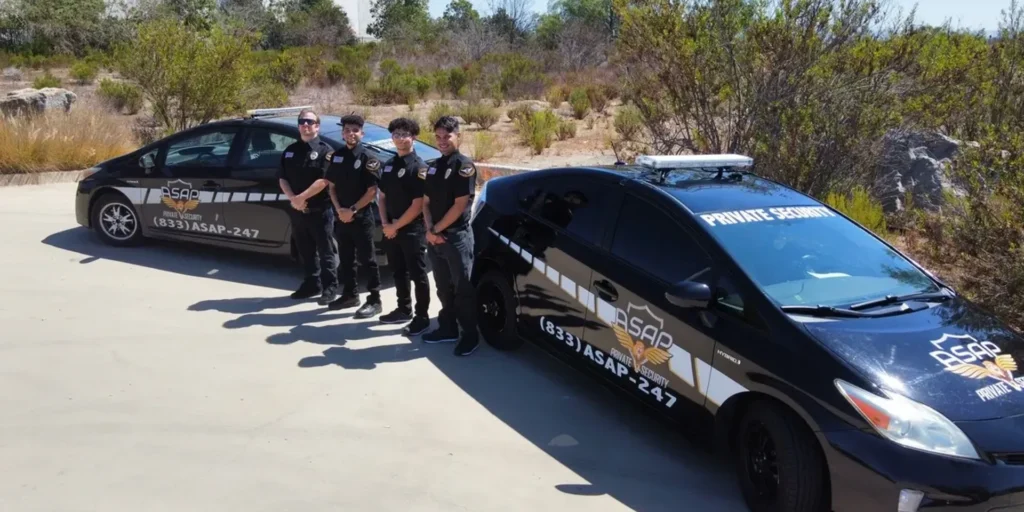
Apartment communities face their greatest security challenges when offices close, visibility drops, and residents, guests, and vendors continue moving through parking areas and shared spaces. Cameras can document an incident and gates can limit some access, but neither can respond when a situation develops.
Schedule a free consultation to evaluate security coverage for your Southern California community.
Dedicated apartment security guards add a proactive human presence that cameras and gates cannot provide. They can patrol after hours, identify unusual activity, assist residents, manage guests, and report issues before they become larger threats. For multifamily owners, that added presence supports tenant safety, protects the property, and strengthens day-to-day risk management.
The right approach is not necessarily to replace technology, but to pair it with trained personnel who can interpret what is happening and act in real time. That distinction becomes especially important when comparing visible human protection with cameras and gates alone.
Why Apartment Security Guards Outperform Cameras and Gates Alone
Cameras, controlled gates, and well-placed lighting are valuable parts of an apartment community’s security plan. They improve visibility, limit some forms of unauthorized access, and create records that property teams can review. However, these systems are passive. They observe or restrict conditions, but they do not replace a trained person who can recognize a developing problem and respond in the moment.
Technology documents incidents; people interrupt them
Video surveillance is strongest after an event. It may help identify a vehicle, establish a timeline, or support an investigation. But recorded footage cannot speak with a resident, check a concern, or intervene while an active threat is unfolding. Gates can control a designated entry point, yet they cannot assess activity in a parking area, walkway, stairwell, or shared amenity space. Passive technology therefore leaves security gaps that a human presence can address. ASAP Security Guards identifies proactive guard presence as a solution for gaps that cameras and gates alone cannot solve.
A trained officer can patrol common areas, observe unusual behavior, assist residents, document conditions, and escalate an issue according to the property’s response plan. That flexibility matters in Southern California communities where apartment properties may include multiple buildings, open parking, garages, package areas, pools, and surrounding public access points. A guard can move between those spaces instead of waiting for an alert from a fixed device.
A visible presence changes the risk calculation
After-hours patrols also create a practical deterrent. Opportunistic criminals may view an unattended apartment complex as an easy target, especially when activity is limited and no one appears responsible for monitoring the property. A visible officer signals that the community is occupied, observed, and prepared to respond. The San Antonio Police Department’s Crime Free Multi-Housing guidance describes unattended properties as opportunities for crime and supports coordinated prevention efforts: Crime Free Multi-Housing guidance.
For owners and property managers, the strongest approach is not guards instead of technology. It is technology supported by appropriately selected unarmed security guards who can turn information into action. Cameras can show what happened. Gates can help manage access. A trained officer can help prevent the situation from becoming the next incident.
How Apartment Security Guards Reduce Liability for Property Owners
For a property owner, a security incident can create more than an immediate repair or response cost. It can lead to tenant complaints, insurance scrutiny, reputational damage, and allegations that known risks were not addressed. A documented, consistently managed security program helps demonstrate that the owner took reasonable steps to protect residents, guests, employees, and the property.
Demonstrating a reasonable security response
Security planning should reflect the community’s actual risk profile. Officers can patrol parking areas, observe entrances and common spaces, document hazards, respond to disturbances, and escalate serious incidents to law enforcement. Their reports create a time-stamped record of observations and actions, which is more useful than relying on a camera archive alone after an event.
Legal standards vary by jurisdiction, so owners should obtain advice from qualified counsel rather than assume that any single measure eliminates liability. However, some laws illustrate why documented security practices matter. Florida Statute 768.0706 establishes a presumption against liability for certain third-party criminal acts when a multifamily property substantially implements specified security measures, including cameras and adequate parking-lot lighting. The statute is not a universal rule for Southern California, but it reinforces a broader risk-management principle: security measures should be deliberate, maintained, and verifiable.
Reducing preventable incidents and response costs
A visible officer can identify escalating behavior before it becomes a police call, enforce site rules consistently, and direct residents or visitors away from unsafe areas. When an incident does occur, the officer can preserve information, notify the right parties, and support a coordinated response. The goal is not to replace law enforcement. It is to improve the property’s first line of observation and response.
Effective crime prevention also depends on collaboration. Guidance from the San Antonio Police Department’s Crime Free Multi-Housing program states that police, management. And residents must work together because no single group can solve rental-community crime problems alone. Property owners can support that model by giving management clear reporting procedures, encouraging resident communication, and maintaining a productive relationship with local law enforcement. The same program reports that, when applied, the approach consistently reduces police call volume. Fewer unnecessary calls can reduce disruption for residents while allowing public safety resources to focus on urgent threats.
Owners evaluating liability reduction for property owners should look beyond the presence of equipment. The strongest program combines trained personnel, documented inspections, reliable incident reporting, and regular review of recurring risks. That evidence-based approach helps protect people, preserve the asset, and show that security responsibilities are being actively managed.
After-Hours Patrols: Protecting Your Property When It Matters Most
Evening and overnight hours can change how an apartment community feels and functions. Fewer staff members may be on site, residents may be arriving or leaving in darkness, and isolated areas can receive less attention. For criminals looking for easy opportunities, an unattended complex may appear especially attractive. A visible patrol presence makes the property less predictable and less inviting for theft, vandalism, and unauthorized access.
Why visible patrols deter opportunistic crime
After-hours patrols put trained personnel where passive security measures cannot. Officers can walk building perimeters, monitor entrances, check gates, observe vehicles and people moving through the property, and identify unusual activity before it becomes a larger incident. Their presence also gives residents a clear way to report concerns in real time rather than waiting for a camera review after damage or a break-in has occurred.
The San Antonio Police Department’s Crime Free Multi-Housing guidance notes that opportunistic criminals may view a property as an opportunity to commit crimes. Consistent patrols directly address that risk by showing that common areas are observed, even when the leasing office is closed.
Covering parking lots and shared spaces
Parking areas, walkways, stairwells, laundry rooms, pool areas, and mail facilities all benefit from deliberate after-hours attention. Crime prevention through environmental design, or CPTED, is recognized as a way to combat assaults and robberies in common areas and parking lots. Patrols strengthen those environmental measures by adding human observation, immediate reporting, and a response-oriented presence.
For communities with recurring vehicle or lighting concerns, dedicated parking lot security can focus coverage on the areas residents and property owners use most at night. A broader schedule may also include security patrol services for multiple buildings or separate sections of a large Southern California property. The right plan should reflect the community’s layout, access points, resident traffic, and documented incident patterns rather than rely on a one-size-fits-all route.
Tenant Safety and Retention in Multifamily Communities
Residents evaluate more than the condition of an apartment when deciding whether to renew a lease. They notice how secure the parking areas feel at night, whether common spaces are monitored, and how quickly concerns receive a response. A visible security presence can turn safety from an abstract promise into an experience tenants recognize every day.
Dedicated guards enhance tenants’ perception of safety and overall community well-being. That perception matters during tours, lease renewals, and referrals. Prospective residents may be more willing to choose a well-managed community when they see trained personnel patrolling shared spaces and responding to issues. Existing tenants who feel comfortable returning home, using amenities, or walking through the property after dark have a stronger reason to stay.
Safety supports retention and property appeal
Tenant retention is influenced by many factors, but a persistent sense of vulnerability can undermine satisfaction even when the building itself is attractive. Property owners who make safety visible can strengthen the resident experience and protect the reputation of the community. In competitive Southern California rental markets, that can support lease demand and help a property present a stronger value proposition. Some safety-conscious renters may also accept a premium for a community where security is treated as part of the service, not an afterthought.
Guards also address gaps that cameras, gates, and other passive systems cannot solve on their own. Video can document an incident, but a trained officer can observe changing conditions, speak with residents, identify a developing concern, and take appropriate action or contact emergency services. This human response is especially important in busy communities where access points, parking areas, and shared amenities create changing security needs. ASAP Security Guards describes this proactive presence as a way to address security gaps passive technology cannot resolve.
Communication builds trust across diverse communities
Safety programs work best when residents feel comfortable reporting concerns and asking questions. In diverse SoCal communities, bilingual security officers can make those interactions more accessible for Spanish-speaking tenants. Clear communication helps officers understand reports accurately, explain procedures, and build the trust that encourages residents to participate in a safer community.
Guest Management and Access Control at Apartment Communities
Guest access is one of the clearest points where a security plan either protects a community or leaves an avoidable gap. A resident may welcome a friend, contractor, delivery driver, or rideshare visitor. But property staff still need a reliable way to distinguish an authorized guest from someone using the invitation to gain access. The San Antonio Police Department’s Crime Free Multi-Housing guidance notes that invited individuals can commit crimes and that poorly protected properties may appear to outside offenders as opportunities.
Verify visitors before they enter
Apartment security guards can monitor vehicle gates, lobby doors, pedestrian entrances, and other controlled points throughout the property. Depending on the community’s procedures, an officer may confirm the resident’s name and unit. Check a guest list or access authorization, record visitor details, and contact the resident before allowing entry. Guards can also verify contractors and vendors against scheduled work orders, identify unauthorized solicitors, and direct rideshare drivers without giving them unrestricted access to resident areas.
Control parking, deliveries, and tailgating
Access control extends beyond the front gate. Officers can patrol parking areas, identify vehicles in restricted or reserved spaces, and help enforce visitor parking rules without unnecessarily disrupting residents. At package rooms and delivery areas, they can observe activity, direct drivers to the proper location. And report suspicious behavior or unattended items through the property’s established chain of command.
Tailgating is another common access weakness. When a vehicle follows an authorized car through a gate, or an individual slips through a secured door behind a resident. A visible officer can intervene, ask the person to identify their destination, and redirect them to the approved check-in process. This active presence complements cameras and electronic gates by addressing a situation as it happens.
Communicate clearly with a diverse resident population
Southern California communities often serve residents and visitors from varied language backgrounds. Bilingual security officers can reduce communication gaps during visitor verification, parking disputes, and urgent incidents. Consistent procedures, respectful interactions, and real-time incident reporting help property owners maintain control of shared spaces while preserving a welcoming residential environment.
Cost-Benefit: Are Apartment Security Guards Worth the Investment?
The cost of apartment security should be measured against the risks an owner is trying to manage. Theft, vandalism, tenant turnover, property damage, and liability claims can each create expenses that extend well beyond a monthly security invoice. A visible, trained presence can also reduce unnecessary demand on public resources. The Crime Free Multi-Housing program reports that its approach has consistently reduced police call volume when applied, which can support a more stable community environment.
The following comparison is a planning framework, not a quote. Southern California guard pricing commonly falls around $25 to $40 per hour, while final costs depend on post orders, schedule, staffing, location, and coverage level. Mobile patrols may cost less than a dedicated post because visits are periodic. Cameras-only and no-security models have lower direct costs, but they leave more responsibility with residents, property staff, and law enforcement.
| Option | Crime deterrence | Response time | Tenant confidence | Estimated monthly cost | Liability coverage |
|---|---|---|---|---|---|
| On-site security guards | High, because the visible presence is continuous | Immediate on-site response | High, especially in parking and common areas | About $4,000 to $6,400 for one 160-hour monthly post, before added requirements | Strongest operational documentation and prevention support, but not a guarantee against claims |
| Mobile patrols | Moderate to high during scheduled visits | Fast when a patrol unit is nearby, otherwise variable | Moderate, with visible scheduled checks | Often lower than a dedicated post; request a site-specific quote | Supports documented inspections and incident response, subject to the service scope |
| Cameras only | Moderate as a deterrent, limited during active incidents | Requires staff, monitoring, or law enforcement intervention | Moderate to low when residents see no human presence | Equipment and monitoring costs vary widely | Creates records, but does not replace active prevention or response procedures |
| No security | Low, particularly during unattended hours | Dependent on residents, staff, or law enforcement | Low when incidents or access concerns persist | Lowest direct cost, with exposure to avoidable losses | Offers little evidence of proactive risk management by itself |
For many properties, the practical answer is a layered plan rather than a choice between guards and technology. Cameras can document events, while trained personnel can patrol, identify hazards, communicate with residents, and escalate active problems. Owners evaluating corporate security services should compare the cost of coverage with the value of protecting occupancy, tenant trust, and the property itself. A security assessment can help determine whether a dedicated post, mobile patrol, or combination provides the right balance.
Frequently Asked Questions
Why do apartment communities need security guards?
Dedicated guards provide a visible, mobile presence during the hours when property staff may be unavailable. They can patrol parking areas and common spaces, identify developing problems, respond to unauthorized activity, and help tenants feel safer. Their presence complements cameras and gates by addressing situations in real time rather than only documenting them afterward.
What is the difference between security guards and apartment cameras?
Cameras can record activity, support investigations, and help management review an incident. A guard can observe conditions across the property, speak with residents and visitors, enforce access procedures, and escalate an active threat while it is happening. The strongest approach uses cameras, lighting, gates, and trained personnel together instead of treating technology as a complete substitute for human oversight.
How do guards handle guest management at an apartment community?
Guard procedures can include monitoring entry points, confirming visitor authorization, checking identification when required by property policy, directing guests to approved areas, and documenting unusual activity. Clear rules should be established with management in advance so officers apply them consistently while respecting residents, lawful guests, and emergency access needs.
Can security guards reduce liability for apartment owners?
They can help reduce preventable risk by identifying hazards, documenting concerns, responding to suspicious activity, and showing that security procedures are actively overseen. The legal effect depends on the property’s jurisdiction and the measures actually implemented. For example, Florida law provides a presumption against liability in certain circumstances when multifamily owners substantially implement specified security measures, including cameras and adequate parking-lot lighting: Florida Statutes Section 768.0706. Owners should obtain jurisdiction-specific legal advice.
Schedule a Security Consultation for Your Apartment Community
A dedicated security plan can help you address property-specific concerns, from common-area activity to after-hours coverage. Call (833) 272-7247 to schedule a free security consultation with ASAP Security Guards and discuss practical coverage options for your multifamily property.
