
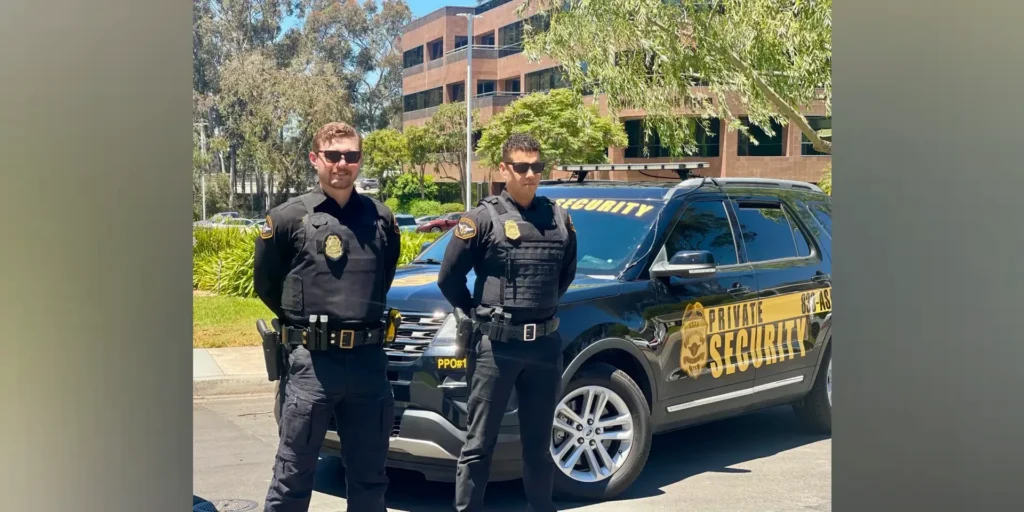
A hotel security incident response plan tells the front desk, engineering, and the guard on duty who acts first, who gets called, and what gets written down. Without that plan, a medical call, a guest dispute, or an unsecured door becomes a scramble. The first minutes decide whether the situation stays contained or spreads through the lobby.
Talk through a hotel response plan or call 1-833-272-7247
This guide is for hotel managers in San Diego County, Orange County, and Riverside County. It covers how to write the plan, assign roles, handle common incidents, and review it after a shift. It is not a medical protocol and it is not a substitute for calling 911. For the broader staffing decision, start with what effective security for hotels covers, then use this page to write the response steps.
What belongs in a hotel security incident response plan?
Keep the plan short enough that a night auditor and a new guard can use it on the first shift. A useful plan names the property, the hours it covers, and the incidents it is written for. It also names the person who can change it.
FEMA’s Ready Business guidance says the actions taken in the first minutes of an emergency are critical, and that every business should have a plan for protecting employees, contractors, and visitors. Its emergency response plan steps start with hazards, available resources, and a conversation with public emergency services about response time and what they already know about the building. A hotel can use that same order without copying a generic office plan.
Write these pieces before you add scenario detail:
- Who is in charge on each shift, and who is the backup if that person is off property.
- How to reach the general manager, the MOD, engineering, and the security supervisor.
- When the guard calls 911, and when the guard calls the manager first.
- Where guests and staff should wait, and which doors stay open for responders.
- What the guard may say to a guest, and what stays in the written report.
- How the outgoing shift tells the incoming shift what is still open.
ASAP Security staffs hotels with a visible guard presence aimed at incident prevention and guest and property protection. The plan should match that role. A guard observes, communicates, and follows post orders. The manager still owns guest decisions, room access, and anything that requires hotel policy.
How do you build a hotel security incident response plan?
Start with the incidents that already happen at the property, not a list copied from another hotel. Pull the last few months of incident notes, front-desk logs, and engineering work orders. Group them. Most hotels see some mix of medical calls, noise and guest disputes, unsecured doors, suspicious people in back-of-house, and after-hours alarms.
Walk the building with the MOD and the guard supervisor. Mark the lobby, porte-cochere, parking, pool, loading dock, stairwells, and staff-only doors. Note where a guard can see arriving guests and where a camera only records what already happened. If the hotel already completed a form-based review, use the hotel security assessment as the input. Do not turn this plan into another blank form.
Then write one page per incident type. Each page needs the same five lines: what the person who finds it does, who they call, what they do while waiting, what they tell the guest, and what they record. If a step needs a judgment call that is not written down, the night shift will invent one.
Before the plan goes live, read it out loud with the people who will use it. If the front desk and the guard describe different first calls, fix that before the next weekend.
- List the incidents this hotel actually sees.
- Name the on-shift lead and the backup for each shift.
- Write the first call, the second call, and the 911 trigger.
- Agree on the guest-facing sentence the guard may use.
- Set where the report goes and who reviews it the next day.
Who does what during the first minutes?
The person who finds the problem is rarely the person who should run it. Split the jobs so the lobby does not empty out while everyone walks to the same door.
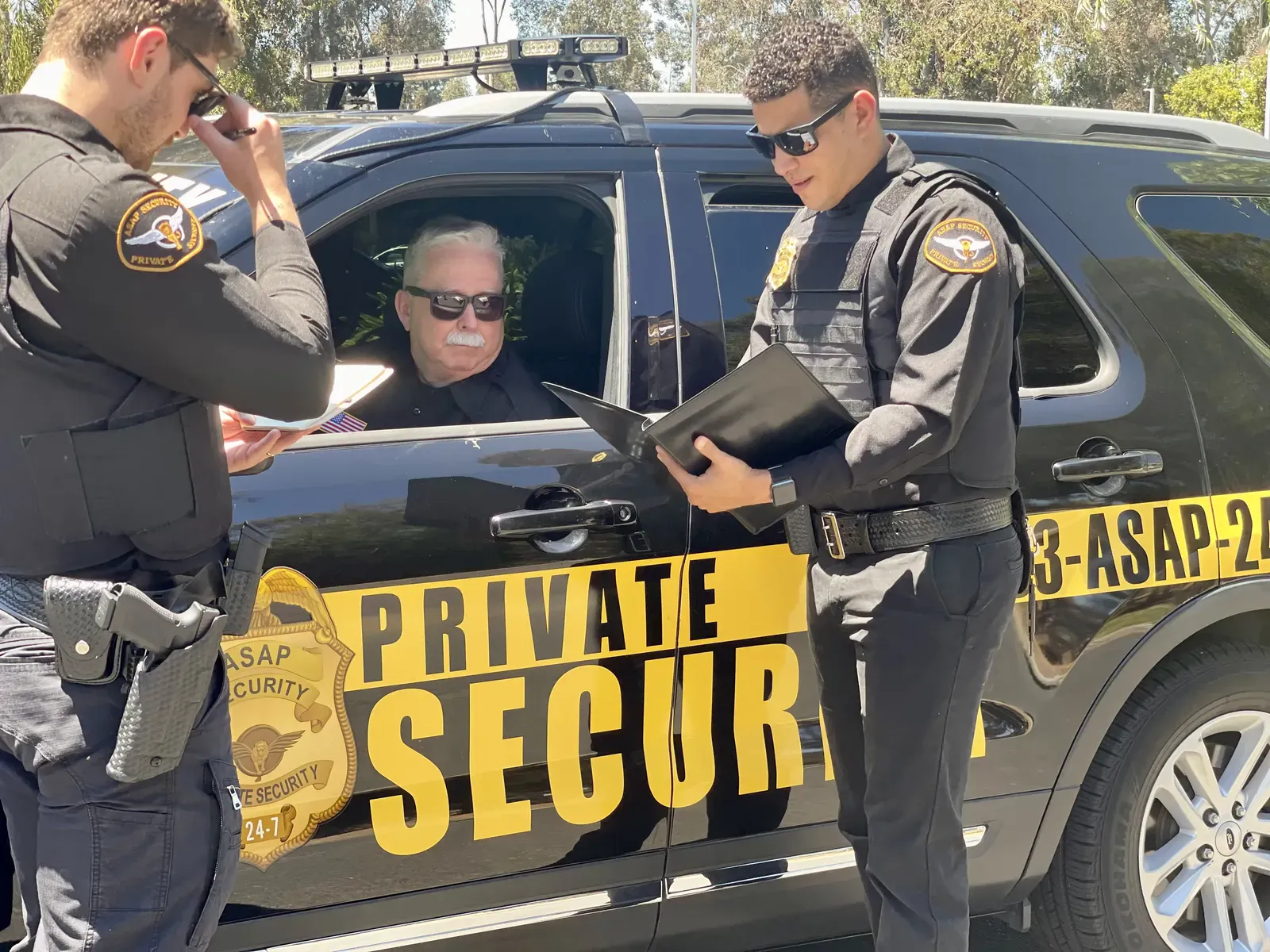
On a typical ASAP post, the guard stays with the scene or the access point named in the post orders. The front desk keeps the phones, the guest list, and the radio. The MOD decides guest-facing exceptions, such as a room entry or a comp. Engineering handles a door, a leak, or a power issue once the area is safe to enter. No one waits for a morning meeting to make the first call.
| Role. | First job. | Does not do. |
|---|---|---|
| Guard on duty. | Go to the location, observe, and call the named contact or 911. | Do not give medical care, move evidence, or decide a guest’s room status. |
| Front desk or night auditor. | Hold the desk, call the MOD, and keep a timeline. | Do not leave the desk unmanned to watch the scene. |
| Manager on duty. | Approve exceptions and speak for the hotel. | Do not assume the guard already called 911. |
| Engineering. | Secure a door, alarm, or building system when it is safe. | Do not enter an active scene before the guard or responders clear it. |
| Security supervisor. | Confirm the report and adjust post orders if the pattern repeats. | Do not rewrite the plan from a single noisy night. |
Put the names and phone numbers on the same card as the roles. A role with no reachable person is not a plan. Update the card when a manager changes shifts, not at the quarterly review.
Which hotel incidents need their own steps?
You do not need a separate novel for every possibility. You do need a short path for the incidents that show up on this property. The day-to-day work of a post is covered in hotel security guard duties. The response plan only adds the branch for when something is already going wrong.
Medical emergency
Call 911 first when someone is unresponsive, bleeding heavily, or asking for an ambulance. Send one person to meet responders at a named entrance. Everyone else keeps guests back without announcing a room number across the lobby. The guard records the time of the call and who arrived. The hotel does not publish a diagnosis in the shift log.
Guest dispute or noise complaint
The guard responds with the MOD or front desk, not alone into a room. The first goal is to lower the volume and separate the people involved. If someone is being threatened, or a weapon is mentioned, the plan should say to call 911 rather than negotiate. Guest names stay out of radio chatter.
Unsecured door, alarm, or suspicious person
Check the door or the location, then call the contact on the card. Do not chase someone off the property. Note clothing, direction of travel, and the time. Engineering can reset an alarm after the guard confirms the area is clear. A propped employee door is a report even when nothing was taken.
After-hours issue with no manager on site
Overnight is where vague plans fail. If you are still deciding whether the desk needs a guard at all, use when a hotel needs overnight security for that staffing question. This plan assumes someone is already on duty and tells them the no-answer path: call the primary, wait the agreed number of minutes, call the backup, and call 911 if the scene is urgent.
How should guards and staff talk to guests?
Guests should see a calm person who knows the next step. They should not hear a debate about whose job it is. Agree on one or two sentences the guard can use, such as “We have called for help, and I need you to wait by the front desk.” Anything more specific belongs to the MOD.
Keep radios and phones off speaker in the lobby. Room numbers, guest names, and medical details do not go out in a page. If a guest asks what happened, the guard can say that staff are handling it and that a manager will follow up. That is enough.
Hospitality and control can sit in the same post. ASAP’s hotel work is built around a visible presence that still lets the front desk run the stay. A response plan that sends every guard into the back hallway, or that treats every complaint like a confrontation, works against that. Write the guest sentence into the post orders so a new officer does not improvise a harsher one.
Call 1-833-272-7247 to review a hotel post
What should the hotel security incident response plan record?
A response that is not written down disappears at shift change. Decide which events get an immediate call and which get a routine report. Both can be true. A call gets help to the scene. The report tells the next manager what happened.
For each incident, record the time, the location, who was notified by role, what the guard saw, and how the scene stood when the guard stepped back. Keep opinions out. “Guest appeared intoxicated” is a guess. “Guest was unsteady, speaking loudly, and declined to leave the lobby” is something the next shift can use.
ASAP uses GPS-tracked Daily Activity Reporting so clients can see time-stamped patrol and incident notes instead of a paper log filled in at the end of the night. Read the digital activity reporting overview and decide which hotel events must generate a DAR entry before the guard leaves the post. The format only helps if the hotel agrees on the fields.
Pair that with written security guard post orders so the response steps and the report fields live in one place. A separate general guide to security guard incident reports is useful for the writing itself. This plan only needs the hotel to name the recipient and the deadline.
How do you hand off and review the plan?
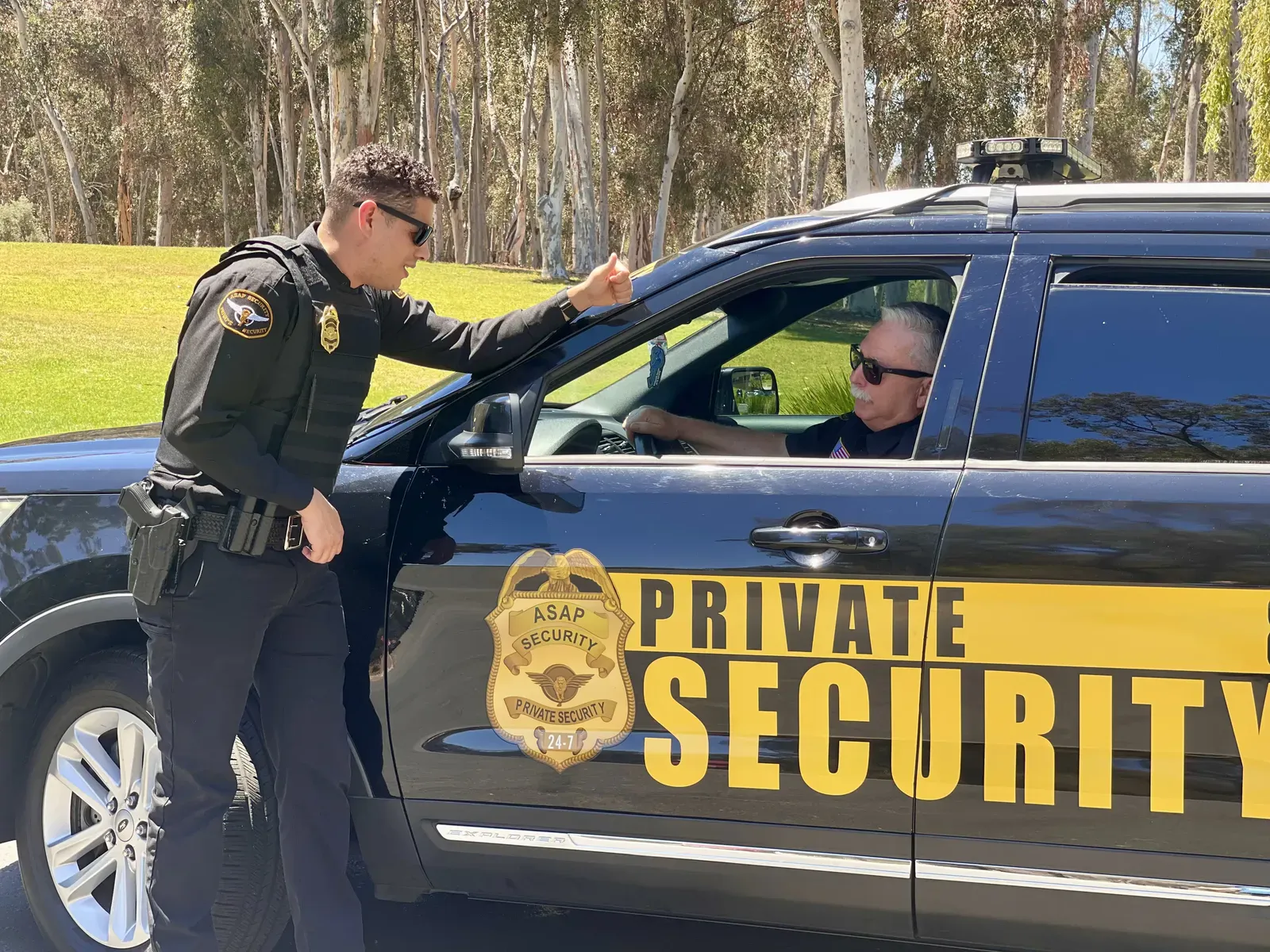
The handoff is part of the response, not a courtesy. The outgoing guard should tell the incoming guard about open alarms, guests who were asked to leave, doors that engineering still needs to fix, and any instruction the MOD left. Private details stay in the report, not in a story told in the lobby.
Set a short review. Once a month is enough for most hotels, sooner after a serious incident or a repeat of the same door or the same shift. Ask three questions: Did the named person answer? Did the report arrive before the next manager came in? Did the guest-facing sentence match what staff actually said?
Change the card when the answer is no. Do not add pages. A hotel security incident response plan that grows past what a night auditor will read will be ignored the next time the radio goes off.
If the property is ready to price a post around this plan, the public hourly ranges are $28 to $45 for unarmed guards and $35 to $65 for armed guards. Scope, hours, and whether an armed post fits the hotel still have to be confirmed for the site. Managers can start that conversation on the price quote and consultation page.
Frequently asked questions
Does every hotel incident need its own plan?
No. Group the incidents this property already sees, and write one short page for each group. A medical call, a guest dispute, and an unsecured door need different first calls. A rare event can point back to the same role card.
Should the guard call 911 or the manager first?
Write the trigger in the plan. Urgent medical emergencies, threats, and weapons are 911 calls, with the manager notified at the same time if someone else is free. A propped door or a noise complaint usually goes to the manager first. Do not leave that choice to the shift.
Can cameras replace the response plan?
No. Cameras can show what happened and support a later review. They do not meet the fire department, talk to the guest, or decide who is in charge. The plan still needs a person and a phone number.
How often should the plan be updated?
Review it monthly, and again after a serious incident, a manager change, or a repeat problem at the same door or shift. Update the contact card the same day a phone number changes.
Who approves exceptions during the incident?
The manager on duty, or the backup named on the card. The guard should not decide room entry, refunds, or whether a guest stays. If neither manager answers and the scene is urgent, the plan should already say to call 911.
Call 1-833-272-7247 to put a hotel response plan on paper
