
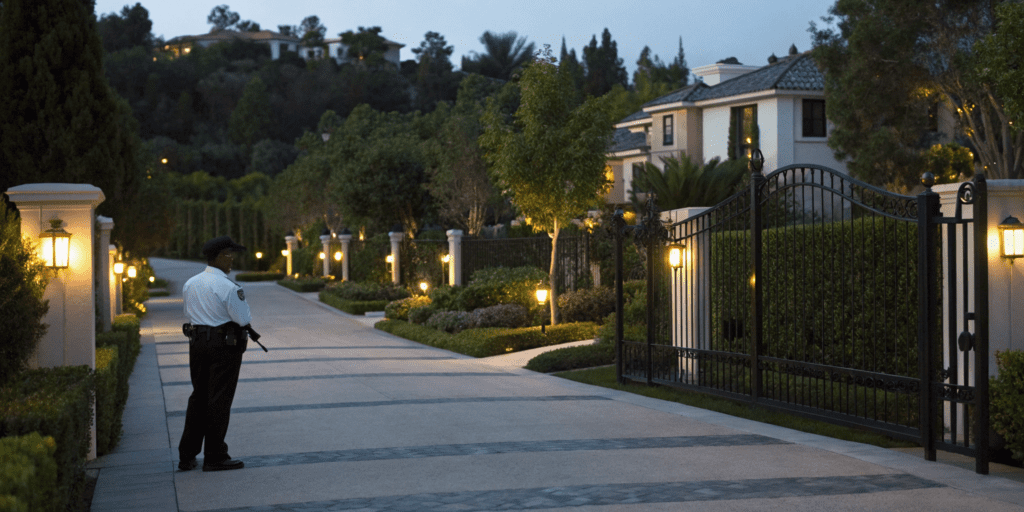
Most security plans are reactive. An alarm goes off, a camera records a crime, or a guard responds to a call. But what if your security could prevent incidents before they even happen? A proactive strategy is the key to modern gated community security. It means using gated community security intelligence to understand your weak spots. Then, you build layers of defense with smart gated community security systems and a visible community gate patrol service. This guide will show you how to move from a reactive mindset to a preventative one, making your community an unappealing target from the start.
Key Takeaways
- Think in Layers, Not Just Gates: The most secure communities integrate physical barriers, modern technology like cameras and access control, and the critical judgment of on-site professional guards.
- Your Guards Are Your Greatest Asset: Technology is a powerful tool, but a well-trained guard provides the irreplaceable human element—handling visitor vetting, patrolling the grounds, and acting as a calm, decisive leader during emergencies.
- Security is a Continuous Process: A strong security plan isn’t static; it requires regular professional assessments to find weak spots, consistent technology maintenance, and active communication to keep residents engaged and aware.
What Makes Gated Community Security Different?
What Makes Gated Community Security Different?
When you think of a gated community, the first thing that comes to mind is, well, the gate. But effective security is about so much more than a single point of entry. It’s a comprehensive approach that weaves together physical barriers, modern technology, and highly trained personnel to create a uniquely protected environment. Unlike a typical neighborhood where access is open, a gated community’s entire design is centered on controlling who comes and goes. This structure allows for a proactive and layered residential security strategy that you just can’t achieve on a public street. It’s this intentional design that creates a distinct sense of safety and privacy for everyone who lives there. From the perimeter walls to the guard at the front entrance, every element works together to protect the community and its residents.
The First Line of Defense: Gates and Barriers
The most visible feature of a gated community is its controlled access. The entire neighborhood is typically enclosed by fences or walls, creating a clear perimeter. This design funnels all traffic—both vehicle and pedestrian—through specific entry points. Access at these gates is carefully managed using methods like keypads, resident key fobs, or intercom systems that connect to a guard station. This ensures that only residents and their authorized guests can enter. To further discourage unauthorized access, many communities install additional physical deterrents like boom barriers that raise and lower for each car or speed bumps to control vehicle speed. These physical controls are the first line of defense in the community’s security plan.
Building a Multi-Layered Security Plan
True security isn’t about a single solution; it’s about creating multiple layers of protection that work in concert. An effective strategy for a gated community combines physical barriers with advanced technology and trained security professionals. Think of it as a series of overlapping shields. The outer wall and controlled gate are the first layer. The next might be a network of surveillance cameras monitoring common areas and entry points. Then, you have on-site security guards conducting mobile security patrols and providing a visible presence. When all these elements are integrated, they create a robust system that addresses a wide range of potential threats, giving residents a genuine sense of security and peace of mind.
Why On-Site Guards Make a Difference
While technology is a powerful tool, it can’t replace the judgment and immediate action of a trained professional. Having security guards on-site is a critical layer of any community’s safety plan. These officers are responsible for managing the gate, verifying visitors, monitoring surveillance feeds, and patrolling the grounds. More importantly, they provide an immediate response when an incident occurs. Whether it’s a medical emergency, a suspicious person, or a resident concern, a guard on the property can assess the situation and act right away. This human element provides a level of reassurance that cameras and alarms alone cannot, ensuring that there are always 24/7 security services available to protect the community.
The Value of Strong Security in Gated Communities
Financial and Community Benefits
A strong security plan does more than just keep people safe; it delivers tangible returns that strengthen the entire community. Think of it as an investment in both your property’s financial health and the residents’ quality of life. When people feel secure, they’re more engaged, the community feels more welcoming, and shared spaces are better maintained. This positive environment not only makes the neighborhood a more desirable place to live but also protects the significant financial assets tied up in homes and common areas. A comprehensive security strategy, from the front gate to the back fence, creates a foundation of stability that benefits every single homeowner.
Increased Property Value
A safe neighborhood is a desirable neighborhood, and that directly translates to higher property values. Potential buyers are willing to pay a premium for the peace of mind that comes with a secure, well-managed community. When you have professional residential security in place, it sends a clear message that the community is proactive about protecting its residents and their investments. This reputation for safety makes homes more attractive on the market and can lead to quicker sales at better prices. Furthermore, effective security helps prevent costly damage from vandalism or theft, which keeps HOA fees down and preserves the community’s overall financial stability.
Protection of Shared Spaces
Community amenities like pools, clubhouses, fitness centers, and parks are major assets that enhance residents’ lifestyles. They are also significant investments that require protection. Without proper oversight, these shared spaces can be vulnerable to misuse, damage, or access by unauthorized individuals, leading to expensive repairs and potential liability issues for the HOA. Consistent mobile security patrols and a visible guard presence are powerful deterrents. They ensure that amenities are used correctly and only by residents and their guests, preserving their condition and ensuring they remain a valuable and enjoyable part of the community for years to come.
Are Gated Communities Actually Safer?
It’s one of the first questions people ask when considering a move or when a board is evaluating its budget: do the gates and guards actually make a difference? The short answer is yes. A well-designed security plan for a gated community creates multiple layers of protection that work together to significantly reduce the risk of crime. It’s not just about the physical gate; it’s about the comprehensive system of controlled access, professional oversight, and modern technology that makes residents feel secure.
When you combine physical barriers with the watchful eyes of trained professionals, you create an environment that is far less appealing to potential criminals. The goal is to move from a reactive approach—dealing with problems after they happen—to a proactive one that prevents them from occurring in the first place. This strategy involves more than just locking a gate at night; it requires a thoughtful approach to screening visitors, patrolling the grounds, and ensuring that every part of the security system works seamlessly. Ultimately, this layered approach is what transforms a simple collection of homes into a true sanctuary for the people who live there.
How Gated Communities Deter Crime
The most visible benefit of a gated community is its power to deter crime. A front gate, surveillance cameras, and a uniformed guard send a clear message to anyone with bad intentions: this property is protected, and you will be noticed. Most property crime is opportunistic. A thief looks for easy targets, and a neighborhood with controlled access is anything but. In fact, research shows that homes in traditional neighborhoods are over 30% more likely to be burglarized than those in gated communities. By creating a formidable barrier to entry, you effectively remove your community from the list of easy targets, which is the first and most important step in lowering overall risk.
Keeping Unwanted Visitors Out
A gate is only as effective as the process for getting through it. In a secure community, every single visitor—from a friend coming for dinner to a package delivery driver—is screened before they enter. Residents typically use a key fob, remote, or access code for seamless entry. For everyone else, a professional guard manages access. This process prevents unauthorized individuals from simply driving in to look for opportunities. To prevent “tailgating,” where a car sneaks in behind an approved vehicle, many communities install additional measures like boom barriers or speed bumps. This strict access control is a cornerstone of effective residential security, ensuring you always know who is on your property.
Coordinating with First Responders
A common concern is whether a gate could slow down police, firefighters, or paramedics during an emergency. Fortunately, professional security plans have this covered. Gated communities work directly with local emergency services to establish protocols for rapid entry. This often involves providing first responders with special access codes, universal keys, or remote-entry fobs. In many cases, the on-site security guard can communicate directly with emergency personnel and open the gate for them instantly. This coordination ensures that help can arrive without delay, integrating the community’s security measures with the city’s emergency response system for everyone’s safety.
Creating a True Sense of Security
Beyond the practical safety benefits, a strong security presence offers something invaluable: peace of mind. Knowing that trained professionals are monitoring the community around the clock allows residents to relax and feel truly at home. Whether it’s the presence of a guard at the front gate or a mobile security patrol making its rounds, this visible oversight creates a palpable sense of safety. Residents can go for an evening walk, let their kids play outside, and sleep soundly knowing that a dedicated team is on hand to respond immediately to any concern, from a noise complaint to a genuine security threat. This feeling of security is often the primary reason people choose to live in a gated community.
A security guard in a gated community does much more than just monitor the front gate. They are the backbone of the community’s safety plan, acting as first responders, customer service representatives, and vigilant protectors. Their presence provides a human touch that technology alone can’t replicate, offering both a visible deterrent to potential threats and a reassuring presence for residents. A professional guard’s role is dynamic, requiring a unique blend of situational awareness, clear communication, and a genuine commitment to the well-being of the community they serve. From managing visitor access to responding to emergencies, their responsibilities are critical to maintaining a secure and peaceful environment for everyone who calls the community home.
What Does a Community Gate Patrol Service Do?
The gatehouse is the primary line of defense for any gated community, and the guard posted there is its most important asset. While automated gates can stop a car, a trained guard can assess a situation with human judgment. They are responsible for verifying every person who enters, from guests and delivery drivers to contractors and service providers. This involves checking IDs, confirming appointments with residents, and maintaining a detailed log of all non-resident traffic. A professional private security guard learns the community’s rhythm, allowing them to spot unusual activity or suspicious behavior that an electronic system would miss, ensuring that only authorized individuals gain entry.
Beyond the Gate: Patrols and Incident Response
A guard’s duties extend far beyond the entrance. Consistent and visible patrols are essential for deterring crime and identifying potential security risks throughout the property. Whether on foot or in a vehicle, guards actively look for signs of trouble, such as unlocked doors, broken fences, or unauthorized individuals. By regularly making their rounds, they become intimately familiar with the community’s layout and its residents. This familiarity allows them to respond more quickly and effectively to incidents like vandalism, theft, or resident disputes. A dedicated mobile security patrol ensures that every corner of the community receives attention, not just the main entrance.
More Than a Guard: Assisting Residents Daily
Beyond their security functions, guards often become a trusted and helpful presence within the community. They are frequently the first point of contact for residents who need assistance, whether it’s providing directions, helping with a lockout, or offering a safe escort home after dark. Guards can also serve as a neutral intermediary for the Homeowners Association (HOA), enforcing community rules like parking regulations or noise ordinances. This allows the HOA to maintain standards without creating direct conflict between neighbors. By building positive relationships, guards contribute to a stronger, more cohesive residential security environment where residents feel supported and safe.
How Guards Handle Emergency Communication
In a crisis, a security guard’s ability to communicate calmly and effectively is paramount. They are trained to be the on-site leaders during emergencies, whether it’s a medical issue, a fire, or a security threat. Their first responsibility is to assess the situation, contact the appropriate emergency services, and provide them with accurate information. Simultaneously, they execute the community’s emergency response plan, which may involve directing residents to safety, managing traffic flow for first responders, and keeping everyone informed. Having 24/7 security services ensures there is always a trained professional ready to take decisive action and guide the community through any critical event.
The Tech Behind Modern Gated Community Security Systems
A strong security plan combines the vigilance of trained guards with the power of modern technology. While a physical presence is irreplaceable, the right tech tools act as a force multiplier, giving your security team the eyes and ears they need to cover the entire property effectively. These systems don’t just record events; they actively help prevent incidents by controlling access, monitoring activity, and alerting guards to potential threats in real time. For modern residential security, integrating technology is no longer an option—it’s a necessity for creating a truly secure environment. By layering smart systems with professional oversight, you build a comprehensive defense that protects residents and property around the clock.
Smarter Access: Key Fobs, Apps, and More
Your community’s first line of defense is its entry points. Smart access control systems ensure only authorized individuals can get inside. Instead of relying solely on a guard checking a list, these systems use technology like RFID tags for resident vehicles, QR codes for pre-approved visitors, and license plate recognition cameras to automate and streamline the process. This frees up your on-site guard to focus on observing behavior and responding to unusual situations rather than just managing traffic. Community managers can also control access remotely through mobile apps, making it easy to grant or revoke permissions without being physically present at the gate.
Cloud-Based vs. On-Premise Systems
When you’re deciding on a security system, a key choice is where to store your data. With a cloud-based system, all your information, from access logs to camera footage, is stored securely online. This is a major plus for property managers, as it allows you to monitor your community’s security from anywhere with an internet connection. You won’t have to deal with maintaining physical servers on-site, and software updates happen automatically in the background. This approach keeps your system protected with the latest features without needing a dedicated IT team, making it a flexible and low-maintenance choice for any community.
On the other hand, an on-premise system keeps all your data on physical servers located within your community. This setup gives you complete, direct control over your security information, which can be a top priority for some HOAs. However, this level of control comes with added responsibility. You’ll need to have the physical space for the servers and will likely need IT staff to manage system maintenance, updates, and any troubleshooting. It’s a trade-off: you gain full ownership of your data, but you also take on the full responsibility of managing it.
Advanced Gate Security Features
A modern gate should do much more than simply open and close. At a minimum, your access control should include reliable methods like key fobs, keypads, or remotes for residents. To truly secure your entry point, however, you need to prevent tailgating, which is when an unauthorized car slips in behind an approved one. This is where advanced physical features make a difference. Installing boom barriers that lower after each vehicle or strategically placing speed bumps can effectively stop unwanted entry. These additions create a more formidable barrier that clearly signals your community takes its residential security seriously.
Beyond the physical hardware, integrating different technologies creates a smarter, more responsive defense. For example, you can connect motion detectors to your surveillance cameras so they automatically begin recording and trigger a spotlight when movement is detected. This not only captures clear footage but also acts as a powerful deterrent. You can also use digital visitor management systems to log every guest and vehicle, creating a detailed record of who was on the property and when. When these advanced tools are monitored by a professional 24/7 security service, they provide a complete picture of all activity, enabling a faster, more informed response to any potential issue.
Eyes Everywhere: Surveillance and LPR Cameras
High-definition surveillance cameras are a cornerstone of modern community security. They act as a powerful deterrent and provide crucial evidence if an incident occurs. To be effective, cameras should be placed strategically at all entrances and exits, common areas like pools and clubhouses, parking lots, and along perimeter fences. Today’s cameras offer incredible features, including crystal-clear video, night vision, motion detection, and secure cloud storage. When combined with a mobile security patrol, this surveillance network allows guards to monitor the entire property efficiently, investigate alerts quickly, and maintain a visible security presence where it’s needed most.
The Role of AI-Powered Cameras
AI-powered cameras take surveillance to the next level. They don’t just passively record footage; they actively analyze it in real time. These smart systems can tell the difference between a resident walking their dog and an unfamiliar person attempting to climb a fence after dark. When the camera detects suspicious activity, it sends an immediate alert to the on-site security team. This allows guards to investigate potential threats as they happen, rather than discovering a problem hours later. This proactive monitoring also helps filter out false alarms caused by animals or weather, ensuring that your security personnel can focus their attention on genuine concerns and respond more effectively.
Security in Your Pocket: Real-Time Mobile Apps
Many of today’s top security systems come with integrated mobile applications that put control right in your hands. These apps allow community managers or security supervisors to view live camera feeds, manage access credentials, and receive instant alerts directly on their smartphones or tablets. This real-time monitoring capability is a game-changer, enabling immediate verification of potential threats and faster decision-making. Some systems even allow residents to use the app to grant temporary access to their own visitors, adding a layer of convenience while maintaining a secure, auditable record of everyone who enters the community.
Instant Alerts: Integrated Alarms and Sensors
Beyond cameras, a truly robust security system includes integrated alarms and motion sensors. These devices add another critical layer of protection, especially for amenities, administrative offices, or vulnerable perimeter areas. Motion detectors can be set up to automatically trigger cameras, floodlights, or audible alarms when they detect movement in a restricted area or after hours. This proactive approach doesn’t just wait for a person to spot something wrong on a camera feed; it instantly alerts your security team to a potential breach, allowing for a swift and decisive response.
Motion-Activated Lighting and Alarms
A dark, quiet property is an invitation for trouble. Motion-activated lighting and alarms turn this vulnerability into a strength. When movement is detected in a restricted area or after hours, these systems can instantly trigger bright floodlights and audible sirens. This serves two critical purposes: it startles and often scares away the potential intruder, and it immediately draws attention to the specific location of the breach. This proactive approach doesn’t just wait for a person to spot something wrong on a camera feed; it instantly alerts your security team to a potential problem, allowing for a swift and decisive response. By integrating these devices, you create an active deterrent that helps stop incidents before they can even begin.
Virtual Guard Services
In some situations, a community may benefit from virtual guard services, which involve trained security professionals monitoring live camera feeds from a remote command center. These virtual guards can use two-way audio to challenge trespassers, activate on-site alarms, and dispatch local law enforcement or a mobile patrol unit. This solution can be an effective way to monitor large perimeters, construction sites, or amenities like pools and clubhouses during off-hours. It provides a high level of surveillance over a wide area, often at a lower cost than stationing multiple on-site guards around the clock. By leveraging technology, virtual guards can keep watch over the entire property simultaneously, ensuring no blind spot goes unmonitored.
However, it’s important to understand the distinction between remote monitoring and a physical presence. While virtual services are a powerful tool, they can’t replace the immediate impact of a guard on the property. As we’ve seen, having private security guards on-site is a critical layer of any community’s safety plan because they provide an immediate, physical response when an incident occurs. An on-site officer can de-escalate a situation in person, provide first aid, or physically detain a suspect until police arrive. The best choice often depends on the community’s specific needs, layout, and budget, with many finding that a hybrid approach offers the most comprehensive protection.
Choosing Scalable Security Systems
Your community’s security needs aren’t static. As the neighborhood grows, new amenities are built, or different challenges arise, your security system must be able to adapt. That’s why choosing a scalable solution from the start is so important. A scalable system is one that can be easily expanded or upgraded over time without requiring a complete overhaul. This might mean adding more cameras to the network, integrating a new access control system for a new clubhouse, or expanding patrol routes. Planning for future growth ensures that your initial investment remains valuable and your community stays protected as it evolves, preventing you from being locked into outdated technology.
A truly scalable plan combines access control, cameras, and real-time monitoring into a single, integrated system. A strong security plan combines the vigilance of trained guards with the power of modern technology. While a physical presence is irreplaceable, the right tech tools act as a force multiplier, giving your security team the eyes and ears they need to cover the entire property effectively. By choosing a provider who understands how to weave these elements together, you can build a flexible foundation. This allows you to start with the essentials and add more advanced features, like AI-powered analytics or expanded mobile security patrol services, as your needs and budget allow.
Common Security Challenges in Gated Communities
While gated communities provide a significant layer of protection, they come with their own unique set of operational hurdles. Managing the expectations of hundreds of residents, maintaining a welcoming atmosphere, and ensuring consistent, high-quality staffing can be a constant balancing act. Addressing these challenges head-on is the key to creating a security plan that is both effective and sustainable for the long term. Let’s look at the most common issues and how to approach them.
Identifying Common Crimes and Vulnerabilities
Even the most secure-looking communities have weak spots. The key is to identify these vulnerabilities before someone with bad intentions does. A proactive security plan starts with a clear-eyed assessment of where your community is most exposed. This means looking beyond the front gate and thinking like a potential intruder. Where are the blind spots in your camera coverage? What routines have become predictable and easy to exploit? By understanding the common threats and pinpointing the specific areas that attract them, you can build a smarter, more effective defense that addresses real-world risks instead of just perceived ones.
Specific Threats to Watch For
While gates deter major crimes, they don’t eliminate opportunistic ones. The most common issues in gated communities are often crimes of convenience. Think about the constant flow of package deliveries—unattended boxes left on doorsteps are prime targets for theft. Similarly, dimly lit parking areas or cars left unlocked can invite break-ins. Vandalism and trespassing also occur when individuals find a way to slip in unnoticed, often by following a resident’s car through the gate. Recognizing these specific patterns is the first step toward creating a targeted residential security strategy that focuses on preventing the crimes most likely to happen in your community.
Key Areas to Secure
A security plan is only as strong as its weakest link, so it’s crucial to think about every part of your property. The main entrance is obvious, but what about other access points, like pedestrian gates or service entrances? You also need to consider common areas that are often empty at night, such as clubhouses, pools, and fitness centers. Mailrooms and parking lots are frequent targets for theft and should be well-lit and monitored. Even the outer walls or fences need regular checks for damage. A comprehensive plan uses mobile security patrols to ensure all these key areas—not just the front gate—are consistently monitored and secured.
The Risk of Outdated Security Systems
An old or malfunctioning security system can create a dangerous false sense of security. Criminals are adept at spotting and exploiting outdated technology, whether it’s a grainy camera that can’t capture a clear image or a predictable gate code that has been shared too widely. If your community relies on systems that are years old, you may be more vulnerable than you think. It’s essential to regularly assess and update your technology to keep pace with modern threats. Investing in a robust system with clear cameras, reliable access controls, and professional oversight ensures your 24/7 security services are truly effective and not just for show.
The People Factor: Managing Resident Expectations
Clear and consistent communication is the foundation of a successful security program. Residents need to understand the security protocols, know how to report suspicious activity, and feel that their concerns are heard. When expectations aren’t managed, frustration can build. A great security team does more than just monitor gates; they become a trusted part of the community. Establishing an easy way for residents to contact security and fostering a culture where neighbors look out for one another can make a huge difference in overall safety and satisfaction with your residential security program.
Fortress or Friendly? Finding the Right Balance
A gate guard is often the first person a resident or guest interacts with, setting the tone for their entire experience. This role requires a delicate balance between enforcing rules and providing friendly, professional service. It’s easy for guards to become the face of any HOA issue, which can lead to friction. The goal is to create an environment that feels secure without feeling restrictive or hostile. This is where the quality of your private security guards truly matters. A well-trained officer knows how to be firm and diligent while remaining courteous and helpful, ensuring the community feels both safe and welcoming.
The Challenge of Hiring and Retaining Great Guards
The effectiveness of your community’s security rests heavily on the quality of the guards you hire. Relying on undertrained or inexperienced personnel puts the entire community at risk. A professional guard is trained to spot unusual behavior, de-escalate situations, and respond effectively in an emergency. Finding individuals with the right temperament and skill set—and then keeping them—can be a major challenge. Investing in a reputable security partner that prioritizes rigorous training and professional development ensures you have capable officers protecting your property and residents.
Why Consistent Staffing and Training Matter
Consistent staffing is one of the biggest logistical challenges for gated communities, especially those requiring 24/7 security services. Gaps in coverage, whether from call-outs or turnover, create vulnerabilities. Beyond just having a person at the post, it’s crucial that they are properly equipped and continuously trained. Providing guards with the right tools, like two-way radios and access to camera feeds, empowers them to do their job effectively. A professional security firm handles these staffing and training logistics, ensuring you always have a prepared and alert officer on duty.
Planning for the Unexpected: Emergency Preparedness
A truly robust security plan goes beyond preventing break-ins. It also accounts for the unexpected events that can disrupt a community, like a wildfire, earthquake, or medical emergency. Having a clear, actionable plan in place is what separates a chaotic response from a calm, controlled one. This preparedness not only keeps residents safe but also builds a deep sense of trust and confidence in the community’s leadership. It’s about ensuring that when a crisis hits, everyone—from the guards to the residents—knows exactly what to do.
Developing Comprehensive Emergency Plans
A solid emergency plan is more than just a binder on a shelf; it’s a living strategy that covers every likely scenario. This includes clearly marked evacuation routes, established communication protocols for keeping residents informed, and designated emergency assembly points. It also means having essential supplies like first-aid kits readily accessible. A key part of this plan involves working directly with local police and fire departments to establish protocols for rapid entry, ensuring first responders are never delayed at the gate. Regular drills and professional assessments are also critical to identify and fix any weak spots before a real emergency occurs.
In a crisis, your on-site security team becomes the community’s first line of response. A professional guard is trained to be a calm and decisive leader during an emergency, whether it’s a medical issue or a security threat. Their ability to communicate clearly, direct residents to safety, and coordinate with arriving paramedics or firefighters is invaluable. This is why having 24/7 security services is so important; it guarantees there is always a trained professional on-site, ready to manage any situation with expertise and composure, no matter when it happens.
Preparing for Power Outages
Power outages can render even the most advanced electronic security systems useless, leaving gates wide open or stuck shut. This is a significant vulnerability that every community needs to plan for. While backup generators are a great solution, they aren’t foolproof. The most reliable way to maintain security during an outage is to have a professional guard stationed at the main entrance. They can operate the gate manually and continue to screen all incoming traffic, ensuring that access control is never compromised. This human oversight is the ultimate fail-safe when technology goes dark.
To supplement this, physical barriers can add another layer of control during a power failure. Simple but effective measures like boom barriers or speed bumps can help manage traffic flow and prevent unauthorized vehicles from following residents in. However, nothing replaces the judgment of a trained officer. A dedicated residential security guard can adapt to the situation, make smart decisions on the fly, and maintain order until power is restored, ensuring the community remains secure through any disruption.
How to Strengthen Your Improve Your Community’s Security?
Creating a secure environment is an ongoing commitment, not a one-time task. Even the most well-designed communities can find ways to strengthen their security measures. By taking a proactive approach, you can address potential vulnerabilities before they become problems and ensure your residents feel safe and protected. The key is to regularly review your strategy, incorporate new technology, and keep everyone in the community engaged. These steps will help you build a robust and responsive security plan that adapts to your community’s changing needs.
First Step: Get a Professional Security Assessment
Every gated community has a unique layout, specific entry points, and different resident needs. That’s why a generic security plan simply won’t cut it. The most effective way to start is by working with security experts to conduct a thorough assessment of your property. Professionals can spot vulnerabilities you might miss, from poorly lit common areas to blind spots in your camera coverage. They will analyze your current protocols, identify potential risks, and help you design a custom security plan that fits your community’s specific requirements and budget, ensuring your resources are used effectively.
Demand More: Setting High Standards for Your Guards
Your security guards are the face and frontline of your community’s safety plan. Having undertrained or inexperienced personnel can create significant risks. It’s essential to partner with a firm that provides professional, highly trained guards who understand the nuances of residential security. A well-trained officer does more than just monitor a gate; they conduct risk assessments, follow clear protocols, and communicate effectively with property managers and residents. They are prepared to handle any situation with professionalism, from greeting a visitor to responding to an emergency, making them an invaluable asset to your community.
Keep Your Security Technology in Top Shape
Modern security features like access control systems, surveillance cameras, and alarm systems are powerful on their own, but they are most effective when they work together. An integrated system allows for a seamless flow of information. For example, a camera can automatically alert a guard to unusual activity along the perimeter fence, or a gate access system can log visitor data that can be reviewed later. Just as important as integration is regular maintenance. Technology is only reliable if it’s functioning correctly, so routine checks and updates are crucial to keeping your security network running smoothly.
Enhance Visibility with Strategic Lighting
Criminals thrive in the dark, and one of the simplest yet most effective ways to deter them is to take away their cover. A well-lit community is a safer community. Go beyond basic streetlights and think strategically about illuminating all common areas, including walkways, parking lots, mail stations, and recreational facilities like pools or parks. Good lighting makes it difficult for anyone to approach the property unnoticed and gives residents a greater sense of security when they’re out after dark. Consider upgrading to energy-efficient LED fixtures or installing motion-activated lights in lower-traffic areas to enhance visibility exactly when and where it’s needed most.
Implement Regular Perimeter Patrols
A gate controls the main entrance, but what about the rest of your property line? Fences, walls, and landscaping can create vulnerabilities if they aren’t monitored. This is where consistent patrols make a huge difference. Having a guard actively survey the community’s perimeter and interior streets provides a powerful, visible deterrent. These mobile security patrols are trained to spot signs of trouble that cameras might miss, like a damaged fence, a propped-open service gate, or suspicious individuals. This proactive approach allows you to identify and address security risks before they can be exploited, ensuring every corner of your community remains secure.
Use Deterrents like Warning Signs
Effective security is as much about psychology as it is about physical barriers. You want to send a clear, immediate message that your community is a hard target. Simple, professionally made signs indicating “Private Property,” “24-Hour Video Surveillance,” or “Patrolled by ASAP Security” can be surprisingly effective. When combined with the visible presence of cameras and a uniformed guard at the entrance, these deterrents create a layered defense. They tell any potential intruder that they are being watched and that this is not an easy place to commit a crime, encouraging them to move on before they even try to enter.
Build a Safer Community, Together
A truly secure community is one where everyone plays a part. Residents should have a clear and simple way to contact security whenever they see something suspicious or need assistance. Fostering a sense of neighborhood watchfulness, where people know their neighbors and can spot when something is out of place, adds another powerful layer of security. Regular communication from the HOA or property management—whether through newsletters or community meetings—can keep residents informed about security protocols and remind them of their role in maintaining a safe environment for everyone.
Related Articles
- Protect San Diego Neighborhoods with Security Guard Services | ASAP Security
- 5 Reasons San Diego HOAs Need Security Guards | ASAP Security
- How Residential Security Guards Deter Neighborhood Crime | ASAP Security
- San Diego Residential Security Guards – ASAP Security Guards
- Types Of Security Guards And What Each Type Does | ASAP Security Guards
Frequently Asked Questions
My community already has cameras and an automatic gate. Why do we need a guard? While technology like cameras and gates are essential first lines of defense, they can’t replace the judgment and immediate response of a trained professional. An automatic gate can’t spot a suspicious vehicle tailgating a resident, and a camera can only record an incident, not prevent it. A guard provides a proactive presence, assessing situations in real-time, vetting visitors with human intuition, and responding instantly to emergencies, offering a level of security that technology alone cannot.
Will strict security make it a hassle for my guests and deliveries to get in? Not at all, when it’s handled professionally. A well-run security program is designed for efficiency, not frustration. A professional guard service will establish clear and simple protocols for visitor management, often using systems that allow residents to pre-authorize guests. This ensures that your friends, family, and deliveries are greeted courteously and granted access quickly, while still maintaining a secure checkpoint against unauthorized entry.
What qualities should we look for when hiring a security guard for our community? Beyond basic qualifications, you want someone with excellent communication skills and a calm, professional demeanor. The best guards are observant and can spot things that are out of the ordinary, but they are also approachable and helpful to residents. Look for a security partner that emphasizes training in customer service and de-escalation, as their officers will be the first impression for every visitor and a daily point of contact for your community.
How can we ensure security doesn’t feel hostile or unwelcoming to residents and visitors? This comes down to the training and professionalism of your security team. The goal is to create a presence that is reassuring, not restrictive. A great guard knows how to be diligent and enforce rules while remaining friendly and courteous. They should be seen as a helpful community resource who can provide assistance, not just a rule enforcer. This balance is key to making residents feel safe and comfortable, rather than constantly monitored.
Besides hiring guards, what’s the first step we should take to improve our security? The best place to start is with a professional security assessment. Every community is different, with unique layouts, entry points, and potential vulnerabilities. An expert can walk your property, identify weak spots you might have overlooked, and provide a clear, customized plan. This step ensures you invest in the right solutions for your specific needs, rather than spending money on technology or services that won’t be effective for your community.
The Importance of Resident Education
Your security plan isn’t complete without involving the people who live there. While professional guards and technology are the foundation, your residents are the key to maintaining a truly vigilant environment. Teaching them simple but crucial protocols—like not sharing gate codes and knowing how to properly vet their own visitors—transforms every household into an active partner in the community’s protection. When residents feel empowered to spot and report suspicious activity, they become an invaluable extension of your security team’s eyes and ears. This collaborative approach builds a strong sense of shared responsibility and is one of the most effective ways you can improve your community’s security from the inside out.