
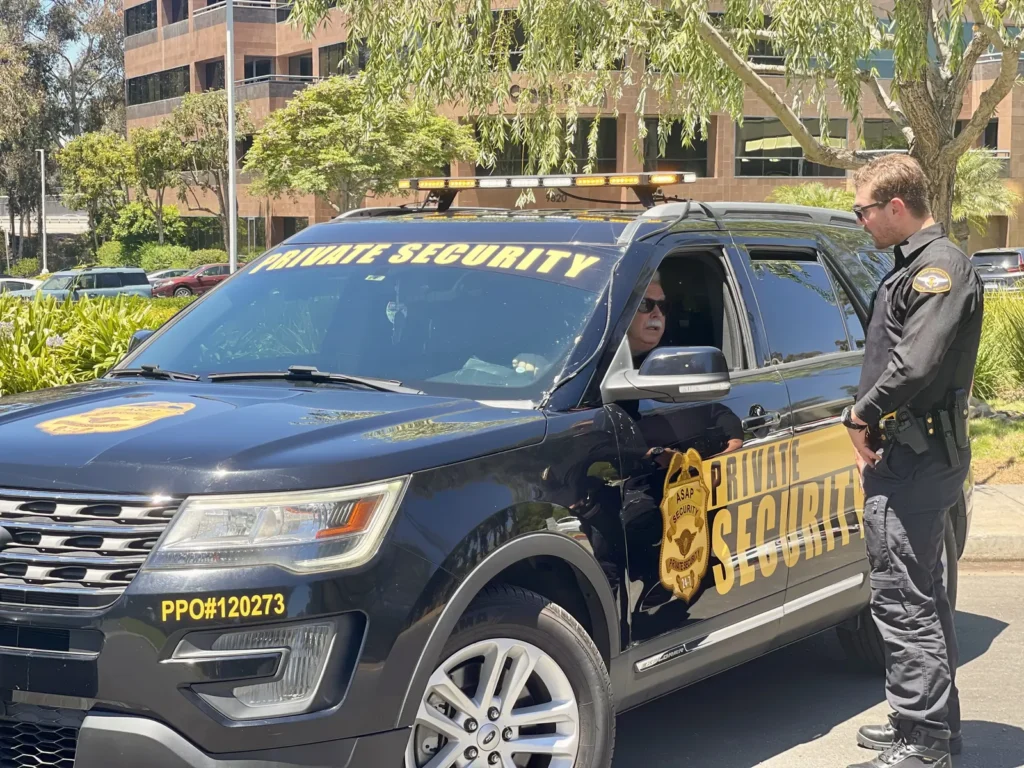
You’ve gotten the quote, but what’s the real price? Hidden fees can wreck a budget, and when it comes to security, surprises are the last thing you want. You deserve to know exactly what you’re paying for. This guide is designed to demystify the cost of vehicle patrol security by uncovering the extra fees many companies don’t advertise upfront. We’ll cover everything from emergency response charges to equipment fees, giving you the confidence to review contracts and choose a security partner who is transparent from the start.
Key Takeaways
- Understand the Key Cost Factors: The final price for vehicle patrol is a mix of several variables, including how often patrols occur, the size and complexity of your property, its location, and your choice between armed or unarmed guards.
- Ask About All Potential Fees: To create an accurate budget, ask providers about potential extra charges for things like emergency response, equipment use, initial setup, and early termination penalties to avoid surprise costs.
- Vehicle Patrols Offer Efficient Security: This service provides a strong visual deterrent and covers large properties more effectively than stationary guards, offering a significant security presence at a more budget-friendly price point.
What is Vehicle Patrol Security?
Think of vehicle patrol security as a proactive shield for your property. It’s a service where trained security officers use marked vehicles to monitor an area, actively preventing crime before it happens. Instead of just reacting to alarms, these officers are a constant, visible presence. They are trained to spot potential threats, identify vulnerabilities, and make it clear to would-be criminals that your property is not an easy target. This approach is all about deterrence. The sight of a professional security vehicle making its rounds is often enough to discourage trespassing, vandalism, and theft.
A mobile security patrol is an excellent solution for covering large areas like manufacturing facilities, car dealerships, or residential communities where a single stationary guard wouldn’t be enough. The patrols are typically conducted at random intervals, which keeps potential wrongdoers off-balance since they can’t predict when a guard will appear. Officers can check doors, gates, and windows, respond to disturbances, and provide detailed reports on their findings. It’s a smart, efficient way to establish a strong security presence across your entire property without the cost of stationing multiple guards at fixed posts.
Mobile Patrols vs. Stationary Guards: What’s the Difference?
When deciding on security for your business or property, one of the first choices you’ll face is whether to use mobile patrols or stationary guards. A mobile patrol service involves an officer visiting your property several times throughout the day or night. This option is more affordable because you are sharing the cost of the officer with other clients. The response time depends on the patrol schedule, but the random nature of the visits creates a powerful deterrent.
On the other hand, a stationary guard is dedicated exclusively to your property for their entire shift. This provides an immediate response to any incident, as someone is always on-site. Because of this constant presence, the cost is higher. The best choice really depends on your specific needs, budget, and the level of risk at your location.
What Types of Patrol Coverage Are Available?
Digging a little deeper, patrol coverage can be broken down into a couple of key types. The most common is the mobile patrol, where a guard drives a marked vehicle through your property at different, unscheduled times. This is a fantastic way to establish a security presence over a large area, like a sprawling apartment complex or a large industrial park, in a cost-effective manner. It ensures all corners of your property receive attention.
The alternative is a dedicated on-site guard. While this sounds like a stationary guard, it can also be a hybrid model where a guard is assigned to your site for a set period and may patrol a smaller, defined area on foot or in a vehicle. This is ideal for locations that need constant observation, such as a front gate, a high-value storage area, or during specific high-risk hours. Many businesses find that combining these services, perhaps with 24/7 security services for critical areas and mobile patrols for the wider perimeter, offers the most comprehensive protection.
A Multi-Faceted Approach: Combining Vehicle, Foot, and Bike Patrols
Effective security isn’t a one-size-fits-all solution, and a great security plan often involves more than just a car. Many top-tier security providers offer a flexible mix of vehicle, foot, and even bike patrols to create a comprehensive security blanket for your property. A vehicle can quickly cover the vast perimeter of a manufacturing plant or car dealership, while an officer on foot can check individual doors and navigate interior hallways. Bike patrols are perfect for weaving through crowded outdoor shopping centers or large apartment complexes where a car might be too cumbersome. This layered strategy allows security to be scaled up or down based on your specific needs, ensuring every corner of your property gets the right kind of attention from a mobile security patrol.
Beyond Security Checks: Additional Patrol Duties
A top-tier patrol officer does more than just drive by and check for obvious trouble. Their duties extend to being the eyes and ears of your property management team. This includes enforcing parking rules, addressing trespassers, and ensuring unauthorized individuals are escorted off the premises. They also act as a first line of defense for maintenance issues, reporting problems like broken gates, malfunctioning lights, or potential safety hazards. These detailed reports help you stay ahead of repairs and maintain a safe, well-functioning environment. This level of detail is a core component of professional corporate security services, turning your security team into a true operational partner.
Core Principles of Effective Patrolling
So, what separates a truly effective patrol from one that just goes through the motions? It starts with a strong, visible presence. The sight of a marked patrol vehicle makes employees, residents, and customers feel safer, which is a huge benefit for any business or community. Modern patrols also lean on technology, using tools like GPS and cameras to ensure accountability and enable a rapid response to any incidents. This allows them to cover large areas quickly and efficiently, making your entire site safer. Ultimately, the goal is to combine this visibility and technology with highly trained private security guards who understand how to deter crime proactively rather than just reacting to it.
The People Behind the Patrol: Officer Qualifications and Training
The effectiveness of any vehicle patrol service comes down to the quality of the officers behind the wheel. A marked car is a good deterrent, but a highly trained and professional officer is what truly protects your property. The right security partner invests heavily in its people, ensuring they are not only qualified but also prepared for the specific challenges of your site. This commitment to excellence begins with a rigorous hiring process and continues with specialized, ongoing training that equips officers to handle any situation with confidence and competence. It’s the difference between simply having a car drive by and having a proactive security asset safeguarding your business or community.
Hiring Standards: Background Checks and Certifications
When you hire a security officer, you’re placing an immense amount of trust in that individual to protect your assets and people. That trust must be earned through a meticulous vetting process. Reputable security firms start with comprehensive background checks to ensure every officer has a history of integrity and reliability. Beyond that, officers must hold the proper licenses and certifications required by state and local laws. These credentials aren’t just formalities; they confirm that an officer understands critical security protocols, emergency response procedures, and the legal boundaries of their role, ensuring they can effectively provide security professionally and lawfully.
Advanced Training for Specialized Roles
Basic certification is just the starting point. Since every property has unique security needs, specialized training is essential for preparing officers for specific environments. For instance, the skills required to secure a busy corporate campus differ from those needed at a quiet residential community. For roles requiring armed security guards, training becomes even more intensive, covering firearms proficiency, de-escalation techniques, and advanced first aid. The best security providers also emphasize continuous education, keeping their teams sharp and up-to-date on new technologies and evolving threats. At ASAP Security, our commitment to elite training is reinforced by recruiting officers with prior military and law enforcement experience, who bring a disciplined foundation to every role.
What Factors Influence Vehicle Patrol Costs?
When you’re budgeting for security, you’ll quickly find that vehicle patrol pricing isn’t a simple, flat rate. The final cost is a mix of several key factors tailored to your specific needs. Understanding these variables will help you see where your money is going and allow you to work with a security provider to create a plan that fits your property and your budget. Let’s break down the main elements that shape the cost of mobile patrol services.
How Patrol Frequency and Duration Affect Your Bill
One of the biggest drivers of your final cost is how often and for how long you need patrols. A plan with multiple, lengthy checks per night will naturally be more expensive than one with a few random visits each week. For many businesses and communities, scheduled, random patrols are a great middle ground. They create a powerful deterrent by keeping potential wrongdoers on their toes, since they never know when a guard will appear. This approach gives you a consistent security presence without the higher cost of a dedicated, stationary guard. A professional mobile security patrol can be customized to provide the right level of coverage for your property’s unique rhythm and risks.
Why Property Size and Layout Influence Cost
The physical characteristics of your property play a huge role in pricing. A sprawling apartment complex or a large manufacturing facility with multiple buildings simply takes more time and resources to secure than a small retail parking lot. Factors like complex layouts, numerous access points, and challenging terrain can all increase the duration of each patrol, which is reflected in the cost. That’s why a one-size-fits-all approach doesn’t work. A thorough plan for your residential security needs will involve mapping out the most efficient patrol routes to ensure every corner is covered, giving you peace of mind that no area is overlooked.
How Location and Risk Level Change the Price
Where your property is located and the level of risk associated with it are critical pricing factors. A car dealership in an area with a high rate of theft will require a more intensive security strategy than an office building in a quiet suburb. This heightened risk often calls for more frequent patrols, more experienced officers, or even 24/7 security services to ensure constant vigilance. A professional security partner will start by conducting a thorough risk assessment of your property. This helps identify vulnerabilities and determines the appropriate level of security needed to effectively deter threats, ensuring your investment is both smart and effective.
The Cost of Day, Night, and On-Demand Patrols
The time of day you schedule your patrols also affects the price. It’s standard in the security industry for overnight, weekend, and holiday shifts to cost more. This is because guards are compensated at a higher rate for working during these less conventional hours, and that cost is factored into your service fee. While it might be tempting to only schedule patrols during business hours, most security incidents happen after dark. The flexibility to schedule patrols when you need them most is key. For example, you might add extra patrols for a special sale or a large gathering, making on-demand event security a valuable and cost-effective option for temporary needs.
Armed vs. Unarmed Guards: What’s the Price Difference?
Deciding between armed and unarmed guards is a significant factor in your overall cost. Opting for armed security guards will be the more expensive choice, and for good reason. The higher price covers the extensive training, licensing, and insurance required for an officer to carry a firearm. However, more expensive doesn’t always mean better for your situation. For many properties, the visible presence of a professional, uniformed unarmed guard is a highly effective deterrent against common threats like vandalism and trespassing. The right choice depends entirely on a realistic assessment of your property’s risks. An unarmed guard is often the most practical and budget-friendly solution for maintaining a safe environment.
How Officer Expertise Affects Pricing
Not all security officers have the same background, and this difference in experience directly impacts pricing. An officer with basic licensing is different from one with years of specialized training or a background in military or law enforcement. When you invest in a higher-caliber officer, you’re paying for their advanced skills, sound judgment, and ability to handle complex situations with professionalism. For instance, officers trained to provide executive security or manage high-threat environments possess a level of situational awareness and de-escalation skills that justifies a higher rate. This expertise ensures they can conduct more thorough risk assessments and respond more effectively to incidents, offering you a greater return on your security investment through enhanced protection and peace of mind.
How Much Does Vehicle Patrol Security Cost?
Figuring out the cost of vehicle patrol security can feel a bit like solving a puzzle. The final price depends on your specific needs, your property’s location, and the level of protection you’re looking for. There isn’t a single flat rate, but by understanding the different pricing models, you can get a clear picture of what to expect. Most security companies structure their pricing per visit or through monthly contracts, with costs adjusting based on the services you choose. Let’s break down these common pricing structures so you can find a solution that fits your budget and keeps your property safe.
What Is Per-Visit Pricing?
If you need a flexible security presence without committing to a full-time contract, per-visit pricing might be the right fit. With this model, you pay for each time a patrol officer visits your property. Costs can vary quite a bit. For a quick, 5-to-10-minute drive-through of a parking lot, you might see prices around $10 to $15 per stop. For a more involved 20-minute patrol, some companies charge around $35, with additional fees for every minute after that. The price per stop often reflects the risk level of the location; a quiet suburban office park will cost less to patrol than a high-risk industrial site, which could run $35 or more per visit. This approach gives you a visible mobile security patrol without the cost of a dedicated guard.
What to Expect from Monthly Contracts
For properties that require consistent and predictable security, a monthly contract is usually the most cost-effective option. Monthly fees for mobile patrol services typically range from $500 to $2,000. This price generally includes a set number of patrols at scheduled or random intervals throughout the month. This model provides steady coverage for places like apartment complexes, manufacturing facilities, or large corporate campuses. When you compare this to the cost of a single dedicated stationary guard, which can be $5,000 to $7,000 per month, mobile patrols offer a significant financial advantage. A monthly contract simplifies budgeting and ensures your corporate security services are always in place, giving you peace of mind.
How Service Levels Affect Price
The final price tag on your security plan is directly tied to the level of service you choose. One of the biggest factors is patrol frequency and duration; more frequent visits or longer stops will naturally increase the cost. Another key variable is whether you opt for armed or unarmed guards. Armed security guards require extensive training, special licensing, and higher insurance, making them more expensive. For many properties, an unarmed guard provides a sufficient deterrent. Finally, the assessed risk of your location plays a major role. Properties in areas with higher crime rates demand more experienced and vigilant officers, which is reflected in the price. This customization ensures you only pay for the level of protection you truly need.
What Other Costs Should You Budget For?
When you’re comparing quotes for vehicle patrol security, the hourly or monthly rate is just the starting point. To create a truly accurate budget and avoid surprises down the road, you need to look beyond the base price. Many security contracts include additional fees for specific services, equipment, or circumstances. Understanding these potential costs upfront is the key to finding a transparent partner and a service that fits your financial plan. Asking the right questions before you sign can save you from unexpected bills and ensure you know exactly what you’re paying for.
Will You Pay Extra for Emergency Response?
One of the most important questions to ask is how a company handles billing for incident response. If a guard needs to respond to an alarm, investigate a disturbance, or manage an emergency at your property, some firms will charge an extra fee for that action. These fees can range from a modest amount to over $200 per incident. Make sure you clarify if emergency response is included in your package or if it’s billed separately. A reliable provider should offer clear terms for their 24/7 security services so you know what to expect when you need them most. This conversation helps you budget for worst-case scenarios, not just routine patrols.
What Are the Costs for Security Tech?
Modern security patrols rely on more than just a car. They use communication devices, reporting software, and sometimes body cameras to do their job effectively. It’s important to find out who covers these costs. Does the quoted price include the officer’s uniform, two-way radio, and the patrol vehicle itself? What about the technology used for tracking and reporting? A transparent security partner will be upfront about these expenses. When discussing options for a mobile security patrol, ask for a complete breakdown of equipment costs to ensure there are no hidden fees for the tools needed to keep your property safe.
Don’t Forget Initial Setup and Training Fees
Some security companies charge a one-time fee to get your service started. This isn’t just an arbitrary charge; it often covers the critical work of creating a customized security plan for your property. This process can include a thorough on-site assessment, identifying vulnerabilities, and strategically planning patrol routes to maximize visibility and effectiveness. While it’s an added upfront cost, a proper setup is the foundation of a successful security program. Always ask if there is an initiation fee and what specific services it covers. This ensures your patrol isn’t just driving by, but actively executing a plan tailored to your unique needs from day one.
Are Vehicle and Fuel Surcharges Included?
The vehicle is the centerpiece of any patrol service, and it comes with ongoing costs like fuel, insurance, maintenance, and repairs. Some security providers bundle these expenses into their main service rate, while others add a separate fuel or vehicle surcharge. These surcharges can sometimes fluctuate with gas prices, which might make your monthly bill less predictable. Before signing a contract, check for any clauses related to vehicle expenses. Asking about this directly helps you understand the total long-term cost and prevents you from being caught off guard by an extra line item on your invoice, ensuring your budget remains on track.
What Happens If You Cancel Your Contract Early?
Security contracts are legal agreements that often specify a minimum service term. If your needs change and you have to end the service before the contract is up, you could face a penalty for early termination. These fees can be significant, so it’s essential to read the cancellation policy carefully before you commit. Pay close attention to the contract length and the specific terms for ending the agreement prematurely. A trustworthy provider will be transparent about their policies and may offer flexible contract options. Understanding your exit strategy is just as important as understanding the service itself, giving you peace of mind and financial protection.
Technology and Accountability in Modern Patrols
When you invest in security, you’re paying for peace of mind. But how can you be sure that patrols are being completed thoroughly and professionally, especially during the quiet overnight hours? In the past, you had to rely on simple trust. Today, technology provides the proof. Modern security firms use a suite of tools to create a transparent and accountable service. This technology isn’t just a perk; it’s a core component of a reliable security plan, ensuring you have a verifiable record of the protection you’re paying for. It transforms security from a matter of trust to a matter of fact.
Tools for Transparency: GPS, Body Cams, and Dash Cams
Accountability starts with knowing your guards are on-site and doing their job. That’s where technology creates an undeniable record of activity. Professional security vehicles are often equipped with GPS trackers that monitor their location, speed, and patrol routes in real-time. This data proves that an officer visited your property and covered all the critical checkpoints. Additionally, officers may wear police-grade body cameras, which provide a clear, first-person view of any interactions or incidents. Combined with dash cameras, these tools create a comprehensive and objective account of every patrol, ensuring every action is documented. This level of verification is essential for an effective mobile security patrol, giving you confidence that your property is being watched over with diligence and integrity.
Client Communication: Digital Reports and Real-Time Updates
Gone are the days of illegible handwritten notes left on a clipboard. Modern security services use technology to keep you informed with clear and timely communication. After each patrol, you should expect to receive a detailed digital report sent directly to your email. These reports often include time-stamped photos and videos of checked doors, gates, and any unusual findings, giving you a visual summary of your property’s status. This constant flow of information builds trust and ensures you’re never left in the dark. A dependable provider will also have clear protocols for their 24/7 security services, so you know exactly how and when you’ll be updated in an emergency. This commitment to communication means you have a true security partner, not just a service.
How Patrol Frequency Impacts Your Budget
One of the biggest factors determining your security costs is how often patrols visit your property. Think of it as the core variable you can adjust to fit your budget. The more frequent the visits, the higher the monthly investment. However, a higher frequency also creates a stronger security presence. The key is finding the right balance between visibility, deterrence, and your financial plan. Understanding how different patrol schedules affect pricing will help you build a security strategy that is both effective and sustainable for your business or community.
The Cost Difference: Daily vs. Weekly Patrols
Deciding between daily and weekly patrols comes down to your property’s specific needs and risk level. Daily patrols offer a consistent and visible security presence, which is a powerful deterrent for potential criminals. This frequency is ideal for high-traffic areas, commercial properties with valuable assets like car dealerships, or residential communities that have experienced recent security issues. Naturally, this higher level of service comes at a higher cost.
On the other hand, weekly patrols are a more budget-friendly option. They still provide a professional security check-in, ensuring that everything is in order, but with less frequency. This might be a perfect fit for lower-risk properties, such as small office buildings or storage facilities with minimal after-hours activity. The right choice depends on balancing your budget with the level of protection your property requires from mobile patrols.
Random vs. Scheduled Patrols: Which Is More Cost-Effective?
While you might think a fixed schedule is best, random patrols are often the more effective security strategy. When patrols arrive at the same time every day or night, their patterns become predictable. Savvy criminals can simply watch and wait for the guard to leave. Randomizing patrol times keeps them guessing, creating a constant, unpredictable deterrent. This element of surprise significantly reduces the window of opportunity for theft, vandalism, or other unauthorized activity.
From a cost perspective, random patrols are priced similarly to scheduled ones, as the total number of visits is the same. The value comes from their enhanced effectiveness. While some security companies find mobile patrol pricing complex, a transparent partner will clearly explain how they ensure randomness while still meeting your contracted number of visits. This approach offers a smarter way to secure your property compared to the higher cost of full-time stationary guards.
How to Calculate Your Cost Per Stop
To truly understand your quote, it helps to know how security companies calculate the cost for each patrol visit, sometimes called a “cost per stop” or “per hit.” This isn’t just an arbitrary number; it’s based on a formula that includes all the operational expenses required to get a guard to your location. These costs typically cover the guard’s wages, fuel, and vehicle maintenance, including wear and tear, insurance, and repairs.
Most patrol stops are for a predetermined duration, such as 15 or 20 minutes, which is also factored into the price. Understanding this calculation helps you make an apples-to-apples comparison between different security providers. When you see a per-stop price, you know it represents the all-in cost for a single, effective patrol of your property, which is a crucial part of any corporate security plan.
Uncovering Hidden Fees in Your Contract
When you’re comparing security quotes, the hourly or monthly rate is just the starting point. The total cost of your service can be significantly different once you account for all the details hidden in the contract’s fine print. A truly professional security partner will be transparent about their pricing, but it’s always smart to know which questions to ask to protect your budget from unexpected charges. Before you sign anything, make sure you have a complete picture of what you’re paying for.
Some companies add fees for things that you might assume are included, like uniforms, patrol vehicles, or the initial setup process. These costs can add up quickly, turning an affordable quote into a financial strain. Asking a few specific questions upfront can save you a lot of headaches later. It’s the best way to ensure the private security guards you hire fit within your planned budget without any last-minute surprises. Taking the time to clarify these points will help you find a provider that values integrity as much as you do.
Watch Out for Equipment and Uniform Fees
It’s easy to assume that the cost of a security guard’s uniform or their patrol vehicle is part of the standard service fee, but that’s not always the case. Some security contracts include separate line items for these essentials. You should always ask who is responsible for paying for uniforms, communication devices, and the patrol car itself. Don’t forget to inquire about ongoing vehicle expenses, like fuel and maintenance. A clear understanding of these equipment charges is crucial for accurately budgeting for your mobile security patrol and avoiding unforeseen costs down the road.
Are You Being Charged for Communication Devices?
Effective security depends on instant communication, which requires reliable devices like two-way radios or dedicated phones. While these tools are essential for a guard to do their job properly, some companies treat them as a billable extra. Before you agree to a contract, ask directly if there are any rental or usage fees for communication equipment. These charges should ideally be built into the overall service rate, not tacked on as a separate fee. Getting this clarified ensures that your security team has the tools they need without adding an unexpected expense to your monthly invoice.
Is There a Fee for Initial Assessments?
Before a patrol car ever arrives at your property, a security provider needs to do some homework. This often involves an initial site assessment to identify vulnerabilities and meticulous planning to create effective patrol routes. Some companies charge a one-time fee for this initial setup work. Be sure to ask if there are any startup costs, assessment fees, or route planning charges. Knowing about these potential one-off expenses is important for understanding the total initial investment required for your corporate security services and ensuring there are no surprises on your first bill.
How to Create a Smart Security Budget
Creating a security budget isn’t just about finding the lowest price; it’s about making a smart investment in your property’s safety. The right plan balances effective protection with your financial reality. To find that sweet spot, you need a clear strategy. These steps will help you build a budget that covers your true needs without any surprise costs, ensuring you get the best possible value from your security services.
Start by Assessing Your True Security Needs
Before you can budget, you need to know what you’re budgeting for. Start by walking your property and identifying its unique vulnerabilities. Are there poorly lit areas? When is the property most often empty? Your security plan should be built around these specific risks. For example, random patrols are more budget-friendly than a constant guard presence and can be highly effective. The more often a mobile security patrol visits and the longer they stay, the higher the cost. By pinpointing your actual needs, you can avoid paying for services you don’t require.
How to Account for Every Potential Cost
The hourly or per-visit rate is just one piece of the puzzle. A comprehensive security budget must account for all potential expenses to prevent future surprises. When reviewing a proposal, look beyond the base price. Ask providers about other possible charges, such as fees for emergency responses, equipment use, initial setup, or even early contract termination. A professional company’s pricing already includes essential operational costs like guard wages, vehicle upkeep, and insurance. Your goal is to have a complete financial picture from the start, ensuring the final invoice matches your expectations.
Why Transparent Pricing Is Non-Negotiable
A trustworthy security partner will be upfront and clear about their costs. When you request a quote, you should receive a detailed plan, not just a single number. This proposal should clearly outline the scope of services, the patrol schedule, and a full breakdown of any and all fees. Don’t hesitate to ask questions. A provider committed to transparent practices will gladly explain what each charge covers and how their pricing structure works. This openness is a strong indicator that you’re dealing with a professional organization that values integrity and your peace of mind.
Verifying a Provider’s Credentials and Performance
Once you have a few quotes, it’s time to look beyond the numbers and verify the quality of the provider. A low price isn’t a good deal if the service is unreliable. Start by confirming they are fully licensed and insured in your state—this is non-negotiable. A truly professional partner will also insist on conducting a thorough risk assessment of your property before finalizing a plan. This step is crucial because it ensures the proposed service, whether it’s for residential security or a large manufacturing plant, is tailored to your actual vulnerabilities, not just a generic package. Ask about their officer training, supervision, and the technology they use for reporting. A company that invests in its people and provides transparent performance data is one you can trust to protect your property effectively.
Why You Should Get Multiple Quotes
Getting quotes from at least three different security companies is a crucial step. This allows you to compare service offerings and establish a baseline for what you should expect to pay. If one quote is significantly lower than the others, it could be a red flag for subpar service or hidden fees. Use this opportunity to compare more than just the price; look at the proposed patrol strategies, the company’s reputation, and the flexibility of their contracts. When you speak with each provider, make sure you ask the same questions about potential extra fees to ensure you’re making a true apples-to-apples comparison for your corporate security services.
Is Vehicle Patrol Security Worth the Investment?
When you’re managing a budget, every line item comes under scrutiny, and security is no exception. You might be wondering if vehicle patrol is a smart use of funds or just an added expense. The truth is, for many properties, it’s one of the most strategic investments you can make in safety and loss prevention. The value of vehicle patrol security isn’t just about stopping a worst-case scenario; it’s about creating an environment where those scenarios are far less likely to happen in the first place.
Think of it as proactive protection. Instead of only reacting to an incident, you’re actively working to prevent it. The visible presence of a patrol car sends a clear message to potential troublemakers: this property is monitored, and you will be noticed. But the benefits go beyond simple deterrence. Vehicle patrols offer a practical, cost-effective solution that bridges the gap between having no security and dedicating a full-time stationary guard to your property. It allows you to secure large areas efficiently and provides a rapid response when every second counts. Let’s look at exactly how this service delivers a strong return on your security investment.
The Value of Crime Deterrence and Fast Response
The most powerful security measure is often the one that prevents an incident from ever occurring. A marked patrol vehicle making regular, visible rounds is a significant deterrent. As our team knows, the goal of a mobile security patrol is to make criminals feel unwelcome by actively watching for and addressing potential dangers. This visible presence disrupts the opportunity for theft, vandalism, or trespassing before it even begins.
Beyond prevention, there’s the critical advantage of a fast response. If an alarm is triggered or suspicious activity is spotted, a mobile patrol officer is already on-site or just minutes away. This immediate presence can be the difference between a minor issue and a major loss. Instead of waiting for local law enforcement to arrive, you have a trained professional ready to assess the situation, secure the area, and coordinate with authorities.
The Ripple Effect: How Security Creates a Safer Atmosphere
The benefits of a security patrol extend far beyond just preventing theft. When you invest in a visible security presence, you’re also investing in peace of mind. A marked vehicle making its rounds does more than just deter potential criminals; it creates a tangible sense of safety for everyone on your property. Your employees feel more secure walking to their cars after a late shift, and your customers or residents feel more comfortable visiting or living there. This positive atmosphere is invaluable. It fosters loyalty, improves morale, and shows that you genuinely care about the well-being of the people who make your business or community thrive. It’s a proactive step that transforms your property from just a location into a place where people feel protected and valued.
How Mobile Patrols Can Save You Money
For many businesses and communities, hiring a stationary guard for round-the-clock coverage simply isn’t financially feasible. That’s where vehicle patrols offer a smart, budget-friendly alternative. Instead of paying for an on-site officer for an entire shift, you pay for targeted patrols at key times. This model is significantly more affordable, with some services priced on a per-visit basis.
This approach allows you to allocate your security budget more strategically. You get the benefit of a professional security presence without the high overhead of a dedicated guard. It’s an ideal solution for properties that need coverage after hours, on weekends, or at unpredictable intervals to keep potential threats off-balance. For sprawling properties like apartment complexes or HOAs, it provides essential residential security without breaking the bank.
The Advantage of Covering More Ground Efficiently
If you manage a large property, a single stationary guard can only see so much. A vehicle patrol, on the other hand, is built for scale. Officers can efficiently cover sprawling areas like corporate campuses, manufacturing plants, car dealerships, or large shopping centers in a fraction of the time it would take on foot. This mobility ensures that no corner of your property is left unchecked.
Mobile patrols create a security presence over a large area without requiring a massive budget. During a single visit, an officer can inspect perimeter fences, check that all access points are secure, monitor parking lots, and respond to any irregularities across the entire site. This efficiency means you get comprehensive oversight and a greater security footprint for your investment, making it a perfect component of any corporate security services plan.
Scalable Security for Growing Businesses
As your business expands, your security needs will inevitably change. What worked for a small operation might not be enough to protect a larger facility, more inventory, or a growing team. This is where the flexibility of vehicle patrols really shines. Instead of being locked into a rigid plan, you can easily scale your coverage up or down. Did you just expand your manufacturing plant or add a new lot to your car dealership? You can increase the number of nightly patrols. Are you heading into a slower season? You can adjust the frequency to match. This adaptability makes mobile security patrol a cost-effective solution that grows with you, ensuring you’re never paying for more security than you need or leaving new assets unprotected. It’s a far more nimble approach than committing to another full-time stationary guard.
How to Maximize Your Security Budget
Choosing a vehicle patrol service is a significant decision for your property’s safety and your bottom line. To make sure you’re making a smart investment, it’s important to look beyond the price tag and evaluate what you’re truly getting for your money. A thoughtful approach will help you secure effective protection that fits within your budget without any unwelcome surprises down the road. Here’s how to be a savvy buyer and find a security partner you can trust.
Always Compare Quotes and Service Tiers
When you start gathering quotes, it’s tempting to just scan for the lowest price. A better strategy is to ask for complete service plans from each company. A detailed proposal shows you exactly what’s included, from the number of patrols per shift to the type of reporting you’ll receive. This allows you to compare the actual value, not just the cost. A reputable provider will often offer different service tiers for their mobile security patrol, letting you choose a level of coverage that matches your specific needs and budget. Don’t be afraid to ask for a breakdown so you can see where every dollar goes.
Don’t Skip the Fine Print in Your Contract
The hourly or monthly rate is just one piece of the puzzle. Before you sign anything, read the contract carefully to understand the full scope of potential costs. Some companies include extra charges that can quickly inflate your bill, such as fees for emergency responses, equipment usage, initial setup, or even early contract termination. A transparent security partner will be upfront about all potential costs. Understanding these details from the beginning helps you create an accurate budget and prevents any misunderstandings later on. Make sure the terms are clear and that the contract provides the flexibility your business or property requires.
Essential Questions to Ask a Security Provider
Before you make your final decision, it’s wise to do a little homework on the provider themselves. A professional company will have no problem answering your questions and providing documentation. Be sure to ask if they are fully licensed and insured in your state. You can also ask to see reviews or testimonials from other clients. It’s also a good idea to inquire about the technology they use for patrols and communication, as well as their specific protocols for handling incidents. Asking these questions helps ensure you’re hiring qualified private security guards who are prepared to protect your property effectively.
Related Articles
- Neighborhood Security Patrol Cost: A Full Breakdown
- Security Patrol Vehicles: Buyer’s Guide
- 7 Best Vehicle Security Patrol Companies Reviewed
Frequently Asked Questions
How do I decide between mobile patrol and a stationary guard? The best choice really depends on your property’s specific needs and budget. Mobile patrols are a great, cost-effective solution for covering large areas like apartment complexes or industrial parks. They create a strong deterrent through random, visible checks. A stationary guard, who is dedicated only to your site, is better for high-risk locations that require a constant presence and immediate response, such as a busy front gate or a high-value storage area.
What’s a realistic price range for vehicle patrol services? Costs can vary quite a bit, but you can expect to see per-visit prices anywhere from $10 to over $35, depending on the location’s risk and the patrol’s duration. For more consistent coverage, monthly contracts are a popular option and typically range from $500 to $2,000. This is often a more budget-friendly choice compared to a full-time stationary guard, which can cost several thousand dollars per month.
What extra fees should I ask about before signing a contract? To avoid surprises on your invoice, it’s smart to ask about a few specific things upfront. Inquire about potential charges for emergency responses, equipment like radios or body cameras, and any one-time setup or assessment fees. It’s also a good idea to clarify if there are separate fuel or vehicle surcharges. A transparent security partner will be happy to explain their entire pricing structure to you.
Is an armed guard really necessary for a vehicle patrol? For most properties, a professional, uniformed unarmed guard provides a very effective deterrent against common threats like trespassing and vandalism. The decision to use an armed guard should be based on a realistic risk assessment of your property. While armed guards offer a higher level of protection for high-risk environments, they also come with a higher price tag due to specialized training, licensing, and insurance.
How can I get the best value from my security budget? Getting the best value is about finding effective protection, not just the lowest price. Start by clearly identifying your property’s specific vulnerabilities so you only pay for the coverage you truly need. When you get quotes, compare the detailed service plans, not just the final number. A lower price might mean fewer patrols or less experienced staff. The smartest investment is a customized plan from a transparent provider who works with you to keep your property safe.
