
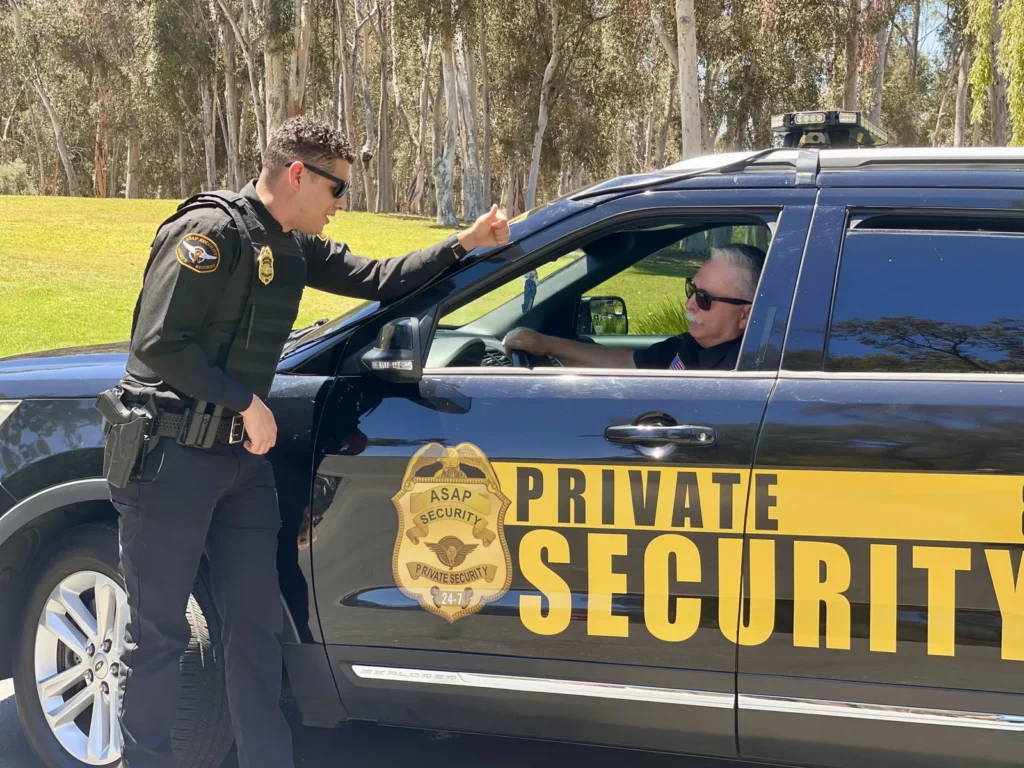
As a property manager or HOA board member, you’re tasked with balancing community safety and a real-world budget. It’s a tough responsibility. The neighborhood security patrol cost is a significant investment, and you need to know you’re getting true value, not just a line item. This guide is your roadmap. We’ll break down how to compare quotes, what to look for in a professional security partner, and how to tailor a patrol schedule that provides a powerful deterrent without overspending. You’ll get the clarity you need to make a confident, effective, and affordable decision.
Key Takeaways
- Define your needs for an accurate quote: Security patrol pricing is not one-size-fits-all; it is based on factors like patrol frequency, property size, and whether you need armed guards. Knowing what you require helps you get a realistic and fair price for the services you actually need.
- Look beyond the hourly rate: The cheapest bid can be a red flag for inadequate training or poor reliability. Instead, compare providers based on the quality of their training programs, local reputation, communication practices, and insurance coverage to find a truly dependable partner.
- View security as a valuable investment: Professional security is more than just an expense; it provides a clear return by preventing costly crime, protecting property values, and potentially lowering your insurance premiums. The most significant benefit, however, is the invaluable peace of mind it brings to your community.
What is a Neighborhood Security Patrol?
A neighborhood security patrol is a service designed to provide a visible security presence in a specific area, like a residential community, business park, or school campus. The main goal is to deter criminal activity before it happens. Think of it as a proactive layer of protection that goes beyond alarm systems or cameras. Instead of just reacting to an incident, trained security officers actively monitor the area, identify potential threats, and create an environment where criminals feel unwelcome. This consistent presence helps disrupt patterns of criminal behavior and makes your community a harder target.
This visible deterrence is key. When potential wrongdoers see a marked patrol vehicle and a uniformed officer, they are far less likely to target that location. Patrols also offer rapid response to disturbances, enforce community rules like parking regulations, and provide residents or employees with a direct point of contact for security concerns. It’s about creating a consistent and reliable sense of safety for everyone within the designated zone. A well-managed patrol service offers peace of mind by ensuring that your property and the people on it are being watched over by professionals. This is a core component of any effective residential security plan, helping to maintain a safe and secure community atmosphere around the clock.
What Are Your Patrol Service Options?
When you’re considering security patrols, you’ll find a few different models to fit your needs and budget. The most common option is a mobile security patrol, where a guard in a marked vehicle covers a large area, making rounds at random or scheduled intervals. This is a cost-effective way to establish a visible presence across multiple properties or a large neighborhood.
Another option is a dedicated on-site guard. This means one or more officers are stationed exclusively at your location for a set period, providing continuous monitoring and immediate response. For communities or businesses that want to pool their resources, shared patrol plans are also available. This allows several neighboring properties to split the cost of a patrol service that covers all of their locations, making professional security more accessible.
Is a Professional Patrol Service Worth It?
Investing in a professional patrol service offers returns that go far beyond just security. For starters, it can be a smart financial decision. A secure neighborhood is a desirable neighborhood, which helps protect and even increase property values over time. Some insurance providers may also offer reduced premiums for properties with professional security measures in place. This investment can effectively pay for itself by preventing costly incidents like theft, vandalism, or property damage.
More importantly, a professional patrol provides a tangible sense of safety that technology alone can’t match. While cameras record events, a physical guard can intervene and de-escalate situations in real time. This human element gives residents, employees, and customers genuine peace of mind, knowing that a trained professional is actively looking out for their well-being.
What Factors Determine Security Patrol Costs?
When you start looking into security patrols, you’ll quickly find that there’s no single price tag. The cost is tailored to your specific needs, which is a good thing because it means you only pay for the protection you actually require. Think of it like building a custom security plan. Several key elements come together to shape the final quote you receive from a provider. Understanding these factors will help you figure out what kind of service fits your community’s budget and security goals. From how often a patrol car drives by to the size of the area they need to cover, each detail plays a part in the overall cost. Let’s break down the main components that influence your security patrol pricing.
How Patrol Frequency Affects Your Bill
The most straightforward factor in your security patrol cost is how often and for how long you need guards on your property. As you might expect, the more time a security team spends at your location, the higher the cost will be. A mobile security patrol that checks in a few times a night will be more budget-friendly than having a dedicated guard present for an entire eight-hour shift. When getting a quote, be clear about your expectations. Do you need random patrols to create a visible deterrent, or are you looking for consistent coverage during specific high-risk hours? This is often the biggest driver of the final price.
How Your Coverage Area Influences Price
The physical size and layout of the area needing protection directly impact the cost. A small, gated community with one entrance is much simpler to patrol than a large, open neighborhood with multiple access points and winding streets. Larger properties require more resources, including more time, more personnel, or more advanced surveillance technology to cover effectively. A security provider will assess the total acreage, the number of buildings or homes, and the complexity of the layout to determine how many man-hours are needed to provide adequate residential security. A larger area simply takes more time and effort to secure properly.
Armed vs. Unarmed Guards: A Cost Breakdown
Deciding between armed and unarmed guards is another critical choice that affects your budget. Hiring armed security guards costs more because of the extensive training, licensing, and higher insurance liability involved. For many communities in lower-risk areas, the visible presence of a professional, unarmed guard is a powerful enough deterrent to prevent most opportunistic crimes. However, if your property faces a higher threat level or you want the highest level of protection, the additional cost for an armed guard may be a necessary investment for your peace of mind and the safety of your residents.
How Your Area’s Risk Level Changes the Price
Where your property is located plays a significant role in security costs. Urban areas with higher population densities and crime rates typically have higher security costs than quiet, suburban, or rural locations. A provider will analyze local crime statistics and other risk factors specific to your neighborhood to create an effective security strategy. This risk assessment helps determine the level of vigilance and the type of personnel required. Properties in areas known for break-ins or vandalism may need more frequent patrols or more experienced guards, which will be reflected in the price.
Day vs. Night Patrols: Understanding the Cost Difference
The time of day you require security coverage also influences the cost. Overnight, weekend, and holiday shifts often come at a premium rate compared to standard weekday hours. This is because guards working these less desirable hours are typically paid a higher wage. If you need 24/7 security services, you are paying for three full shifts of coverage every single day, which can add up significantly over a year. While round-the-clock protection offers the ultimate peace of mind, it’s important to balance this with your budget. Many communities find that focusing patrols during peak-risk times, like overnight hours, provides a great balance of security and cost-effectiveness.
Guard Experience and Special Skills
The level of experience and specialized training a security guard brings to the job is a major factor in the cost. You’re not just paying for a person in a uniform; you’re investing in their judgment, skills, and ability to respond effectively under pressure. A seasoned guard with years of experience, or one with a background in law enforcement or the military, will command a higher rate. This is because they bring a higher level of situational awareness, de-escalation techniques, and professionalism. At ASAP Security, we prioritize hiring officers with this caliber of experience because we know it translates into a more reliable and effective security presence for our clients, especially in complex corporate security environments.
How Local Economic Conditions Play a Role
The cost of living and doing business in your specific area directly influences security patrol pricing. It’s no surprise that security services in major metropolitan areas across Southern California, from San Diego to Riverside, cost more than in less populated regions. Higher local minimum wage laws, fuel costs for patrol vehicles, insurance rates, and general overhead all contribute to the final price. A security company has to offer competitive wages to attract and retain high-quality, reliable officers in an expensive market. When you’re budgeting for a mobile security patrol, it’s important to account for these local economic realities to set a realistic expectation for what quality service will cost.
How Much Should You Expect to Pay?
Alright, let’s talk numbers. While the exact cost of a security patrol depends on factors like your location’s risk level and the frequency of patrols, you can use some general figures to start building your budget. Think of these as starting points. The best way to get a precise number for your community’s unique needs is to get a detailed quote from a reputable provider.
Understanding the different service tiers will help you see where your budget might fit. Are you looking for a visible deterrent with periodic check-ins, or do you need a constant presence on-site? Each level of service comes with a different price tag. Below, we’ll break down the typical costs for the most common types of neighborhood security, from mobile patrols to dedicated guards, so you can make an informed decision for your community.
Typical Hourly Rates for Security Guards
On an hourly basis, you can expect a range that reflects the guard’s training and responsibilities. Unarmed guards typically cost between $15 and $30 per hour. They provide a strong visual deterrent and are trained to observe, report, and handle many situations. For a higher level of protection, an armed security guard generally costs between $25 and $50 per hour. This increased rate covers the extensive training, certifications, and higher liability insurance associated with carrying a firearm. The choice depends entirely on your property’s specific risk assessment and what level of response capability brings you the most peace of mind.
Annual Cost Examples for Continuous Coverage
If your community requires a constant security presence, budgeting annually can provide a clearer financial picture. For round-the-clock protection, which involves guards on-site 24/7, the cost can be approximately $166,000 per year. This comprehensive coverage ensures there are no gaps in security, day or night. A more common option for many communities is to secure overnight coverage, which is often the highest-risk period. A 12-hour overnight shift, every night of the year, typically costs around $83,000 annually. These figures represent a significant investment in providing continuous, reliable 24/7 security services for your residents.
Estimated Monthly Costs for Different Properties
For most HOAs and property managers, monthly costs are the most practical way to budget. The most common and cost-effective option is a mobile security patrol. This service, which involves a guard performing periodic drive-throughs in a marked vehicle, can range from $500 to $2,000 per month. It’s an excellent way to establish a visible deterrent without the cost of a full-time guard. If you need a more constant presence, a dedicated on-site guard for a standard shift will typically cost between $5,000 and $7,000 per month. This ensures someone is always there to monitor access, respond instantly, and be a physical point of contact for your community.
What’s the Average Cost of a Mobile Patrol?
If you’re looking for a visible security presence without the cost of a full-time guard, mobile patrols are an excellent option. These services involve a marked security vehicle making rounds through your neighborhood at scheduled or random intervals. For basic mobile patrol services, you can generally expect to pay between $500 and $2,000 per month. This cost typically covers periodic drive-throughs, checking common areas like pools or clubhouses, and responding to low-level disturbances. It’s a cost-effective way to deter potential criminals and provide residents with peace of mind.
How Much Does a Dedicated On-Site Guard Cost?
For communities that require a constant security presence, a dedicated on-site guard is the gold standard. This means having a trained professional stationed at a fixed post, like a guardhouse, or actively patrolling the grounds on foot. The cost for a single, dedicated guard typically starts between $5,000 and $7,000 per month for a standard shift. If your community needs 24/7 security services, the cost will increase accordingly to cover multiple guards and shifts. While more expensive, this option provides an immediate response to any incidents and a powerful, continuous deterrent.
Shared Security: A Budget-Friendly Option
A great way to get more comprehensive coverage on a tighter budget is to partner with neighboring communities. By pooling your resources, you can share the cost of a dedicated patrol service. This collaborative approach can make professional residential security much more accessible. In fact, sharing security services can reduce costs for each individual community by 20% to 40%. It’s a smart strategy that allows smaller HOAs or adjacent neighborhoods to enjoy the benefits of a dedicated security presence without shouldering the entire expense alone.
How Does Technology Impact the Price?
Modern security is about more than just personnel; it’s about the smart integration of technology. While guards are essential, tools like AI-powered surveillance cameras and automated access control systems can significantly enhance their effectiveness. As one industry report notes, combining guards with technology can lead to better and sometimes more affordable security because you may need fewer guards on-site. While there might be an initial investment for equipment, this integrated approach can lower long-term operational costs and provide more comprehensive coverage for your community.
Are There Hidden Costs to Consider?
When you’re looking at quotes for neighborhood security, it’s easy to focus on the hourly rate. But that number doesn’t always tell the whole story. To create an accurate budget and truly compare your options, you need to ask about the potential costs that might not be listed upfront. Being aware of these common “hidden” fees helps you avoid surprises down the road and ensures you’re partnering with a transparent security provider. Let’s walk through some of the extra charges you should ask about before signing a contract.
What About Emergency Response Fees?
If a security guard needs to respond to a specific incident, like an alarm going off or a resident reporting a disturbance, some companies charge an extra fee. These emergency response fees can range from $50 to over $200 per incident if they aren’t already included in your service agreement. Before you commit, ask potential providers how they handle these situations. Is a certain number of responses included per month, or is each one billed separately? Understanding this ensures you know what to expect when you need 24/7 security services the most and helps you budget for unexpected events.
Are There Extra Charges for Tech and Equipment?
Modern security relies on more than just a watchful eye. Guards need uniforms, communication devices, patrol vehicles, and access to reporting software to do their jobs effectively. Some security firms bundle these costs into their hourly rate, while others list them as separate line items. It’s important to clarify who covers the expenses for fuel, vehicle maintenance, and technology upgrades. A professional mobile security patrol is an investment in both personnel and the equipment they use, so make sure you have a clear picture of the total cost from the start.
Don’t Forget About Setup and Admin Fees
Getting a new security plan off the ground involves some initial legwork. This can include a thorough site assessment, creating detailed patrol routes, and drafting post orders for the guards. Some companies charge a one-time administrative or setup fee to cover these foundational tasks. Others may waive this fee, especially for long-term contracts. Always ask if there are any upfront costs associated with starting your service. This helps you accurately calculate your initial investment and prevents any unexpected bills before your patrols even begin.
Who Pays for Guard Training and Certifications?
A security guard is only as good as their training. Reputable companies invest heavily in continuous education, certifications, and specialized training for their officers. While you might not see a direct line item for “training,” this cost is built into the service price. Be wary of unusually low bids, as they may signal a lack of investment in proper training. You should feel confident asking a provider about their training standards and what qualifications their private security guards hold. Better training leads to more effective, professional security for your community.
Overhead Costs: Beyond the Guard’s Wage
The hourly rate you see on a quote is just the starting point. A professional security company has significant operational costs that are essential for providing reliable, high-quality service. These overhead expenses cover everything from employee benefits and insurance to uniforms and equipment. Understanding these costs helps you see why the cheapest bid isn’t always the best value. When a company invests properly in its people and infrastructure, you get a more professional, effective security partner. These are not “extra” fees; they are the foundation of a dependable security operation that you can trust to protect your community.
Employee Benefits and Workers’ Compensation
A reputable security firm is, first and foremost, a responsible employer. This means they provide essential benefits for their team, including health insurance and paid time off, which can add around 30% to a guard’s base pay. They also carry workers’ compensation insurance, which is crucial for protecting officers if they are injured on the job. While these costs are factored into your service rate, they are a clear sign that you’re working with a legitimate company that values its employees. A well-cared-for team is a more motivated and reliable team, which translates directly to better protection for your property.
Uniform and Gear Expenses
A security guard’s professional appearance is a key part of their effectiveness as a deterrent. That professional image comes at a cost. Outfitting a single guard with high-quality uniforms, communication devices, and other essential gear can cost hundreds of dollars, not including ongoing replacements for wear and tear. For a mobile security patrol, you also have the costs of a marked vehicle, fuel, and maintenance. These expenses are necessary to ensure your security team is visible, identifiable, and equipped to handle their duties effectively, presenting a polished and authoritative presence in your community.
The Hidden Cost of High Employee Turnover
High employee turnover is one of the biggest challenges in the security industry, and it creates a significant hidden cost for clients. When a provider offers an unsustainably low bid, it often means low pay and poor conditions for their guards, leading to a revolving door of employees. This forces the company to constantly spend on recruiting and training new hires. For you, this translates to inconsistent service from a stream of unfamiliar faces who don’t know your property’s rules or vulnerabilities. Choosing a provider that invests in its people with competitive wages and benefits is the best way to avoid this. A stable, experienced team of private security guards who are familiar with your community provides far more value and peace of mind than the initial savings from a low-ball offer.
What Happens If You Cancel Your Contract Early?
Life happens, and sometimes your community’s needs can change. If you have to end your security contract earlier than planned, you could face a hefty termination fee. These fees are designed to cover the provider’s costs for reassigning guards and losing projected revenue. Before you sign anything, carefully read the cancellation clause in the contract. Understand the notice period required and what the financial penalty would be for an early exit. A transparent partner will be upfront about these terms, giving you the flexibility and information you need to make the best decision.
Debunking Myths About Security Patrol Costs
When you’re budgeting for security, it’s easy to get tripped up by common misconceptions about pricing. Believing these myths can lead to inadequate protection or choosing a provider that doesn’t truly meet your needs. Let’s clear up a few things so you can make a confident, informed decision and find a service that provides real value.
Myth #1: All Security Services Have the Same Price Tag
It’s a mistake to think security patrol is a one-size-fits-all service with a standard price. Costs vary significantly based on your specific needs. Factors like guard training, whether you need armed or unarmed officers, and the exact duties they’ll perform all influence the final price. A simple patrol is priced differently than securing a high-value facility. You’re paying for a tailored service, not a generic product.
Myth #2: Does a Lower Price Always Mean Lower Quality?
While everyone loves a good deal, choosing a security provider based on the lowest bid is a risky move. A rock-bottom price often reflects compromises in quality, such as less experienced personnel or minimal training. When protecting your property and people, you want a prepared and professional team. Investing in a reputable company ensures your guards have the support to handle any situation effectively. The cheapest option is rarely the safest one.
Myth #3: The Hourly Rate Is All You’ll Pay
The hourly rate rarely tells the whole story. Always ask potential providers about additional fees not included in the initial quote. These can include charges for specialized equipment, administrative costs, or fuel surcharges for mobile security patrols. A transparent partner will provide a detailed breakdown of all costs, so you have a clear picture of your total investment and can avoid surprises on your invoice.
Myth #4: Security Patrols Are Only for Large Neighborhoods
Security patrols aren’t just for sprawling communities or massive corporate campuses. Smaller properties, including individual businesses and schools, benefit immensely from professional security. Crime doesn’t discriminate based on size, and a visible security presence is a powerful deterrent everywhere. Whether you manage a small retail center or a private school, a tailored security service provides essential protection for your assets and creates a safer environment.
How to Save Money on Your Security Patrol
Investing in professional security is one of the most effective ways to protect your property and community, but it doesn’t have to break the bank. While you should never compromise on quality, there are several practical strategies you can use to manage costs and get the most value from your security budget. By thinking strategically about your needs and collaborating with your security provider, you can create a robust security plan that is both effective and affordable.
Here are four actionable ways to save money on your security patrol services without sacrificing peace of mind.
Team Up with Neighbors to Split the Cost
One of the most effective ways to reduce costs is to team up with your neighbors. If you’re part of a residential community, business park, or a street with several commercial properties, consider pooling your resources. Sharing the cost of a mobile security patrol with adjacent properties can significantly lower the expense for everyone involved. In fact, some studies show that sharing security services can cut costs for individual communities by 20% to 40%. This approach not only makes professional security more accessible but also creates a larger, more visible security presence that can deter potential criminals from the entire area.
Choose a Flexible Schedule to Lower Your Bill
Not every property requires round-the-clock surveillance. A flexible patrol schedule tailored to your specific needs can be a major cost-saver. The more often patrols occur, the more expensive the service will be. For example, 24/7 security services can cost twice as much as patrols that happen a few times a week. Assess your property’s vulnerabilities and peak risk times. You might find that random, staggered patrols are just as effective at deterring crime as a constant presence. This unpredictability can keep potential wrongdoers on their toes while fitting more comfortably within your budget.
Can a Long-Term Contract Save You Money?
When you find a security provider you trust, committing to a longer-term partnership can often lead to savings. Many security companies offer discounts for clients who sign extended contracts, such as for one or two years, instead of opting for a month-to-month plan. This provides the security company with stable business and, in return, they can offer you a better rate. Don’t hesitate to ask a potential provider if they have preferred pricing for long-term agreements. It’s a simple question that could result in significant savings over the life of the contract.
Supplement Patrols with a Community Watch
Professional security patrols are invaluable, but they are even more effective when supported by an engaged community. Organizing a neighborhood or business watch program is a low-cost way to add another layer of security. This encourages residents or employees to be vigilant and report suspicious activity to your security provider. While a community watch is not a substitute for trained residential security professionals, it creates a powerful partnership. When everyone works together, you build a stronger, more resilient community where criminals feel unwelcome.
How to Choose the Right Patrol Frequency
Deciding how often a security patrol should check on your property isn’t a one-size-fits-all decision. The right frequency is a careful balance between your community’s specific risks, its physical layout, and your budget. The goal is to create a visible deterrent that makes sense for your needs without overspending. More patrols aren’t always better if they aren’t strategic. For example, random, unpredictable patrol times can often be more effective at deterring crime than a fixed, predictable schedule.
Think of it as creating a custom security plan. A bustling commercial property with high foot traffic has different needs than a quiet, gated residential community. The key is to work with a security provider who can help you analyze these factors and design a patrol schedule that offers the best protection for your investment. By taking a thoughtful approach, you can establish a security presence that provides genuine peace of mind and effectively protects your assets and residents.
Start by Assessing Your Neighborhood’s Risk
Your first step is to get a clear picture of the security challenges in your specific area. Local crime statistics are a great starting point. You can often find this information on your local police department’s website or through public crime maps. Are break-ins common? Is vandalism a recurring issue? The answers to these questions will directly influence how often you need patrols. A neighborhood with a higher risk profile may require more frequent checks or even 24/7 security services to create a strong deterrent. The frequency and duration of patrols are the biggest drivers of cost, so grounding your decision in real data ensures you’re investing resources wisely.
Factor in Your Community’s Size and Layout
The physical characteristics of your property play a huge role in determining patrol frequency. A large, sprawling community with multiple entry and exit points will naturally require more time and resources to cover effectively than a small, contained one. Think about your property’s layout. Are there poorly lit areas, hidden corners, or long stretches of fencing that are easy to breach? A professional mobile security patrol can cover more ground efficiently, but the route’s complexity will impact how many patrols are feasible within a certain timeframe. A thorough assessment of your property’s unique layout will help you create a patrol schedule that leaves no area vulnerable.
Ask Your Neighbors What They Think
The people who live and work in the community are one of your best resources. They see the day-to-day activity and often notice subtle changes or potential security issues before anyone else. It’s essential to gather their input to understand their primary concerns. You can do this through surveys, community meetings, or a simple suggestion box. Do they feel unsafe walking to their cars at night? Have they noticed suspicious activity near the community pool? This feedback helps you tailor a residential security plan that addresses actual concerns, which also builds trust and shows that you value their perspective.
Find the Sweet Spot Between Budget and Security
Ultimately, your decision will come down to balancing your security requirements with what you can realistically afford. It’s important to be clear about your budget from the start. Basic mobile patrols are a cost-effective way to establish a security presence, while a dedicated on-site guard offers a higher level of protection at a higher price point. Don’t assume that effective security is out of reach. A good security provider will work with you to find a solution. They can help you prioritize your needs and suggest a patrol frequency that offers the greatest impact for your budget, ensuring you get the best possible value and protection.
How to Compare Security Patrol Companies
Choosing a security patrol company is a big decision, and you want to get it right. It’s not just about finding the lowest price; it’s about finding a reliable partner to protect your community. When you start looking at different providers, it can feel overwhelming. How do you know which one is the best fit? The key is to have a clear process for comparing your options. By asking the right questions and looking beyond the surface-level numbers, you can confidently select a company that offers real value and peace of mind.
Get Detailed Quotes from Multiple Companies
Your first step is to gather detailed proposals from a few different security companies. Don’t just ask for a price; ask for a comprehensive plan. A good quote should outline the specific services they’ll provide, including patrol frequency, the number of officers, and their proposed routes. This is your chance to see how each company approaches your community’s unique needs. Comparing these detailed plans side-by-side will give you a much clearer picture of the service levels and pricing you can expect in your area, helping you make a more informed choice.
Look Beyond the Hourly Rate to Find the Total Cost
The hourly rate you’re quoted is just one piece of the puzzle. To understand the true cost, you need to look at the bigger picture. Ask potential providers about any additional fees for things like uniforms, equipment, training, or administrative oversight. A transparent company will be upfront about these expenses. Calculating the total cost of service gives you an accurate budget and helps you avoid any surprises down the road. This comprehensive view ensures you’re comparing apples to apples and not just a misleading hourly wage.
Spotting Red Flags in Pricing and Quotes
It’s tempting to jump on the lowest quote, but in the security world, a price that seems too good to be true usually is. An unusually low bid is a major red flag because it often means the company is cutting corners on essentials like guard training, background checks, or proper insurance coverage. This can leave your community vulnerable and expose you to significant liability. Instead of focusing solely on the hourly rate, look for value. A professional security partner will provide a clear, detailed quote that breaks down all costs, so you know exactly what you’re paying for. This transparency is a hallmark of a trustworthy and reliable security provider.
Why You Should Never Hire Guards Directly
The idea of hiring a security guard directly might seem like a way to cut out the middleman and save money, but it can quickly become a logistical and legal nightmare. When you hire directly, you become the employer, which means you are responsible for everything: payroll taxes, workers’ compensation, liability insurance, background checks, licensing, and ongoing training. If an incident occurs on your property, you could be held directly liable. Using a professional security firm shields you from these risks. We handle all the administrative burdens and assume the liability, ensuring your private security guards are fully vetted, trained, and insured, so you can focus on managing your property.
How to Weigh Service Quality Against Price
It’s tempting to go with the lowest bid, but when it comes to security, a cheaper price can sometimes mean cutting corners. The quality of the security officers protecting your property is what truly matters. Consider the level of training, experience, and professionalism each company offers. A well-trained officer is better equipped to handle situations effectively and professionally. Think of it as an investment in your community’s safety. A reliable mobile security patrol provides value that goes far beyond a simple line item on a budget.
Always Verify Their Insurance and Liability Coverage
This step is non-negotiable. Any reputable security company must have adequate insurance, including workers’ compensation and general liability coverage. Workers’ comp protects you if an officer is injured on your property, covering their medical bills and lost wages. General liability coverage protects you from claims if the security provider’s actions cause property damage or injury to a third party. Asking for proof of insurance isn’t just a formality; it’s a crucial step to protect your investment and shield your community from potential legal and financial risks.
What to Look For in a Security Provider
Once you have a few quotes in hand, it’s time to look beyond the numbers. The cheapest option isn’t always the best, and the most expensive one doesn’t automatically guarantee top-tier service. Choosing the right security provider is about finding a true partner who understands your community’s needs and has the resources to meet them effectively. A common misconception is that all security services are the same, but the reality is that quality, training, and reliability can vary dramatically between companies.
Your goal is to find a provider that offers real value, not just a low hourly rate. This means digging into their operational standards, their local reputation, and their commitment to communication. A great security company will be transparent about its practices and confident in its ability to protect your property and residents. Look for a team that invests in its people, processes, and technology to deliver consistent, professional service. By focusing on these key areas, you can ensure you’re hiring a team that will truly enhance your community’s safety and peace of mind.
Look for Comprehensive Training and Certifications
A security guard is more than just a uniform; they are a trained professional responsible for safety and de-escalation. That’s why the single most important factor to verify is the provider’s commitment to training. Ask about their initial and ongoing training programs. Officers should, at a minimum, hold all state-required certifications, but a top-tier company will go far beyond the basics. Look for providers whose teams have credentials in first aid, CPR, and advanced communication techniques.
The best security firms often recruit individuals with prior law enforcement or military experience, as they bring a level of discipline and situational awareness that is difficult to teach. When you hire armed security guards, their weapons training and certification should be impeccable and current. A company that invests heavily in training its people is a company that values professionalism and effectiveness.
Basic Guard Requirements and Qualifications
Let’s start with the basics. Every guard on your property should meet a clear set of standards, beginning with a thorough background check and all necessary state licensing. But that’s just the starting line. A truly professional security officer is also certified in first aid and CPR, ready to act as a first responder in an emergency. It’s also important to ask about their communication training, as the ability to de-escalate a situation calmly is a critical skill. If you are considering armed security guards, their weapons training and certifications must be impeccable and current. The most effective security firms often hire individuals with prior law enforcement or military experience, as they bring a foundation of discipline and situational awareness that is invaluable in protecting your community.
Do They Guarantee Their Response Times?
When an incident occurs, every second counts. A security patrol’s primary value lies in its ability to respond quickly and effectively. Ask potential providers for their guaranteed response times to your specific location. A vague answer isn’t good enough. You need a clear commitment, in writing, that outlines how quickly an officer will arrive on-site after a call is placed. This is a critical metric that separates a dedicated service from a less reliable one.
This is especially important for mobile security patrol services, where one officer may be covering multiple properties. Inquire about their patrol density in your area and what systems they use to dispatch the nearest unit. A provider that uses GPS tracking and a centralized dispatch system can typically offer faster, more reliable response times, ensuring help is there when you need it most.
Prioritize Clear Communication and Reporting
A security provider should function as an extension of your own management team, and that requires a foundation of clear, consistent communication. Before signing a contract, ask to see examples of their daily activity logs and incident reports. These documents should be detailed, professional, and easy to understand. Find out how reports are delivered (e.g., via a client portal or email) and how frequently you can expect updates.
You should also have a dedicated point of contact you can reach anytime. A lack of transparency is a major red flag. A professional private security firm will use technology to provide real-time updates and maintain an open line of communication, ensuring you are always aware of what’s happening on your property. This level of reporting provides accountability and helps you justify the security investment to stakeholders or residents.
Check Their Local Reputation and Reviews
A security company’s reputation within your community speaks volumes. Look for a provider with deep roots and a proven track record in your area. National chains may have brand recognition, but a local firm often has a better understanding of regional crime trends and a stronger relationship with local law enforcement. Check online reviews on platforms like Google and Yelp, but don’t stop there. Ask for references from properties similar to yours.
Speaking directly with other property managers or HOA board members can give you honest insight into a company’s reliability, professionalism, and customer service. A provider with a strong local reputation has earned it by consistently delivering on its promises. They have a vested interest in protecting their name and their community, making them a more accountable partner for your residential security needs.
Understanding Potential Risks and Liabilities
When you hire a security service, you’re not just paying for a person in a uniform; you’re entrusting them with the safety of your property and the people on it. This is a significant responsibility, and choosing the wrong provider can expose you to risks that go far beyond a wasted budget. Inadequate security can lead to property damage, legal liabilities, and a damaged reputation. Understanding these potential pitfalls is a crucial part of the selection process. It helps you appreciate why factors like comprehensive training, robust insurance coverage, and a proven track record are non-negotiable when vetting a security partner.
The Human Factor: Errors and Distractions
Security officers are your first line of defense, but it’s important to remember they are human. Even the most dedicated guard can be susceptible to fatigue, distraction, or simple error. This is why the quality of a security company’s hiring and training process is so critical. A provider that cuts corners on training or fails to properly screen its employees puts your property at risk. A poorly trained guard might not know how to de-escalate a tense situation or may miss critical warning signs during a patrol. This is why you should always verify the training standards of any company you consider, ensuring they invest in preparing their team for the realities of the job.
Financial Consequences of Inadequate Security
Viewing professional security as a mere expense is a common mistake. In reality, it’s an investment that protects you from far greater financial losses. The cost of a single break-in, act of vandalism, or liability lawsuit can easily dwarf a full year’s security budget. A consistent, professional security presence is a powerful deterrent that prevents these costly incidents from happening in the first place. Furthermore, a well-secured property is more attractive to tenants and buyers, which helps protect property values. Many insurance carriers also offer lower premiums for properties with professional corporate security measures, meaning your investment can deliver a direct return.
What’s the Real Return on Your Security Investment?
When you’re looking at the cost of security patrols, it’s easy to see it as just another line item in your budget. But professional security is an investment, not just an expense. The return on that investment shows up in tangible financial gains and in the invaluable sense of safety it brings to your community or business. Calculating the full return involves looking beyond the hourly rate to see how security adds real, long-term value by preventing loss, protecting assets, and providing peace of mind.
Measuring the Value of Crime Prevention
The most straightforward return on your security investment comes from preventing crime before it happens. A visible security presence is a powerful deterrent. When potential criminals see a professional guard or a marked patrol vehicle, they are far more likely to move on to an easier target. This proactive approach saves you from the high costs associated with theft, vandalism, and property damage. Think about the expenses of repairs, replacing stolen equipment, and dealing with insurance claims. Effective private security guards help you avoid these costs altogether, making prevention one of the most significant financial benefits.
How Security Protects Your Property Value
For residential communities, the presence of professional security can directly impact property values. A safe and secure neighborhood is a highly desirable place to live. Studies have shown that homes in communities with security patrols can see their value increase by a noticeable margin. For a property manager or a homeowners association, this is a huge win. Investing in residential security not only protects the current residents but also makes the entire community a more attractive and valuable asset for the future. It’s a long-term strategy that pays for itself by protecting your biggest investment.
Could You Save on Homeowners Insurance?
Did you know that your security investment could lead to direct savings on your insurance bills? Many insurance companies recognize that professional security significantly reduces the risk of incidents like theft, fire, and vandalism. Because of this lowered risk, they often offer discounts on insurance premiums for properties protected by security patrols. These discounts can range from 2% to 10%, which adds up to substantial savings over time, further enhancing the return on investment. It’s always a good idea to speak with your insurance provider to see what kind of reductions you might qualify for by implementing a professional security plan.
Potential Insurance Premium Reductions
One of the most direct financial returns from hiring a security service comes from potential savings on your insurance premiums. Insurance providers base their rates on risk, and a property with a consistent, professional security presence is seen as a much lower risk. The presence of a mobile security patrol actively deters common issues like theft and vandalism, which are major drivers of insurance claims. Because you’re proactively reducing the likelihood of an incident, many insurers will reward you with a discount. These reductions can often range from 2% to 10%, which can translate into significant annual savings for your HOA or commercial property. Be sure to speak with your insurance agent to see what discounts you might qualify for.
Putting a Price on Peace of Mind
Some of the most important returns on your security investment can’t be measured on a spreadsheet. The peace of mind that comes from knowing your property, employees, or family are safe is truly priceless. While security cameras can record an incident, a physical security presence provides a real sense of safety and reassurance. For a business, this means employees feel more secure working late. For a residential community, it means residents can walk their dogs at night without worry. This enhanced quality of life is a core benefit of any 24/7 security service and a major part of your return on investment.
Related Articles
- Security Patrol Vehicles Guide | ASAP Security Guards
- Your Guide to Hiring a Residential Security Guard | ASAP Security Guards
- 7 Best Vehicle Security Patrol Companies Reviewed | ASAP Security Guards
Frequently Asked Questions
What’s the real difference between a mobile patrol and a dedicated guard? Think of it as the difference between periodic check-ins and constant oversight. A mobile patrol provides a visible deterrent by having a marked vehicle drive through your property at random intervals, which is a great, cost-effective way to discourage opportunistic crime. A dedicated guard, on the other hand, is stationed exclusively at your property for a set shift, offering a continuous presence and the ability to respond to incidents immediately. Your choice depends on whether you need a consistent deterrent or a constant, on-site guardian.
How do I decide if I need an armed or unarmed guard? This decision should be based on a realistic assessment of your property’s risk level. For many communities and businesses, the professional presence of a well-trained, unarmed officer is a powerful enough deterrent for common issues like trespassing or vandalism. You should consider an armed guard if your property has a history of serious incidents, protects high-value assets, or is located in an area with a higher threat level. A professional security consultant can help you analyze your specific situation to make the right call.
Is it possible to get effective security on a tight budget? Absolutely. The key is to focus on value rather than just the lowest price. You can create a very effective security plan by being strategic. Consider partnering with neighboring properties to share the cost of a patrol service, which can significantly reduce the expense for everyone. You can also work with a provider to create a flexible schedule with random patrols focused on your highest-risk hours, which is often just as effective as a predictable, constant presence but more budget-friendly.
Can I adjust my security plan after I sign a contract? A good security partner will understand that your needs can change over time. Before you commit to a contract, you should always discuss the process for modifying your service. Whether you need to increase patrol frequency during a busy season or scale back, a flexible provider will work with you. Be sure the contract terms clearly outline how to make adjustments so your security plan can evolve right alongside your community or business.
What’s the most important question to ask a potential security provider? While cost and insurance are critical, one of the most revealing questions you can ask is, “Can you describe your officer training program in detail?” The answer tells you everything about their commitment to quality. A company that invests heavily in continuous training, certifications, and hiring officers with prior law enforcement or military experience is dedicated to providing real security, not just filling a uniform. Their investment in their people is a direct investment in your safety.
