
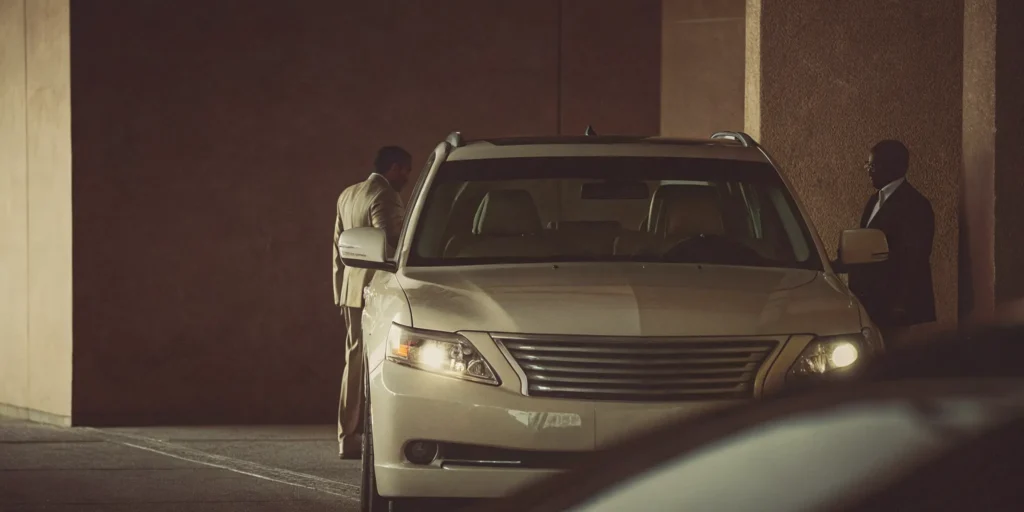
A car with a “Security” decal is one thing, but a professional security vehicle is something else entirely. It’s a purpose-built mobile command center, specifically chosen and outfitted to maximize an officer’s effectiveness. From integrated communication systems that link directly to dispatch to high-intensity spotlights that illuminate the darkest corners, every component serves a critical function. This vehicle is an officer’s partner, providing the tools needed to observe, report, and respond with confidence. This guide breaks down the key features that turn a standard car into a high-performing security asset.
Key Takeaways
- Focus on features, not just the car model: A true security vehicle is defined by its equipment. Look for high-visibility markings to deter crime, integrated communication systems for rapid response, and custom storage to ensure officers are prepared for anything.
- Match the vehicle type to your security strategy: Use clearly marked vehicles when your primary goal is deterrence and creating a visible security presence. Choose unmarked vehicles for discreet surveillance, like investigating internal issues or monitoring specific threats without alerting anyone.
- Consider mobile patrol services to bypass ownership costs: Buying, outfitting, and maintaining a security vehicle is a significant investment. Hiring a professional service provides the benefits of a dedicated patrol, like wide coverage and quick response, without the financial and logistical burdens.
What Exactly Is a Security Vehicle?
Think of a security patrol vehicle as a mobile base of operations for security officers. Instead of a guard remaining at a fixed post, a patrol vehicle allows them to cover a much larger area, like a corporate campus, a residential community, or a large industrial site. The core idea is simple: keep moving. This constant motion creates a visible security presence that acts as a powerful deterrent to potential threats. It also means that if an incident occurs, an officer can respond much more quickly than they could on foot.
These vehicles are more than just cars with logos on the side. They are specifically chosen and outfitted to handle the demands of security work. A well-equipped patrol vehicle allows an officer to observe, report, and respond effectively, ensuring comprehensive coverage for your property. Whether it’s a marked car making its presence known or an unmarked one conducting discreet surveillance, the vehicle is a critical tool for any professional mobile security patrol. The type of vehicle and its equipment are tailored to the specific needs of the property it protects, making it a flexible and effective security solution.
What Are the Main Types of Security Vehicles?
You’ll see a variety of vehicles used for security patrols, and the choice usually depends on the terrain and the job’s specific requirements. For large properties with paved roads, like business parks or apartment complexes, you’ll often find traditional sedans and SUVs. Models like the Ford Explorer and Dodge Charger are popular because they are reliable, visible, and have ample space for equipment.
For other environments, specialty vehicles are a better fit. On sprawling university campuses or at large outdoor events, you might see officers using electric three-wheeled vehicles or even customized golf carts. These smaller, more agile options are quieter, more eco-friendly, and can access areas that a standard car can’t. The goal is always to match the vehicle to the environment to ensure the most effective patrol possible.
Must-Have Equipment for Your Patrol Car
A true security patrol vehicle is defined by its specialized equipment. The most critical component is the communication system. Professional security services often use secure, integrated radio systems that allow for clear and constant contact between officers, dispatchers, and even local law enforcement in emergencies. This ensures a coordinated and rapid response.
Beyond radios, these vehicles are typically equipped with high-intensity spotlights for patrolling dark areas, GPS tracking for accountability and efficient dispatch, and often an onboard computer or tablet for filing digital reports. Other essentials include first-aid kits and traffic control equipment like cones and flares. Each piece of gear turns the vehicle from simple transportation into a mobile command center, fully prepared for any situation. This level of preparation is a hallmark of effective corporate security services.
Beyond the Patrol Car: Armored and Tactical Vehicles
While a standard patrol car is perfect for general surveillance and deterrence, some situations call for a much higher level of protection. For high-risk environments, executive transport, or the protection of extremely valuable assets, specialized armored and tactical vehicles are the gold standard. These aren’t just modified SUVs; they are purpose-built machines engineered from the ground up to withstand serious threats. Understanding their capabilities shows the depth of planning that goes into comprehensive security strategies, where the vehicle itself becomes a critical piece of protective equipment. Let’s look at what sets these advanced security vehicles apart from the everyday patrol car.
Understanding High-Risk Security Vehicles
When we talk about high-risk security, we’re moving into a category of protection where the potential for direct, aggressive threats is significant. This is where armored and tactical vehicles come into play. Unlike a standard patrol car designed for visibility and rapid response, these vehicles are engineered for survival. Their primary function is to protect the occupants from harm, whether that’s during a planned transport through a volatile area or in response to a sudden crisis. They serve as mobile fortresses, allowing private security guards to operate safely in environments that would be untenable with conventional vehicles.
What Are Armored and Tactical Vehicles?
At their core, armored vehicles are civilian or military-style vehicles reinforced with protective materials. They are constructed with layers of hardened steel and bullet-resistant glass designed to stop projectiles. Tactical vehicles, like the Lenco BearCat often used by law enforcement, are built for more than just defense; they are designed for intervention. These vehicles can breach obstacles, navigate extremely rough terrain, and serve as a mobile command post during intense situations. The key takeaway is that every element, from the chassis to the windows, is intentionally chosen to provide maximum protection for the armed security guards inside.
Specialized Use: Cash-in-Transit Vehicles
One of the most common examples of armored vehicles you’ve likely seen is the cash-in-transit (CIT) truck. These vehicles are specifically designed to protect money and other valuables as they are transported between locations. Companies like INKAS® specialize in building these mobile vaults, outfitting them with reinforced armor, sophisticated locking mechanisms, and surveillance systems. The entire design is focused on preventing theft and ensuring the safety of the crew. They are a perfect illustration of how a vehicle can be tailored to a very specific security need, making them an indispensable tool for the financial industry.
Key Protective Features of Armored Vehicles
The effectiveness of an armored vehicle comes from a suite of integrated protective features that work together to keep occupants safe. It’s not just about having thick walls; it’s a holistic approach to defense. This includes everything from the type of glass used in the windows to the tires that keep the vehicle moving under duress. These features are tested against specific threat levels, ensuring they can perform as expected when it matters most. Understanding these components helps clarify why these vehicles are so essential for high-stakes corporate security details.
Ballistic Protection and Armor Levels
Not all armor is created equal. The level of protection a vehicle offers is rated on a standardized scale, such as the BR (Ballistic Resistance) rating system. A rating of BR4, for example, might protect against handguns, making it suitable for some executive protection scenarios. For more serious threats, vehicles can be armored up to BR6 or BR7, which can withstand fire from high-powered rifles. This tiered system allows security providers to match the vehicle’s capabilities to the anticipated threat level, ensuring the right amount of protection is in place for the mission.
Run-Flat Tires and Fire Suppression
An armored vehicle is useless if it can’t move. That’s why many are equipped with run-flat tires, which can continue to function even after being punctured, allowing the driver to escape a dangerous area. Beyond ballistic threats, these vehicles are also built to handle other hazards. Many tactical vehicles, like those made by Lenco, are constructed with military-grade steel that can withstand explosions and feature built-in fire suppression systems. This ensures the vehicle and its occupants remain secure even when facing extreme and unpredictable conditions.
Crew Visibility and Safety Features
You might think that sitting inside a steel box would make it impossible to see what’s happening outside, but these vehicles are designed for high situational awareness. They use specialized, multi-layered ballistic glass or smaller “vision blocks” that allow occupants to see out without creating a weak point in the armor. To supplement this, many are equipped with a network of external cameras that feed live video to screens inside the cabin. This gives the crew a complete, 360-degree view of their surroundings, allowing them to make informed decisions while remaining fully protected.
Onboard Systems and Strategic Design
Beyond pure defense, the design of an armored or tactical vehicle is highly strategic. Every system on board is there to enhance the operational effectiveness of the security team. This includes advanced communication arrays that keep the team connected to a central command, as well as the vehicle’s physical design, which might be optimized for urban environments or rugged off-road terrain. The goal is to create a platform that not only protects but also empowers the personnel inside to manage the situation effectively.
Lethal and Non-Lethal Weaponry
For certain high-threat scenarios, a defensive posture isn’t enough. Many tactical vehicles are designed to be equipped with both lethal and non-lethal weapon systems. This can range from roof-mounted turrets that can hold heavy machine guns to ports that allow occupants to safely deploy non-lethal deterrents like smoke or tear gas. This capability is crucial for operations that require a show of force or a controlled response to aggression, often seen in high-level executive security or when protecting critical infrastructure.
Manufacturing and Maintenance Advantages
While these vehicles are highly specialized, smart manufacturers design them with practicality in mind. For instance, some companies build their armored vehicles on existing commercial truck chassis. This clever approach means that many of the mechanical parts, like the engine and transmission, are standard components. This makes maintenance and repairs significantly easier and more cost-effective, as you don’t need a highly specialized mechanic for routine service. It’s a practical consideration that ensures these critical assets can remain in service without excessive downtime or expense.
What Features Should Your Security Vehicle Have?
When you’re evaluating a security patrol vehicle, it’s about more than just four wheels and an engine. The right vehicle is a purpose-built tool designed to maximize a security officer’s effectiveness. From its external appearance to the technology inside, every feature plays a role in protecting your property. A well-equipped vehicle allows for faster response times, better communication, and a stronger security presence. Let’s break down the key features that transform a standard car into a high-performing security asset.
Stand Out: The Importance of High-Visibility Markings
A security vehicle’s primary job is to be seen. High-visibility markings, including clear “Security” lettering, reflective decals, and the company logo, turn the vehicle into a mobile deterrent. When potential wrongdoers see a marked car patrolling an area, they are far less likely to attempt a break-in or act of vandalism. This visible presence extends your security coverage across large properties, from manufacturing plants to residential communities. The goal is to prevent incidents before they happen, and a clearly marked mobile security patrol vehicle is one of the most effective ways to achieve that. It sends a clear message that your property is actively monitored and protected.
Staying Connected: Tech and Communication Essentials
In a security situation, clear and instant communication is non-negotiable. Modern patrol vehicles should function as mobile command centers, equipped with integrated technology. This includes multi-channel radios that allow officers to communicate securely with dispatch, other guards on-site, and, in some cases, local law enforcement. GPS tracking provides real-time location data, improving dispatch efficiency and officer safety. Some advanced systems, like FirstNet, offer a dedicated network for first responders and security personnel, ensuring communication lines remain open even when commercial networks are overloaded. This technology ensures a coordinated and rapid response, which is the cornerstone of effective 24/7 security services.
Smart Storage Solutions for Security Gear
A security officer needs to be prepared for a wide range of scenarios, and that requires having the right equipment on hand. A standard car trunk simply doesn’t offer the organization or accessibility needed for professional security tools. Custom storage solutions are essential for keeping gear like first-aid kits, traffic cones, fire extinguishers, and incident report forms secure and easy to access. Properly designed compartments prevent equipment from shifting during patrols and ensure that an officer can retrieve what they need without delay. This level of preparation allows a private security guard to manage situations efficiently, from minor incidents to major emergencies.
Prioritizing Officer Comfort and Safety
An alert and focused officer is your best line of defense, and their performance is directly linked to their work environment. Security patrols often involve long hours behind the wheel, making officer comfort a critical feature. Ergonomic seating, effective climate control, and a well-organized cabin reduce fatigue and help maintain vigilance. A comfortable officer is better equipped to stay focused on their surroundings, spot unusual activity, and respond quickly. Investing in a vehicle that supports the officer’s well-being is an investment in the quality of your security. It ensures the person protecting your assets is always performing at their best.
Top Brands and Models for Private Security Cars
When you see a security patrol vehicle, you’re likely looking at a model that was purpose-built for the job. While many cars can be outfitted for patrol duty, a few brands have become industry standards because they design vehicles specifically for the demands of law enforcement and security work. These models prioritize performance, durability, and officer safety, offering features that you won’t find in a standard passenger car.
From powerful engines designed for rapid response to reinforced frames and advanced communication systems, these vehicles are engineered from the ground up for patrol functions. Let’s look at some of the most trusted and popular models you’ll see on the road, each with its own set of strengths for keeping properties safe. Understanding what makes these vehicles unique can help you appreciate the professional tools our officers use.
Ford’s Police Interceptor: A Top Choice
The Ford Police Interceptor Utility is a top choice for security and law enforcement agencies, and for good reason. It’s known for its powerful performance and rugged design, making it ideal for demanding patrol routes. The latest models offer impressive engine options, including a hybrid V6 that delivers over 300 horsepower for quick acceleration. With a top speed approaching 150 mph, it has the power needed for any situation. Inside, the vehicle is equipped with advanced technology, like a large digital instrument cluster, that helps officers work efficiently and safely during their shifts. These features make the Ford Police Interceptor Utility a reliable and formidable presence.
Why the Chevy Tahoe Works for Patrol
For patrols that require more space and versatility, the Chevrolet Tahoe is a frequent choice. Its large interior is perfect for carrying extra equipment or for K-9 units, while its strong frame and powerful V8 engine provide the durability needed for continuous use. The Chevrolet Tahoe police vehicle is built with advanced safety features and the necessary towing capacity for a variety of response scenarios. Its combination of size, power, and reliability makes it a trusted workhorse for many departments, ensuring officers have a capable and secure mobile base of operations no matter where their patrol takes them. This makes it a great option for covering large properties or corporate campuses.
The Dodge Charger Pursuit: Power and Presence
When speed and agility are the top priorities, the Dodge Charger Pursuit stands out. This high-performance sedan is built for rapid response, featuring a powerful HEMI V8 engine that provides exceptional acceleration and handling. This allows officers to react quickly to incidents across a property. The Dodge Charger Pursuit isn’t just about speed; it’s also designed with a reinforced chassis and an interior configured to hold all the necessary communication and security equipment. Its aggressive stance and proven performance make it a popular vehicle for agencies that need to combine a strong visual deterrent with the ability to cover ground quickly and safely.
The Rise of Electric and Specialty Security Vehicles
The security industry is also adapting to new technology, with electric and specialty vehicles becoming more common. EVs like the Ford Mustang Mach-E are being tested for patrol use, offering benefits like silent operation for discreet patrols and lower long-term fuel and maintenance costs. Beyond EVs, many fleets include specialty vehicles designed for specific tasks. For example, a mobile security patrol might use smaller, more nimble vehicles for navigating parking garages or customized vans that serve as mobile command centers during large events. This trend shows how security solutions are becoming more tailored and efficient, using the right vehicle for the right job.
Off-Road Utility Vehicles (UTVs) for Tough Terrain
Sometimes a standard patrol car just won’t cut it, especially when your property includes rugged, unpaved areas. For large construction sites, rural estates, or properties with extensive trails, Off-Road Utility Vehicles (UTVs) are the perfect solution. Think of models like the Polaris side-by-side; these vehicles are built to handle tough terrain that would stop a sedan in its tracks. They allow security officers to patrol fence lines, check on remote equipment, or respond to incidents in areas far from paved roads. This capability is essential for comprehensive security on properties like large agricultural sites or during disaster relief efforts, ensuring no corner of your land is left unmonitored.
Low-Speed Electric Vehicles for Large Facilities
For large indoor facilities or sprawling campuses, a full-sized car can be impractical and disruptive. This is where low-speed electric vehicles, like customized golf carts or Segway-style transporters, come in. They are ideal for maneuvering through warehouses, patrolling university campuses, or navigating large hotel resorts without the noise and emissions of a traditional engine. Their compact size allows officers to access tight spaces and pedestrian-heavy areas with ease. This quiet, efficient approach to security is perfect for environments where maintaining a peaceful atmosphere is just as important as maintaining a visible presence, ensuring patrols can be conducted effectively without disturbing students, employees, or guests.
Marked vs. Unmarked: Which Is Right for You?
Deciding between a marked and an unmarked security vehicle isn’t just about aesthetics; it’s a strategic choice that directly impacts your security posture. Each option serves a distinct purpose, and the right one for you depends entirely on what you want to achieve. Do you want to send a loud and clear message to potential troublemakers, or do you need a more subtle approach to monitor activity without drawing attention?
Think of it this way: a marked vehicle is a preventative measure, designed to be seen. An unmarked vehicle is a responsive tool, designed for discreet observation. Both are effective, but they excel in different scenarios. Understanding the strengths of each will help you build a more effective security plan for your property, whether it’s a bustling corporate campus, a quiet residential community, or a high-traffic event. Let’s break down the specific advantages of each to help you make an informed decision.
Marked Cars: A Visible Deterrent
A marked security vehicle is your first line of defense. Its primary job is to be seen. The clear branding, official colors, and light bar create a powerful visual deterrent that can stop criminal activity before it even starts. When potential offenders see a marked car from a professional mobile security patrol, they know the property is actively monitored and protected. This visible presence not only discourages theft and vandalism but also provides peace of mind to employees, residents, and customers, making them feel safer and more secure in their environment.
Unmarked Cars: The Advantage of Stealth
Sometimes, the best security is the kind no one knows is there. Unmarked vehicles are perfect for situations that require subtlety and surveillance. Because they blend in with regular traffic, they allow security officers to observe a property without alerting potential wrongdoers. This is incredibly useful for investigating issues like internal theft, monitoring for specific threats, or gathering intelligence without tipping your hand. An unmarked car allows your private security guards to catch offenders in the act, providing clear evidence for any necessary follow-up action. It’s a strategic tool for when you need eyes on a situation, not just a presence.
How to Match Your Vehicle to Your Mission
The best choice ultimately comes down to your specific security goals. If your main priority is preventing crime through high visibility and reassuring the public, a marked vehicle is the clear winner. It’s ideal for residential communities, retail centers, and school campuses. However, if your needs involve discreet monitoring, loss prevention, or executive protection, an unmarked vehicle offers the necessary subtlety. Many organizations find that a blended approach, as part of a comprehensive corporate security services plan, provides the most robust protection by combining visible deterrence with covert surveillance capabilities.
What’s the Real Cost of a Security Vehicle?
When you’re thinking about adding a vehicle to your security plan, the sticker price is just the beginning. The total cost involves much more than the initial purchase, covering everything from fuel and insurance to maintenance and repairs. Understanding the full financial picture is key to deciding if owning a patrol vehicle is the right move for your property or if a professional service is a better fit. Let’s break down the real costs you can expect.
Breaking Down the Initial Purchase Price
The most obvious expense is the vehicle itself. A new, pursuit-rated sedan or SUV is a major capital investment, and even a reliable used vehicle requires a significant upfront payment. Beyond the car, you have to factor in the cost of outfitting it for security duty. This includes high-visibility markings, emergency light bars, and communication systems. These additions are essential for creating a credible security presence but can add thousands to your initial bill. While financing can spread this cost out, it’s still a substantial long-term financial commitment.
Don’t Forget Ongoing Maintenance Costs
Once you have the vehicle, the recurring costs begin. Fuel is a major and often unpredictable expense, especially for a vehicle that’s constantly on the move. You’ll also need a commercial insurance policy, which is typically more expensive than standard auto insurance. Then there’s routine maintenance: oil changes, tire rotations, and brake replacements are crucial for keeping the vehicle reliable. Unexpected repairs can also pop up, creating budget challenges. These ongoing expenses are the price of maintaining a visible and effective security presence on your property.
Calculating the ROI of a Security Vehicle
After adding up the upfront investment and ongoing operational costs, is owning a patrol vehicle truly cost-effective? For many businesses, the answer is no. The total cost of ownership, plus the administrative work of managing a vehicle and driver, can be overwhelming. This is why many property managers opt for professional mobile patrol services. Instead of a large capital expense, you pay a predictable fee. This approach gives you the benefits of a visible security patrol, like broad coverage and quick response, without the financial burden and logistical headaches of owning a vehicle. It’s a flexible solution that can be tailored to fit your budget.
Acquiring and Owning Specialized Security Vehicles
Beyond the typical patrol car, there’s a class of vehicles designed for high-risk environments. Armored and tactical vehicles offer protection that goes far beyond what a standard car can provide. While they might seem reserved for law enforcement, the reality of who can own them is more nuanced. Understanding the options, legalities, and uses for these specialized vehicles is important for anyone considering a top-tier security solution for personal or professional protection.
Civilian Ownership: Is It Legal?
You might be surprised to learn that in most of the United States, it is legal for a civilian to own an armored vehicle. However, legality can vary based on state and local laws. Before making any decisions, it’s essential to check the specific regulations in your area regarding vehicle modifications and armor levels. Consulting with a legal professional and a reputable armoring company is the best first step to ensure everything is compliant with local rules.
Discreet Armoring for Private Individuals
For many private individuals, the goal of an armored vehicle isn’t to look intimidating—it’s to blend in. Companies specializing in civilian armoring focus on discreet protection, modifying standard luxury vehicles to appear completely normal from the outside. This allows individuals at higher risk for threats like carjacking to have peace of mind without drawing unwanted attention. These vehicles can be outfitted with varying levels of ballistic protection, making discreet, mobile protection a key component in any comprehensive executive security plan.
Purchasing for Government and Law Enforcement Agencies
While civilians can purchase armored vehicles, some companies build tactical vehicles exclusively for government and law enforcement agencies. These are engineered for extreme situations and used by organizations from local SWAT teams to federal agencies. Manufacturers in this space understand the unique procurement challenges these agencies face and often offer support to help departments find and apply for grants or other funding. This specialized market ensures that first responders have access to the highest level of protection when they need it most.
Debunking Myths About Security Vehicles
When people think about security patrol vehicles, a few common misconceptions often come to mind. These myths can prevent property owners and managers from making the best security decisions for their assets. Let’s clear the air and look at what’s really true about using vehicle patrols to protect your property, separating the facts from fiction.
Myth: They’re Too Expensive to Be Worth It
One of the biggest myths is that professional security is just too expensive for the average business. While there is an upfront investment, the cost of not having security is often much higher. Incidents like theft, vandalism, or trespassing can lead to significant financial losses and operational disruptions that far exceed the price of a security service. A mobile security patrol offers a cost-effective solution by providing a strong, visible presence without the expense of multiple stationary guards. Think of it as an investment in prevention and peace of mind, protecting your bottom line from unexpected damages and losses.
Myth: One Car Can Cover Everything
Another common question is whether a single patrol vehicle can truly secure a large area. The key to vehicle patrols isn’t just presence; it’s strategic and unpredictable movement. A patrol car can cover more ground than a guard on foot, checking multiple access points, fence lines, and remote corners of a property in a short amount of time. This constant, random motion creates a powerful deterrent, as potential wrongdoers never know when or where security will appear next. For sprawling properties like manufacturing plants, car dealerships, or residential communities, this mobility provides far greater coverage than a fixed post.
Security Vehicle Facts vs. Common Fiction
There’s a persistent idea that security patrols are only for massive corporations or high-risk industrial sites. In reality, security needs are universal, and professional services are more accessible than many people think. Security plans can be customized to fit the specific needs and budgets of various properties, from schools and hotels to apartment complexes. A visible security presence can prevent problems before they start, no matter the size of your operation. Professional corporate security services are scalable, ensuring that any business can establish a safe and secure environment for its employees, customers, and assets.
How to Select the Perfect Security Vehicle
Deciding on the best security approach for your property goes beyond simply picking a vehicle. It’s about creating a strategy that addresses your specific vulnerabilities and goals. Whether you manage a sprawling corporate campus, a quiet residential community, or a busy manufacturing facility, the right solution is one that fits your environment, budget, and desired level of protection. Let’s walk through the key steps to find the perfect fit for your security needs.
First, Assess Your Property’s Unique Needs
Before you even think about vehicles, start with a thorough assessment of your property. What are your primary concerns? Are you trying to deter trespassing on a large lot, monitor a parking garage, or provide a visible presence for a school security plan? A static guard is great for controlling access at a single point, but vehicle patrols are designed to watch over a larger area. Because these officers are always moving, they can cover more ground, check multiple locations, and create an unpredictable security presence that keeps potential wrongdoers on their toes. Understanding your unique risks will point you toward the most effective strategy.
Match Vehicle Specs to Your Security Plan
Once you know what you need to protect, you can match a vehicle to the job. A standard sedan might be perfect for a paved corporate park, but an SUV could be necessary for properties with varied terrain. Think about the practical details. Will your officers be working long shifts? Do they need specialized equipment? Some manufacturers allow businesses to customize their vehicles with shelving and partitions to stay organized. For properties with both indoor and outdoor spaces, like a hotel or event venue, a smaller electric vehicle might be a better fit. These specialized vehicles often use long-lasting, swappable batteries to ensure they’re always ready to go.
Considering an Alternative? What About Mobile Patrols?
Buying, outfitting, and maintaining a security vehicle is a significant investment. For many businesses, there’s a much simpler and more cost-effective solution: hiring a professional mobile security patrol. This approach gives you all the benefits of a vehicle patrol, including flexible protection, rapid response, and a powerful visual deterrent, without the overhead of owning the asset yourself. Mobile patrols are an excellent alternative to hiring large on-site teams, allowing you to maintain strong coverage across a large property. By partnering with a security provider, you get trained officers, a fully equipped vehicle, and a strategic patrol plan managed for you.
How Mobile Patrol Services Work
Mobile patrol services offer a straightforward and effective security solution. Instead of you having to purchase, outfit, and maintain a dedicated vehicle, a professional security company handles everything. A trained officer arrives in a fully equipped, clearly marked patrol car and follows a strategic route designed to maximize visibility and coverage across your property. These patrols are often conducted at random intervals, which creates an unpredictable presence that is highly effective at deterring potential threats. The officer can check doors, respond to alarms, and provide detailed digital reports of their rounds, giving you a complete overview of your property’s security status without the significant investment and logistical challenges of managing your own vehicle fleet.
When to Choose Mobile Patrols Over a Dedicated Vehicle
Opting for a mobile patrol service is a smart financial and operational decision for many properties. This solution is ideal when you want the powerful deterrent of a vehicle patrol without the large capital expense and unpredictable ongoing costs of owning one. If your budget favors a predictable monthly fee over a hefty upfront investment and surprise repair bills, mobile patrols are the perfect fit. They are also the best choice if you lack the internal resources to manage vehicle maintenance, insurance, and officer scheduling. A mobile patrol service provides a flexible and scalable security presence that adapts to your needs, offering a cost-effective way to protect large areas like car dealerships, manufacturing facilities, and residential communities.
Related Articles
- 7 Best Vehicle Security Patrol Companies Reviewed | ASAP Security Guards
- A Guide to Vehicle Security Patrol Services | ASAP Security Guards
- Mobile Patrols: Security Guard Solutions for Commercial Properties
- Mobile Security Patrols for Commercial Properties | ASAP Security Guards
- 5 Key Benefits of Vehicle Patrol Security Services | ASAP Security Guards
Frequently Asked Questions
Is a mobile patrol always better than a stationary guard? Not necessarily, it really depends on your specific security goals. A stationary guard is perfect for controlling access at a single, critical point, like a front gate or lobby. A mobile patrol, on the other hand, is designed to cover a much larger area. Its strength lies in its constant, unpredictable movement, which creates a powerful deterrent across an entire property, from fence lines to parking lots. The best solution often depends on a property assessment to see if you need focused access control or broad, visible coverage.
What’s the main difference between a marked and an unmarked patrol vehicle? Think of it as the difference between prevention and observation. A marked vehicle is a clear, visible deterrent. Its purpose is to be seen, letting potential troublemakers know that the property is actively monitored, which often stops incidents before they start. An unmarked vehicle is for situations that require more subtlety. It allows officers to conduct surveillance, investigate potential issues like internal theft, or monitor a situation without drawing attention to themselves.
Wouldn’t it be more cost-effective to buy our own vehicle instead of hiring a service? While buying a car might seem cheaper at first glance, the total cost of ownership is often much higher. You have to consider the initial outfitting with specialized equipment, commercial insurance policies, ongoing fuel and maintenance costs, and unexpected repairs. When you partner with a professional service, all of those expenses and logistical headaches are handled for you. You get the full benefit of a dedicated patrol for a predictable, manageable fee, which is usually a more practical financial decision.
What makes a professional patrol vehicle different from just putting a ‘Security’ sticker on a regular car? A professional security vehicle is a purpose-built tool, not just a car with a logo. It’s equipped with essential technology like secure, multi-channel radio systems for reliable communication and GPS tracking for accountability. These vehicles also have custom storage for necessary equipment like first-aid kits and traffic cones, plus high-intensity lighting for patrolling dark areas. This specialized outfitting turns the vehicle into a mobile command center, allowing our officers to respond to any situation effectively.
How do I know if my property is large enough to need a vehicle patrol? You don’t need a massive corporate campus to benefit from a vehicle patrol. The key factor is whether a single guard on foot can effectively monitor all your critical areas. If you have a large parking lot, multiple buildings, a long perimeter, or any remote areas that need checking, a vehicle patrol is a highly efficient solution. It provides comprehensive coverage for properties of all sizes, including manufacturing sites, car dealerships, and residential communities.
