
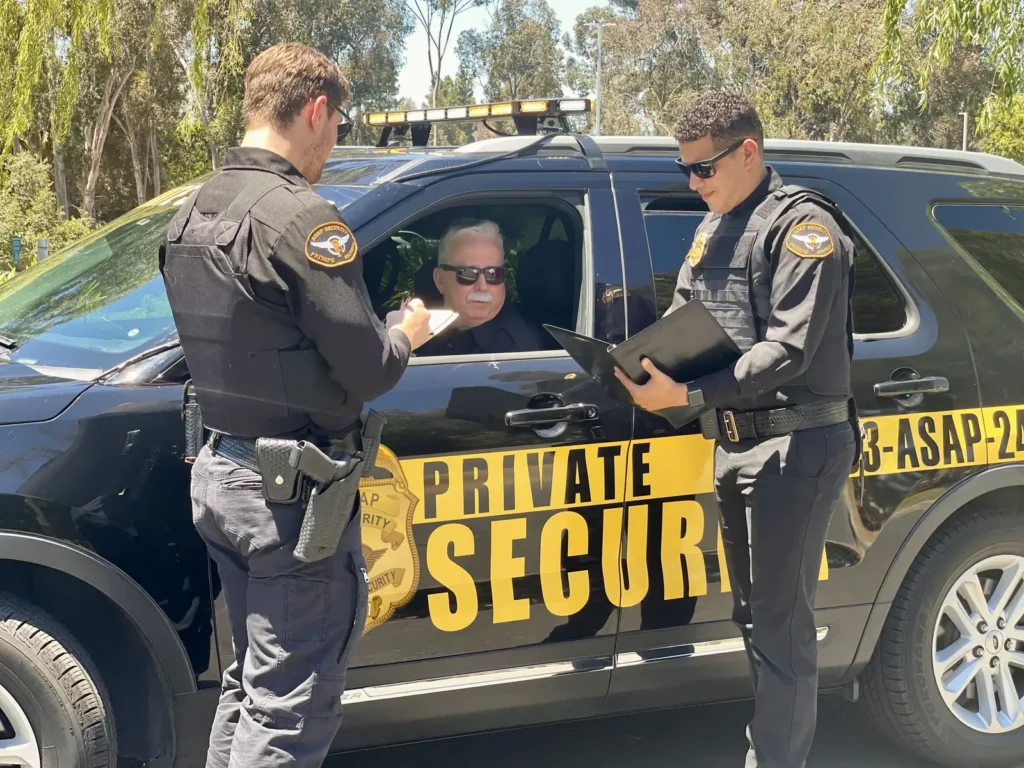
The security needs of a corporate office in San Diego are worlds away from a manufacturing facility in Riverside. This is why there’s no simple answer to “how much does private security cost?” in Southern California. The price depends entirely on your unique situation. Local demand, cost of living, and specific industry risks all shape how much a security company charges per hour. This guide is built for property and facility managers in our region. We’ll break down how your location impacts the final price, comparing urban versus suburban areas so you can set a realistic budget for professional security.
Key Takeaways
- Rates reflect the service you choose: The hourly cost for private security is not a single flat fee; it varies based on key factors like the guard’s duties (armed vs. unarmed), your property’s specific risk level, and your scheduling needs.
- Understand the total investment: A professional quote covers more than just a guard’s wages, so look for transparency on essential costs like training, insurance, and equipment that contribute to high-quality, reliable service.
- Focus on value, not just the price tag: The lowest bid can be a red flag for poor service, so compare detailed quotes, ask about discounts for long-term contracts, and select a security partner based on their experience and reliability.
How Much Does Private Security Cost Per Hour?
When you’re planning your budget, one of the first questions you’ll ask is about cost. The hourly rate for private security isn’t a one-size-fits-all number; it depends on your specific needs, location, and the level of risk involved. Think of it less like a fixed price tag and more like a tailored service where the cost reflects the value and protection you receive. While rates can range from $25 to over $150 per hour, understanding the different service tiers and regional factors will give you a much clearer picture of what to expect. Let’s break down the typical price ranges and how living in Southern California plays a role in what you’ll pay.
A Look at Typical Security Guard Costs
The type of security you need is the biggest factor in determining the hourly rate. For general presence and monitoring, an unarmed guard typically costs between $25 and $40 per hour. This is a great option for low-risk sites that need a visible deterrent. If your situation calls for a higher level of protection, you’ll want to consider armed security guards, whose rates often range from $40 to $100 or more per hour. This higher cost covers their advanced training, licensing, and ability to handle more serious threats. For short-term needs, event security usually falls between $25 and $45 per hour, though most companies require a four to eight-hour minimum.
Why Southern California Security Costs More
Living and working in Southern California means that security costs can change depending on your exact location. Rates in San Diego might differ from those in Orange County or Riverside due to local demand, the cost of living, and specific operational expenses for the security agency. A high-traffic retail center in a dense urban area will likely have different security needs and associated costs than a quiet residential community in a suburban neighborhood. High-risk locations, like banks or luxury storefronts, also command higher rates because they require more experienced officers and a robust security strategy to ensure complete protection.
Budgeting for Long-Term Security
Thinking about security as a long-term investment rather than just an hourly expense is a smart move. When you plan for ongoing protection, you’re not just hiring a guard; you’re integrating a security strategy into your daily operations. This approach is especially crucial for businesses like manufacturing plants or large residential complexes that need consistent coverage. Long-term contracts can often provide better value and ensure you have a dedicated team that understands the unique challenges of your property. It allows you to build a relationship with your security provider, leading to more proactive and effective protection over time. Let’s look at what this means for your monthly budget.
Monthly Cost Estimates
So, what does a monthly security budget look like? For a single, long-term unarmed guard, you can generally expect to invest between $3,500 and $5,000 per month. This figure isn’t just the guard’s paycheck; it covers essential overheads like comprehensive training, insurance, and the necessary equipment to do the job right. If your facility requires a higher level of protection, such as armed security, the costs will be higher. These highly-trained officers typically command rates from $25 to $45 per hour, which will shape your monthly total based on the schedule you need. According to one breakdown of private security costs, these specialized skills are a significant factor in the overall price.
Remember that these are baseline estimates. The final cost will always depend on your specific needs. For example, a bustling hotel in downtown San Diego might require a different security plan—and budget—than a sprawling car dealership in Riverside. Services like dedicated mobile security patrols can also be a cost-effective way to cover a large area without needing a static guard at every entrance. The key is to get a detailed quote that outlines all services and costs. This transparency helps you understand the full value you’re receiving and ensures you’re investing in a security solution that provides both effective protection and genuine peace of mind.
What Factors Drive Your Hourly Security Rate?
When you start looking for private security, you’ll quickly find that there isn’t a single, flat hourly rate. The price you pay is a direct reflection of the specific protection you need. Think of it like a custom-tailored suit; the final cost depends on the fabric, the complexity of the design, and the skill of the tailor. Similarly, your security quote is built from several key components that ensure you get the right level of protection for your property or event.
Understanding these factors will help you make sense of the quotes you receive and choose a service that fits your budget without compromising on safety. The main elements that shape your hourly rate are the type of service you require, the guard’s professional background, the risk level of your location, and your scheduling demands. Let’s break down what each of these means for your bottom line.
How Your Service Needs Impact the Price
The most significant factor in your hourly rate is the specific type of security you need. The primary distinction is between armed and unarmed guards. Unarmed guards are an excellent deterrent for lower-risk environments and generally cost less per hour. However, if your situation requires a higher level of protection, you’ll need armed security guards, whose specialized training and licensing come at a premium. Beyond that, the duties themselves matter. A stationary guard at a front desk will have a different rate than an officer conducting active mobile security patrols across a large property.
Service Customization
No two properties are exactly alike, so your security plan shouldn’t be either. A professional security company will work with you to create a strategy tailored to your specific environment and risks. For example, a large car dealership might need consistent mobile patrols after hours to deter theft, while a bustling corporate office may require a highly trained guard at the front desk to manage visitor access and maintain a professional atmosphere. This level of customization ensures you aren’t paying for unnecessary services but are fully protected where it counts. The final hourly rate will reflect the complexity and scope of this tailored plan, ensuring your security investment is both effective and efficient.
Why a Guard’s Experience Affects the Cost
Not all security officers have the same background, and their experience level directly impacts the cost. A guard with a background in law enforcement or the military brings a unique skill set, including advanced de-escalation techniques and tactical awareness. This kind of expertise is invaluable in complex situations and naturally commands a higher rate. Specialized certifications, such as advanced first-aid or specific firearm qualifications, also add to a guard’s value and, consequently, their hourly cost. When you invest in a highly-trained officer, you’re paying for peace of mind and proven professionalism.
Specialized Training and Certifications
A guard’s training record is a major part of their value, and it directly affects the hourly rate. Credentials like state licenses, advanced first aid, or special defensive skills aren’t just lines on a resume; they represent a higher level of capability. For example, officers with prior military or law enforcement experience bring a unique skill set in spotting danger and resolving conflicts effectively. This is especially critical for sensitive assignments like corporate security or protecting high-value assets. When you see a higher price for a guard with these qualifications, you’re paying for proven expertise and the confidence that they can handle whatever comes their way.
How On-Site Risk Levels Influence Pricing
Every location has a unique risk profile, and a professional security company will assess this to determine your rate. A quiet residential community, for example, has a much lower risk level than a large-scale concert or a manufacturing plant storing valuable materials. High-risk environments often require more experienced, and sometimes armed, personnel to effectively manage potential threats. Factors like the local crime rate, the value of the assets being protected, and the nature of the operations all contribute to the on-site risk. This assessment ensures your private security guards are properly equipped for the job.
Examples of High-Risk Businesses
So, what makes a business “high-risk”? It often comes down to the value of your assets and the nature of your operations. For example, a manufacturing facility in Riverside that stores expensive equipment or raw materials is a prime target for theft. A luxury hotel in San Diego must protect high-profile guests and their valuable personal property, while a car dealership in Orange County has millions of dollars in inventory sitting on an open lot. These situations demand more than just a basic security presence. They require a comprehensive strategy, often involving corporate security services that combine visible deterrence with advanced surveillance and access control to protect both assets and people effectively.
Does Your Schedule Affect the Cost?
When you need security coverage also plays a big role in the final cost. Standard business hours are typically the most affordable. However, if you require 24/7 security services, you can expect to pay a premium for overnight, weekend, and holiday shifts. Emergency or last-minute requests may also incur higher rates. On the other hand, many security providers offer discounted pricing for long-term contracts. Committing to a longer service period can often provide better value than hiring security for sporadic, short-term assignments, giving you consistent protection at a more predictable cost.
The Impact of Company Reputation and Experience
When you compare security quotes, you’re not just looking at a number—you’re evaluating a company’s reputation and the experience of its team. A provider with a strong track record and positive reviews will likely have a higher rate because they invest in superior training, technology, and management. This commitment to quality ensures you receive reliable and professional service. Similarly, the background of the officers themselves is a key factor. A guard with former military or law enforcement experience brings advanced skills in tactical awareness and de-escalation, which is essential for high-stakes environments. While this expertise comes at a premium, you’re paying for proven professionalism and the peace of mind that comes with having a highly-trained individual protecting your assets and people.
How Much Does Armed Security Cost vs. Unarmed?
One of the biggest factors that will shape your security budget is whether you need armed or unarmed guards. It’s a key decision, and the price difference reflects the distinct levels of training, liability, and risk each role involves. Making the right choice here is all about matching your property’s specific needs with the right level of protection. Let’s look at the typical rates for each service so you can see how they compare.
What’s the Average Cost for an Unarmed Guard?
Unarmed security guards are a fantastic option for lower-risk environments where their main job is to be a visible presence, observe activity, and report any issues. Think of them as the watchful eyes for your property. You can generally expect to pay between $25 and $35 per hour for a professional unarmed guard. They are trained to manage access points, monitor camera feeds, and deter potential problems before they start. For many businesses, corporate offices, and residential communities, they provide the perfect amount of security and peace of mind.
How Much More Does an Armed Guard Cost?
When your site faces a more serious threat level, an armed guard is the right call. The rates for armed security guards typically fall between $30 and $75 per hour. This higher cost is an investment in a guard’s advanced training, licensing, and the insurance required to carry a firearm. These officers, often with backgrounds in the military or law enforcement, are prepared to respond decisively to active threats. They are essential for protecting high-value assets at locations like financial institutions, cannabis dispensaries, or high-end jewelry stores.
Pricing for Specialized Security Services
Sometimes, you need more than a standard patrol. Specialized security services are designed for unique situations that require a specific skill set. This includes personal protection details, which can range from $50 to over $200 per hour depending on the client’s risk profile. Services like executive security or securing a large-scale event also fall into this category. These roles demand guards with specialized training in threat assessment, de-escalation, and discreet protection. While they come at a premium, they provide an unmatched level of expertise for high-stakes environments.
Mobile Patrol Rates
If you need to secure a large area like a car dealership, manufacturing plant, or a sprawling residential complex, mobile security patrols are an incredibly efficient solution. Instead of paying for multiple stationary guards, a single officer can cover a wide territory, providing a visible deterrent and rapid response. The cost for mobile patrols typically ranges from $35 to $55 per hour. This rate depends on factors like the size of your property, the number of checkpoints required, and the complexity of the patrol route. It’s a cost-effective way to maintain a strong security presence, ensuring all corners of your property are regularly monitored without the expense of a full-time, on-site team for every location.
Event Security Rates
Hosting a corporate conference, a private party, or a community festival comes with its own unique security challenges. For these short-term needs, event security services are essential for ensuring everything runs smoothly and safely. You can expect to budget between $30 and $50 per hour for a trained event security officer. Most security companies will require a minimum booking, usually between four and eight hours, to cover the logistics of deploying a team. This price reflects the specialized skills needed for crowd management, access control, and emergency response in a dynamic environment, giving you the peace of mind to focus on your guests.
How Do Location and Demand Affect Pricing?
Just like real estate, the cost of security services often comes down to location. Where your business operates plays a significant role in determining the hourly rate for a private security guard. The dynamics of the local market, from the cost of living to the current demand for professional security, create a unique pricing environment. For businesses in Southern California, understanding these regional factors is key to setting a realistic security budget. Rates in a dense urban center will naturally look different from those in a quieter suburban community, even for the exact same service.
Urban vs. Suburban: How Location Changes the Price
It’s no surprise that security services in major cities like San Diego or parts of Orange County often come with a higher price tag than in more suburban areas. This difference is driven by a higher cost of living, which means security agencies must pay their guards a more competitive wage. The increased density of businesses and residential complexes in urban centers also creates a greater overall demand for security. A bustling downtown corporate office or a high-traffic retail location faces different challenges than a quiet residential community, and the pricing reflects that reality. When you hire private security guards, you’re not just paying for a person; you’re investing in a service priced for the local economic landscape.
When High Demand Increases Security Costs
The simple principle of supply and demand heavily influences security costs. In areas where the demand for qualified security professionals is high, you can expect the rates to follow suit. This trend is often fueled by a growing recognition of the value that private security brings to businesses and communities. As more companies realize the importance of proactive protection for their assets and people, the pool of available top-tier guards becomes more competitive. This is especially true in thriving commercial hubs across Southern California, where new businesses, events, and residential complexes constantly emerge, all requiring reliable security solutions to operate safely and effectively.
Does Your Industry Affect Security Costs?
The nature of your business directly impacts your security needs and, consequently, the cost. A standard, low-risk site may not require specialized personnel, but many industries do. For example, guards with advanced training in de-escalation for a corporate environment or experience in loss prevention for a high-end car dealership bring specific skills that command a higher rate. The more risk your property faces, whether from valuable inventory at a manufacturing plant or the need to protect executives, the more you should anticipate investing in specialized corporate security services. This ensures your security partner has the right expertise to handle the unique challenges your industry presents.
Why Hire Private Security?
Deciding to hire private security is a significant step toward protecting your property, assets, and people. It’s not just about reacting to problems; it’s about creating a secure environment where your business can operate smoothly and your community can feel safe. A professional security presence serves as a powerful deterrent, signaling that you take safety seriously. For managers of a bustling corporate campus, a quiet residential community, or a high-traffic event, the right security partner offers peace of mind. This investment pays for itself through effective loss prevention and risk mitigation.
Common Reasons for Hiring Security
The reasons for hiring security are as diverse as the clients we serve. For some, the priority is safeguarding a physical location, like a manufacturing plant or a school campus. For others, it’s about ensuring the safety of individuals, from an executive team to a family. The common thread is the need for a dedicated, professional presence that can identify risks and respond effectively. Understanding your specific needs is the first step in building a security plan that truly works for you and addresses your unique challenges.
Protection for Individuals and Families
Hiring personal security is an investment in safety and peace of mind, and it’s not just for the very wealthy. It’s a practical solution for anyone seeking to enhance their personal safety. This could mean providing discreet protection for executives who travel frequently or ensuring a secure home environment for your family. Professional residential security creates a buffer against potential threats, allowing you to go about your daily life with confidence, knowing that a trained professional is looking out for your well-being.
Security for Businesses and Events
For businesses and event organizers, private security is essential for maintaining a safe and orderly environment. A visible security presence helps stop crime before it starts, keeps employees and customers safe, and provides constant monitoring of your property. Whether it’s managing access control at a corporate office, patrolling a car dealership after hours, or ensuring crowd control at a large public gathering, professional corporate security services are fundamental to protecting your assets and your reputation.
The Value of Proactive Planning
One of the greatest benefits of private security is its focus on prevention. A well-trained security team does more than just respond to incidents; it works to stop them from ever happening. This proactive approach involves identifying potential vulnerabilities on your property, implementing strategic patrols, and maintaining a visible presence that deters would-be criminals. By addressing security risks before they escalate, you can avoid costly losses and disruptions. Services like a mobile security patrol are a perfect example of proactive planning in action, creating an unpredictable security presence that keeps your property secure.
Faster On-Site Response Times
When a security issue does arise, every second matters. Having a dedicated security team on-site means you get an immediate response. Private security can address problems much faster than public police, who are often managing multiple emergencies across a wide area. An on-site guard can de-escalate a situation, provide first aid, and secure the scene until law enforcement arrives. This rapid response capability is critical for minimizing damage and ensuring the safety of everyone on your property, making private security guards an invaluable asset in any emergency.
Beyond the Hourly Rate: What Else Are You Paying For?
When you review a security proposal, the hourly rate is the number that naturally draws your eye. But to truly understand the total investment, it’s important to look beyond that single figure. A transparent security partner will always be upfront about what’s included in their rate and what might constitute an additional charge. Understanding these components helps you compare quotes accurately and ensures there are no surprises. Let’s break down the common costs that contribute to your final price so you can plan your budget with confidence.
Are Equipment and Technology Fees Included?
Effective security in the modern world relies on more than just a watchful eye. The hourly rate you pay often includes the cost of essential equipment and technology that officers use daily. This can cover everything from professional uniforms and communication devices to advanced reporting software that gives you detailed logs and incident reports. These tools are critical for seamless communication and documentation, ensuring that your mobile security patrol operates efficiently and you stay informed. When a company invests in quality equipment, it’s investing in a more effective security outcome for you.
Understanding Agency Markups and Travel Costs
When you hire through a security agency, the rate includes a markup on the guard’s base pay. This isn’t just profit; it’s what covers the agency’s essential operational costs. This markup, which can range from 25% to 75%, pays for the rigorous process of recruiting, vetting, and training qualified officers. It also covers liability insurance, licensing, and the administrative support needed to manage scheduling and operations smoothly. This structure is what allows an agency to provide reliable, professional private security guards who are ready to protect your property from day one, without you having to handle the complex logistics.
What About Overtime and Holiday Pay?
Security needs don’t always fit into a standard 9-to-5 workday. If your business requires protection overnight, on weekends, or during holidays, you can expect to see higher hourly rates. This is standard across the industry to compensate officers for working during these less conventional hours. The increased demand for security during holidays or special events can also influence these rates. When planning your budget, be sure to account for any after-hours or holiday coverage you might need. A provider offering 24/7 security services will be able to provide a clear breakdown of these differential rates.
Who Pays for Guard Vetting and Training?
A significant portion of the hourly rate is an investment in the quality and reliability of the security officer assigned to your property. This includes the initial costs of comprehensive background checks, drug screenings, and verifying any special licenses or certifications. More importantly, it covers ongoing training to keep their skills sharp and ensure they are prepared for any situation. For specialized roles, such as armed security guards, this training is even more intensive. This continuous professional development is what separates a professional security officer from a simple observer, ensuring you have a capable and competent guard protecting your assets.
Understanding Daily Minimum Charges
When you’re budgeting for security, especially for short-term needs, it’s important to ask about daily minimum charges. Many security agencies have a policy that requires a minimum number of billable hours per shift, which is typically between four and eight hours. This means that even if you only need a guard for a two-hour meeting or a brief event, you may be billed for a full four-hour block. This practice ensures that it’s worthwhile for the agency to dispatch a highly-trained officer to your location. Understanding this upfront helps you accurately plan your costs for event security or any temporary assignments and avoid any surprises on your invoice.
Watching Out for Hidden Fees
A detailed quote is your best tool for understanding the full cost of security services. While a reputable company will be transparent, it’s always smart to know what to look for. Be sure to ask if the hourly rate includes everything, or if there are additional charges for things like overnight shifts, holiday coverage, or travel time for guards coming to a remote site. Some agencies may also charge extra for specialized equipment, such as body cameras or advanced communication devices. A trustworthy security partner will always be upfront about what their rate covers. Don’t hesitate to ask for a complete breakdown so you can compare quotes accurately and confidently select a provider that values transparency.
How to Get the Best Value for Your Security Budget
Finding the right security solution isn’t just about picking the cheapest option. It’s about investing wisely to get effective, reliable protection that fits your budget. A lower hourly rate can be tempting, but it might come with hidden costs or subpar service that leaves you vulnerable. To make sure you’re getting the most for your money, you need a clear strategy. By comparing your options, thinking long-term, and demanding transparency, you can secure your property without overspending. Here are a few practical steps to help you find that perfect balance between cost and quality.
Should You Choose a Package or Pay by the Hour?
When you start getting quotes, you’ll see both hourly rates and bundled service packages. While an hourly rate seems straightforward, a package can often provide more comprehensive coverage for a better price. For example, a package might combine on-site guards with regular mobile security patrol at a lower cost than booking each service separately. Understanding how security companies price their services helps you budget accurately and puts you in a better position to negotiate. A trustworthy partner will walk you through the cost drivers and help you see which option truly gives you the most value for your specific needs.
Always Ask About Discounts and Long-Term Contracts
If you know you need security for the foreseeable future, a long-term contract is one of the easiest ways to save money. Many security firms offer discounted rates for clients who sign a six-month or one-year agreement instead of going month-to-month. This arrangement benefits everyone: the security company gets predictable business, and you get a lower price for consistent, reliable protection. This is especially cost-effective for ongoing needs like 24/7 security services for a residential community or daily patrols for a corporate campus. Don’t hesitate to ask about potential discounts for longer commitments when you request a quote.
Get a Clear Quote: What’s Actually Included?
A quote should be more than just a number. Before you sign anything, make sure you have a crystal-clear understanding of what you’re paying for. A professional security partner will provide an itemized quote that details every aspect of your security plan. Ask specific questions: Does the rate include guard training, uniforms, equipment, and technology fees? Are there extra charges for holidays or overtime? A vague quote can lead to unexpected bills later on. A detailed proposal shows that the company has performed a thorough assessment and is committed to providing transparent corporate security services tailored to your budget.
Reviewing Contract Details
Once you have a detailed quote, the final step is to carefully review the service agreement. This contract is more than a formality; it’s the blueprint for your security partnership. It should clearly outline everything you’ve discussed, leaving no room for ambiguity. Look for a transparent breakdown of the total investment, which goes beyond a simple hourly rate to include essential costs like guard training, insurance, and any equipment fees. This is your chance to confirm the specifics on overtime or holiday pay, especially if you need 24/7 security services. A professional partner will provide a clear, easy-to-understand contract that details the scope of work and cancellation terms, setting the stage for a successful and trustworthy relationship.
How to Choose the Right Security Partner
Finding the right security partner is about more than just filling a spot; it’s about building a relationship based on trust and reliability. The right team becomes an extension of your own, dedicated to protecting your property, people, and peace of mind. As you compare your options, think beyond the hourly rate and consider the overall value a company brings. A truly effective security partner will understand your unique challenges and provide a tailored solution that fits your needs and budget. This decision is a critical investment in your safety, so taking the time to find a provider who aligns with your goals is essential for long-term success.
How to Vet a Security Company’s Credentials
When you’re evaluating a security company, their team’s background is one of the most important things to look at. A guard’s experience and training directly impact their ability to handle situations calmly and effectively. Many top-tier security professionals have backgrounds in the military or law enforcement, which means they bring a high level of discipline and situational awareness to the job. While armed security guards with specialized skills like firearms certification or advanced first-aid training may have a higher hourly rate, that cost reflects a deeper level of expertise. You’re paying for the assurance that your security team is prepared for anything.
Ask to See Guard Portfolios
A reputable security company won’t just tell you their guards are qualified—they’ll show you. Asking to review guard portfolios is a standard and essential step in the vetting process. This is your opportunity to see the real-world experience, specific training, and certifications of the officers who could be assigned to your property. Look for backgrounds in law enforcement or the military, as this experience often translates to superior de-escalation skills and tactical awareness. This step is crucial for matching the right person to your environment, ensuring the private security guards you hire have the skills to handle the unique challenges of your site, whether it’s a corporate office or a manufacturing facility.
Why the Cheapest Option Isn’t Always the Best
It can be tempting to choose the security provider with the lowest bid, but this is one area where cutting corners can have serious consequences. An unusually low price might be a red flag for inadequate training, poor staff vetting, or unreliable service. When a security guard is unprepared or unresponsive, it puts your assets and people at risk. Instead of focusing solely on the price tag, consider the quality and dependability of the service. A reputable company invests in its people and technology to provide consistent, professional protection. Think of it as an investment in proactive safety rather than a reactive expense.
Essential Questions to Ask Any Security Company
Before you sign a contract, it’s smart to gather quotes from a few different companies. This allows you to compare not just prices but also the scope of services offered. When you receive a quote, remember that the hourly rate covers much more than the guard’s wages. It also includes the agency’s operational costs, such as insurance, background checks, ongoing training, and equipment. To make an informed decision, ask potential partners about their training programs, their protocol for emergencies, and what kind of supervision their guards receive. Getting clear answers will help you find the best private security guards for your needs.
Related Articles
- A Manager’s Guide to Hotel Security Guards
- Your Guide to Hiring a Residential Security Guard
- 24 Hour Security Guard: Costs, Duties & Benefits
Frequently Asked Questions
Why can’t I get a single flat rate for security services? Private security is a tailored service, not a one-size-fits-all product. The final cost depends entirely on your unique situation. Factors like the specific duties required, the risk level of your property, and the experience of the guard all shape the price. A custom quote ensures you are paying for the precise level of protection you need, without any unnecessary extras.
What am I actually paying for besides the guard’s time? The hourly rate covers much more than just the officer’s wages. It includes the security agency’s operational costs, which are essential for providing a reliable service. This covers everything from rigorous background checks and ongoing professional training to liability insurance, uniforms, and the technology guards use for communication and reporting. You’re investing in a complete, professionally managed security solution.
Is an armed guard really worth the extra cost? Whether an armed guard is worth the investment depends on your specific risk level. For many businesses, an unarmed guard provides an effective visual deterrent. However, if your property contains high-value assets or faces a greater potential for serious threats, the advanced training and capabilities of an armed officer provide a critical layer of protection. The higher cost reflects their specialized skills and readiness to handle high-stakes situations.
How can I make sure I’m getting good value without just picking the cheapest option? True value in security comes from reliability and professionalism, not just a low price. To find the best fit, compare detailed quotes from a few reputable companies and ask what’s included. Inquire about their training programs and the experience of their officers. Also, consider asking about discounts for long-term contracts, as this can often provide consistent, high-quality protection at a more manageable cost.
Will my rate be higher if I need security on nights or weekends? Yes, you can generally expect to pay a higher rate for security coverage outside of standard business hours. It is an industry standard to compensate officers with premium pay for working overnight, weekend, and holiday shifts. Any professional security company will be transparent about these differential rates and will clearly outline them in your service quote.
Considering Alternatives: Off-Duty Police Officers
As you explore your security options, you might also consider hiring an off-duty police officer. This can be a solid choice, especially for short-term events, as it guarantees a high level of professionalism and training. However, the cost structure is different from hiring through a security agency. You can expect hourly rates to start around $45 to $50 and go up to $100, particularly if driving or close protection is involved. For a single evening, the total cost could be in the neighborhood of $500. While this provides access to highly skilled personnel, it’s important to remember that you’re often hiring an individual directly, which means you may be responsible for handling logistics and liability that a dedicated security firm like ASAP Security Guards would typically manage for you.
