
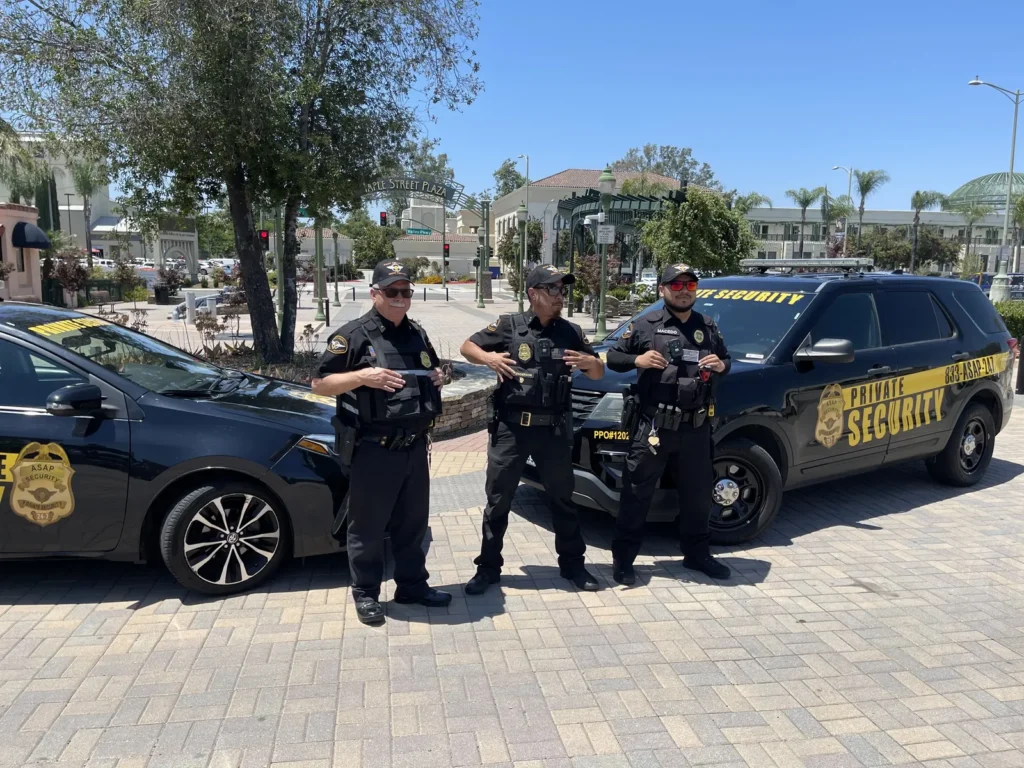
Thinking professional security is a luxury you can’t afford? That’s one of the biggest myths out there. The truth is, effective security is scalable and can be tailored to your specific needs and budget. The key is to get a clear picture of the actual costs involved. We’ll explore everything from the cost of residential security patrol to answering ‘how much does personal security cost?’. Instead of guessing, let’s get you real numbers. We’re here to demystify the pricing and show you how to build a smart security plan that provides real protection without breaking the bank.
Key Takeaways
- Look beyond the lowest price: A cheap quote often signals hidden costs like poor training, high staff turnover, and inadequate insurance, which can expose your business to greater risk.
- Understand what shapes your quote: Security pricing isn’t a flat fee; it’s tailored to your specific needs, including your property’s location, size, industry risk profile, and the level of guard training required.
- Choose your security partner wisely: To find a reliable provider, start with a professional risk assessment, request a detailed quote, and always verify their licenses, insurance, and client references.
How Much Does Personal Security Really Cost?
When you’re thinking about round-the-clock protection, one of the first questions that comes to mind is, “What’s the budget?” The cost of 24/7 security services can vary quite a bit, but it’s more straightforward than you might think. The final price depends on the type of guards you need and the specifics of your property. Let’s break down the typical rates so you can get a clear picture of the investment required to keep your assets safe, day and night.
What Are Typical Unarmed Guard Rates?
For many properties, an unarmed guard is the perfect solution for maintaining a secure and welcoming environment. These professionals are a strong visual deterrent, handle access control, and patrol your premises to spot any issues. Typically, you can expect hourly rates for unarmed guards to fall between $15 and $30. In major metropolitan areas like San Diego, the rate is often closer to $20 to $25 per hour. This makes them a cost-effective choice for residential communities, corporate offices, and retail locations where the primary goal is presence and prevention. They provide peace of mind without the higher cost associated with armed personnel.
How Do Armed Guard Rates Compare?
When your security needs involve higher risks, armed security guards offer an essential layer of protection. Because of their extensive training, qualifications, and the increased liability they carry, their rates are higher, generally ranging from $25 to $50 per hour. For highly specialized or dangerous assignments, this rate can sometimes go up to $70 per hour. This level of security is ideal for financial institutions, high-value retail stores, or any situation where a potential threat requires a decisive and immediate response. The higher cost reflects a greater capacity to de-escalate serious situations and protect people and property from significant harm.
What About Executive Protection (Bodyguard) Costs?
Sometimes, security needs are more personal. For high-profile individuals or those facing specific threats, executive protection—often called bodyguard services—provides dedicated, one-on-one security. This is a highly specialized field, and the costs reflect that level of expertise and personal risk. You can expect to pay between $75 and $125 per hour for a single agent, with rates varying based on their experience and whether they are armed. For short-term, continuous protection during an event or travel, daily fees often start around $1,200. This premium service ensures you have a highly trained professional, often with a military or law enforcement background, focused solely on your safety and well-being.
Annual Cost Examples for Continuous Coverage
So, what does it look like when you add it all up for a year? For a single security post with round-the-clock security, you’re not just hiring one person; you’re covering 168 hours a week with a team of professionals. Based on an average hourly rate, the annual cost for continuous, 24/7 unarmed coverage typically lands around $166,000 per year. This figure provides a solid baseline for budgeting purposes. Of course, this can scale up or down depending on whether you need armed guards, multiple security posts, or specialized services like mobile patrols. It’s a significant investment, but it’s also a predictable operational expense that secures your property, assets, and people around the clock.
How to Accurately Calculate Your Security Budget
So, what does this look like over a full year? For continuous, 24/7 coverage, your annual budget will likely land somewhere between $130,000 and $438,000. On a monthly basis, a round-the-clock unarmed guard presence typically costs between $16,500 and $20,400. If you need armed security, the monthly investment is higher, usually falling between $25,000 and $35,000. Think of these figures as a solid starting point. The final quote will depend on factors we’ll cover next, like your property’s size and specific industry risks. Understanding these baseline costs helps you plan effectively for a comprehensive security solution that fits your needs.
What Drives Your Personal Security Costs?
Figuring out the cost of security isn’t as simple as picking a number from a menu. The final price is a blend of several factors, each tailored to your specific situation. Think of it less like an off-the-shelf product and more like a custom-built solution designed to protect your property, people, and assets. The right security plan considers everything from your physical location to the unique risks your industry faces. Understanding these key variables will help you see exactly what you’re paying for and why a comprehensive security strategy is a smart investment. Let’s break down the main components that shape your security quote.
Why Your Location Matters for Pricing
Where your business or property is located has a major impact on security costs. Rates can vary significantly from one city to another, largely due to differences in the cost of living, local regulations, and the general demand for security services. For example, security guards in a major metropolitan area like Los Angeles typically cost more per hour than in a smaller, more rural town. This is because higher urban living expenses translate to higher wages for officers. The perceived risk level of a neighborhood also plays a part. A location with higher crime rates will naturally command a higher price for security due to the increased level of vigilance and potential for incidents.
How Property Size and Layout Affect Cost
The physical characteristics of your property are another crucial piece of the pricing puzzle. A large, sprawling campus with multiple buildings and entry points will require a more extensive security plan than a single, compact storefront. The complexity of the layout matters, too. A property with numerous blind spots, hidden corners, or multiple floors may need more guards or more frequent mobile security patrols to ensure complete coverage. It’s helpful to view this as an investment in your property’s safety. In fact, many insurance providers recognize the value of a robust security presence and may offer discounts on your premium, helping to offset the cost.
Does Your Industry’s Risk Profile Play a Role?
Every industry comes with its own set of security challenges. A bustling hotel, a high-value car dealership, or a school requires a different approach than a quiet residential community. Jobs with a higher risk profile, like securing a construction site with expensive equipment or managing crowd control at a large event, call for more experienced and highly trained guards. This specialized expertise is reflected in the cost. When you request a quote, a professional security partner will assess the specific threats relevant to your industry to determine the right level of protection, ensuring the team on-site is prepared for any situation they might face.
How Guard Experience Impacts the Price Tag
When you hire a security service, you’re paying for expertise, not just a uniform. The experience and training level of the security guards assigned to your property is a primary cost driver. A basic guard service might be cheaper, but an elite team of officers with former military or law enforcement backgrounds brings a much higher level of skill and professionalism. Reputable companies invest heavily in rigorous training, certification, and ongoing education for their personnel. Specialized services, such as hiring armed security guards, also require advanced licensing and training, which naturally influences the price. This investment in quality ensures you have capable, reliable professionals protecting your assets.
Is Armed Security Worth the Higher Price?
It’s one of the most common questions we hear when someone is budgeting for security: “Do I really need to pay more for an armed guard?” The truth is, the answer depends entirely on your specific situation. While an unarmed guard is the perfect solution for many properties, certain environments face risks that justify the presence of an armed officer.
Making this choice isn’t just about comparing hourly rates. It’s about conducting a clear and honest risk assessment of your property, assets, and the people you need to protect. The higher cost of an armed guard reflects a significant investment in advanced training, licensing, and the immense responsibility they carry. For a high-traffic retail location, a manufacturing plant with valuable inventory, or a residential community wanting the highest level of protection, that investment can provide an essential layer of security and peace of mind. The key is to match the level of protection to the level of risk you face.
Armed vs. Unarmed: A Cost Breakdown
Let’s talk numbers. Generally, you can expect to pay between $25 and $40 per hour for a professional unarmed security guard. For an armed security guard, the rate typically ranges from $25 to $70 per hour. So, what’s behind that price difference? It comes down to specialized skills and qualifications. You aren’t just paying for the firearm; you’re investing in the extensive, ongoing training required to carry and potentially use it safely and legally. This includes certifications, higher insurance costs, and the advanced judgment needed to de-escalate dangerous situations.
The Added Value of Training and Deterrence
The primary value of an armed guard often lies in deterrence. For high-risk environments like jewelry stores, banks, or cannabis dispensaries, the visible presence of an armed officer sends a clear message to potential criminals: this is not an easy target. This proactive effect can stop an incident before it even begins. Beyond deterrence, these officers have advanced training to respond decisively to active threats. They are equipped to handle worst-case scenarios, providing a level of protection that is simply not possible for an unarmed guard. This capability is crucial for businesses that handle large amounts of cash or high-value goods.
Armed or Unarmed? How to Make the Right Choice
So, how do you make the right call for your business? Start by evaluating your specific needs. A clothing boutique or a low-risk office building may find that a skilled unarmed guard is perfectly sufficient for access control and general surveillance. However, if your business is in a high-crime area, deals with valuable assets, or has experienced past security threats, an armed guard might be a necessary investment. The best approach is to work with a security expert to assess your vulnerabilities. A professional can help you understand your risk profile and determine whether armed or unarmed private security guards are the right fit for your budget and safety requirements.
Beyond the Hourly Rate: Uncovering Hidden Costs
When you’re comparing security quotes, the hourly rate is just the starting point. A quote that seems low at first can quickly inflate once you account for the additional fees that aren’t always advertised upfront. To create an accurate budget and avoid any surprises down the road, you need to look past the initial number and ask what’s included.
A transparent security partner will provide a detailed proposal that breaks down every cost, from guard wages to the technology they use. Understanding these potential hidden costs helps you compare different providers more effectively and ensures you’re investing in a comprehensive solution, not just a person in a uniform. Let’s walk through the most common costs that can appear beyond the hourly rate so you know exactly what to look for.
Understanding Indirect Labor Costs: Benefits and Insurance
The hourly rate you’re quoted is the most visible cost, but it’s the indirect labor costs that truly define the quality and reliability of a security service. These are the essential expenses a professional company covers to ensure their officers are well-supported and legally compliant. Think of things like health insurance, paid time off, and worker’s compensation, which can add 20-30% on top of a guard’s base pay. A company that cuts corners on these benefits or, even worse, on crucial insurance, is not only creating a poor work environment—leading to high turnover—but is also exposing your business to significant liability. A comprehensive quote from a trustworthy provider will factor in these costs, along with expenses for uniforms, equipment, and the continuous training needed to keep their team of reliable, skilled guards at the top of their game.
Are Equipment and Technology Fees Included?
The tools a security guard uses are just as important as their training. Depending on your property’s needs, your security plan might require specific equipment that comes with its own price tag. For instance, a mobile security patrol needs a dedicated vehicle, and guards may use two-way radios, body cameras, or metal detectors to do their jobs effectively. Some companies bundle these costs into their hourly rate, while others list them as separate line items. Be sure to ask potential providers for a full list of equipment fees so you can see the complete picture of your investment.
Factoring in Admin and Management Overhead
You aren’t just paying for the guards on-site; you’re also paying for the infrastructure that supports them. Administrative and management overhead covers the essential background operations that make a security service reliable. This includes costs for supervisors who oversee the guards, client support staff who are available to answer your questions, and the systems used for scheduling and incident reporting. A professional firm invests heavily in this area to ensure smooth operations and clear communication. When reviewing a contract, look for details on service-level agreements (SLAs) that define response times and performance standards, as this reflects a well-managed team.
The Cost of Insurance and Liability
This is one area where you absolutely cannot afford to cut corners. A reputable security company will carry comprehensive insurance, including general liability and workers’ compensation. This protects your business from financial risk in the event of an incident on your property. Before signing any contract, you should always ask to see proof of their licenses and insurance. A provider with a suspiciously low rate might be underinsured, which could leave you vulnerable to lawsuits. Investing in a fully insured private security guard service is a critical step in protecting your assets and your peace of mind.
Will You Pay Extra for Overtime and Holidays?
For properties requiring 24/7 security services, overtime and holiday pay are significant factors. Labor laws require employers to pay a higher rate, often time-and-a-half, for any hours worked beyond the standard 40-hour week and on public holidays. These costs are typically passed on to the client. A transparent quote will clearly outline how these rates are calculated and applied. When budgeting for round-the-clock protection, make sure you account for these mandated pay increases to avoid unexpected spikes in your monthly invoices. It’s a necessary cost for ensuring consistent, uninterrupted coverage for your property.
The Price of Turnover: Hiring and Retraining Expenses
A low hourly rate can sometimes mask a significant hidden cost: high employee turnover. When a security company can’t retain its staff, you’re the one who feels the impact. The constant cycle of hiring and retraining new guards isn’t just a drain on the provider’s resources; it directly affects the quality of your protection. Each new guard has to learn the specific layout of your property, your emergency protocols, and the unique risks of your site, whether it’s a hotel, manufacturing plant, or school. This learning curve creates potential security gaps. A professional security partner understands that a stable, experienced team is essential. By investing in their officers, they provide dedicated guards who know your site and are committed to its safety, which is a cornerstone of effective corporate security.
How Does Technology Affect Your Security Budget?
When you think about security, you might picture a guard making their rounds. But today, technology is just as critical as the people on the ground. Integrating modern tech into your security plan isn’t just about having fancy gadgets; it’s about creating a smarter, more efficient, and more effective security posture. While there’s an initial investment, the right technology can actually streamline your operations and lead to significant long-term savings.
Think of technology as a force multiplier for your security team. Advanced surveillance cameras, AI-powered monitoring, and sophisticated access control systems allow a single guard to cover more ground and respond to threats with greater precision. This means you can optimize your staffing without compromising on safety. Instead of simply reacting to incidents, a tech-enabled security plan allows your team to be proactive, identifying potential issues before they escalate. This shift from reactive to proactive security doesn’t just improve safety; it also provides a stronger return on your security investment by preventing loss and damage in the first place. A well-designed security system is also scalable, so it can grow with your business needs.
Weighing Upfront Tech Costs vs. Long-Term Savings
It’s true that implementing security technology comes with an upfront cost. Cameras, sensors, software, and installation all factor into the initial budget. However, it’s helpful to view this as an investment rather than a simple expense. Over time, this initial outlay can generate substantial savings. For instance, many insurance providers offer lower premiums for properties with comprehensive, professionally monitored security systems, which can help offset the cost. Technology also allows for more efficient deployment of security personnel, potentially reducing the number of guards needed to secure your property effectively. This strategic use of manpower directly translates to lower ongoing labor costs, which are often the largest part of a security budget.
The Role of Integrated Surveillance and Monitoring
Modern surveillance systems do much more than just record video. When integrated with artificial intelligence and live monitoring, they become a proactive tool for your security team. Smart cameras can detect unusual activity, identify unauthorized individuals, and send instant alerts to your guards or a central monitoring station. This means your team can respond to credible threats in real time instead of wasting valuable minutes on false alarms. This level of intelligent monitoring makes services like mobile security patrols far more effective, as guards can be dispatched to a specific location with full knowledge of the situation before they even arrive. This integration creates a seamless security ecosystem where technology and personnel work together.
How Access Control and Alarms Impact Your Budget
Controlling who enters your property is a fundamental part of security. Modern access control systems, which can include key cards, fobs, or even biometric scanners, give you precise control over every entry point. More importantly, they create a detailed digital log of all activity, so you always know who was where and when. This is an invaluable tool for investigating incidents and maintaining a secure environment, especially for businesses that need robust corporate security services. When these systems are linked with alarms, any unauthorized access attempt can trigger an immediate response, from alerting on-site guards to initiating a lockdown protocol. This ensures that potential threats are stopped at the door.
DIY vs. Professional Systems: A Cost Comparison
It can be tempting to look at a do-it-yourself (DIY) security kit as a budget-friendly option. A basic starter kit can cost a little over $200, with some systems starting as low as $130. In contrast, a professionally installed system can run over $2,000, though some companies offer installation for around $99 if you sign a long-term monitoring contract. The real difference, however, isn’t just in the initial price—it’s in the response. A DIY system alerts you to a problem, leaving you to figure out the next steps. A professional security service provides a trained human response, whether it’s an on-site guard or a team ready to dispatch. It’s the difference between an alarm and an action plan.
How Patrol Verification Systems Provide Peace of Mind
When you hire a security service, you need to know that the job is being done right. That’s where patrol verification systems come in. These systems use technology like GPS tracking and real-time digital reporting to confirm that guards are completing their patrols as scheduled. This accountability provides incredible peace of mind for property managers. You aren’t just hoping your property is secure; you have verifiable data showing that your mobile security patrols are active and vigilant. This visible and consistent presence is a powerful deterrent, sending a clear message that your property is not an easy target. It transforms security from a passive expense into a proactive, data-backed strategy for protecting your assets.
Debunking Common Myths About Security Costs
When looking into security services, it’s easy to get tangled up in assumptions about cost. Many business owners believe professional security is out of reach, but that’s often not the case. Let’s clear up a few common myths so you can approach your security budget with confidence. Effective security is more accessible than you might think and is about finding the right fit for your specific needs, not just paying a high price tag.
Myth #1: “Professional Security Is Out of My Budget”
The idea that professional security is only for large corporations is a persistent myth. In reality, security services are not one-size-fits-all. A reputable company will work with you to create a customized plan that fits your budget and addresses your vulnerabilities. Whether you manage a small retail shop or a corporate campus, scalable solutions are available. Think of it less as a prohibitive expense and more as a smart investment. Services like dedicated private security guards can be tailored to provide the exact protection you need, making professional security accessible for businesses of all sizes.
Myth #2: “A DIY System Is Just as Effective”
While setting up a few cameras yourself might feel proactive, DIY systems can’t compare to the expertise of a professional service. Professional security providers offer commercial-grade technology and, more importantly, trained personnel who know how to respond in a crisis. A camera can record a break-in, but a trained guard can prevent it. Services like a mobile security patrol offer a visible deterrent and rapid response that a simple alarm system can’t match. True security comes from a combination of technology and expert human oversight.
Myth #3: “Security Is Only for Big Properties”
It’s a common mistake to think only sprawling properties need security. The need for security isn’t determined by square footage; it’s determined by risk. A small business in a high-traffic area can be just as vulnerable as a large warehouse. Professional security is scalable, so a plan for a small boutique will look very different from one for a manufacturing plant. The goal is to match the security measures to the risks you face. Effective corporate security services are designed to protect any business, ensuring your assets and employees are safe regardless of size.
Exploring Alternative Security Models and Services
While having a guard on-site 24/7 provides the ultimate peace of mind, it’s not the only way to secure your property. The traditional retainer model, where you have continuous coverage, is a significant investment that can feel out of reach for many. But effective security isn’t an all-or-nothing game. For many businesses and residential communities, a more flexible approach can offer robust protection that aligns better with their budget and specific risks. Alternative security models are designed to provide professional oversight and rapid response when you need it most, without the commitment of a full-time post. This is about finding a smart, strategic solution that addresses your vulnerabilities directly.
These services leverage technology and strategic patrols to create a strong security presence that is both effective and cost-efficient. Instead of a constant presence, you get a dynamic one, which can often be just as effective at deterring potential threats. From pay-per-patrol options that keep watch over your property after hours to specialized units for unique threats, there are plenty of ways to build a security plan that works for you. Let’s look at a few alternatives that can help you protect your property without committing to a full-time guard detail, proving that top-tier security can be both adaptable and accessible.
Pay-Per-Patrol vs. Retainer Models
A full-time security guard on retainer is a powerful deterrent, but the annual cost, which can range from $130,000 to over $400,000, isn’t always feasible. This is where a pay-per-patrol model comes in as a smart, flexible alternative. Instead of having a guard stationed at your property around the clock, you can schedule a mobile security patrol to make regular, randomized visits. This creates a visible security presence that keeps potential wrongdoers on their toes. It’s an excellent solution for car dealerships, manufacturing facilities, or office parks that are vacant overnight. You get the benefit of professional oversight and a rapid response capability without the expense of a dedicated, full-time guard.
Specialized Units: The Cost of K9 Security
Some situations call for more than a standard security presence. For high-risk environments or when protecting high-value assets, specialized units can provide a level of security that is unmatched. K9 security teams, for example, offer exceptional detection capabilities and a powerful psychological deterrent. Much like executive security for high-profile individuals, where rates can range from $75 to over $125 per hour, the cost of a K9 unit reflects its advanced training and specialized skill set. This is an investment in a higher caliber of protection, ideal for large event venues, cargo screening, or properties facing specific threats where the unique abilities of a trained dog and handler are essential.
Alarm Response Services for Homeowners
For homeowners, the gap between a simple alarm system and a full-time guard can feel huge. Alarm response services are the perfect middle ground. When your home alarm is triggered, instead of just a loud siren, a trained security professional is dispatched to your property to investigate. This ensures a swift, expert response to check for any signs of intrusion and secure the premises. This service offers a significant upgrade in protection for a fraction of the cost of a dedicated guard. It transforms your alarm from a passive alert into an active security measure, giving you confidence that any potential threat to your residential security will be handled immediately and professionally.
Why the Cheapest Quote Can Be the Most Expensive
When you’re comparing security proposals, it’s natural to gravitate toward the lowest price. But in the security industry, a rock-bottom quote can be a major red flag. The initial savings often disappear when you factor in the hidden costs of subpar service, from liability risks to high staff turnover. A cheap quote might mean you’re getting a service that cuts corners on the very things that keep your property safe. Let’s break down why the most affordable option upfront can end up costing you much more down the road.
The Hidden Cost of Inadequate Training
One of the biggest differences between a budget provider and a professional security firm is the level of training their officers receive. It’s a common misconception that all security guards offer the same expertise. In reality, a lower price point often means the company invests less in comprehensive training. An improperly trained guard may not know how to de-escalate a conflict, respond to an emergency, or even properly document an incident. This can lead to significant financial consequences, including property damage, theft, and legal liability. Investing in a service with well-trained private security guards ensures you have professionals on-site who can handle situations effectively, protecting your assets and your bottom line.
How Unreliability and Turnover Cost You More
Security companies with unusually low rates often struggle with high employee turnover. When guards are underpaid and undertrained, they’re more likely to leave for better opportunities. This creates a revolving door of new faces at your property, which is a huge security risk. Constant turnover means you’ll have guards who are unfamiliar with your site’s specific protocols and vulnerabilities. It also creates hidden costs associated with repeatedly onboarding new personnel. A stable, consistent team is a core component of effective 24/7 security services, and that consistency comes from working with a company that invests in its people.
The Risks of Human Error and Burnout
Even the most dedicated security officer is human, and with that comes the potential for fatigue and error. When guards are overworked and under-supported—often the case with budget security providers—the risk of burnout skyrockets. A tired or disengaged guard is more likely to make mistakes, miss critical details during a patrol, or react improperly in an emergency. This isn’t just a minor lapse; it can lead to serious security breaches or legal issues for your business. A cheap quote often hides the reality of a company that doesn’t invest in its team’s well-being, leading to exactly this kind of burnout. This is why choosing a partner that prioritizes professional standards and proper support for their officers is so important for maintaining reliable corporate security services.
What a Good Security Proposal Should Include
Instead of focusing solely on the hourly rate, it’s important to evaluate the entire proposal. A reputable security partner will provide a detailed, transparent quote that outlines exactly what you’re paying for. Look for clear information on their training programs, guard supervision, insurance coverage, and the technology they use. A proven track record is also crucial. Don’t hesitate to ask for references, read online reviews, and look at case studies. A quality proposal for corporate security services should give you confidence that you’re partnering with a reliable provider who understands your needs and has the experience to meet them.
How to Budget for a Residential Security Patrol
Creating a budget for round-the-clock security can feel like a big task, but it’s more straightforward than you might think. It’s not about finding the lowest price; it’s about finding the right value. A clear, well-planned budget ensures you get the protection you actually need without any costly surprises. By breaking it down into a few key steps, you can confidently invest in a security plan that protects your property, people, and peace of mind.
Start With a Professional Security Assessment
Before you can get an accurate quote, you need to know what you’re protecting against. The first step is always a professional security assessment. A reputable provider won’t just give you a price over the phone. Instead, they’ll visit your site to identify vulnerabilities, assess risks, and understand your operational flow. This process is crucial for creating a security plan that is effective and efficient. Look for a company with a proven track record and positive client testimonials. A thorough assessment from an experienced team is the foundation of a smart security budget and ensures you’re paying for solutions that directly address your risks.
Get Clear on Your Exact Security Needs
To get the most accurate budget, you need to be clear about your requirements. Think about what you need security to accomplish. Are you managing a residential community that needs a visible presence to deter trespassers? Or do you run a corporate office that requires access control and professional concierge-style guards? Clearly outlining your needs helps a security provider create a tailored plan that fits your goals and budget. Whether you need corporate security services or protection for a manufacturing facility, defining your priorities ensures you don’t overpay for services you don’t need or underestimate critical coverage areas.
Plan for Long-Term Needs and Future Growth
Your security needs might change over time, and your budget should be flexible enough to adapt. When evaluating providers, think of it as finding a long-term partner, not just hiring a service. Ask potential companies how they handle changes in scope. For example, if your business expands or you host a large event, how will that affect your service and costs? A reliable partner will work with you to scale your security plan up or down as needed. Discussing growth from the start ensures your security can evolve with you, providing continuous protection without unexpected budget hikes down the road.
Financial Incentives and Contract Considerations
Investing in professional security is a significant decision, and it’s natural to focus on the cost. But looking at the price tag alone only tells you half the story. A smart security plan is an investment that protects your assets, and like any good investment, it comes with financial considerations that can work in your favor. Beyond the immediate peace of mind, there are tangible financial benefits and strategic ways to structure your agreement that can make professional security more affordable than you might think. From potential tax advantages to lower insurance rates and smart contract negotiations, understanding these factors can help you build a budget that is both responsible and effective. Let’s explore how you can maximize the value of your security investment.
Potential Tax Deductions for Businesses
For business owners, many of the costs associated with securing your property can be considered ordinary and necessary business expenses. This means you may be able to deduct them from your taxes, which can significantly reduce the net cost of your security services. Expenses for services like on-site guards for your manufacturing facility, corporate security services for your office building, or mobile patrols for your car dealership often fall into this category. Because tax laws are specific and can change, it’s always a good idea to speak with your accountant or a tax professional. They can provide clear guidance on what you can deduct and help you make the most of this financial benefit, turning a portion of your security expense into a valuable tax saving.
Homeowner’s Insurance Discounts for Security Systems
Your insurance provider wants to see you take proactive steps to minimize risk—and they are often willing to reward you for it. Many insurance companies offer significant discounts on premiums for properties that have a comprehensive, professionally managed security presence. A property protected by a dedicated residential security team or 24/7 guards is statistically less likely to suffer from theft, vandalism, or other costly incidents. This reduction in risk means fewer potential claims for the insurer, a savings they can pass on to you. Before you finalize your security budget, call your insurance agent and ask about discounts for professionally monitored security. You might be surprised how much the savings can offset your monthly security costs.
Negotiating Long-Term Contract Benefits
When you’re evaluating security providers, it’s tempting to go for a short-term contract to maintain flexibility. However, viewing your security provider as a long-term partner can unlock significant benefits. Committing to a longer-term agreement often results in a more favorable hourly rate, providing predictable costs for your budget. More importantly, it allows the security team to develop a deep understanding of your property, your people, and your unique operational needs. A true partner will also offer flexibility within the contract, allowing you to scale services up for a special conference or large sale. This adaptability is crucial for services like event security, ensuring you have the right coverage when you need it most without being locked into a rigid plan.
How Do You Find the Right Security Partner?
Choosing the right security partner goes beyond comparing hourly rates. You need a team you can trust to protect your property, assets, and people. The right partner acts as an extension of your own team, offering reliability and peace of mind. But how do you find a company that truly fits your needs? It comes down to doing your homework. By focusing on transparency, credentials, and proven expertise, you can confidently choose a security provider that delivers real value and keeps your organization safe.
Always Ask for an Itemized Quote
When evaluating security providers, a vague price should be a red flag. Instead, look for a company that provides a detailed, itemized quote. This document should clearly break down all costs, from guard wages to equipment fees. An accurate quote shows the company has taken the time to understand your specific needs and has created a tailored plan. It also helps you avoid surprise charges. A transparent partner will be upfront about their pricing for services like corporate security, ensuring you know exactly what you’re paying for. This level of detail is the first sign of a professional and trustworthy relationship.
Check Their Licenses, Insurance, and Reputation
Before signing a contract, it’s crucial to verify a security company’s credentials. Confirm they are fully licensed and carry comprehensive liability insurance, which protects you from legal and financial risk. Next, dig into their reputation. Look for online reviews, ask for client references you can call, and check for testimonials. A security firm with a proven track record will be proud to share its successes. A strong reputation is built on trust and reliability, which are non-negotiable when you’re hiring private security guards to protect what matters most. Don’t just take their word for it; do your own research.
Essential Questions to Ask Potential Providers
Once the quote and credentials check out, it’s time for a direct conversation. Asking pointed questions helps you understand how a company operates beyond the sales pitch. Start with the basics: What kind of training do your guards receive, and is it ongoing? How do you handle emergencies? You should also inquire about their operational procedures, like how they supervise guards and what technology they use for reporting. Understanding their protocols for something as dynamic as event security can reveal a lot about their competence. A quality provider will have clear, confident answers that demonstrate their experience and commitment to excellence.
Related Articles
- Private Home Security Guard Cost: A Full Breakdown | ASAP Security Guards
- Armed Security Guard Cost: What You’ll Really Pay | ASAP Security Guards
- Security Guard Cost Per Month: The Ultimate Guide | ASAP Security Guards
Frequently Asked Questions
Why can’t I just get a simple price list for security services? Security isn’t a one-size-fits-all product, so a simple price list wouldn’t give you an accurate picture. The final cost depends entirely on your specific needs, like your property’s location, its size, and the unique risks your industry faces. A professional security partner will conduct a thorough assessment first to create a custom plan that provides effective protection without making you pay for services you don’t need.
How can I lower my security costs without compromising safety? The best way to manage costs is to work with a security expert to create an efficient plan. This often involves integrating technology, like smart surveillance and access control systems, which can reduce the number of on-site guards needed for full coverage. A professional assessment can also identify the most critical areas to focus on, ensuring your budget is allocated to address your biggest risks first.
What’s the real difference between armed and unarmed guards for my budget? While armed guards have a higher hourly rate due to their advanced training and licensing, the choice comes down to your risk level, not just cost. An unarmed guard is a great deterrent and handles access control perfectly for many businesses. However, if your business deals with high-value assets or faces more serious threats, the higher cost of an armed guard is an investment in a greater capacity to de-escalate dangerous situations and provide a higher level of protection.
Are long-term contracts always required for security services? Not necessarily. While many clients prefer long-term contracts for consistent, stable service, a good security partner will offer flexible solutions. You might need temporary coverage for a special event or want to start with a shorter-term agreement. The key is to find a provider who is willing to work with you as a partner and adapt the service as your business needs change over time.
Besides the hourly rate, what’s the most important cost to watch out for? One of the most critical factors beyond the hourly rate is insurance and liability coverage. A suspiciously low quote might mean the company is underinsured, which could leave your business exposed to significant financial risk if an incident occurs. Always ask for proof of comprehensive insurance; it’s a non-negotiable cost that protects both you and the security provider.
