
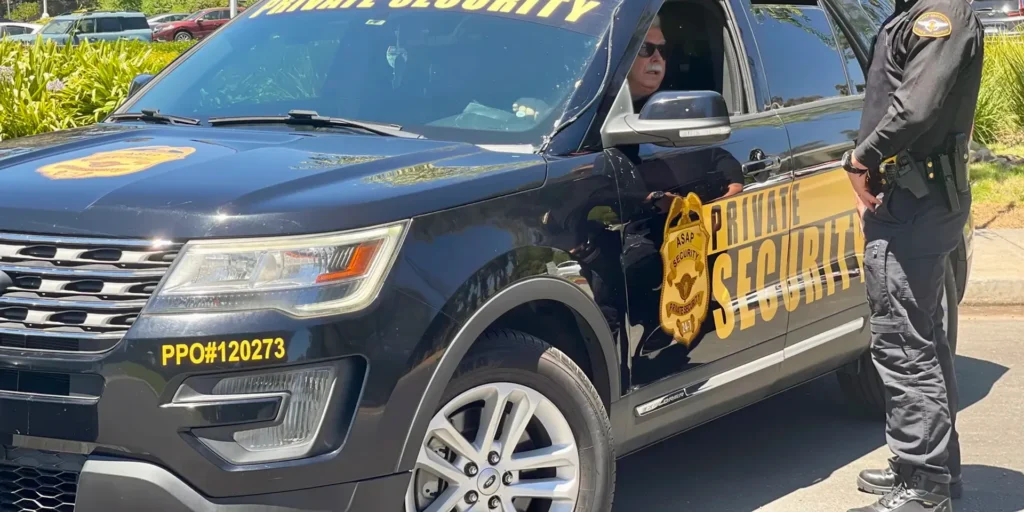
HOA security guard cost factors are easier to evaluate when the board defines the work before comparing proposals. The scope depends on the community’s layout, coverage hours, patrol expectations, access procedures, and reporting needs—not simply the number of guards on a page. A clear brief helps board members compare like with like and ask what is included.
Request a security consultation for your community
Why define the scope before asking about cost?
A price without a defined scope is difficult to assess. One proposal might cover a staffed entrance during selected hours. Another may include scheduled patrols, written activity reports, or a different schedule. If the board compares only the total, it can miss differences in the actual work.
Start by identifying the operational needs the association wants to address. This is not the same as assuming guards will prevent every incident or replace other safeguards. It means naming practical priorities, such as a visible presence at a shared entrance, attention to common areas, or consistent documentation of observed concerns.
Bring together the property manager, board members, and any existing access-control contacts. Collect specific observations through the association’s normal channels. Separate recurring concerns from one-time events and note which details are confirmed. This gives a provider a more useful starting point than an unverified list of worst-case scenarios.
Then state desired outcomes in plain language. For example: “Provide a visible presence at the main entrance during evening arrival hours,” or “Document scheduled checks of the pool and parking areas.” Those statements give a provider something concrete to scope. They also help board members decide whether proposed duties match their priorities.
For an early overview of community-specific planning, the board can review HOA security cost factors. Treat the page as a starting point for questions, then use the association’s own property details to define the assignment.
Which property details can affect a coverage plan?
Physical layout influences how security work can be organized. A compact community with one vehicle entrance and a few shared spaces has different patrol considerations from a spread-out property with multiple entrances, long internal roads, separated amenities, and several parking areas. The goal is not to assume that one layout always costs more. Describe distances, access points, and locations that matter so proposals can account for the actual site.
- Entrances and exits: List vehicle gates, pedestrian gates, service entrances, and access points residents or vendors regularly use.
- Shared areas: Identify clubhouses, pools, mail areas, playgrounds, parking, and other spaces the association wants considered.
- Travel between locations: Explain whether an officer can move between areas on foot or whether distances make another patrol approach worth discussing.
- Operating patterns: Note when residents, guests, vendors, and service providers are most likely to be present.
- Known constraints: Describe gate procedures, construction, access restrictions, or areas that should not be entered without authorization.
A simple site map can make these details easier to review. Mark entrances, possible post locations, shared areas, and routes the board wants evaluated. The map does not need to be an engineering drawing. It should be accurate enough for the manager and provider to discuss the same places using the same names. Add a short legend for gates, amenities, and restricted areas. If access points operate differently at certain times, note that as well.
Consider a community with a main vehicle gate, a pedestrian entrance by the clubhouse, and a pool area at the far end of the property. The board might want to compare a fixed entrance presence during evening arrival periods with scheduled checks of the pool and parking area later in the night. Listing those as separate needs makes it possible to discuss a post, patrol, or combined plan without choosing the arrangement in advance.

Boards can also review residential security options to develop questions about coverage. The objective is to describe the property, not to select a staffing pattern before a provider has reviewed the requirements.
How do coverage hours and schedules shape a proposal?
Coverage hours are a central part of the scope. Distinguish the hours when a guard must be at a specific post from the times when the association wants patrol checks or other defined duties. Specify start and end times, days of the week, holidays, and seasonal changes.
Consider the rhythm of the property. When do residents typically use shared amenities? When do deliveries or service visits occur? Are there recurring evening activities or periods when the association wants a visible presence? Base the schedule on the community’s operating patterns and priorities rather than copying a generic schedule from another property.
Next, decide whether the need is continuous presence at a particular post, periodic patrol coverage, or a combination during the hours being considered. A staffed post and a mobile or walking patrol are not interchangeable. A post concentrates presence at one location. A patrol moves among agreed areas and cannot be physically present everywhere at once. Ask how each proposed arrangement maps to the board’s stated objectives.
Write the schedule in a table or calendar before requesting proposals. Include coverage days, time blocks, location, and known exceptions. If the association is still deciding between schedules, request clearly separated alternatives. This helps board members see what changes between options rather than treating different plans as equivalent.
| Planning option | What the HOA should specify | What to compare |
|---|---|---|
| On-site post | Location, days, start and end times, and duties assigned at the post | Which hours and activities are covered, and what falls outside scope |
| Scheduled patrol | Areas or route, timing expectations, and documentation needs | How patrol activity is recorded and how route priorities are set |
| Combined approach | Which hours use a post and which use patrol coverage | How the components fit together and what each is expected to do |
| Initial review period | Start date, review date, scope, and evaluation criteria | How the HOA will review service and consider adjustments |
This table is a planning aid, not a price list. It helps the board compare the same categories across proposals and make schedule assumptions visible. For more detail on patrol planning, review the HOA security patrol guide.
Which post and patrol duties should the board spell out?
Broad instructions such as “watch the property” leave room for different interpretations. Define the locations and tasks that matter. Examples might include observing shared areas, following an agreed route, noting access concerns, or directing a concern to the designated association contact under an agreed procedure.
Separate observation and reporting from duties that are not part of the proposed scope. If residents expect guards to enforce association rules, respond to every complaint, manage visitors, or handle maintenance issues, identify those expectations and ask whether they can be included. Do not assume that a general security assignment automatically covers them.
For each proposed duty, ask:
- Where should the guard perform it?
- When or how often is it expected?
- What should be recorded when the task is completed?
- Who at the association is authorized to give instructions or receive a report?
- What should happen when an issue falls outside the guard’s assigned role?
These questions matter when a community is considering both a staffed entrance and patrols. The board can identify which responsibilities require a fixed presence and which can be addressed while moving through the property. It should also state what takes priority if two duties overlap. For example, if a guard is assigned to a fixed entrance, the proposal should clarify whether leaving the post for a patrol is expected or excluded.
A written post order can help turn a general assignment into clear steps. Include the authorized locations, routine tasks, communication route, and boundaries. The association can learn more about documenting duties in this security guard post orders guide. Keep instructions practical and make sure one designated association representative can approve changes.
Discuss a coverage plan for your HOA
How do access procedures and existing systems fit in?
Access procedures can shape the work at an entrance. Describe what the association expects for residents, guests, deliveries, contractors, and other visitors. Explain which rules are already written, who can authorize exceptions, and what a guard should do when instructions are unclear. A provider should not have to guess whether a visitor is allowed in or who has authority to decide.
If the community uses gates, cameras, intercoms, or another access system, list what is installed and who maintains it. Ask how the proposed duties will interact with those systems. Do not assume a guard will operate, repair, monitor, or access a system unless the proposal states that responsibility clearly and the association has authorized it.
Where procedures are incomplete, prepare a written contact list and escalation outline. Include the property manager or other designated representative, after-hours contacts if applicable, and instructions for urgent situations. Limit the document to information needed for the assignment, and control who can update it.
A useful scope also defines boundaries. Identify private areas that should not be entered, restrictions on keys or credentials, and privacy expectations that apply to residents and visitors. The association should confirm that access is limited to what the assignment requires and consistent with its own policies.
What reporting and accountability belong in the scope?
Reporting affects how the board understands what work took place and what issues were observed. Ask what records are provided, how often the association receives them, and which details are included. A proposal should explain reporting in terms the manager can evaluate rather than promising vague “full visibility.”
Possible reporting elements to discuss include shift dates and times, patrol checks, observations, incidents, and the person notified when follow-up is needed. State what level of detail is appropriate and who may receive reports. Decide how records will be stored and who within the association is authorized to review them.
ASAP Security Guards describes its Daily Activity Reporting as GPS-tracked. If this feature is relevant to the board’s decision, ask how reports are delivered and what information the association can expect for its particular assignment. Confirm the details in writing rather than assuming every proposed task is documented in the same way.
Boards should decide how to evaluate the service. Useful review questions include whether scheduled coverage was provided, whether reports arrived in the agreed format, whether instructions were followed, and whether the arrangement still fits community needs. Agree on a review interval and a point of contact for routine questions. Clear criteria make later adjustments more informed.
Distinguish activity records from outcomes a provider cannot control. A report can document that an agreed check occurred or that an issue was observed and passed to the designated contact. The absence of reported incidents is not proof that no risk exists, and reporting alone does not resolve a property concern. Set expectations for recording facts and routing follow-up, then review whether the process works for the association.

How can a board compare proposals fairly?
Ask each provider to respond to the same written scope. When proposals differ, request clarification or a revised option that makes the difference explicit. A comparison should cover more than the total amount. It should show the schedule, assigned duties, reporting, communication arrangements described in the proposal, and any exclusions or assumptions.
- Confirm the site assumptions. Make sure the proposal refers to the correct community and reflects the entrances, shared spaces, and routes under consideration.
- Match hours and tasks. Compare each schedule against the same calendar and list of duties. Note gaps, different start times, or tasks that appear in only one proposal.
- Ask what is excluded. Clarify visitor management, incident follow-up, equipment use, special-event coverage, and any other expectation that might not be included.
- Review communication and records. Identify who communicates with the association, how routine updates are handled, and what reports the board will receive.
- Check licensing details. Request relevant licensing information and verify applicable credentials through appropriate official sources.
- Document open questions. Resolve assumptions before the board votes or signs. Keep the final scope and agreed changes in the association’s records.
It can help to ask for the proposal in a format that separates coverage components. That makes it easier to see whether a change in cost comes from additional hours, a different post, more patrol areas, or another stated task. The HOA can then decide which features are essential, which are optional, and which require further discussion.
Do not use a rate from a different property as a substitute for a site-specific proposal. Staffing, schedule, and responsibilities vary. ASAP Security Guards’ published guard pricing is $28–$45 per hour for unarmed guards and $35–$65 per hour for armed guards. These ranges are not a quote for a particular HOA assignment; the board should request a scope-specific consultation and confirm the proposed service and price directly.
For related planning, the board can review questions about gated-community safety and 24/7 security services. These resources can help frame questions, but the HOA’s own property details should guide its scope.
How should the HOA manage changes after coverage begins?
A community’s needs may change as seasons, amenities, or access procedures change. Before selecting a provider, ask how a proposed scope can be reviewed and amended. Clarify who may request changes, whether requests must be documented, and how the parties will confirm revised duties and schedules. This helps prevent informal instructions from different residents from creating conflicting expectations.
Distinguish a temporary adjustment from a permanent change. A community event, planned maintenance, or short-term access restriction may call for a limited update. A recurring change in amenity use or operating hours may call for a new schedule. Identify dates and locations, confirm who approves the change, and keep a record of what was agreed.
Agree on a review point that suits the assignment. The board or property manager can compare the written scope with service records and list questions for follow-up. If the community wants a different route, added hours, or a change in responsibilities, describe the reason and ask for a revised proposal instead of assuming the original arrangement covers it.
- Keep one current copy of post instructions and authorized contacts.
- Record the date and reason for each approved change.
- Confirm whether a change affects hours, locations, duties, or reporting.
- Share updated instructions only with people who need them.
- Set a date to assess whether the adjustment addressed the stated need.
This process supports continuity when board membership or management contacts change. A new decision-maker can see what the association requested, what was agreed, and which issues remain open. Clear records also help the HOA avoid treating informal suggestions as approved requirements.
What should an HOA prepare before requesting a consultation?
A concise information packet can save time and reduce misunderstandings. Include a property map, desired schedule, priority locations, access procedures, and the association contact authorized to discuss the assignment. Add relevant observations or incident summaries only when the HOA has a legitimate reason to share them, and handle personal information carefully.
The board should decide how it will make its decision. Confirm who will collect proposals, who can answer questions, and whether the board needs multiple options for consideration. If residents have raised different concerns, record them separately rather than presenting every request as an approved duty. This helps a provider distinguish association priorities from matters still under discussion.
Use this checklist before the conversation:
- Property name and location in the service area.
- Entrances, shared areas, and any requested patrol route.
- Coverage days and time blocks, including known exceptions.
- Prioritized tasks and clear assignment boundaries.
- Existing access procedures and systems that may affect the work.
- Reporting format, delivery frequency, and authorized recipients.
- Decision timeline, contact person, and questions the board needs answered.
For licensing context, consult the California Bureau of Security and Investigative Services through its official BSIS website. Verify relevant license details through official state resources rather than relying only on a proposal or marketing statement.
When the board is ready, it can contact ASAP Security Guards with community details and questions. A clear request is more useful than asking for a single number without explaining the coverage under consideration.
What questions should the board ask during review?
A structured review helps keep the conversation focused on the assignment. Ask each provider to explain what the proposed schedule covers, which locations are included, and what tasks are outside scope. If a response relies on broad terms such as “regular patrol” or “as needed,” ask for the practical meaning in writing.
Use a working comparison sheet with columns for the requested scope, each proposal, and unresolved items. For example, record the requested evening schedule first, then note the hours each provider proposed. Use separate rows for each entrance, shared area, reporting requirement, and special condition. This makes gaps easy to spot before the board evaluates the overall fit.
Ask who can approve routine changes and how the provider will receive updated instructions. Confirm whether the association needs to designate one point of contact. If several board members or residents can issue directions independently, the assignment may become inconsistent. A single authorized channel makes it easier to track requests and avoid conflicting instructions.
Also ask how the proposal treats holidays, special events, weather disruptions, or temporary access restrictions. The answer need not anticipate every unusual circumstance, but the board should understand how changes are discussed and documented. If a particular situation is important to the community, include it in the scope before comparing proposals.
For patrol-specific questions, the association can also consult the company’s mobile security patrol information. Use service descriptions as prompts for discussion, then confirm the exact duties and reporting expected for the HOA in writing.
Request a quote and consultation for your HOA
Frequently asked questions
Can an HOA estimate security costs before choosing a schedule?
The board can prepare alternatives, but each option should state its hours, locations, and duties. Ask providers to discuss or quote alternatives separately so the association can compare equivalent scopes. A general estimate without those details may not reflect the eventual assignment.
Does a larger community always need more guards?
Not automatically. Size matters alongside the number and location of entrances, distances between shared areas, requested hours, and duties involved. A site map and clear priorities help a provider assess the property rather than relying on acreage or unit count alone.
Should an HOA choose armed or unarmed security?
The board should define its needs and ask qualified providers about suitable options, responsibilities, and applicable requirements. The decision should be based on the assignment and the community’s documented priorities, not an assumption that one option is right for every property.
What should the HOA do if proposals use different assumptions?
List the differences and request clarification or revised proposals using one shared scope. Confirm schedule, post locations, patrol expectations, reporting, and exclusions in writing before comparing totals.
Make the plan specific to your community
The most useful comparison starts with a shared description of the property and the work the association wants considered. By documenting schedule, locations, duties, access procedures, reporting needs, and open questions, an HOA board can evaluate proposals on a consistent basis and request a consultation focused on a practical scope for its community.
