
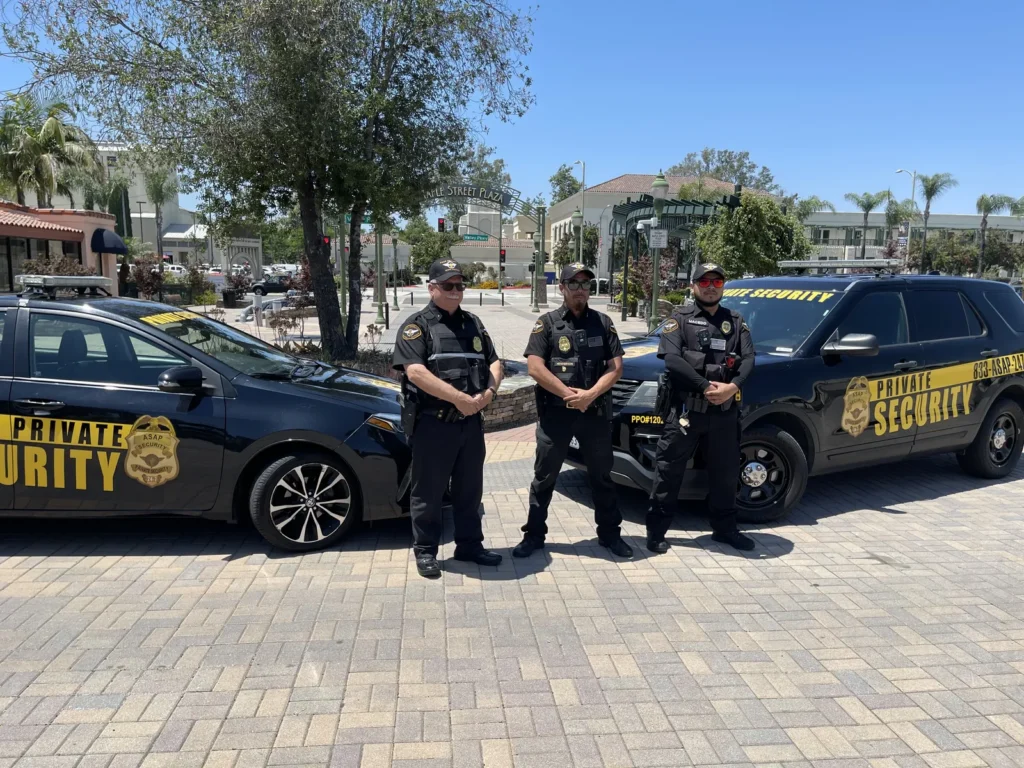
To a criminal, a gated community looks less like a fortress and more like a treasure chest. The very features that signal safety to you—high walls and affluent homes—also signal a collection of high-value targets. This creates a paradox where the symbol of security becomes a magnet for crime. A determined intruder isn’t stopped by a simple gate; they see it as a challenge for a bigger reward. To truly answer are gated communities safer, we must first understand why break-ins in gated communities still happen and how criminals exploit weaknesses from the inside.
Key Takeaways
- A gate creates a sense of security, not an impenetrable barrier: The biggest vulnerability in a gated community is the false sense of safety it can create, which may lead residents to overlook basic security practices like locking doors or setting alarms.
- Combine community features with personal vigilance: True safety comes from layering your protection. This means reinforcing the community gate with personal home security systems, strong locks, and an active neighborhood watch program where neighbors look out for one another.
- Professional security provides active protection where gates fall short: When a community faces consistent issues or wants to close security gaps, professional services like mobile patrols or on-site guards offer a visible deterrent and immediate response that a simple gate cannot.
What Exactly Is a Gated Community?
When you think of a gated community, you probably picture high walls, an elegant gate, and a sense of quiet privacy. It’s an image many people associate with safety, exclusivity, and a higher quality of life. These neighborhoods are intentionally designed to offer a controlled environment, setting them apart from the open, accessible streets of a typical suburb. For many homeowners and HOAs, the appeal lies in the promise of a sanctuary, a place where the outside world’s uncertainties are kept at bay. But what exactly defines this lifestyle, and what are the core features that make a community “gated”?
At its heart, a gated community is a residential area where access is strictly controlled, creating a clear boundary between public and private space. The goal is to foster a more secure and private living experience for residents. This controlled access is the primary feature, but it’s usually supported by a combination of physical barriers, modern technology, and often, professional security personnel. Before we can analyze whether these communities are truly safer, it’s important to understand their fundamental structure. Breaking down these components is the first step in weighing the perception of security against the reality.
What Makes a Community “Gated”?
A gated community is more than just a neighborhood with a gate at the entrance. It’s a residential area enclosed by walls or fences to limit who comes and goes. According to one analysis, these communities are defined by their controlled access points, which are meant to keep entry exclusive to residents and their approved guests. Beyond the physical barriers, many of these neighborhoods offer shared amenities like parks, pools, and clubhouses, creating a self-contained environment. To manage access and monitor the grounds, they often employ security measures like surveillance cameras and professional residential security guards who can verify visitors and patrol the area.
Guarded vs. Unguarded Communities
Not all gates are created equal, and the biggest difference comes down to the human element. An unguarded community relies on automated systems like keypads, clickers, or card readers. While these can deter casual trespassers, they have weaknesses—codes can be shared, and determined intruders can tailgate a resident’s car to slip inside. This can create a dangerous false sense of security, leading residents to become complacent. A guarded community, on the other hand, adds an active layer of protection. A professional guard does more than just open a gate; they verify guests, log visitors, and provide a visible deterrent that technology alone cannot match. The presence of trained residential security turns a simple entrance into a monitored checkpoint, making it significantly more difficult for unauthorized individuals to gain access.
Gated vs. Open: What’s the Real Difference?
The most obvious difference is the gate itself, but the distinctions run much deeper. Traditional neighborhoods are open, with public streets that anyone can access. In contrast, gated communities create a sharp line between public and private space. This exclusivity can contribute to a perception of higher social standing and, for many, a greater sense of safety. Research suggests that the controlled environment and architectural design of gated communities play a big role in how safe residents feel. The layout, limited access points, and shared understanding among residents that not just anyone can drive through contribute to a unique community atmosphere that feels fundamentally different from a standard suburb.
The Pros and Cons of Gated Community Living
The idea of living in a gated community often brings to mind images of peace, privacy, and prestige. For many, the gate is a symbol of a secure, well-maintained lifestyle, free from the usual neighborhood concerns. But life behind the gate isn’t just about idyllic streetscapes and quiet nights. It comes with a unique set of rules, costs, and social dynamics that are important to understand before making a move. Weighing the tangible benefits against the potential drawbacks is key to deciding if this exclusive environment is the right fit for you and your family. Let’s look at both sides of the coin to get a clearer picture of what it’s really like.
Pros of Living Behind the Gate
The appeal of a gated community often starts with the promise of a better quality of life. From a stronger neighborhood bond to a noticeable reduction in daily annoyances, the advantages are designed to create a more serene and predictable living environment. These benefits are often the primary reasons why homebuyers are willing to pay a premium for the exclusivity that a gate provides. For residents, these perks can translate into a greater sense of well-being and a feeling of belonging to a close-knit community that values safety and privacy above all else.
Enhanced Sense of Community
One of the most celebrated aspects of gated living is the strong sense of community it can foster. With shared amenities like pools, parks, and clubhouses, these neighborhoods naturally encourage interaction among residents. Planned social events and common interests help build connections, turning neighbors into friends who look out for one another. This environment creates a collective spirit where people feel more invested in their surroundings and in each other’s well-being. This social cohesion not only makes life more enjoyable but also adds an informal layer of security, as residents are more likely to notice and report anything out of the ordinary.
Reduced Soliciting and Traffic
A major practical benefit of a gated entrance is the significant reduction in unsolicited traffic. The controlled access means you won’t have to deal with door-to-door salespeople or canvassers interrupting your day. More importantly, the streets inside the community are private, which eliminates cut-through traffic from public roads. This results in a much quieter and safer environment, especially for families with children or pets who can play outside with less worry. The peace that comes from knowing the only cars on your street belong to residents and their guests is a powerful draw for those seeking a tranquil home life.
Cons and Hidden Costs
While the benefits are appealing, life in a gated community comes with its share of trade-offs, many of which are financial or related to personal freedom. The very structure that provides security and exclusivity also imposes strict rules and higher costs that can be a source of frustration for some homeowners. From hefty monthly fees to limitations on how you can decorate your own home, the downsides are worth careful consideration. It’s important to look past the pristine lawns and understand the full scope of the financial and lifestyle commitments you’ll be making before you decide to buy.
Higher Financial Costs
The exclusivity of a gated community comes at a premium. Homes in these neighborhoods typically have higher property values, which translates directly into a higher purchase price and, consequently, higher annual property taxes. Beyond the mortgage, you’ll be responsible for Homeowners Association (HOA) fees, which are often substantially more than in non-gated communities. These fees are necessary to cover the costs of maintaining common areas, amenities like pools and tennis courts, and of course, the security infrastructure itself, which can include gate maintenance and professional residential security personnel.
Understanding HOA Fees
HOA fees are a significant and recurring expense that you need to budget for. While the national average for monthly HOA fees is around $170, in gated communities, it’s common for them to range from $200 to $400, and they can be much higher in more exclusive areas. These fees cover a wide range of services, including landscaping, road maintenance, trash removal, and the upkeep of shared facilities. A large portion of the budget is often allocated to security, which can include everything from staffing the gatehouse to funding mobile security patrols that monitor the neighborhood around the clock.
Impact on Property Value and Taxes
While a higher property value can be a great long-term investment, it has immediate financial implications. Homes in gated communities can sell for around $30,000 more than comparable homes in nearby non-gated neighborhoods, according to one real estate analysis. This increased value is reflected in your property tax bill, which will be higher year after year. While you may see a better return when you eventually sell, you’ll be paying more in the meantime. It’s a classic trade-off: the features that make the community desirable and drive up its value also increase your ongoing cost of living.
Strict HOA Rules and Regulations
Living in a gated community means agreeing to abide by a comprehensive set of rules set by the HOA. These regulations, known as Covenants, Conditions, and Restrictions (CC&Rs), are designed to maintain the community’s aesthetic and property values. However, they can feel restrictive to homeowners who value their personal freedom. Rules can dictate everything from the color you’re allowed to paint your house to the type of mailbox you can install. There are often strict guidelines for landscaping, parking, trash can storage, and even how you can decorate your home for the holidays.
Common Lifestyle Restrictions
Beyond cosmetic rules, HOAs can impose restrictions that affect your lifestyle and financial plans. For example, many communities have rules about the types and number of pets you can own. Some may prohibit certain activities, like running a home-based business that involves client traffic, or place limits on renting out your property. This can be a major issue if you were hoping to use your home as a source of rental income. Violating these rules isn’t taken lightly; breaking them can lead to official warnings and, eventually, costly fines that are added to your monthly dues.
The HOA Enforcement Process
If you violate an HOA rule, you can expect a formal enforcement process to begin. It typically starts with a friendly reminder or a formal warning letter detailing the violation and giving you a specific timeframe to correct it. If the issue isn’t resolved, the HOA can start levying fines, which can accumulate daily, weekly, or monthly until you comply. In extreme cases of non-payment or repeated violations, the HOA may have the legal authority to place a lien on your property, which could ultimately lead to foreclosure. This strict enforcement ensures compliance but can also create a tense living environment.
Practical Inconveniences and Social Downsides
The very gate that provides security can also be a source of daily frustration. Having only one or two points of entry can create bottlenecks, especially during peak hours. It can be a hassle for guests, delivery drivers, and service providers who need to be verified before they can enter. This process can cause delays and complications, from a pizza arriving cold to friends getting stuck at the gate. More critically, these delays can also affect emergency services like ambulances or fire trucks, where every second counts. The controlled access, while beneficial for security, can sometimes hinder the smooth flow of everyday life.
Are Gated Communities Really Safer?
It’s one of the biggest selling points of a gated community: the promise of enhanced safety and security. The idea that a physical barrier can keep your family and property safe from the outside world is incredibly appealing. But does that gate actually translate to a lower crime rate, or does it just create a feeling of security? The answer, as you might guess, is a little more complicated than a simple yes or no.
While gates can certainly deter some types of crime, they aren’t a foolproof solution. The real safety of a community often depends on a combination of factors, including its location, the residents themselves, and the other security measures in place. A gate is just one layer, and often not the most effective one. For example, a determined intruder can often find a way around a simple gate, and many crimes are committed by individuals who have legitimate access to the community. Understanding the difference between perceived safety and actual security is the first step in making an informed decision about where you live and how you protect your home. To get a clearer picture, we need to look at what the data says, which crimes are most impacted, and the other elements that contribute to a neighborhood’s overall safety.
Do Gated Communities Have Less Crime?
When you look at the numbers, there is some evidence to support the idea that gated communities are safer. For instance, some studies show that homes within a gated community have a significantly lower risk of burglary, with one report suggesting a 33% reduction compared to non-gated neighborhoods. This is a statistic that certainly makes you feel better.
However, it’s important to understand the context. While the presence of a gate contributes to this, it might not be the primary reason for the lower crime rates. The feeling of security is powerful, but the statistics don’t always capture the full picture of what makes a neighborhood truly safe.
Other Factors Contributing to Lower Crime Rates
Let’s be honest, the gate isn’t doing all the heavy lifting. Several other factors are at play that contribute to the lower crime statistics in these neighborhoods. Gated communities are often built in more affluent areas that may already have lower crime rates. The residents who choose to live there are typically more security-conscious to begin with, meaning they are more likely to have home alarm systems, lock their doors, and keep an eye out for suspicious activity. Many communities also invest in additional layers of protection beyond the front gate, such as surveillance cameras and professional mobile security patrols that provide a visible and active deterrent. It’s this combination of location, resident vigilance, and layered security that truly makes a difference.
The Issue of Crime Displacement
A gate doesn’t eliminate crime; it can simply move it down the street. This phenomenon is known as crime displacement. A criminal looking for an easy target might be deterred by a gate and decide to target the non-gated community next door instead. While this might lower the crime rate inside the gate, it doesn’t solve the problem for the wider area. This highlights the difference between a passive deterrent (a gate) and an active security solution. A gate makes crime more inconvenient, but it doesn’t create the risk of being caught. Understanding the difference between perceived safety and actual security is crucial for any homeowner or HOA looking to create a genuinely safe environment, not just the illusion of one.
What Types of Crime Do Gates Actually Prevent?
Gates are most effective at preventing crimes of opportunity. A casual thief looking for an easy target is more likely to be deterred by a gate and move on to a more accessible neighborhood. This is where gates excel, filtering out low-level threats and reducing the likelihood of petty theft or vandalism.
The problem is that a simple gate does little to stop a determined criminal. It also doesn’t prevent crime from people who have legitimate access, like service workers, delivery drivers, or guests of other residents. These individuals can enter the community without raising suspicion, meaning the gate alone can’t protect against all potential threats, especially those that are more planned or come from within.
Does Location Affect Gated Community Safety?
Often, the lower crime rates in gated communities have as much to do with their location and demographics as the gates themselves. These neighborhoods are frequently built in affluent, low-crime suburbs, so they are already starting from a safer baseline. The socioeconomic status of the residents also plays a part; they may have more resources to invest in personal home security systems and other protective measures.
This combination of a secure location and proactive residents creates a layered defense. The community’s design and the shared sense of vigilance contribute to the overall safety. For many, supplementing the community’s gate with dedicated residential security services provides the comprehensive protection they’re truly looking for.
Why Do Gated Communities Feel Safer?
Even when crime statistics show a more complex picture, the feeling of safety in a gated community is undeniable for many residents. This perception isn’t just a coincidence; it’s the result of a combination of physical barriers, psychological factors, and intentional community design. These elements work together to create a powerful sense of security that is often the primary reason people choose to live behind a gate. Understanding why these communities feel so secure helps us see the difference between perceived safety and actual, comprehensive protection. It’s this feeling that provides comfort, but it’s important to know where that feeling comes from and not let it lead to a false sense of security.
How Gates and Guards Create a Sense of Safety
The most obvious reason gated communities feel safer is the presence of visible security barriers. Gates, fences, and perimeter walls create a clear and imposing line between the private community and the outside world. This physical separation acts as a strong psychological deterrent. It sends a message that the area is monitored and that access is restricted. Some studies show that these architectural features have a direct correlation with how safe residents feel. A guardhouse, whether staffed or not, adds another layer to this perception. The simple act of passing through a controlled entry point reinforces the idea that you are entering a protected space. These measures are the first line of defense in a comprehensive residential security plan.
Why Your Brain Thinks Gates Equal Safety
A significant part of the appeal of gated communities is psychological. The gate itself fosters a sense of exclusivity and control, making residents feel they are part of a select group that values safety and privacy. This can create a feeling of shared responsibility and a belief that your neighbors are just as invested in maintaining a secure environment as you are. For some, living in a gated community is also a status symbol, suggesting a lifestyle that is insulated from the problems of the outside world. This psychological comfort is powerful, but it’s important to remember that it shouldn’t replace practical, individual safety measures. The feeling of safety is valuable, but it’s most effective when it’s backed by real security protocols.
Can Neighborhood Design Make You Feel Safer?
Beyond the gates and walls, the very design of these neighborhoods is intended to create a sense of order and safety. Gated communities often feature private roads with lower speed limits and less traffic, making them feel safer for pedestrians, children, and pets. Well-lit streets, manicured landscapes, and maintained common areas contribute to an atmosphere of control and vigilance. This intentional design, known as Crime Prevention Through Environmental Design (CPTED), aims to discourage criminal activity by making illicit behavior more difficult and more visible. When residents see that their environment is cared for and orderly, it reinforces their perception that it is also safe and protected from external threats.
Where Are Gated Communities Vulnerable?
While gates and walls offer a visible deterrent, they aren’t foolproof. Understanding the common vulnerabilities is the first step toward creating a truly secure environment. Criminals often look for the path of least resistance, and sometimes, that path is found within the very systems designed to keep them out. From the main gate to the mindset of the residents, several areas can be exploited if they aren’t properly managed and reinforced. Recognizing these weak points allows communities to layer their defenses and move beyond a simple reliance on a front gate.
How Secure Are the Gates, Really?
The main gate is the most obvious security feature, but it can also be the most significant weakness. Many gates are designed more for appearance than for robust security. They can be bypassed by determined intruders who simply follow another car closely before the gate closes, a practice known as tailgating. Mechanical failures, power outages, or an inattentive attendant can also render a gate useless. Criminals are well aware of these vulnerabilities and know how to exploit them. A gate alone is a single point of failure. That’s why many communities supplement them with mobile security patrols that provide an active, visible presence and can spot and respond to these issues.
When the Threat Is Already Inside
A gated community is never truly closed off. There’s a constant flow of non-residents with legitimate reasons to be there: mail carriers, delivery drivers, landscapers, contractors, and housekeepers. While a gate can deter a casual trespasser, it doesn’t stop this daily traffic. This creates two problems. First, it provides cover for potential criminals who can pose as service workers to gain access. Second, it means that once someone is inside your community, they can often move about freely without raising suspicion. They can observe routines, identify potential targets, and plan a crime, all from within the supposed safety of the walls.
Is Your Sense of Security Putting You at Risk?
Perhaps the biggest vulnerability in a gated community is psychological. The presence of a gate can make residents feel so safe that they neglect basic personal security habits. Believing they are in a protected bubble, people might leave doors unlocked, keep garage doors open, or forget to set their home alarms. This false sense of security is exactly what criminals count on. The comfort of living behind a gate is powerful, but it should never replace practical safety measures. Professional residential security services can help bridge this gap, providing a consistent layer of protection that doesn’t depend on every resident staying vigilant all the time.
The Dangers of a False Sense of Security
The most significant vulnerability in a gated community isn’t a flaw in the gate’s design; it’s the mindset it creates. The comfort of living behind a physical barrier can foster a false sense of safety, leading residents to let their guard down. This is precisely what criminals hope for. When you feel completely protected, you might forget to lock your back door, leave the garage open, or skip setting your home alarm. This psychological vulnerability turns the community’s greatest perceived strength into its biggest weakness. The feeling of security is a wonderful perk, but it becomes dangerous when it replaces the basic, practical safety habits that should be second nature for any homeowner.
Challenges with Law Enforcement Access
While gates are designed to keep unwanted people out, they can sometimes delay the very people you need most. In an emergency, every second is critical, but a malfunctioning gate code, a missing key card, or an unstaffed entrance can create significant delays for police, firefighters, and paramedics. First responders can’t afford to be stuck outside the perimeter trying to figure out how to get in. This logistical hurdle is a serious safety concern that many communities overlook until it’s too late. Implementing a reliable access system, such as providing emergency services with universal keys or codes, and having professional private security on-site to manage entry points can ensure that help arrives without delay.
Why Do Criminals Still Target Gated Communities?
Despite the walls, access codes, and guard booths, gated communities are not immune to crime. The very features that attract residents can also make these neighborhoods a prime target for criminals. The perception of security can sometimes create a relaxed atmosphere where residents might not be as vigilant, believing the gate does all the work. This false sense of security can create opportunities for those with bad intentions.
Criminals are often opportunistic, and they look for the path of least resistance with the highest potential reward. A determined intruder sees a gated community not as an impenetrable fortress, but as a challenge with a valuable prize inside. They study access points, look for patterns in guard behavior, and exploit human error. Understanding these vulnerabilities is the first step toward building a truly secure environment that goes beyond the front gate. It requires a layered approach that addresses the specific ways criminals think and operate.
Why Thieves See a Bigger Payday
Let’s be direct: gated communities are often associated with affluence. This perception is a powerful magnet for criminals. They operate on a risk-reward basis, and they assume that homes behind a gate contain more valuable items like jewelry, electronics, cash, and luxury cars. The potential for a single, high-value score can make the added risk of bypassing a gate seem worthwhile.
Research suggests that people often choose gated living for the status it represents. Unfortunately, this public symbol of exclusivity also signals a concentration of wealth to would-be thieves. For them, a gated community is a target-rich environment. Strengthening your home with professional residential security adds a crucial layer of protection against those drawn in by this allure.
How Intruders Get Past the Gate
A gate is only as effective as the system and people managing it. Determined intruders have several common tactics for getting inside. One of the most frequent methods is tailgating, where a criminal’s vehicle follows a resident’s car through the gate before it closes. They also look for malfunctioning gates or distracted attendants.
Beyond the main entrance, criminals exploit other weak points. They might slip through a pedestrian gate left ajar, find gaps in perimeter fencing, or even pose as service workers or delivery drivers to gain access. A gate creates a barrier, but it doesn’t eliminate risk. This is why active surveillance and regular mobile security patrols are so important for monitoring the entire community, not just the entrance.
Bypassing Gates on Foot or by Bike
While vehicle gates get most of the attention, a determined intruder often won’t even bother with a car. Many simply walk or bike into a community by exploiting its weakest points. They look for a pedestrian gate that’s been propped open, a section of fence hidden by overgrown landscaping, or a gap in the perimeter that’s easy to slip through unnoticed. These secondary access points are frequently overlooked, yet they offer a low-risk entry method for anyone trying to avoid the main entrance. A gate might control vehicle traffic, but it does little to stop someone on foot who has scouted the area. This is why a comprehensive security plan must go beyond the front entrance, incorporating measures like regular mobile security patrols to monitor the entire perimeter and ensure these vulnerabilities are addressed.
Can Gates Delay First Responders?
An often-overlooked vulnerability of gated communities is the potential delay for emergency services. Gates and access protocols can slow down police, firefighters, and paramedics when every second is critical. If first responders don’t have a universal access code or a prior agreement with the property management, they can be stuck outside during a home invasion, fire, or medical emergency.
This logistical hurdle can have serious consequences. According to some reports, law enforcement can even be denied entry without a formal agreement in place with the HOA. The very feature designed to keep people safe can inadvertently prevent help from arriving quickly. Having 24/7 security services on-site ensures there is always someone to grant immediate access to first responders, closing this dangerous security gap.
Taking Your Safety into Your Own Hands
Living behind a gate provides a layer of protection, but true security combines community features with personal actions. It’s about creating a safety plan that starts at the community entrance and extends all the way to your front door. Taking a few proactive steps can make a significant difference in your peace of mind and actual safety. Here are practical ways you can layer your security and take control of your personal safety.
Your First Line of Defense: Home Security
The community gate is your perimeter, but your front door is your last line of defense. While gated communities offer a baseline of security, it’s smart to add your own layers of protection. Simple upgrades like a modern alarm system, surveillance cameras, and high-quality locks on all doors and windows can deter potential intruders. These measures ensure that even if someone gets past the main gate, your home remains a hard target. For ultimate peace of mind, some residents even opt for dedicated residential security to keep a watchful eye on their property.
The Power of a Connected Community
Your neighbors are your greatest allies in maintaining a safe community. An active neighborhood watch program does more than spot suspicious activity; it builds a network of communication and trust. When residents know each other and look out for one another, it creates a powerful deterrent to crime. You can start small by creating a group chat for your street to share updates or concerns. Organizing community events helps foster a sense of unity and shared responsibility. A connected community is a vigilant one, and that collective awareness is something no security gate can replicate on its own.
Smart Habits for Everyday Safety
Your daily habits are a crucial component of your security strategy. Simple awareness makes a huge difference. Pay attention to your surroundings when entering or leaving the community, and avoid letting strangers tailgate behind you through the gate. If you see a damaged fence or a broken gate, report it to your HOA immediately. It’s also wise to keep valuables out of sight and to always lock your vehicle, even in your driveway. These consistent actions create a culture of security and make your community a less attractive target. This constant awareness is the same principle behind professional mobile security patrol, which provides an expert set of eyes on the lookout.
When Is It Time for Professional Security?
Even with strong personal habits and a connected neighborhood, there are times when a community needs a more structured approach to safety. Relying solely on a gate can create a false sense of security, and a neighborhood watch can only do so much. Recognizing when to bring in professional help is a crucial step in protecting your home and your neighbors. If you’re starting to question whether your current measures are enough, it’s probably time to assess the situation more closely.
Red Flags That Your Community Security Isn’t Enough
It’s easy to dismiss isolated incidents, but patterns often tell a different story. A clear sign that your community needs more support is a noticeable uptick in property crime, like car break-ins, package theft, or vandalism. Are residents reporting more suspicious activity, like unfamiliar people loitering or vehicles circling the neighborhood? These are red flags. While gated communities often feel safer, that perception doesn’t always align with reality. When you see a consistent rise in these issues, it’s time to consider dedicated residential security to provide a visible deterrent and actively monitor your community.
What to Look for in a Security Service
Once you’ve identified a need, the next step is to find the right solution. Start by talking with your neighbors and HOA to gather specific concerns. Are break-ins happening overnight? Are strangers trying to follow residents through the gate during the day? Understanding the specific problems will help you choose the right services. Professional security offers a powerful, visible deterrent that informal programs can’t match. Depending on your community’s vulnerabilities, you might consider options like scheduled mobile security patrols to check on the area during peak incident times or a dedicated guard to manage access points and respond instantly.
The Role of Trained Guards and Mobile Patrols
A gate is a passive barrier; it can’t spot a suspicious vehicle or notice a broken fence along the perimeter. This is where professional security adds a critical, active layer of protection. When a community faces consistent issues, trained guards offer a visible deterrent and an immediate response that a simple gate cannot. Their presence alone can make potential intruders think twice. More importantly, services like mobile patrols provide active surveillance for the entire community, not just the entrance. They can monitor common areas, check on remote parts of the property, and respond to incidents in real-time. This bridges the security gaps that technology and physical barriers leave behind, ensuring that your community has a thinking, adaptable defense system in place to protect residents and their property.
So, Is a Gated Community Right for You?
Deciding whether a gated community is the right choice involves looking beyond the manicured lawns and impressive gates. It’s about understanding the trade-offs between the perception of security and the reality of it, and whether the financial investment aligns with your actual safety needs. Ultimately, the answer depends on what you value most and the specific vulnerabilities of the community in question.
Balancing Real Security with Peace of Mind
There’s no denying the psychological comfort that comes from living behind a gate. This feeling of being shielded from the outside world is a major draw for many residents. However, it’s crucial to distinguish this feeling from measurable safety. Research shows that while architectural features can influence residents’ perceptions of safety, they don’t eliminate risk. The most significant danger of a gated community is allowing this perceived security to create a false sense of complacency. True security is active, not passive. It requires a combination of physical barriers, vigilant residents, and often, professional residential security to bridge the gap between feeling safe and actually being safe.
Is the Added Cost Worth the Benefit?
Living in a gated community almost always comes with higher homeowners’ association (HOA) fees. These costs cover the maintenance of gates, private roads, and other shared amenities. Before buying in, you have to ask yourself if that extra monthly expense provides a worthwhile return on security. If the gate is frequently left open, access codes are widely known, or there’s no one monitoring entry points, you might be paying for an illusion. Evaluating the connection between residents’ crime experience and their perception of safety is key. For some, the added layer of privacy and reduced traffic is worth the price alone. For others, that money might be better spent on a robust home alarm system or contributing to a fund for dedicated private security guards who can provide a real, visible deterrent.
Related Articles
Frequently Asked Questions
So, does a gate actually stop most criminals? A gate is excellent at deterring crimes of opportunity. A casual thief looking for an easy target will likely be discouraged and move on. However, a determined criminal often sees a gate as just another obstacle to overcome. They can get in by following a resident’s car, finding gaps in the perimeter, or posing as a service worker. A gate is a good first step, but it’s not a complete security solution on its own.
What’s the single biggest security mistake residents in gated communities make? The most common and dangerous mistake is developing a false sense of security. Believing the gate makes you invincible can lead to complacency. Residents might leave doors unlocked, keep garage doors open, or become less aware of their surroundings. This mindset creates the exact vulnerabilities that criminals look for, turning the community’s biggest strength into a significant weakness.
My community’s gate seems to be enough. How do I know if we need professional security? You should consider professional security when you notice a pattern of smaller issues that a gate can’t solve. This could be an increase in package theft from porches, car break-ins, or reports of unfamiliar people walking around. These are signs that your community has become a target. When these incidents start to add up, it’s a clear signal that you need a more active and visible security presence.
Are the higher HOA fees for a gated community really worth it for security? That depends entirely on how your community manages its security. If the gate is well-maintained, access is strictly controlled, and it’s part of a larger security strategy, then the cost can be justified. However, if the gate is often broken or access codes are widely shared, you may be paying for an illusion of safety. The value comes from a system that works effectively, not just from the presence of a gate.
Besides the gate, what’s the most effective way to improve our community’s safety? The most effective strategy is to create layers of security. This starts with an engaged community where neighbors look out for one another and report suspicious activity. The next, most impactful layer is adding professional security services. Having mobile patrols that actively monitor the entire property, not just the entrance, provides a powerful deterrent and ensures that vulnerabilities are spotted and addressed quickly.
A Checklist for Prospective Homebuyers
Researching Crime and Community Culture
Before you fall in love with a home, look beyond the gate to understand the neighborhood’s true character. While a gate offers a sense of security, the community’s actual safety often has more to do with its location and the people living there. Start by researching crime statistics for the surrounding area using online tools like local police department websites. Then, visit the community at different times—on a weekday morning, a Friday night, and a weekend afternoon. This will give you a feel for the traffic, noise levels, and general atmosphere. If you can, chat with a few residents. Ask them how they feel about the community’s safety and what the neighborhood culture is like. True security is a combination of location, vigilant residents, and effective security measures, not just a physical barrier.
Evaluating Security, Rules, and Resale Value
Once you’ve assessed the area, it’s time to scrutinize the community’s specific features. Pay close attention to the gate itself. Is it frequently broken or left open? Do you see cars tailgating to get in? If access control is lax, you might be paying high HOA fees for an illusion of safety. Carefully review the HOA rules and fees to understand what you’re paying for and what restrictions you’ll live with. The biggest risk in a gated community is letting the perceived safety lead to complacency. Consider whether the cost is worth the benefit, or if that money would be better invested in your own home security or contributing to a fund for professional private security guards who provide active protection.
