
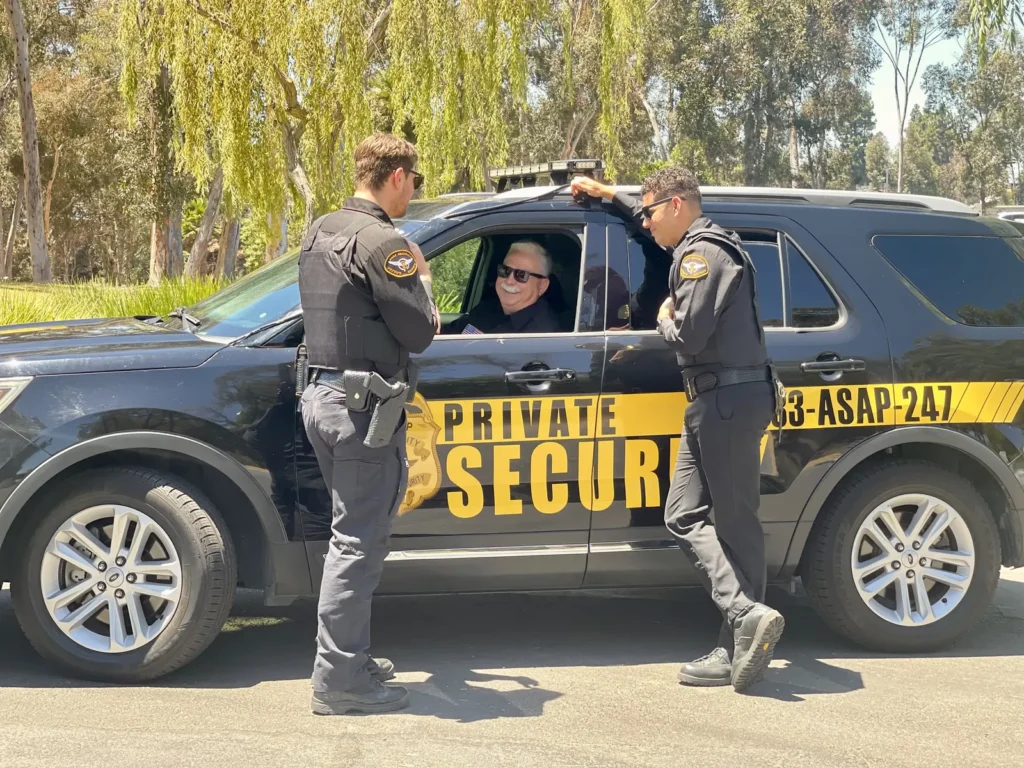
Forget the old image of a security guard making rounds with a flashlight. Today’s professional security is far more advanced. A modern security officer is a highly trained, tech-savvy pro who acts as an extension of your own team. They manage access control, monitor surveillance, and provide detailed digital reports. When you hire security for a warehouse, you aren’t just paying for a uniform; you’re investing in expertise and peace of mind. The right security guards for warehouses are your first line of defense and your first responders, separating true professionals from simple placeholders.
Key Takeaways
- Adopt a Layered Strategy: A single solution is not enough. The best protection comes from combining on-site guards to control access points, mobile patrols to monitor large perimeters, and surveillance technology to cover any blind spots.
- Prioritize Quality Over Price: Your security is only as strong as your provider. Select a partner with proven warehouse experience, transparent officer training, and full licensing and insurance, as the lowest bid often indicates higher risk and liability for you.
- Integrate Security into Your Operations: Turn security into a strategic asset by weaving it into your daily workflow. Develop a custom plan with your provider, foster collaboration between your staff and security team, and maintain a visible presence to proactively protect your facility.
Why Are Warehouses Such a Big Target?
Warehouses are the backbone of modern commerce, holding everything from raw materials to finished products. But their very nature, packed with valuable assets, makes them a magnet for security threats. Understanding these risks is the first step in building a defense that protects your inventory, your people, and your bottom line. Let’s look at what makes these facilities so vulnerable and what’s really on the line.
The Alarming Rise in Cargo Theft
Understanding the Financial Impact
The threat of cargo theft has escalated from a background concern to a critical issue for warehouse managers. Recent data shows a staggering 40% jump in cargo theft incidents in just one year, with annual losses now topping $35 billion. This isn’t just a number; it’s a direct hit to the supply chain and your bottom line. When a shipment is stolen, the loss isn’t confined to the value of the goods. The fallout includes damaged client relationships, operational chaos, and the potential for skyrocketing insurance premiums. It’s a costly problem that demands a proactive and robust defense strategy to protect your assets.
What’s even more concerning is where these threats originate. While we often picture external criminals, studies suggest employee theft is a significant factor, and a large portion of break-ins occur during the quiet off-hours between 10 PM and 6 AM. To truly secure a facility, you need a plan that addresses both internal and external vulnerabilities around the clock. This is where a comprehensive strategy becomes essential, combining technology with a physical presence. Having a professional team that can patrol your perimeter and respond to incidents is no longer a luxury—it’s a fundamental part of protecting your business and maintaining operational integrity.
What’s Really at Stake? (It’s More Than Inventory)
Your warehouse isn’t just a big box; it’s a treasure chest. The most obvious risk is the loss of high-value inventory, which can be devastating to your finances. But the risk extends beyond the products on your shelves. Think about the expensive equipment, machinery, and sensitive company data that also reside within those walls. More importantly, the safety of your employees and visitors is paramount. A security breach can compromise their well-being and create a climate of fear. A professional private security guard serves as a visible deterrent, protecting both your physical assets and the people who keep your business running.
Where Is Your Warehouse Most Vulnerable?
Warehouses often have inherent weaknesses that criminals are quick to exploit. Their large size, multiple entry and exit points like loading docks, and sometimes isolated locations can make them difficult to monitor effectively. The constant flow of people, including employees, delivery drivers, and contractors, creates opportunities for unauthorized access if not managed properly. This high traffic also increases the risk of internal theft, which can be just as damaging as an external break-in. Implementing solutions like mobile security patrols can help you cover a large perimeter and ensure all potential access points are consistently monitored, day or night.
Internal vs. External Threats
It’s natural to picture threats to your warehouse coming from the outside—a shadowy figure hopping a fence at night. While external dangers like break-ins and vandalism are very real, the data shows a surprising twist. Some studies suggest employee theft is significantly more likely than theft by outsiders. This internal risk isn’t just about stolen inventory; it includes everything from data breaches to accidents caused by negligence, all of which can disrupt your operations and damage your reputation. A comprehensive security strategy must address both fronts, protecting your facility from threats that originate both outside and inside your walls.
High-Risk Times and Locations
Criminals look for the path of least resistance, and that often comes down to timing. The most vulnerable period for warehouses is typically between 10 PM and 6 AM, when staffing is minimal and darkness provides cover for illicit activities. However, risk isn’t limited to after-hours. High-traffic periods like shift changes and lunch breaks can create chaotic environments where internal theft goes unnoticed. Weekends and holidays are also prime targets for external threats, as facilities are often left unattended. Securing your warehouse means having a plan for these specific windows of vulnerability, ensuring you have around-the-clock protection when you need it most.
What a Security Breach Will Actually Cost You
The impact of a security incident goes far beyond the price tag of stolen goods. A break-in can lead to significant operational downtime, disrupting your entire supply chain and delaying customer orders. This can damage your company’s reputation and erode the trust you’ve built with your clients. Furthermore, internal theft can be a silent killer, slowly draining your profits over time without a single, dramatic event. Investing in comprehensive 24/7 security services isn’t just about preventing theft; it’s about ensuring business continuity, protecting your brand, and maintaining a secure environment for everyone involved in your operations.
What Are Your Warehouse Security Options?
Securing a warehouse isn’t a one-size-fits-all job. The best approach combines different strategies to create layers of protection. Think of it like building a fortress: you need strong walls, vigilant lookouts, and a plan for when things go wrong. For your facility, this means blending physical presence with smart technology. Understanding your options is the first step toward creating a security plan that protects your inventory, your property, and your people. Let’s walk through the most effective security solutions for warehouses.
Fortifying Your Physical Perimeter
Your warehouse’s first line of defense isn’t a person or a camera—it’s the building itself. Before you even think about technology or personnel, you need to make your facility a “hard target.” This means strengthening the physical barriers that stand between your assets and the outside world. A strong perimeter sends a clear message to potential intruders: this property is protected and not an easy mark. By focusing on fences, doors, and strategic layouts, you create a solid foundation. All other security measures, from surveillance systems to on-site guards, build upon this fundamental layer of protection, making them more effective.
Fences, Doors, and Access Points
Your property line is your first opportunity to deter unwanted visitors. A tall, sturdy fence, ideally 8 to 10 feet high with anti-climb features, creates a formidable physical and psychological barrier. But a fence is only as good as its gates. Instead of a simple lock and key, consider automated gates with card readers or keypads. This not only controls who comes and goes but also creates a digital log of every entry and exit. Don’t forget your doors; they should be reinforced with commercial-grade locks and steel frames to resist forced entry. A professional mobile security patrol can regularly check these access points, ensuring they remain secure and haven’t been tampered with, adding a crucial layer of human oversight to your physical defenses.
Smart Warehouse Layout and Storage
Once you’ve secured the outside, it’s time to think about the inside. A smart warehouse layout can be one of your most effective security tools. Start by physically separating your receiving and dispatching areas. This simple change reduces confusion and minimizes opportunities for items to “disappear” during transit. For your most valuable products, don’t just leave them on a pallet; store them in locked cages or a secure, access-controlled room. You can also leverage technology like RFID tags for real-time inventory tracking. This level of internal control is a core part of a comprehensive corporate security strategy, ensuring that even if someone gets inside, your most critical assets remain protected.
Hiring On-Site Security Guards for Your Warehouse
Having a professional guard on-site is one of the most powerful deterrents available. These individuals are more than just a uniform at the door; they are your first line of defense. On-site guards manage access points, verify credentials for employees and visitors, and conduct regular patrols of the facility. Their visible presence helps prevent theft and vandalism while making your employees feel safer. In an emergency, from a medical incident to a fire, a trained guard can take control and coordinate a response until first responders arrive. Whether you need armed security guards for high-value inventory or unarmed guards for general oversight, their primary role is to keep your operations running smoothly and securely.
Covering More Ground with Mobile Patrols
If your warehouse is part of a large industrial park or you have an expansive property, mobile security patrol is an incredibly effective and cost-efficient option. Instead of having a guard stationed in one place, mobile patrols use marked security vehicles to cover a wide area. They perform checks on fences, gates, doors, and windows at random intervals, making it difficult for potential intruders to predict their movements. This service is perfect for after-hours security or as a supplement to your on-site team. Mobile patrols can respond quickly to alarms, provide a visible security presence across your entire property, and deliver detailed digital reports on their findings, giving you peace of mind when you’re not there.
Controlling Access with Modern Surveillance
Modern security is a blend of people and technology. Surveillance systems, like CCTV cameras, act as your digital eyes, recording activity around the clock. This footage is crucial for investigating incidents and identifying suspects. Access control systems go a step further by restricting entry to sensitive areas. Instead of traditional keys, you can use key cards, fobs, or even biometric scanners to ensure only authorized personnel can enter specific zones. A professional security partner can help you integrate these technologies and even use them to monitor guard performance, ensuring your security plan is always working as intended. These systems create a comprehensive record of who was where and when, adding a powerful layer of accountability.
Advanced Access Control Systems
Gone are the days of relying on a simple lock and key. Advanced access control systems give you precise command over who can enter your facility and specific zones within it. Think keycards, mobile passes on smartphones, or even biometric scanners that use fingerprints or facial recognition. These tools ensure that only authorized employees and vetted visitors can access sensitive areas like high-value storage cages or server rooms. More than just a gatekeeper, these systems create a detailed digital log of every entry, showing you exactly who was where and when. This creates a powerful layer of accountability and makes it much easier to investigate any discrepancies. A professional private security guard can manage this system at your main entry points, ensuring the technology works seamlessly with a human touch.
High-Definition Cameras and Analytics
Modern surveillance is much more than just grainy footage. High-definition IP cameras—with features like 4K resolution, night vision, and weatherproof casings—act as your digital eyes, capturing clear video around the clock. When placed in key areas like loading docks, entryways, and along your perimeter, they leave no blind spots. But the real game-changer is video analytics. This smart technology can automatically detect motion, identify unusual activity, and send instant alerts to your security team. Instead of just reviewing footage after an incident, you can proactively respond to threats as they happen. This technology provides invaluable support for your on-site team and makes services like mobile security patrol even more effective by guiding them directly to potential issues.
Setting Up Your Alarm and Response Plan
An alarm is only as good as the response that follows. When a sensor is tripped in the middle of the night, you need a plan that goes beyond a loud siren. This is where professional alarm response comes in. Instead of the alert going to you or a local police department that may be stretched thin, it goes to a dedicated security operations center. A team can then verify the alarm, often using live video feeds, to determine if it’s a real threat. If it is, they can immediately dispatch a security guard to the scene. This ensures a 24/7 security services presence and a rapid, professional response to any incident, minimizing potential losses and damage to your facility.
Integrated Alarms and Environmental Sensors
Beyond intrusion alarms, your warehouse needs sensors that protect against environmental threats. Think about the damage a small, undetected leak could cause to your inventory overnight, or how temperature fluctuations could ruin sensitive goods. Integrated environmental sensors for fire, smoke, water, and temperature provide a crucial layer of protection for your assets. These systems work around the clock to monitor conditions that could be just as costly as a break-in. When an alarm for any of these issues is triggered, your response plan kicks in. A professional security team can verify the alert and take immediate action, whether it’s investigating a potential fire or notifying you of a critical temperature change, ensuring your facility and its contents are protected from all angles.
Protecting Your Digital Assets: Cybersecurity Essentials
In a modern warehouse, security extends far beyond the physical walls. Your operations rely on a network of digital systems, from inventory management software and shipping logistics to employee records and financial data. Protecting these digital assets is just as important as securing your loading docks. A cyberattack can bring your entire operation to a halt, leading to massive financial losses, stolen data, and a damaged reputation. Unlike a physical threat you can see, a digital intruder can come from anywhere in the world, making a proactive defense essential. Building a strong cybersecurity posture is a non-negotiable part of a comprehensive security strategy, ensuring your business is protected from threats both seen and unseen.
A robust cybersecurity plan involves multiple layers, much like your physical security. It starts with securing your network and data and extends to empowering your employees to be your first line of defense. These measures protect the sensitive information that fuels your supply chain and keeps your business competitive. According to a report on the cost of a data breach, industries like transportation face significant financial fallout from cyber incidents, making preventative action a critical investment. By treating your digital infrastructure with the same seriousness as your physical inventory, you create a truly resilient operation prepared for the full spectrum of modern threats.
Network Security and Data Encryption
The foundation of your digital defense is a secure network. Start by implementing strong firewalls, which act as digital gatekeepers, controlling the traffic that flows in and out of your network and blocking unauthorized access. Next, use data encryption to protect your most sensitive information. Encryption essentially scrambles your data, making it unreadable to anyone without the proper key. This is vital for protecting everything from customer lists to financial records. Finally, enforce a strict password policy that requires employees to use complex, unique passwords and update them regularly. These technical controls create a powerful barrier against cybercriminals trying to access your systems and steal valuable company data.
Employee Training for Cyber Threats
Technology can only do so much; your employees are a critical part of your cybersecurity defense. Many cyberattacks begin with a simple human error, like clicking on a malicious link in a phishing email designed to look legitimate. Regular employee training is the best way to counter this threat. Teach your team how to spot the signs of a phishing attempt, the importance of using strong passwords, and the dangers of using unsecured Wi-Fi networks. Create a clear and simple procedure for them to report any suspicious emails or activity without fear of blame. By fostering a security-aware culture, you empower your entire staff to become active participants in protecting the business from digital threats.
How Much Does Warehouse Security Cost?
Figuring out your security budget is a critical step, but it’s not as simple as finding a standard price tag. The cost of securing your warehouse depends entirely on your specific needs. Think of it as creating a custom security solution rather than buying an off-the-shelf product. The investment you make is directly tied to the level of protection your facility, inventory, and people require. A clear understanding of the variables will help you get an accurate quote and ensure you’re paying for the right level of protection, not just a warm body at the door.
Many factors go into the final number, from the type of guards you hire to the technology you integrate. It’s about building a comprehensive plan that addresses your unique vulnerabilities. For example, a large distribution center with constant truck traffic has different needs than a smaller facility storing high-value electronics. A professional security partner won’t give you a one-size-fits-all price; they will work with you to assess your risks and develop a strategy that fits your operation and your budget. Let’s break down what goes into that final number.
What Factors Influence the Final Price?
Several key factors determine the hourly rate for a security officer. The location of your warehouse plays a big role; for example, rates in a major hub like San Diego will differ from those in a more remote area. The specific duties you need are also a major consideration. An officer monitoring CCTV and checking employee badges has a different risk profile than one protecting high-value, easily transportable goods. The overall risk level of your operation, the size of your facility, and whether you need 24/7 security services will all influence the final cost. A professional security partner will walk you through these factors to build a quote that matches your exact requirements.
Armed vs. Unarmed Guards: Which Is Right for You?
One of the most significant decisions affecting cost is whether to hire armed or unarmed guards. Unarmed guards are an effective visual deterrent and are well-suited for lower-risk environments where their primary role is observation, reporting, and access control. On the other hand, armed security guards undergo extensive training and licensing to handle high-threat situations. This advanced capability comes at a higher price point but is essential for facilities storing valuable assets or operating in high-risk areas. The right choice depends on a thorough risk assessment of your warehouse and the value of what you’re protecting.
Budgeting for More Than Just Guards
Your security budget shouldn’t stop at personnel. A truly effective security strategy integrates guards with technology and other services. This means factoring in the costs of systems like keycard access control, perimeter alarms, and high-definition surveillance cameras. These tools make your on-site team more effective. You might also consider supplementing your on-site presence with mobile security patrols, which can provide random, visible checks on your property’s exterior and parking areas after hours. This layered approach creates a more robust defense and can often be a cost-effective way to cover a large area.
Why the Cheapest Quote Isn’t Always the Smartest
When you’re reviewing proposals, it can be tempting to go with the lowest bidder. However, in the security industry, you truly get what you pay for. An unusually low price often points to undertrained officers, inadequate insurance coverage, or a company that cuts corners on background checks and supervision. These shortcomings can expose your business to significant liability and risk. Choosing a reputable firm that invests in elite training and professional management provides real value and peace of mind. Your warehouse security is an investment in business continuity, and selecting experienced corporate security services ensures your assets are properly protected.
How to Choose the Right Warehouse Security Partner
Finding the right security provider is more than just filling a position; it’s about establishing a partnership to protect your facility, inventory, and people. The right team becomes an extension of your own, working proactively to prevent issues before they start. A true partner doesn’t just react to alarms; they help you identify vulnerabilities, create a strategic security posture, and give you peace of mind. This isn’t just about having a uniform at the gate. It’s about having a skilled professional who understands your operations and contributes to a safer, more secure environment for everyone.
But with so many options out there, how do you identify a truly reliable partner? It comes down to asking the right questions and looking for specific signs of professionalism and expertise. Vetting a potential security company is a critical step that ensures you’re entrusting your assets to a capable and trustworthy organization. Think of it like hiring a key manager for your team. You want someone with the right skills, a solid background, and a personality that fits your company culture. Let’s walk through the key areas to focus on so you can make a confident choice for your warehouse.
First, Check Their Licenses and Insurance
Think of this as the foundational step. Before you get into the details of their services, you need to confirm that a security company is operating legally and responsibly. Any professional agency will readily provide proof of their state license and comprehensive insurance coverage. This isn’t just a formality; it protects your business from significant liability. If an incident occurs on your property, you want to be sure your security partner is fully insured. This simple check weeds out unprofessional operators and gives you a baseline of trust and legitimacy before moving forward. Don’t hesitate to ask for a certificate of insurance.
Look for Proven Industry Experience
In the security world, a long track record speaks volumes. You’re looking for a company that has specific experience securing facilities like yours. A team that understands the unique challenges of a warehouse environment, from access control at loading docks to preventing internal theft, will be far more effective than a generalist. Ask for case studies or references from other warehouse or manufacturing clients. A company with a solid reputation has earned it through consistent, high-quality service. Their experience means they have proven processes for handling the security needs of a busy corporate facility.
How Are Their Guards Trained and Vetted?
The quality of a security company comes down to the quality of its officers. That’s why you need to ask pointed questions about their hiring and training standards. What does their training program cover? Do officers receive ongoing education? At a minimum, all guards should undergo thorough, national background checks. You’re trusting them with your most valuable assets, so there’s no room for doubt. Look for companies that invest heavily in their team, especially those who hire personnel with prior law enforcement or military experience. This background often translates to superior discipline and critical thinking, which is crucial for both unarmed and armed security guards.
Find a Partner Who Can Scale With You
Your warehouse isn’t static, and your security plan shouldn’t be either. Your needs might fluctuate with seasonal inventory, special projects, or changes in operating hours. A great security partner understands this and offers flexible solutions, not a rigid, one-size-fits-all package. They should work with you to develop a custom plan and be able to scale services up or down as needed. For example, you might need mobile security patrols to increase visibility during a busy season or add an overnight guard during a facility upgrade. This adaptability shows they are focused on your specific needs and are prepared to grow with your business.
What Makes a Great Warehouse Security Officer?
When you hire a security officer, you’re not just filling a uniform. You’re entrusting someone with the safety of your inventory, your property, and your people. The right officer is more than a simple deterrent; they are an active, thinking part of your operational team. They act as your eyes and ears on the ground, capable of identifying vulnerabilities, responding to incidents, and maintaining a calm, professional presence that keeps your entire facility secure. A great officer is defined by a specific combination of training, technical skill, and personal character that allows them to be both a protector and a customer service representative for your business.
Finding an individual with this unique skill set is what separates an adequate security presence from an exceptional one. The best officers bring a background that has prepared them for high-stakes situations, a comfort level with modern technology, and a clear understanding of how to act when things go wrong. When you interview a potential security partner, ask them how their officers embody these qualities. A professional private security firm will be able to give you clear, confident answers about their hiring and training processes. Look for a team that prioritizes experience, technical competence, and emergency preparedness in every officer they deploy, because that’s the foundation of a truly secure warehouse.
Why a Military or Police Background Matters
An officer with a background in law enforcement or the military brings a level of discipline and training that is difficult to replicate. This experience equips them with invaluable skills in de-escalation, risk assessment, and decisive action under pressure. They understand how to project authority professionally and can manage complex security challenges with a steady hand. At ASAP Security, we find that officers with this background have a built-in sense of duty and a deep understanding of protocol. This experience is especially critical for armed security guards, who must meet rigorous standards for judgment and proficiency.
Comfortable with Technology and Clear Reporting
Modern security goes far beyond a simple logbook and a flashlight. A top-tier warehouse security officer must be proficient with current technology. This includes operating surveillance camera systems, managing digital access control panels, and using software for detailed, real-time incident reporting. This technical skill ensures that all security activities are documented accurately and efficiently. For services like mobile security patrol, officers use GPS tracking and digital reporting tools to provide you with transparent, verifiable updates on their patrols, giving you complete oversight of your property’s security status.
Knowing Exactly What to Do in an Emergency
What an officer does in the first few minutes of an emergency can make all the difference. A great security officer is thoroughly trained in and has practiced clear emergency response protocols. They know exactly what steps to take in the event of a fire, medical incident, break-in, or workplace violence. Their role is to protect employees and visitors, secure the premises, and coordinate with first responders. This preparedness is a cornerstone of effective 24/7 security services, ensuring that your warehouse is protected by someone who can respond correctly and confidently, no matter what happens or when.
How to Weave Security into Your Daily Operations
Hiring security guards is the first step, but the real magic happens when they become a seamless part of your warehouse’s daily life. Effective security isn’t an add-on; it’s woven into your operational fabric. This integration ensures that your security team isn’t just reacting to problems but actively preventing them. It transforms your security investment from a simple expense into a strategic asset that protects your inventory, your people, and your bottom line. Let’s look at how to make this happen.
Start with a Custom Security Plan
Your warehouse isn’t a generic box, and your security plan shouldn’t be either. The best security partners will work with you to create a strategy tailored to your facility’s specific layout, inventory, and operational flow. This means identifying your unique vulnerabilities, from blind spots in your surveillance to unsecured access points. A custom plan outlines clear protocols for everything: managing visitor and truck access, securing high-value areas, and responding to incidents. By collaborating on a plan, you ensure your corporate security services are perfectly aligned with how your business actually runs, providing protection that is both effective and efficient.
Implement Smart Operational Procedures
True security isn’t just a guard at the gate; it’s a mindset that permeates your entire operation. By implementing smart operational procedures, you can weave security into the very fabric of your daily workflow. This means creating clear, consistent processes for everything from employee access to inventory handling. When security is integrated this way, it stops being a reactive measure and becomes a proactive force that prevents issues before they can start. This approach also fosters a culture of security awareness among all your staff, making them active participants in protecting the facility. It’s about making security a shared responsibility, led by the professional guidance of your corporate security services partner.
Developing Detailed Emergency Protocols
A security plan is only as good as its performance under pressure. That’s why developing detailed emergency protocols is non-negotiable. This goes beyond a simple fire drill. Your plan should outline clear, step-by-step actions for your security team and employees to take during various scenarios, including medical emergencies, break-ins, active threats, or natural disasters. A great security officer is thoroughly trained in these protocols and has practiced them, so they can act decisively. This preparation is a core component of professional 24/7 security services, ensuring a coordinated response that protects your people and minimizes chaos, turning your team into confident first responders when every second counts.
The 7S Framework for a Secure Environment
You might be familiar with the 7S framework (Sort, Set in order, Shine, Standardize, Sustain, Safety, and Security) as a tool for efficiency, but it’s also a powerful security asset. An organized warehouse is a secure warehouse. When everything has a designated place, it’s much easier to spot when something is missing or out of place. A clean, well-lit environment eliminates hiding spots for intruders and reduces opportunities for theft. By standardizing your processes and sustaining this level of organization, you create an environment where anomalies are immediately obvious. This operational discipline makes it easier for your security team to monitor the facility effectively and identify potential threats.
Procedural Controls for Shipping and Receiving
Your loading docks are the lifeblood of your warehouse, but they’re also your most significant point of vulnerability. Establishing strict procedural controls for shipping and receiving is essential. This includes creating a secure check-in/check-out process for all drivers, verifying all paperwork against the actual cargo, and designating specific areas for incoming and outgoing shipments to prevent mix-ups or theft. For larger facilities, implementing solutions like mobile security patrols can ensure the entire perimeter, including less-used access points, is consistently monitored. These procedures create a clear chain of custody and make it much harder for unauthorized goods—or people—to enter or leave your facility.
Leverage Technology for Better Tracking
In a modern warehouse, your security guards are your first line of defense, and technology is their most powerful tool. Leveraging the right tech can dramatically extend your team’s reach and effectiveness. Systems like RFID tags and GPS trackers provide real-time data on the location of your most valuable assets, from high-demand inventory to expensive equipment like forklifts. This isn’t about replacing people with machines; it’s about empowering your private security personnel with the information they need to do their job better. When your on-site guard gets an alert that a piece of equipment has moved outside its designated zone, they can respond instantly, turning a potential loss into a prevented incident.
RFID and GPS for Inventory Management
Diving deeper into technology, Radio-Frequency Identification (RFID) and GPS are game-changers for inventory management and loss prevention. Unlike barcodes, RFID tags can be read from a distance and in bulk, allowing you to conduct inventory audits in a fraction of the time. You can track specific items as they move through your facility, instantly flagging anything that goes off-course. Similarly, placing GPS trackers on high-value assets like vehicles or heavy machinery provides constant location monitoring, even after they leave your property. This technology creates an incredible layer of accountability and gives you a digital bird’s-eye view of your entire operation, making it extremely difficult for theft to go unnoticed.
Get Your Staff and Security Team Talking
For a security plan to truly work, your security officers and warehouse staff need to be on the same team. Open lines of communication are essential. When your employees see security as an approachable and integral part of the operation, they are more likely to report suspicious activity or safety concerns. Modern security firms facilitate this collaboration with technology, using online portals and reporting systems to give managers real-time updates on security, maintenance, and safety issues. This creates a transparent environment where everyone works together to maintain a secure facility. This teamwork turns your entire staff into an extension of your security efforts.
Security Training for All Warehouse Employees
Your warehouse staff are your greatest asset, and they can also be your first line of defense. Make security a shared responsibility by training every employee on security awareness. This doesn’t mean they need to become experts, but they should know the essentials: how to spot and report suspicious activity, why propping open secure doors is a major risk, and what to do in an emergency. When your team understands these basic protocols, they become active partners in protecting the facility. This training reinforces the rules your professional guards enforce, creating a cohesive and comprehensive corporate security strategy where everyone is working together to keep the workplace safe.
Make Sure Your Security Is Seen
Sometimes the best defense is a strong, visible presence. The sight of a professional security officer making their rounds is a powerful deterrent to both external and internal theft. It sends a clear message that your facility is protected and that you take security seriously. This presence does more than just discourage potential criminals; it also provides a sense of safety for your employees and legitimate visitors. Whether it’s a guard stationed at a key entry point or a mobile security patrol covering a large perimeter, a visible security force is a fundamental part of a proactive security strategy. It helps stop incidents before they can even begin.
Conduct Regular Audits and System Maintenance
Your security system is a lot like any other critical piece of equipment in your warehouse—it needs regular check-ups to perform at its best. Security is not a one-time fix; it requires ongoing attention to remain effective against new threats. Regular audits are your chance to walk the floor with a critical eye and find potential vulnerabilities before someone else does. A good rule of thumb is to conduct your own internal reviews quarterly, but also bring in a third-party expert for a comprehensive security audit once a year. This process helps you prioritize your security spending and ensures your protection stays ahead of the curve.
Testing, Audits, and System Lifecycles
An audit also means physically testing your systems. Are your cameras recording clearly? Do your access control readers work every time? Does your alarm system trigger a proper response? Beyond testing, remember that technology has a shelf life. It’s important to budget for updates. As a general guide, plan to update camera systems every 5-7 years, access control systems every 7-10 years, and alarm systems every 10-15 years. This isn’t just about having the newest gadgets; it’s about ensuring your technology remains reliable. Keeping your systems current is a key part of maintaining effective 24/7 security services, ensuring that both your technology and your on-site team are always prepared to protect your facility.
Let’s Talk About Security for Your Warehouse
Running a warehouse in Southern California means you’re at the heart of a massive logistics network. With goods constantly flowing from major ports and across the region, your facility faces unique security pressures. From organized crime targeting high-value inventory to internal theft and unauthorized access, the risks are constant. A simple lock and key won’t cut it when your assets and operations are on the line.
This is where a tailored security strategy becomes essential. You need a plan that addresses your specific vulnerabilities, whether that’s managing truck access at loading docks, monitoring large perimeters, or preventing employee theft. The right approach often combines a visible security presence with smart technology. For many warehouses in San Diego, Orange County, and Riverside, this means having professional private security guards to control access points and deter potential threats.
For larger facilities or those with multiple entry points, supplementing with mobile security patrols can provide a cost-effective way to monitor the entire property. These patrols create an unpredictable security presence that keeps would-be intruders off balance. The goal is to create a comprehensive shield that protects your inventory, your employees, and your bottom line around the clock.
At ASAP Security, we specialize in creating these custom security solutions for warehouses and manufacturing facilities across Southern California. Our team, with its deep roots in law enforcement and military service, understands the local landscape and the specific threats you face. We don’t just place a guard at your gate; we partner with you to develop a proactive security plan that integrates seamlessly into your daily operations. Whether you need 24/7 security services or specialized support, we’re here to help you secure your assets and protect your future.
Related Articles
- Warehouse Security Guards in San Diego | Protect Your Facility | ASAP Security Guards
- How to Increase Security and Prevent Theft with Warehouse Security | ASAP Security Guards
- Warehouse Security Guards: A Manager’s Guide | ASAP Security Guards
- Why San Diego Warehouses Rely on Security Guards | ASAP Security
- San Diego Warehouse Security Guards: Protection & Efficiency | ASAP Security Guards
Frequently Asked Questions
My warehouse already has cameras. Isn’t that enough security? Cameras are an excellent tool for recording what happens, but they are reactive. A professional security officer is proactive. A guard can spot a potential issue before it escalates, control access at your entry points, and respond immediately to an emergency. Think of it this way: a camera can show you a recording of a fire starting, but a trained officer can use a fire extinguisher and help evacuate your staff. The best security plans use both technology and a skilled human presence.
How do I decide if I need an armed or unarmed guard? This decision comes down to a professional risk assessment. You should consider the specific value of your inventory, the crime rates in your area, and the history of security incidents at your facility or nearby. Unarmed guards are a fantastic visual deterrent and are perfect for managing access and observing activity in lower-risk environments. Armed guards are for situations where there is a credible threat or extremely high-value assets, providing a level of protection that can stop a serious incident in its tracks.
What is the very first step I should take to get started? The first step is to schedule a professional security assessment. A reputable security partner won’t just send you a price list. They will meet you at your facility, walk the property with you, and ask detailed questions about your operations, your inventory, and your specific concerns. This collaborative process is the only way to identify your unique vulnerabilities and build a security plan that actually works for your business.
How can I be sure the guards are doing their job, especially overnight? Accountability is key, and a professional security firm will have systems in place to ensure it. Ask potential partners about their reporting technology. Modern security officers use digital systems to log patrols, report incidents in real time, and communicate with management. These systems often include GPS tracking for mobile patrols. Furthermore, a good company will have supervisors who make unannounced site visits to ensure their officers are alert and performing their duties correctly.
Is a mobile patrol or a dedicated on-site guard better for my facility? It depends on your property’s size and your primary security goals. A dedicated on-site guard is ideal for controlling a main entry point, managing visitor and vehicle logs, and maintaining a constant presence. Mobile patrols are a great, cost-effective solution for covering a large perimeter, multiple buildings, or for providing a visible deterrent after hours. They perform checks at random intervals, making it difficult for anyone to predict their schedule. In many cases, the most effective strategy is a hybrid approach that uses both.
