
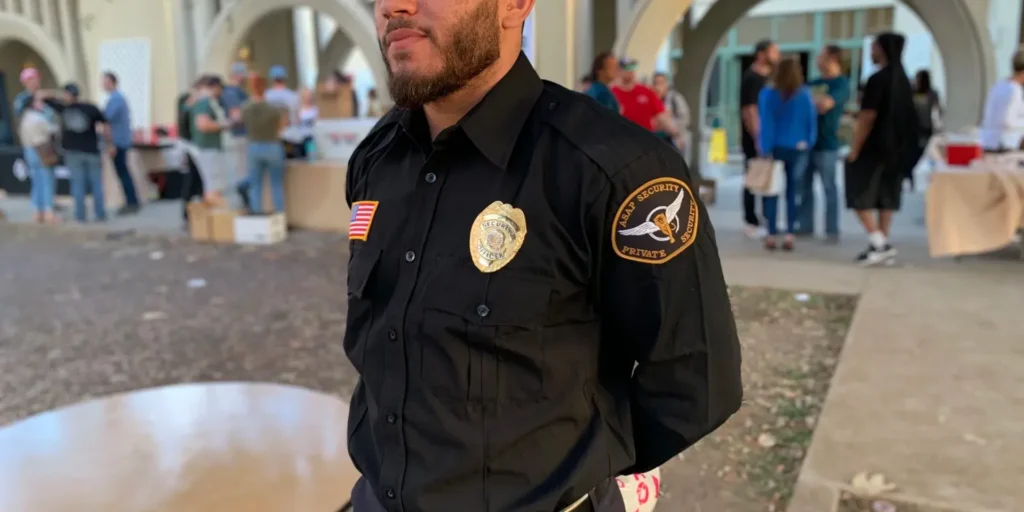
For a San Diego property manager, hiring an armed officer is not simply a matter of filling a post. The provider must match the assignment to the site’s risk profile, verify every required credential, and show how officers will be supervised after deployment.
Get a free armed security consultation for your San Diego property. Request armed security services in San Diego or call (833) 272-7247.
To hire armed security officer in San Diego with confidence, choose a licensed and insured provider that verifies BSIS Guard Card and Firearms Permit requirements. The right firm conducts rigorous personnel vetting and provides a clear plan for coverage, escalation, and reporting. Ask how the officer’s training fits your environment, whether supervision is available around the clock, and how the company documents daily activity. Those answers help you compare providers on operational accountability, not just hourly price.
Armed personnel may be appropriate for locations such as financial institutions, luxury retail, corporate campuses, or other sites where the consequences of an incident are significant. The right decision starts with understanding the legal standards and the practical safeguards that should be in place before an officer arrives.
What Should You Know Before Hiring an Armed Security Officer in San Diego?
The first question is not whether an armed officer looks more imposing at the entrance. It is whether your property’s threat profile justifies an armed response capability. Armed security is designed for environments where the potential for violent crime, targeted theft, unauthorized access, or serious disruption is serious enough that deterrence and trained response belong in the security plan.
That decision should come from a documented risk assessment, not a generic promise of protection. A professional provider should identify the assets, people, activities, access points, past incidents, and credible threats affecting your site, then recommend coverage that matches those conditions. The objective is risk mitigation and better preparedness. No responsible provider can promise zero risk or 100% security.
When armed security may be appropriate
Some properties face a higher consequence if an incident escalates. Common examples include banks and other financial facilities, jewelry and luxury retailers, hotels, automobile dealerships, manufacturing sites, corporate campuses, cannabis businesses, and government facilities. These locations may hold valuable assets, manage sensitive information, receive large numbers of visitors, or operate in conditions that increase exposure to theft and violence.
Consider more than the industry label. A low-traffic office with controlled access may have a different need from a corporate campus with multiple buildings, late shifts, and valuable equipment. A hotel may need a visible deterrent during busy evening hours, while a dealership may need protection around inventory and after-hours access. Your provider should ask those operational questions before recommending an officer or post schedule.
Armed versus unarmed coverage
Armed officers can provide an additional deterrent and response capability when the assessed threat warrants it. Unarmed security guards may be the better fit when the primary goals are access control, patrols, visitor management, customer assistance, and incident observation without a firearm presence. Choosing armed coverage simply because it sounds more comprehensive can create unnecessary cost and operational complexity. Choosing unarmed coverage when the site presents a credible higher-level threat can leave a serious gap.
Ask for a clear explanation of the recommendation, including the risks it addresses, the officer’s responsibilities, escalation procedures, and how incidents will be documented. You can review armed security services in San Diego alongside unarmed security guard duties before selecting a deployment model. The right choice is the one that aligns trained personnel and defined procedures with the realities of your property.
What Does California Law Require of Armed Officers?
California treats armed security as a regulated responsibility, not simply an extension of an unarmed guard assignment. The Bureau of Security and Investigative Services (BSIS) issues the Firearms Permit, also called the Firearms Qualification Card or Exposed Firearms Permit. An officer must meet the permit requirements before carrying a firearm while working in an armed security role.
Guard Card plus a BSIS Firearms Permit
A valid Guard Card and a Firearms Permit serve different purposes, and a qualified armed officer needs both. BSIS guidance requires the applicant to be a registered security guard or otherwise hold an eligible BSIS status, while the firearms credential authorizes the regulated armed function. The applicant must also be at least 21 years old and either a United States citizen or hold permanent legal immigration status. These requirements are why a provider should verify credentials for the specific officer assigned to your property rather than relying on a general statement that the company is licensed.
For facility managers evaluating providers, the BSIS firearms permit requirements provide the authoritative baseline. A company should also be able to explain how it verifies current credentials and required examinations before deployment. ASAP Security Guards supports this compliance-focused approach through BSIS-approved security training.
Background checks and suitability assessments
Firearms Permit applicants must complete criminal history background checks through both the Federal Bureau of Investigation and the California Department of Justice. BSIS also requires an assessment, when applicable, within the six months before the application is submitted. These steps do not replace an employer’s responsibility to evaluate an officer’s fit for a particular site, but they establish important safeguards before an armed assignment begins.
Ongoing requalification and use-of-force accountability
Licensing is not a one-time screening event. Security guards must undergo periodic requalification to maintain their firearms permit under state requirements. A provider should therefore track permit status, qualification dates, and training records as part of its deployment process. BSIS firearms instruction also addresses legal considerations, including potential civil and criminal liability for improper use of force. That standard matters to property owners because an armed presence must support risk mitigation without creating avoidable exposure through unsafe or unlawful conduct. Ask prospective providers how they document ongoing professional development and keep each assigned officer’s credentials current.
How Do You Vet an Armed Security Provider in San Diego?
Choosing an armed security company requires more than comparing hourly rates or uniforms. A responsible provider should be able to document each officer’s qualifications, explain how the team will operate at your property, and give you a reliable record of what happens during every shift. Use this checklist before signing a service agreement.
-
Verify BSIS licensing and firearm permit status
Ask for the officer’s BSIS registration and current firearms permit, then verify the status through the official BSIS database. California armed guards need the appropriate BSIS credentials, including a Guard Card and a Firearms Permit. Do not rely on a photocopy or a provider’s verbal assurance alone. Confirm that the permit is current and that the assigned officer is authorized for armed duty. This basic check protects your organization from avoidable compliance and liability problems.
-
Confirm training, examinations, and background checks
Ask how the company verifies required BSIS training, examinations, and qualifications before deployment. Firearms permit applicants undergo criminal history checks through the FBI and California Department of Justice. While the hiring company remains responsible for ensuring required examinations and qualifications are complete. Ask whether training includes de-escalation, communication, use-of-force standards, and scenario-based judgment, rather than focusing only on weapons proficiency. ASAP personnel are vetted and trained through its BSIS-approved security training program, the ASAP Security Academy.
-
Evaluate site-specific experience and ongoing development
Experience should match the risks and operating conditions at your site. Ask whether the proposed team has worked in comparable environments, such as a corporate campus, hotel, retail property, construction site, or government facility. Discuss access control, visitor procedures, emergency escalation, and coordination with local responders. Also ask how the provider maintains professional development after initial licensing. Ongoing training helps officers keep their judgment and procedures current instead of treating state minimums as the complete standard.
-
Require real-time reporting and proof of service
Your provider should make accountability visible. Before hiring, request a sample daily activity report and ask how incidents, patrols, handoffs, and missed checkpoints are documented. GPS-enabled, real-time reporting can provide auditable proof that scheduled services occurred, while timely incident reports help property managers respond to operational and liability concerns. Also verify the firm’s broader credentials and insurance. ASAP Security Guards is GSA-credentialed under contract number 47QSWA21D006F, an additional indicator of its readiness to serve organizations with formal procurement and compliance requirements.
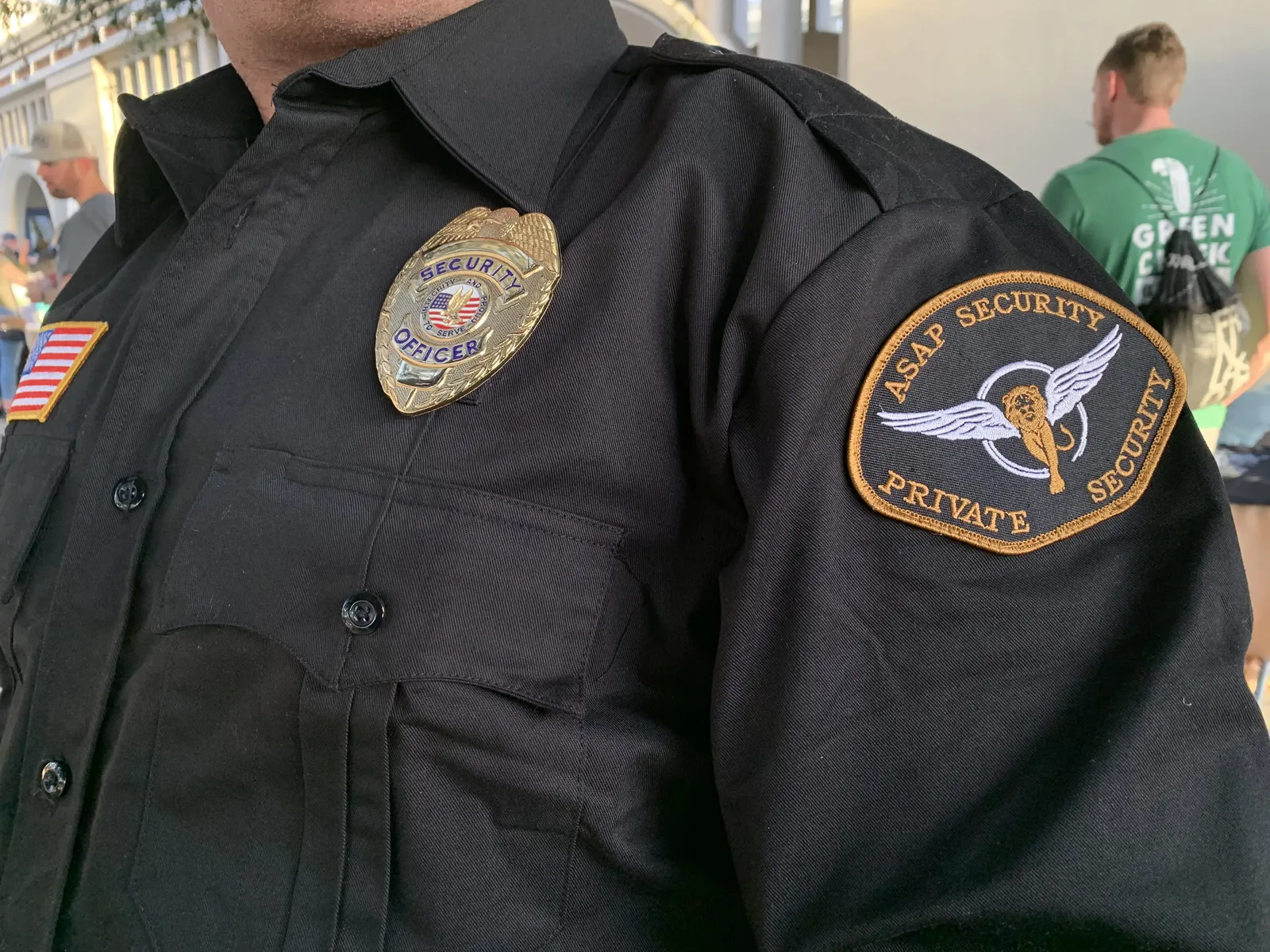
What Does It Cost to Hire Armed Security in San Diego?
Armed officers are typically more expensive than unarmed personnel because the assignment carries additional licensing, firearms qualification, screening, training, insurance, and oversight requirements. The right comparison is not simply the lowest hourly rate. It is the level of risk reduction, accountability, and operational readiness your provider can deliver for the property, people, and assets under protection.
When evaluating proposals, ask what is included in the rate and what is left for your team to manage. A provider with stronger credentials and systems may cost more upfront while reducing gaps that become expensive after an incident. ASAP Security Guards is GSA-credentialed, demonstrating adherence to federal contractor standards, and emphasizes ongoing professional development beyond minimum state requirements.
| Cost and value factor | Basic or budget provider vs. established, GSA-credentialed provider |
|---|---|
| Training depth | May focus on minimum onboarding requirements. An established provider invests in ongoing professional development, scenario readiness, communication, and site-specific procedures. |
| Licensing and certification | Requires careful verification of current individual credentials and company compliance. A GSA-credentialed firm demonstrates alignment with federal contractor standards in addition to applicable California requirements. |
| Reporting and accountability | Basic service may provide limited shift notes. A mature operation can provide consistent documentation and real-time reporting that gives managers auditable proof of service. |
| Risk management | A low quote can leave assessment, escalation, and incident-response gaps with the client. A professional partner builds the assignment around identified risks and communicates incidents promptly. |
| Total value | The lowest line item is not always the lowest business cost. Compare readiness, oversight, liability controls, and continuity, then select coverage that supports practical risk mitigation rather than a promise of zero risk. |
For lower-risk sites, schedules, or duties, unarmed security guard duties may be a more economical alternative. A professional risk assessment can help determine whether the added capability of armed coverage is justified.
How Does Armed Security Deployment Work?
Effective deployment begins before an officer arrives. A security provider should first assess the property, operating hours, access points, lighting, neighboring conditions, prior incidents, and the client’s most consequential exposures. That evidence-based review helps determine whether an armed post is appropriate, where coverage is needed, and which responsibilities belong to the officer, site staff, and law enforcement. The objective is risk mitigation, not a promise of zero risk. ASAP Security Guards uses this process to build a practical plan around the site rather than apply a generic patrol package.
From site survey to post design
After the initial assessment, the provider conducts a site survey and documents the post design. This can include fixed coverage at an entrance, roving patrols, vehicle checks, visitor procedures, key-control expectations, and response priorities. The plan should identify what the officer observes, what requires immediate intervention, and what must be escalated to a supervisor or emergency services. Clear post orders reduce ambiguity during a fast-moving incident and give the client a defined standard for evaluating performance.
Scheduling and communication protocols
Deployment also requires dependable scheduling. The provider should confirm shift times, relief coverage, uniform and equipment requirements, supervisor contacts, and a backup plan for absences. Before the first shift, property leaders and officers should agree on communication channels and escalation thresholds. Routine operational issues can move through the account supervisor, while urgent threats, injuries, fires, or suspected crimes require immediate escalation under the site’s emergency procedures. Regular check-ins keep the plan aligned as occupancy, events, or threats change.
Daily reporting creates an auditable record
Accountability continues after the post is staffed. Real-time, GPS-based Daily Activity Reporting (DAR) gives clients auditable proof of service, including documented patrol activity and notable observations. Real-time incident reports help decision-makers understand what occurred, when it occurred, and how the officer responded. That visibility supports faster corrective action and can help clients mitigate liability by maintaining a contemporaneous operational record. Ask prospective providers how reports are delivered, who reviews them, and how incidents are escalated, rather than accepting a vague promise that a guard will be present.
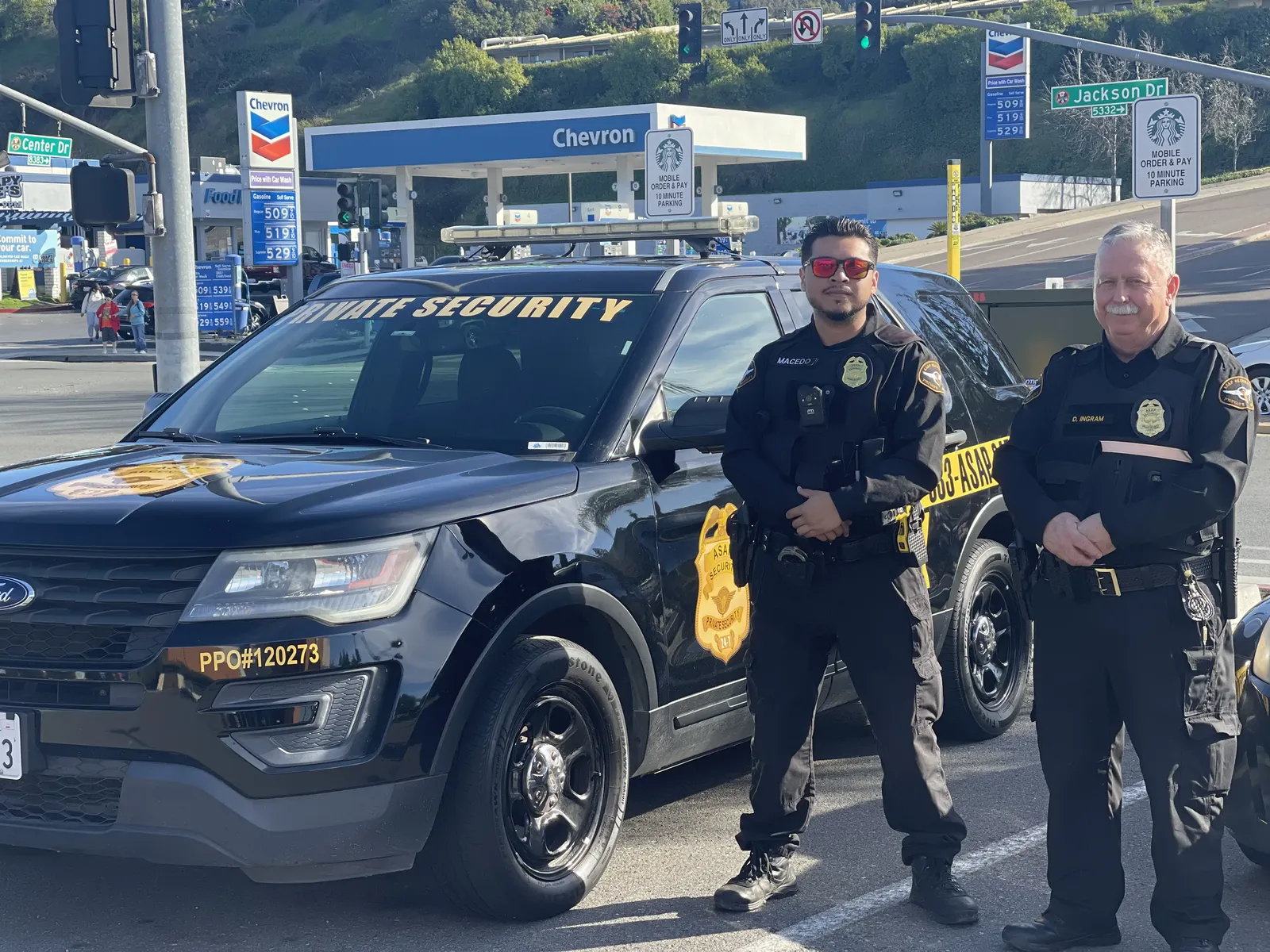
Where Do Armed Officers Add the Most Value in San Diego?
Armed officers are most effective when a property faces credible threats, valuable assets, sensitive operations, or a heightened duty of care. Their value is not simply the presence of a firearm. It comes from trained observation, disciplined communication, and the judgment to de-escalate when possible and escalate appropriately when conditions require it. In San Diego, common higher-risk environments include:
- Banks and financial institutions: Visible, professional coverage can deter robbery attempts while helping staff and customers respond calmly to suspicious activity, disputes, or emergencies.
- Jewelry stores and luxury retail: High-value merchandise and predictable operating hours can make these locations attractive targets. An officer can control access, monitor activity, and coordinate a measured response without disrupting the customer experience.
- Hotels and resorts: Large properties may need coverage for guests, employees, parking areas, events, and after-hours incidents. Armed personnel can support hotel management while maintaining a guest-focused posture.
- Car dealerships: Vehicle inventories, parts, cash handling, and expansive lots create multiple points of exposure. Officers can patrol the property, identify unauthorized activity, and protect employees during opening and closing procedures.
- Manufacturing facilities: Facilities with expensive equipment, restricted areas, hazardous operations, or shift work benefit from controlled access and a trained security presence that understands operational boundaries.
- Corporate campuses: Officers can help protect executives, employees, visitors, and sensitive assets across offices, garages, and perimeter areas, particularly during high-profile meetings or periods of elevated concern.
- Cannabis dispensaries: These businesses may handle regulated products, cash, and frequent customer traffic. Professional armed coverage can reinforce access control and incident response while following site procedures and applicable requirements.
- Government and federal buildings: Sensitive facilities require officers who understand strict post orders, access protocols, and accountability expectations. A GSA-credentialed provider can help align staffing with those standards.
The right assignment begins with a site-specific risk assessment, not a generic staffing package. Management should define post orders, escalation thresholds, communication procedures, and documentation expectations before deployment. To evaluate coverage for a commercial property, review hire armed security officer in San Diego services and confirm that the provider can match training and supervision to the site’s actual risks.
Ready to compare armed security providers for your site? Get armed security services in San Diego or call (833) 272-7247 for a free consultation.
Frequently Asked Questions
What permits must an armed security officer have in California?
An armed officer must have a valid BSIS Guard Card and Firearms Permit. California requires firearms permit applicants to complete FBI and California Department of Justice background checks, and eligibility includes being at least 21 years old with qualifying citizenship or permanent legal immigration status. Review the current requirements on the BSIS firearms information page.
What training does an armed security officer need?
BSIS firearms training covers firearm safety, legal standards for use of force, de-escalation, interpersonal communication, and scenario-based decision-making. Officers must also maintain their qualifications through periodic requalification under state requirements. A provider should be able to show current credentials, completed examinations, and ongoing professional development.
How can a property manager verify an officer’s credentials?
Ask the security company to confirm the officer’s Guard Card and current Firearms Permit before deployment, then verify the license information through the official BSIS database. Request evidence of background screening, required examinations, insurance, site-specific training, and supervision. This documentation helps establish that the assignment is properly staffed and managed.
Are armed security officers police officers?
No. Armed security officers are private security professionals, not law enforcement officers, and their authority is different from that of police. Their role is to deter threats, observe and report, protect people and property, and respond according to the assignment’s post orders and applicable law. Improper use of force can create civil and criminal liability, so clear procedures and competent supervision matter.
Ready to Hire the Right Armed Security Team?
A clear consultation can help you match officer qualifications, site risks, and deployment needs before service begins. To get a free armed security consultation for your San Diego business, call ASAP Security at (833) 272-7247. A security professional can discuss your property, coverage goals, and the next practical step for building a dependable protection plan.
