
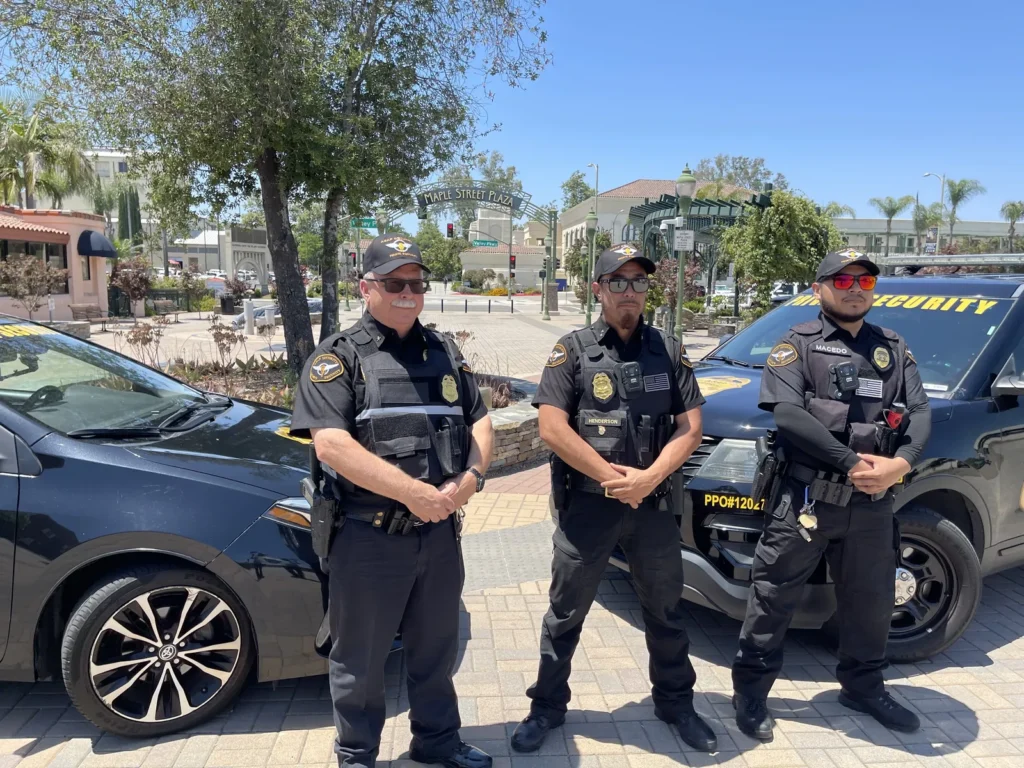
On any production budget, security is a necessary line item, but it’s better to view it as a critical investment. A single stolen camera or a leaked script can cost you far more than your entire security budget. The right movie set security plan is your insurance policy against costly delays and liabilities. It protects your assets, your people, and your timeline, ensuring the project stays on track. This guide breaks down what goes into a solid production set security strategy and shows you how to choose from film set security companies that deliver real value and peace of mind.
Key Takeaways
- Security is a production essential: Effective film set security is a comprehensive operation that protects your assets, manages access for cast and crew, and handles crowd control, allowing your production to run smoothly and safely.
- Do your homework before hiring: Prioritize security companies with proven entertainment industry experience. Always verify their state licensing and insurance, and insist on a custom security plan based on a thorough risk assessment of your locations.
- Quality guards and clear contracts are key: The best security guards combine professional training and backgrounds with strong communication and de-escalation skills. This expertise should be supported by a transparent service agreement that clearly outlines all responsibilities and costs.
What Does a Film Set Security Company *Actually* Do?
A film set is a dynamic, high-stakes environment. Beyond the creative chaos, it’s a workplace filled with expensive gear, high-profile talent, and a tight production schedule. A professional film set security company does more than just stand at the gate; they create a secure bubble where the cast and crew can focus on their work without disruption or danger. Their responsibilities are comprehensive, covering everything from managing access to protecting the stars. Let’s look at the key duties you can expect from a top-tier security team.
Securing the Perimeter and Managing Access
A film set can feel like a small city, and just like one, it needs clear entry and exit points. Film set security guards are your first line of defense, managing access control to restrict unauthorized entry. They check credentials, direct approved visitors, and ensure that only cast, crew, and essential personnel are on set. This is crucial for protecting sensitive plot details from leaking and preventing disruptions from fans or paparazzi. By maintaining a secure perimeter, they know how to keep a large gathering under control, ensuring the production environment remains private and productive.
Protecting Your Valuable Equipment and Assets
Film sets house millions of dollars in expensive equipment, from cameras and lighting rigs to valuable props and costumes. This makes them a prime target for theft. A key role for security is asset protection. Guards conduct regular patrols, monitor storage areas, and keep a close watch on all high-value items. Their visible presence is a powerful deterrent. This indispensable service protects not just physical assets but also the production’s budget and timeline, preventing costly delays that could result from stolen or damaged gear. Many productions rely on 24/7 security services to keep watch overnight.
Managing On-Set Crowds and Traffic Flow
When filming on location, managing the public is a major challenge. Security teams are experts in crowd and traffic management, a skill set often seen in event security. They create safe zones for the public to watch from a distance, handle curious onlookers, and deter paparazzi from interfering with the shoot. They also coordinate the flow of production vehicles, ensuring that trucks and trailers can move in and out without causing traffic jams or safety hazards. A secure and well-managed set is important for personal and property safety, which ultimately allows for better, more efficient work from everyone involved.
Keeping Your Cast, Crew, and VIPs Safe
The safety of your cast and crew, especially high-profile actors, is paramount. Film set security often includes specialized executive security to provide close protection for key talent. These guards are trained to identify potential threats and discreetly manage interactions with the public. They can escort actors to and from their trailers, manage their movements on and off set, and provide a secure presence that allows them to focus on their performance. This protection can be armed or unarmed and is available around the clock to ensure complete peace of mind for your most valuable personnel.
Responding to Emergencies and Performing Fire Watch
On a busy film set, anything can happen. A professional security team is trained for emergency response and fire watch duties. They are the first on the scene for medical incidents, accidents, or fires, providing immediate assistance and coordinating with local emergency services. On sets with special effects, pyrotechnics, or extensive wiring, having a dedicated fire watch is often a legal requirement. These guards are trained to spot fire hazards and use extinguishers, ensuring the safety of everyone on set and preventing a minor issue from becoming a major disaster.
Beyond the Set: Post-Production and Event Security
The need for security doesn’t wrap when the cameras stop rolling. A complete security plan extends into post-production and promotional events. Post-production houses are where your raw footage is edited into the final product, making them treasure troves of sensitive material. Security here is essential to protect the project from leaks. Later, when it’s time for premieres, press junkets, and after-parties, you’ll face a different set of challenges. These high-profile gatherings require expert crowd control and VIP protection. A professional team with experience in event security can manage red carpets, secure venues, and ensure the safety of your talent and guests, allowing everyone to celebrate the project’s success without incident.
Ensuring Confidentiality and Preventing Leaks
In the film industry, information is just as valuable as equipment. A leaked script, a spoiler-filled set photo, or an early cut of a scene can undermine years of hard work and millions in marketing dollars. A primary function of film set security is to protect your intellectual property. Guards enforce strict no-phone and no-photography policies, control access to sensitive areas like editing suites, and monitor for any unauthorized recording. This level of vigilance is about more than just keeping fans at bay; it’s about maintaining the integrity of your story. Think of it as a form of private security for your creative assets, ensuring that your project is revealed to the world on your terms, not because of a preventable leak.
Coordinating with Set Safety Officers and Health Services
Security guards are a vital piece of a larger safety puzzle on set. They don’t work in isolation but collaborate closely with set safety officers, medics, and fire marshals to create a secure and responsive environment. In any emergency—be it a medical issue, an accident, or a fire—the security team is often the first on the scene. Their training allows them to secure the area, administer initial aid, and clear a path for incoming emergency services. This coordination is critical for an efficient response that minimizes chaos and harm. Highly trained personnel, such as armed security guards, bring an added layer of expertise in managing high-stress situations, ensuring that every incident is handled with professionalism and control.
How to Choose the Right Film Set Security Company
Choosing the right security partner is one of the most important decisions you’ll make for your production. The right team does more than just stand at the gate; they integrate seamlessly into your operations, protecting your cast, crew, and expensive equipment from potential threats. A great security company provides peace of mind, allowing you to focus on creating. When you’re vetting potential partners, it’s about finding a team that understands the unique, high-stakes environment of a film set. Look for a provider who is professional, adaptable, and experienced in the specific challenges of the entertainment industry. This checklist will help you identify a security company that can safeguard your set effectively.
Why Film Industry Security Experience Is a Must
A film set isn’t like a corporate office or a retail store. It has unique security needs, from managing paparazzi and overzealous fans to protecting A-list talent and securing millions of dollars in equipment. That’s why it’s so important to choose a company with proven experience in the entertainment world. An experienced team already knows the rhythm of a production and understands the need for discretion and professionalism. They invest in recruiting security professionals and providing them with comprehensive training specific to event security, ensuring they can handle any situation that arises on set without disrupting your workflow. Ask potential companies for case studies or references from other productions they’ve worked with.
Leveraging Local Knowledge and Relationships
A security company with deep local roots is an invaluable asset for any film production. When you’re shooting in a specific region like Southern California, you need a team that understands the unique character and challenges of each neighborhood, from the busy streets of San Diego to the quiet communities of Orange County. A locally-savvy team knows the traffic patterns, local ordinances, and potential security hotspots. More importantly, they have established relationships with local law enforcement and emergency services. This connection is critical, ensuring a faster, more coordinated response if an incident occurs. This local expertise allows for a comprehensive security plan that is adaptable to the dynamic environment of a film set.
Adherence to Industry Safety Protocols (SAG-AFTRA)
The film industry operates under a specific set of safety protocols designed to protect its most valuable assets: the cast and crew. A professional security firm must be well-versed in these guidelines, including those set by unions like SAG-AFTRA. Adherence to these rules isn’t just about compliance; it’s about proactively creating a safe work environment. An experienced team knows that a single security lapse—like unauthorized access or theft—can bring the entire production to a halt. By understanding and enforcing industry-specific safety standards, your security partner helps prevent costly disruptions and ensures that everyone on set can work with confidence, knowing their well-being is a top priority.
Leadership with Entertainment Industry Insight
The best film set security companies are led by people who truly understand the entertainment business. When a company’s leadership has direct industry experience, they offer more than just guards; they provide a complete security strategy. They know the pressures of a production schedule and the importance of discretion. This insight allows them to anticipate potential issues and design a security plan that integrates seamlessly with your operations. Much like how former military and law enforcement leaders bring strategic discipline to corporate security, leaders with entertainment backgrounds can manage the complex logistics of a film set, using their experience to protect your project from start to finish.
Are They Properly Licensed and Insured?
This step is non-negotiable. Any legitimate security company must be fully licensed by the state and carry comprehensive insurance, including general liability and workers’ compensation. Proper licensing ensures their officers have met mandatory training and background check requirements. Adequate insurance protects your production from liability in case of an incident. Don’t just take their word for it; ask to see copies of their licenses and insurance certificates. A trustworthy and transparent company will have no problem providing this documentation. This simple verification step is a critical indicator of a reliable security provider and can save you from major legal and financial headaches down the road.
What Security Technology Do They Use?
Modern security goes far beyond a simple uniform and a flashlight. The best security companies leverage cutting-edge technology to keep your set secure. This includes high-definition surveillance cameras, advanced communication systems for the guard team, and electronic reporting systems for tracking incidents and patrols. On a film set, security also extends to protecting digital assets from leaks. A forward-thinking company will have protocols for securing electronic devices on set. When you’re interviewing a company, ask about the technology they use. Do they offer mobile security patrols with marked vehicles to create a visible deterrent? Their answer will tell you a lot about how seriously they take modern security threats.
Management Platforms for Scheduling and Communication
On a fast-moving production, clear communication isn’t just helpful—it’s essential for effective film set security. A professional team operates as a single, coordinated unit, which is impossible with a messy mix of radio calls and texts. This is why top-tier companies use management platforms as a digital command center. This software streamlines everything from guard scheduling to real-time incident reporting, ensuring every team member has the right information at the right time. When you’re evaluating a security partner, ask how they coordinate their team. A reliance on modern communication tools is a strong sign of a professional, organized operation, giving you the peace of mind to focus on your creative work.
Can They Adapt to Your Changing Schedule?
Film production schedules are anything but predictable. Shoots can run late, locations can change at the last minute, and you might suddenly need to scale your security team up or down. You need a security partner who can adapt with you. A flexible company can adjust staffing levels on short notice and provide 24/7 security services for overnight shoots or to protect the set when it’s empty. Before signing a contract, discuss your potential needs and ask how they handle schedule changes or emergency requests. The right partner will work with you to customize their services, ensuring you always have the right level of protection without paying for guards you don’t need.
Ask for a Custom Security Plan and Risk Assessment
A one-size-fits-all security plan is a red flag. Every location has unique vulnerabilities, and every production has specific security concerns. A top-tier security company will insist on performing a thorough risk assessment of your locations before they even give you a quote. Based on this assessment, they should develop a customized security plan tailored to your specific needs. This plan should detail patrol routes, access control points, emergency procedures, and communication protocols. This proactive approach shows that a company is truly invested in your safety and isn’t just trying to sell you a generic package of private security guards.
The Importance of Daily On-Site Risk Assessments
The initial risk assessment is a great starting point, but a film set is a living, breathing environment. What was secure yesterday might not be today. The blocking for a new scene could create a blind spot, a generator might be moved, or a different crew might need access to a previously restricted area. This is why daily on-site risk assessments are so important. A truly professional security team doesn’t just follow the initial plan; they adapt it. Each day, they should re-evaluate the set, checking for new vulnerabilities and adjusting their strategy as production plans change. This continuous vigilance, often supported by services like mobile security patrols, ensures your security posture remains robust and responsive. It’s a key indicator of a partner who is actively engaged in your project’s safety, not just punching a clock.
What Makes a Great Film Set Security Guard?
When you picture a security guard on a film set, you might imagine someone simply standing by a velvet rope. But the best guards are so much more than that. They are proactive, highly skilled professionals who integrate seamlessly with your crew to ensure the production runs smoothly and safely. The right guard can be the difference between a chaotic shoot and a secure, efficient one. They are your first line of defense, protecting everything from A-list talent to million-dollar camera equipment. So, what specific qualities and qualifications should you look for? It comes down to a combination of formal training, proven experience, and essential soft skills.
The Right Training and Certifications
A truly professional security guard has a foundation of rigorous training and official credentials. In California, every guard must be licensed by the Bureau of Security and Investigative Services (BSIS), which means they’ve completed state-mandated training and passed required checks. But the best security companies don’t stop there. They invest in continuous education for their teams, covering advanced topics like emergency response, first aid, and specific protocols for production environments. This commitment to comprehensive training ensures that the private security guards on your set are prepared for any situation, from managing an overzealous fan to responding to a medical incident.
Specialized Certifications: First Aid, CPR, and More
Beyond the standard state license, look for guards who hold specialized certifications. On a dynamic film set where stunts, special effects, and heavy equipment are common, having personnel certified in First Aid and CPR is invaluable. These guards can act as immediate responders in a medical emergency, providing critical care until paramedics arrive. Additional training in fire watch is also essential, especially on sets using pyrotechnics. Depending on the risk assessment of your production, you might require guards with different levels of training, from basic first aid to the advanced tactical skills of armed security guards. This level of preparedness shows a security professional can do more than just observe; they can actively contribute to the safety of everyone on set.
The Advantage of In-House Training Academies
Security companies that operate their own in-house training academies are a cut above the rest. While any company can hire guards who meet the state’s minimum requirements, those with dedicated training programs invest in creating a team that meets a higher, more consistent standard. These academies go beyond the basics, teaching advanced skills in patrol tactics, emergency response, public relations, and access control. This approach ensures every guard is trained to be flexible and adaptable, ready to handle the specific challenges of different environments. This is the kind of rigorous preparation often required for high-stakes assignments like corporate security services, and it’s just as critical for the unique demands of a film set. It’s a strong indicator that the company is committed to professionalism and excellence.
The Importance of a Thorough Background Check
You are placing an immense amount of trust in your security team. They have access to your cast, crew, and valuable assets, so you need absolute confidence in their integrity. A non-negotiable element of this is a thorough background check. Any reputable security firm will conduct comprehensive vetting of its personnel, including criminal history checks and reference verification. This process confirms a guard’s reliability and professionalism before they ever step foot on your set. It’s a fundamental step that protects your production from potential internal risks and gives you peace of mind knowing your team is trustworthy.
A Multi-Step Vetting Process
A basic background check is just the starting line. A truly professional security firm implements a multi-step vetting process that goes much deeper. This includes not only a comprehensive criminal history review but also verification of past employment, detailed reference checks, and an evaluation of the candidate’s character and professionalism. This is why many top-tier firms actively recruit individuals with prior military or law enforcement experience, as they bring a proven track record of discipline and have already undergone extensive government-level screening. This deep vetting ensures every guard is reliable, professional, and capable of handling the unique pressures of a film set. The process is especially critical for roles requiring the utmost discretion, such as providing executive security for your lead actors.
The Value of Military or Law Enforcement Experience
There’s a reason why many of the most effective security professionals have a background in law enforcement or the military. This experience provides an unparalleled level of training in discipline, threat assessment, and performance under pressure. Former officers and service members are conditioned to remain calm and act decisively in high-stakes environments. On a film set, this translates to a guard who is exceptionally observant, can anticipate potential issues before they escalate, and maintains a commanding yet approachable presence. This background ensures your executive security detail is managed by individuals with real-world crisis management skills.
Beyond Muscle: Communication and De-escalation Skills
A great security guard is an excellent communicator. They are often the face of your production, interacting with everyone from the public to studio executives. They need to provide clear directions, answer questions politely, and enforce rules without being confrontational. More importantly, they must possess strong de-escalation skills to peacefully resolve conflicts. A guard who can calmly talk down a tense situation is invaluable. Their role extends beyond just security; they help manage crew parking, inform local residents about filming, and contribute to a positive and professional atmosphere for everyone involved in the production.
The Risks of Inadequate Production Security
Cutting corners on security might seem like a way to trim the budget, but it’s a gamble that can backfire spectacularly. An unsecured film set is an open invitation for problems that can bring your entire production to a standstill. From stolen equipment to leaked plot points, the financial and reputational damage can far exceed the cost of a professional security team. These aren’t just hypothetical worries; they are common, preventable issues that plague productions that fail to prioritize safety. Understanding these risks is the first step toward protecting your project, your people, and your bottom line.
Costly Delays from Theft and Disruptions
A film set is a treasure trove of expensive gear, and without a watchful eye, it becomes a target. The theft of a single key camera or piece of sound equipment can halt filming for hours or even days, creating a domino effect of costly delays. Beyond theft, unauthorized people wandering onto a live set can disrupt a take, damage props, or create safety hazards that force a shutdown. These interruptions aren’t just frustrating; they burn through your budget at an alarming rate. A professional security presence, including mobile security patrols to monitor the lot and perimeter, acts as a powerful deterrent, ensuring your assets stay put and your shooting schedule stays on track.
Harassment and Unwanted Media Attention
High-profile actors attract attention, but there’s a line between enthusiastic fans and intrusive paparazzi. When that line is crossed, it can create a stressful and unsafe environment for your talent. Constant harassment can affect an actor’s performance and morale, while aggressive photographers can interfere with filming. A skilled security team is essential for managing this dynamic. They create a secure buffer zone, handle crowd control with professionalism, and provide discreet executive security for your VIPs. This allows your cast to focus on their craft without worrying about their privacy or safety, ensuring their best work makes it to the screen.
Data Leaks and Spoilers
In the age of social media, a single leaked photo or script page can spoil major plot points for a global audience, undermining your marketing efforts and potentially impacting box office success. Inadequate security makes it easy for someone to snap a picture of a secret costume, record a pivotal scene on their phone, or even get their hands on a script. Professional film set security is your best defense against these digital-age threats. By strictly managing access control and enforcing on-set policies like “no-phone zones,” guards ensure that your story’s secrets are safe until you’re ready to share them. Their presence is a constant reminder that confidentiality is a top priority.
The Hidden Benefits of Professional Film Set Security
Hiring a professional security team does more than just prevent problems; it actively adds value to your production in ways you might not expect. A visible, professional security presence sends a powerful message to your cast, crew, investors, and the community. It shows that you are running a tight, professional operation that values safety and order. This builds confidence and fosters a more positive and productive environment for everyone involved. Beyond the set, it helps build a positive reputation for your production company, opening doors for future projects. Let’s explore some of the hidden advantages of making security a priority.
Enhancing Your Production’s Reputation
When A-list talent, seasoned crew members, and major investors arrive on set, they immediately look for signs of professionalism. A well-organized security operation is one of the most visible indicators of a well-run production. It signals that their safety and the project’s integrity are being taken seriously. This builds immediate trust and respect, making people more confident in your leadership. This professional image, often supported by a team skilled in corporate security principles, shows that you are not just making a movie but running a serious business. This enhanced reputation can make it easier to attract top-tier talent and secure funding for your future projects.
Building Positive Community Relations
Filming on location means you are a guest in someone else’s neighborhood. The noise, traffic, and general disruption can easily create friction with local residents and businesses. A professional security team acts as a crucial ambassador for your production. Guards can politely redirect pedestrians, manage traffic flow to minimize congestion, and provide information to curious neighbors. Their ability to handle public interactions with courtesy and respect, a skill often honed in event security, can transform a potential source of conflict into a positive experience for the community. This goodwill is invaluable, making it much easier to obtain permits and cooperation for future shoots in the area.
How Much Does Movie Set Security Cost?
Understanding the budget for film set security is a critical step in your production planning. The costs can vary quite a bit, but they don’t have to be a mystery. The final price tag depends on your specific needs, from the number of guards you hire to the level of protection required. A professional security partner will be transparent about their pricing and work with you to develop a plan that protects your cast, crew, and equipment without breaking the bank. Let’s look at the key components that make up the cost of securing your set.
Hourly Rates vs. Package Deals: What to Choose?
When you hire security guards, you’ll typically see pricing structured either by the hour or as a daily package. Hourly rates generally fall between $25 and $60 per guard. This option is great for short-term needs, like a one-day shoot in a single location or if you only need extra coverage for a few hours. For longer productions that span several days or weeks, a daily or weekly package is often more cost-effective. These packages provide consistent coverage and can simplify your budgeting process, ensuring your set is protected around the clock without you having to track every hour.
Typical Hourly Rates in Major Production Hubs
In major production hubs like Los Angeles, the hourly rate for a single guard can vary significantly based on their duties and qualifications. You can generally expect security for TV and film sets to cost between $30 and $70 per hour per guard. The lower end of this range typically covers a standard, unarmed guard for basic access control. The higher end reflects the cost for more experienced or specialized personnel, such as an armed security guard or one with specific training in executive protection. A professional security company will provide a transparent quote that breaks down these costs, helping you understand exactly what you’re paying for and ensuring the plan fits your production’s unique risk profile.
A Real-World Cost Example
To make these numbers more concrete, let’s look at a simple, real-world scenario. For a standard 12-hour shooting day, hiring two unarmed guards will typically cost between $720 and $1,080. This calculation gives you a solid baseline for budgeting a single day of filming in a controlled environment. Of course, this is a starting point. If your production involves multiple locations, overnight shoots requiring 24/7 security services, or large-scale crowd control, your costs will scale accordingly. The key is to work with a security partner who can provide a detailed, customized quote based on a thorough assessment of your project’s specific needs.
The Cost of Armed vs. Unarmed Guards
Deciding between armed and unarmed guards will also impact your budget. Because of their advanced training, licensing, and the higher level of risk they assume, armed security guards come at a premium. You can expect to pay between $30 and $70 per hour for an armed guard. While not every set requires this level of protection, it’s a necessary investment when you have high-value assets, A-list talent, or are filming in a location with a higher risk profile. Unarmed guards are perfect for managing access points, directing foot traffic, and maintaining a visible, professional presence to deter potential issues.
What Other Factors Influence the Cost?
A simple hourly rate doesn’t tell the whole story. Your final cost is tailored to the unique demands of your production. Several key factors will influence the quote you receive from a security company. The size and complexity of your set play a big role; a large, open outdoor location with multiple entry points will require more resources than a closed soundstage. The overall risk level, duration of the shoot, and specific duties required also affect the price. For example, if you need 24/7 security services or specialized talent protection, your costs will reflect that.
How to Find Discounts and Package Deals
Don’t hesitate to discuss your budget with potential security partners. Many companies are willing to create custom packages that fit your production’s needs and financial constraints. For long-term projects, you can often secure a better rate by booking services for the entire duration of the shoot. Bundling different services, such as on-set guards with overnight mobile security patrol for your base camp, can also lead to discounts. A good security provider will act as a partner, helping you build a smart, efficient plan that provides maximum protection without unnecessary expenses. Always ask for a detailed proposal outlining all costs upfront.
Your Final Checklist Before You Hire
You’ve narrowed down your options and are close to making a decision. Before you sign on the dotted line, taking a few final steps will ensure you’re partnering with the right security team for your film set. This last bit of due diligence protects your production, your crew, and your investment. It’s about confirming that the company’s promises align with its actual practices. Think of it as the final quality check that guarantees peace of mind when the cameras start rolling. A professional security company will welcome your questions and provide clear, direct answers, solidifying your confidence in their ability to handle the unique demands of a production environment.
What Are Their Past Clients Saying?
Don’t just take the company’s word for it; see what past clients have to say. Ask for references, specifically from other production managers or location scouts who have used their services. When you speak with them, go beyond a simple “Were you happy?” Ask specific questions about the guards’ professionalism, their ability to adapt to last-minute changes, and how they handled any incidents that arose. A reputable company will have a list of satisfied clients ready to share. This firsthand feedback is invaluable and gives you a real-world picture of the company’s performance, reliability, and how they operate on a busy set.
How Will They Respond in an Emergency?
A film set is a dynamic environment where anything can happen. Your security team is your first line of defense, so you need to know they have a solid plan for emergencies. Ask the company to walk you through their response protocols for various scenarios, such as medical incidents, fire, equipment theft, or unauthorized intruders. How do they communicate with the crew and local authorities? Do they provide guards with specific training for on-set emergencies? A professional firm will have clear, documented procedures and should be able to provide you with a confident and thorough explanation of their 24/7 security services and crisis management plans.
Read the Service Agreement From Top to Bottom
The service agreement is more than just a formality; it’s the blueprint for your partnership. Read every line and make sure you understand all the terms. The contract should clearly outline the scope of services, the number of guards, their specific duties, the hours of coverage, and a detailed cost breakdown. Pay close attention to clauses related to liability, insurance coverage, and cancellation policies. A trustworthy company will offer a transparent, comprehensive agreement and be willing to customize it to your production’s specific needs. If anything seems vague or confusing, ask for clarification before you commit.
Debunking Common Myths About Film Set Security
Let’s clear up a couple of common misconceptions about film set security. One myth is that security is only necessary to keep paparazzi away from A-list talent. In reality, their role is much broader, covering everything from asset protection and access control to crew safety and traffic management. Another myth is that any security guard can handle a film set. Productions are unique environments that require specialized knowledge. Guards need to understand set etiquette, handle diverse groups of people, and manage the specific risks associated with event security. Hiring an experienced team prevents costly disruptions and ensures your set runs smoothly.
Related Articles
- 6 Top Private Security Companies in the USA | ASAP Security Guards
- The Role of Corporate Security Guard Services In Business Operations
- Manufacturing Facility Security: A 7-Step Guide | ASAP Security Guards
Frequently Asked Questions
When should I choose armed guards over unarmed guards for my film set? The decision to hire armed guards really depends on your specific risk assessment. You should consider armed security if you’re filming in a high-risk area, have A-list talent requiring close protection, or are securing extremely valuable props or equipment overnight. Armed guards provide a higher level of deterrence and are trained for worst-case scenarios. For most standard situations, like managing public access or monitoring a closed set, professional unarmed guards are perfectly effective.
How far in advance do I need to book security for my production? It’s always best to book your security team as soon as you have your locations and general schedule confirmed. Giving a security company at least a week or two of notice allows them to conduct a proper risk assessment and develop a customized plan for your set. While reputable companies can often accommodate last-minute requests, booking in advance ensures you get the best-prepared team for your specific needs without any rush.
Can your security guards help with tasks other than just watching the perimeter? Absolutely. A great security team integrates with your production crew. Beyond their primary security duties, our guards can assist with logistics like directing crew parking, managing the check-in process for extras, and politely communicating with local residents or businesses about the shoot. They become a helpful, professional presence on set, contributing to a smooth and organized production environment for everyone.
My production has a tight budget. Is professional security really worth the cost? I completely understand budget constraints, but professional security is an investment in preventing much larger, more expensive problems. A single incident, like the theft of a key piece of equipment or a disruption that shuts down filming for a few hours, can cost you far more than the daily rate for a security team. A secure set allows your cast and crew to work efficiently and without worry, protecting your schedule, your assets, and your people.
How does your company handle last-minute changes to the filming schedule or location? Flexibility is essential in the film industry, and we build our services around that reality. We maintain open communication with your production team and have the resources to adapt quickly. Whether a shoot runs late, a location changes overnight, or you suddenly need to add more guards for a complex scene, we can adjust our staffing and deployment plans accordingly. Our goal is to provide consistent, reliable protection no matter what your production schedule throws our way.
Look for a Dedicated Point of Contact
When things get hectic on set, who do you call? You don’t want to be scrambling for a number or explaining the situation to a different person every time. A dedicated point of contact—a specific manager or supervisor assigned to your production—is essential. This person is your direct line for everything, from last-minute schedule changes to coordinating emergency responses. They understand your custom security plan inside and out and ensure the team of private security guards on the ground executes it flawlessly. Having one person to communicate with builds trust and efficiency, allowing you to focus on your production instead of managing security logistics.
