
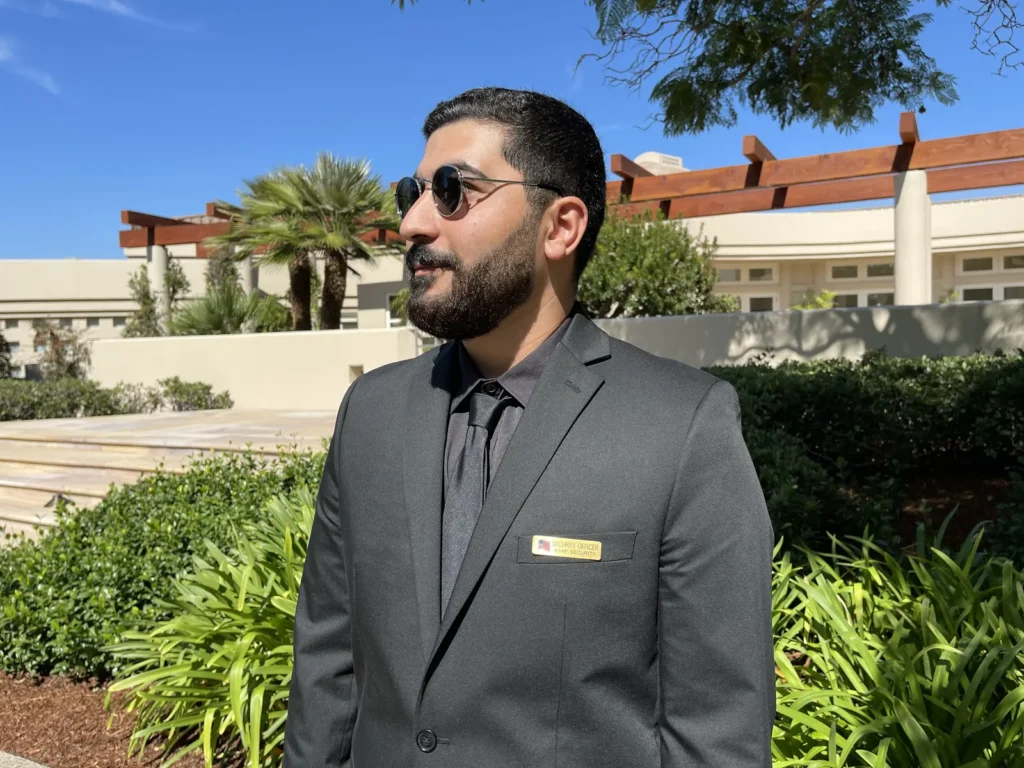
A hotel is a city within a building, bustling with a constant flow of new people and unpredictable situations. This dynamic environment presents unique and complex challenges that require more than just a uniform and a flashlight. A guard must be a diplomat, a first responder, and a keen observer all at once. They handle everything from disruptive guests and medical emergencies to preventing theft and managing access to sensitive areas. This multifaceted role demands a high level of training in communication, conflict resolution, and emergency protocols. The true duties of a hotel security guard are far more intricate than they appear, requiring a professional who can navigate these daily complexities with calm and competence.
Key Takeaways
- Security and service go hand in hand: An effective guard is both a protector and a hospitality professional, using strong communication skills to create a welcoming atmosphere that makes guests feel safe and valued.
- Proactive routines are the foundation of safety: Consistent patrols, equipment checks, and active surveillance monitoring are the daily tasks that prevent incidents, ensuring a secure environment long before an emergency occurs.
- The right skills make all the difference: Look for guards with more than just a uniform; essential qualifications include first aid certification, de-escalation training, and keen observation to handle any situation calmly and effectively.
What Does a Hotel Security Guard Do?
A hotel security guard wears many hats to keep your property safe and your guests happy. Their role is a careful blend of vigilance, customer service, and quick thinking. Far from just being a presence at the door, a professional guard is an active part of your hotel’s operations, ensuring a secure and welcoming environment for everyone. They are your first line of defense against potential threats and a key player in creating a positive guest experience. From patrolling the grounds to managing access and enforcing policies, their duties are essential to the smooth and safe running of your establishment.
Patrol and Monitor the Property
A guard’s most visible duty is often their patrol. Professional guards conduct regular mobile security patrols through all areas of the hotel, including lobbies, hallways, parking lots, and event spaces. This consistent presence helps deter potential issues and allows them to spot anything out of the ordinary, from a security risk to a maintenance problem. In addition to physical patrols, they keep a close watch on security camera feeds. By monitoring CCTV, they can quickly spot unusual activities and respond before a situation escalates, providing comprehensive oversight of the entire property.
Control Access and Verify Guests
Managing who comes and goes is fundamental to hotel security. Guards are responsible for controlling access points to ensure only authorized individuals enter the hotel and its restricted areas, like guest floors or staff-only zones. This often involves checking guest reservations, verifying IDs, and issuing visitor passes. By carefully managing entry, guards play a crucial role in protecting guest privacy and preventing unauthorized access to sensitive areas. This level of control helps maintain a secure environment where guests can relax, knowing their safety is a top priority.
Enforce Hotel Policies and Safety Rules
Security guards are the on-the-ground team responsible for ensuring hotel policies are followed. This includes everything from managing noise complaints to enforcing rules in common areas like the pool or fitness center. They are trained to handle these situations with professionalism and tact, de-escalating potential conflicts between guests or with staff. Guards also play a vital role in overall safety by making sure everyone follows safety rules, participating in safety drills, and identifying and reporting any potential hazards on the property.
How Do Security Guards Keep Guests and Staff Safe?
A security guard’s role is much more than just standing watch. They create a safe and welcoming environment by actively preventing issues before they start. This involves a blend of sharp observation, a visible presence, and the ability to respond quickly and effectively to any situation. By managing surveillance, identifying potential threats, and working with local authorities, security guards provide a comprehensive safety net that protects everyone on the property, from guests checking in to the staff working behind the scenes.
Monitor Surveillance and Respond to Alerts
A key part of modern hotel security involves keeping a close eye on surveillance systems. Guards don’t just passively watch camera feeds; they actively monitor for anything out of the ordinary and are trained to interpret events in real-time. This constant vigilance allows them to spot potential issues, like an unauthorized person in a restricted area or a developing conflict, and respond immediately. Having a team that provides 24/7 security services ensures that this critical monitoring never stops. By responding to alerts from security systems, whether it’s a door alarm or a motion sensor, guards can prevent incidents from escalating, ensuring a swift and decisive resolution.
Identify and Address Suspicious Activity
Beyond the control room, a security guard’s physical presence is a powerful deterrent. Regular patrols of the entire property, including lobbies, hallways, parking lots, and event spaces, are essential. During these patrols, guards aren’t just walking a set route; they are looking for anything that seems out of place. This could be an unattended bag, a person loitering in a strange area, or a malfunctioning security device. Their training allows them to identify suspicious activity and address it professionally and discreetly, minimizing disruption to your guests. These mobile security patrols are fundamental to maintaining a secure and orderly environment for everyone.
Coordinate with Local Law Enforcement
While hotel security guards are highly trained to handle many situations, they also serve as a vital link to local law enforcement. A professional security team knows exactly when and how to contact the police for incidents that require their intervention. They work closely with local authorities to report serious issues, share relevant information, and help create effective emergency plans for the property. This partnership ensures that in a major emergency, the response is coordinated and efficient. For large gatherings, this collaboration is especially critical for successful event security, providing an extra layer of protection and peace of mind for everyone involved.
What Skills Do Hotel Security Guards Need?
Effective hotel security is about more than just a uniform; it’s about having the right people with the right skills. A great security guard is a unique blend of a trained professional, a calm communicator, and a sharp observer. They need a solid foundation of formal training combined with the interpersonal skills to handle any situation with grace and authority. When you’re looking for a security team, understanding these core competencies is key to ensuring your guests, staff, and property are truly protected. Let’s look at the specific skills that separate an average guard from an exceptional one.
Essential Certifications and Training
While a high school diploma is the typical starting point, professional hotel security requires much more. Guards need specialized training in property patrolling, surveillance camera monitoring, theft prevention, and emergency response protocols. This isn’t just about knowing what to do; it’s about having the confidence and muscle memory to act decisively under pressure. Reputable security providers ensure their teams receive ongoing education to stay current with the latest techniques and technologies. This foundational training is what allows private security guards to effectively protect your property and create a secure environment for everyone. It’s the bedrock upon which all other security skills are built.
CPR and First Aid Certification
In any hotel, medical situations can arise unexpectedly. A security guard is often the first person on the scene, making CPR and first aid certification absolutely essential. Whether it’s a guest who has slipped near the pool or someone experiencing a serious medical event, a guard’s ability to provide immediate assistance can be life-saving. Having officers trained to handle these emergencies demonstrates a deep commitment to guest welfare. This skill transforms a security presence from a purely protective role into a supportive one, offering peace of mind that help is always close by. You can learn more about the importance of this training from the American Red Cross.
Strong Communication and Conflict Resolution Skills
A hotel security guard interacts with everyone from vacationing families to business executives and hotel staff. Because of this, strong communication skills are non-negotiable. Guards must be able to speak clearly and calmly with guests, employees, and local law enforcement, especially during stressful situations. The ability to de-escalate a tense situation is one of the most valuable skills a guard can possess. It can prevent a minor disagreement from turning into a major incident. This blend of approachable customer service and firm conflict resolution is crucial for maintaining a safe and welcoming atmosphere, a core component of our corporate security services.
Physical Fitness and Keen Observation
Hotel security is an active role. Guards must be physically fit enough to patrol large properties for extended periods, respond quickly to alarms, and, if necessary, handle physical confrontations. But fitness is only half the equation. A guard’s most powerful tool is their sense of observation. They need to be skilled at noticing unusual behaviors or out-of-place details that could signal a security risk. This proactive mindset is what allows them to address potential threats before they escalate. An observant guard on a mobile security patrol can identify and resolve vulnerabilities, ensuring the property remains secure around the clock.
How Do Guards Handle Emergencies?
When an emergency strikes, a security guard’s role instantly shifts from quiet observer to decisive leader. Their ability to stay calm and follow established protocols is what keeps everyone safe. A guard’s training prepares them to manage everything from medical incidents to building-wide evacuations with confidence and control. Here’s a closer look at how trained guards handle critical situations.
Respond to Medical Emergencies
When a guest or staff member has a medical issue, a security guard is often the first person to respond. They are trained to provide immediate assistance, like administering first aid or CPR, while waiting for paramedics to arrive. Their job is to assess the situation quickly, keep the person comfortable, and clear the area for emergency medical services. This quick, professional action can make a significant difference in the outcome. They also act as a vital link, providing first responders with crucial information upon their arrival.
Manage Fire Safety and Evacuations
In the event of a fire alarm, a security guard’s training immediately kicks in. They are prepared to act as first responders, guiding guests and staff to safety. Their responsibilities include calmly directing evacuations, checking rooms to ensure everyone is out, and securing the area for the fire department. By managing the flow of people and communicating clearly, they help prevent panic and ensure an orderly exit. This proactive management is a key part of any hotel’s emergency preparedness plan and a core duty for any event security team.
Document and Report Incidents Accurately
After an emergency is under control, a security guard’s work isn’t finished. They must create a detailed incident report, documenting everything that happened. This report includes the time, location, people involved, and the specific actions taken. This documentation is essential for several reasons. It provides a clear record for legal and insurance purposes and helps hotel management review and improve safety procedures for the future. Accurate reporting ensures accountability and contributes to a safer environment for everyone, demonstrating the diligence of professional private security guards.
How Do Guards Balance Security with Customer Service?
A hotel security guard is often one of the first and last people a guest sees, making their role a delicate balance between providing robust security and delivering exceptional customer service. The job goes far beyond simply monitoring cameras or patrolling hallways. It’s about being an approachable, helpful presence that actively enhances the guest experience. A truly effective security team understands that a safe environment is also a welcoming one. They know that making guests feel comfortable and valued is just as critical as protecting the premises. This dual focus is what elevates a security program from adequate to outstanding, directly contributing to a hotel’s reputation for both safety and five-star service. When security and hospitality work hand-in-hand, guests feel genuinely cared for, which is the ultimate goal.
Assist Guests and Provide Information
Think of your security guards as ambassadors for your hotel. Beyond their security duties, they are a key resource for guests. A great guard is ready to offer a warm greeting, provide directions to the pool, or answer questions about local attractions. This helpfulness makes them an approachable part of the hospitality team, not just a silent observer in a uniform. When guests feel comfortable interacting with security, they are more likely to report concerns, which in turn helps the team identify and address potential issues proactively. This service-oriented approach integrates private security guards seamlessly into the guest experience, making safety feel like a natural extension of the hotel’s welcoming atmosphere.
Maintain a Professional Appearance and Demeanor
First impressions are everything, and a security guard’s appearance speaks volumes about your hotel’s standards. A crisp, clean uniform and a calm, confident demeanor project authority and competence, immediately putting guests at ease. This professionalism is about more than just aesthetics; it builds trust. Guests need to feel confident that the individuals responsible for their safety are reliable, discreet, and in control. A professional presence serves as a powerful visual deterrent to potential troublemakers while reassuring legitimate guests that they are in a secure, well-managed establishment. This commitment to a professional image reflects the high standards of your corporate security services and the hotel itself.
Use De-escalation Techniques Effectively
The most skilled security guards resolve problems before they ever escalate. Using calm communication, active listening, and empathy, a well-trained guard can defuse tense situations with disruptive or upset guests. This ability is essential for maintaining a peaceful and pleasant atmosphere throughout the hotel. Instead of creating a bigger scene, a guard trained in de-escalation can manage conflicts discreetly and professionally, ensuring the comfort and safety of all other guests. This approach minimizes disruptions and protects the hotel’s reputation for providing a serene and enjoyable environment, which is especially critical during large gatherings or event security functions.
Build Trust with Positive Guest Interactions
Every positive interaction, no matter how small, helps build a foundation of trust between guests and the security team. From a friendly nod in the lobby to helping a family with their luggage, these moments show that security is there to help, not just to enforce rules. When guests view security personnel as helpful and reliable figures, they can fully relax and enjoy their stay. This trust is the cornerstone of a successful hotel security program, ensuring guests feel protected without feeling policed. Ultimately, a security team that excels at customer service helps create positive memories and encourages repeat business, making them an invaluable asset to your hotel’s operations.
What Are the Daily Challenges of Hotel Security?
A hotel is a constantly changing environment, with new guests arriving and departing every day. This dynamic atmosphere creates unique security challenges that require a blend of vigilance, diplomacy, and quick thinking. While a guard’s primary role is to protect people and property, their daily duties involve much more than just monitoring cameras. They are on the front lines, managing complex human interactions and navigating situations that can change in an instant.
From handling disruptive individuals to preventing theft in a bustling lobby, hotel security personnel face a wide range of issues. They must maintain a delicate balance, ensuring the hotel is a secure place without compromising the welcoming, hospitable experience guests expect. This requires not only rigorous training but also a deep understanding of the specific vulnerabilities of a hotel setting. Addressing these challenges effectively is key to maintaining a hotel’s reputation and ensuring the safety of everyone on the property, from guests to staff. A professional security team is trained to handle these hurdles with poise and expertise.
Handle Intoxicated or Disruptive Guests
Even authorized guests can sometimes become a security concern. Whether fueled by alcohol or personal disputes, disruptive behavior can quickly escalate, threatening the safety and comfort of other guests and staff. A professional security guard is trained to intervene calmly and effectively, using de-escalation techniques to resolve conflicts before they spiral out of control. Their presence alone can deter anti-social behavior, but when issues like vandalism or threats arise, they are prepared to act decisively. This is especially critical for hotels that host large gatherings or have active bar scenes, where professional event security becomes an essential part of the guest experience.
Balance Security Measures with Guest Privacy
Hotels are unique in that they are both public spaces and private retreats. A key challenge for security is to be a visible, reassuring presence without making guests feel like they are under constant surveillance. The goal is to create a secure environment where guests can relax, not one that feels restrictive or intrusive. This means strategically positioning guards, using technology discreetly, and interacting with guests in a friendly, professional manner. An experienced guard understands how to be approachable and helpful while remaining alert, ensuring that security measures enhance the guest experience rather than detract from it. This balance is the hallmark of excellent private security in the hospitality industry.
Prevent Theft and Protect Property
Theft is one of the most persistent security issues in the hospitality industry. With so many people coming and going, opportunities for crime can arise in lobbies, parking garages, and other common areas. A guard’s duties include actively monitoring these vulnerable spots to deter potential thieves. This involves everything from watching for unattended luggage to patrolling parking lots to prevent car break-ins. By maintaining a consistent and visible presence, security personnel significantly reduce the risk of theft. Regular mobile security patrols are an effective strategy for covering large properties and ensuring all areas, not just the main entrance, are secure.
Stay Vigilant During Long Shifts
Hotel security is not a nine-to-five job; it’s a round-the-clock responsibility. The need for alertness is constant, whether it’s the middle of a busy afternoon or the quiet hours of the early morning. Staying focused and observant during long shifts, especially overnight, is a significant challenge. Professional guards are trained to manage fatigue and remain sharp, recognizing that security threats can emerge at any time. This level of dedication is crucial for providing reliable protection. Having dependable 24/7 security services ensures that your property, guests, and staff are always protected by a team that is awake, alert, and ready to respond.
What Technology and Equipment Do Hotel Guards Use?
A professional security guard is your most valuable asset, but their effectiveness is amplified by the right tools. Modern hotel security relies on a sophisticated blend of technology and equipment that allows guards to be more efficient, responsive, and proactive. From keeping an eye on every corner of the property to managing who comes and goes, these tools are essential for creating a safe and welcoming environment for everyone.
Security Cameras and Monitoring Software
Think of security cameras, or CCTV, as the guard’s eyes in the sky. These systems cover lobbies, hallways, parking lots, and other key areas, feeding live video to a central monitoring station. A trained guard doesn’t just passively watch; they actively look for unusual behavior, unattended luggage, or signs of distress. This technology allows a single officer to oversee large areas at once, ensuring that potential issues are spotted and addressed quickly. With comprehensive 24/7 security services, this constant vigilance provides a powerful layer of protection, deterring criminal activity and documenting any incidents that occur on the property.
Communication Devices and Alert Systems
Clear and instant communication is the backbone of any effective security operation. Guards carry two-way radios or use dedicated mobile apps to stay in constant contact with each other, hotel management, and other staff members. This seamless connection ensures a rapid, coordinated response to any situation, from a medical emergency to a disruptive guest. They are also the first to respond to integrated alert systems, such as fire alarms or panic buttons. This ability to communicate effectively is especially critical for event security, where guards must manage large crowds and coordinate with multiple teams to ensure a safe and orderly function.
Modern Access Control Systems
Controlling who enters the property and specific areas within it is fundamental to hotel security. Guards use modern access control systems to manage this flow. This includes everything from verifying guest reservations at the entrance to monitoring electronic key card systems that restrict access to guest floors, fitness centers, and staff-only areas. By managing these systems, guards ensure that only authorized individuals can enter sensitive zones, protecting both guest privacy and hotel assets. These measures are a core part of providing professional private security guards who can maintain a secure perimeter while still offering a welcoming experience for legitimate guests and visitors.
A Look at Daily Security Operations
A hotel security guard’s role is built on a foundation of consistent, daily routines. While they are expertly trained to handle emergencies, their most important work involves the meticulous, day-to-day tasks that prevent incidents from ever happening. These operations create a predictable and secure environment where guests and staff can feel genuinely safe. From the moment the first staff member arrives until the last one leaves, security is an active, integrated part of the hotel’s rhythm. This proactive approach involves everything from securing the building at night and managing access points during the day to ensuring all security equipment is ready for action at a moment’s notice. It’s this steady presence and unwavering attention to detail that forms the backbone of effective hotel security. By focusing on prevention through established procedures, guards transform a potentially chaotic environment into a well-managed and protected space, allowing your hospitality to shine.
Follow Opening and Closing Procedures
A secure day at a hotel begins and ends with strict procedures. Security guards are responsible for overseeing the opening and closing of the property, ensuring every protocol is followed to the letter. This includes a thorough check of all entrances, exits, and restricted areas to confirm they are properly secured. Guards manage alarm systems, verify that no unauthorized individuals remain on the premises after hours, and secure valuable assets. These routines are critical for preventing theft, vandalism, and unauthorized access. By establishing a secure perimeter at the start and end of each day, security officers set the standard for a safe environment around the clock.
Coordinate with Hotel Management and Staff
Security doesn’t operate in a vacuum. Effective hotel security relies on seamless communication and collaboration with the entire hotel team. Guards work closely with hotel managers, front desk staff, and housekeeping to share important information and report any incidents or concerns. This might involve daily briefings to discuss potential issues, alerting maintenance to a broken lock, or coordinating with reception to manage a difficult guest situation. This teamwork ensures that everyone is on the same page, creating a unified front that strengthens the hotel’s overall corporate security services posture and keeps operations running smoothly.
Perform Regular Equipment Checks
The technology that supports hotel security is only effective if it’s working correctly. A key daily task for guards is performing regular checks on all security equipment. This includes walking the property to inspect surveillance cameras, testing access control systems on doors, and verifying that communication devices like two-way radios are fully operational. By identifying and reporting any malfunctions, guards ensure that these critical tools are reliable when they are needed most. These routine inspections are a fundamental part of providing dependable 24/7 security services, preventing system failures before they can become a security risk.
How Security Supports Overall Hotel Operations
A professional security team does more than just stand at the door. They are a vital part of your hotel’s operational ecosystem, working behind the scenes to ensure everything runs smoothly. Think of them as the backbone of your guest experience strategy. When security is fully integrated with your other departments, they help create a safe and welcoming environment where guests feel cared for and staff can perform their best work. This synergy is what separates a standard hotel stay from an exceptional one. Effective security isn’t about reacting to incidents; it’s about proactively contributing to a seamless operation, from the front desk to the ballroom. By collaborating with staff, managing special functions, and keeping meticulous records, security officers become an indispensable asset to your hotel’s success.
Collaborate with Housekeeping and Front Desk Teams
Great hotel security is built on communication. Your security officers should be in constant contact with front-of-house and back-of-house teams. They work closely with receptionists, concierges, and managers to share information and report any unusual activity. For example, the front desk can discreetly alert security to a potentially problematic guest at check-in, while security can notify housekeeping of a room that requires special attention after an incident. This open line of communication ensures that potential issues are addressed swiftly and quietly, often before guests are even aware of them. This teamwork is essential for maintaining a calm and secure atmosphere throughout the property.
Support Security for Events and Special Functions
From corporate conferences to weddings, hotels are hubs for special events. A dedicated security presence is crucial for making sure these functions are both safe and successful. Professional guards manage access points, oversee crowd control, and protect hotel property from damage. They also provide a reassuring presence that allows event organizers and attendees to relax and enjoy the occasion. Whether it’s a large convention or an intimate VIP gathering, specialized event security is key to handling any situation that may arise, from medical issues to disruptive individuals, ensuring every event reflects positively on your hotel.
Maintain Detailed Security Logs
Thorough documentation is a non-negotiable part of a security officer’s duties. Guards are trained to write detailed and accurate reports for every incident, no matter how minor it may seem. These logs are much more than simple records; they are vital tools for the hotel’s management team. Incident reports are essential for any subsequent investigations and can be critical in liability cases. Over time, this data helps you identify patterns, pinpoint vulnerabilities in your safety protocols, and make informed decisions to improve security measures. This commitment to detailed reporting helps protect your hotel and continuously refines its approach to guest safety.
What Are the Career Paths in Hotel Security?
A role in hotel security is more than just a job; it’s the start of a dynamic career path with significant potential for growth. For hotel managers, partnering with a security firm that invests in its team’s professional development means you get dedicated, skilled, and motivated officers protecting your property. When security personnel see a clear future, they are more committed to their roles, which translates into a safer and more secure environment for your guests and staff. This commitment to growth is what sets a professional security team apart, ensuring the people on your property are not just filling a post but are building a career in safety and protection. A well-defined career ladder, from entry-level positions to specialized management roles, ensures that your security detail is always led by experienced and knowledgeable professionals. This structure fosters a culture of excellence and accountability. Officers are not just thinking about their current shift; they are considering their long-term impact and reputation within the company and the industry. This forward-thinking approach leads to proactive security measures, better incident response, and a team that genuinely cares about the well-being of your hotel. Ultimately, a security partner that provides clear career paths is providing you with a higher caliber of service and a more resilient security posture for your entire operation.
Opportunities for Advancement and Specialization
The journey often begins as a security guard, but it certainly doesn’t end there. With experience and a proven track record, an officer can advance to a security supervisor, leading a team and helping to shape daily security protocols. The next steps could be security manager or even director of safety and security, roles that involve strategic planning and close collaboration with hotel leadership. Beyond the traditional ladder, there are opportunities to specialize. An officer might focus on becoming an expert in surveillance technology, managing the complex camera and alert systems. Others may pursue roles in risk management or loss prevention, working to proactively identify and mitigate potential threats to the hotel’s assets and reputation.
Continuing Education and Professional Development
A great security professional is always learning. Top security firms encourage their teams to participate in ongoing training to sharpen their skills in conflict resolution, emergency response, and the legal aspects of security. Many organizations offer continuing education programs that help security professionals stay ahead of new challenges. Earning respected industry certifications, like the Certified Protection Professional (CPP), can also open doors to more advanced positions. Attending industry workshops and conferences provides valuable opportunities to network with peers and learn about the latest best practices, ensuring your security team is equipped with the most current knowledge to protect your hotel effectively.
Related Articles
- A Manager’s Guide to Hotel Security Guards | ASAP Security Guards
- Types of Security Guards Explained: Roles & Services | ASAP Security Guards
- The Role of Corporate Security Guard Services In Business Operations
Frequently Asked Questions
Why is professional training so important for a hotel security guard? Professional training is what separates a simple observer from a true safety asset. While anyone can stand watch, a trained guard knows how to de-escalate a tense conflict, administer first aid in a medical emergency, and manage an orderly evacuation during a fire alarm. This specialized education prepares them to handle the unique challenges of a hospitality setting with confidence and discretion, ensuring they protect your guests and property effectively.
How can a security guard enhance my hotel’s reputation? A great security guard contributes directly to the positive guest experience that builds a strong reputation. By being a calm, professional, and helpful presence, they make guests feel safe and cared for. They handle disruptions discreetly, preserving a peaceful atmosphere for everyone else. When guests feel secure and see that your staff is professional at every level, they are more likely to leave positive reviews and book a return stay.
My hotel is in a safe area. Do I still need a security team? Security is about much more than just preventing crime from the outside. Many challenges a hotel faces are internal, such as guest disputes, medical incidents, or fire safety issues, which can happen in any location. A professional security team is trained to manage these situations efficiently. Their presence also provides a fundamental sense of safety and peace of mind, which is a key part of the premium experience guests expect.
What’s the first step to integrating a security team with my existing hotel staff? The best first step is to establish clear and open communication. Before the first shift, arrange a meeting between the security supervisor and your department heads, especially the front desk, housekeeping, and event managers. This allows them to discuss procedures, establish points of contact, and define how they will work together in various scenarios. When security is treated as part of the team from day one, collaboration becomes natural and effective.
Can a security guard handle large events like conferences or weddings? Absolutely. In fact, managing event security is a specialized skill that a professional team is well-equipped to handle. For large functions, guards are essential for controlling access, managing crowd flow, and responding quickly to any issues that arise in a concentrated area. Their presence ensures the event runs smoothly and safely, protecting your property and providing a secure environment for all attendees.
