
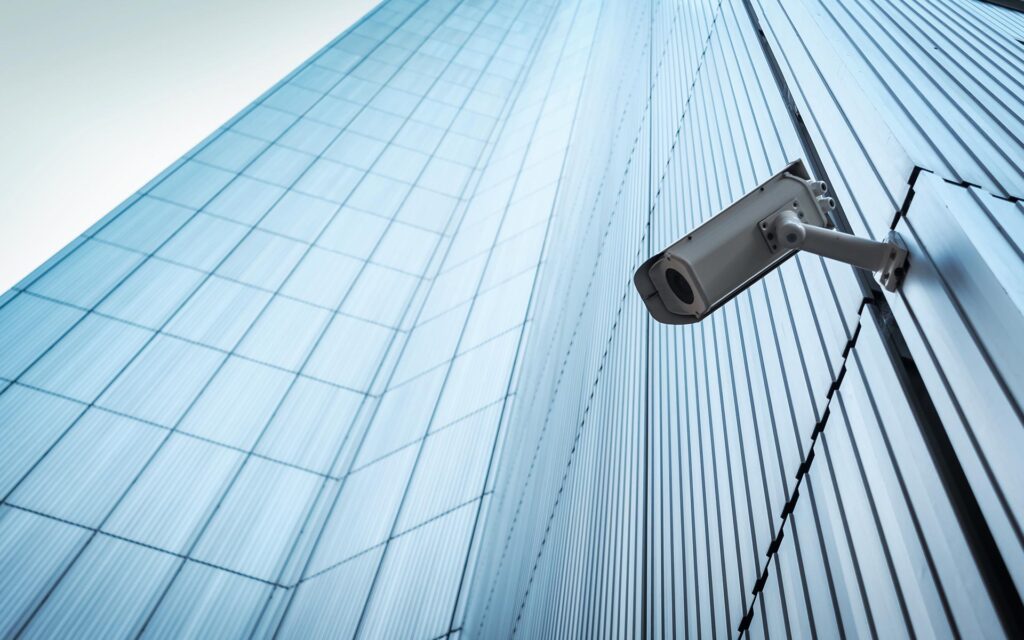
Surveillance cameras and alarm systems are powerful tools, and they certainly have their place in any security plan. They can record an incident and alert you to a problem, but what happens in those critical moments during an event? A camera can’t de-escalate a tense situation, assist a lost visitor, or make an informed judgment call when something just doesn’t feel right. That’s where the human element becomes irreplaceable. A trained business security guard provides a level of active prevention and immediate response that technology alone cannot match. They are the watchful eyes and decisive presence that protect your people and property in real-time, making them a cornerstone of modern corporate security.
The Vital Role of Corporate Security Guard Services In Modern Business Operations
In today’s ever-changing and increasingly complex business landscape, the importance of corporate security guard services cannot be overstated. These security services play a vital role in ensuring the safety and well-being of businesses, their employees, and their physical assets. Understanding the basics of corporate security guard services can help organizations make informed decisions and choose the right security solutions to meet their specific needs. 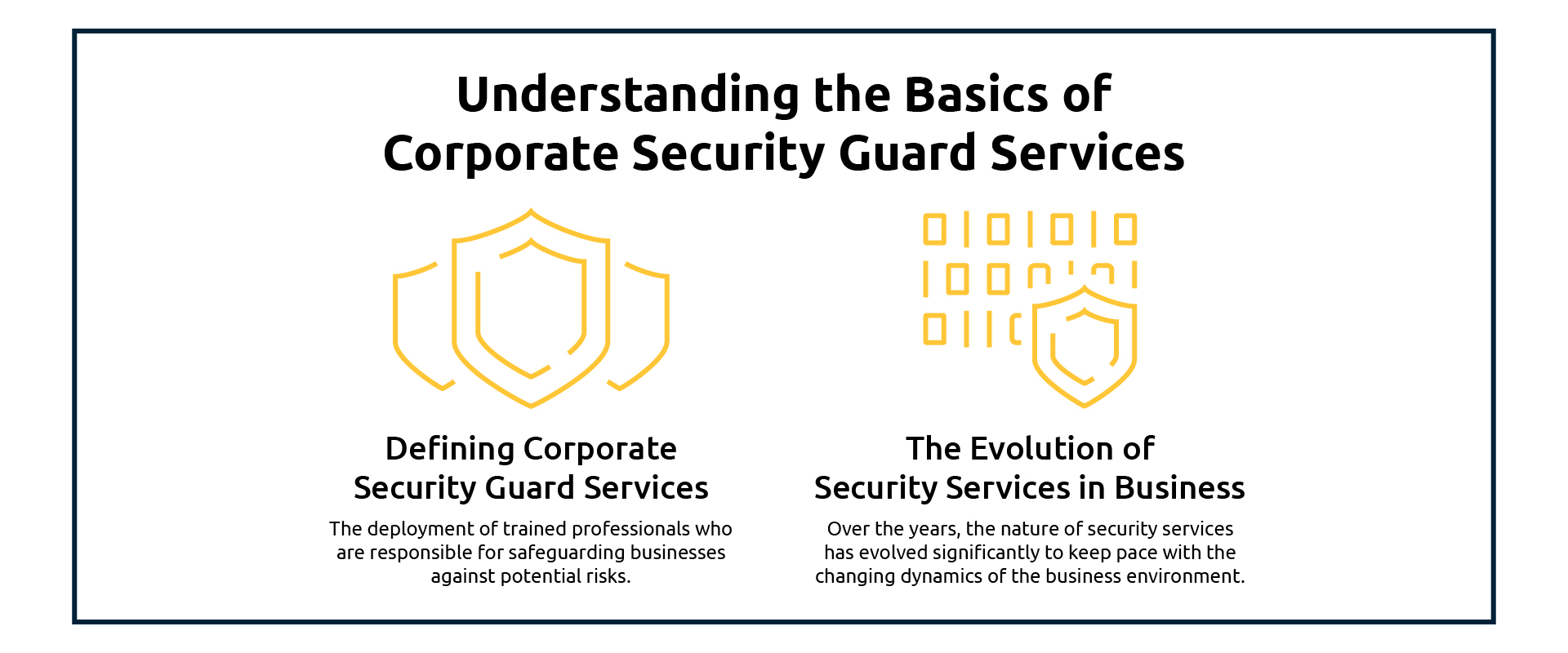
What Do Business Security Guards Actually Do?
Corporate security guard services encompass a wide range of functions and responsibilities aimed at protecting businesses from external threats and internal risks. These security services play a crucial role in maintaining a secure and safe environment for all stakeholders.
Defining the Nature of a Business Security Service
Corporate security guard services can be defined as the deployment of trained professionals who are responsible for safeguarding businesses against potential risks, such as theft, vandalism, corporate espionage, or any unauthorized access to restricted areas. They are the first line of defense in protecting businesses and their assets from harm.
How the Role of Security Guards Has Evolved
Over the years, the nature of security services has evolved significantly to keep pace with the changing dynamics of the business environment. In the past, security measures primarily focused on physical protection, but now, security guard services have expanded to include cybersecurity, crisis management, and risk assessment. With the rise of technology and the increasing sophistication of cyber threats, corporate security guard services have had to adapt and expand their expertise. Today, security guards not only monitor physical access points but also play a vital role in ensuring the integrity of digital systems. They are trained in identifying and responding to cyber threats, implementing security protocols, and conducting regular vulnerability assessments to identify potential weaknesses in a company’s digital infrastructure. In addition to their role in cybersecurity, corporate security guard services have also taken on the responsibility of crisis management. In times of emergencies such as natural disasters, terrorist attacks, or workplace violence, security guards are trained to respond swiftly and effectively. They work closely with law enforcement agencies and emergency responders to ensure the safety of employees and minimize the impact of such incidents on the business. Risk assessment is another crucial aspect of corporate security guard services. Security guards are trained to identify potential risks and vulnerabilities within a business’s operations and physical environment. They conduct thorough assessments to identify areas of improvement and develop strategies to mitigate risks. This proactive approach helps businesses stay one step ahead and minimize the likelihood of security breaches or other incidents that could harm their reputation and bottom line.
 The Importance of Security in Today’s Business Environment
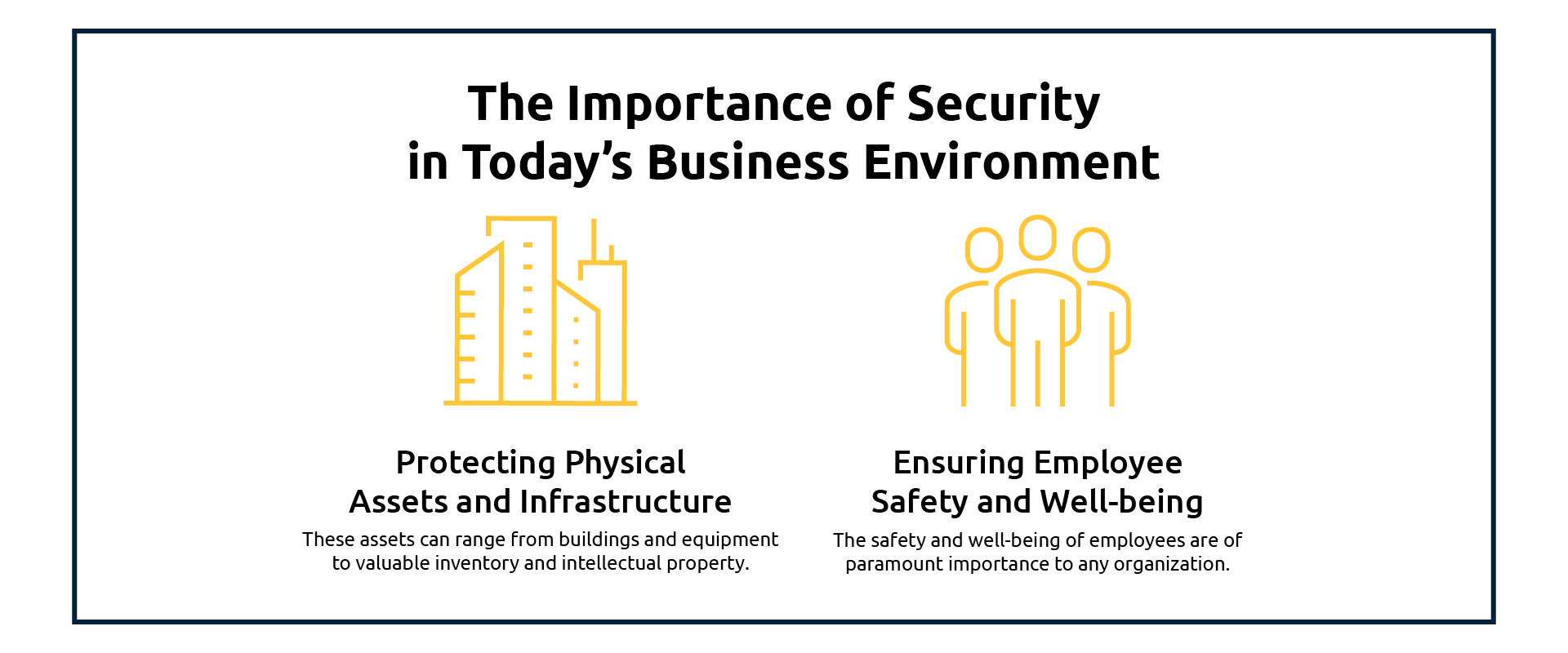 The Importance of Security in Today’s Business Environment
With the increasing frequency and severity of security breaches, businesses have realized the critical role that security plays in their operations. Here, we will explore two key aspects of security that are of utmost importance in today’s business environment.
Exploring Different Types of Business Security Services
Choosing the right security solution isn’t a one-size-fits-all process. The best approach depends on your specific industry, property layout, and risk factors. Understanding the different types of services available is the first step toward building a security plan that truly protects your assets and people. From a constant on-site presence to specialized industry expertise, each service offers unique benefits designed to meet distinct security challenges. Let’s look at the primary options to help you determine what your business needs.
On-Site vs. Mobile Security Patrols
One of the first decisions you’ll make is whether you need a dedicated guard at a single location or patrols that cover a wider area. On-site security involves guards who protect a fixed location, offering a constant and visible deterrent to potential threats. This is ideal for places like corporate lobbies, manufacturing plant entrances, or residential community gates. In contrast, mobile security patrols involve guards who move between different locations. This option provides flexibility and broad coverage, making it a cost-effective solution for businesses with multiple sites or large properties like car dealerships and industrial parks.
Armed vs. Unarmed Guards
The decision to use armed or unarmed guards is based on a thorough risk assessment of your environment. Security services can include both armed and unarmed guards. Armed security guards are trained and licensed to carry firearms, making them suitable for high-risk environments where there’s a significant threat of violence, such as banks or high-value retail. Unarmed guards are an excellent choice for lower-risk settings where the primary goal is to deter crime through a professional presence, manage access, and respond to incidents. They are commonly used in schools, office buildings, and at events to maintain order and ensure safety without introducing firearms.
Integrating Technology: Surveillance and Access Control
Modern security is a powerful combination of highly trained personnel and advanced technology. Integrating tools like surveillance systems and access control measures significantly enhances a guard’s effectiveness. This integration allows for real-time monitoring of your property, helps manage security risks more efficiently, and provides a comprehensive record of events. When guards are equipped with technology for live reporting and communication, they can respond to incidents faster and more effectively. This layered approach ensures all your bases are covered, from physical patrols to digital oversight, creating a robust security posture for your business.
Specialized Security for Your Industry
Different industries face unique security challenges that require tailored solutions. The security plan for a corporate headquarters will look very different from one for a school or a residential community. For example, corporate security often focuses on access control, employee safety, and protecting sensitive data. Meanwhile, school security prioritizes creating a safe learning environment and having clear protocols for emergencies. By working with a security provider that understands your industry’s specific risks, you can develop a strategy that effectively addresses your most pressing concerns and ensures the safety of everyone on your property.
How Guards Protect Your Property and Equipment
One of the primary functions of corporate security guard services is protecting the physical assets and infrastructure of a business. These assets can range from buildings and equipment to valuable inventory and intellectual property. Security guards help deter potential threats and provide a sense of safety, both for employees and visitors. Imagine a bustling office building with employees working diligently on their tasks. The physical assets within this building, such as expensive computer equipment, confidential documents, and valuable prototypes, are the lifeblood of the organization. Without proper security measures in place, these assets would be vulnerable to theft, vandalism, or unauthorized access. By employing corporate security guard services, businesses can ensure that their physical assets and infrastructure are protected round the clock. These highly trained professionals are equipped with the knowledge and skills to detect and prevent security breaches. They monitor access points, conduct regular patrols, and implement stringent security protocols to safeguard the premises.
Creating a Safer Environment for Your Team
The safety and well-being of employees are of paramount importance to any organization. Corporate security guard services play a crucial role in ensuring a safe working environment by maintaining security protocols, performing regular patrols, and responding promptly to any security incidents. This not only establishes a sense of trust but also enhances productivity and job satisfaction among employees. Picture a workplace where employees feel secure and protected. In such an environment, they can focus on their tasks without constantly worrying about their safety. Corporate security guard services contribute to this sense of security by creating a visible presence and actively monitoring the premises for any potential threats. Moreover, security guards are trained to handle emergency situations effectively. In the event of a security incident, they can quickly respond, assess the situation, and take appropriate action to ensure the safety of employees. This prompt response not only minimizes the potential harm but also instills confidence in the workforce, fostering a positive work environment. Furthermore, by prioritizing employee safety and well-being, businesses can significantly improve productivity and job satisfaction. When employees feel safe, they are more likely to be engaged and motivated, leading to higher levels of performance and overall job satisfaction. This, in turn, contributes to the success and growth of the organization.
Key Functions of Corporate Security Guards
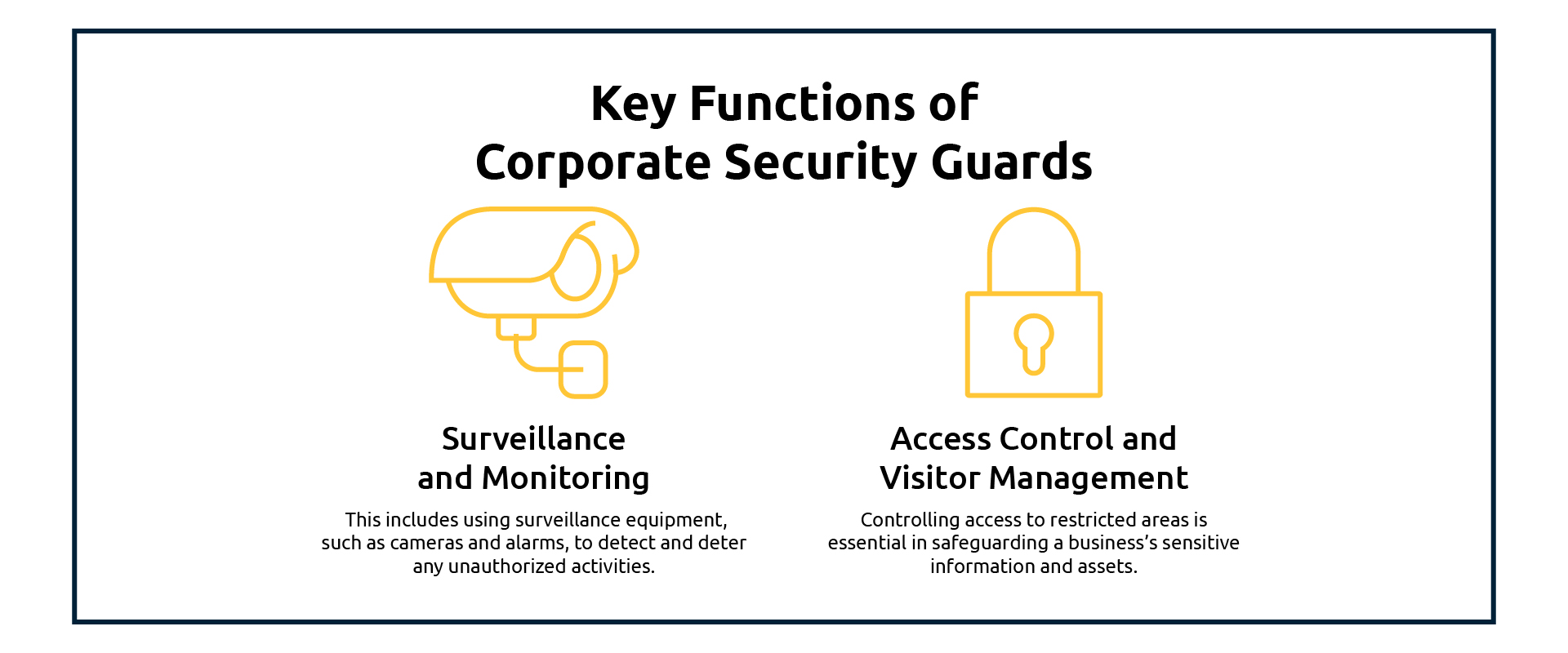 Key Functions of Corporate Security Guards
Corporate security guards perform various functions to maintain security within a business. Understanding these functions can help organizations identify their security needs and ensure they have the right security solution in place.
Common Security Threats and How to Address Them
Every business faces a unique set of security challenges. From theft and vandalism to corporate espionage, the risks are varied and can impact your operations, reputation, and bottom line. Understanding these potential threats is the first step toward building a resilient security plan. A comprehensive approach involves not just reacting to incidents but actively identifying weak points and putting measures in place to prevent them from being exploited. This means looking at both your physical premises and your digital infrastructure to get a complete picture of your security posture and ensure all your bases are covered.
Identifying Physical and Digital Vulnerabilities
Your first line of defense is knowing where you’re most vulnerable. Physical threats can include unauthorized access to restricted areas, theft of equipment, or even vandalism. These risks often stem from unsecured entry points, poor lighting in parking lots, or a lack of personnel to monitor the premises after hours. At the same time, digital vulnerabilities can be just as damaging, with risks like data breaches and corporate espionage threatening your sensitive information. Trained professionals are essential for safeguarding businesses against this wide array of potential threats, providing a critical layer of protection for both tangible and intangible assets.
Proactive Measures to Mitigate Threats
Once you’ve identified potential risks, the next step is to address them proactively. This is where a strategic security plan moves beyond simple observation to active prevention. Professional security guards are trained to do more than just stand watch; they conduct thorough assessments to pinpoint vulnerabilities in your physical environment and operational procedures. Based on this assessment, they help develop and implement strategies to mitigate those risks. This could involve establishing stricter access control protocols, conducting regular mobile security patrols to create a visible deterrent, or recommending surveillance system upgrades. This proactive approach helps you stay ahead of potential incidents, protecting your business from disruptions.
Keeping a Watchful Eye: Surveillance and Monitoring
One of the primary responsibilities of security guards is to monitor and survey all areas of the premises. This includes using surveillance equipment, such as cameras and alarms, to detect and deter any unauthorized activities. They maintain a vigilant presence to prevent or mitigate potential threats. When it comes to surveillance, security guards are trained to be observant and detail-oriented. They carefully monitor the premises, paying close attention to any suspicious behavior or unusual activities. By constantly scanning the environment, they can quickly identify potential security breaches and take immediate action to address them.
Controlling Access and Managing Visitors
Controlling access to restricted areas is essential in safeguarding a business’s sensitive information and assets. Security guards are responsible for managing visitor access, verifying identities, and ensuring that only authorized personnel are granted entry. They also maintain visitor records and provide assistance when needed. As part of their access control duties, security guards are trained to use various methods to verify the identity of individuals seeking entry. This may include checking identification cards, scanning visitor badges, or using biometric systems. By strictly enforcing access control protocols, security guards help prevent unauthorized individuals from gaining access to sensitive areas, reducing the risk of theft, vandalism, or data breaches. In addition to managing access, security guards also play a crucial role in visitor management. They greet and assist visitors, providing them with necessary information and directions. By maintaining a professional and friendly demeanor, security guards create a welcoming environment while ensuring the safety and security of everyone on the premises.
Environmental Monitoring and Facility Protection
In certain industries, protecting a business involves more than preventing theft or unauthorized access. Security guards can also monitor environmental conditions that may affect equipment, inventory, or operational stability. Facilities such as data centers, laboratories, warehouses, and healthcare environments often depend on stable temperature, humidity, and ventilation levels. During routine patrols, trained guards can identify warning signs such as equipment overheating, water leaks, or abnormal environmental readings. Early detection allows businesses to respond quickly before small issues become costly disruptions. By combining physical security with facility monitoring, security personnel help safeguard critical infrastructure and maintain operational reliability across sensitive business environments.
The Impact of Security Guard Services on Business Operations
 The Impact of Security Guard Services on Business Operations
The presence of corporate security guard services can have a significant impact on various aspects of a business’s operations. Let’s examine two key areas where these services play a crucial role.
Building Trust and Protecting Your Reputation
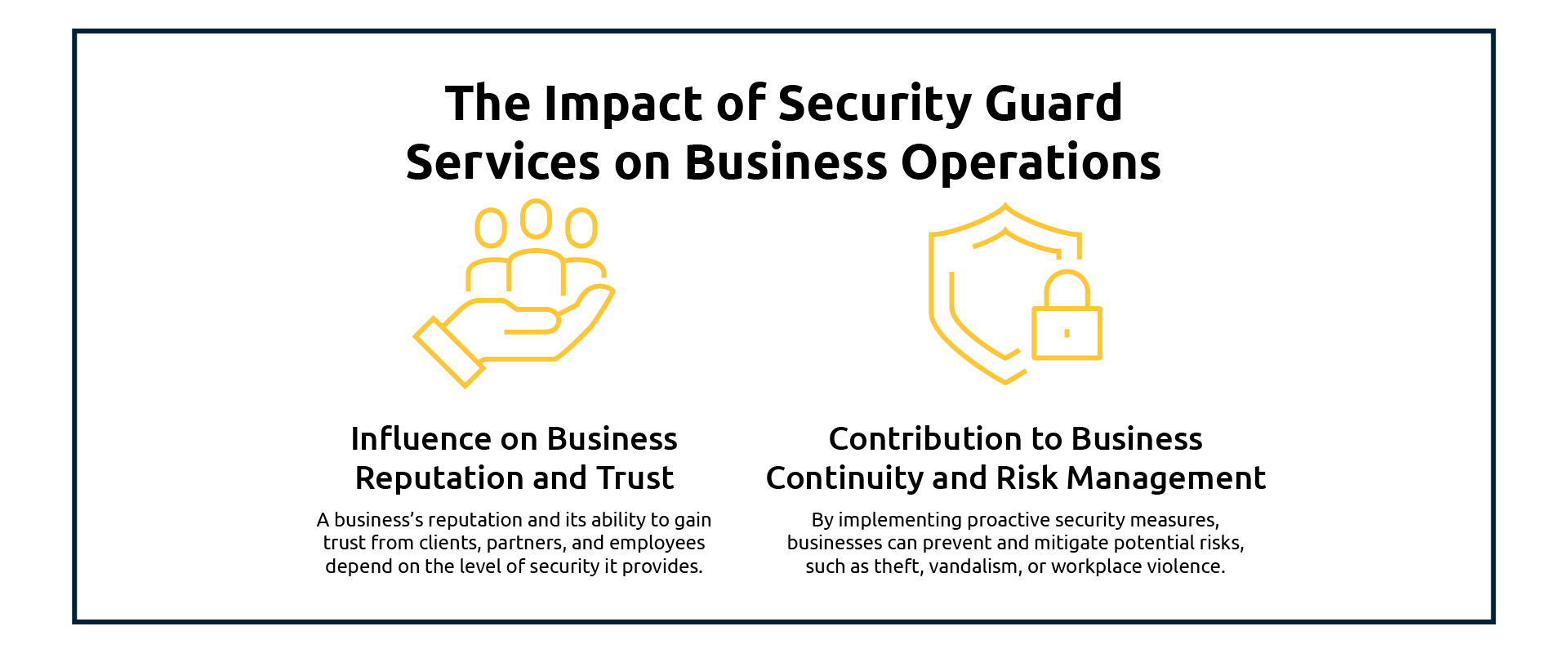
A business’s reputation and its ability to gain trust from clients, partners, and employees depend on the level of security it provides. Having security guards present not only enhances the perception of safety but also sends a message that the business takes security seriously and is committed to protecting its stakeholders. Imagine a potential client walking into a business establishment and immediately noticing the professional security guards stationed at strategic points. This sight instills a sense of confidence and reassurance, making the client feel safe and secure. The presence of security guards also acts as a deterrent to potential criminals, reducing the likelihood of theft or other criminal activities.
Minimizing Risks and Ensuring Business Continuity
Security guard services play a vital role in business continuity and risk management. By implementing proactive security measures, businesses can prevent and mitigate potential risks, such as theft, vandalism, or workplace violence. This ensures uninterrupted operations and minimizes the potential for financial and reputational losses. Consider a scenario where a business faces a sudden security threat, such as an attempted break-in or a disruptive individual causing chaos. Without security guard services, the situation could escalate, leading to significant disruptions in business operations and potential harm to employees and customers. However, with trained security guards on-site, they can quickly respond to such incidents, neutralizing the threat and restoring order, thus minimizing any potential damage. Furthermore, security guards are trained to identify and report potential security vulnerabilities within a business’s premises. They can conduct regular patrols, monitor surveillance systems, and implement access control measures to ensure that only authorized individuals enter restricted areas. By proactively addressing these vulnerabilities, businesses can prevent security breaches and maintain a safe and secure environment for everyone.
How Security Guards Help Businesses Maintain Regulatory Compliance
Many industries must follow strict safety and security regulations to protect employees, customers, and sensitive assets. Professional security guards play an important role in helping businesses meet these requirements by enforcing established security procedures and monitoring compliance on-site. In sectors such as healthcare, banking, and hospitality, regulations may require controlled access points, visitor verification, and incident documentation. Security personnel ensure these protocols are followed consistently. By maintaining logs, monitoring restricted areas, and reporting irregularities, guards help organizations demonstrate due diligence. This proactive oversight reduces the risk of legal violations, regulatory penalties, and operational disruptions while supporting a safer and more compliant workplace environment.
Selecting the Right Corporate Security Guard Services
 Selecting the Right Corporate Security Guard Services
Choosing the right corporate security guard services is crucial to effectively address the security needs of a business. Organizations should consider the following factors when hiring security guard services.
Potential for Lower Insurance Premiums
Beyond the immediate safety benefits, investing in professional security can have a positive impact on your bottom line. Insurance providers often view businesses with robust security measures as lower-risk clients. When you have a dedicated security presence, you’re actively reducing the likelihood of theft, vandalism, and other incidents that could lead to costly claims. This proactive approach to risk management is exactly what insurers look for. By demonstrating that you’ve taken serious steps to protect your property, such as implementing mobile security patrols or having guards on-site, you may qualify for lower insurance premiums. It’s a smart financial move that shows you’re committed to protecting your assets, which can help offset the cost of the security service itself.
Supporting Sustainable Business Growth
Think of security not as an expense, but as a foundation for growth. When your assets, employees, and property are secure, you can focus your energy on what you do best: running and expanding your business. Professional corporate security services ensure your physical infrastructure is protected around the clock, allowing your operations to run smoothly without the constant threat of disruption. Highly trained guards are skilled at detecting and preventing security breaches before they can impact your business. This stability creates a secure environment where your team can be productive and your customers feel safe, paving the way for long-term, sustainable growth. It’s about building a resilient operation from the ground up.
Understanding the Costs of Business Security
When you’re thinking about securing your business, one of the first questions that comes to mind is, “How much will this cost?” It’s a practical question, and the answer is that security is an investment, not just an expense. The cost can vary significantly based on your specific needs, location, and the level of protection you require. Think of it less like buying a product off the shelf and more like creating a tailored safety plan. The key is to understand the different components that contribute to the overall price so you can build a security strategy that protects your assets without breaking the bank. Let’s break down the primary cost factors you’ll encounter.
Factors Influencing Security Guard Rates
The hourly rate for a security guard isn’t a single, fixed number. Several critical factors determine the cost, ensuring you pay for the exact level of expertise and service you need. For instance, the most significant factor is often whether you require armed or unarmed guards. Armed officers undergo more rigorous training, carry higher liability, and are equipped to handle more severe threats, which is reflected in their rate. The guard’s experience and specific training also play a huge role. An officer with a background in law enforcement or specialized executive protection will naturally command a higher rate than a guard assigned to basic monitoring tasks. The complexity of their duties, the risk level of your location, and the time of coverage—such as nights or weekends for 24/7 security—all contribute to the final price.
Costs of Security Systems and Monitoring
A comprehensive security plan often blends professional guards with modern technology. Security systems are excellent tools for protecting physical assets like computers, inventory, and vehicles from theft or damage. According to a report from Business.com, the initial hardware for a basic system can range from $1,500 to $3,000, with installation adding another $300 to $700. After that, you can expect a monthly monitoring fee, which typically runs from $40 to $120 per device. While these systems are fantastic for surveillance and recording events, they provide a different function than an on-site guard. A camera can show you a break-in happening, but a guard can actively intervene, de-escalate the situation, and prevent loss in real-time. The best approach often involves integrating technology for monitoring with the physical presence of a guard for deterrence and response.
Finding a Pricing Model That Works for You
The best way to get a clear picture of your security costs is to get a customized quote based on a detailed assessment of your property and its unique vulnerabilities. A professional security partner can walk your site, identify potential risks, and recommend a strategy that aligns with your budget. Don’t be afraid to ask about bundling services for a more cost-effective solution. For example, you might combine a dedicated on-site guard during peak business hours with mobile security patrols overnight. This hybrid approach can provide comprehensive coverage more affordably than staffing a guard 24/7. Ultimately, the goal is to find a plan that delivers true value. The cheapest option isn’t always the best if it leaves you exposed. A well-designed security plan is a smart investment that protects your people, property, and peace of mind.
What to Ask Before You Hire a Security Service
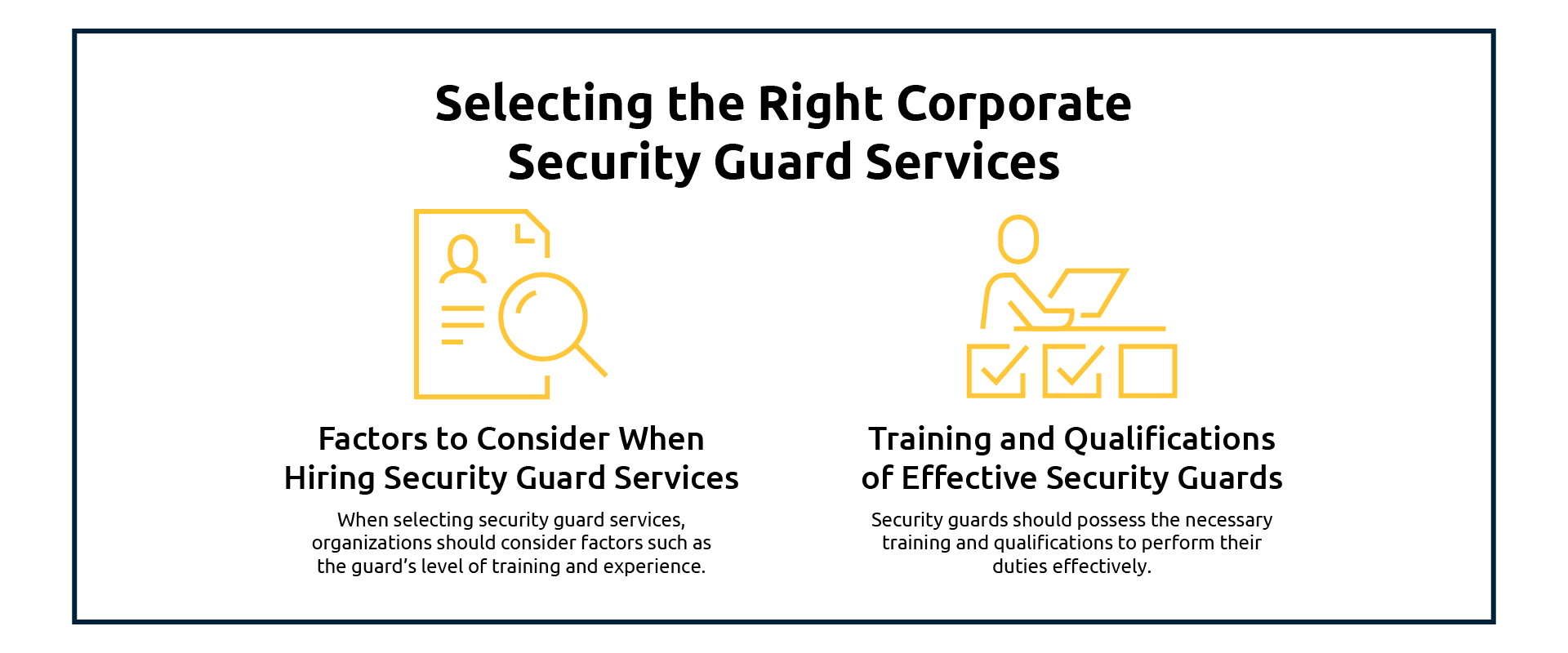
When selecting security guard services, organizations should consider factors such as the guard’s level of training and experience, the reputation and track record of the security company, the specific security needs of the business, and the ability to provide comprehensive security solutions tailored to the organization’s requirements.
Finding a Flexible Security Plan
Your business is unique, and your security plan should be too. A one-size-fits-all approach simply doesn’t work because the security needs of a manufacturing plant are vastly different from those of a hotel or a corporate high-rise. A great security partner will start by conducting a thorough assessment of your property to understand your specific vulnerabilities, operational hours, and budget. From there, they can develop a custom plan that might include a mix of on-site guards, mobile patrols, and technology integration. The right plan is also adaptable. As your business grows, hosts a special event, or faces new challenges, your security strategy should be able to scale with you. Look for a provider that offers a comprehensive suite of corporate security services and is committed to creating a flexible solution that truly fits your needs.
What Makes a Security Guard Effective?
Security guards should possess the necessary training and qualifications to perform their duties effectively. This includes knowledge of security procedures, emergency response protocols, conflict management, and customer service. Regular training and upskilling should be provided to ensure guards are equipped with the latest knowledge and techniques. Furthermore, it is important for security guards to have a strong understanding of the business they are protecting. This allows them to anticipate potential security risks and respond accordingly. By familiarizing themselves with the layout of the premises, the location of valuable assets, and the daily operations of the business, security guards can provide a more efficient and effective security presence. In addition to their training and qualifications, security guards should also possess certain personal qualities that make them well-suited for the job. These qualities include excellent communication skills, the ability to remain calm under pressure, and a strong sense of integrity. A security guard who can effectively communicate with both employees and visitors can help create a safe and welcoming environment. Moreover, security guards should be able to adapt to different situations and think critically when faced with unexpected challenges. This requires them to be observant, proactive, and able to make quick decisions. By being vigilant and proactive, security guards can prevent potential security breaches and respond swiftly in case of emergencies.
Future Trends in Corporate Security Services
 Future Trends in Corporate Security Services
The field of corporate security services is constantly evolving, driven by technological advancements and emerging threats. Here are two key future trends that businesses should be aware of.
Professional Background and Experience
When you’re looking for a security guard, you’re not just hiring a uniform; you’re entrusting someone with the safety of your people and property. That’s why professional background is so important. Experience, especially from former military or law enforcement roles, provides an invaluable foundation in discipline, observation, and quick decision-making under pressure. An effective guard needs more than just a presence; they need a deep understanding of security protocols, emergency response, and conflict management. This background ensures they can interact professionally with your team and visitors while effectively handling any situation that arises. When you select a security partner, prioritizing their team’s experience is a critical step in building a truly secure environment.
Licensing, Certifications, and Ongoing Training
A strong background is the starting point, but the security landscape is always changing. This is where licensing, certifications, and—most importantly—ongoing training come into play. Proper licensing is the bare minimum; it confirms a guard meets state requirements. But what truly sets a professional apart is a commitment to continuous learning. The best security companies invest heavily in their teams, providing regular training on the latest security techniques, technology, and de-escalation tactics. This ensures that the guards protecting your business are not just qualified, but are also prepared for modern threats. A security service that prioritizes ongoing education is a partner dedicated to providing the most effective and up-to-date protection for your assets.
How Technology is Changing Security
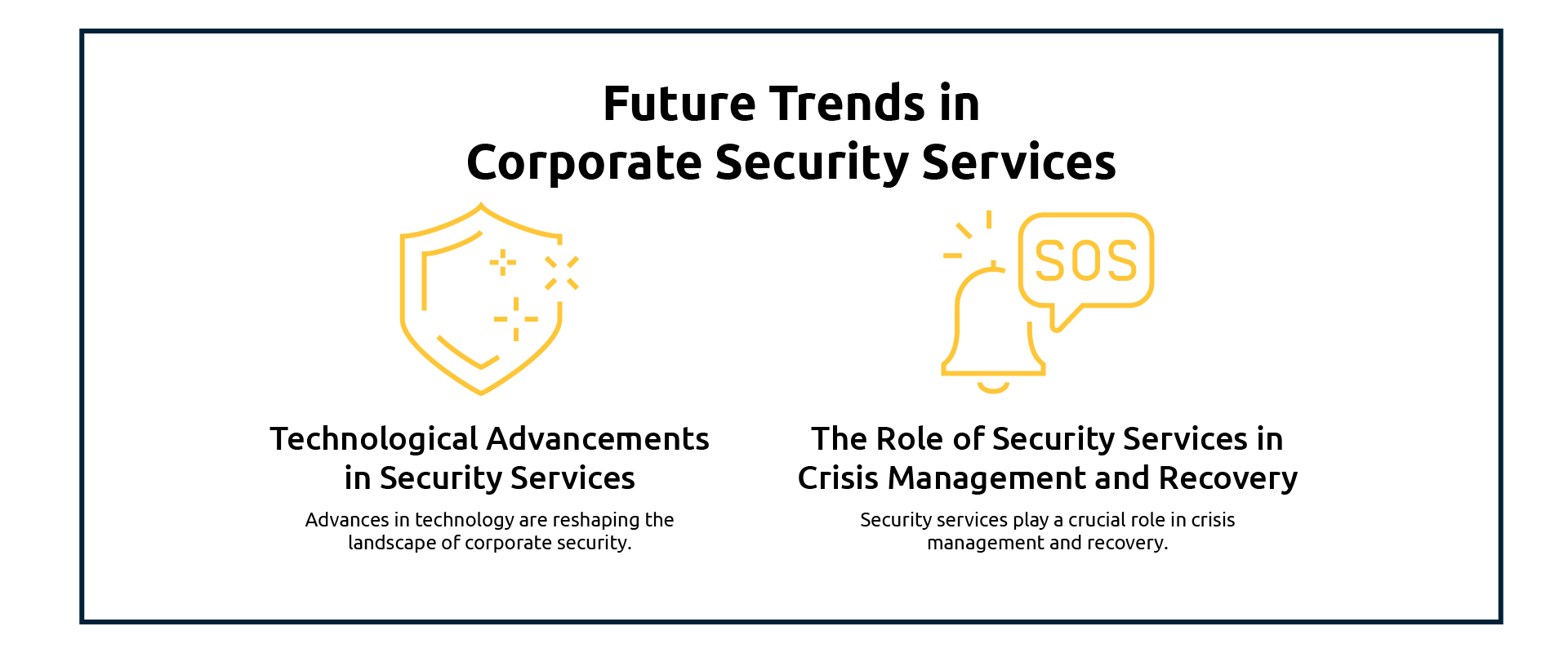
Advances in technology are reshaping the landscape of corporate security. Innovations such as artificial intelligence, drones, facial recognition systems, and biometrics are revolutionizing the way security services are delivered. These technologies enhance surveillance capabilities and improve response times, making security services more efficient and effective. For example, artificial intelligence-powered surveillance systems can analyze vast amounts of data in real-time, detecting unusual patterns or behaviors that may indicate a potential security threat. Drones equipped with high-resolution cameras and thermal imaging sensors can provide aerial surveillance, covering large areas quickly and efficiently. Facial recognition systems and biometric authentication methods offer enhanced access control, ensuring only authorized individuals can enter restricted areas.
Beyond Prevention: Security’s Role in a Crisis
Security services play a crucial role in crisis management and recovery. In times of emergencies or disasters, security guards are often at the forefront, ensuring the safety of individuals, coordinating evacuations, and assisting in recovery operations. Their presence and expertise provide reassurance and help organizations navigate through challenging times. During a crisis, security guards are trained to handle various situations, including medical emergencies, natural disasters, and security breaches. They work closely with emergency response teams, providing valuable support and maintaining order. Additionally, security services can assist in the recovery phase by implementing measures to prevent future incidents and conducting thorough investigations to identify vulnerabilities. In conclusion, corporate security guard services have become an invaluable part of modern business operations. They not only protect physical assets and infrastructure but also ensure employee safety and well-being. The impact of these services extends beyond security, influencing a business’s reputation, contributing to business continuity, and mitigating risks. By understanding the basics of corporate security guard services and selecting the right solutions, organizations can create a secure environment that fosters trust and enables uninterrupted operations. As the field continues to evolve, embracing technological advancements and recognizing the role of security services in crisis management will be essential for businesses to thrive in an ever-changing world. 
Ready to Discuss Your Security Needs?
We are proud of our stellar customer service record, so check our website for all the testimonials from our various satisfied customers. Call ASAP Security at 1-833-272-7247
Frequently Asked Questions
I already have cameras and an alarm system. Why do I also need a security guard? Think of it this way: cameras and alarms are great at recording an event or alerting you after it has already started. A professional security guard, however, is a proactive tool. They can spot unusual behavior and de-escalate a situation before it becomes a problem. Their physical presence is a powerful deterrent, and in a critical moment, they can provide immediate, intelligent assistance that technology simply can’t.
How do I decide between armed and unarmed security guards for my business? The right choice really depends on a careful assessment of your specific environment and potential risks. Unarmed guards are an excellent solution for many businesses, providing a strong visual deterrent, managing access, and maintaining a safe atmosphere. Armed guards are better suited for high-risk locations, such as businesses that handle large amounts of cash or are located in areas with higher crime rates, where a heightened level of protection is necessary.
What’s the real difference in value between a dedicated on-site guard and a mobile patrol service? An on-site guard offers a constant, dedicated presence, which is ideal for locations with high foot traffic or valuable assets that need continuous oversight, like a corporate lobby or a manufacturing facility. Mobile patrols provide a more flexible and cost-effective option for larger areas or multiple properties. They create a deterrent through regular, but varied, check-ins, making them a great choice for industrial parks, car dealerships, or residential communities.
What qualities should I look for in a security guard beyond just their presence? An effective security guard is much more than a uniform. Look for professionals with a background in law enforcement or the military, as this experience provides a strong foundation in discipline and quick thinking. Great guards are also excellent communicators, remain calm under pressure, and have received extensive training in conflict resolution and emergency protocols. This ensures they can not only protect your property but also interact professionally with your employees and clients.
Can hiring a security service actually save my business money? It absolutely can. While it is an investment, professional security is a key part of risk management. By preventing incidents like theft, vandalism, and other disruptions, you avoid the significant costs associated with damages, losses, and operational downtime. Furthermore, many insurance carriers recognize a professional security presence as a sign of a lower-risk business, which can lead to more favorable insurance premiums.
Key Takeaways
- Prioritize active prevention with a human touch: While cameras record events, a professional guard can intervene, de-escalate conflicts, and make crucial judgment calls to stop threats before they become serious incidents.
- Develop a security plan tailored to your business: A one-size-fits-all approach is ineffective, so the best strategy comes from a professional risk assessment that helps you choose the right combination of services for your specific property.
- Understand that security is an investment in your growth: A solid security presence does more than prevent loss; it builds trust with clients, protects your reputation, and ensures business continuity, which can also result in practical benefits like lower insurance premiums.