

As a manager, you wear many hats. You’re focused on operations, growth, and hitting targets. But underlying all of that is your fundamental responsibility to provide a safe environment for your team. This crucial duty can feel like a heavy weight, especially with so many other priorities demanding your attention. That’s why partnering with a professional security service is one of the most effective decisions you can make. It allows you to delegate this critical function to trained experts, giving you peace of mind. This article will explain how corporate security services directly support your business goals by ensuring employee safety and security, protecting your property, and creating a stable atmosphere for everyone.
Creating a Safe Workplace: How Corporate Security Guard Services Improve Employee Well-Being
 Understanding the Importance of Workplace Safety
 Understanding the Importance of Workplace Safety
Workplace safety is essential for numerous reasons. First and foremost, it protects employees from accidents, injuries, and potential threats. By implementing security measures, businesses can create a secure and comfortable work environment. This not only boosts employee morale but also increases productivity levels. Furthermore, workplace safety goes beyond physical protection. It encompasses various aspects that contribute to the overall well-being of employees. For instance, organizations that prioritize safety often have policies in place to address mental health concerns. They provide resources and support systems to help employees cope with stress, anxiety, and other psychological challenges that may arise in the workplace.
How Corporate Security Guards Support Your Team’s Well-being
Corporate security guards play a vital role in ensuring the well-being of employees. Their presence alone acts as a deterrent to potential threats and criminal activities. By monitoring access points and providing surveillance, security guards create a safe space for employees to carry out their tasks without fear. In addition to their preventive role, corporate security guards are trained to respond swiftly and effectively in emergency situations. They undergo rigorous training programs to handle various scenarios, such as fire outbreaks, medical emergencies, or even acts of violence. This preparedness instills confidence in employees, knowing that there are professionals ready to assist them in times of crisis.
Feeling Safe at Work: The Key to Better Performance
When employees feel safe in their workplace, their productivity increases. A secure environment allows individuals to focus on their work without constantly worrying about their safety. This improved focus leads to better performance and overall job satisfaction. Moreover, workplace safety promotes a positive work culture. Organizations that prioritize safety often foster an atmosphere of trust and open communication. Employees feel valued and supported, which enhances their motivation to excel in their roles. This positive work environment not only boosts productivity but also reduces turnover rates, as employees are more likely to stay loyal to a company that prioritizes their well-being. Furthermore, businesses that invest in workplace safety also benefit from reduced costs associated with accidents and injuries. By implementing safety protocols and providing necessary training, organizations can minimize the risk of workplace incidents. This, in turn, reduces medical expenses, insurance claims, and potential legal liabilities. Workplace safety is not just a legal requirement but a crucial aspect of running a successful business. It protects employees, enhances productivity, and fosters a positive work culture. By prioritizing safety, organizations create an environment where employees can thrive and contribute to the overall success of the company.
The Scope of Corporate Security Guard Services
 The Scope of Corporate Security Guard Services
Corporate security guards encompass a wide range of responsibilities, all aimed at maintaining workplace safety. When it comes to ensuring the safety and security of a corporate environment, security guards play a vital role. Their presence not only deters potential threats but also provides peace of mind to employees and visitors alike.
Your Legal Obligations: Understanding OSHA and Employee Rights
Beyond the clear benefits of a secure workplace, there are also significant legal responsibilities every employer must meet. These aren’t just suggestions; they are federally mandated requirements designed to protect your team. Understanding these obligations is the first step in building a comprehensive safety strategy that not only complies with the law but also genuinely cares for your employees’ well-being. This framework, primarily established by the Occupational Safety and Health Administration (OSHA), sets the standard for workplace safety across the country. Fulfilling these duties helps prevent accidents, reduces liability, and demonstrates your commitment to your staff, which is the foundation of a healthy company culture. It’s about creating an environment where everyone feels protected and valued.
The Employer’s Duty to Provide a Safe Workplace
At the core of all workplace safety regulations is one fundamental principle. According to federal law, every employer has a direct responsibility to “keep your workplace safe and free from known health and safety dangers.” This is often referred to as the General Duty Clause, and it’s the cornerstone of OSHA’s mission. This means you must proactively identify potential hazards—whether they are physical threats, unsafe equipment, or environmental risks—and take concrete steps to mitigate them. This duty isn’t passive; it requires ongoing assessment, training, and action. Implementing measures like access control, regular patrols from a private security team, and clear emergency protocols are practical ways to fulfill this critical legal obligation and ensure your team is protected.
Key Government Safety Agencies
You’re not alone in this effort; a framework of government bodies exists to guide and enforce these standards. As the U.S. Department of Labor (DOL) states, it “has three main agencies that make sure workplaces are safe and healthy for workers in America.” These are OSHA, which sets and enforces the standards; the Mine Safety and Health Administration (MSHA), which focuses on miners; and the Office of Workers’ Compensation Programs (OWCP), which provides support after an incident. For most businesses, OSHA is the primary agency you’ll interact with. Understanding its role helps you know where to find resources, get clarification on rules, and ensure your safety plans are fully compliant with federal law.
Key Employee Rights Under OSHA
Just as employers have duties, employees have rights that empower them to be active participants in their own safety. A key right under OSHA is that every employee can “talk about dangers at work without your boss punishing you for it.” This is crucial for creating a transparent and proactive safety culture. When your team members feel safe to report a potential hazard, like a broken lock or a suspicious individual, you can address the issue before it escalates into a serious incident. Encouraging this open communication and having clear procedures for reporting concerns are essential. It transforms safety from a top-down mandate into a shared responsibility for everyone in the organization.
Protection from Retaliation for Reporting Dangers
The right to speak up is backed by strong legal protections. OSHA is very clear that “it is against the law for your employer to punish you for using your rights to a safe workplace or for complaining to OSHA.” This is known as whistleblower protection. Retaliation can include firing, demoting, reducing hours, or any other negative action taken because an employee reported a safety concern. Ensuring all managers and supervisors understand this rule is vital. When employees trust that they can report a problem without fear of reprisal, they become your most valuable asset in maintaining a secure environment, identifying risks that might otherwise go unnoticed until it’s too late.
Support Systems for Workplace Incidents
Even with the best preventive measures in place, incidents can still happen. When they do, it’s important to know that official support systems are available to help your employees. These government programs are designed to provide assistance and ensure that anyone affected by a workplace injury or illness receives the care and compensation they are entitled to. Knowing about these resources allows you to guide your team members to the right place for help, demonstrating your company’s support during a difficult time. This is a critical part of a holistic approach to employee well-being, covering both prevention and response.
The Office of Workers’ Compensation Programs
One of the primary support systems is the Office of Workers’ Compensation Programs (OWCP). This office “helps workers or their families who get hurt or sick because of their job.” The OWCP administers four major disability compensation programs that provide wage replacement benefits, medical treatment, vocational rehabilitation, and other services to certain federal employees, longshore and harbor workers, coal miners, and nuclear weapons workers who have experienced work-related injuries or illnesses. For private-sector employees, similar programs are typically administered at the state level, but the OWCP sets a precedent for the type of support available to those affected by workplace incidents.
How to Contact OSHA for Assistance
If you or your employees have questions or need to report a serious hazard, OSHA is accessible and ready to help. You don’t have to figure everything out on your own. According to the OSHA Worker Rights and Protections page, “You can call OSHA for free at 1-800-321-6742, send them an email, or find your nearest OSHA office.” This direct line of communication is a valuable resource for both employers seeking compliance guidance and employees who need to report an unsafe condition. Keeping this information readily available for your team shows transparency and reinforces your commitment to maintaining a safe and legally compliant workplace for everyone.
Stopping Problems Before They Start: Risk Assessment
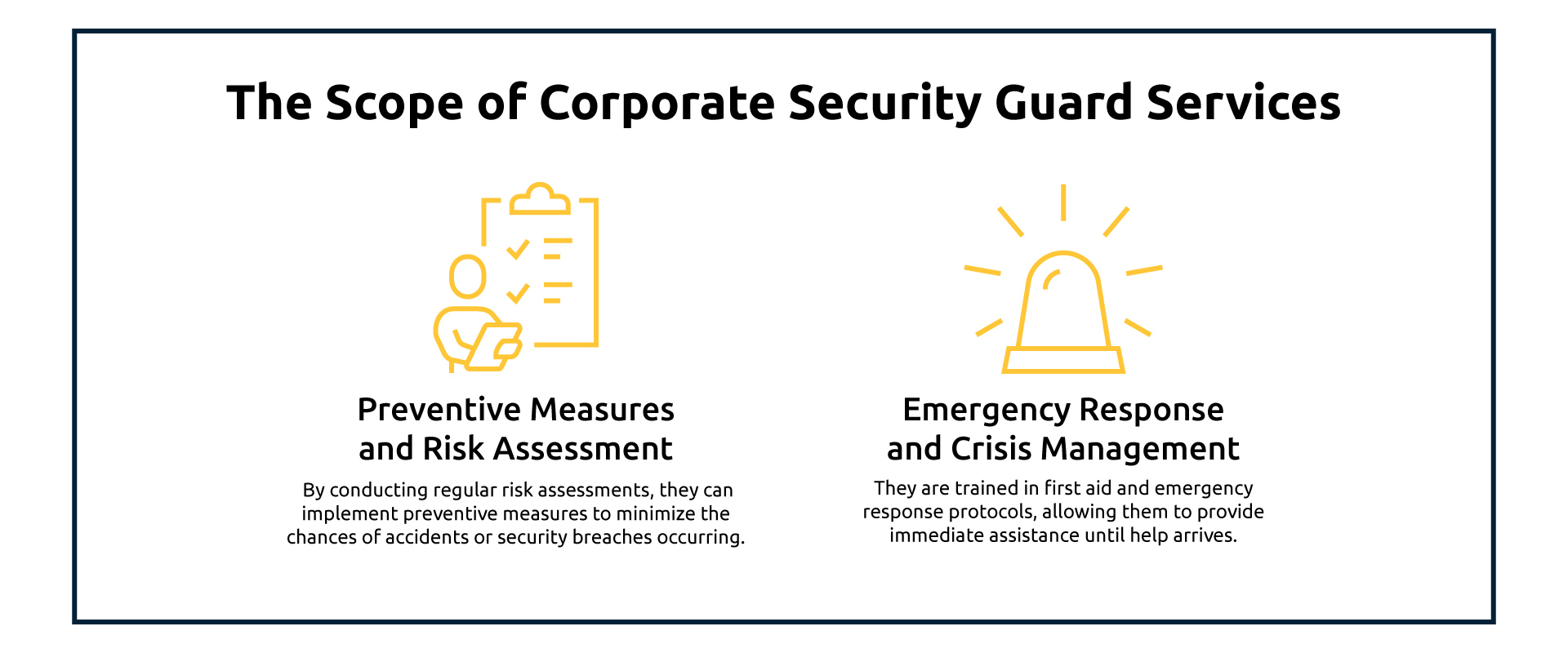
Corporate Security guards are trained to identify potential risks and hazards in the workplace. By conducting regular risk assessments, they can implement preventive measures to minimize the chances of accidents or security breaches occurring. This proactive approach ensures a safe and secure work environment. During risk assessments, security guards meticulously examine the premises, looking for any vulnerabilities that could be exploited by intruders or pose a threat to employees. They assess the effectiveness of existing security systems, such as surveillance cameras and access control systems, and recommend improvements if necessary. Additionally, corporate security guards are well-versed in the latest security technologies and techniques. They stay updated on emerging threats and trends in order to provide the most effective security solutions. This knowledge allows them to identify potential risks that may not be immediately apparent to others.
Emergency Response and Crisis Management
 Emergency Response and Crisis Management
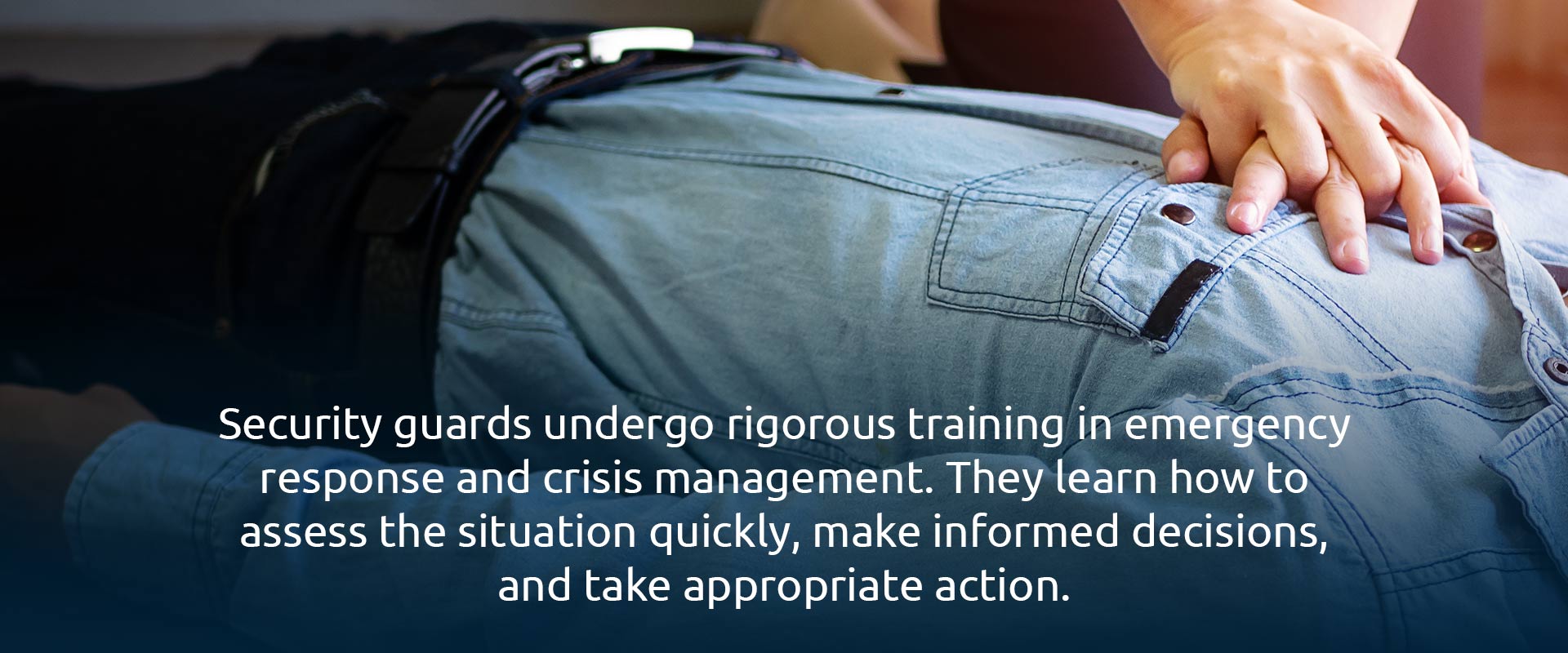
In the event of an emergency, security guards are equipped to handle crisis situations efficiently. They are trained in first aid and emergency response protocols, allowing them to provide immediate assistance until help arrives. Their presence during times of crisis provides employees with a sense of security and confidence. Corporate Security guards undergo rigorous training in emergency response and crisis management. They learn how to assess the situation quickly, make informed decisions, and take appropriate action. Whether it’s a medical emergency, a fire outbreak, or a security breach, security guards are prepared to handle it with composure and professionalism. Moreover, security guards play a crucial role in coordinating with external emergency services, such as police and fire departments. They act as a liaison between the corporate environment and these services, ensuring a seamless response to any emergency situation. During crisis situations, security guards also assist in evacuating employees and visitors safely. They guide people to designated evacuation points and ensure that everyone follows established emergency procedures. Their calm and authoritative presence helps maintain order and prevent panic. Furthermore, security guards are trained to handle potential threats, such as workplace violence or unauthorized access attempts. They are skilled in conflict resolution and de-escalation techniques, which can help diffuse tense situations before they escalate into something more serious. Corporate security guard services encompass a wide range of responsibilities that go beyond mere surveillance. From preventive measures and risk assessments to emergency response and crisis management, security guards play a crucial role in maintaining a safe and secure corporate environment.
The Psychological Benefits of a Secure Workplace
 The Psychological Benefits of a Secure Workplace
A secure workplace has numerous psychological benefits for employees. When individuals feel safe and protected, their confidence and morale increase significantly. This positive impact on mental well-being directly translates into improved productivity and job satisfaction. But what exactly are the factors that contribute to the psychological benefits of a secure workplace? Let’s delve deeper into this topic.
A Comprehensive Approach to Workplace Security
True workplace security is more than just a lock on the door or a camera in the corner. It’s a complete system designed to protect your people, property, and information from every angle. A comprehensive strategy acknowledges that threats can be both physical and digital, internal and external. By layering different security measures, you create a resilient environment where your team can feel safe and focus on their work. This approach involves integrating well-trained personnel with smart technology and fostering a security-conscious culture among all employees, ensuring every potential vulnerability is addressed proactively.
Beyond Physical Safety: Protecting Data and Assets
When we think about workplace security, our minds often go straight to protecting people from physical harm. While that is absolutely the top priority, a modern security plan must also safeguard your company’s tangible and intangible assets. This includes the building itself, expensive equipment, sensitive company data, and your computer networks. A breach in any of these areas can be just as damaging as a physical threat. Professional corporate security services are designed to cover all these bases, providing a visible presence to deter theft and vandalism while also being trained to protect critical infrastructure and information from unauthorized access.
Integrating Technology with On-Site Personnel
Security technology like cameras and access control systems are powerful tools, but they are most effective when managed by skilled professionals. A security guard can provide the human judgment and immediate response that technology alone cannot. They can interpret a situation seen on a monitor, de-escalate a potential conflict, and provide assistance in an emergency. This combination of cutting-edge technology and highly-trained on-site personnel creates a formidable security presence. The technology acts as the eyes and ears, extending the guard’s reach, while the guard provides the critical thinking and action needed to manage any situation effectively.
Access Control Systems
An access control system is your first line of defense in managing who goes where within your facility. These systems allow you to restrict entry to the entire building or specific sensitive areas like server rooms, executive offices, or inventory storage. You can control access through key cards, fobs, or biometric scanners. However, the system is only as good as its management. A security guard on-site can manage the system, issue temporary credentials to visitors, verify identities, and respond immediately if an unauthorized access attempt occurs, ensuring that only the right people get into the right places.
Video Surveillance and Alarms
Video cameras are essential for monitoring your property, seeing who is coming and going, and recording events for later review. When linked with an alarm system, they can alert you to a problem the moment it happens. But an unmonitored camera feed often only serves to record a crime, not prevent it. With 24/7 security services, a trained officer actively monitors surveillance feeds and can respond to an alarm in real-time. This immediate action can stop a threat in its tracks, prevent significant loss, and ensure a swift response from law enforcement when needed.
Ongoing Security Management and Employee Training
A security plan isn’t something you can set and forget. It requires constant attention and adaptation as new threats emerge. This means conducting regular security checks to identify and fix any weak spots in your system. A dedicated security partner can help you stay ahead of potential risks and update your protocols accordingly. Furthermore, your employees are a crucial part of your security posture. Training everyone on how to use security systems, recognize phishing scams, and follow safety procedures creates a vigilant and prepared team. Regular mobile security patrols can also be part of this ongoing management, providing consistent checks that reinforce your commitment to a safe workplace.
Building a Confident and Motivated Team
Knowing that security guards are present to prevent and handle potential threats enhances employee confidence. This increased confidence allows individuals to focus on their work, leading to increased job satisfaction and overall well-being. Imagine a workplace where employees constantly worry about their safety. It would be difficult for them to concentrate on their tasks and give their best performance. However, in a secure workplace, employees can trust that their safety is being prioritized, which boosts their confidence and morale. Moreover, a secure workplace fosters a sense of belonging and trust among employees. When individuals feel protected, they are more likely to collaborate and support each other, creating a positive work environment.
Creating a Low-Stress, High-Focus Environment
A secure workplace alleviates stress and anxiety among employees. When individuals feel safe, they are able to perform their tasks without constant worry or fear. This reduction in stress leads to better mental health and overall productivity. Imagine the impact of a workplace where employees constantly feel vulnerable to potential threats. The constant stress and anxiety would not only affect their mental well-being but also hinder their ability to focus and perform effectively. However, in a secure workplace, employees can feel at ease, knowing that measures are in place to protect them. This sense of security allows them to channel their energy towards their work, resulting in increased productivity and creativity. Furthermore, a secure workplace promotes a healthy work-life balance. When employees feel safe, they can leave their work-related worries behind when they go home, allowing them to recharge and maintain a positive mindset. In conclusion, a secure workplace not only provides physical safety but also has significant psychological benefits for employees. By enhancing confidence and morale, and reducing stress and anxiety, a secure environment fosters a positive work culture and improves overall well-being. It is crucial for organizations to prioritize workplace security to create a conducive environment for their employees to thrive.
The Economic Advantages of Investing in Corporate Security
 The Economic Advantages of Investing in Corporate Security
Investing in corporate security guard services not only improves workplace safety but also provides various economic advantages for businesses.
Lowering Your Liability and Insurance Premiums
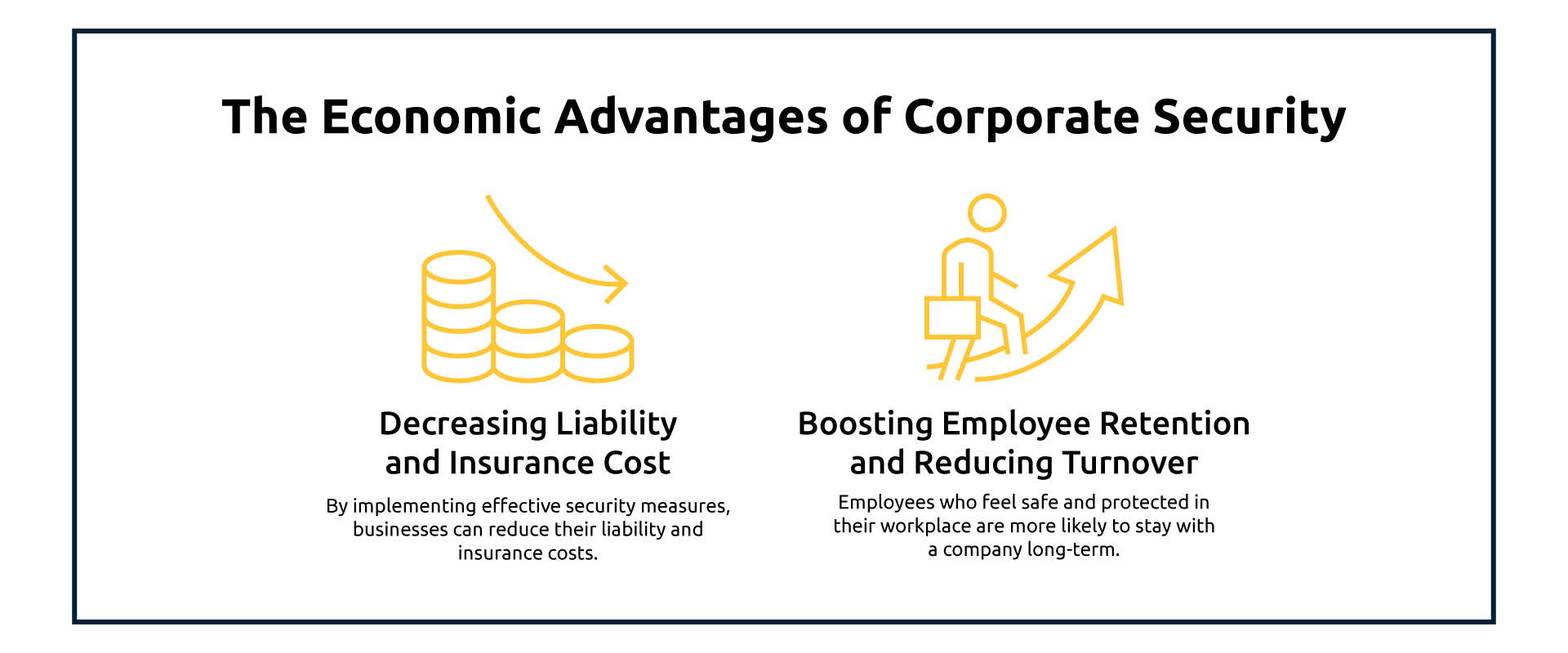
By implementing effective security measures, businesses can reduce their liability and insurance costs. A secure workplace minimizes the risk of accidents, injuries, and potential lawsuits. This financial advantage allows businesses to allocate their resources more efficiently.
The Financial Impact of Security Lapses
Beyond the immediate concern for employee well-being, security lapses carry a heavy financial weight. A single incident, whether it’s a data breach or a physical accident, can create a ripple effect of costs that impact your bottom line for years. These expenses aren’t just about replacing stolen equipment or covering initial medical bills; they include legal fees, regulatory fines, increased insurance premiums, and the often-unquantifiable cost of a damaged reputation. Thinking about security as a financial safeguard is just as important as seeing it as a physical one. Proactive measures are an investment in your company’s long-term stability and profitability, protecting you from unexpected and potentially devastating financial fallout.
The Staggering Cost of Data Breaches
In our connected world, a physical security breach can easily become a digital one. When unauthorized individuals gain access to your facility, they aren’t just a threat to your people; they’re a threat to your data. According to recent findings, the average cost of a data breach for a company has reached an astonishing $4.45 million. This figure accounts for everything from forensic investigations and credit monitoring for affected customers to hefty regulatory fines. A visible security presence, including access control and regular patrols, serves as a critical first line of defense. Professional corporate security services help ensure that only authorized personnel can access sensitive areas where servers and confidential documents are stored, significantly reducing the risk of a costly breach.
Workplace Injuries by the Numbers
The financial impact of physical injuries in the workplace can be just as severe. Consider that in the U.S., about 2,000 workers experience eye injuries every day that require medical attention. These incidents, along with slips, falls, and other accidents, lead directly to higher workers’ compensation claims, lost productivity, and potential legal action. A well-trained security team does more than just watch for external threats; they help enforce safety protocols and maintain an orderly environment. By monitoring for hazards and ensuring compliance with safety rules, security guards can help prevent accidents before they happen. This proactive approach not only protects your team but also shields your business from the significant financial burden of workplace injuries.
Keep Your Best People: The Link Between Safety and Retention
Employees who feel safe and protected in their workplace are more likely to stay with a company long-term. Investing in corporate security enhances employee retention rates, reducing turnover costs and promoting organizational stability.
Available Safety Resources and Training
A truly secure workplace is built on more than just physical barriers; it’s founded on a culture of awareness and preparedness. While having a professional security team on-site provides a critical layer of protection, empowering your employees with safety knowledge is just as important. This creates a comprehensive safety net where everyone understands their role in maintaining a secure environment. Fortunately, you don’t have to develop a training program from scratch. Numerous organizations offer expert resources and training programs designed to equip your team with the skills they need to identify risks and respond appropriately. Integrating this training with professional corporate security services ensures all your bases are covered, from preventing incidents to managing them effectively if they occur. This dual approach fosters a resilient workplace where safety is a shared responsibility, not just a top-down mandate.
Leveraging Free Safety Consultations and Programs
Getting started with formal safety training is more accessible than you might think. Government agencies like the Occupational Safety and Health Administration (OSHA) are dedicated to helping businesses create safer work environments. Many of these organizations provide free or low-cost consultations and training programs that cover a wide range of industries and potential hazards. For example, you can often find official OSHA courses, like their 10-Hour and 30-Hour programs, available online or in-person. These courses are an excellent way to establish a baseline of safety knowledge for your entire staff, from entry-level employees to senior management. Taking advantage of these resources demonstrates a commitment to employee well-being and helps ensure your business complies with federal and state safety standards.
Practical Health Tips for the Modern Workplace
Beyond formal training, promoting simple, everyday health habits can significantly contribute to your team’s well-being. In environments with physical hazards, like manufacturing facilities or construction sites, ensuring proper personal protective equipment is essential. This includes making sure everyone wears the right safety glasses or face shields that meet current ANSI standards and fit correctly. For office-based teams, a different kind of hazard is more common: digital eye strain. Long hours in front of a screen can lead to discomfort and fatigue. A great way to combat this is by encouraging the 20-20-20 rule.
The 20-20-20 Rule for Eye Strain
The concept is simple yet effective: every 20 minutes, take a 20-second break to look at something 20 feet away. This small action helps relax the eye muscles and can reduce the headaches and blurred vision associated with prolonged screen time. Promoting simple, practical tips like this shows your employees that you care about their health in all aspects of their work, fostering a more supportive and focused environment.
Implementing Corporate Security Guard Services
 Implementing Corporate Security Guard Services
When it comes to implementing corporate security guard services, businesses should consider various aspects.
Finding the Perfect Security Fit for Your Business
Each business has unique security needs. It is important to carefully assess these needs and choose a security service that aligns with them. Factors such as industry-specific requirements, budget considerations, and the reputation of the security service provider should all be taken into account.
Setting Your Security Team Up for Success
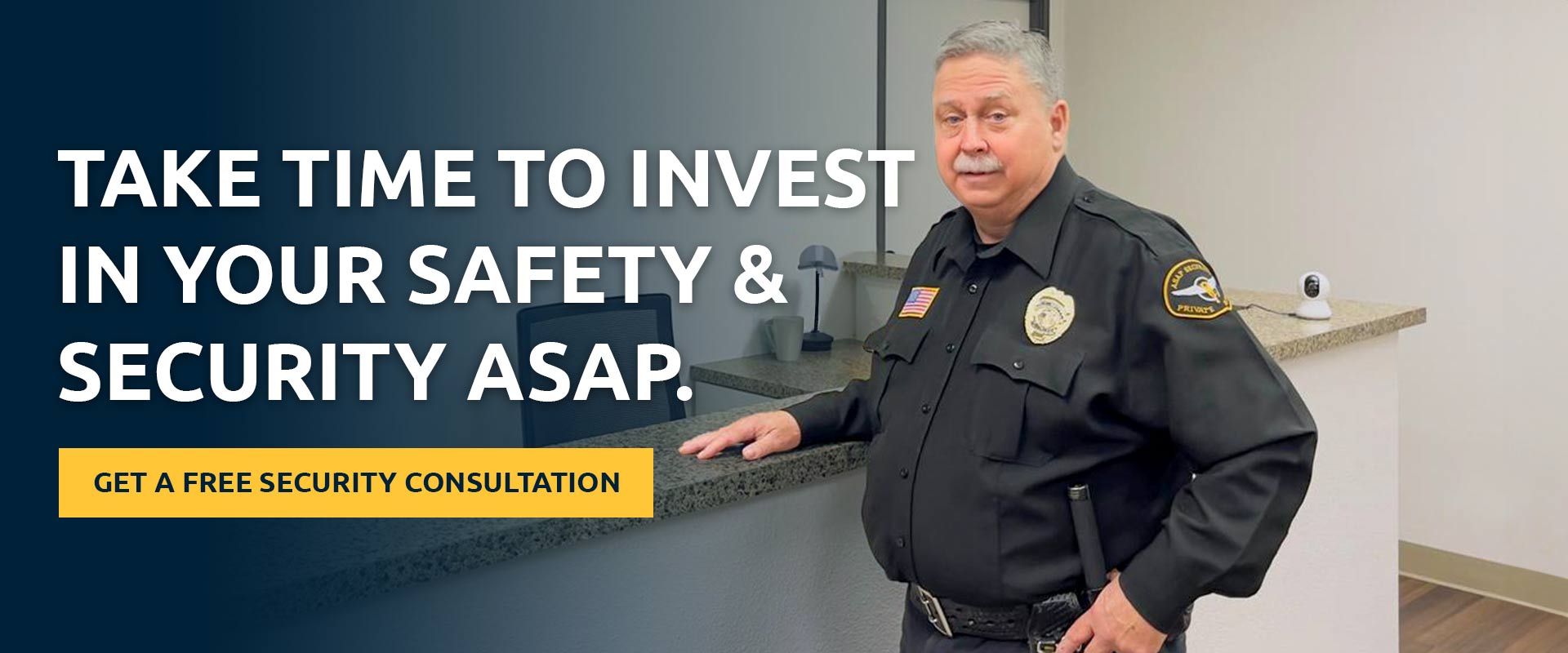
Once a security service provider has been selected, it is essential to ensure proper training and integration of security personnel into the work environment. This includes familiarizing them with company policies, emergency procedures, and communication protocols. By integrating security personnel effectively, businesses can maximize the impact of their corporate security measures. In conclusion, creating a safe workplace is crucial for the well-being and productivity of employees. Corporate security guard services play a significant role in achieving this goal by implementing preventive measures, responding to emergencies, and enhancing employee confidence. The psychological benefits of a secure workplace, such as increased morale and reduced stress, further contribute to employee well-being. Investing in corporate security not only provides economic advantages, such as decreased liability and increased retention rates but also promotes a culture of safety. By carefully implementing and integrating corporate security guard services, businesses can create a secure environment that fosters employee well-being and productivity. Take time to invest in your safety and security ASAP. Get a free security consultation from ASAP Security today!
Ready to Create a Safer Workplace? Get Your Quote
We are proud of our stellar customer service record, so check our website for all the testimonials from our various satisfied customers. Call ASAP Security at 1-833-272-7247
Frequently Asked Questions
My business isn’t in a high-risk industry. Are corporate security services still necessary? Security is about more than just preventing major criminal events; it’s about creating a consistently safe and stable environment. For any business, a professional security presence helps manage day-to-day risks like unauthorized access, potential workplace conflicts, and medical emergencies. It also sends a clear message to your team that you prioritize their well-being, which can improve morale and focus, regardless of your industry.
We already have cameras and an alarm system. Why do we also need on-site security guards? Technology is a fantastic tool, but it’s most effective when paired with human judgment. Cameras can record an incident, but a trained guard can often prevent it from happening in the first place. A guard provides an immediate, on-the-ground response to alarms, de-escalates situations, assists employees and visitors, and makes critical decisions in real-time, which is something technology alone cannot do.
How does investing in security actually save my company money? Think of security as a form of risk management. A proactive security plan helps prevent costly incidents like theft, vandalism, and accidents. This leads to lower liability, potentially reduced insurance premiums, and fewer disruptions to your operations. Furthermore, a safe workplace improves employee retention, saving you the significant costs associated with hiring and training new staff.
Will having a visible security presence make my employees feel anxious or untrusted? When implemented correctly, a professional security team becomes an integrated part of your workplace culture. The goal is not to create a feeling of being watched, but rather a feeling of being protected. A friendly, professional guard becomes a reassuring presence who can offer assistance and handle problems, which actually reduces employee stress and allows them to focus on their work with greater peace of mind.
What is the first step in determining the specific security needs for my facility? The best first step is a professional risk assessment. Every business is unique, so a one-size-fits-all approach rarely works. A security expert can walk through your property, identify specific vulnerabilities, and understand your daily operations. This allows them to recommend a tailored security plan that addresses your specific needs, whether that involves on-site guards, mobile patrols, or integrated technology systems.
Key Takeaways
- Prioritize safety to improve team focus and productivity: A secure environment reduces employee stress and builds confidence, allowing your team to concentrate on their work and perform at their best.
- Fulfill your legal duties and protect your bottom line: Implementing professional security helps you meet OSHA requirements while also preventing costly incidents like data breaches, workplace accidents, and potential lawsuits.
- Combine trained guards with smart technology for complete protection: A comprehensive security strategy uses on-site personnel to manage systems like access control and video surveillance, ensuring a rapid and intelligent response to any situation.
Related Articles
- Corporate Security Guards: Enhancing Workplace Safety & Well-Being
- How Corporate Security Guards Create A Safe Workplace Environment
- Corporate Security Guard Services for Business Protection