

Workplace Violence Security for California Businesses
California executives, facility managers, and HR leaders need a practical way to protect employees, meet state requirements, and keep operations moving when threats emerge. A layered workplace violence security program turns that responsibility into clear actions: assess site risks, define reporting and response steps, train staff, and assign daily safeguards.
Request a quote for a workplace security assessment.
Workplace violence security is a set of tools and rules that keep staff safe from physical harm, threats, or harassment at the office. This type of security plan helps firms find risks before they grow into real danger. In California, state laws now force most bosses to have a clear, written plan to stop violence. A good plan uses risk tests, staff training, and fast reporting to keep the shop floor safe. These steps help lower the risk of injury and keep your business in line with the law. By acting early, you can protect your assets and your people.
What workplace violence security means for California employers
For California employers, an effective program coordinates written policies, trained people, and site controls to identify hazards, prevent unauthorized access, support reporting, and guide a fast response.
A strong plan builds trust and keeps the office running well. It treats safety as a core part of doing business, not just an extra cost. This focus on care can help reduce staff turnover and boost morale.
A layered risk management plan
Workplace safety is a major concern across the country. Data from the Centers for Disease Control and Prevention shows that nonfatal violent crimes happen to about 8 per 1,000 workers. These acts include physical harm, threats, and harassment.
High-risk jobs like healthcare and social services see the most cases. But any shop where workers handle cash or work alone late at night can face these dangers. A layered plan looks at every part of the site to lower these risks.
It starts with physical tools like bright lights and secure locks. Then, it adds clear rules for how people move through the space. The goal is to make it hard for a threat to grow and protect the company’s future.
Key parts of a security system
A good program starts with clear rules. In California, companies must follow workplace violence prevention plan requirements to stay safe. This includes writing down how to report threats and training every team member.
When staff know what to do, they can help spot warning signs like intense stress or verbal threats. This training is a key part of the prevention program. It turns every worker into a part of the safety net.
Trained guards add a vital layer of safety. They provide a clear sign to deter bad actors. At ASAP Security, guards use GPS-tracked reports to stay on task. This tool gives leaders real-time updates and photo proof of all events.
Meeting California safety needs
California employers face unique rules for safety. State laws now require most firms to have a written safety program. This plan must cover how to find risks and how to fix them. It also needs a way for workers to report issues without fear.
This means having a clear path for staff to speak up when they feel unsafe. Good reporting helps leaders track small issues before they become big crimes. It also makes sure the company stays in line with state codes.
To meet these needs, many firms hire professional guard services. These teams help set up the rules that state laws require. They can also run active shooter drills to prepare staff for the worst cases. In the end, a solid plan helps a business grow.
How do you assess workplace violence risks?
A useful assessment combines incident history, employee input, a physical site walk, and a review of work practices. The result should be a prioritized action list with an owner and deadline for every identified gap.
Door and gate safety
Start with the ways people enter and leave your site. Check every door, window, and gate to see if they lock right. Bad locks or open side doors let people in who should not be there. You need to know who is in your building at all times. Using key cards or badge scans can help you track this. This is a big part of workplace violence prevention plan rules for most firms.
High risk work roles
Some jobs carry more risk than others. People who handle cash or work alone face more threats. You should also look at staff who talk to the public all day. These roles often see more stress and verbal fights. Knowing who is at risk helps you give them the right tools to stay safe.
Lights and cameras
Dark corners and blind spots are bad for safety. Walk through your site at night to see where more light is needed. Make sure your cameras cover all main paths and parking spots. If a camera does not show a clear view, it will not help during a crisis. Good lighting stops many crimes before they happen. It also makes your team feel more secure when they walk to their cars late at night.
- Review past logs. Look at old reports to find trends in your office. Check for times when people felt unsafe or when fights broke out. These records show where you need to make changes now.
- Walk the parking zones. Check for holes in fences or places where someone could hide. Ensure the path from the door to the cars is bright and clear. Parking lots are common sites for crime after dark.
- Test all alarm tools. Push your panic buttons and check your silent alarms. Make sure the signal reaches your security team or the police. A fast response time is key to stopping a threat.
- Talk to your staff. Ask your team where they feel most at risk. They see the site every day and know the small gaps you might miss. Their input makes your safety plan much stronger.
- Check public access zones. See how easy it is for a stranger to walk deep into your office. Set up clear zones where guests must wait. This keeps your main work area private and safe.
A good checkup is more than just looking around. It is a way to boost security and safety for every staff member. You should do this check at least once a year. If you move to a new site or change how you work, do it again. Staying alert is the best way to stop violence before it starts.
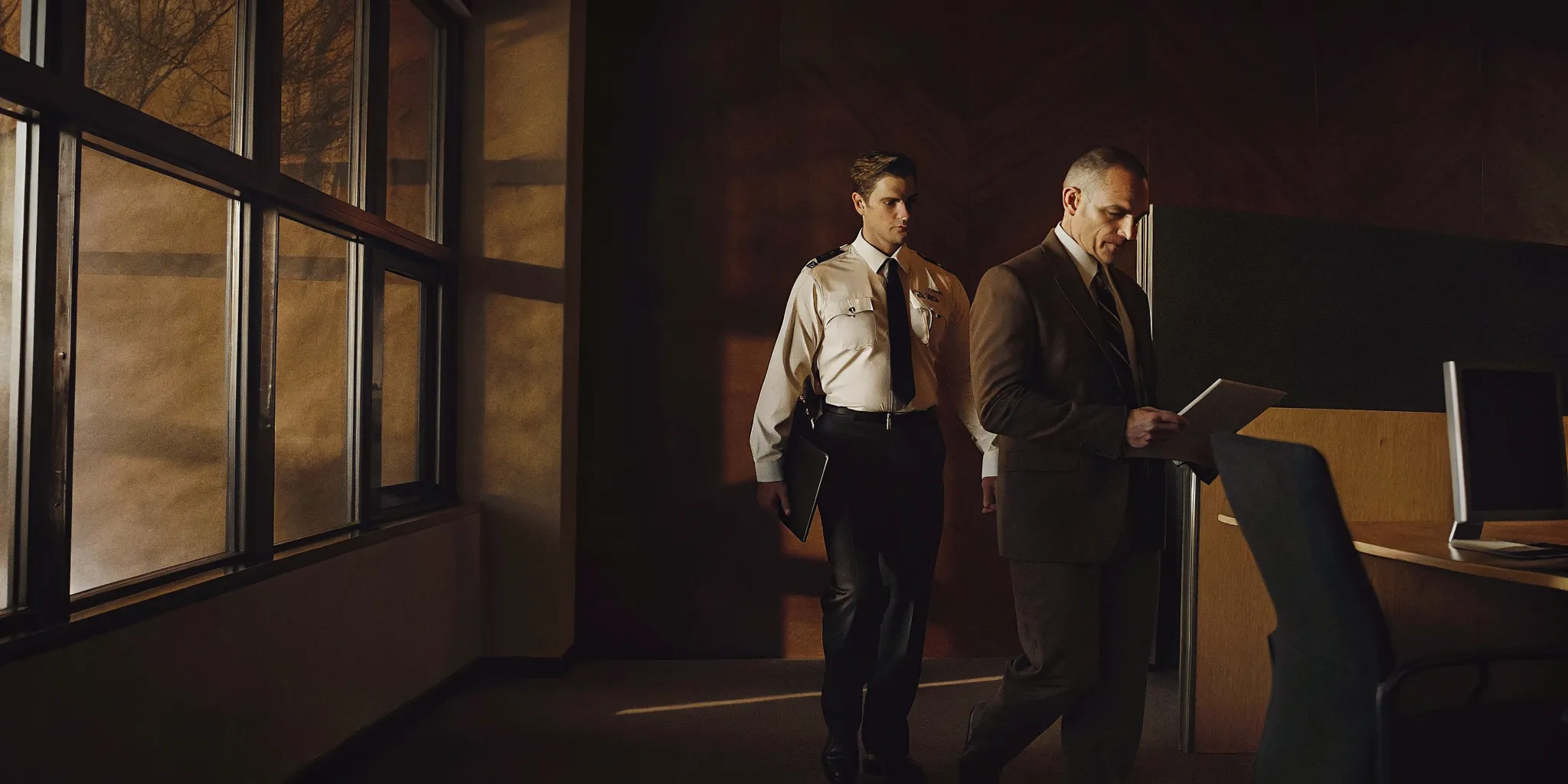
Build a layered workplace violence security plan
A layered plan combines physical controls, electronic alerts, trained people, and documented response procedures. Each layer should address a specific site risk and provide backup when another safeguard fails.
Physical barriers and access control
The first layer of protection starts at the property edge: map every entry point, assign access permissions, and include lighting and lock checks in scheduled patrols. Good physical security solutions like high fences and bright lights make a site less of a target. Bright lights in parking lots and near doors are key. In fact, research shows that good lighting is a top way to lower hazards at a work site. Locked doors and gate systems also stop people who should not be there from getting inside.
Inside the building, access control keeps high-risk areas private. You can use key cards or codes to track who moves through the halls. This step is vital for firms that deal with cash or work late at night. Limiting entry points makes it much easier to watch who comes and goes during a shift. It also gives staff peace of mind knowing the workspace is closed to the public.
Electronic surveillance and alert systems
Tech tools add a layer of constant watch over your building. High-quality cameras can see threats before they reach your team. These tools act as “extra eyes” for your safety team and record events for later review. When you link cameras with silent alarms, you can call for help without making a scene. This is a big part of workplace violence prevention plan needs for many modern firms.
Alert systems also include tools like panic buttons and loud sirens. If a threat occurs, these tools tell everyone to take cover or leave the area. For many firms, having a fast way to spread news is the difference between safety and harm. These systems work best when they connect to a central hub that stays open all day and night. This ensures that a call for help never goes unanswered.
The role of professional guard services
Human guards bring a level of skill that tech cannot match. Professional guards can spot odd behavior and step in before a fight starts. They are trained to calm people down and keep things under control. For high-risk spots like hospitals, having guards who know how to de-escalate is a must. This human judgment is a core part of a layered protection plan.
Guards also provide real-time reporting that helps you find weak spots. Using tools like GPS tracking, guards can map their rounds and prove they are on the job. This data gives you a clear view of how well your plan is working. It also satisfies the rules for state-mandated safety plans. When you combine guards with other tools, you get a full shield that protects your most prized assets: your people.
| Security Control | Primary Goal | Best Use Case |
|---|---|---|
| Trained Guards | De-escalation | High-traffic areas or high-risk sites |
| Access Control | Entry Prevention | Staff-only zones and storage rooms |
| Security Cameras | Surveillance | Parking lots and main entry points |
| Bright Lighting | Deterrence | Exterior walks and dark corners |
| Visitor Logs | Tracking | Main lobbies and reception desks |
| Panic Alarms | Quick Response | Front desks and lone worker spots |
Creating a plan that works for everyone is a smart move. Studies show that prevention programs do best when they use different steps for different groups of workers. A guard might need one set of tools, while an office clerk needs another. By looking at the unique risks of each job, you can build a shield that fits perfectly. This broad approach is the best way to keep your team safe from harm while they work.
To keep your staff ready, you should offer regular training. The ASAP Security Academy provides classes that teach people how to stay safe. These courses cover de-escalation and active shooter steps. When staff know what to do, they feel more sure and act faster in a crisis. Training is the final layer that binds your whole plan together.
What role do security officers play?
Security officers deter unauthorized activity, manage access, recognize concerning behavior, de-escalate conflict, coordinate emergency response, and document incidents. Their daily observations also give managers evidence for improving the prevention plan.
Stopping threats through sight
A guard in an outfit is a clear sign of safety. This sight helps stop bad acts from ever starting. Most people think twice about breaking rules when they see a guard. Guards walk through the halls and watch the parking lots to find risks. They look for things like open doors or broken lights that could invite trouble. By being seen, they show that the site is well watched.
Guards also use their eyes and ears to spot red flags. They are trained to see early warning signs of stress or anger. This may include seeing bad actions or verbal threats that could lead to a fight. Catching these signs early is a key part of physical security tools for modern firms. When a guard sees a risk, they can act fast to stop a crisis from growing. This helps keep the mood at work safe for all.
Managing access and calm
Watching who enters a building is a top task for guards. They manage the front desk and check ID cards to stop the wrong people from getting in. They may also ask guests to sign in or wear badges while on site. This keeps a clear log of who is in the building. By managing doors, guards protect the staff from outside threats. This role is vital for workplace violence prevention plan rules in many states.
If a conflict does start, guards are ready to help. They use calm words to lower the heat in a fight. They do not jump to force right away. Instead, they try to talk through the problem and find a peaceful end. This training helps keep both the staff and the guard safe. It is much better to end a threat with words than with a fight. Guards learn these paths to keep the peace without making a scene.
Reporting and team help
When a real crisis hits, guards lead the response. They are the first to call for help and guide people to safety. They know the exit paths and the safe zones for the building. They also work with police and fire crews to manage the site. Guards help lower these risks by following strict safety rules and helping first teams.
Good records are also a must for a safe workplace. Guards use GPS tools to track their work and any bad events. They take clear photos and write notes to show exactly what took place. These records help bosses see where they can improve their safety plans. It also helps with insurance and legal needs. A clear report can prove that a firm did its best to keep its people safe.
Guards also work with the boss to fix weak spots like bad lights or locks. By working as a team, they build a shield against threats. This work keeps the site safe and follows all rules. To learn more about these roles, you can join the ASAP Security Academy.
Connect policies, training, and daily security operations
A prevention plan works only when its reporting paths, training, patrol instructions, and escalation rules shape daily decisions. Assigning owners and testing procedures turns written policy into repeatable action.
Build clear reporting lines
Your team is your first line of defense against harm. They need to know exactly how and where to report any signs of trouble, such as verbal threats or intense stress. Clear reporting lines help catch issues before they grow into physical acts. When employees feel safe coming forward, you can address workplace violence prevention plan requirements early and keep the office calm.
Modern tools can make reporting faster and more accurate when every report captures the time, location, people involved, observed behavior, action taken, and required follow-up. For example, using GPS-tracked reports with photos helps security teams see exactly what is happening in real time. This level of detail is vital for clear records and fast action. Having 24/7 human dispatch for crisis help also ensures that a report never sits in an inbox when seconds count.
Train staff for real world risks
Training should go beyond reading a list of rules. Your staff needs to learn how to spot behavioral changes or other early warning signs. Hands-on training helps them feel ready to handle high-risk situations like a tense verbal fight.
Good training should fit the specific needs of your field. Healthcare teams may need de-escalation skills to stay safe in high-stress areas. Schools may focus more on student safety and lockdown drills. When you enhance corporate security and safety with targeted drills, your team learns to act by habit rather than fear.
Link daily work to safety rules
Safety should be a part of the daily flow, not just an extra task. This means holding regular drills and checking that your security guards follow the set plan. Using a pro guard service helps you bridge the gap between your written plan and daily security operations. These guards can track tasks like checking door locks and lighting to reduce hazards in the work area.
To help with this, you can send your team to the ASAP Security Academy for expert safety classes. Professional training keeps everyone on the same page and helps you meet state rules. When your daily actions match your safety policy, you build a strong shield that protects your staff and your business assets from harm.
How to choose a workplace security partner
Evaluate a security partner on licensing, supervision, relevant training, reporting quality, dispatch availability, and the ability to build post orders around your site’s risks. Ask for a clear deployment plan instead of choosing on hourly price alone.
Look for site risk checks
The best security firms start with a full check of your site. They look for weak spots like poor lighting or unlocked doors. A good hiring professional security guards process should include a review of how people enter and leave your office. This risk check helps the team build a plan that fits your specific needs. It also helps you stay in line with workplace violence prevention plan requirements in California. A thorough check ensures that your security plan covers every corner of your site.
Check for expert training
Not all guards have the same skills. For high-risk jobs, you need a team with deep training. Look for a partner that offers de-escalation and active shooter response drills. This is vital in spots like clinics or schools where tensions can run high. ASAP Security uses a military and law enforcement management style to keep standards high. You can even check their online academy to see the level of training they provide to their staff. Proper training ensures that guards can handle stress and keep people safe without making things worse.
Verify reporting and tracking
You must know what is going on at your site at all times. A top partner uses tools like GPS tracking and digital reports. This gives you real-time data and proof that guards are doing their rounds. About 58% of violent workplace crimes are not reported to the police, according to the Centers for Disease Control and Prevention. Having clear, photo-backed reports makes it easier to track small issues before they grow into large ones. Look for a firm with 24/7 human dispatch to help manage in a crisis. This level of tracking keeps guards alert and gives you peace of mind.
Seek local focus and scale
A good security partner should be large enough to help you grow but local enough to care. You want a team that can add more guards if your needs change. They should also know the local laws and risks in your specific city. Firms with deep roots in the area can often get to your site faster when a crisis hits. Choose a partner that blends “federal-grade” standards with local care. This mix ensures you get elite service with a personal touch that meets your exact needs. Experts who know your city can spot risks that outsiders might miss.
Review and improve the plan over time
Review the plan after an incident, a drill, a facility change, or a shift in work practices. Use reports and employee feedback to identify recurring gaps, assign corrective actions, and confirm that each action was completed.
Set a clear review schedule
Set a recurring annual review date and name the person responsible for collecting incident logs, drill results, employee feedback, and open corrective actions. But you should also look at your rules after any big change. These changes include building moves, staff shifts, or new local laws. In California, workplace violence prevention plan requirements mean that businesses must stay up to date. You should also update the plan after every safety drill to fix any gaps your team found.
Reviews should also follow any logged event or “near miss.” If a threat happens, look at how your team acted. Ask if the current rules helped or if they caused a mess. Using data from physical security solutions like logs and camera feeds can show where you need more help. Fast changes after a threat can stop the same problem from happening again.
Track key safety metrics
To improve the program, track how well each safeguard works. Business leaders should look at facts during each review. High rates of crime can show where you need more guard patrols or better lights. Checking your own numbers helps you see if your site is safer than the US norm.
Consider these questions during your next review:
- How many safety threats did staff report this month?
- Did every new hire finish their safety training?
- Are all entry points and locks working as they should?
- How fast did your security team respond to the last alert?
Close the gaps in your training
A plan is only as good as the people who use it. If your review shows that staff do not know what to do during a threat, you must update your training. Focus on common signs like verbal threats or high stress. Since many crimes are not logged, you should make it easy for people to speak up. Clear steps help you catch small issues before they turn into physical fights. Keep your team sharp with classes at the ASAP Security Academy to make sure they know how to stay safe.
Frequently Asked Questions
These answers summarize practical ways California employers can identify hazards, protect higher-risk workers, recognize warning signs, and respond to reported threats.
How can workplace violence hazards be reduced?
Hazards can be reduced by using complete security plans and doing risk checks often. According to ASAP Security, businesses should ensure good lighting and give proper security training to all workers. These steps help create a safer space and lower the chance of bad events. Creating clear ways to report problems and a written plan is also vital for managing risks well.
Who is at risk of workplace violence?
While any workplace can face risks, certain staff are at higher risk. According to the CDC, jobs with the highest rates of violence include police, healthcare, and social work. Risks also increase for staff who handle cash, work alone, or talk often with the public. Workers who start late at night or very early should also get extra focus during the security planning process.
What are the early warning signs of workplace violence?
Early warning signs often include clear changes in behavior and missing more work. Staff may show signs of deep stress or use mean words that could turn into physical action over time. Spotting these signs early lets bosses step in before a situation becomes dangerous. Professional security training helps staff find these threats and follow the right steps to keep the work area safe for everyone.
How should a California business respond to workplace violence threats?
California businesses must keep a written plan to prevent violence and follow state rules. Firms should set up clear ways to report issues and fast steps to handle any threats. According to ASAP Security, official security rules are key for lowering risk in office and medical settings. These plans should include 24/7 help and expert guard services to ensure a quick and strong response to any crisis.
Ready to protect your California workplace with a safety plan?
Request a site-specific workplace security assessment from ASAP Security Guards.
Leaving your business without a firm safety plan can lead to high costs and real risks for your staff. You can check our SB 553 compliance page to learn how to meet new state laws. Acting now helps you stop issues before they start while you stay in line with state codes. It also helps you avoid the rush of fixing things after a crisis has already happened. Every day you wait keeps your shop at risk, but starting today sets a strong base for a safe work space. This step shows your team that you value their lives each day they are on the job.
Ready to request a workplace security assessment? Call 619-274-1600 to talk to a security expert about how to build a safer site today.
