

Few decisions carry as much weight as choosing the person responsible for your campus’s safety. The right school security officer can prevent incidents before they happen and respond effectively when they do, providing peace of mind for parents, teachers, and students. But with so much at stake, how do you ensure you’re making the best choice? This article provides a comprehensive framework for your hiring process. We will explore the non-negotiable legal requirements in California, the essential qualities of a successful officer, and the technology they should be trained to use. Our goal is to equip you with the knowledge to hire with confidence.
What to Consider When Hiring School Security Guards in California
In today’s society, ensuring the safety and well-being of students is a top priority for schools. One crucial step in achieving this is hiring competent and reliable school security guards. California, with its diverse population and unique challenges, requires careful consideration when choosing security personnel. This article will explore the various factors to consider when hiring school security guards in California.
 Understanding the Role of School Security Guards
 Understanding the Role of School Security Guards
School security guards play a vital role in maintaining a safe and secure learning environment. Their responsibilities extend far beyond those of a traditional security officer. These individuals act as a deterrent to potential threats, respond to emergency situations, and enforce school policies. Familiarizing oneself with their duties and responsibilities is crucial in making informed hiring decisions. When it comes to ensuring the safety of students and staff, school security guards are at the forefront. Their presence not only deters potential threats but also provides a sense of security to everyone on the school premises. By actively patrolling the school grounds and monitoring activities, school security guards are able to quickly respond to any incidents that may arise, mitigating risks and maintaining order.
Their Day-to-Day Duties and Responsibilities
School security guards are responsible for monitoring student activities, patrolling school premises, and ensuring compliance with safety protocols. They are often the first responders in case of emergencies, working closely with school administrators and law enforcement agencies. Additionally, they may provide guidance to students, preventing and managing disruptive behavior. Moreover, school security guards play a crucial role in fostering a positive school environment. By building relationships with students and staff, they create a sense of community and trust within the school. This bond not only enhances security measures but also promotes a culture of respect and cooperation among all members of the school community.
School Security Officer vs. School Resource Officer (SRO)
It’s easy to get the terminology mixed up, but there’s a key difference between a School Security Officer and a School Resource Officer (SRO). An SRO is a sworn law enforcement officer who is employed by a local police or sheriff’s department and assigned to work in a school. They have the authority to make arrests and are integrated with local law enforcement. On the other hand, a School Security Officer is typically employed either directly by the school district or by a private security firm. They are not sworn police officers and report directly to the school’s administration. Understanding this distinction is the first step in determining the right type of security presence for your campus and its specific needs.
Common Job Titles in School Security
As you begin your search, you’ll notice that job titles for school security personnel can vary quite a bit. You might see listings for “School Security Guard,” “School Safety Officer,” “Campus Supervisor,” or “School Safety Assistant.” While the titles may differ, the core responsibilities often overlap. The most important thing is to look past the title and focus on the specific duties, training, and qualifications required for the role. A “School Safety Officer” might require law enforcement certification, while a “Campus Supervisor” may focus more on student conduct. Working with a provider of professional school security helps clarify these roles, ensuring you hire personnel with the precise skills needed to protect your campus effectively.
Beyond Patrolling: A Look at Daily Tasks
The role of a modern school security guard goes far beyond simply patrolling hallways. A guard’s daily responsibilities are dynamic and crucial to maintaining a safe learning environment. They are tasked with monitoring access points, verifying visitor credentials, and operating surveillance equipment. They also play a key role in enforcing school rules, de-escalating conflicts between students, and responding swiftly to alarms or medical emergencies. During school-wide functions, they manage crowds and ensure orderly conduct. A great security officer becomes an integral part of the school community—a visible, trusted presence that students and staff can rely on for assistance and support throughout the day.
Why On-Campus Security is Non-Negotiable
In recent years, schools have faced an increasing number of security threats. From intruders to incidents of violence, the need for effective security measures has become paramount. School security guards serve as a visible presence, promoting a sense of safety and reassuring parents, students, and staff about the safety and security of the school environment. Their contribution cannot be overstated. With the ever-evolving landscape of security challenges, school security guards undergo continuous training to stay updated on the latest safety protocols and emergency response procedures. This ongoing education equips them with the necessary skills to address a wide range of security concerns effectively. By staying vigilant and proactive, school security guards play a vital role in safeguarding the well-being of everyone in the school community.
Legal Requirements for School Security Guards in California
 Legal Requirements for School Security Guards in California
When hiring school security guards in California, it is imperative to be aware of the legal requirements governing their employment. Complying not only ensures the safety of students but also protects schools from legal liabilities.
Confirming Licenses and Certifications
California law mandates that school security guards hold valid licenses issued by the Bureau of Security and Investigative Services (BSIS). This license signifies that they have met the state’s training standards and background checks. Ensuring the guards possess the necessary licenses is a non-negotiable requirement. Furthermore, school security guards in California are also required to undergo regular recertification to ensure that their skills and knowledge remain up to date. This ongoing training helps guards stay current on best practices in school security and ensures that they are well-prepared to protect students, staff, and visitors on school premises.
The Mandated SB 1626 Certification
Beyond the standard BSIS license, California has specific training requirements for anyone working security in a K-12 school setting. This is known as the SB 1626 Certification, a specialized course designed to prepare guards for the unique challenges of a school environment. The training covers crucial topics like conflict resolution, emergency procedures, the legal role of a school security officer, and how to interact effectively with students. It ensures that the security personnel on your campus are not just licensed, but are specifically prepared to maintain a safe and positive learning atmosphere. When you partner with a dedicated security provider, you can be confident that every school security officer assigned to your campus has completed this mandatory training, along with other vital certifications like CPR and first aid.
Key State and Federal Laws to Know
Beyond licensing, school security guards must also comply with state and federal laws. Familiarizing oneself with relevant legislation, such as the Family Educational Rights and Privacy Act (FERPA) and Title IX, is crucial. Knowledge of these laws helps guards understand their roles and responsibilities regarding student privacy and equal access to educational opportunities. Additionally, school security guards must be well-versed in California’s Education Code, which outlines the rights and responsibilities of students, parents, and educational institutions. Understanding these laws is essential for guards to effectively navigate complex issues such as student discipline, search and seizure procedures, and interactions with law enforcement.
Essential Qualities to Look for in School Security Guards
 Essential Qualities to Look for in School Security Guards
When hiring school security guards, it is important to consider certain qualities that contribute to their effectiveness in ensuring a safe environment for students. Ensuring the safety and security of students is a top priority for any educational institution. School security guards play a crucial role in maintaining a secure environment where students can focus on their learning and growth. In addition to their physical presence, security guards serve as a reassuring presence for students, staff, and parents, fostering a sense of safety and well-being within the school community.
Assessing Their Fitness and Training
Security guards need to possess physical fitness and stamina to handle the demands of their job effectively. Physical fitness enables them to respond swiftly to emergencies, while proper training equips them with the necessary skills to handle diverse situations. Regular physical fitness assessments and ongoing training programs are essential to ensure that security guards are prepared to handle any situation that may arise on school grounds. From responding to medical emergencies to managing conflicts, security guards must be physically and mentally prepared to address various challenges in a prompt and effective manner.
Gauging Communication and Interpersonal Skills
Effective communication and interpersonal skills are vital for school security guards to interact with students, faculty, and visitors. They should be able to diffuse tense situations, communicate clearly, and build trust with the school community. Look for candidates who demonstrate strong communication abilities. Building positive relationships with students and staff is key to creating a safe and inclusive school environment. Security guards who can communicate effectively and empathetically are better equipped to handle conflicts and address concerns in a constructive manner. By fostering open lines of communication and demonstrating approachability, security guards can establish themselves as trusted members of the school community, enhancing overall safety and well-being.
The Hiring Process for School Security Guards
 The Hiring Process for School Security Guards
Establishing a comprehensive hiring process is crucial for selecting the most suitable school security guards. This process should involve careful planning and attention to detail. By implementing a thorough hiring process, schools can find individuals who are not only qualified but also dedicated to upholding the safety standards of the school.
Writing a Job Description That Attracts the Best Candidates
Begin by crafting a detailed job description that clearly outlines the requirements and expectations of the security guard position. This includes outlining the responsibilities, qualifications, and any special skills or certifications required. A well-crafted job description attracts qualified school security guard candidates who align with the school’s needs. Detailing the specific duties expected of the school security guard can help set clear expectations from the outset. Whether it’s monitoring school grounds, responding to incidents, or collaborating with law enforcement when necessary, a comprehensive job description provides candidates with a thorough understanding of what the role entails.
Asking the Right Questions in the Interview
The interview process is an opportune time to assess the candidates’ suitability for the school security guard role. Ask targeted questions to gauge their understanding of the unique challenges faced by schools in California. Additionally, inquire about their conflict-resolution abilities and commitment to promoting a safe school environment. Incorporating scenario-based questions can provide insight into their problem-solving skills. During the interview, it’s essential to not only evaluate the candidate’s qualifications but also assess their interpersonal skills. Effective communication and the ability to remain calm under pressure are crucial traits for a school security guard. By delving deeper into their experiences and approaches to security situations, interviewers can better determine if the candidate is the right fit for the school’s security team.
Training and Development for School Security Guards
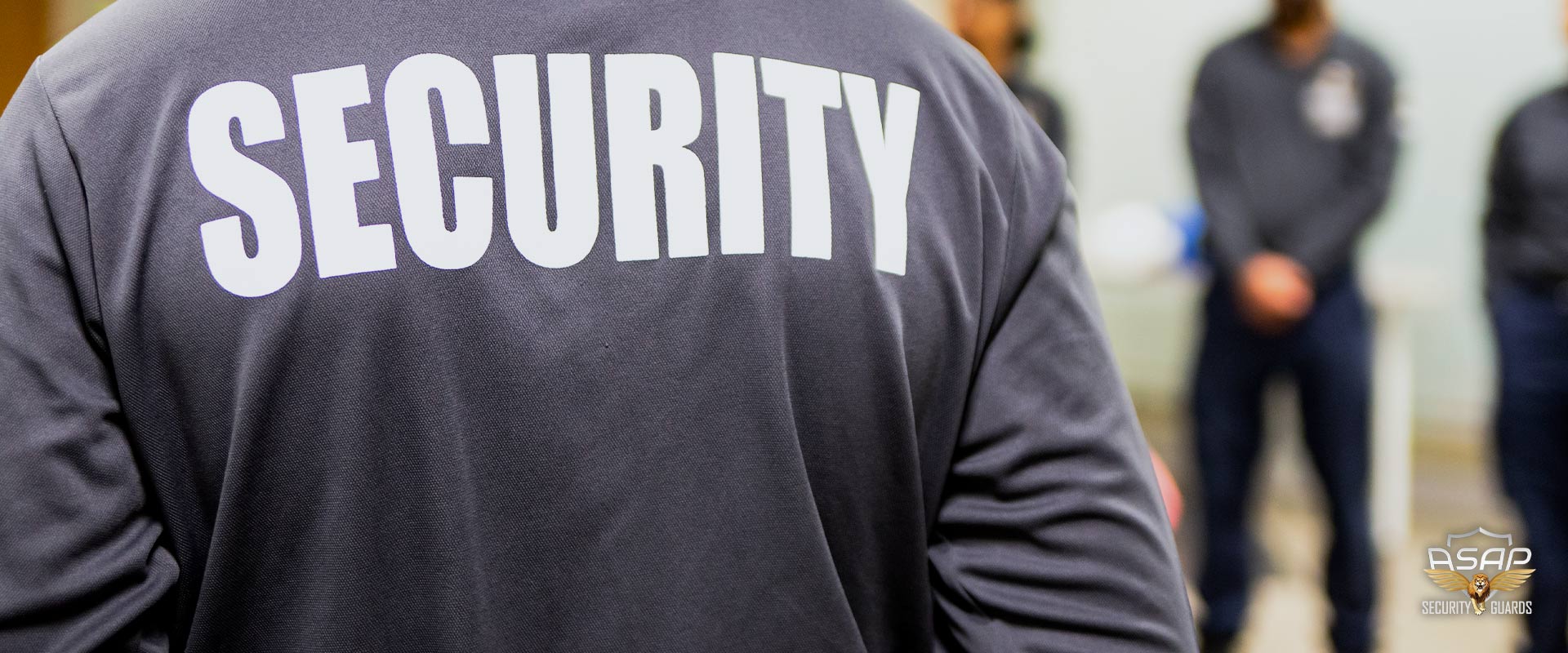 Training and Development for School Security Guards
Once hired, ongoing training and professional development should be a priority for school security guards. This ensures they remain equipped to handle evolving threats and challenges. Continuous learning and skill development are crucial for school security guards to effectively protect students, staff, and school property. In addition to their initial training, investing in ongoing education helps guards adapt to new security technologies and strategies. Furthermore, fostering a culture of learning among security guards can lead to increased job satisfaction and morale. When guards feel supported in their professional growth, they are more likely to demonstrate dedication and vigilance in their roles.
Screening Candidates Effectively
A solid screening process is your best tool for finding security personnel who are not just qualified, but are the right fit for your school’s unique culture. It’s about looking beyond the resume to find individuals who can connect with students and staff while maintaining a secure environment. This means verifying their credentials, assessing their temperament, and understanding the formal steps involved in their certification. A thorough approach here ensures you’re bringing someone onto your campus who can truly contribute to a positive and safe learning atmosphere.
Basic Qualifications and Experience
In California, the first thing to check off your list is the SB 1626 Certification. This isn’t just a recommendation; it’s a state-mandated training that every school security officer must complete. This certification covers critical topics like the officer’s role on campus, relevant laws, conflict resolution, and understanding student behavior. Think of it as the foundational knowledge base for anyone tasked with protecting a school. When you partner with a professional security provider like ASAP Security, you can be confident that every officer assigned to your campus has already met these stringent requirements, saving you the time and effort of initial vetting.
Assessing Critical Skills and Temperament
A guard’s qualifications on paper are important, but their ability to interact with your community is what truly makes them effective. Strong communication and interpersonal skills are essential. You need someone who can de-escalate a tense situation with a calm voice, clearly explain school policies to a visitor, and build a rapport with students. Look for candidates who are patient, observant, and approachable. The goal is to find a guard who acts as a trusted presence, not just an enforcer. This is why many of our officers at ASAP Security have backgrounds in law enforcement or the military, bringing a disciplined yet community-focused approach to their roles.
Understanding the Application Process and Fees
While you may not be hiring an individual directly, it’s helpful to understand the steps they take to become certified. To become a School Safety Agent in California, applicants typically pay a $49 application fee and an additional $75 fee for fingerprinting as part of their background check. These fees are standard parts of the state’s official vetting process. Working with a dedicated security firm streamlines this entire process for you. We handle all the administrative details, from verifying licenses and certifications to managing background checks and associated costs, ensuring every guard is fully compliant and ready to serve your school community from day one.
The School Security Officer Career: Salary and Outlook
To attract and retain the best security talent, it helps to understand the career from their perspective. A competitive salary and a clear path for growth are key factors for any professional, and school security officers are no exception. Knowing the market rate and the overall career outlook allows you to create an attractive position that brings in highly qualified candidates dedicated to keeping your campus safe. This isn’t just about filling a role; it’s about investing in a professional who will become an integral part of your school’s community and safety framework.
Average Salary Expectations
In California, the salary for a school security officer can vary quite a bit depending on the location, the school district’s budget, and the officer’s experience. Statewide, the average annual pay can range from around $54,000 to nearly $70,000. However, in certain areas, the compensation is notably higher. For instance, a school security officer in Riverside might earn over $60,000, which is above the national average. In a large district like Long Beach Unified, hourly pay can be as high as $32.80, reflecting the demand for skilled professionals in metropolitan areas. When you partner with a professional security firm, you can be confident that officers are receiving competitive compensation, which directly impacts their motivation and long-term commitment to their post.
Projected Job Growth
The demand for skilled school security professionals remains strong and steady, making it a stable career choice. As schools continue to prioritize the safety of students and staff, the need for a visible and well-trained security presence is unlikely to decrease. While the role of a school security officer is a vital career in itself, it also offers pathways for advancement. An officer can gain valuable experience that leads to higher-paying security positions, such as supervisory roles or specialized corporate security details. This potential for career progression is a significant draw for ambitious candidates, ensuring that the field continues to attract dedicated individuals committed to protecting educational environments.
What to Cover in Your Onboarding Program
Provide comprehensive training programs to familiarize newly hired security guards with the school’s policies, procedures, and emergency protocols. This includes training on conflict resolution, first aid, and crisis management. Regular drills and simulations can help reinforce their training.
Encouraging Ongoing Professional Development
Encourage continued professional development by offering opportunities for security guards to attend workshops, conferences, and relevant training courses. By staying updated on best practices and emerging trends, guards can continually enhance their skills and stay prepared for any situation. Moreover, creating mentorship programs where experienced security guards can share their knowledge and expertise with newer team members can further enrich the learning environment. This peer-to-peer learning not only fosters camaraderie among the security team but also ensures a transfer of valuable skills and insights.
The Role of Technology in Modern School Security
A security guard’s role today goes far beyond simply patrolling hallways. Modern school security is a dynamic partnership between highly trained personnel and sophisticated technology. When integrated properly, technology acts as a force multiplier, giving guards the ability to monitor campus more effectively, identify potential threats sooner, and respond to incidents with greater speed and precision. When you’re considering a security provider, it’s essential to look for a team that not only has skilled officers but also embraces and masters the latest security tools. This combination ensures a proactive and comprehensive approach to keeping your campus safe, rather than a purely reactive one.
Managing Integrated Security Systems
Today’s schools often use a network of interconnected security tools, including surveillance cameras, electronic access control systems, and alarm sensors. A truly effective security officer must be tech-savvy enough to manage these integrated systems from a central command point. This isn’t just about watching monitors; it’s about understanding how to interpret the data, spot anomalies, and use the technology to investigate potential issues in real-time. An officer who can skillfully operate your security infrastructure can prevent incidents before they happen, making them an invaluable part of your school security plan. Their ability to manage these tools directly translates to a safer environment for students and staff.
Leveraging Emergency Communication Tools
During an emergency, every second counts, and clear, rapid communication is absolutely critical. Modern security guards are equipped with advanced tools that go beyond traditional radios. For instance, many security teams now use panic button apps on their mobile devices. According to security experts, these apps allow an officer to instantly and discreetly alert 9-1-1, school administrators, and teachers about any type of emergency, from a medical issue to an active threat. This immediate, widespread notification system streamlines the response process, ensuring everyone is informed and can take appropriate action without delay. When hiring, ask potential security providers about their training and use of these vital communication technologies.
Balancing Security with a Supportive School Environment
Creating a secure campus is about more than just preventing incidents; it’s about fostering an atmosphere where students feel safe, supported, and ready to learn. The key is to find a balance where security measures enhance the school environment rather than detract from it. A visible security presence should be reassuring, not intimidating. This is achieved when security guards are seen as an integrated part of the school community, working alongside educators and staff with a shared goal of protecting and nurturing the student body. The right security team understands this delicate dynamic and prioritizes building positive relationships as a cornerstone of their strategy.
This approach transforms the role of a security guard from a simple enforcer to a proactive protector and mentor. When students trust the security staff, they are more likely to report concerns, which can prevent potential issues from escalating. It requires officers with exceptional interpersonal skills, de-escalation training, and a genuine understanding of the challenges young people face. A professional security presence contributes to a culture of safety and respect, ensuring the campus remains a welcoming place for everyone while being fully prepared to handle any security challenges that may arise.
Addressing Community Concerns
It’s completely understandable that some parents and community members might have reservations about having security guards on campus. There can be a concern that a strong security presence might make a school feel more like a fortress than a place of learning or could lead to unnecessary disciplinary actions. The goal of modern school security is not to police students, but to protect them through vigilance and positive interaction. A well-trained officer knows how to be an approachable resource for students while maintaining a professional demeanor that deters potential threats. The key to easing these concerns lies in hiring security professionals who are specifically trained to work in a school setting and focus on building rapport and trust, becoming a valued part of the school’s support system.
The Importance of a Team-Based Approach
Effective school security doesn’t operate in a silo. The best results come from a collaborative, team-based approach where security personnel work hand-in-hand with school administrators, teachers, and mental health professionals. Security is just one component of a comprehensive safety plan that should involve input from every part of the school community. When security guards are included in safety planning meetings, they gain a deeper understanding of emergency protocols and their specific role within them. This integration allows security to become a more effective resource, helping to identify students who may be struggling and connecting them with support staff. As the K-12 School Security Guide suggests, a holistic approach is critical for building a truly resilient and safe campus.
Evaluating the Effectiveness of School Security Guards in California
 Evaluating the Effectiveness of School Security Guards in California
Periodical evaluation of school security guards’ performance is crucial to ensure they are meeting expectations and effectively contributing to the safety of the school. When evaluating the effectiveness of school security guards, it is important to consider various aspects beyond just their physical presence. Factors such as their ability to de-escalate conflicts, their knowledge of emergency protocols, and their familiarity with the school layout can significantly impact their overall performance.
Setting Clear Metrics for Success
Define performance metrics and evaluation criteria to assess the guards’ effectiveness. This could include factors such as response times, communication skills, and collaboration with law enforcement agencies. Regular evaluations help identify areas for improvement and allow for recognition of exceptional performance. Additionally, incorporating scenario-based training exercises into the evaluation process can provide valuable insights into how security guards handle different situations, further enhancing their preparedness and effectiveness in real-life scenarios.
Gathering Feedback from Your School Community
Collect feedback from the school community, including students, parents, and staff, regarding their perception of the security guards’ effectiveness. This feedback provides valuable insights and helps identify any areas where additional training or adjustments may be necessary. Furthermore, establishing open lines of communication between security guards and the school community can foster a sense of trust and collaboration, ultimately enhancing the overall security measures in place. By diligently considering the factors outlined above, schools in California can make informed decisions when hiring school security guards. Ensuring the safety and security of students is a collective responsibility, and investing in capable security personnel is a crucial step toward achieving this goal.
Ready to Secure Your School? Get a Custom Quote
We are proud of our stellar customer service record, so check our website for all the testimonials from our various satisfied customers. Call ASAP Security at 1-833-272-7247
Frequently Asked Questions
What is the single most important legal requirement for a school security guard in California? Beyond a standard security license, every guard working in a K-12 school must have the SB 1626 Certification. This is a state-mandated training designed specifically for school environments. It covers essential topics like conflict resolution, emergency procedures, and how to interact effectively with students, ensuring the officer is prepared for the unique challenges of a campus.
How is a School Security Officer different from a School Resource Officer (SRO)? The main difference lies in their employer and authority. An SRO is a sworn law enforcement officer employed by a local police department and assigned to a school. In contrast, a School Security Officer is a civilian professional, typically employed by a private security firm or the school district itself, who reports directly to the school’s administration.
How can we ensure our security presence feels supportive rather than intimidating to students? This comes down to hiring for temperament as much as for qualifications. The right officer has excellent interpersonal and communication skills, allowing them to build rapport with students and staff. Their role should be framed as a supportive one, focused on de-escalation and positive interaction, making them an approachable and trusted part of the school community.
What are the benefits of hiring through a security company versus hiring an individual directly? Working with a professional security firm streamlines the entire process and provides peace of mind. The company handles all the critical vetting, including verifying licenses, confirming SB 1626 certification, and managing background checks. This ensures every officer is fully compliant and properly trained before they ever set foot on your campus, saving you significant administrative work.
Beyond patrolling, what technology should a modern security guard be trained to use? An effective modern guard should be skilled in managing integrated security systems. This includes operating surveillance cameras, electronic access controls, and alarm systems from a central point. They should also be proficient with emergency communication tools, such as mobile panic button apps, which allow for instant and discreet alerts to administrators and first responders during a crisis.
Key Takeaways
- Verify Essential California Certifications: Ensure any potential security officer holds a valid BSIS license and the state-mandated SB 1626 certification, as this training is specifically designed for the unique challenges of a school campus.
- Look for More Than Just a Guard: The best school security officers have strong interpersonal skills that allow them to de-escalate conflicts and build positive relationships with students and staff, making them a trusted part of the community.
- Embrace a Collaborative Security Approach: Effective campus safety relies on a team-based strategy where security personnel work closely with school administrators and are proficient with modern technology, like integrated surveillance and communication tools.
Related Articles
- School Security Guards in California: Hiring Guide & Requirements | ASAP Security Guards
- What Do You need to Be a Security Guard in California? | ASAP Security Guards
- School Security Guard Services in San Diego | ASAP Security
- Security Guard Requirements in California: Training & Steps | ASAP Security Guards