
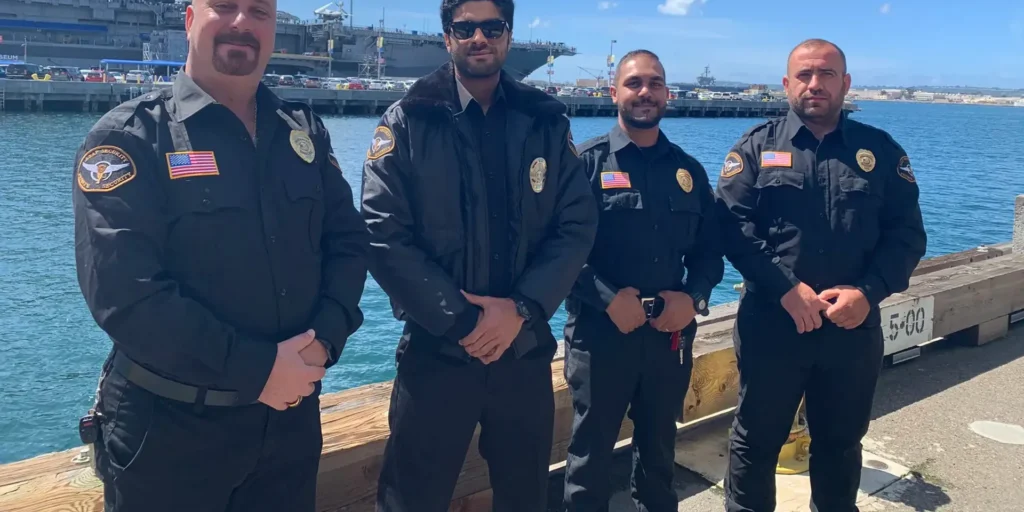
What does an executive protection officer do? The short answer is that an officer helps reduce foreseeable risks to a person through planning, observation, communication, and, when necessary, a calm protective response. The work is broader than standing beside a client: it includes advance preparation, movement between locations, venue coordination, and clear boundaries about what the assignment does and does not cover. Executive protection is a specialized service. ASAP Security provides executive security services for high-profile executives, business leaders, and other individuals with elevated security concerns. Its published service scope includes person-focused protection, and each assignment should define staffing, responsibilities, and limits before work begins.
Call (833) 272-7247 to discuss site or event security needs.
What Does an Executive Protection Officer Do?
An executive protection officer (often called an EP officer or agent) works within an agreed protective plan for a specific person, schedule, and environment. The objective is not to create a spectacle or promise that no incident can occur. It is to identify foreseeable concerns, reduce unnecessary exposure, coordinate with the client and relevant site teams, and respond proportionately if circumstances change.
The precise assignment depends on the client’s risk profile, locations, travel, schedule, and preferences. One engagement may involve advance work and a single event. Another may require a coordinated team, transport planning, or coverage across multiple venues. A provider should explain who is responsible for each element and what is outside the scope before service begins.
- Assess: understand the assignment and identify relevant risks.
- Prepare: review venues, routes, timing, access, and communication.
- Protect: maintain awareness and help the client move safely through planned activities.
- Coordinate: work with authorized venue, transport, and client representatives.
- Review: document relevant activity and adjust the plan when conditions change.
How does threat assessment shape the plan?
Threat assessment is a structured review, not a dramatic prediction. The officer or team gathers assignment-relevant information, distinguishes confirmed facts from assumptions, and considers how a person’s schedule and environment affect exposure. Depending on the engagement, the review may cover publicly known event details, access arrangements, crowd conditions, travel timing, nearby facilities, and the client’s stated concerns.
A useful assessment turns observations into practical controls. For example, if a venue has one public entrance and a busy arrival period, the team can coordinate an arrival window and clarify the agreed access point with the venue. If a schedule has several stops, the plan can account for realistic travel time and identify who communicates a change. These are planning measures, not guarantees that every variable can be controlled.
Good practice also means avoiding overreaction. An unusual circumstance should be checked and communicated through the agreed chain rather than treated automatically as a confirmed threat. The plan should identify escalation thresholds, decision-makers, and how the client prefers to receive updates. A useful briefing separates what is known, what is uncertain, and what action is being considered. It should also set a review point: new information, a changed itinerary, or a shift in venue conditions may require revisiting the plan. This keeps decisions proportionate and gives the client a clear way to approve or decline changes that affect the schedule.
Assessment should remain specific to the assignment. A public profile alone does not tell a team what the client needs, and a generic checklist cannot replace a discussion about the person’s workday, accessibility needs, privacy preferences, or planned interactions. The provider should explain what information it needs, why it needs it, and how it will be handled. The client can then share relevant details without turning every personal or business matter into security data. This makes the plan more useful while keeping information collection focused.
The ASIS discussion of executive protection technology describes counter-surveillance and intelligence research as inputs that can support protective methodology; tools and information support judgment, but do not replace it (ASIS Security Management on technology in executive protection).
What does advance work include?
Advance work is preparation done before the client arrives. It helps the team understand the environment, confirm arrangements with authorized contacts, and avoid improvising basic logistics at the last moment. The scope varies, but an advance review commonly considers:
- Where the client will arrive, enter, wait, and depart.
- How guests, staff, deliveries, and visitors access the venue.
- Whether the schedule and expected travel time are realistic.
- Which venue representative can resolve access or schedule questions.
- How the team will communicate if an entrance, timing, or meeting location changes.
- What accessible, well-understood options exist if the planned movement cannot continue.
The team should coordinate through appropriate venue or client contacts, respect property rules, and avoid making promises on behalf of the venue. Advance work is not an excuse to intrude on private spaces or conduct unauthorized searches. A short written brief can capture the confirmed schedule, agreed entrances, contact names or roles, communication method, and the process for changes. Keep the brief current: if the meeting moves or a venue changes its access procedure, the appropriate contacts should receive the update. A clear version and distribution process can prevent two people from relying on different plans.
Before an arrival, the team should know what it can decide independently and what requires approval. For example, a delay may be manageable through a timing adjustment, while a change to the meeting location may require the client or organizer to confirm it. Recording those decision boundaries in advance helps avoid unnecessary interruptions and prevents staff from improvising beyond their authority. The client should also know how to reach the team if the itinerary changes unexpectedly.
For a business hosting a high-profile visitor, it can be helpful to coordinate the visitor plan with the organization’s regular corporate security arrangements so reception, facilities, and security personnel understand their respective roles.
How are routes and venues secured?
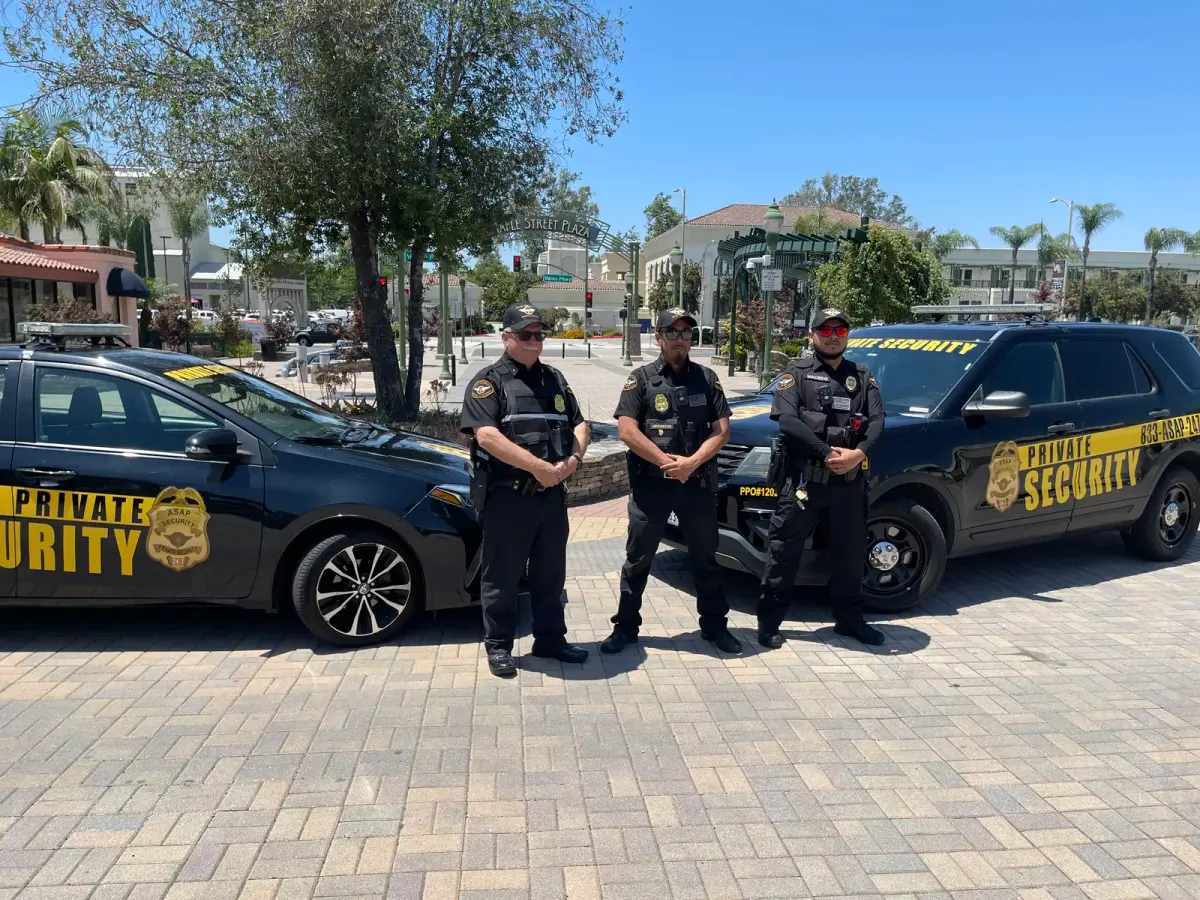
Route and venue planning is about reducing uncertainty and keeping the movement orderly. A protection team reviews the itinerary, expected travel conditions, arrival and departure points, and the handoffs between locations. The client’s comfort and schedule matter, but the team should also leave enough flexibility to respond to delays or a changed plan.
At a venue, the officer may coordinate the agreed entrance, identify the person who can confirm access, and understand where the client is expected to go. On a large event site, the plan should account for transitions between a vehicle, entrance, meeting area, and exit. It should be clear who has authority to approve a change and how the team will communicate it.
Route security does not mean that an officer can control public roads or guarantee an uninterrupted journey. Nor does the label imply special authority over other people. The work is coordination, awareness, and sensible choices within applicable law, client instructions, and the provider’s agreed scope. Where an organization already uses event security staff, the event lead and protection detail should establish a point of contact and avoid unclear or competing instructions.
What does close protection look like?
Close protection is the visible, person-focused part of a detail, but its day-to-day form should fit the client and setting. An officer stays attentive to the client’s movement and surroundings, maintains suitable communication with the team, and helps the client navigate transitions. The right distance and visibility depend on the assignment: a crowded public appearance differs from a private office visit or a small business meeting.
Professional conduct matters. The officer should be discreet, respectful, and clear about boundaries. Close protection is not the same as acting as a personal assistant, enforcing a client’s preferences against others, or taking over venue management. The officer should know how to raise a concern without unnecessarily disrupting the client’s work or drawing attention to the detail.
The role also includes knowing when to ask for help. If an incident involves medical needs, law enforcement, or venue emergency procedures, the plan should identify how the team contacts the appropriate responders and who communicates with the client. The officer’s responsibilities depend on training, assignment terms, and local requirements.
Call (833) 272-7247 to discuss executive security, site coverage, or event protection needs.
How does transportation security fit in?
Transportation security covers the movement plan and coordination around vehicles, drivers, timing, and transitions. Before travel, the team confirms the pickup and drop-off arrangements, the driver’s point of contact, and how a schedule change will be passed along. During movement, the priority is to follow the agreed plan and communicate material changes promptly.
Clients should clarify whether transportation is supplied by the protection provider, the client, or a separate transport company. They should also ask who is responsible for vehicle readiness, passenger lists, luggage, and delays. A provider should not imply that a guard assignment automatically includes professional driving or a dedicated secure vehicle. Those are distinct responsibilities that may require separate personnel and arrangements.
For multi-stop days, build in reasonable transition time instead of relying on a perfect timetable. Agree on a simple method for confirming changes, and keep sensitive itinerary information limited to people who need it. That practical discipline is often more useful than adding unnecessary complexity.
A transportation briefing can also set expectations for routine disruptions. Decide who informs the client about a delay, who can approve a revised pickup point, and how the team will confirm that the driver has received the change. If a vehicle or driver is provided by a third party, identify that provider’s contact and responsibilities in advance. This is basic coordination, not a promise of a particular route or travel time. The plan should avoid broadcasting itinerary details beyond people who need them and should account for the client’s accessibility and comfort requirements.
After a change, the team should verify the new arrangement with the responsible contact rather than rely on an unconfirmed message. That small step can reduce confusion when several organizations are coordinating the same schedule. The client and provider should agree on an appropriate backup communication method in case the usual channel is unavailable, while keeping the process simple enough to use under pressure.
Why is discreet conflict de-escalation important?
Many difficult interactions begin as misunderstandings, frustration, or a disagreement about access. A well-prepared officer uses calm communication, attentive listening, and clear boundaries to lower tension when it is safe to do so. The goal is to prevent a manageable situation from becoming a disruption, not to win an argument or provoke a confrontation.
De-escalation can include giving people appropriate space, using a steady and respectful tone, offering a clear next step, and involving the venue’s designated manager when needed. The officer should avoid unnecessary physical contact and follow applicable law, training, and the employer’s procedures. If a situation presents an immediate danger, the response should follow the agreed emergency plan and involve appropriate responders.
Executive protection specialists need sound situational awareness and communication skills as well as physical readiness. The cited overview from a training institution lists situational awareness, communication, and legal and ethical knowledge among relevant skills (overview of executive protection specialist skills). Skills should be assessed in context; a résumé alone does not establish how someone will communicate or make decisions in a particular assignment.
What training and background should a client look for?
There is no single background that makes someone suitable for every protection assignment. Relevant experience may help develop judgment, composure, communication, and disciplined teamwork, but experience should be paired with role-specific preparation. Ask the provider how officers are selected, trained, supervised, and matched to the needs of the detail.
Useful areas to discuss include:
- Legal and ethical boundaries: understanding the limits of the role, privacy expectations, and the importance of acting within applicable requirements.
- Situational awareness: noticing meaningful changes without treating every unfamiliar person or event as a threat.
- Communication: concise updates, calm interaction, and coordination with the client and authorized contacts.
- Emergency readiness: familiarity with the assignment’s emergency procedures and relevant first-aid or response training.
- Advance planning: the ability to review schedules, locations, access, and contingencies methodically.
- Professional discretion: appropriate handling of private schedules, business information, and client preferences.
- Supervision and review: a defined process for briefing, reporting, and learning from changes or incidents.
Ask about current licenses or credentials required for the specific duties and jurisdiction, and have the provider explain how they verify them. Ask whether training is refreshed, how scenario practice is conducted, and who supervises an assignment. A background in military or law-enforcement work may bring relevant experience, but it does not by itself prove suitability, replace role-specific training, or establish that someone is qualified for every protective role.
Clients can make the conversation concrete by asking how the provider would prepare for an ordinary workday with several meetings, a public-facing arrival, or a last-minute venue change. The purpose is not to solicit sensitive operational detail. It is to understand whether the provider asks sensible questions, explains options in plain language, and knows when the client or venue must make a decision. Ask who briefs any additional personnel and how responsibilities are handed over if a team member changes.
Also ask how the provider handles boundaries and confidentiality in day-to-day interactions. Who may receive the itinerary? Where are incident notes stored and who can access them? What is the process if a client asks an officer to do something beyond the agreed role? Clear answers help a client compare providers on professional judgment and accountability, not just on a list of credentials. The provider should be willing to define what it can do, what requires separate arrangements, and what it cannot promise.
ASAP Security’s published executive security service describes officers with military and law-enforcement backgrounds, selected and trained for person-focused protection. That background supports the task brief, but it does not mean every officer is an executive protection officer or that one profile fits every detail. Review ASAP’s executive security services with the provider, then define the assignment around the person, locations, schedule, and duties actually required. For property-focused coverage, compare that scope with ASAP’s physical security guard services.
How do executive protection and site guarding differ?
Both forms of security involve observation, communication, and preparation, but they are not interchangeable. A dedicated executive protection detail is organized around an individual’s movement and personal protective plan. Site or event guarding focuses on people, property, access, and activity within an assigned location or operational area. A business may need one, the other, or separate providers for different responsibilities.
| Consideration | Executive protection detail | Site or event guarding |
|---|---|---|
| Primary focus | An individual’s schedule, movement, and protective coordination | People, property, access, and activity at an assigned site or event |
| Planning emphasis | Advance work, route and venue transitions, client communication | Post orders, access procedures, patrol or observation responsibilities |
| Typical coordination | Client, authorized representatives, venues, and transport contacts | Property or event management, staff, and the site security team |
| Questions to settle | Who plans movement, what transport is included, and who approves changes? | Which posts and duties are covered, how are activities recorded, and who receives reports? |
The division of work should be explicit when both services are present. For instance, event guards may manage an assigned entrance while a separate detail coordinates an individual’s arrival and movement. A written briefing can identify the lead contact, communication channel, escalation process, and areas of responsibility, reducing gaps and duplicated instructions.
Before service begins, make the boundaries understandable to everyone who needs to act on them. A front-desk team may need to know who confirms a visitor’s arrival, but not the full itinerary. Event personnel may need a contact for access questions, but they should not be expected to make decisions assigned to the protection lead. A short, role-based briefing can give each person the information needed to do their part while limiting unnecessary disclosure. After the engagement, a review can capture what changed, whether communication worked, and what should be adjusted next time. Keep the discussion factual and focused on improving the plan, rather than treating a smooth day as proof that no risk existed.
What should a client ask before engaging a provider?
Start with the actual requirement. Is the need centered on one person’s travel, a public appearance, a business location, or an event? If the need is mainly access control and on-site presence, a site security plan may be more suitable than an individual protection detail. If the need is person-focused, ask the prospective provider to explain its specific capabilities and limitations rather than relying on a broad service label.
- Who will lead the assignment? Identify the primary contact and the person responsible for decisions during the detail.
- What work is included? Clarify assessment, advance planning, venue coordination, transport, coverage hours, and reporting.
- How are personnel prepared? Ask about role-relevant training, supervision, communication, and applicable credentials.
- How is private information handled? Agree on who receives schedules, reports, and other sensitive details.
- What is outside scope? Confirm exclusions, third-party responsibilities, and how a change in need will be addressed.
- How will performance be reviewed? Decide what updates or records are useful and how to raise a concern.
For recurring property needs, an accountable record of activity can help a manager understand what coverage was delivered. ASAP describes GPS-tracked Daily Activity Reporting for its guard operations; a client considering those services can ask how reporting fits the proposed site plan. Read more about digital guard activity reporting and consider whether the information matches the facility’s actual oversight needs.
Call (833) 272-7247 to discuss commercial site or event coverage.
Frequently asked questions
Does an executive protection officer stay beside the client all day?
Not necessarily. Coverage, proximity, and visibility depend on the agreed plan, the client’s schedule, and the setting. The provider and client should define when coverage begins and ends, which movements are included, and how the team communicates.
Is prior military or law-enforcement experience enough?
No. It can be relevant background, but it does not alone demonstrate suitability for a particular executive protection role. Ask about role-specific training, legal and ethical boundaries, communication skills, supervision, and assignment-relevant experience.
Does executive protection include a secure vehicle?
Not automatically. Transportation arrangements vary. Confirm whether a vehicle and driver are included, who supplies them, and who handles scheduling and changes.
Can a site security guard perform executive protection duties?
Do not assume so. Site guarding and person-focused protection have different planning and operational requirements. Confirm the provider’s actual scope and personnel preparation before assigning duties.
Does ASAP Security provide executive or close protection?
ASAP Security publishes executive security services for high-profile executives, business leaders, and individuals with elevated security concerns. Confirm the current scope, personnel, and assignment details with the provider through its executive security service page. Businesses seeking property or event coverage can also contact ASAP about a physical security consultation.
Call (833) 272-7247 to discuss physical guarding for a business, property, or event.
A clear scope, suitable preparation, and direct communication help clients choose security coverage that fits the real assignment rather than relying on a title alone.
