

Security guard supervisor duties shape what a facility manager sees every day: organized coverage, consistent standards, useful reporting, and clear communication when conditions change. A supervisor is not simply the person who checks whether a guard is present. Effective site leadership connects the assignment’s expectations to the work happening on the property, then makes that work visible and correctable.
Request a security consultation for your facility
Call (833) 272-7247 to discuss site coverage
For a facility manager, the practical question is not whether a supervisor has an impressive title. It is whether the person responsible for oversight can coordinate people, verify that assigned work is being completed, address gaps, and keep the right stakeholders informed. This guide explains those responsibilities in operational terms, along with what to review when assessing a security program.
What are the key security guard supervisor duties?
A security guard supervisor coordinates and oversees guard activity for an assigned site or group of locations. The scope varies with the assignment, staffing model, and service agreement. At a minimum, supervision should connect planned coverage with actual performance. That means checking the status of the shift, clarifying expectations, reviewing documentation, and raising issues through the agreed chain of communication.
Supervision is different from simply performing a post assignment. A guard carries out assigned duties at a particular location or during a shift. A supervisor takes a broader view: Are responsibilities understood? Is coverage aligned with the plan? Are changes being recorded? Does the client receive timely information about matters that affect the service? The supervisor helps create consistency across individual shifts rather than treating each shift as an isolated event.
The South African Department of Public Service and Administration’s security officer supervisor role profile describes allocating duties and overseeing security functions in line with departmental policies. The setting differs from a commercial property, but those core supervisory activities that involve assigning work, maintaining oversight, and checking adherence to expectations are useful reference points.
For businesses across Southern California, the details may differ between a warehouse, office, residential community, medical facility, or event. A useful overview of the provider’s security guard services can help facility managers identify the type of physical coverage they need before discussing supervision and reporting expectations.
Which responsibilities should site supervision cover?
Well-defined supervision usually spans several connected responsibilities. The precise division of work should be agreed with the security provider and reflected in the assignment’s procedures. The following areas give facility managers a practical framework for discussing what supervision includes.
1. Organize the shift and confirm coverage
A supervisor helps translate a coverage plan into a workable shift. This can include communicating assignments, confirming who is responsible for each area or duty, managing handoffs, and checking that a change in staffing or site conditions is brought to the appropriate person’s attention. The aim is continuity: responsibilities do not disappear when a shift changes or a routine is interrupted.
For the facility manager, useful evidence is not a minute-by-minute account of sensitive activity. It is a dependable process for confirming that expected coverage is in place and that changes are escalated. Agree in advance on what information the client needs, who should receive it, and how urgent issues are communicated. Keep those expectations proportionate to the site and the service scope.
2. Make expectations understandable
Supervisors reinforce the service expectations that apply to the assignment. They should be able to explain duties in clear, practical language and check that guards understand their responsibilities, reporting lines, and limits of authority. Unclear direction can lead to uneven service: one person interprets a routine differently from the next, or an important task is assumed to belong to someone else.
Facility managers can help by identifying operational changes early. Examples include a revised visitor process, a temporary closure, a new delivery pattern, construction activity, or a change in the site contact. The supervisor can then coordinate the update with the provider and confirm how it affects the assignment. A security provider’s service area information is also relevant when a business needs to discuss coverage across multiple Southern California locations.
3. Observe performance and correct gaps
Oversight includes checking whether the agreed duties are being carried out and whether service standards are being followed. A supervisor may review activity records, speak with guards, conduct appropriate site checks, or follow up on a concern raised by a client. The method depends on the contract and operational plan, but it should produce a clear path from observation to action.
When a gap appears, the supervisor should distinguish between a one-time issue and a pattern. A missed documentation detail may call for a prompt correction. A recurring misunderstanding may point to a need for clearer direction, additional coaching, or a review of the assignment. The useful outcome is not blame for its own sake; it is an agreed corrective step, a responsible owner, and follow-up to see whether the issue is resolved.
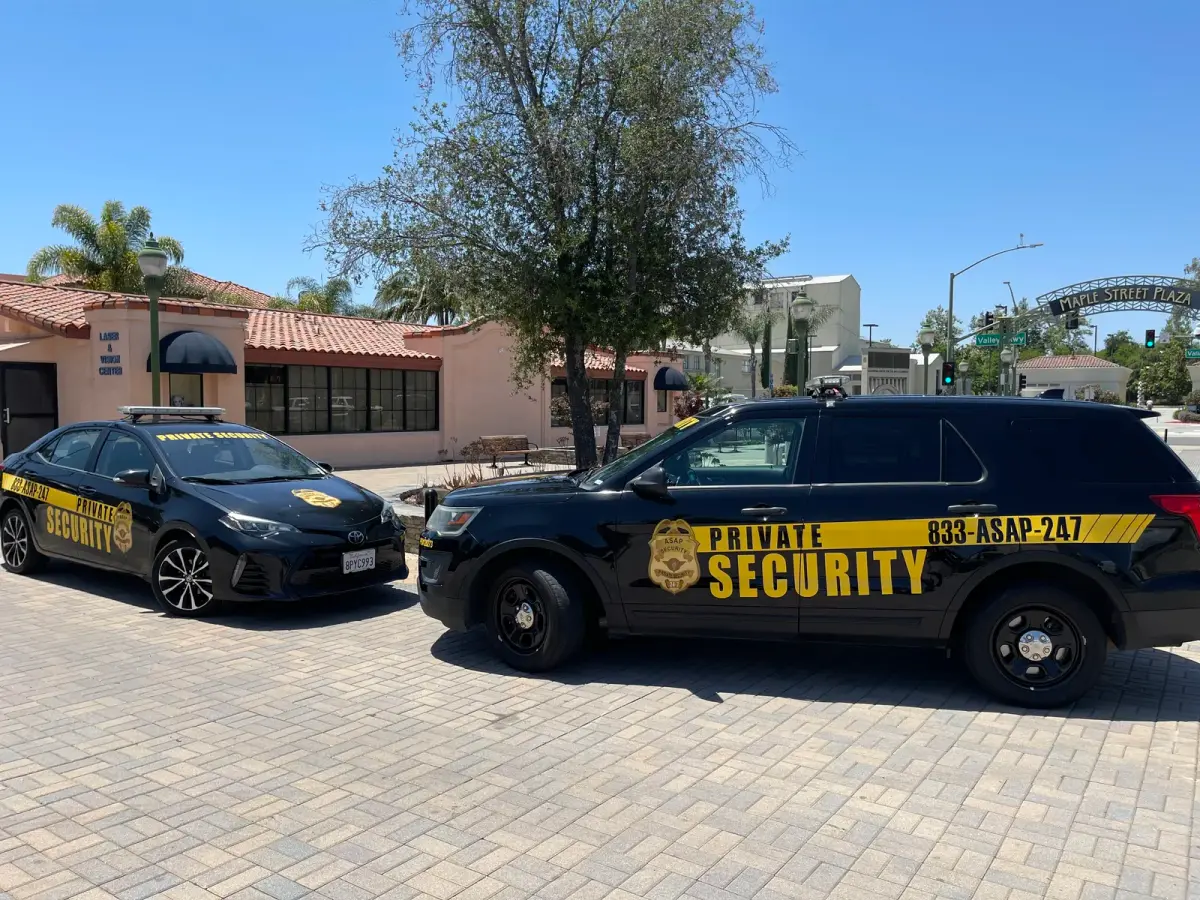
4. Support consistent handoffs
Shift changes are a natural point of risk for lost context. Supervisors help establish what information needs to carry forward, which matters remain open, and how the incoming person confirms understanding. A handoff should be concise and relevant. It should preserve continuity without circulating unnecessary personal or sensitive information.
For a manager overseeing several shifts or properties, ask how the provider handles handoff accountability. Who is responsible for confirming that the outgoing and incoming teams have exchanged essential information? How are unresolved items recorded? How does the supervisor notify the client if a material service issue affects the agreed coverage? These process questions reveal more than a generic promise of oversight.
5. Keep records useful and factual
Supervisors play an important role in the quality of service records. They may review whether reports are timely, legible, relevant, and consistent with the assignment’s expectations. A good record distinguishes what someone observed from what they inferred. It identifies the time and location when appropriate, describes actions taken at a high level, and notes who was notified according to the agreed process.
For example, “delivery entrance found unsecured at 8:10 p.m.; site contact notified; status recorded after the contact responded” is more useful than a vague entry such as “problem handled.” Reports should avoid speculation and unnecessary personal details. The exact fields depend on the site and agreement, but a supervisor should be able to explain how records are reviewed and how corrections are handled.
How does GPS-tracked daily activity reporting help?
Digital reporting can give a client a clearer view of completed activity than an informal verbal update alone. ASAP Security uses GPS-tracked Daily Activity Reporting (DAR). When the service plan and report configuration support it, this can help document activity, provide time and location context, and make follow-up easier. A report is a record of reported activity; it should not be treated as a guarantee that every risk has been prevented or that every event will be captured.
The supervisor’s role is to connect the record to management action. That can include reviewing whether expected entries are present, identifying missing or unclear information, asking for a correction when appropriate, and raising a recurring concern. Managers should agree with the provider on which report details they will receive, how often, who can access them, and which types of concern require direct contact rather than waiting for a routine report.
Use the report as one input, not as a substitute for communication. A dashboard or activity log can show that a record exists; a conversation can explain context, confirm the next step, and resolve ambiguity. For more on what digital records can and cannot show, see the guide to digital DAR reports and traditional guard logs.
Call (833) 272-7247 to review reporting needs for your site
How should supervisors coach and guide guards?
Coaching is how expectations become repeatable habits. A supervisor should address performance in a direct, professional way, give feedback tied to observable work, and confirm what improvement looks like. Effective coaching is specific. “Keep the report clearer” is difficult to act on. “Record the time, location, observed condition, and notification made” gives a person a concrete standard to follow.
Coaching may cover consistent documentation, professional communication, attention to assigned responsibilities, proper use of reporting tools, and how to request clarification. It should remain within the person’s role and the provider’s procedures. Supervisors should not encourage guards to exceed their authority, improvise sensitive response methods, or promise outcomes outside the agreed service.
Facility managers can support the process by sharing feedback through the designated contact rather than issuing conflicting instructions to different members of the team. If a manager notices a recurring problem, provide an objective example, the date or shift if known, the operational effect, and the desired correction. The supervisor can review the issue with the provider and report back on the corrective action without exposing private personnel details.
What should supervisors communicate to facility managers?
Good communication is timely, proportionate, and clear about what is known. The supervisor or designated provider contact should understand who the client’s main contact is, who serves as an alternate, and which subjects need an immediate call or another agreed channel. That structure prevents information from being delayed or scattered across multiple people.
Clients typically need clarity on service delivery, notable issues affecting the property, open follow-up items, and changes that could affect coverage. They do not need every internal discussion or sensitive operational detail. Agree on a practical reporting rhythm, such as routine summaries plus direct notification for defined categories of concern. The categories should be set jointly and kept consistent with the agreement and applicable policies.
When an issue is raised, a complete update should state what was observed, what action has been taken or is underway, who owns the next step, and when the client can expect another update. If a fact is still being checked, say so. A supervisor should avoid presenting assumptions as confirmed information. This simple discipline improves trust and helps the facility manager decide whether another department or site contact needs to be involved.

How do duties vary by facility?
The foundations of supervision remain similar, but the manager’s priorities differ by environment. A supervisor should understand the facility’s operating rhythm and coordinate coverage accordingly, while following the agreed assignment rather than applying a one-size-fits-all checklist.
- Warehouse or industrial property: Coordinate around shift changes, delivery activity, and access responsibilities defined for the assignment. Reporting should make exceptions and follow-up visible to the site contact.
- Commercial office: Emphasize consistency around visitor-facing duties, building schedules, and communication with property management. Changes to tenant access or planned work should reach the supervisor through a clear channel.
- HOA or residential community: Reinforce professional interactions and predictable communication with management. Records should focus on relevant site activity and avoid unnecessary exposure of resident information.
- Medical facility: Coordinate with the facility’s established policies and designated contacts. Supervisors should reinforce boundaries and communication expectations without asking security staff to take on clinical responsibilities.
- Event: Support coordination across the event schedule, assigned areas, and client contacts. Scope and staffing should be clarified before the event, with an agreed way to communicate changes.
These examples are discussion prompts, not substitutes for a site-specific plan. A facility should share its operating requirements with the provider and agree which duties are included, what falls outside the assignment, and how a change is approved.
What is the difference between a guard and a supervisor?
The roles are related but not interchangeable. A guard carries out assigned site duties. A supervisor coordinates and checks work across a broader span, helps resolve routine service questions, and communicates with the provider and client contacts. Some assignments may have an on-site lead, a roving supervisor, or a manager who oversees several sites. The title alone does not explain how much time that person spends at a particular property.
Before selecting a service model, ask who provides day-to-day direction, who reviews documentation, how often supervisory checks occur if they are part of the agreement, and who is reachable when a question arises. Clarify whether the contact is on site, remote, or shared across locations. Do not assume that a supervisor is physically present at all times unless the service agreement specifically says so.
Which supervision model fits your facility?
The right model depends on the level of coordination the property needs, the number of locations and shifts, and what the service agreement includes. This table is a starting point for comparing the responsibilities to define, not a substitute for a provider’s written scope.
| Model | Typical oversight focus | Questions to settle | Potential fit |
|---|---|---|---|
| On-site lead | Daily coordination and communication at one property | Which duties are supervisory, and what portion of the shift is assigned to oversight? | A site with frequent coordination needs or several concurrent duties |
| Roving supervisor | Periodic checks and support across locations | How are visits scheduled, documented, and prioritized when needs change? | Multiple sites that need shared supervisory support |
| Remote operations oversight | Review of reports, status updates, and escalation coordination | Which tools and channels are used, and what requires a direct call? | A defined assignment where digital reporting supports remote follow-up |
| Combined approach | Local leadership paired with broader management review | Who owns each decision, and how are responsibilities handed off? | A more complex schedule, event, or multi-location operation |
Do not compare models by title alone. Ask what activities are included, how results are documented, and how a client can raise a concern. If the property’s needs change, request a review of the coverage scope rather than relying on informal assumptions.
What does effective supervisory follow-up look like?
Follow-up should turn an observation into a managed task. Consider a simple example: a facility manager notices that reports from a particular shift leave out the status of an assigned check. A useful supervisory process would identify the dates or entries in question, confirm the reporting expectation, review the issue with the people responsible, and decide whether clarification or coaching is needed. The client then receives confirmation of the correction and a reasonable way to know whether it continues.
The purpose is not to generate extra paperwork. It is to prevent the same uncertainty from recurring and to establish who is responsible for the next step. The record of follow-up can be concise: concern raised, review completed, action agreed, owner identified, and status communicated. Any personnel discussion should remain with the provider; the client needs relevant service information, not private employment details.
A similar approach works for a schedule change. If a facility adds an operating day or changes a tenant access process, the manager should tell the designated provider contact. The supervisor can assess which parts of the existing assignment are affected, clarify who approves a change, communicate updated expectations, and verify that the new arrangement is understood. If the change falls outside the current scope, it should be discussed and authorized rather than assumed to be included.
Managers can make these conversations productive by sharing facts rather than conclusions. Note what happened, when it happened, which service expectation was affected, and what outcome is needed. The supervisor can then check records, ask for context, and respond with a clear status. When the facts are incomplete, both parties should distinguish what is known from what still needs review.
What should remain outside a supervisor’s role?
Clear boundaries protect the facility, the provider, and the people on site. A supervisor coordinates the security assignment; that does not make the supervisor a substitute for facility management, emergency services, clinical staff, or other designated authorities. Security personnel should follow the scope of their role and the site’s established policies. A client should not expect a supervisor to make decisions reserved for another department or to guarantee a particular outcome.
Facility managers should also avoid requesting details that could compromise sensitive operations. The right review concerns service accountability: whether expected duties are covered, whether reporting and notification processes work, and whether follow-up is completed. It generally does not require publicizing precise patrol patterns, access weaknesses, or response tactics. Share sensitive information only through the approved channels and with people who need it for their responsibilities.
Finally, separate operational feedback from personnel matters. A client can describe a service concern and ask the provider to address it, while the provider handles its internal coaching and staffing decisions. This keeps the client focused on the performance standard and the agreed result. When scope, authority, and communication lines are clear, the supervisor can lead the assignment without confusing accountability.

How can facility managers assess site leadership?
A short review conversation can reveal whether supervision is designed around the property or described only in general terms. Ask for explanations of process and accountability, not confidential details about guard routes, incident tactics, or other information that should remain restricted.
- Who is accountable? Identify the supervisor or provider contact for routine service questions and the alternate contact when that person is unavailable.
- How are shifts coordinated? Ask how assignments and handoffs are communicated, and how changes affecting coverage are recorded and shared.
- How are records reviewed? Find out what reporting the client receives, how often it is provided, and how unclear or missing entries are addressed.
- How are problems corrected? Ask how the provider acknowledges a concern, assigns follow-up, and confirms whether the corrective action worked.
- How are client updates handled? Agree on notification categories, contacts, channels, and the expected timing of updates.
- How does the plan adapt? Ask how the provider reviews a change in site operations, service scope, or recurring issue and who approves any adjustment.
Look for specific answers and a consistent process. For example, “we review reports” is less informative than an explanation of who reviews them, how exceptions are flagged, and how a client receives follow-up. A provider should also be able to explain what the supervisor can decide independently and what requires client or management approval.
If you manage several properties, use the same core questions at each site, then note where local operating needs differ. This makes it easier to compare oversight without assuming every facility should have identical coverage. ASAP Security provides physical guarding services across Southern California; facility managers can use a security consultation and quote request to discuss the assignment and reporting expectations.
Request a security quote for your facility
Frequently asked questions
Does a security guard supervisor have to be on site?
Not necessarily. Supervision may be on site, mobile across several properties, or provided through a combination of local and remote oversight. The service agreement should explain which model applies, what activities are included, and how often checks or communications occur.
How often should a supervisor check a site?
There is no single schedule that fits every property. Frequency depends on the assignment, operating needs, and agreed service scope. Ask the provider to describe the oversight schedule and how a change in conditions would prompt a review.
What should a supervisor’s report include?
Reports should follow the agreed format and capture relevant, factual information. Depending on the assignment, that may include activity, timing, notable observations, notifications, and outstanding follow-up. Avoid asking for unnecessary personal details or sensitive operational information.
Can a supervisor guarantee that incidents will not happen?
No security supervisor can guarantee that every incident will be prevented. Supervision can support consistent coverage, documentation, communication, and follow-up, but it does not remove all risk. Define the service objectives and limitations with the provider.
What should I do if a supervisory concern keeps happening?
Document objective examples and raise them through the provider’s designated contact. Describe the effect on your operation and the correction you need. Ask who owns the follow-up and when you will receive an update. If the issue concerns an immediate safety matter, use the site’s established emergency procedures.
Match supervision to the site’s needs
Effective security guard supervisor duties make coverage easier to manage: responsibilities are understood, reports are reviewed, concerns have an owner, and facility managers know how to get a useful update. Before service begins, or when operations change, put those expectations in writing and confirm how supervisory performance will be communicated. A clear process gives both the provider and the facility a practical basis for consistent service.
For a site-specific discussion, share your facility type, operating schedule, and reporting priorities so the coverage conversation can focus on what your team needs to manage.
