

Security decisions are shaped by more than what happens at a property today. Changes in workforce outlook, reporting tools, camera and sensor capabilities, and training expectations can affect how Southern California owners and facility managers plan coverage, accountability, and response. Dispatch practices matter too.
Call (833) 272-7247 to discuss your security planning.
The most useful security guard industry news is news you can translate into a specific operating decision. The U.S. Bureau of Labor Statistics counted 1,272,400 security guard and gambling surveillance officer jobs in 2024. It projects little or no change through 2034: BLS security guard outlook. Review staffing, training, documentation, and technology together. Do not treat one development as a complete solution.
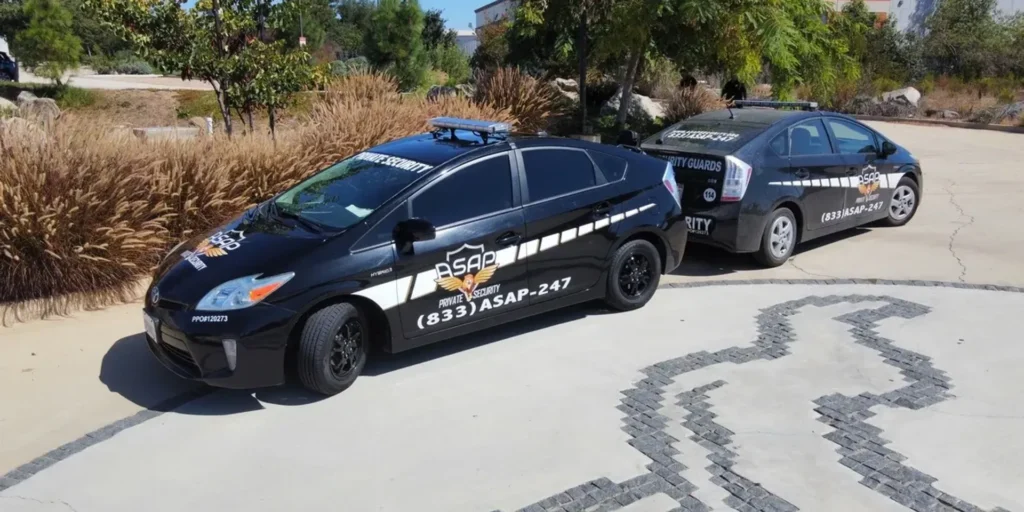
For property leaders in San Diego, Orange, Riverside, and San Bernardino counties, the practical question is how verified developments should influence an existing risk plan. The sections ahead examine what to monitor, what to validate with a security partner, and how trained personnel, human judgment, and technology fit into accountable daily operations.
What Security Guard Industry News Means for Property Leaders
Security guard industry news covers developments that may affect how protection is staffed, equipped, documented, and evaluated. For a property leader, the useful question is not whether a headline sounds urgent. It is whether the underlying development changes a current exposure, operating requirement, or vendor conversation. That distinction keeps news from becoming a distraction and turns it into a practical input for risk planning.
Start with what is verified. The U.S. Bureau of Labor Statistics reported 1,272,400 jobs for security guards and gambling surveillance officers in 2024. Its current Occupational Outlook Handbook projects little or no change in employment for that group from 2024 to 2034. Those figures describe a national occupation, not the staffing outlook for a particular building, county, or security provider. They are useful context, but they do not replace a site assessment or a review of coverage needs.
The same BLS material shows why the sector cannot be reduced to one property type. Security guards work in industrial settings, retail stores, and office buildings, among other locations. Buildings that operate around the clock may require guards to work around the clock as well. For facility leaders, that verified context raises planning questions about shift continuity, access points, after-hours activity, relief coverage, and who owns escalation when conditions change.
Separate a documented fact from an operational implication
Technology is another area where careful reading matters. BLS reports that advances in cameras, sensors, and robotics have contributed to improved security equipment and increased use. It also describes systems that combine high-resolution cameras with artificial intelligence to recognize faces and activate alerts. Those are documented industry developments. The planning implication is commentary: a property may need to review how alerts reach people, how events are verified, and how records are retained. Technology can support trained personnel, presence, and judgment, but it does not independently define the right response for every situation.
BLS also notes that technology adoption may increase demand for alarm installation and monitoring workers while weakening employment growth in guard services. That is a broad labor-market observation, not proof that guards are becoming unnecessary. Property leaders should use it to ask better questions: Is the provider maintaining qualified personnel? How are technology and human decisions coordinated? Can the reporting process show what happened, when it happened, and how the team responded?
In practice, news is most valuable when it leads to a review of durable controls. Track the headline, verify its source, identify the operational issue behind it, and compare that issue with your own site conditions. Then update procedures only when the evidence supports a change.
How Technology Is Changing Guard Operations and Reporting
Technology is changing what security teams can observe, document, and communicate during a shift. The Bureau of Labor Statistics reports that advances in cameras, sensors, and robotics have contributed to improved security equipment and wider use in homes, businesses, and public spaces. Modern systems may combine high-resolution cameras with artificial intelligence that recognizes faces or activates alerts, rather than relying only on basic motion detection. These developments are relevant to the security guard industry news property leaders follow. But the operational question is more important than the headline: how does the technology improve decisions on site?
For a facility manager, cameras and sensors can provide additional information about a location, while AI-supported alerts can help direct attention to activity that may require review. They do not independently understand every situation. A person still needs to assess context, distinguish a legitimate activity from a concern, communicate with the right stakeholders, and decide what action is appropriate. The BLS also notes that technology adoption can increase demand for alarm installation and monitoring while affecting employment growth in guard services. That is a reason to plan carefully, not a reason to treat trained personnel as unnecessary.

Digital reports create a clearer operational record
Reporting technology connects what a guard observes with what a client or supervisor can review later. ASAP describes its daily activity report system as GPS-enabled, time-stamped, photo-capable, digitally stored, and capable of real-time transmission and checkpoint verification. Those features can make routine patrol activity easier to document and can give managers a more useful record when reviewing an incident, a recurring condition, or a missed checkpoint.
This is different from waiting until the end of a shift for a paper log. Digital reporting can give clients visibility during the shift, allowing issues to be identified and communicated while they are still relevant. For a closer look at the process, see digital security guard reporting.
Human judgment remains the control point
The value of a technology-enabled operation depends on the people using it. A GPS point can show where a report was submitted, but it cannot replace a guard’s observation or explain every condition at a property. A photo can support documentation, but it does not determine whether an issue requires escalation. Alerts can prioritize attention, but trained personnel must evaluate the situation, communicate clearly, and respond within the property’s procedures.
That is why technology should support presence, judgment, and response rather than replace them. A practical security plan pairs appropriate cameras, sensors, dispatch communication, and digital records with trained guards, clear reporting expectations, and follow-through by supervisors. The result is not simply more data. It is a more accountable operating process that helps property and facility leaders make informed risk-management decisions.
What Workforce and Training News Means for Security Programs
Workforce headlines can be useful, but facility leaders should translate them into specific questions about readiness rather than react to a single trend. The U.S. Bureau of Labor Statistics counted 1,272,400 security guard and gambling surveillance officer jobs in 2024 and projects little or no change in employment for the occupation from 2024 to 2034. Those figures describe the national labor market, not the staffing quality or operational fit at a particular property. Source: Bureau of Labor Statistics.
Technology is also changing the work. BLS has noted that advances in cameras, sensors, and robotics are improving security equipment. BLS also observes that technology adoption may increase demand for monitoring roles and weaken guard-services employment growth. For a facility manager, the practical question is not whether technology will replace people. It is whether personnel are trained to use available systems, interpret alerts, exercise judgment, and document what happened.
What should leaders verify about training?
Start with the property’s actual risk profile and the duties assigned to each post. Ask whether training addresses access control, visitor management, emergency response, de-escalation, patrol procedures, and communication with supervisors or dispatch. The answer should be specific to the site, not limited to a generic orientation. Leaders should also confirm how refresher training, scenario practice, coaching, and performance feedback are handled when procedures or technology change.
ASAP describes an in-house BSIS-approved academy that supports state-compliant, scenario-based, and ongoing professional training. Its stated topics include report writing, emergency response, de-escalation, technology, and industry-specific protocols. Those elements provide a useful evaluation framework for buyers reviewing security guard training standards. Training should connect directly to the decisions guards make at the property, especially when conditions are unclear or an incident is developing.
Why does report writing belong in the workforce discussion?
A guard’s value is not limited to visible presence. Clear, timely reports help facility teams understand what was observed, what action was taken, who was notified, and what follow-up remains. Leaders should review sample reports for objective language, useful timestamps, complete incident details, and a clear separation between observed facts and assumptions. They should also verify that supervisors audit reports and that important issues reach the right client contact.
Industry-resource listings from NASCO include a 2025 Security Magazine annual guarding report focused on training and technology upgrades, along with BLS employment data and the Occupational Outlook Handbook. These listings are useful starting points for monitoring security guard industry news, but they are not substitutes for validating a provider’s current training records, supervision model, and reporting process. For Southern California properties, workforce readiness should be assessed against the site’s hazards, operating hours, and communication requirements.
How Dispatch and Patrol Coverage Are Evolving in Southern California
For a property leader, dispatch and patrol decisions are less about selecting a single coverage label and more about matching supervision to the site’s hours, layout, exposure, and operating rhythm. The Bureau of Labor Statistics notes that buildings open around the clock may require security personnel to work around the clock. That makes continuity, communication, and documented handoffs important planning questions for hospitals, residential communities, industrial sites, offices, and mixed-use properties.
Start with the coverage map. A multi-site portfolio may need different patrol frequencies, routes, and escalation procedures at each address. Ask whether the provider can coordinate visits across locations, verify that checkpoints were reached, and show what occurred after an unusual condition was found. ASAP describes mobile patrols that can use GPS-tracked routes, randomized timing, photo-verified checkpoint visits, and time stamps. Those controls can help property teams evaluate whether planned coverage is occurring instead of relying only on an end-of-shift verbal summary. See the guide to multi-site security patrols for the coordination issues that deserve attention across a portfolio.
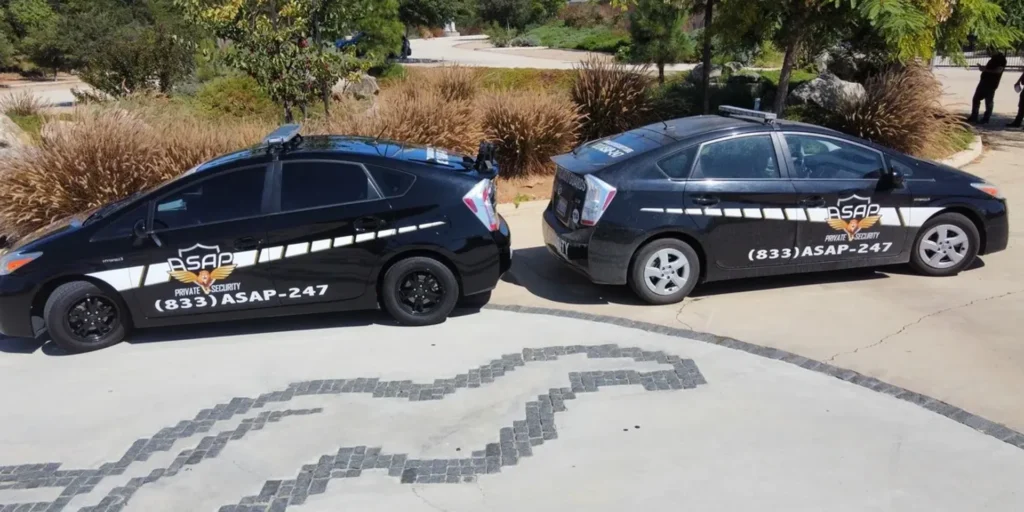
Vehicle patrols can also fit properties that need visible deterrence and recurring checks without placing a guard at one fixed post continuously. In a practical review, ask how routes are designed around vulnerable access points, loading areas, parking structures, tenant activity, and site-specific risk. Then confirm how patrol observations reach the people responsible for facilities and operations. The relevant question is not simply whether a vehicle visits. It is whether the visit produces useful documentation, a clear escalation path, and follow-through. Review the operational considerations behind vehicle patrol security benefits before treating patrol as a generic package.
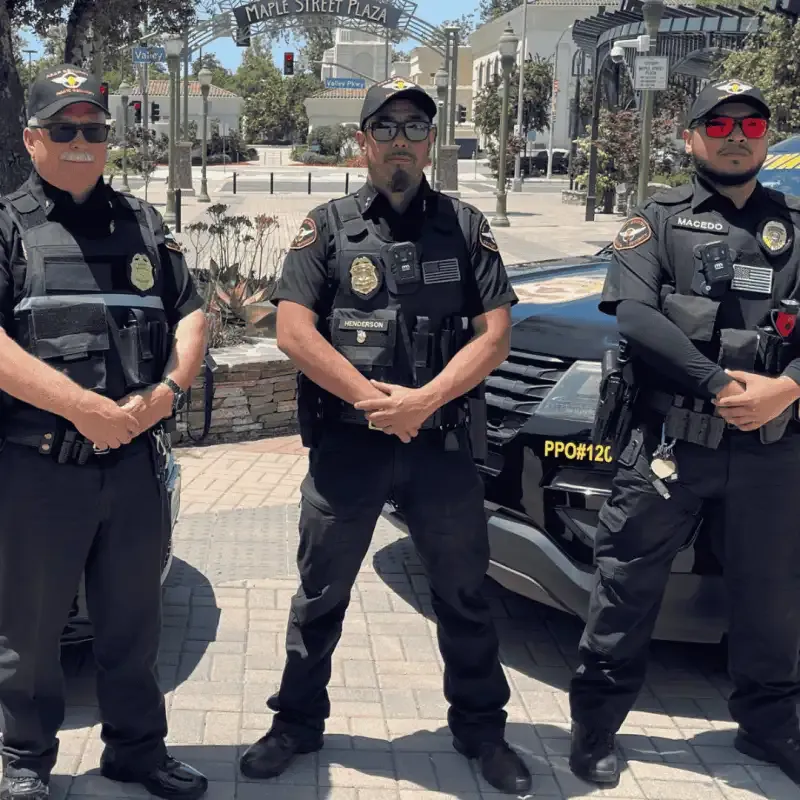
Dispatch is the connective layer between a guard, a client contact, and the next action. ASAP says its model includes 24/7 live human dispatch, direct guard and client communication, emergency coordination, and incident follow-up. For a multi-site program, facility leaders should verify who receives alerts after hours, how contact information is maintained, how incidents are escalated, and how open items are tracked to completion. Technology can support those steps, but it should not replace trained personnel or human judgment.
Call (833) 272-7247 to discuss dispatch and patrol coverage for your Southern California properties.
A useful review cadence is to compare the coverage plan with actual property changes. New tenants, construction, seasonal occupancy, access-control changes, repeated nuisance activity, or a second location may alter the right mix of fixed posts, mobile patrol, and live dispatch. Ask for time-stamped records, checkpoint evidence, incident documentation, and a named process for follow-up. ASAP’s regional operating area includes San Diego, Orange, Riverside, and San Bernardino counties, so leaders should also ask how local site conditions shape deployment across those markets.
Finally, determine whether a portfolio needs 24/7 security guard services, scheduled patrol coverage, or a combination. The strongest plan is risk-based: it connects trained people, dispatch communication, patrol activity, and documented accountability to the specific decisions your team must make each day.
How to Use Security Guard Industry News in a Southern California Risk Plan
Industry news is useful when it improves a decision at your property. It is less useful when it becomes a stream of headlines with no connection to access control, staffing, patrol coverage, reporting, or incident response. For property owners and facility managers, the practical question is not simply what changed in the security sector. It is whether the development exposes a gap in the way your site prevents, documents, or manages risk.
Start by sorting each development into one of five planning areas: people, procedures, technology, coverage, or accountability. This keeps a new tool, training issue, or dispatch trend from becoming an isolated purchase decision. The goal is a security program that combines trained personnel, risk-based deployment, technology, and documented accountability, rather than relying on any one element.
Connect news to the risks your site actually carries
Use your property profile to decide which developments deserve action. A multi-tenant building may need to review visitor management and after-hours access. A healthcare, education, manufacturing, biotech, or government site may need a closer look at workplace safety, asset protection, emergency coordination, or reporting requirements. These are the concerns identified in ASAP’s audience and service guidance, and they should shape the review more than a headline’s popularity.
Geography also matters. ASAP operates primarily across San Diego, Orange, Riverside, and San Bernardino counties. So a Southern California plan should account for the operating realities of each location while keeping standards consistent across a portfolio. If you manage several sites, compare patrol routes, escalation contacts, shift coverage, and documentation requirements instead of assuming that one generic procedure fits every property.
Turn the review into an accountable operating cycle
For each relevant item in security guard industry news, assign an owner and a verification date. Ask the security provider to explain what the development changes, if anything, in post orders, guard training, dispatch procedures, patrol patterns, or incident follow-up. When the answer is “no change,” record why. When an adjustment is warranted, define the evidence that will show it was implemented.
- Identify the site risk connected to the development.
- Check whether current post orders and escalation contacts address it.
- Review guard training, de-escalation expectations, and incident documentation.
- Confirm how live dispatch, client communication, and follow-up are handled.
- Verify patrol checkpoints, timestamps, photos, or other accountability records where applicable.
- Set a review date and document the decision, owner, and next action.
ASAP provides armed and unarmed guards, mobile patrol, event and executive protection, government security, and professional training. Its service model is built around proactive risk management, not merely placing a guard at a post. Use that broader lens when reviewing your plan, and keep technology in its proper role: supporting trained people and human judgment. A practical risk plan should make responsibilities clear before an incident, while giving leaders reliable documentation to evaluate performance afterward.
| Development area | Planning question |
|---|---|
| Reporting technology | Can managers verify activity, incidents, and follow-up during and after a shift? |
| Workforce and training | Do post orders, refresher training, and report-writing standards match site risks? |
| Dispatch and patrols | Are coverage, escalation, and checkpoint records clear across every location? |
- Verify the source and date of the development.
- Match it to a specific site risk.
- Assign an owner, evidence standard, and review date.
Call (833) 272-7247 to discuss a Southern California security risk plan.
Frequently Asked Questions
What are the latest trends in the security industry?
The most practical developments involve better digital reporting, wider use of cameras and sensors, more connected dispatch, and continued attention to guard training. Technology can improve visibility and documentation, but it should support trained personnel and human judgment rather than replace them. For a property leader, the useful question is whether each tool improves accountability, communication, or risk-based deployment.
How should property managers respond to security technology news?
Start with operational needs instead of buying a feature. Review whether your current program provides timely incident documentation, clear escalation procedures, reliable checkpoint verification, and useful communication during a shift. Then confirm who reviews alerts, who makes decisions, and how staff respond when technology is unavailable. A strong plan connects reporting systems with trained guards and an accountable dispatch process.
What should a facility manager look for in security guard training?
Look for training that matches the site’s actual risks and duties. Important areas can include report writing, emergency response, de-escalation, technology use, and property-specific procedures. Ongoing, scenario-based training is more useful than treating orientation as a one-time event. Ask how supervisors verify that guards can document incidents clearly and follow the site’s escalation plan.
How can security guard industry news improve a Southern California risk plan?
Use each relevant development as a review prompt. For sites in San Diego, Orange, Riverside, or San Bernardino counties, reassess coverage hours, patrol routes, access control, visitor management, reporting requirements, and dispatch communication. Compare those needs with current site conditions and documented incidents. The goal is not to chase every headline, but to keep people, procedures, technology, and accountability aligned with the property’s exposure.
Ready to Build a Practical Security Plan?
Industry changes matter most when they translate into clear decisions for your property, from reporting expectations to patrol coverage and staff coordination. Use the review questions in this guide to connect those priorities to your site’s daily needs.
