
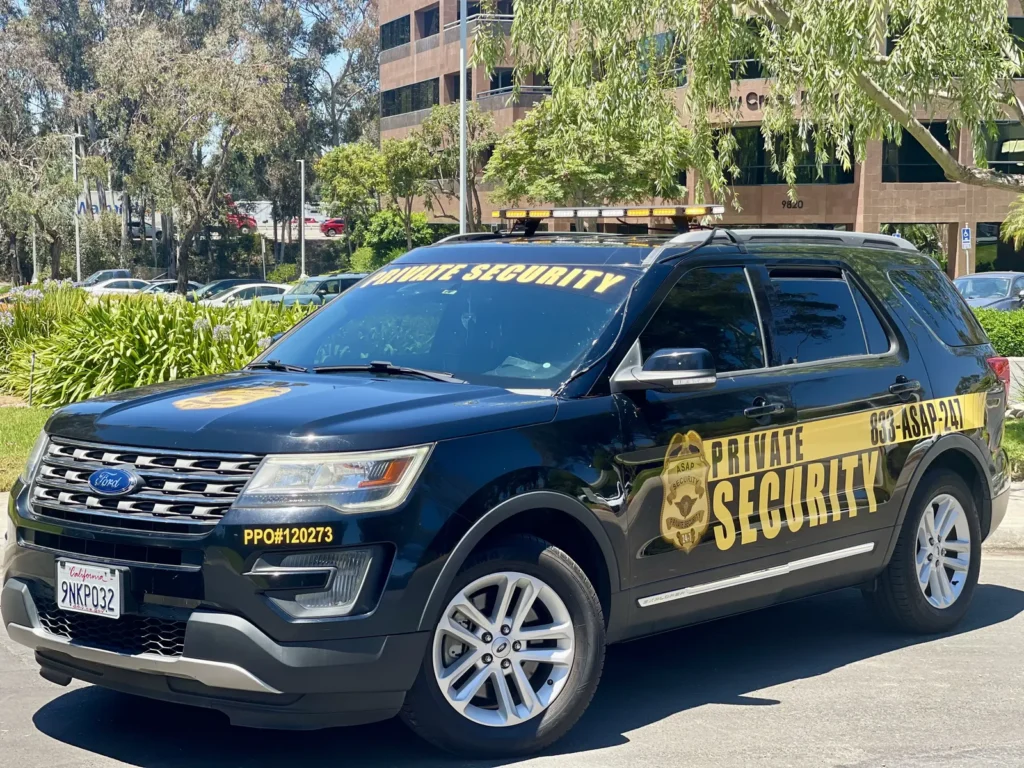
The most effective security is often the kind you don’t notice because it prevents problems before they start. A professional security guard’s role is fundamentally proactive. Their primary job isn’t just to react to emergencies, but to create an environment where incidents are less likely to happen. This is achieved through a consistent, visible presence, diligent patrols to identify potential hazards, and the firm but fair enforcement of your property’s rules. Of course, they are also trained to respond decisively when needed. This article explores that crucial balance between prevention and response, detailing the core functions that you would find in any official security guard duties and responsibilities pdf and showing how they come together to create a truly secure space.
Key Takeaways
- Effective security stops problems before they start: A professional guard’s primary function is proactive, using constant patrols, strict access control, and consistent policy enforcement to deter threats and identify hazards early.
- Guards are crucial leaders during an emergency: In a crisis, a trained guard acts as the on-site first responder, managing everything from medical aid and fire evacuations to coordinating with emergency services, which minimizes chaos and protects people.
- Trust is built on training, legality, and clear documentation: A great guard is more than a uniform; they are a certified professional who understands their legal limits, maintains meticulous records, and acts with integrity, giving you a reliable and accountable security partner.
What Are a Security Guard’s Core Responsibilities?
When you think of a security guard, you might picture someone standing watch at a front desk. While that’s part of the job, their duties go much deeper. A professional security guard is a proactive presence, trained to observe, report, and respond with precision. Their core responsibilities are the foundation of any effective security plan, working together to create a safe environment for your property, employees, and visitors. Understanding these key functions clarifies the immense value a trained guard brings to your organization.
Patrolling and Observing the Premises
A security guard’s most fundamental duty is to see what others miss. This involves active patrolling, which is much more than a casual walk-through. Guards are trained to be hyper-aware of their surroundings, constantly scanning for anything out of the ordinary, like a propped-open door or a suspicious vehicle. Whether conducting mobile security patrols or making rounds on foot, their visible presence is a powerful deterrent to potential wrongdoers. By maintaining a consistent and alert watch, they can identify and address issues before they escalate into serious problems.
Controlling and Monitoring Access
Think of a security guard as the gatekeeper for your property. A key part of their role is managing who comes and goes, ensuring only authorized individuals gain entry. This is especially critical for corporate offices, manufacturing facilities, and residential communities. Guards handle tasks like verifying employee IDs, signing in visitors, and directing deliveries to the proper location. By carefully monitoring access points, they prevent unauthorized entry, reduce the risk of theft, and maintain a secure perimeter. This control is essential for protecting both your physical assets and the people within your facility.
Documenting and Reporting Incidents
What a security guard observes is only useful if it’s properly recorded. Meticulous documentation is a non-negotiable part of the job. After any incident, from a minor slip-and-fall to a security breach, the guard writes a clear, detailed, and accurate report. These reports serve as official records for internal reviews, insurance claims, or legal proceedings. They document the facts: who was involved, what happened, when and where it occurred, and what actions were taken. This commitment to thorough reporting ensures accountability and provides valuable data for improving future security protocols.
How Do Guards Respond to Emergencies?
When an emergency strikes, a security guard’s role shifts from watchful prevention to active response. Their ability to remain calm and follow established protocols is what defines their value in a crisis. Whether it’s a medical issue, a fire, or a security breach, a well-trained guard is prepared to manage the situation effectively until professional first responders arrive. This quick thinking is fundamental to protecting people and property when it matters most.
Administering First Aid
In many emergencies, a security guard is the first person on the scene. Because of this, having solid first aid and CPR training is essential. Before paramedics arrive, a guard can provide critical immediate care that can stabilize a situation and even save a life. From addressing minor injuries to responding to more serious medical events, their training allows them to act confidently. This capability is especially vital in environments with many people, making it a cornerstone of effective event security and school protection plans. Their presence ensures someone is always ready to help.
Managing Fire Safety and Evacuations
When a fire alarm sounds, a security guard’s role is to create order and ensure everyone gets to safety. They are trained on your building’s specific fire safety protocols and evacuation routes. During an emergency, they guide people to the nearest exits, help prevent panic, and conduct sweeps to make sure no one is left behind. In some cases, guards also perform dedicated fire watch duties, actively patrolling to spot hazards before they escalate. This proactive approach to fire safety is a critical component of any comprehensive corporate security plan, protecting both your team and your assets.
Coordinating with First Responders
During a serious incident, a security guard acts as the crucial link between your property and emergency services. After calling for help, their job is to efficiently coordinate with police, fire, or medical teams as they arrive. They provide a clear summary of the situation, direct responders to the exact location, and share vital information. This seamless communication saves precious time and allows first responders to act more effectively. Having 24/7 security services on-site ensures there is always a trained professional ready to manage this critical handoff, no matter when an emergency occurs.
How Do Security Guards Enforce Safety Policies?
A security guard’s role goes far beyond simply being a presence. A key part of their job is to actively enforce the specific safety and security policies you have for your property. This isn’t about being confrontational; it’s about maintaining a consistently safe and orderly environment for everyone. By upholding your rules, from managing who enters the building to identifying potential safety issues, guards create a culture of security. They act as your on-the-ground team, ensuring that your established procedures are followed day in and day out, which is the foundation of any effective security plan.
Verifying IDs and Managing Visitors
Controlling who comes and goes is one of the most fundamental security tasks. Guards are your first line of defense, responsible for verifying the identities of every person and vehicle entering your property. This process can involve checking employee IDs, signing in visitors, issuing temporary badges, and ensuring guests are escorted to their destinations. For a business, this prevents unauthorized individuals from accessing sensitive areas. For a residential community, it ensures only residents and approved guests are on site. This strict access control is a core component of our corporate security services and is crucial for preventing theft, vandalism, and other potential threats before they can materialize.
Ensuring Compliance with Safety Rules
Beyond the front desk, security guards are responsible for making sure everyone on the premises follows established safety rules. This can look different depending on the environment. At a manufacturing plant, it might mean ensuring all workers wear the required personal protective equipment. At a large concert, it involves managing crowd flow and enforcing venue policies. Even in an office building, guards might enforce no-smoking rules or parking regulations. Their job is to address non-compliance professionally and respectfully, correcting behavior to prevent accidents and maintain a secure atmosphere for everyone. This consistent enforcement is vital for keeping any large gathering safe and orderly, a specialty of our event security teams.
Identifying Hazards and Assessing Risks
A huge part of enforcing safety policy is being proactive. Guards are trained to be constantly observant, identifying potential hazards before they cause a problem. During their patrols, they look for anything out of the ordinary, such as a broken fence, a malfunctioning security camera, a suspicious vehicle, or even a simple slip-and-fall hazard like an unmarked wet floor. When they spot a potential risk, they document it in their daily logs and report it to the appropriate personnel for resolution. This continuous vigilance is a key function of a mobile security patrol, turning a guard’s presence into a powerful tool for ongoing risk assessment and prevention.
What Makes a Great Security Guard?
When you hire a security guard, you’re entrusting them with the safety of your people and property. But what separates an adequate guard from a truly great one? It goes far beyond just wearing a uniform. The most effective security professionals possess a unique combination of physical readiness, sharp communication skills, and unwavering integrity. These qualities aren’t just learned; they’re honed through rigorous training and real-world experience. Understanding these core traits will help you identify the kind of high-caliber professional who can genuinely protect your assets and provide true peace of mind.
Physical and Mental Readiness
A great security guard is always prepared, both physically and mentally. Physical fitness is essential for responding swiftly to incidents, from pursuing a suspect to navigating a large property during a patrol. It’s about having the stamina to remain alert and active through a long shift, ensuring no detail is missed. Just as important is mental readiness: the ability to stay calm and think clearly under extreme pressure. An effective guard assesses situations quickly, makes sound decisions in seconds, and acts with confidence. This level of preparedness is critical for any 24/7 security services detail, where vigilance can’t afford to lapse.
Clear Communication and Interpersonal Skills
The best security guards are exceptional communicators. They often serve as the first point of contact for visitors, employees, and the public, so they must be professional and approachable. Strong interpersonal skills allow them to de-escalate tense situations with words, preventing potential conflicts from turning physical. Whether they are giving clear directions during an evacuation, coordinating with law enforcement, or simply greeting guests, their ability to convey information calmly and effectively is key. This is especially true in environments like corporate security, where guards are an extension of your company’s brand and professionalism.
Professionalism and Integrity
At the heart of all security work are professionalism and integrity. A great guard is reliable, punctual, and takes immense pride in their work. They demonstrate honesty in every action, from accurately reporting incidents to handling sensitive information with discretion. This unwavering integrity builds trust, which is the foundation of any client-guard relationship. You need to know that the person protecting your property is completely trustworthy. This commitment to professionalism ensures that every task is performed with diligence and a focus on your safety, making them an invaluable asset for your private security needs.
What Are the Different Types of Security Roles?
While the fundamental goal of a security guard is always to protect, the job itself can look vastly different depending on the location. Think about it: the skills needed to manage a bustling corporate lobby are not the same as those required to secure a sprawling residential community or a high-energy concert venue. The specific environment dictates the priorities, the potential threats, and the daily tasks a guard will handle. This is why specialized security roles exist, each with its own set of protocols and required expertise.
Understanding these different roles is crucial when you’re looking for the right security solution. It’s not about just hiring a guard; it’s about matching the right professional with the unique demands of your property. A successful security plan considers the specific assets you need to protect, whether that’s employees and sensitive data, valuable merchandise, event attendees, or residents and their families. Each scenario requires a distinct approach to access control, surveillance, and emergency response. By exploring the different types of security roles, you can better identify the specific services and expertise your situation calls for. This ensures you get a tailored solution that truly meets your needs instead of a one-size-fits-all approach that might leave you vulnerable.
Corporate and Office Security
In a corporate setting, security is all about protecting people, property, and information. Guards are the first line of defense, managing who comes and goes by checking IDs, issuing visitor badges, and monitoring access points. They conduct regular patrols through office spaces, server rooms, and parking structures to deter unauthorized activity and identify potential security risks. Effective corporate security services create a safe environment where employees can focus on their work, knowing the premises are secure. They are trained to respond swiftly to any incidents, from medical emergencies to workplace threats, ensuring minimal disruption to business operations.
Retail and Loss Prevention
Retail security focuses heavily on loss prevention and ensuring a safe shopping experience for customers and staff. Guards act as a visible deterrent to theft, monitoring surveillance systems and patrolling the sales floor. They are trained to spot suspicious behavior and handle potential shoplifters according to store policy and legal guidelines. Beyond preventing theft, their presence helps manage crowds during busy sales events and provides a sense of order. By minimizing losses and maintaining a secure environment, retail security guards play a direct role in protecting a store’s profitability and reputation.
Event and Venue Security
From concerts and festivals to conferences and private parties, event security is essential for ensuring things run smoothly and safely. These guards are experts in crowd management, controlling entry and exit points, checking tickets, and screening for prohibited items. They patrol the venue to prevent disturbances and are prepared to respond immediately to medical emergencies or altercations. A key part of their role is coordinating with event staff and local law enforcement to create a unified safety plan. Their goal is to ensure every attendee has a positive and secure experience from start to finish.
Residential Security
For apartment complexes, gated communities, and private estates, the primary goal of security is to create a safe and peaceful living environment. Residential security guards control access at gates and entryways, verifying residents and registering guests to prevent unauthorized entry. They conduct regular patrols by vehicle or on foot to monitor the property for any unusual activity, respond to resident concerns, and enforce community rules. Their consistent presence provides peace of mind, deters crime, and ensures a quick response to alarms or emergencies, making the community a safer place for everyone who lives there.
What Are a Security Guard’s Legal Powers and Limits?
It’s a common question: what can a security guard actually do? While they are your first line of defense, it’s important to remember they are not police officers. Understanding the legal scope of their authority helps you set clear expectations and ensures your property is protected effectively and lawfully. A professional guard operates within a specific set of powers and limitations designed to maintain safety without overstepping legal boundaries. This balance is key to minimizing liability and maximizing security for your business or property.
Understanding Their Scope of Authority
A security guard’s primary role is to protect people and property by being a visible deterrent to crime. Their authority is generally confined to the specific property they are assigned to patrol. Core responsibilities include maintaining a strong presence, conducting regular patrols, controlling who enters and exits the facility, and monitoring surveillance equipment. Think of them as specialists in observation and prevention. Whether they are providing corporate security services or watching over a residential community, their main job is to spot potential issues and act within their defined duties to prevent incidents before they happen.
Knowing When to Detain or Make a Citizen’s Arrest
While security guards don’t have the same arrest powers as police, they can perform a “citizen’s arrest” in certain situations. This action is reserved for instances where a guard directly witnesses a crime being committed. If this happens, their training guides them to safely detain the individual and immediately report the incident to law enforcement. The goal is never to enact punishment but to prevent the person from leaving the scene until the police arrive. It’s a serious responsibility that requires a calm demeanor and a clear understanding of legal lines, ensuring the situation is handled without escalating risk or creating legal complications for your property.
Operating Within Legal Boundaries
Staying within legal limits is non-negotiable, and proper training is what makes it possible. In California, every security guard must complete state-mandated courses on the powers of arrest. For those who carry a firearm, the training is even more extensive and rigorous. These programs ensure every officer understands exactly what they can and cannot do under the law. When you partner with a professional security firm, you’re not just hiring a person; you’re investing in their training. This is especially critical for armed security guards, who must be prepared to make split-second decisions that are both effective and legally sound.
What Training and Certifications Are Required?
A security guard’s effectiveness comes from their training. A uniform and a badge are just the start; true security professionals are defined by their skills, knowledge, and adherence to strict legal and ethical standards. The right training ensures a guard can handle everything from routine patrols to high-stress emergencies with competence and confidence. For anyone looking to hire security, understanding these qualifications is key to finding a team you can trust to protect your property and people. It’s about ensuring the individuals on your site are prepared, certified, and continuously improving their skills.
Meeting State Licensing Requirements
Before a security guard can even begin their first shift, they must meet strict state licensing requirements. This isn’t just a suggestion; it’s the law. In California, for example, every guard must complete foundational training courses. This includes comprehensive instruction on the “exercise of the powers to arrest and a course of training in the carrying and use of firearms” for those who will be armed. These certifications ensure every officer understands their legal authority and can use force responsibly and only when necessary. Hiring a service that provides properly licensed armed security guards is the first step in establishing a credible security presence.
Pursuing Ongoing Education and Training
A state license is the starting point, not the finish line. The security landscape is always changing, which is why continuous education is so important. Top-tier security professionals participate in ongoing training to sharpen their skills and stay current on best practices. As one industry guide notes, “Regular training and drills conducted by security guards prepare all personnel for emergency situations, ensuring preparedness and reducing panic.” This commitment to constant improvement means guards are always ready to respond effectively, whether it’s a medical incident, a fire, or a security breach. This level of readiness is essential for providing reliable 24/7 security services.
Exploring Career Paths and Specializations
Security is not a one-size-fits-all profession. Different environments present unique challenges, and the best security guards often specialize in specific areas. Guards can pursue advanced training for roles in corporate security, event management, or residential protection. Each specialization requires a distinct skill set. For instance, a guard at a corporate headquarters needs to be an expert in access control and visitor management, while a guard providing school security must be trained in youth protection and campus-specific emergency protocols. This specialized knowledge ensures your security plan is tailored to your specific needs and vulnerabilities.
What Does a Typical Day Look Like?
A security guard’s day is structured, proactive, and detail-oriented. While the specific environment, whether it’s a corporate office or a residential community, shapes their tasks, the core duties remain consistent. A professional guard doesn’t just react to situations; they actively work to prevent them. This involves a disciplined routine of communication, equipment management, and thorough documentation. Understanding this daily rhythm helps clarify the value a trained security officer brings to your property. From the moment their shift begins, they are focused on maintaining a secure and orderly environment through established protocols and constant vigilance.
Following Shift and Communication Protocols
A guard’s shift begins long before they walk the perimeter. It starts with a detailed briefing to get up to speed on any events from the previous shift and to review the specific orders for the day. Throughout their shift, maintaining focus is paramount. A professional guard is trained to stay alert, actively watching and listening for anything out of the ordinary without getting distracted. Clear and constant communication with a central dispatch or management team is also a key part of the job. This ensures that if an incident does occur, the response is swift and coordinated, which is a cornerstone of effective 24/7 security services.
Maintaining Equipment and Managing Tech
Modern security relies heavily on technology, and a guard’s duties include managing this equipment. A typical day involves inspecting and testing surveillance cameras, access control systems, alarms, and communication devices like two-way radios. They need to ensure all systems are functioning correctly to prevent any gaps in security coverage. This proactive maintenance is a critical responsibility. Whether they are monitoring a bank of screens or conducting a mobile security patrol with vehicle-mounted tech, a guard’s ability to operate and troubleshoot their equipment is essential for keeping your property safe and secure.
Keeping Accurate and Detailed Records
Thorough documentation is one of a security guard’s most important responsibilities. Throughout their shift, they keep detailed logs of their activities, observations, and any unusual occurrences. If an incident happens, from a minor slip-and-fall to a security breach, the guard is responsible for writing a clear and factual report. These records are crucial for accountability, insurance purposes, and potential legal proceedings. For businesses, this level of detailed reporting is a vital component of professional corporate security services, as it provides a clear and official account of all security-related activities on the property.
Related Articles
- Key Hotel Security Responsibilities for Guest Safety | ASAP Security Guards
- Corporate Security Guard Services for Business Protection | ASAP Security Guards
- Security Guardian Roles & Tech Guide | ASAP Security Guards
- Hotel Security Guard Duties: What You Need to Know | ASAP Security Guards
Frequently Asked Questions
What’s the real difference between a security guard and a police officer? The main difference comes down to their legal authority and jurisdiction. A police officer is a public official with broad powers to enforce laws and make arrests anywhere in their jurisdiction. A security guard is a private citizen whose authority is limited to the specific property they are hired to protect. Their primary role is to observe, deter, and report, and they can only detain someone under specific circumstances, like witnessing a crime firsthand, until law enforcement arrives.
How do I know if a security guard is qualified for the job? A qualified guard is much more than a person in a uniform. They must hold a valid state-issued license, which requires passing background checks and completing foundational training on legal authority and emergency procedures. Beyond that, the best guards engage in continuous education to stay sharp. When you partner with a professional agency, you’re ensuring the guards on your property have been properly vetted, certified, and trained to handle their responsibilities with competence.
Can a security guard handle tasks beyond just watching for crime? Absolutely. A professional guard’s role is incredibly versatile. They are often trained in first aid and CPR, making them the first responder in a medical emergency. They also manage fire safety protocols, lead evacuations, and act as a key point of contact for emergency services. Furthermore, they enforce your specific company policies, from verifying visitor IDs to ensuring safety rules are followed, which helps create a secure and orderly environment for everyone.
My property has unique needs. How do I get the right kind of security? The best security plans are never one-size-fits-all. The right solution depends entirely on your environment. For example, a corporate office requires guards skilled in access control and professionalism, while a large outdoor event needs a team that excels at crowd management. A residential community needs officers focused on resident safety and access control. The first step is to assess your specific risks and goals, then partner with a security provider who can supply guards with the specialized training that matches your needs.
What makes a security guard truly effective? An effective guard possesses a blend of key traits that go beyond basic training. They need to be mentally and physically ready to respond to anything, staying alert and calm under pressure. Great communication skills are also essential, as they allow a guard to de-escalate situations and interact professionally with employees and visitors. Above all, integrity is the most important quality. You need to trust that the person protecting your assets is reliable, honest, and dedicated to their role.
