

Securing the Supply Chain: Security Guards Trained for San Diego’s Port, Cargo, and Logistics Security
Why Generic Security Doesn’t Work at the Port of San Diego and Otay Mesa

Written by Rafi Kalliny
The Dynamics of San Diego’s Logistics Hub
San Diego’s economy relies heavily on the smooth, secure flow of goods through our port facilities and major logistics hubs, such as Otay Mesa. When a container leaves the ship or clears customs, it becomes a high-value, highly mobile target. The threats here are immediate and sophisticated, ranging from organized cargo theft rings to internal shrinkage and attempts at illegal cross-border activity.
The security guard’s role in a logistics environment is fundamentally about supply chain integrity. This means going beyond simply walking a perimeter; it involves:
- Verifying sensitive federal credentials (TWIC).
- Auditing trailer seals and container numbers.
- Enforcing C-TPAT security standards.
A poorly trained guard at a gatehouse can cost a company millions in stolen inventory, insurance rate hikes, and costly compliance failures. ASAP Security provides officers specifically trained for the unique demands of securing assets on the move and in storage throughout San Diego’s logistics corridor.
Preventing High-Value Cargo Theft and Inventory Shrinkage
Logistics facilities house assets that can disappear quickly. Security guards must be trained to identify and intervene against methods used by professional theft rings.
- Yard Control and Gate Auditing: The gate is the most critical point. ASAP’s security guards meticulously log every vehicle, driver, and trailer. This includes verification of VINs, matching container seals to manifests, and confirming driver identification. This level of auditing creates a clear chain of custody, immediately flagging discrepancies that could indicate theft or unauthorized movement.
- Perimeter & Inventory Patrols: Cargo yards are often sprawling and filled with blind spots. Security patrols are structured not just for presence, but to verify inventory markers and look for signs of fence breach, tampering with container doors, or unauthorized personnel hiding within the yard structure.
- Internal Shrinkage Deterrence: Unfortunately, employee theft is a significant factor in logistics. Guards enforce strict material handling policies at loading docks and exits, auditing employee vehicles and bags when necessary, and maintaining a high level of visibility to deter opportunistic theft.
Get In Touch
Our staff of Security professionals are ready to hear from you!

The Federal Edge: ASAP’s Readiness for Government-Grade Compliance
The security requirements for ports, border operations, and high-level distribution centers overlap significantly with those of federal and government facilities. This is where ASAP Security’s specialized capabilities provide an unparalleled advantage.
Our security guard personnel are trained and vetted using the same meticulous standards applied to our contracts with federal government-level clients. This means:
- Higher Vetting Standards: Guards are accustomed to rigorous background checks and continuous performance monitoring.
- Protocol Adherence: We excel at implementing and documenting complex, multi-step security protocols required by federal agencies.
- Expert Documentation: Every incident, every audit, and every credential check is handled with the precision required for federal accountability, ensuring your records will stand up to any regulatory review.
This inherent expertise in federal compliance makes our officers uniquely qualified to handle the following mandates of the logistics industry.
The Mandate of Federal Compliance: TWIC and C-TPAT
Operating within or adjacent to port and border facilities requires adherence to strict federal security programs designed to prevent terrorism and contraband from entering the supply chain.
- TWIC (Transportation Worker Identification Credential) Verification: For access to secure areas of the port, guards must be trained in the visual and electronic verification of TWIC cards, ensuring that only federally vetted personnel enter the facility.
- C-TPAT (Customs-Trade Partnership Against Terrorism) Enforcement: C-TPAT demands specific physical security standards (lighting, access control, fencing). Our security officers become the on-site enforcement arm of these standards, ensuring all procedures are followed 24/7, maintaining your company’s certified low-risk status, and avoiding processing delays at the border.
- Cross-Border Logistics Security (Otay Mesa): At facilities near the U.S./Mexico border, security threats involve more than just theft. Guards are trained to inspect trucks and trailers for signs of unauthorized stowaways, drug smuggling, or attempts to compromise the integrity of the border crossing.
Get In Touch
Our staff of Security professionals are ready to hear from you!
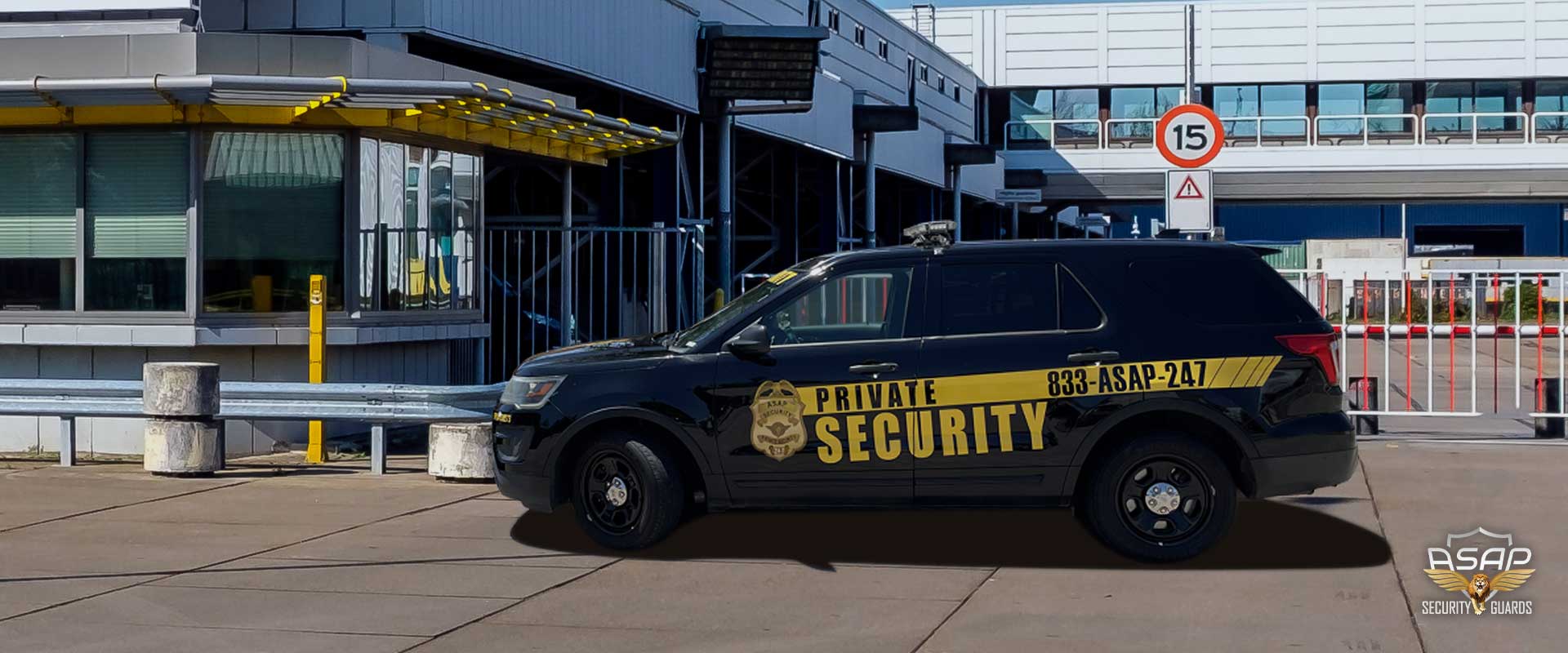
Operational Support: Streamlining Flow and Documentation
In a logistics environment, time is money. Security cannot be a bottleneck; it must be an integrated, efficient part of the operation.
- Traffic Management: Our officers are experts in directing large, complex commercial vehicle traffic, ensuring that trucks are routed quickly and safely to the correct dock doors or staging areas, reducing congestion and minimizing delays.
- Meticulous Digital Logging: All gate activity, incident reports, trailer seal audits, and TWIC verifications are logged digitally using our DAR system. This provides your logistics team with real-time, searchable data for compliance checks, insurance claims, and operational transparency.
- Emergency Response Coordination: Whether it’s an active shooter event, a major spill, or an industrial accident, our guards are trained to secure the high-risk zones, initiate emergency protocols, and coordinate effectively with the Harbor Police, Customs and Border Protection (CBP), and local law enforcement.
The Cost of Inaction: Disruptions and Fines
Failing to implement specialized logistics security leads to tangible costs that dramatically impact the bottom line:
- Insurance Loss: High claims from cargo theft directly lead to increased insurance premiums.
- Processing Delays: Failing a C-TPAT audit or having poor gate documentation can lead to customs hold-ups, causing multi-day delays for critical shipments.
- Reputational Damage: Losing high-value cargo or being implicated in a supply chain breach damages client trust and brand reputation.
ASAP Security offers more than just bodies; we offer a strategy built on logistical understanding and federal compliance expertise. ASAP Security guards provide the operational efficiency and security integrity needed to keep San Diego’s supply chain moving safely and securely.
Get In Touch
Our staff of San Diego area Security Guard professionals are ready to hear from you!
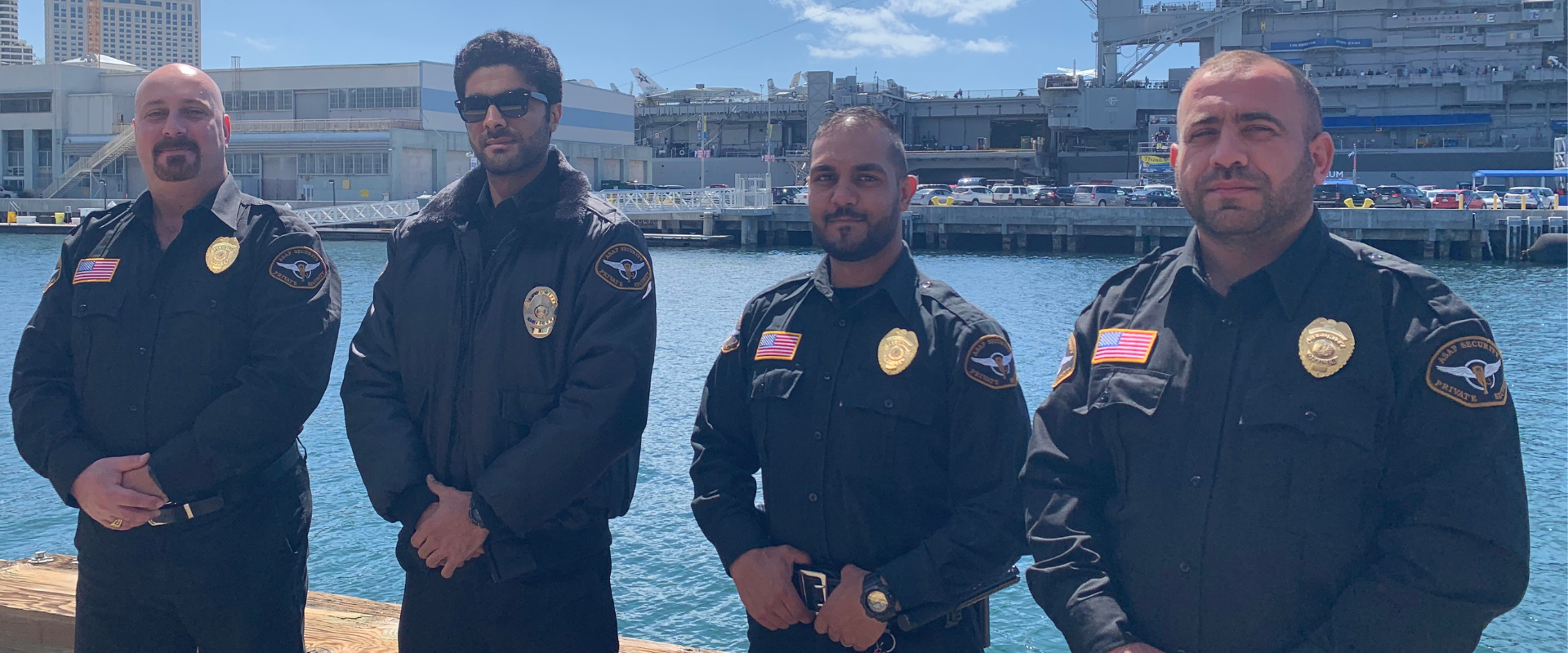
Don’t Let Supply Chain Weaknesses Become Your Liability. Secure Your Assets Today.
Your cargo is only secure if your security guards are experts. ASAP Security provides the compliance, vigilance, and documentation San Diego’s logistics sector demands.
Reach out to ASAP Security now for any questions and a quote.
We are proud of our stellar customer service record. Call ASAP Security at 1-833-272-7247
About the author: Rafi Kalliny is the CEO of ASAP Security and has worked in the security guard industry since 2013. He leads the company with a focus on professionalism, training, and client trust, making ASAP one of San Diego’s most respected security guard providers.
Frequently Asked Questions (Maritime & Logistics Security)
Addressing the operational and compliance concerns of logistics professionals.
What is a TWIC card, and why must our guards know how to verify it?
TWIC stands for Transportation Worker Identification Credential. It is a federal requirement for personnel requiring unescorted access to secured areas of port facilities. ASAP security guards are trained to verify the card’s visual security features and often use electronic readers to confirm its validity, ensuring federal compliance.
How do ASAP guards specifically prevent internal cargo theft?
Prevention involves strict procedural enforcement. Security guards monitor inventory staging areas, conduct random vehicle and package inspections upon exit, and enforce a ‘No Unescorted’ policy in sensitive warehouses. The visible, active presence of a professional security guard acts as a significant deterrent to internal theft.
If a security incident happens in the yard, what is the security guard’s first priority?
The first priority is always safety and containment. The ASAP Security guard’s immediate action is to secure the area to prevent further loss or injury, call for the appropriate emergency response (police, fire, or internal management), and meticulously document the scene and any involved vehicles or personnel.
Can your security guards assist with routine inventory checks or documentation?
While the primary duty is security, ASAP Security officers are trained in meticulous data entry. They can certainly assist by confirming container seal numbers, documenting staging locations, and signing off on manifests, providing a verified third-party audit of critical logistic checkpoints.
How quickly can ASAP Security deploy security guards to a new cross-dock or distribution center?
Given our existing presence and training pipeline in the San Diego region, ASAP Security can typically mobilize a fully trained and site-briefed security team within 48 to 72 hours, depending on the scale and specialized training required for the new location.