
In any security system, the weakest link is often human nature. Even with the best technology, a building’s safety can be compromised by simple mistakes or clever manipulation. In a busy property, it’s nearly impossible to track every person who walks through the door. This constant flow creates the perfect environment for unauthorized access. That’s why a truly effective plan for multi-tenant building security must go beyond technology. It requires a human touch: trained professionals who can monitor access points, identify suspicious behavior, and respond decisively in real-time. This article will cover how to blend technology with a professional presence to create a truly secure environment.
Securing Multi-Tenant Property: Strategies for Enhanced Safety and Building Security
 Understanding the Importance of Multi-Tenant Property Security
 Understanding the Importance of Multi-Tenant Property Security
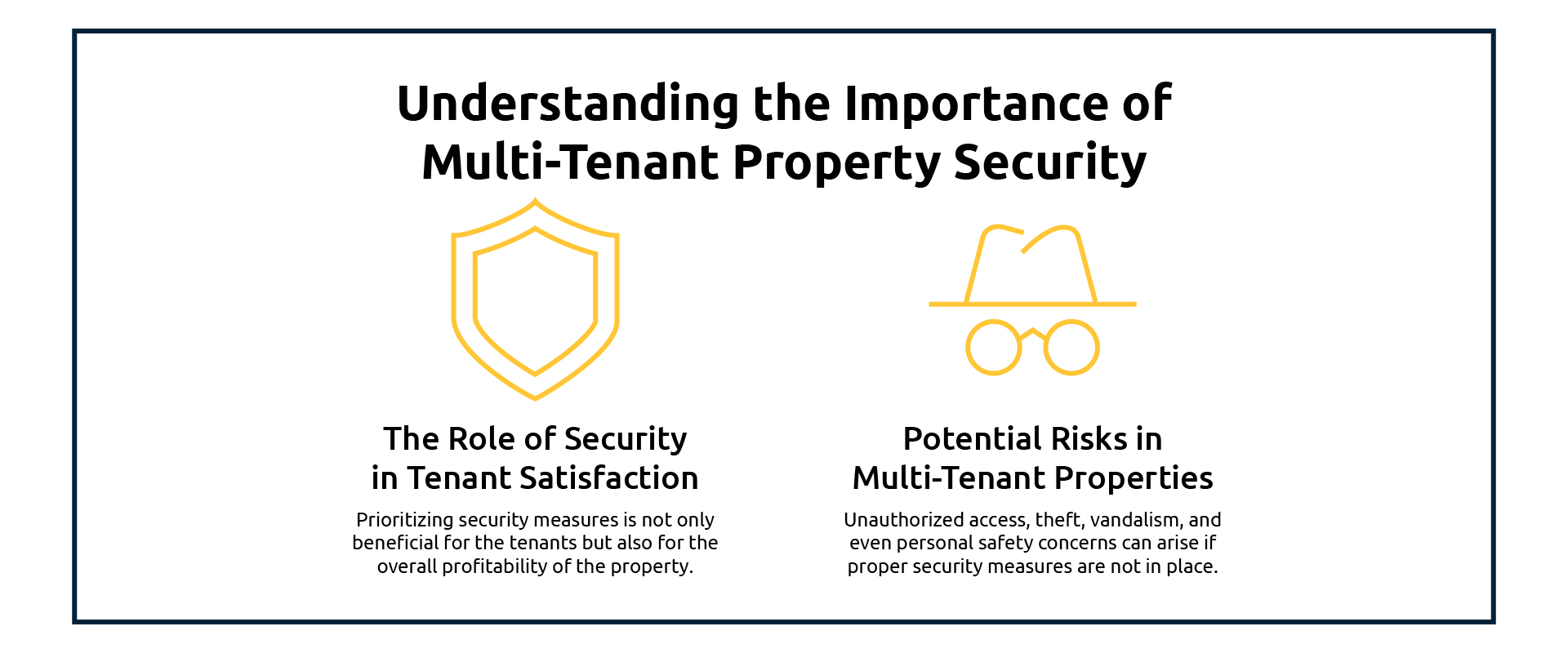
Security in multi-tenant properties is more than just a matter of convenience – it is essential in creating a safe and welcoming environment for tenants. By proactively addressing security concerns, property owners can enhance tenant satisfaction and attract high-quality, long-term tenants. Ensuring the safety and security of tenants should be a top priority for property owners and managers. When tenants feel safe in their homes or workplaces, they are more likely to have a positive experience and develop a sense of belonging within the community. This, in turn, leads to higher tenant satisfaction and increased tenant retention rates.
How Security Keeps Your Tenants Happy
Tenant satisfaction is crucial for the success of any multi-tenant property. When tenants feel safe and secure, they are more likely to renew their leases and recommend the property to others. Therefore, prioritizing security measures is not only beneficial for the tenants but also for the overall profitability of the property. Implementing robust security measures can help create a sense of trust and peace of mind among tenants. This can include installing surveillance cameras in common areas, implementing access control systems, and hiring security personnel to patrol the premises. Additionally, regular communication with tenants about security updates and protocols can further enhance their sense of safety and satisfaction. Furthermore, a secure environment can foster a positive community atmosphere within the multi-tenant property. When tenants feel safe, they are more likely to engage in social activities and interact with their neighbors, creating a sense of camaraderie and belonging. This can lead to a more vibrant and harmonious living or working environment.
Identifying Common Security Risks in Shared Properties
Multi-tenant properties face unique security risks due to the shared nature of the space. Unauthorized access, theft, vandalism, and even personal safety concerns can arise if proper security measures are not in place. Recognizing these risks is the first step towards mitigating them effectively. One of the main risks in multi-tenant properties is unauthorized access. With numerous individuals coming and going, it can be challenging to ensure that only authorized individuals have access to the premises. This can lead to security breaches and potential incidents. Implementing access control systems, such as key cards or biometric scanners, can help prevent unauthorized entry and enhance overall security. Theft is another significant concern in multi-tenant properties. With multiple tenants and shared spaces, it becomes crucial to have measures in place to prevent theft and protect tenants’ belongings. Installing security cameras in common areas and providing secure storage options can help deter theft and provide peace of mind to tenants. Vandalism is also a potential risk in multi-tenant properties. Common areas, such as lobbies, elevators, and parking lots, are susceptible to damage caused by unruly individuals. Implementing surveillance cameras and increasing lighting in these areas can help deter vandalism and improve overall security. Lastly, personal safety concerns should not be overlooked. Tenants should feel safe not only within their individual units but also in shared spaces. Adequate lighting, well-maintained walkways, and visible security personnel can contribute to a safer environment and reduce the risk of personal safety incidents.
Key Elements of a Secure Multi-Tenant Property
 Key Elements of a Secure Multi-Tenant Property
Creating a secure environment in a multi-tenant property requires a comprehensive approach that combines physical security measures and technological solutions. When it comes to physical security measures, there are several key elements that can greatly enhance the security of a multi-tenant property. Secure entry and exit points are essential to ensure that only authorized individuals have access to the premises. These entry and exit points can be equipped with keycard or biometric systems, providing an extra layer of security by requiring a unique identifier for entry. In addition to secure entry and exit points, perimeter fencing is another important physical security measure. Fencing not only acts as a deterrent for potential criminals, but it also helps define the boundaries of the property, making it clear where authorized access begins and ends. The fencing can be reinforced with anti-climbing measures to further discourage any unauthorized attempts to breach the property. Surveillance cameras play a crucial role in monitoring and deterring criminal activity. Strategically placed cameras can cover all areas of the property, ensuring that any suspicious activity is captured and recorded. These cameras can be equipped with advanced features such as motion detection and facial recognition, allowing for more accurate identification of individuals and potential threats. Proper lighting is also essential for a secure multi-tenant property. Well-lit areas not only create a sense of safety for tenants and visitors but also make it more difficult for criminals to hide or carry out illegal activities unnoticed. Motion-activated lights can be installed to conserve energy while still providing adequate illumination when needed. Signage is often overlooked but plays a vital role in controlling access and monitoring activities within a multi-tenant property. Clear and visible signs can indicate restricted areas, remind tenants and visitors of security protocols, and provide emergency contact information. These signs serve as a constant reminder of the property’s commitment to security and can help deter potential criminals. While physical security measures are crucial, technological security solutions have become increasingly important in today’s digital age. Access control systems, for example, can provide an efficient and secure way to manage entry and exit points. These systems can be integrated with keycards, biometric scanners, or even mobile apps, allowing for seamless access management and reducing the risk of unauthorized entry. Video surveillance systems have also evolved significantly, offering high-definition cameras with advanced analytics capabilities. These systems can not only record footage but also analyze it in real-time, detecting suspicious behavior or identifying individuals of interest. Some systems even have the ability to send alerts to security personnel, enabling them to respond quickly to potential security breaches. Intercom systems are another technological security solution that can greatly enhance the overall security of a multi-tenant property. These systems allow for clear communication between tenants, visitors, and security personnel, ensuring that only authorized individuals are granted access to the premises. Intercom systems can be integrated with access control systems, further enhancing their effectiveness. Alarm systems are yet another technological security solution that can provide an added layer of protection. These systems can be configured to detect unauthorized access, motion, or even environmental hazards such as smoke or fire. When triggered, alarms can alert both tenants and security personnel, allowing for a swift response to any potential threats. In conclusion, a secure multi-tenant property requires a combination of physical security measures and technological solutions. By implementing secure entry and exit points, perimeter fencing, surveillance cameras, lighting, signage, access control systems, video surveillance systems, intercom systems, and alarm systems, property owners can create a safe and secure environment for tenants and visitors alike.
Developing a Comprehensive Security Plan
 Developing a Comprehensive Security Plan
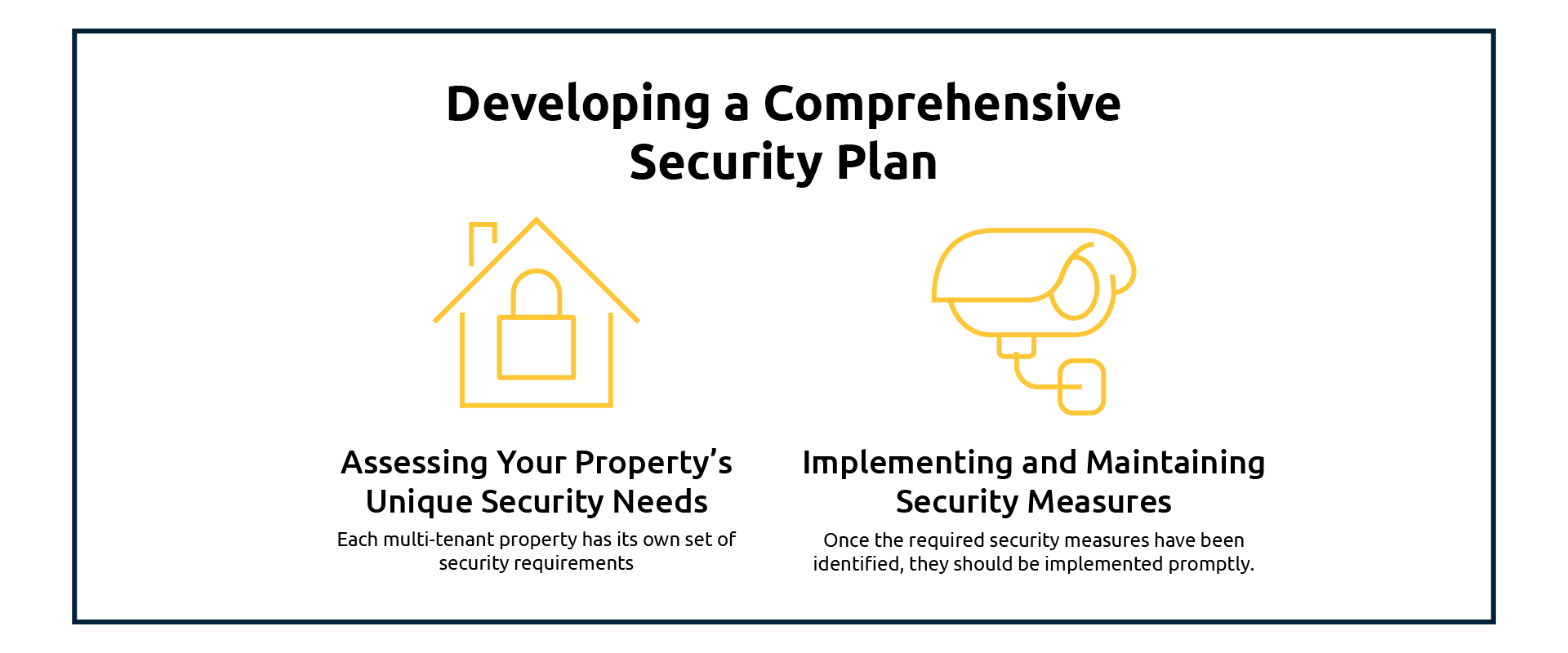
A proactive and well-executed security plan is essential to ensure the safety and security of a multi-tenant property. This plan should be tailored to the unique needs and characteristics of the property.
The Human Element: Social Engineering and Tailgating
Even the most advanced security systems have a weak point: human nature. In a busy multi-tenant building, it’s easy for someone to “tailgate” by simply following an authorized person through a secured door. With so many people coming and going—tenants, employees, delivery drivers, and guests—it can be difficult to track who belongs and who doesn’t. This constant flow creates the perfect environment for unauthorized access, as people often hold doors open out of politeness without verifying the identity of the person behind them. A professional security presence is your best defense against this. Trained guards can monitor access points, verify credentials, and politely intercept individuals who don’t have proper authorization, adding a crucial human layer to your corporate security strategy.
Outdated Systems: The Problem with Physical Keys
Relying solely on traditional physical keys is a significant security gamble. Keys can be lost, stolen, or copied without your knowledge, creating a permanent vulnerability until the locks are changed. For a multi-tenant property, the process of rekeying doors every time a tenant leaves or a key goes missing is not just slow and disruptive; it’s also incredibly expensive. This outdated system leaves gaps in your security that can be easily exploited. While modern access control systems are a great upgrade, integrating private security guards to manage entry points provides an immediate and effective solution. They can verify identities and log visitors, ensuring that even if a key falls into the wrong hands, your property remains secure.
Operational Complexities: Varying Schedules and Hidden Vulnerabilities
Managing access in a multi-tenant building is a complex puzzle. You have commercial tenants working 9-to-5, residential tenants coming home late, cleaning crews arriving after hours, and a steady stream of visitors and deliveries. This constant, varied traffic makes it challenging to manage who is supposed to be where and when. The quiet hours, like evenings, weekends, and holidays, can be especially vulnerable times for the property. A comprehensive security plan must account for this dynamic environment. Implementing services like mobile security patrols can address these operational challenges by providing a visible security presence during off-peak hours, checking exterior doors, and monitoring parking areas to deter potential threats.
Strengthening Physical Security Measures
Before you start exploring high-tech gadgets, it’s essential to master the fundamentals. Physical security is the bedrock of any solid safety plan, involving the reinforcement of your building’s structure and the use of visual cues to discourage potential threats. It’s all about creating an environment that feels inherently safe and sends a clear message that the property is well-protected and actively monitored. Simple, tangible improvements can make a huge difference in preventing unauthorized access and stopping criminal activity before it even begins. By focusing on these core elements, you establish a robust first line of defense that protects your tenants, their employees, and their assets.
First Impressions Matter: How Building Maintenance Deters Crime
Take a moment to consider the message your property sends at first glance. A building that is well-maintained with clean common areas, fresh paint, and effective lighting signals that people are paying close attention. This simple act of upkeep can be a powerful deterrent. As security experts note, “A building that looks well-cared-for and has good lighting sends a message that someone is watching, which can deter criminals.” This perception of vigilance is powerfully reinforced by visible mobile security patrols making regular, unpredictable rounds. These patrols confirm that the property is actively monitored, making it a much less attractive target for would-be intruders or vandals.
Upgrading Entry Points in Older and Newer Buildings
A building’s entry and exit points are its most vulnerable areas. It’s critical to ensure that only authorized individuals can get inside, whether your property is a historic landmark or a brand-new development. Securing these access points with modern solutions is a non-negotiable step. This can include controlled-access doors, reinforced locks, and professionally staffed reception areas. For commercial properties, having dedicated corporate security services to manage the front desk not only adds a critical layer of protection but also enhances the professional image of your building, providing peace of mind for tenants and their clients from the moment they arrive.
Implementing Smart Technology Solutions
While physical barriers are your first line of defense, integrating smart technology can shift your security strategy from reactive to proactive. Modern tech solutions give you greater control, more detailed oversight, and faster response times than traditional methods can offer on their own. From managing access with a simple tap on a phone to monitoring the entire property from anywhere in the world, technology empowers property managers to be more efficient and effective in their roles. These advanced systems work best when they complement your physical security measures, creating a multi-layered strategy that covers all your bases and adapts to new challenges as they arise.
Beyond the Key: The Benefits of Electronic Access Control
Traditional metal keys are quickly becoming a thing of the past, and for good reason. They can be easily lost, stolen, or copied, creating significant and ongoing security risks for your property. It’s time to “switch from physical keys to systems that use passcodes, phone apps, or fingerprints.” These modern electronic access control systems give you complete authority over who enters your property and when. You can grant temporary access to vendors or maintenance crews, instantly revoke credentials for former tenants, and maintain a detailed, time-stamped log of every entry. This level of precise control is invaluable in a multi-tenant environment, simplifying management and ensuring access is always in the right hands.
Strategic Surveillance and Data Protection
Surveillance cameras are a cornerstone of modern security, but their effectiveness hinges on strategic placement and diligent management. As security professionals emphasize, “Surveillance cameras play a crucial role in monitoring and deterring criminal activity.” To be truly effective, they must be positioned to cover vulnerable areas like parking garages, lobbies, hallways, and delivery zones without infringing on tenant privacy. However, simply recording footage isn’t enough. For genuine peace of mind, pair your camera system with 24/7 security services, where trained professionals can monitor live feeds and respond immediately to any suspicious activity, ensuring potential threats are addressed in real time.
Start with a Property Security Assessment
Each multi-tenant property has its own set of security requirements. Conducting a thorough assessment of the property’s vulnerabilities and risks is crucial in identifying the necessary security measures. This assessment should take into account the layout of the property, the number of tenants, the location, and any previous security incidents.
Putting Your Security Plan into Action
Once the required security measures have been identified, they should be implemented promptly. Regular maintenance and inspections are also essential to ensure that the security systems are functioning optimally. Additionally, ongoing training should be provided to property management staff and tenants to raise awareness and maximize the effectiveness of the security measures.
The Role of Property Management in Building Security
 The Role of Property Management in Building Security
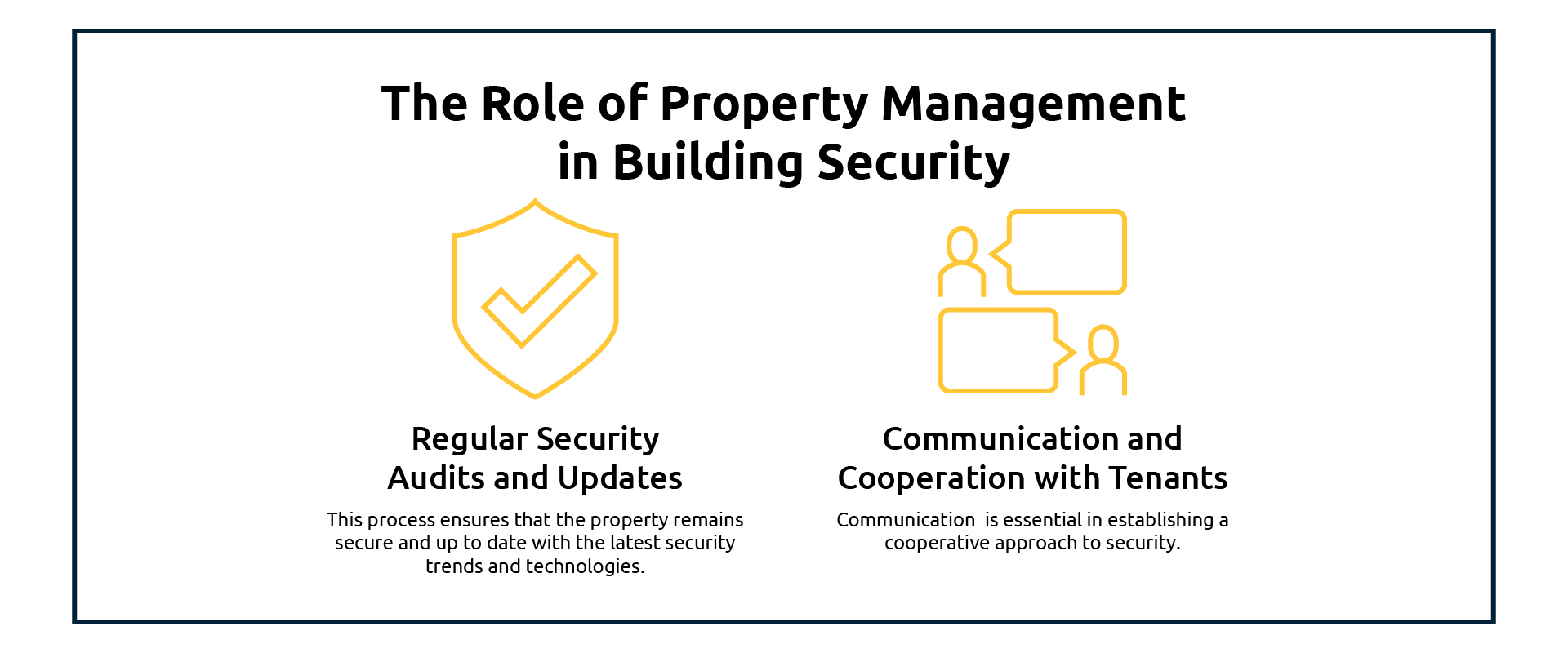
Property managers play a crucial role in maintaining the security of multi-tenant properties. They are responsible for overseeing the implementation and management of security measures.They are responsible for establishing clear communication channels with tenants, ensuring that everyone is aware of security protocols and procedures. By fostering a sense of community and encouraging tenants to report any suspicious activities, property managers can create a proactive security culture within the building. Furthermore, property managers are tasked with staying up-to-date with the latest security trends and technologies. This includes regularly evaluating the effectiveness of existing security measures and making necessary upgrades or improvements. By investing in modern security solutions, property managers can provide tenants with the peace of mind they deserve.
The On-Site Advantage: The Role of Professional Security Guards
While technology and infrastructure are foundational, the human element is what truly brings a security plan to life. Professional security guards provide an on-site presence that cameras and alarms simply can’t replicate. They are the eyes, ears, and face of your security strategy, capable of assessing situations, making judgment calls, and responding in real-time. A well-trained guard does more than just observe; they actively deter threats, manage access, and serve as a calm, authoritative figure during emergencies. Their presence transforms a building from a space with security features into a genuinely secure environment, offering peace of mind to both you and your tenants.
Active Entry and Visitor Management
Your property’s main entrance is the first line of defense. Placing a professional security guard at this key checkpoint is one of the most effective ways to control access and prevent unauthorized entry. Guards can verify IDs, manage visitor sign-in logs, and issue temporary passes, ensuring that everyone who enters has a legitimate reason to be there. This active management stops tailgating and deters individuals with ill intent from even attempting to gain access. For commercial properties, this function is essential for protecting tenants and their assets. A professional corporate security team not only secures the lobby but also sets a professional and safe tone for all employees and guests from the moment they arrive.
Visible Patrols and After-Hours Security
A visible security presence is a powerful deterrent. When potential criminals see a uniformed guard actively patrolling a property, they are far more likely to move on to an easier target. Regular patrols of common areas, parking garages, and the building perimeter help identify vulnerabilities, such as unlocked doors or suspicious activity, before they can be exploited. This is especially critical after business hours when the property is most vulnerable. Having 24/7 security services ensures that your building is protected around the clock, providing a constant safeguard against break-ins, vandalism, and other after-hours threats, ensuring the property remains secure day and night.
Emergency Preparedness and Drills
In a crisis, a trained security guard is an invaluable asset. Professional guards are prepared to act as first responders, equipped with the knowledge to handle emergencies ranging from fire alarms to medical incidents. They are trained in evacuation procedures, lockdown protocols, and how to coordinate effectively with police and fire departments when they arrive. At ASAP Security, our officers, many with former military and law enforcement backgrounds, bring a level of discipline and expertise that is critical in high-stress situations. They can calmly guide tenants to safety, manage crowds, and maintain order, ensuring that your property’s emergency plan is executed efficiently and effectively.
More Than Security: The Customer Service Role
Beyond their security duties, guards often serve as ambassadors for your property. A friendly, approachable, and helpful guard can significantly enhance the tenant experience. They can assist visitors with directions, help tenants with access issues, and provide a reassuring presence in the lobby. This customer service role helps build a positive community atmosphere and fosters a sense of trust between tenants and management. For residential security, this dual function is particularly important, as guards become a familiar and trusted part of daily life. By being both a protector and a helpful resource, a professional guard adds value that goes far beyond their traditional security responsibilities.
Don’t Set and Forget: The Need for Regular Audits
Regular security audits should be conducted to assess the effectiveness of existing security measures and identify areas for improvement. This process ensures that the property remains secure and up to date with the latest security trends and technologies.
Establishing a Routine for System Inspections
Security technology is a fantastic tool, but it’s not something you can just install and forget about. Like any other critical system in your building, it needs regular check-ups to perform at its best. Establishing a consistent schedule for inspections is a non-negotiable part of a proactive security plan. This routine goes beyond just waiting for something to break; it involves regularly checking camera feeds for blind spots or malfunctions, testing access control points to ensure they’re secure, and verifying that alarm systems are functioning correctly. These systematic audits help you catch small issues before they become major vulnerabilities, ensuring your security measures are always effective. For property managers juggling countless responsibilities, outsourcing these checks can be a game-changer. A dedicated mobile security patrol can perform these routine inspections efficiently, providing detailed reports and ensuring your property’s security infrastructure is always in top shape.
Working with Tenants to Improve Security
Open and transparent communication between property management and tenants is essential in establishing a cooperative approach to security. Regular communication channels should be established to provide safety guidelines, address concerns, and encourage tenants to report any suspicious activities.
Legal and Insurance Considerations for Property Security
 Legal and Insurance Considerations for Property Security
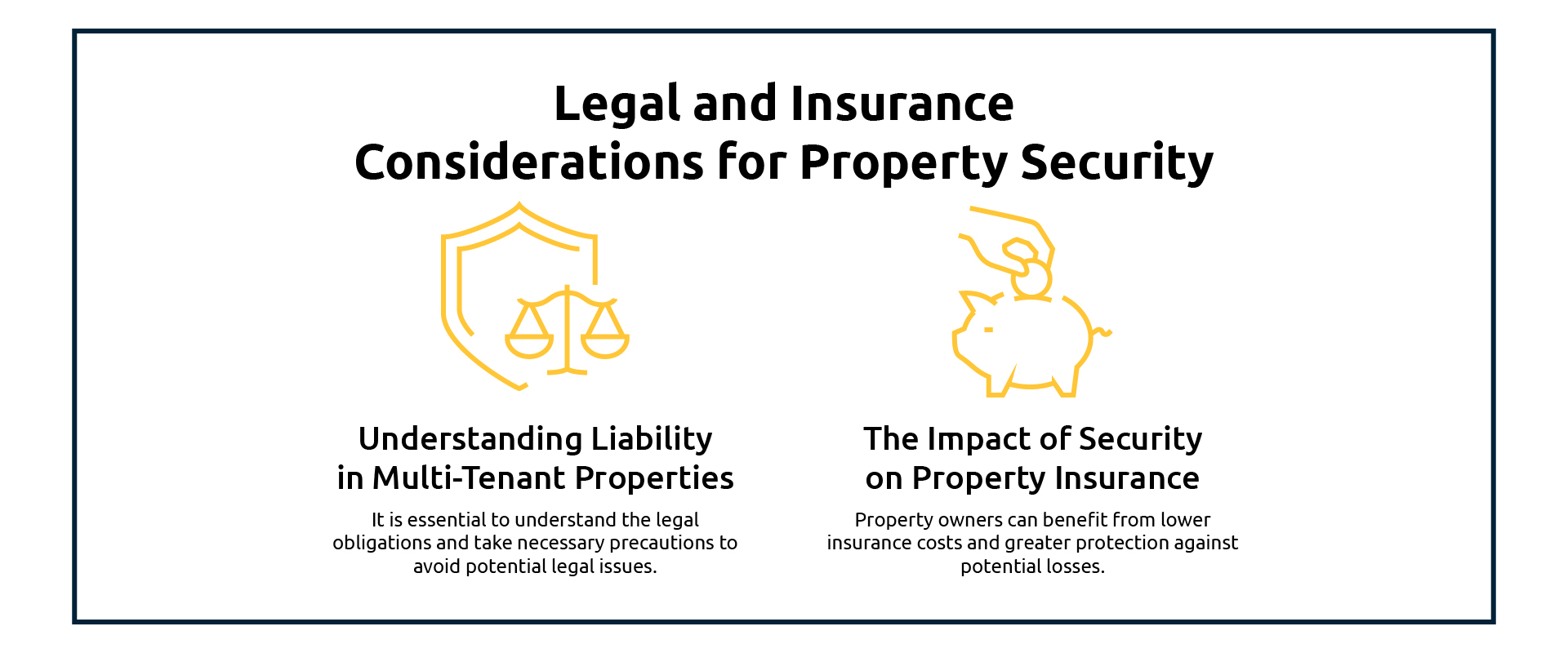
Ensuring proper security measures in multi-tenant properties not only protects the tenants and property but also helps mitigate legal and insurance risks.
Proactive Tenant Education Programs
Your security infrastructure is only as effective as the people who use it every day. That’s why empowering your tenants with knowledge is one of the most powerful security strategies you can adopt. A proactive education program turns every resident into an active participant in the building’s safety. Start by teaching them to recognize and prevent common security breaches like tailgating, where an unauthorized person follows a resident through a secure door. You can also provide simple, clear guidelines on social engineering tactics and remind them to never grant access to strangers. Fostering a community-watch mindset encourages everyone to look out for one another, creating a stronger, more vigilant environment that complements your physical security measures.
Fostering Collaboration with Modern Communication Tools
Strong security relies on clear and immediate communication. By using modern tools, you can create a seamless connection between property management, tenants, and your security team. Implementing a system for instant communication—like a tenant portal, mobile app, or text alert service—is essential. These platforms allow you to send out emergency alerts, share security updates, and manage visitors efficiently. More importantly, they give tenants a direct and easy way to report suspicious activity the moment they see it. This open channel ensures that potential threats are addressed quickly, often before they can escalate, and allows your 24/7 security services to respond with real-time information.
What Are Your Legal Responsibilities as a Property Owner?
Property owners and managers have a legal responsibility to maintain a safe and secure environment for their tenants. Failing to meet this duty of care can result in legal liabilities. Therefore, it is essential to understand the legal obligations and take necessary precautions to avoid potential legal issues.
Can Better Security Lower Your Insurance Premiums?
Insurance companies often take into account the security measures implemented in a multi-tenant property when offering coverage and determining premiums. By demonstrating a strong commitment to security, property owners can benefit from lower insurance costs and greater protection against potential losses. In conclusion, securing a multi-tenant property requires a comprehensive approach that addresses the unique challenges and risks associated with shared spaces. By adopting physical security measures, implementing technological solutions, developing a comprehensive security plan, and involving property management, property owners can create a safe and secure environment that enhances tenant satisfaction and protects the value of their investment.  ASAP Security Guards are committed to your success and the experts when it comes to developing a plan for your security! Get Your Free Quote Today!
Ready to Secure Your Property? Get a Free Quote.
We are proud of our stellar customer service record, so check our website for all the testimonials from our various satisfied customers. Call ASAP Security at 1-833-272-7247
Frequently Asked Questions
Are security cameras and access control systems enough, or do I really need guards? Technology like cameras and key card systems are fantastic tools, but they can’t replace human judgment. A camera can record a problem, but a professional guard can prevent one from happening in the first place. Guards actively manage who comes and goes, address suspicious behavior in real-time, and provide a visible deterrent that technology alone can’t offer. Think of it as having a proactive solution instead of just a reactive one.
My property has tenants with all kinds of schedules. How can I secure it effectively during off-hours? This is a common challenge for multi-tenant buildings, and the key is a flexible security plan that adapts to your property’s unique rhythm. You might consider mobile security patrols, which provide a visible security presence at random, unpredictable intervals during vulnerable times like nights and weekends. They can check doors, monitor parking areas, and respond to alarms, offering a strong deterrent without the cost of a full-time, around-the-clock guard.
I know I need to improve security, but I’m not sure where to begin. What’s the first step? The best place to start is with a professional security assessment. Every property is different, with its own layout, tenant mix, and vulnerabilities. A thorough assessment will help you identify your specific risks, from poorly lit areas to unsecured entry points. This process gives you a clear, prioritized roadmap so you can invest your resources in the measures that will make the biggest impact on your property’s safety.
How can I get my tenants to participate in security without causing alarm? The goal is to empower your tenants, not frighten them. You can achieve this through positive and proactive communication. Instead of focusing on worst-case scenarios, frame security as a community effort to keep everyone safe. Share simple, actionable tips, like being mindful of who follows them through a secured door and encouraging them to report anything unusual. When tenants feel like they are part of the solution, they become your greatest security asset.
My building is older and still uses traditional keys. Is upgrading our security too complicated? Upgrading an older building’s security is more manageable than you might think, and you don’t have to do it all at once. While switching to a full electronic access system is a great long-term goal, you can make significant improvements right away. Placing a professional guard at the main entrance to manage visitor access and verify identities provides an immediate and powerful layer of security. This human element effectively solves the problem of lost or copied keys without requiring a major initial investment in new hardware.
Key Takeaways
- Combine technology with a human touch: Modern security systems like cameras and access control are crucial, but they have limits. Professional guards provide the on-site judgment needed to manage visitor access, prevent tailgating, and respond to situations in real time.
- Build security in layers: A comprehensive plan relies on more than one solution. Combine physical deterrents like good lighting and strong locks with modern technology and a visible security presence, such as mobile patrols or on-site guards, to create a robust defense.
- Make security a continuous process: A “set it and forget it” mindset creates vulnerabilities. True security involves regular system audits, educating tenants on how to spot risks, and maintaining clear communication channels to create a vigilant and safe community.
Related Articles
- Multi-Tenant Property Security Solutions & Best Practices | ASAP Security Guards
- Office Building Security: The Essential Checklist | ASAP Security Guards