
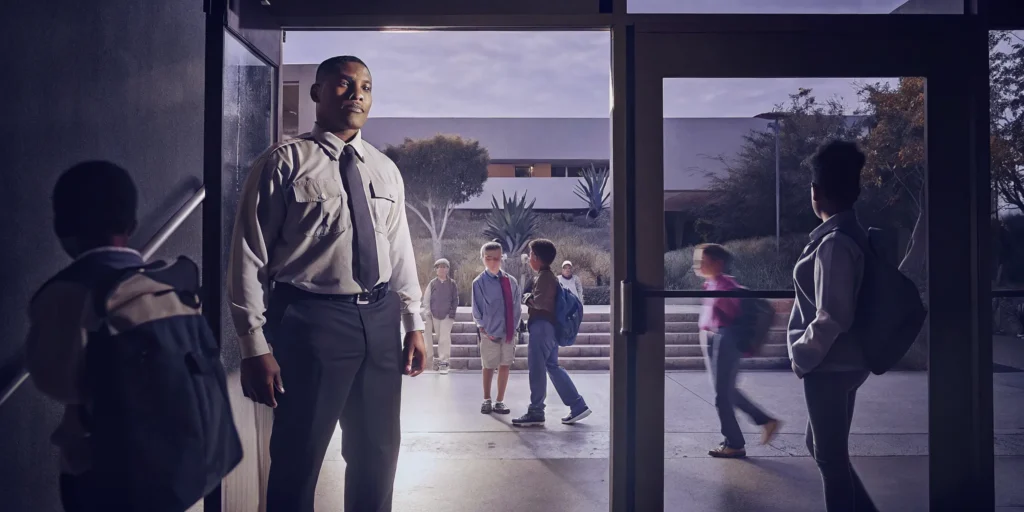
School security guard duties help protect students, staff, and campus property through visible patrols, access control, emergency response, and clear reporting. Administrators need a defined daily plan that supports learning while addressing each campus risk.
Request a school security consultation.
School security guard duties protect students and staff through campus patrols, access control, traffic management, event coverage, and reporting. According to the U.S. Department of Education, guards monitor schools to prevent theft and violence while following rules. They also build relationships with students, coordinate with police, and follow a defined campus safety plan.
Administrators must understand how these daily tasks fit into a broader campus safety strategy. Effective planning helps keep the school open and welcoming while managing risks.
What are the core school security guard duties?
Core duties include campus patrols, visitor access control, emergency response, traffic management, safety checks, and accurate daily reporting.
Daily school security guard duties protect students, staff, and property from theft, fire, violence, and rule violations. Guards move throughout campus rather than watching one post, providing a visible deterrent all day.
Patrols and access control
Guards must walk through the halls and the grounds often. They check doors, windows, and locks to keep the campus safe from guests who do not belong. This work is a routine part of most school security guard duties in many districts. It ensures that only the right people are in the school. A guard might find a propped door or a broken lock that could let a threat inside. Fixing these small issues is a key part of the job.
Guards monitor video feeds and may use scanners or x-ray machines at the front door. These tools help control who enters and what they bring inside.
Emergency response and safety
When a crisis starts, guards are the first to act. They lead the way in stopping fights and fixing problems. If they find a strange person, they may question or stop them. But a guard is not a sworn police officer. They must hold the person until the real police get there to take over. This quick action can prevent a small fight from turning into a big event.
Guards build trust with students and staff to learn about risks early. They also manage games, rallies, cars, and buses. Learn more about school security guard duties and administrator responsibilities to help plan your team.
Reporting and daily logs
Clear reports are a big part of the job. At ASAP Security Guards, we use GPS to track our team in real time. Guards write down what they do and see each shift in a daily log. This gives school leaders a clear look at campus safety and guard work. It also helps schools follow state rules and keep their files in good shape.
Guards also check fire extinguishers, alarms, and other safety equipment. These preventive checks help create a secure place for learning.
How should duties change throughout the school day?
Guards should move with changing risks, prioritizing arrival and dismissal traffic, class-time access control, passing-period halls, lunch areas, and after-hours patrols.
The rhythm of a school day shifts every hour. Staff and students move from buses to halls, then to desks and lunchrooms. Because of this, school security guard duties must adapt in real time.
A fixed post rarely provides full safety. Instead, guards must move where the risk is highest. This fluid approach helps keep the campus safe from morning bells to late-night sports.
The morning and afternoon rush
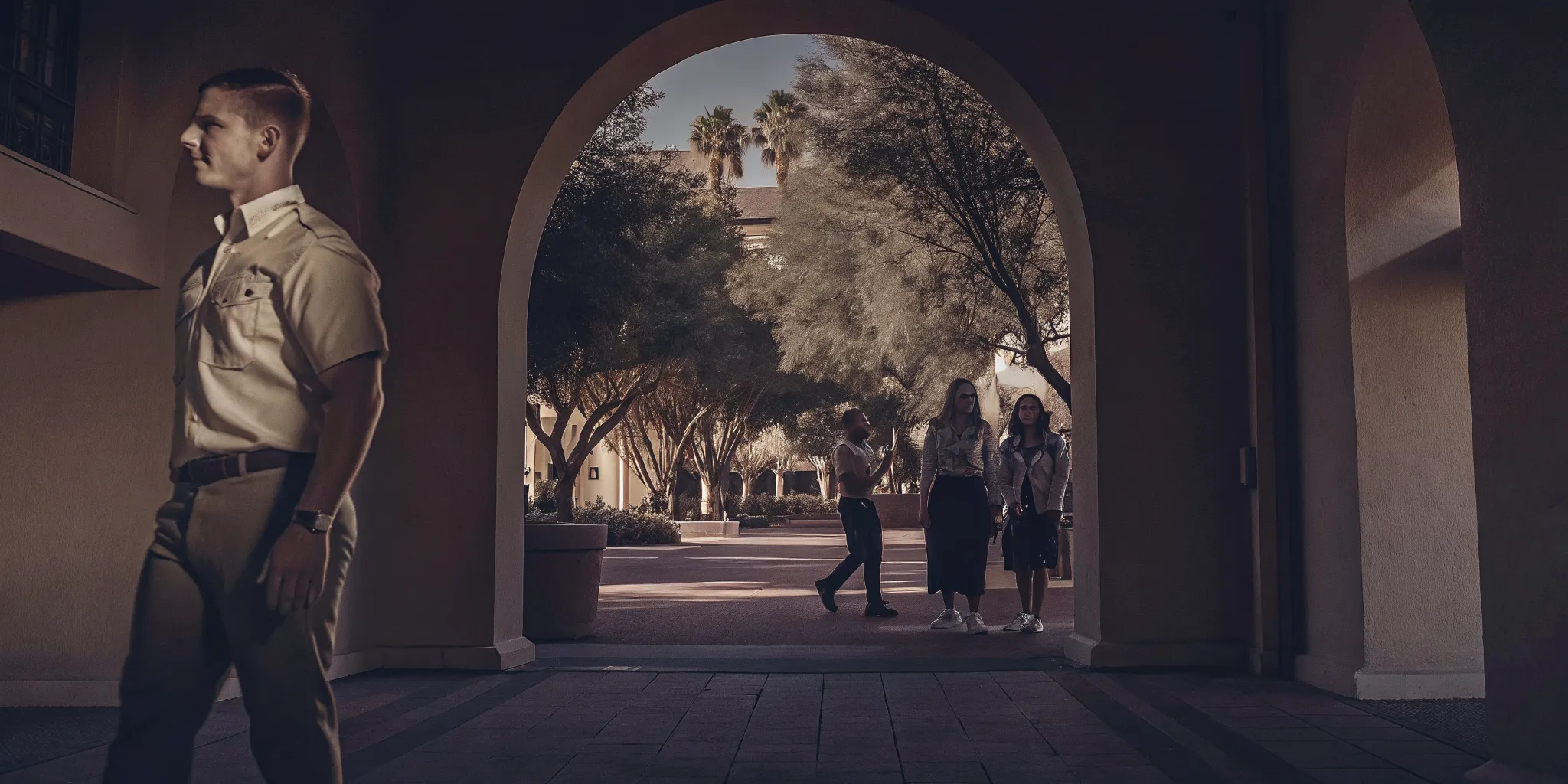
During the start and end of the day, the main goal is traffic and crowd control. Guards should be visible in parking lots and bus loops. This presence stops bad actors and helps prevent mishaps.
When parents drop off their kids, guards stay alert for any strange cars. As students enter the building, the focus shifts to door security. Guards check IDs and guide visitors to the main office. As shown in government safety rules, guiding cars is a big part of guarding people on campus.
Door and open space checks
Once class begins, the halls must stay clear. Guards then start regular walks of the grounds. They check that all side doors are locked and windows are shut. This keeps the building safe from anyone who might try to get in.
During lunch, the lunchroom becomes a high-risk area for student fights. Guards must use de-escalation skills to keep the peace. Daily patrol work is a key part of school security guard duties and administrator responsibilities.
The daily safety plan
A good safety plan breaks the day into set tasks. This ensures no area is left without a guard. ASAP Security Guards uses GPS-tracked reports to show exactly where guards are at all times.
This high level of trust helps school leaders feel sure that their site is secure. If the school needs a fire watch, officers must take a fire safety class through our academy to keep the site safe from fire risks.
- Morning Arrival: Guards start by checking the outer fence. They then move to drop-off zones to manage cars and watch for threats as students arrive.
- Access Control: After the bells ring, guards lock all but the main doors. They use special tools like metal detectors when needed to screen every visitor.
- Hallway Shifts: During the minutes between periods, guards stand in central halls. This helps keep students moving and stops trouble before it can start.
- Lunch Oversight: Guards stay in the cafeteria and quad during lunch. They act as a helpful presence to students while staying alert for any signs of danger.
- Dismissal: As the day ends, guards return to the parking lots. They ensure students get to their buses safely and watch for any cars that do not belong.
- After-Hours Patrol: Once the site is empty, guards check every building. They make sure fire exits are clear and all lights are off to keep the campus safe until the next day.
Prevention and de-escalation responsibilities
Effective guards prevent incidents by building trust, watching for early warning signs, reporting risks, and using calm de-escalation before conflicts grow.
Prevention goes beyond patrols. Trained guards identify risks, calm tense situations, and balance a friendly presence with firm enforcement.
Strong ties with students
A big part of the job is making strong bonds with the school group. Guards work to build a positive relationship with students and staff. These ties help guards find out about issues early. When students trust the team, they are more likely to share their fears. This trust is a key tool for safety. It turns the whole school into a team that watches out for one another.
Guards provide a calm resource for students who feel unsafe. By listening and staying visible, they can often stop a fight before it starts.
Watching and reporting campus risks
Active safety means always checking the school grounds and buildings. A guard’s job is to watch the campus to stop theft or fights. This includes checking locks and watching for people who should not be there. They walk the halls to ensure all doors and windows are shut and locked tight. This work keeps the site secure and stops strangers from getting in.
Guards tell school leaders about any odd acts right away. They use clear logs to track every check they make during their shift. These logs help the 24/7 security team and administrators stay in sync. This reporting ensures that the school team knows exactly what is happening on site at all times. It also helps the school plan for future safety needs based on real data.
Calming student conflicts
Guards also handle heated exchanges between students. They spot stress early and use calm words to keep a small dispute from becoming a crisis.
This skill is central to ASAP Security Academy training. Guards use it to resolve problems without force while following school rules.
What does a guard do during an emergency?
During an emergency, a guard protects life, follows the school response plan, secures the scene, communicates updates, directs responders, and documents the event.
When a crisis happens on campus, a school security guard is the first line of defense. Their main goal is to protect students and staff from harm. They must follow the school’s safety plan to keep people safe. A guard’s work is vital to the school’s professional security plan on site. Every guard must know the layout of the school to act with speed.
Immediate steps and life safety
During a crisis, guards act fast to find the threat. They might need to stop a person from entering a hall or a gym. They use tools like metal detectors to manage who comes on campus. A guard may also question or detain suspicious people until the police arrive. This helps keep a small threat from growing into a big one.
Guards also check fire tools like extinguishers to make sure they are ready. If a fire starts, they help people get out of the building in a safe way. Fire watch officers must take a special class to stay ready for these risks. You can find more about this training at the ASAP Security Academy. Their quick work helps save lives before the fire trucks arrive. Regular checks of fire gear are a key part of their weekly routine.
Crowd control and lockdowns
In a lockdown, a guard’s job is to secure the site as fast as possible. They check that all doors and windows are locked tight. They also watch cameras to see where a threat might be moving. This work keeps the campus safe while police are on the way. Guards use radios to tell the school office what they see in real time. Staying in touch with the main office helps the school lead make the right calls.
If there is a large crowd, the guard keeps order to prevent a crush. They direct traffic to let police cars and fire trucks reach the scene. They also help lead students to safe spots that the school has picked. By staying calm, they help keep others calm during a scary time. They are trained to handle the stress of a big event without losing focus. This training ensures that students stay in safe areas until the all-clear is given.
Reporting and handoffs
Once the police or medics arrive, the guard must give a clear report. They tell the police what they saw, where the threat is, and what they did. This handoff is a key part of the job that saves time for the police. Guards are not sworn police officers, but they work as partners to law enforcement. They can bridge the gap between the school staff and the first responders.
After the event, the guard writes a full report on the day’s events. They use GPS tools to show where they were and what happened. These records help the school update its safety plans for the future. Clear notes help the school staff learn how to stay even safer next time. ASAP Security Guards ensure every detail is noted for the school’s legal and safety needs. Proper records also provide a clear history for insurance and district audits.
Review professional security services for your school.
Documentation that strengthens campus safety
Daily activity logs, incident reports, access records, and safety audits give school leaders proof of work and the evidence needed to improve campus safety plans.
Clear logs are a big part of school security guard duties. Good notes do more than just track time. They give school leaders the facts they need to find risks before a problem starts. When guards log every patrol and check, they build a map of campus safety. This record helps districts follow rules and keep students safe.
Reporting for better safety plans
School heads use security logs to update their safety plans. By looking at past notes, leaders can see where threats often happen. For example, a log might show that a back gate is often left open. Guards monitor the site to prevent theft and stop rule breaks before they grow. These notes make it easy to see which areas need more light or better locks. When guards track these trends, they help schools use their budgets in the best way. Instead of guessing, leaders can fix the most common safety issues first.
Daily logs and proof of work
Modern tools like GPS-tracked logs provide proof of work. Guards at ASAP Security Guards use these systems to show exactly when and where they patrol. This ensures that guards perform their assigned security services with full openness. Each check of a door or window is saved with a time stamp. This detail builds trust between the guard team and the school staff. It also shows that the team follows the routine patrol work needed for a safe site. Proof of patrol makes it clear that the guard was at their post when needed.
Notes as a training tool
Logs can also help with guard training. When a lead reads an incident report, they can see how a guard handled a hard case. If a guard did well, the report becomes a model for others. If there was a mistake, the school can use that note to teach a better way. This helps guards grow their skills in de-escalation and safety response. Using files in this way ensures that the team gets better over time. It creates a cycle of learning that keeps the whole campus more secure.
Comparing school security logs
Security teams use many types of files to keep a campus safe. Each one has a specific goal and helps leaders make better choices. The following table shows how different logs help build a safer school environment.
| Report Type | What It Tracks | Use for Safety |
|---|---|---|
| Daily Activity | Routine rounds and gate checks | Shows proof of patrol work |
| Incident Report | Specific threats or crimes | Gives facts for police use |
| Access Logs | Who enters or leaves the site | Finds people without a pass |
| Safety Audit | Fire tools and lock status | Ensures all gear works well |
| Escalation Log | Calls to leads or police | Tracks how fast help arrives |
Clear files also help when a crime does occur. A well-kept log can protect a school from legal risks. It shows that the school took the right steps to stay safe. By making logs a priority, schools can turn simple notes into a strong shield for their students.
How guards fit into a broader school safety plan
Guards strengthen a broader safety plan when their post orders, communication protocols, patrols, and emergency roles align with school staff and first responders.
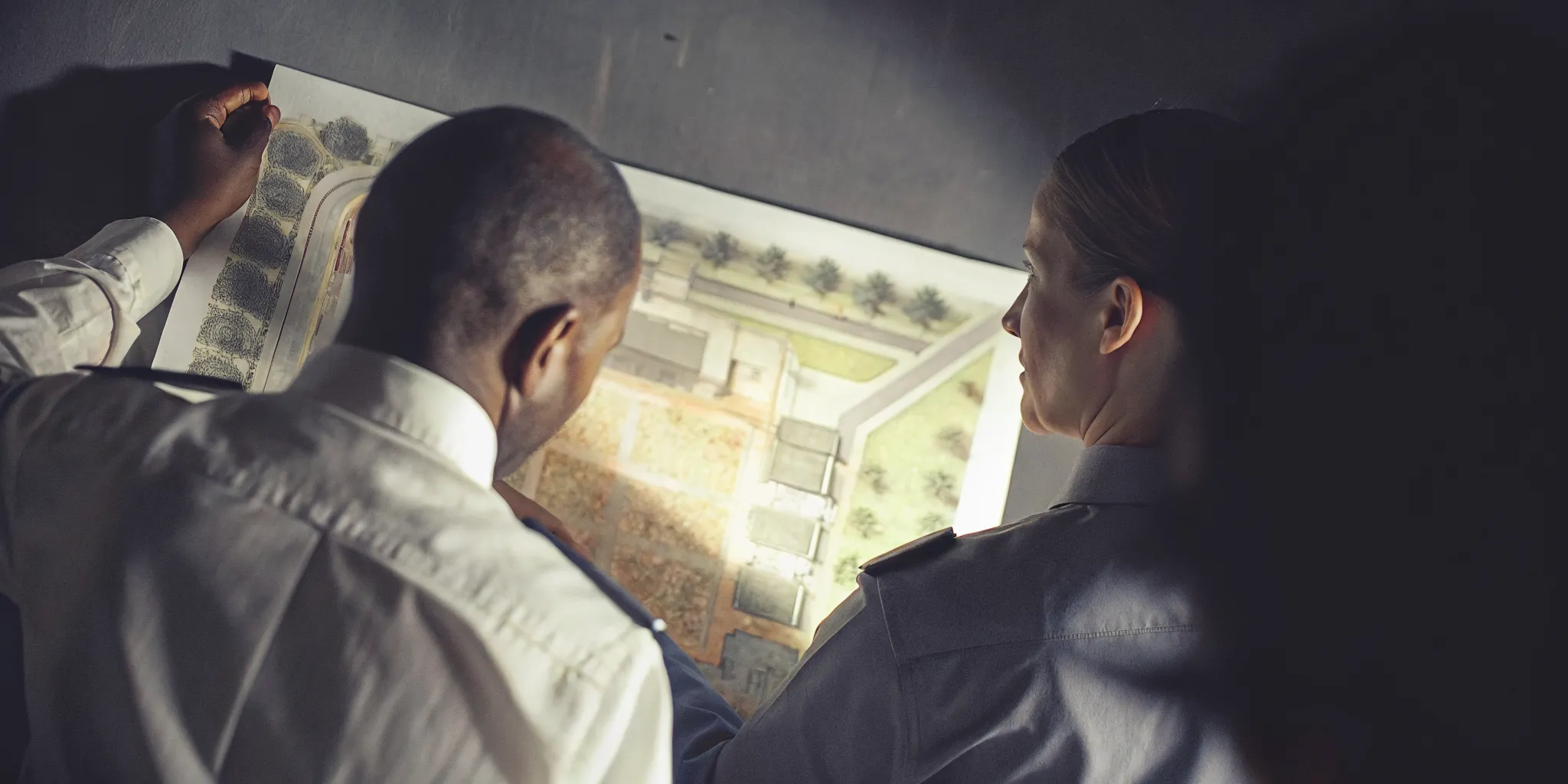
Professional guards are just one part of a full campus safety plan. For a plan to work, professional security services must align with administrator responsibilities. Guards do not work alone; they help the whole school staff keep kids safe. This starts with clear rules and ways to talk to each other every day. When guards know how to work with principals and teachers, the whole school is more secure.
Teamwork with school staff
School guards work under the direction of safety officers or school leaders. They check buildings and grounds to make sure doors and locks are tight. This routine patrol work helps protect both people and property on campus. Guards must also build good bonds with students and the community. By being a friendly and visible face, they help stop trouble before it starts. This team focus makes sure everyone knows their role when an event happens.
Clear rules and protocols
A good safety plan needs strong rules that are easy to find. Leaders should make sure that security guard duties are clearly documented in the school files. This includes how to check gates and how to talk on radios. It also covers how guards work with police when needed. Guards are not police, but they can hold a person until an officer arrives. Having these steps in writing keeps everyone on the same page and reduces risk.
Emergency response support
In a crisis, guards are often the first to see what is going on. Their job is to respond to emergency situations fast and follow the plan. They can help lead students to safety or keep a scene secure. Guards also help with traffic during busy times like drop-off and pick-up. By managing cars and crowds, they let teachers focus on the kids. This mix of daily tasks and crisis help is key to a solid school plan.
How to evaluate a school security provider
Evaluate a school security provider by reviewing training, background screening, post orders, supervision, reporting technology, staffing continuity, and emergency coordination.
Choosing the right firm for your campus is a big task. A good provider does more than fill a post; use this checklist to confirm a vendor can meet your safety standards:
- School-specific training and de-escalation skills
- Strict guard background screening
- Clear post orders and emergency protocols
- GPS-supported reporting and active supervision
- Reliable staffing and regular service reviews
Explore security services for your campus.
Check for high training standards
Start by looking at how the provider trains their staff. In many states, guards only need basic classes to start. For example, some entry-level roles only require an eight-hour course. You should look for a firm that goes far beyond these basic rules. Ask if they have an in-house security academy to teach specific school security guard duties and campus rules.
Training should cover more than just patrol work. Guards must know how to build positive relationships with students to help prevent crime. They also need skills in de-escalation and active shooter response. A provider with high standards will ensure their guards are ready for any event on campus.
Audit reporting and site supervision
Good security depends on clear data and tracking. You must know where guards are and what they do each day. Look for providers that use GPS tools to track patrols in real time. This helps ensure that school grounds stay secure from theft or rule breaks.
Check if the company has a 24/7 human dispatch center. This is vital for schools that need help after hours. Your provider should give you daily shift reports. These reports help you audit site safety. They show if doors and windows were checked as planned.
Verify background screening and post orders
A school security firm must use strict background checks. This goes beyond a simple record search. Ask if they use federal-grade screening to check every guard. You need to know that the people on your campus are safe to work around children.
You should also review the site post orders. These are the specific rules and duties for a guard at your school. A good provider writes clear orders for every shift. These might include how to check fire equipment or how to manage visitors at the front desk. Clear post orders ensure that routine patrol work meets your safety goals.
Review staffing and emergency plans
Steady staffing is key for school safety. Students and staff feel safer when they see the same faces every day. Ask how the provider keeps guards on the job for the long term. High turnover can create gaps in your safety plan.
The provider must also know how to work with local law enforcement. While guards are not sworn officers, they must coordinate with them during emergencies. Ensure the vendor follows all laws and policies for your area. They should help you plan for traffic flow and large school events.
Set up regular service reviews
Do not just sign a contract and walk away. A great security partner holds regular meetings to review their work. These service reviews let you talk about what is working and what needs to change. You can look at shift logs and talk about any safety gaps.
During these reviews, talk about how guards handle the flow of traffic or student events. This is also the time to check if guards are finishing their extra training hours. Most guards must finish more courses in their first month on the job. Regular reviews keep the provider focused on your needs.
Frequently Asked Questions
Can a school security guard arrest someone?
A school security guard is not a sworn law enforcement officer. In most cases, they do not have the same power to arrest as the police. However, their duties often involve stopping a person who may be a threat. According to government job standards, a guard may detain a person until a police officer can arrive. This helps keep the campus safe from immediate harm while waiting for more help from local law enforcement teams.
Are school security guards armed?
Schools can choose to hire either armed or unarmed security guards. The choice often depends on the safety needs of the school and local laws. Unarmed guards focus on patrols and de-escalation to keep the peace. Armed guards provide a higher level of protection for sites at high risk. No matter the type, all guards should have training in how to handle threats. This ensures that every team member knows how to keep students safe while following the specific rules of the school site.
What training do school security guards need?
Most states have rules for the training of guards who work at a school. They must learn how to patrol a campus and how to talk to students in a helpful way. At ASAP Security Guards, we use our own ASAP Security Academy to teach these skills. Guards learn about de-escalation, fire watch, and how to spot a risk. They also learn how to report their work so school leaders stay informed. This training makes sure that every guard is ready for the unique needs of a campus.
How do security guards manage school visitors?
Managing guests is a key part of school safety. Guards work at the front desk or main gate to check IDs and log every person who enters. They ensure that all visitors have a valid reason to be on the grounds. This task prevents unauthorized people from walking the halls. Guards also guide visitors to the office and keep track of when they leave. By watching all entry points, guards add a vital layer of security that protects both the students and the school staff.
Ready to secure your school?
Leaving your school safety plan to chance is a risk you cannot take. Gaps in your safety duties can lead to harmful errors when it counts the most. Every week you wait is more time that your students and staff could be at risk. When you start your safety work now, you gain the peace of mind that comes with a solid shield. You can find and fix weak spots with help from trained security professionals before they turn into real problems. A strong plan helps your team act fast and stay calm during a bad event. Taking this step today makes sure that your school stays a safe place for everyone to learn. Our experts know how to help you set up a plan that works for your own needs. Do not wait for a breach to find out where your plan fails.
Ready to secure your school? Call 833-272-7247 to request a school security consultation.
