

Thinking about hospital security often brings to mind reacting to immediate threats. But a truly secure facility is built on a proactive foundation, not a reactive one. It’s about having a plan in place long before an incident occurs, whether it’s a natural disaster, a power failure, or a direct security threat. This forward-thinking approach transforms your security from a simple cost center into a vital component of operational resilience and patient care. Moving from a reactive posture to a prepared one is the core of modern hospital safety security and emergency preparedness, and this article outlines the essential steps to build that framework.
How To Maintain A Safe and Welcoming Environment With Hospital Security Services
 Understanding the Importance of Hospital Security Services
 Understanding the Importance of Hospital Security Services
When it comes to healthcare facilities, security is not just about preventing physical threats. Hospital security services encompass a wide range of responsibilities. These include ensuring the safety of patients, staff, and visitors, protecting sensitive information, preventing theft and vandalism, managing emergency situations, and maintaining order and tranquility within the hospital premises. Healthcare facilities are vulnerable to various security risks, including unauthorized access, workplace violence, theft of medication or equipment, patient elopement, and potential terrorist threats. These risks can not only compromise patient safety but also impact the hospital’s reputation and financial stability. Therefore, investing in comprehensive hospital security services is paramount.
How Security Teams Support Patient Care and Safety
Hospital security services go beyond traditional measures. Security personnel are trained to understand the unique needs and challenges of healthcare facilities. Their primary role is not only to deter and respond to security incidents but also to promote a safe and welcoming environment. Security personnel act as a visible deterrent to potential threats, ensuring that individuals with malicious intent think twice before attempting any wrongdoing. Additionally, they also create a sense of safety and comfort for patients and staff members. In emergency situations, hospital security services are instrumental in managing the chaos and ensuring the safety of everyone involved. They work closely with law enforcement agencies, fire departments, and other emergency responders to coordinate an effective response. Their training in emergency preparedness and crisis management enables them to handle high-stress situations with composure and efficiency.
How to Balance Safety with a Welcoming Atmosphere
One of the challenges hospitals face is finding the right balance between safety and hospitality. While ensuring the security of patients and staff is paramount, it is equally important to maintain a friendly and welcoming atmosphere. To achieve this balance, hospital security services should focus on adopting a customer service mindset. Security personnel should be trained to provide assistance and guidance to patients and visitors, making them feel comfortable and supported during their hospital stay. Furthermore, hospital security services can contribute to the overall well-being of patients by actively participating in initiatives aimed at preventing healthcare-associated infections. They can enforce hand hygiene protocols, monitor visitor access, and ensure compliance with infection control measures. It is crucial to remember that a secure environment does not mean a rigid and unwelcoming one. By fostering positive relationships between security personnel and the hospital community, a sense of trust and cooperation can be established. This can be achieved through regular communication, community outreach programs, and training sessions that promote mutual understanding and respect. In conclusion, hospital security services play a vital role in ensuring the safety, well-being, and privacy of patients, staff, and visitors. By investing in comprehensive security measures and fostering a culture of safety and hospitality, healthcare facilities can create an environment that promotes healing and trust.
Key Elements of Effective Hospital Security
 Key Elements of Effective Hospital Security
Effective hospital security relies on various key elements. Implementing these elements ensures a comprehensive approach to maintaining a safe and welcoming environment. Hospital security is a critical aspect of healthcare facilities that cannot be overlooked. The safety and well-being of patients, staff, and visitors depend on the implementation of robust security measures. By understanding and implementing the key elements of effective hospital security, healthcare organizations can create a secure environment that promotes trust and confidence.
Conducting a Thorough Risk Assessment
Before you can build an effective security plan, you need to know exactly what you’re up against. A thorough risk assessment is the first and most critical step. This isn’t just about reacting to problems; it’s about proactively identifying potential vulnerabilities to lessen the impact of any disaster, whether it’s a natural event like an earthquake or a human-caused issue like a sudden power outage. Think of it as creating a detailed map of your hospital’s unique security landscape. This process helps you see where your weak points are and allows you to allocate resources effectively, ensuring you’re prepared for a wide range of scenarios. A comprehensive assessment forms the bedrock of a resilient security strategy, moving your team from a reactive stance to a prepared, confident one. Partnering with a professional team for corporate security services can bring an expert perspective to this process, helping you identify risks you might have overlooked.
Identifying Potential Disaster Categories
To make your planning more effective, it helps to group potential disasters into a few key categories. The first is Natural Disasters, which in Southern California could include earthquakes, wildfires, or severe flooding. The second is Technological Disasters, such as a widespread power grid failure, a critical IT system crash, or a major medical equipment malfunction. The final category is Artificial or Human-Caused Disasters, which covers threats like active shooter events, civil disturbances, or coordinated theft. By sorting potential threats into these buckets, you can develop specific, tailored response plans for each, rather than relying on a generic, one-size-fits-all approach that may not be effective when a real crisis hits.
Preparing for High-Risk Security Threats
When it comes to high-risk threats like an active shooter, preparation is everything. Your response plan should be built on a foundation of strong relationships with local law enforcement and emergency services. It’s crucial to establish these connections *before* an incident occurs, as it ensures smoother communication and a more coordinated response during a crisis. Internally, your team should gather essential documents like updated floor plans, staff contact lists, and emergency protocols, making them easily accessible. Having highly trained armed security guards on-site who are prepared for these specific events adds a critical layer of protection and can make all the difference in managing a safety or security event effectively.
Planning for Vulnerable Populations
Hospitals have a unique responsibility to protect individuals who are already in a vulnerable state. Your emergency plans must account for the specific needs of different patient groups, including children, the elderly, and those with mobility challenges or critical medical dependencies. A standard evacuation plan simply won’t work for a neonatal intensive care unit or a floor of post-op patients. Your strategies should include detailed procedures for safely moving these individuals, ensuring they continue to receive the care they need even during an emergency. This level of detailed planning requires constant vigilance and is a core component of providing true 24/7 security services that align with your hospital’s mission to protect and heal.
Empowering Your Staff Through Security Training
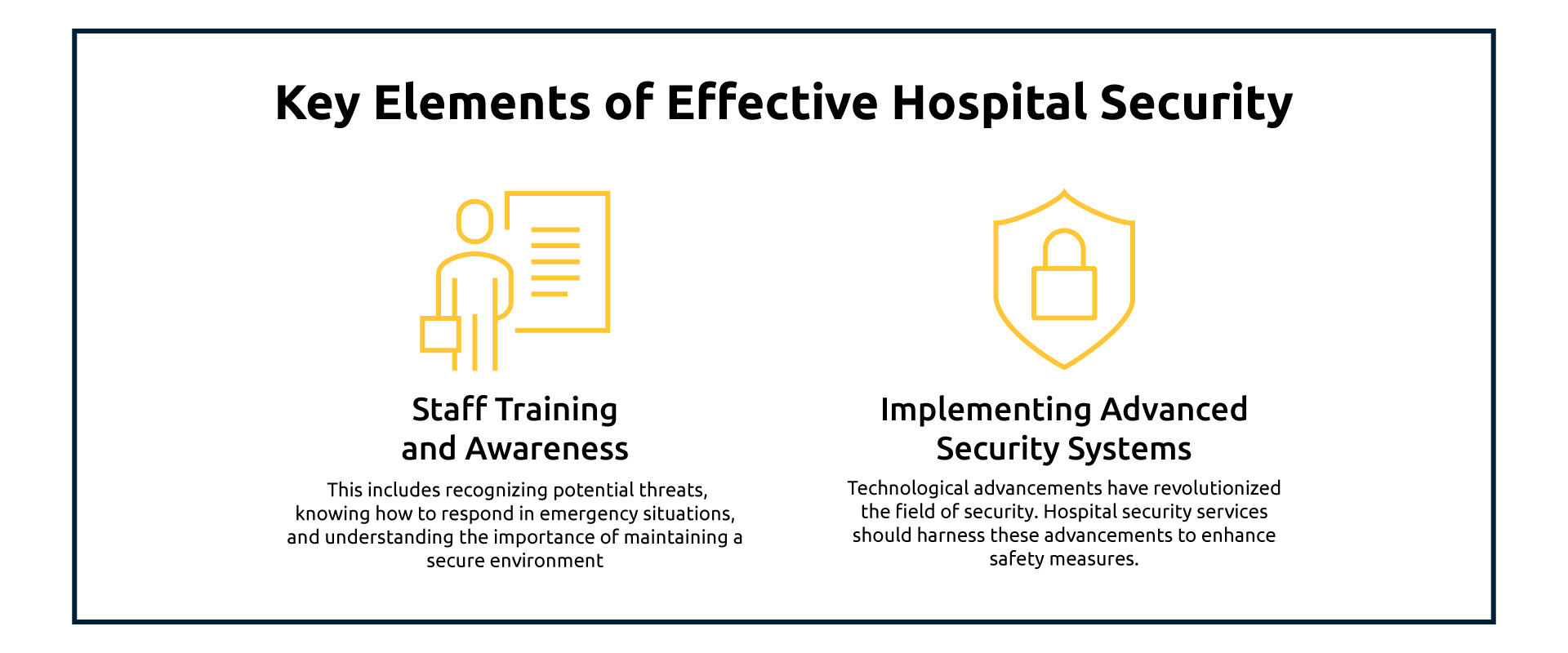
Proper training is essential for hospital staff to understand security protocols and procedures. This includes recognizing potential threats, knowing how to respond in emergency situations, and understanding the importance of maintaining a secure environment. Training programs should cover a wide range of security-related topics, including identifying suspicious behavior, handling aggressive individuals, and responding to medical emergencies in a secure manner. By equipping staff with the necessary knowledge and skills, hospitals can empower them to take an active role in ensuring the safety of everyone within the facility. In addition to initial training, regular security awareness programs and drills should be conducted to keep staff members informed and prepared. These programs can include simulated emergency situations, where staff can practice their response and evaluate the effectiveness of security protocols. By regularly reinforcing security measures, hospitals can foster a culture of vigilance and preparedness among their staff.
Defining Roles and Responsibilities
When an emergency unfolds, every second counts. Confusion about who should do what can waste precious time and compromise safety. That’s why a core component of any effective hospital security plan is clearly defining roles and responsibilities for every team member, from clinical staff to administrative personnel. This involves creating a detailed plan that outlines specific duties before, during, and after a security event. A well-structured plan ensures that your team can work in sync with professional private security guards, who are trained to manage threats, control access points, and coordinate with law enforcement. By establishing a clear chain of command and specific tasks for everyone, you eliminate guesswork and enable a swift, organized response that protects patients, staff, and visitors.
The Role of Clinical Staff in Emergencies
Doctors, nurses, and other clinical staff are on the front lines of patient care, and their role becomes even more critical during a security emergency. While their primary focus remains on treating patients, they must also be prepared to act as leaders and first responders. Their responsibilities often include performing triage to prioritize care for the most critical patients, securing their immediate areas, and communicating vital information to the security team and hospital command center. Effective training ensures they can perform these duties confidently without detracting from their medical responsibilities. A clear protocol allows them to focus on saving lives, knowing that dedicated security professionals are managing the broader threat and securing the facility.
Establishing a Hospital Safety Committee
A proactive approach to security requires a dedicated team to steer the ship. Establishing a hospital safety committee is a crucial step in creating and maintaining a robust security framework. This committee should include a diverse group of stakeholders, such as administrators, clinical leaders, facility managers, and security experts. Their primary responsibility is to develop, implement, and regularly review the hospital’s Emergency Operations Plan (EOP). This living document outlines procedures for various scenarios, from active threats to natural disasters. The committee also oversees regular drills and training exercises, ensuring the EOP is not just a document on a shelf but a practical, effective plan that everyone understands and can execute flawlessly.
Using Advanced Technology for Better Hospital Security
Technological advancements have revolutionized the field of security. Hospital security services should harness these advancements to enhance safety measures. One of the key elements of effective hospital security is the implementation of advanced security systems. Surveillance cameras strategically placed throughout the facility can act as a deterrent to potential threats and aid in the identification of suspicious activities. Access control systems, such as key cards or biometric scanners, can restrict unauthorized entry into sensitive areas, ensuring that only authorized personnel have access. Alarm systems are another crucial component of hospital security. These systems can alert security personnel and relevant departments in the event of an emergency, allowing for a swift response and minimizing potential harm. By integrating these advanced security systems, hospitals can create multiple layers of protection, making it harder for any security breach to occur. Additionally, utilizing smart technologies and integrating security systems with other hospital systems can streamline operations and improve overall security efficiency. For example, integrating security cameras with the hospital’s electronic medical record system can provide a comprehensive view of patient care while ensuring patient privacy and security. Furthermore, hospitals can leverage data analytics to identify patterns and trends in security incidents, allowing for proactive measures to be taken. By analyzing data from various security systems, hospitals can identify areas of vulnerability and implement targeted security measures to address them. In conclusion, effective hospital security requires a multi-faceted approach that includes staff training and awareness, as well as the implementation of advanced security systems. By investing in these key elements, hospitals can create a safe and secure environment that promotes the well-being of patients, staff, and visitors.
Enhancing Patient Experience with a Secure Environment
 Enhancing Patient Experience with a Secure Environment
A secure environment goes hand in hand with enhancing the patient experience. Patients often feel vulnerable and anxious during their hospital stay. By prioritizing privacy protection measures and reducing stress through security practices, hospitals can create a more comfortable environment.
Leveraging Social Media Monitoring
In our connected world, security threats don’t always announce themselves at the front door. Sometimes, the first warning signs appear online. That’s why modern hospital security includes leveraging social media monitoring as a proactive safety tool. By paying attention to public online conversations related to the hospital, security teams can identify potential risks before they escalate. This could involve spotting early signs of a planned protest, identifying a disgruntled individual making threats, or catching wind of misinformation that could cause panic. According to the American Society for Health Care Risk Management (ASHRM), it’s crucial for hospitals to understand how social media is used and to have a strategy for monitoring it to manage potential risks effectively. This isn’t about invading privacy; it’s about maintaining situational awareness in the digital space to protect the physical safety of patients and staff.
Establishing Clear Operational and Collaborative Strategies
When an emergency strikes, the last thing you want is confusion about who is in charge or what to do next. A crisis is not the time to exchange business cards. That’s why establishing clear operational and collaborative strategies beforehand is a non-negotiable part of hospital security. This means creating a solid framework that outlines how different internal departments—from clinical staff to facilities management—will work together. It also extends to external partners, because as the Centers for Medicare & Medicaid Services (CMS) points out, emergencies require seamless coordination between hospitals, public health departments, and emergency services. A well-defined strategy ensures everyone understands their role and how to communicate effectively, turning a chaotic situation into a controlled and efficient response.
Implementing a Command and Control System
During a crisis, clear leadership is everything. An effective command and control system, often known as an Incident Command System (ICS), establishes a distinct chain of command so that everyone knows who is making decisions and who to report to. This structure prevents confusion and ensures that actions are decisive and coordinated. Think of it as the central nervous system of your emergency response. The system designates a clear leader and outlines the roles for key functions like operations, logistics, and communications. This allows hospital staff, first responders, and your private security team to work together smoothly, sharing information and resources without getting in each other’s way. A well-implemented command system is the key to transforming a group of individuals into a cohesive and effective response team.
Ensuring Continuity of Critical Systems
A hospital’s ability to care for patients depends entirely on its infrastructure. Critical systems like power, water, medical gases, and HVAC are the lifeblood of the facility. A comprehensive security and emergency plan must include robust measures to ensure these systems remain operational during a disaster. This involves creating backup plans, such as having redundant power generators and water supplies, and physically securing these assets from damage or tampering. The goal is to maintain continuity of care no matter what happens outside. A power outage or water main break can quickly turn a manageable situation into a full-blown crisis, so planning for the resilience of these core systems is a fundamental aspect of protecting your patients and staff.
Collaborating with External Agencies
No hospital is an island, especially during a large-scale emergency. Effective preparedness involves building strong relationships with external agencies long before you ever need their help. This means actively collaborating with local law enforcement, fire departments, emergency medical services (EMS), and public health officials. By conducting joint training exercises and sharing emergency plans, you can establish a shared understanding of each other’s capabilities and protocols. These partnerships are invaluable for sharing resources, coordinating a unified response, and getting timely support when you need it most. When your security team already has a working relationship with local police, for example, their on-site collaboration during an incident will be far more efficient and effective.
Managing Resources Effectively
An emergency can place an enormous strain on a hospital’s resources, from medical supplies and equipment to staff and finances. A critical part of any preparedness plan is having a clear strategy for managing these resources effectively under pressure. This involves more than just stockpiling supplies; it requires a system for tracking inventory, allocating assets to areas of greatest need, and managing personnel to avoid burnout. Your plan should outline how to procure additional supplies, deploy staff efficiently, and track all associated costs. Professional 24/7 security services can play a vital role here by securing supply chains, protecting valuable equipment, and ensuring that resources are distributed in an orderly and controlled manner, preventing loss and ensuring they get where they are needed most.
Developing a Comprehensive Emergency Preparedness Plan
A strong and timely emergency preparedness plan is the single most important element of effective disaster management. This isn’t just a binder that sits on a shelf; it’s a living document that serves as the foundational playbook for your entire organization’s response to any crisis. A comprehensive plan brings together all the key elements of safety—risk assessments, operational strategies, communication protocols, and resource management—into one cohesive framework. It provides clear, actionable guidance that empowers your staff to respond confidently and effectively, minimizing harm and ensuring the continuity of patient care. Developing this plan requires a thoughtful approach that considers all potential hazards and outlines specific procedures for each. It’s a significant undertaking, but it’s an essential investment in the safety and resilience of your hospital, your staff, and the community you serve.
Understanding the Emergency Management Framework
Before you can write a plan, you need to know what you’re planning for. The first step in developing a robust emergency preparedness plan is to build a solid emergency management framework, which begins with a thorough risk assessment. This process involves identifying all potential hazards that could realistically impact your facility. These threats can be categorized as natural (like earthquakes or floods), man-made (such as active shooter events or civil disturbances), and technological (like power grid failures or cyberattacks). According to CMS guidance, you must consider all potential dangers that could affect your operations, both directly and indirectly. This foundational understanding of your specific vulnerabilities allows you to create a targeted, relevant, and truly effective emergency plan that addresses the most likely threats to your hospital.
Meeting Government Mandates and Requirements
Creating an emergency plan isn’t just a best practice—it’s often a legal and regulatory requirement. Healthcare facilities that participate in Medicare and Medicaid are mandated by the Centers for Medicare & Medicaid Services (CMS) to have a comprehensive emergency plan in place. Beyond CMS, accrediting bodies like The Joint Commission also have stringent standards for emergency management that must be met. These requirements are designed to ensure that all healthcare facilities are prepared to protect their patients and continue operations during a disaster. Failing to comply can result in significant penalties, loss of accreditation, and legal liability. Therefore, a key part of your planning process is to thoroughly review all applicable federal, state, and local regulations to ensure your plan is fully compliant and meets all necessary standards.
Creating a Formal Emergency Operations Plan (EOP)
Once you’ve assessed your risks and understand the requirements, it’s time to create your formal Emergency Operations Plan (EOP). This is the detailed, tactical document that your team will use during a crisis. A strong EOP clearly outlines roles, responsibilities, and specific actions to be taken for different types of disasters. It should include communication protocols for contacting staff and external agencies, evacuation procedures with designated routes and assembly points, and lockdown plans to secure the facility from external threats. The plan must be clear, concise, and easily accessible to all staff members. As one study in PMC notes, a clear plan is essential for a coordinated response. Partnering with security experts can help ensure your EOP is practical, comprehensive, and tailored to your hospital’s unique layout and needs.
Key Steps for Protecting Patient Privacy
Respecting patient privacy is crucial for maintaining trust and fostering a positive patient experience. Hospitals should ensure that sensitive information is handled securely and that patient confidentiality is protected at all times. Implementing measures such as restricted access to medical records, secure communication channels, and appropriate storage of personal belongings can significantly contribute to privacy protection.
Designing Security to Be Reassuring, Not Stressful
Security measures should be designed to minimize stress for patients and their families. For example, clear signage and wayfinding systems can help patients navigate the hospital without feeling overwhelmed or confused. Furthermore, creating a calm and reassuring atmosphere through appropriate lighting, comfortable waiting areas, and friendly security personnel can help alleviate anxiety and promote a positive patient experience.
Strategies for Maintaining a Welcoming Environment
 Strategies for Maintaining a Welcoming Environment
Maintaining a welcoming environment is essential for hospitals to ensure that patients and visitors feel comfortable and supported throughout their entire hospital experience. Implementing friendly security practices can contribute to this welcoming atmosphere.
Simple Ways to Practice Friendly Security
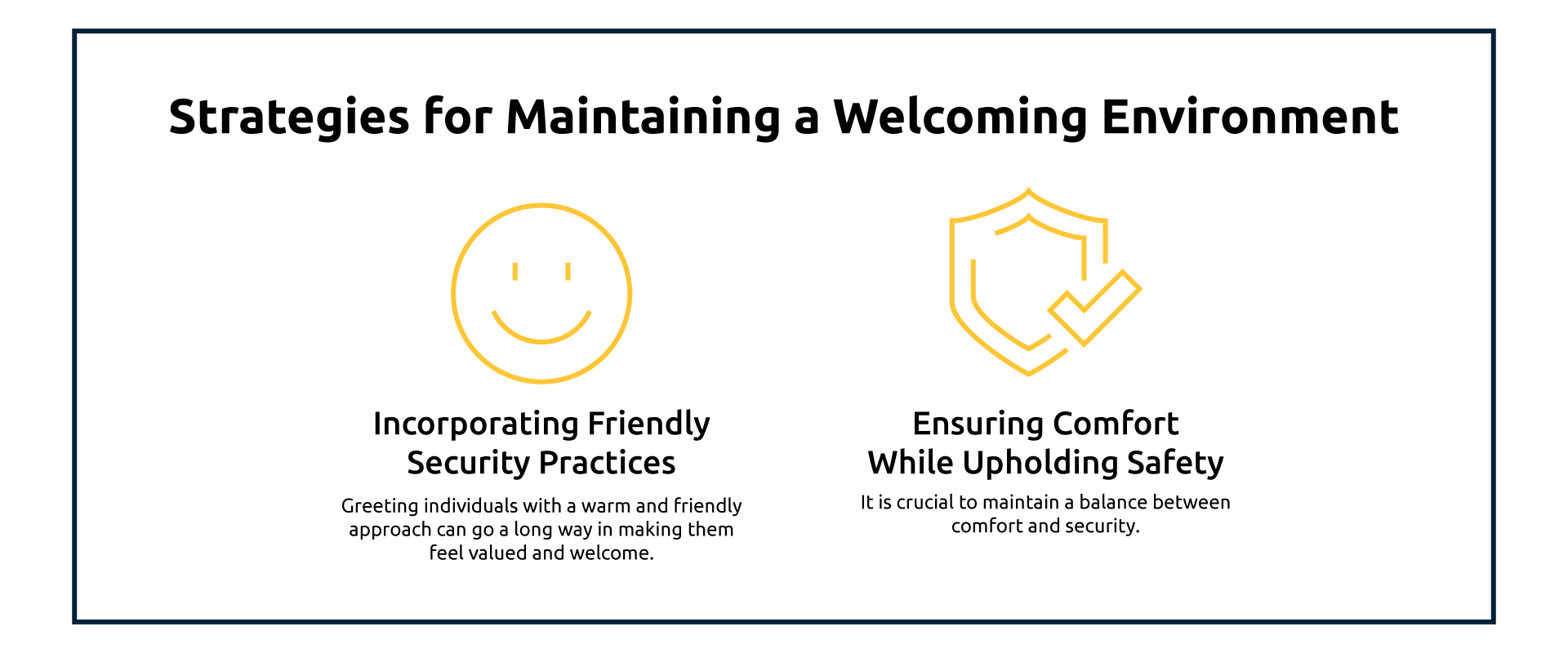
Security personnel should be trained to employ non-confrontational communication techniques and display empathy towards patients and visitors. Greeting individuals with a warm and friendly approach can go a long way in making them feel valued and welcome. Additionally, security personnel can offer assistance to those in need, such as guiding patients to their destinations or providing information about hospital services. These small acts of kindness can create a positive and inviting environment.
How to Prioritize Comfort Without Compromising on Safety
Maintaining a welcoming environment does not mean compromising safety standards. It is crucial to maintain a balance between comfort and security. To achieve this, hospitals should strive to create a space that is aesthetically pleasing, well-maintained, and free from hazards. Regular inspections and preventive maintenance can help identify and address potential safety concerns proactively. Additionally, providing comfortable seating, clean facilities, and clear communication regarding security measures can enhance the overall experience for patients and visitors.
Evaluating and Improving Your Hospital’s Security Services
 Evaluating and Improving Your Hospital’s Security Services
Maintaining a safe and welcoming environment is an ongoing process. Hospitals should regularly evaluate and improve their security services to adapt to changing security needs and ensure continuous enhancement.
Why Regular Security Audits are Essential
Conducting regular security audits helps identify vulnerabilities and areas for improvement. These audits can cover various aspects such as physical security, staff training, access control systems, emergency preparedness, and policies and procedures. By assessing the effectiveness of existing security measures and identifying potential gaps, hospitals can develop targeted strategies to strengthen their security services.
Conducting Post-Incident Reviews for Continuous Improvement
After a security incident or even a planned drill, the work isn’t over. This is your best opportunity to learn and strengthen your defenses. A post-incident review is a critical step where your team can honestly assess what went well and what needs improvement. Look at every aspect of the response, from communication channels and staff actions to the effectiveness of your security protocols. This feedback mechanism is essential for refining your emergency plans. By creating a detailed report of the event and the lessons learned, you can make concrete changes that will better prepare your facility for future challenges and ensure you are always moving toward a safer environment.
Utilizing External Resources and Guidance
You don’t have to develop your security strategy in a vacuum. Many external organizations offer valuable guidance to help you stay compliant and effective. Resources like the CMS Emergency Preparedness Rule provide checklists and tools to ensure your plans meet national standards. While these documents are a great starting point, partnering with a team of security experts can provide personalized support tailored to your hospital’s unique layout and risks. Professional corporate security services can conduct in-depth assessments, help you implement best practices, and offer training that goes beyond a generic checklist, giving you confidence that your facility is truly prepared.
Adapting to Changing Security Needs
 Adapting to Changing Security Needs
Security threats constantly evolve, and hospitals must stay proactive in adapting to these changes. Regularly reviewing security protocols and staying updated with the latest industry best practices is crucial. Hospitals should invest in ongoing training for security personnel to ensure their skills and knowledge are current. Additionally, staying connected with local law enforcement agencies and security industry organizations can provide valuable insights and resources. In conclusion, maintaining a safe and welcoming environment with hospital security services is essential for providing optimal care to patients and creating a sense of trust with the community. By understanding the importance of security, implementing key elements of effective security, enhancing patient experience, and evaluating and improving security services, hospitals can create an environment where safety and hospitality coexist harmoniously. Take time to invest in your safety and security ASAP. Get a free security consultation from ASAP Security today!
Have Questions? Let’s Talk About Your Hospital’s Security
We are proud of our stellar customer service record, so check our website for all the testimonials from our various satisfied customers. Call ASAP Security at 1-833-272-7247
Frequently Asked Questions
Our hospital wants to feel secure, but we don’t want to intimidate our patients. How can we strike that balance? This is a common and important concern. The key is to shift the focus of your security team from just enforcement to hospitality and assistance. This can be achieved through specific training that emphasizes communication skills, de-escalation techniques, and a customer service mindset. Your security officers should be seen as helpful resources who can give directions or assist someone in need, not just as guards. Even details like uniform style can make a difference, opting for a professional but approachable look over a tactical one can significantly change patient perception.
We know we need to improve our security, but our budget is limited. What’s the most important first step? If you have to prioritize, start with a professional risk assessment. It might seem like an added expense, but it’s the most effective way to use your budget wisely. A thorough assessment will identify your hospital’s specific vulnerabilities, from physical weak points to gaps in your emergency protocols. This allows you to stop guessing and start investing in the areas that pose the greatest actual risk, ensuring every dollar you spend has the maximum impact on safety.
The article mentions an Emergency Operations Plan (EOP). How is that different from our standard security plan? Think of it this way: your standard security plan handles the day-to-day, like managing access control, patrolling floors, and responding to isolated incidents. An Emergency Operations Plan, or EOP, is your playbook for large-scale crises. It outlines a coordinated response for events like natural disasters, mass casualty incidents, or facility-wide threats. The EOP defines the chain of command, communication strategies with external agencies, and protocols for maintaining patient care under extreme circumstances.
How often should we be training our clinical and administrative staff on security procedures? Security training shouldn’t be a one-time event. All new hires should receive comprehensive training during their onboarding. After that, it’s best to conduct annual refresher courses for all staff to review protocols and introduce any updates. Most importantly, you should run practical drills, like evacuation or lockdown simulations, at least twice a year. Consistent practice is what turns a plan on paper into an effective, instinctual response during a real emergency.
Why is it so important to collaborate with local police and fire departments before an incident occurs? Building relationships with external agencies before a crisis is critical for a smooth and effective response. When your security leaders already know their counterparts in local law enforcement and emergency services, it removes the guesswork during a high-stress event. This pre-existing collaboration establishes trust, clarifies communication channels, and ensures everyone understands each other’s roles and capabilities. In an emergency, you want a coordinated team, not a group of strangers trying to figure out how to work together.
Key Takeaways
- Create a proactive security plan: The foundation of hospital safety is a thorough risk assessment that informs a detailed Emergency Operations Plan, ensuring everyone knows their role before a crisis occurs.
- Balance safety with a welcoming atmosphere: Security measures should make patients feel safe, not stressed. This involves training security personnel in friendly communication and designing a secure environment that is both reassuring and supportive.
- Treat security as an ongoing process: A security plan is a living document. Use regular audits and post-incident reviews to find areas for improvement, ensuring your hospital is always prepared for changing security needs.
Related Articles
- Hospital Security Services: How To Maintain A Safe Environment
- Hospital Security Requirements: A Complete Guide | ASAP Security Guards
- What Do Hospital Security Guards Actually Do? | ASAP Security Guards
- Patient Privacy and Hospital Security: Best Practices | ASAP Security Guards