
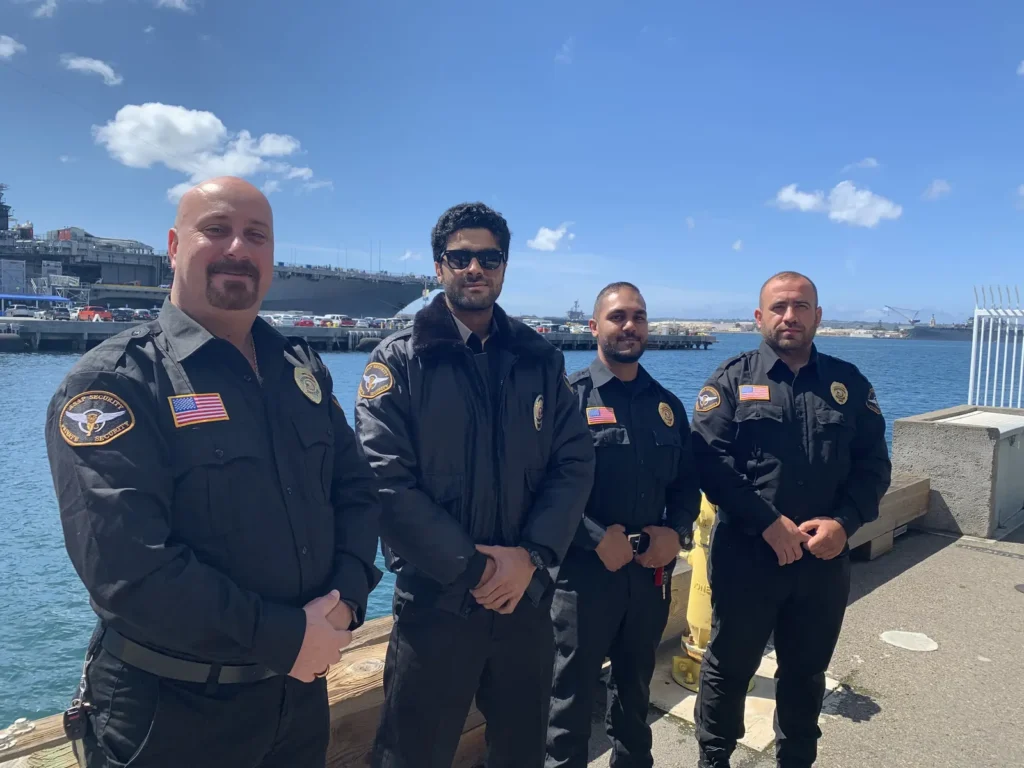
The common image of a security guard is often one of physical intervention, but the reality of professional security work is far more nuanced. The most critical skill an officer possesses is the ability to de-escalate a situation before it becomes a physical confrontation. This is not left to chance; it is guided by a strict set of protocols. These protocols, known as Rules of Engagement, prioritize communication and calm resolution as the first line of defense. They provide a clear continuum for the use of force, ensuring it is always a last resort. Understanding the rules of engagement for private security guards shows a commitment to safety through strategy, not just strength.
Key Takeaways
- ROE is your primary defense against liability: These clear guidelines provide a strategic playbook that ensures every security action is legally sound and professional, which significantly reduces your organization’s risk.
- De-escalation is a guard’s most critical skill: The primary goal is always to resolve conflict peacefully through communication; physical force is a carefully measured response reserved only for when it is absolutely necessary to keep people safe.
- Training turns rules into real-world competence: Written policies are just the start; effective security relies on continuous, scenario-based practice that prepares guards to make the right decisions confidently and correctly under pressure.
What Are the Rules of Engagement for Private Security?
When you hire a security team, you’re trusting them to make critical decisions in high-stress situations. That’s where Rules of Engagement, or ROE, come in. Think of ROE as a clear playbook that guides a security guard’s actions, ensuring they respond to threats effectively, legally, and safely. These aren’t just abstract concepts; they are the practical guidelines that protect your property, your people, and your business from liability. A well-trained guard understands these rules inside and out, allowing them to act decisively while upholding the highest professional standards.
At ASAP Security, our officers operate under a strict and comprehensive set of ROE. This framework is built on years of law enforcement and military experience, ensuring every action is measured, appropriate, and aligned with legal standards. By establishing this clear protocol, we remove guesswork and empower our guards to protect your assets with confidence and integrity. This commitment to professionalism is what allows us to provide reliable private security guards who you can depend on to keep your environment secure.
Defining the Core Principles
At the heart of any effective ROE are a few foundational principles that dictate a guard’s response. The primary goal is always to resolve situations with the least amount of force necessary. This starts with de-escalation, using calm, clear communication to defuse a tense encounter before it turns physical. If words aren’t enough, a guard will only use non-lethal force. The use of deadly force is strictly a last resort, reserved only for situations where there is an immediate threat to their life or the lives of others. This tiered approach ensures every action is measured and justified, prioritizing safety above all else.
Understanding Legal Boundaries and Authority
A security guard’s authority isn’t unlimited; it’s defined by strict legal boundaries. The use of force is only legally justified when protecting someone’s life, body, or rights from a real and immediate danger. Any action taken must be “reasonably necessary,” meaning the force used is proportional to the threat and there isn’t a safer alternative. For armed security guards, the rules are even more stringent. They can only use agency-issued firearms during official duties and must have the proper documentation. Understanding these legal limits is crucial for every professional guard, as it ensures their actions are both effective and lawful, protecting everyone involved.
Why Do Rules of Engagement Matter?
Think of Rules of Engagement (ROE) as the essential playbook for your security team. They aren’t just a list of “dos and don’ts”; they are a clear, strategic framework that guides a security guard’s every decision and action in the field. This framework is what separates a professional security presence from a simple uniform. For you, as a property or business manager, this distinction is critical. A well-defined ROE program means your security isn’t just reactive, but a professional, reliable force that protects your assets, your people, and your reputation. It ensures every response is measured, appropriate, and legally sound.
Without clear rules, you’re leaving safety to chance, opening the door to inconsistent responses, potential liability, and damage to your brand. With a strong ROE in place, you have confidence that every situation, from a simple inquiry to a serious threat, will be handled with the highest level of professionalism. This transforms your security from a necessary expense into a proactive strategy for safety and risk management. It provides peace of mind, knowing that your team is equipped not just to react, but to think critically and act decisively according to a plan you can stand behind.
Reduce Legal Risks and Liability
Clear ROE is your first line of defense against legal complications. When security personnel operate without specific guidelines, the risk of inappropriate action or excessive force skyrockets, which can lead to serious legal and financial consequences for your business. A solid ROE program ensures every guard understands the legal boundaries of their role, including when and how force can be used. The law is clear: force is only permitted when someone’s safety is in immediate danger. By hiring private security guards who are thoroughly trained in these rules, you significantly reduce your liability and ensure every action taken on your property is justifiable, defensible, and protects your organization from preventable legal trouble.
Uphold Professional Standards and Public Trust
The way a security guard interacts with employees, customers, and the public directly reflects on your brand. A professional, well-trained guard who operates within a clear ROE builds trust and creates a welcoming, secure environment. Reputable security companies invest heavily in training to maintain high professional standards. This training ensures guards not only know the rules but also embody the calm, confident authority that de-escalates situations and reinforces a positive image for your organization. When your corporate security services team acts with integrity and professionalism, it shows your commitment to creating a safe and respectful space for everyone who walks through your doors.
Manage Risk and Keep Everyone Safe
At its core, security is about keeping people safe. Effective ROE prioritizes de-escalation as the primary tool for managing conflict. Guards are trained to use verbal commands and calm communication to resolve issues before they become physical. The rules make it clear that using force, especially with weapons, is always the last resort after all other peaceful options have been tried. This structured approach doesn’t just manage risk; it actively reduces it. By focusing on prevention and de-escalation, a well-trained security team can handle tense situations effectively, ensuring the safety of everyone involved and maintaining a secure, orderly environment around the clock with 24/7 security services.
What Does an Appropriate Use of Force Look Like?
The concept of “use of force” isn’t about aggression; it’s about control. For a professional security guard, it’s a carefully calibrated response that escalates only when necessary. Think of it as a continuum, where the goal is always to use the least amount of force required to resolve a situation safely. Our guards are trained to assess threats in real-time and respond appropriately, ensuring the safety of your property, employees, and customers while minimizing liability. Here’s how that looks in practice.
Start with Clear Verbal Commands
The most effective tool a security guard has is their voice. Before any physical action is taken, the first step is always to de-escalate a situation with clear communication. A trained guard will use a calm but firm tone to give direct, easy-to-understand instructions, like “Sir, you need to leave the premises now.” The objective is to gain voluntary compliance and resolve the conflict without anyone getting hurt. Trying to calm a situation with words is the foundation of professional security work. It shows control, projects authority, and can often prevent a minor issue from becoming a major incident.
Apply Physical Restraint and Non-Lethal Methods
When verbal commands fail and a person becomes a physical threat, a guard may need to apply hands-on techniques. The rule is to always use the minimum level of force necessary to control the subject. This could involve physical restraints or the use of non-lethal tools like pepper spray, batons, or tasers, which are designed to stop someone without causing permanent harm. The goal isn’t to punish, but to safely neutralize a threat to protect people and property. Our private security guards receive extensive training in these methods to ensure they are applied correctly and ethically.
Use Security Equipment and Tools Correctly
Having the right equipment is only half the battle; knowing how to use it safely and effectively is what truly matters. Tools like batons and tasers can be dangerous if used improperly, which is why rigorous training is essential. A professional guard understands not just how to deploy their equipment, but when it is appropriate to do so. This training covers proper handling, targeting, and the potential effects of each tool to minimize injury and liability. This commitment to correct and safe equipment use is a hallmark of a truly professional security team and protects everyone involved.
Know When Lethal Force Is Justified
The decision to use deadly force is the most serious a guard will ever face, and it is treated as an absolute last resort. Lethal force is only justified when a guard reasonably believes there is an imminent threat of death or grievous bodily harm to themselves or others. It is reserved for situations where no other option exists to stop the threat. Our armed security guards undergo intensive, scenario-based training to understand the strict legal and ethical lines governing this action. Their training ensures they can make a split-second decision with clarity and confidence, strictly for the purpose of self-defense or the defense of others.
How to De-escalate a Tense Situation
The best security officers know that force is always the last resort. The primary goal is to resolve conflicts peacefully before they spiral out of control. Effective de-escalation protects everyone involved and minimizes liability for your property. It’s a skill that requires sharp communication, situational awareness, and the judgment to know when to step back and call for support. A well-trained guard can defuse a potentially volatile situation with confidence and professionalism, maintaining a safe environment for your business, event, or community.
Use Proven Verbal Techniques
Before any physical action is considered, words are the most powerful tool a security guard has. The right verbal approach can calm an agitated person and guide the situation toward a peaceful resolution. This starts with speaking in a calm, even tone, which can help lower the emotional temperature. Guards should use non-threatening language, listen actively to the person’s concerns, and show empathy. Offering clear, simple choices and solutions can empower the individual to make a better decision. The goal is to diffuse tension with effective communication, turning a potential confrontation into a conversation.
Master Body Language and Positioning
What you don’t say is just as important as what you do. A guard’s body language can either escalate or de-escalate a conflict. Maintaining a relaxed, open posture with hands visible shows they are not a threat. It’s also critical to give the individual personal space to avoid making them feel cornered. Making eye contact conveys confidence and sincerity, but staring can be seen as aggressive. A professional guard will position themselves to ensure their own safety, keeping an exit accessible while projecting an aura of calm authority. This non-verbal communication is a key part of our private security guard training.
Recognize Common Escalation Triggers
The best way to handle a tense situation is to prevent it from happening in the first place. This requires constant vigilance and the ability to recognize potential triggers. Professional guards are trained to be highly observant, paying close attention to their surroundings and the behavior of individuals. They learn to spot early warning signs of agitation, such as raised voices, aggressive posturing, or erratic movements. By recognizing these triggers early, a guard can intervene proactively, using verbal techniques to address the issue before it intensifies. This is especially critical in dynamic environments like large events or corporate campuses.
Know When to Disengage and Get Backup
A security guard’s job is not to be a hero. Their primary responsibility is to keep people safe, and that includes themselves. Knowing when a situation is beyond their control is a critical skill. If an individual may have a weapon, if a crowd becomes hostile, or if a situation continues to escalate despite de-escalation efforts, it’s time to disengage. Trying to handle a dangerous scenario alone is a recipe for disaster. A smart, well-trained guard understands their limits and knows that the right move is to call for help from other guards or local law enforcement to manage the threat safely.
Key Scenarios Every Guard Should Be Prepared For
A security guard’s day is rarely predictable. While routine patrols are part of the job, the true measure of a guard’s effectiveness is how they respond when the unexpected happens. Professional training isn’t just about knowing the rules; it’s about applying them under pressure in real-world situations. From managing a medical emergency to de-escalating a confrontation, a well-prepared guard is trained to handle a wide range of scenarios with confidence and competence. This readiness is what transforms a security presence from a simple deterrent into a dynamic and responsive asset for your property.
Protecting People and Property from Threats
At its core, a security guard’s job is to be the first line of defense for your assets and the people on your property. This goes beyond simply being a visible presence. A properly trained guard understands local laws and ordinances, allowing them to act decisively to prevent crimes before they happen. They are skilled in identifying potential threats, from suspicious behavior to security vulnerabilities in the building itself. By combining sharp observation with a solid legal foundation, they can protect your corporate security interests and ensure a safe environment for everyone, all while operating firmly within their authority.
Managing Crowds and Emergency Situations
Large gatherings and unexpected emergencies can create chaotic and dangerous environments. A professional guard is trained to be a calming, authoritative presence in these moments. They are constantly alert, paying close attention to their surroundings to spot potential dangers early and address disruptive behavior before it escalates. During an emergency, such as a fire or natural disaster, they guide people to safety, coordinate with first responders, and help maintain order. This level of preparedness is especially critical for event security, where the ability to manage crowd dynamics can make all the difference in ensuring a safe and successful occasion.
Handling Trespassers and Unauthorized Entry
Confronting an unauthorized person on your property requires a delicate balance of firmness and restraint. The primary goal is always de-escalation. Guards are trained to use clear, calm verbal commands to resolve the situation without resorting to physical force. They know how to assess a person’s behavior and intent, determining whether they are simply lost or pose a genuine threat. If a trespasser is causing a scene or acting suspiciously, the guard’s first step is to talk to them and attempt to calm things down. This communication-first approach minimizes risk for everyone involved and is a hallmark of professional private security guards.
Responding to Medical Incidents and Disasters
Often, a security guard is the first person on the scene during a medical emergency. Because of this, proper training includes knowing how to respond quickly and effectively. Guards are prepared to handle a range of incidents, from minor injuries to more serious events like heart attacks or accidents. They know the correct procedures for contacting emergency services, providing basic first aid or CPR, and securing the area to allow medical professionals to work safely. This capability is a vital component of any comprehensive safety plan, ensuring you have 24/7 security services that can protect people from more than just criminal threats.
Clearing Up Myths About Security Guard Authority
There’s a lot of confusion about what private security guards can and can’t do. It’s easy to see why, with movies and TV often blurring the lines between private security and public law enforcement. Understanding the actual authority of a security guard is key to appreciating their role. They aren’t police officers, but they are highly trained professionals who operate within a specific legal framework to keep your property, employees, and residents safe. Let’s clear up a few common myths.
Security Guards vs. Law Enforcement Officers
The most significant distinction is that security guards are private citizens, while police officers are government employees. A security guard’s authority is limited to the specific property they are hired to protect. They don’t have the general arrest powers of a police officer. However, that doesn’t mean they are powerless. Professional private security guards are trained to understand local laws and ordinances to effectively prevent crimes from happening on their watch. Their primary role is proactive: to observe, deter, and report. They act as a crucial first line of defense, handling situations until law enforcement arrives if needed.
Understanding the Limits of a Citizen’s Arrest
You may have heard the term “citizen’s arrest,” and this is the legal principle that allows a security guard to detain an individual. A guard can legally detain someone they witness committing a crime, but this power is exercised with extreme caution. This is where professional training makes all the difference. Security guards go through strict training to understand precisely when and how to detain someone lawfully, minimizing liability for you and ensuring the suspect’s rights are respected. Their goal is to safely hold a person for police, not to conduct their own investigation or mete out punishment.
Debunking Misconceptions About Use of Force
The idea that security guards are quick to use physical force is a persistent myth. In reality, the use of force is always a last resort. Professional guards are highly trained individuals skilled at anticipating security problems before they occur and using de-escalation techniques to resolve them peacefully. Furthermore, not all guards are armed. Armed security guards undergo rigorous training and certification to legally carry firearms, and they operate under even stricter rules of engagement. For any professional guard, the primary objective is to maintain a safe environment, and that almost always means preventing confrontations, not starting them.
Armed vs. Unarmed Guards: How Do the Rules Change?
The core rules of engagement apply to all security professionals, but adding a firearm to the equation changes things entirely. The stakes are higher, and the protocols become far more stringent. While an unarmed guard’s primary tools are observation and communication, an armed guard carries the immense responsibility of lethal force. This distinction isn’t just about equipment; it’s about a fundamental shift in training, legal authority, and the split-second decisions a guard might have to make. Understanding these differences is key to choosing the right security for your property.
Added Responsibilities for Armed Guards
An armed guard’s responsibilities extend far beyond their unarmed colleagues. They undergo rigorous training not just to use a firearm, but to know precisely when it might be necessary. This requires a heightened sense of vigilance and the ability to accurately assess threats in high-stress environments. The presence of a weapon means they are often assigned to higher-risk locations. Their duty is to be a visible deterrent, but they must also be mentally and physically prepared to respond to dangerous situations where lives are on the line. This is why selecting a provider with expertly trained armed security guards is so important for ensuring safety.
Strict Rules for Weapon Handling and Storage
When a security guard is armed, there are non-negotiable rules for how their firearm is handled. Guards must only use weapons and ammunition provided by their security agency, and these firearms are strictly for official duties. Using personal weapons on the job is prohibited, a rule that ensures consistency, accountability, and proper maintenance. These protocols also dictate how the firearm is carried, stored during a shift, and secured when off-duty. Every step is designed to prevent accidents and misuse. This strict adherence to weapon handling procedures is a hallmark of a professional security service.
Higher Standards for Training and Certification
Not just any security guard can carry a firearm. Those who do are highly trained professionals who must complete extensive training and qualify for a firearm permit before being assigned to an armed post. This training goes well beyond simple target practice. It covers the legal framework for the use of force, situational awareness, and advanced de-escalation techniques designed to resolve conflicts without violence. Guards practice judgment-based scenarios to prepare them for making the right call under pressure. This higher standard ensures an armed guard is a skilled professional prepared to anticipate security challenges and respond appropriately.
After an Incident: Documentation and Reporting
What happens after a security incident is just as important as the response during it. A professional security team doesn’t just resolve a threat and walk away. They follow a strict protocol for documentation and reporting to ensure complete transparency, accountability, and legal compliance. This structured follow-up protects your property, your people, and the security officers themselves. It creates a clear record of events that can be used for internal reviews, legal proceedings, or insurance purposes. At ASAP Security, our post-incident procedures are designed to be thorough, immediate, and professional, ensuring every situation is handled with the diligence it deserves. This commitment to process is a core part of our corporate security services and a promise to every client we serve.
Take Immediate Response Steps
The moment an incident occurs, a clear chain of command kicks into action. A supervisor is immediately dispatched to the scene to take control of the situation. Their first priority is to ensure the well-being of everyone involved and to support the on-site guard. If necessary, the supervisor will relieve the guard from their post to help them decompress and provide a statement while they are calm. The supervisor also plays a critical role in securing the scene, making sure that any evidence, such as a discharged firearm or spent cartridges, is properly collected and preserved until law enforcement arrives. This rapid, on-site management ensures that nothing is overlooked in the critical moments following an event.
Document the Incident and Collect Evidence
Thorough documentation is the foundation of professional security work. Following any incident, our guards are required to submit a detailed report to headquarters without delay. This isn’t just a brief summary; it’s a comprehensive account that includes the date, time, and location of the event, the guard’s activities leading up to it, and a clear justification for any force used. The report also captures crucial details like lighting conditions, distances, descriptions of any weapons involved, and a full list of witnesses. This meticulous record-keeping provides a transparent and objective account, which is essential for maintaining accountability and protecting our clients from liability.
Follow Notification Procedures
Managing the flow of information after an incident is crucial for maintaining order and privacy. All our private security guards are trained to direct any questions from the public or the media to the designated company spokesperson. This policy ensures that all communications are handled professionally and accurately, preventing the spread of misinformation. By centralizing communication, we protect the integrity of any ongoing investigation and respect the privacy of everyone involved. This disciplined approach gives our clients peace of mind, knowing that the narrative is being managed responsibly and that their reputation is in safe hands.
Training Guards to Apply ROE Effectively
Having clear rules of engagement is one thing; ensuring guards can apply them correctly under pressure is another. This is where rigorous, continuous training makes all the difference. The best security teams don’t just learn the rules from a handbook. They internalize them through a dynamic training process that builds confidence, sharpens judgment, and prepares them for real-world challenges. A truly effective program is built on three core pillars: a strong formal foundation, practical scenario-based exercises, and a commitment to ongoing education. This comprehensive approach ensures that every officer is prepared to protect your property and people with professionalism and precision.
Build a Foundation with Formal Training
Every professional security officer’s journey begins with a solid educational foundation. This initial training goes far beyond basic duties. Guards undergo extensive instruction to de-escalate conflict, handle emergencies, and ensure safety. This foundational training is crucial for officers to understand the legal and ethical lines they operate within. They learn about local and state laws governing private security, the limits of their authority, and the proper use-of-force continuum. This is where they build the core knowledge needed to make sound decisions, protecting both the public and your organization from liability. It’s this commitment to comprehensive initial training that sets truly professional private security guards apart.
Develop Skills with Scenario-Based Practice
Once the theoretical foundation is set, the real learning begins with hands-on practice. Security officers are trained to anticipate security problems before they happen and to respond appropriately when they do. The most effective way to hone these skills is through scenario-based training, which allows guards to practice their responses in realistic situations. These exercises simulate everything from managing an aggressive individual to responding to a medical emergency or securing a perimeter during a threat. This type of training enhances decision-making skills under pressure, helping officers build the muscle memory needed to act decisively and correctly without hesitation. It’s particularly vital for dynamic environments that require quick thinking, like event security.
Stay Sharp with Ongoing Education
The security landscape is always changing, so a guard’s training is never truly finished. Reputable private security companies ensure that their personnel undergo rigorous training and certification programs throughout their careers. Ongoing education is essential for guards to stay updated on the latest security protocols, technologies, and legal requirements. This includes refresher courses on de-escalation techniques, updates on relevant laws, and training on new equipment or software. A commitment to continuous learning ensures that your security team remains effective and compliant. This dedication to staying current is a hallmark of high-level corporate security services, where threats can evolve quickly.
How to Implement an Effective ROE Program
Putting a successful Rules of Engagement program in place is about more than just handing your team a rulebook. It’s about creating a complete system that integrates clear policies, consistent training, and a strong company culture. An effective ROE program is a living framework that guides every decision a security officer makes, ensuring their actions are always appropriate, legal, and aligned with your safety goals. It transforms security from a reactive measure into a proactive strategy that protects people, property, and your organization’s reputation.
Think of it as building a house. The written policies are the blueprint, the training is the construction process, and the culture is the foundation that holds everything together. Without all three components working in harmony, the structure is weak. A strong program ensures every guard, whether they are part of a mobile security patrol or stationed at a front desk, understands their responsibilities and is empowered to act decisively and correctly. This comprehensive approach is what separates an adequate security detail from an exceptional one, giving you true peace of mind.
Establish Clear, Written Policies
Ambiguity is the enemy of effective security. The first step in any ROE program is to create clear, concise, and easily accessible written policies. These documents are the official guide for how security personnel should act, especially regarding the use of force. Your policies should explicitly define what is expected in various scenarios, leaving no room for guesswork when stress levels are high. This document serves as the single source of truth, ensuring every guard operates under the same set of standards. By formalizing these rules, you provide a legal and ethical framework that protects both your officers and your organization.
Ensure Continuous Training and Legal Compliance
A policy document is only useful if your team knows how to apply it. That’s why continuous training is non-negotiable. Security is not a “set it and forget it” field. Reputable security providers invest in rigorous, ongoing education that covers everything from de-escalation techniques to the latest local and state laws. This ensures that all private security guards are not only familiar with the ROE but have also practiced applying them in realistic, scenario-based exercises. Regular training keeps skills sharp and ensures your team’s actions are always compliant, professional, and effective.
Build a Culture of Professionalism and Accountability
Finally, the most effective ROE programs are supported by a strong company culture. Policies and training are the “what” and “how,” but culture is the “why.” When a security firm fosters a culture of professionalism, integrity, and accountability, its officers are more likely to internalize the ROE and apply them with sound judgment. This involves setting high standards from the start, providing supportive supervision, and holding everyone accountable for their actions. A positive culture ensures that your corporate security team takes pride in its work and is committed to protecting your community with diligence and respect.
Related Articles
- The Role of a Personal Security Detail Explained | ASAP Security Guards
- Security Detail: Meaning & Types | ASAP Security Guards
- 6 Top Private Security Companies in the USA | ASAP Security Guards
- Armed Security Companies: How to Vet for High-Risk Needs
- How to Vet Private Armed Security Companies | ASAP Security Guards
Frequently Asked Questions
How do clear Rules of Engagement protect my business from lawsuits? Think of Rules of Engagement (ROE) as your best defense against liability. They create a clear, professional standard for how security officers should act, ensuring every response is measured, appropriate, and legally justifiable. When guards operate under a strict ROE, their actions are guided by de-escalation and using the minimum force necessary. This drastically reduces the risk of excessive force complaints and shows you’ve done your due diligence to hire a professional team, which can be critical if an incident ever ends up in court.
What can a security guard legally do when dealing with a trespasser? A professional guard’s first step is always to use their voice. They will approach the individual, state that they are on private property, and use calm, clear commands to ask them to leave. If the person refuses or becomes a threat, the guard’s actions are guided by the need to protect people and property. They can legally detain someone they witness committing a crime until law enforcement arrives, but their training emphasizes that physical contact is a last resort used only when necessary to control a situation safely.
When should I consider hiring an armed guard instead of an unarmed one? The decision depends entirely on your specific risks. Unarmed guards are an excellent deterrent and are highly effective at managing access, patrolling, and handling most common security issues. You should consider an armed guard for environments with a higher threat level, such as locations that handle large amounts of cash, have a history of violent crime, or are potential targets for serious threats. The presence of an armed guard provides an elevated level of protection for situations where lethal force might be the only way to stop an immediate danger to life.
How can I tell if a security company’s training program is actually effective? A great training program goes beyond a simple manual. When vetting a company, ask if their training includes practical, scenario-based exercises. This hands-on practice is what prepares guards to make smart decisions under pressure. You should also ask about their commitment to ongoing education. A reputable company will ensure its guards receive regular updates on local laws, de-escalation tactics, and emergency procedures, proving they are invested in keeping their team’s skills sharp and relevant.
What kind of report should I expect after a security incident on my property? After any incident, you should receive a detailed, professional report in a timely manner. This document should be a clear and objective account of what happened, including the date, time, and location. It should also describe the individuals involved, the sequence of events, the actions the guard took, and the final resolution. This thorough documentation creates an official record, which is essential for accountability, internal review, and any potential legal or insurance needs.
