
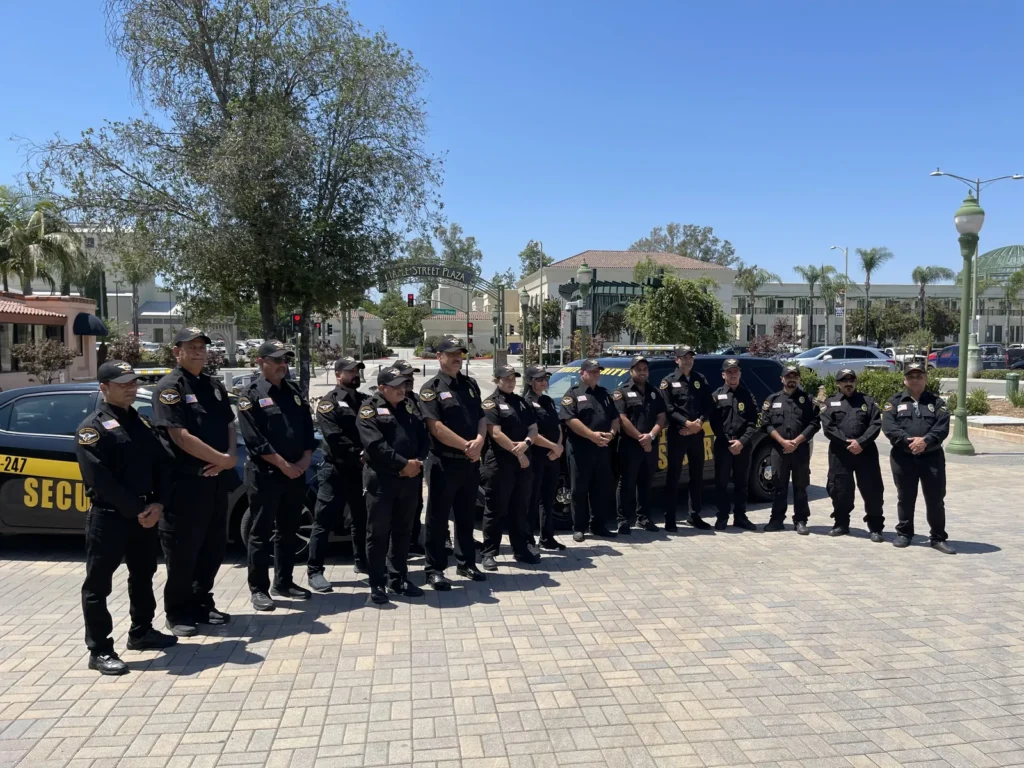
A hospital is unlike any other facility. It operates 24/7, houses millions of dollars in pharmaceuticals and equipment, and serves people experiencing some of the most stressful moments of their lives. This high-stakes environment demands a specialized security approach. Guards must balance robust protection with strict patient privacy laws like HIPAA, and they need the training to manage emotionally distressed individuals with compassion and authority. Understanding the true role of a security guard in a hospital means recognizing these unique challenges. They are not just protecting a building; they are safeguarding a complex ecosystem of care where every action requires skill, discretion, and unwavering professionalism.
Key Takeaways
- More Than Just a Guard: Hospital security is a crucial part of the patient experience, focusing on de-escalating conflicts, guiding visitors, and maintaining a calm, healing environment, not just preventing crime.
- Healthcare Security Requires Specialized Skills: Guards need specific training in patient privacy laws like HIPAA, emergency response, and compassionate communication to effectively manage the unique challenges of a medical setting.
- A True Partner to Medical Staff: The best security teams work directly with doctors and nurses, handling disruptions and maintaining order so clinical staff can focus entirely on patient care without worrying about their safety.
What Does a Hospital Security Guard Actually Do?
When you think of a hospital security guard, you might picture someone standing by a door. But their role is so much more dynamic and essential. Hospital security guards do more than just greet people; their job is complex and changes often. They are crucial for keeping patients, staff, visitors, and valuable items safe in a hospital. From managing tense situations to coordinating emergency responses, they are a vital part of the healthcare team. Let’s break down what a hospital security guard actually does day-to-day.
Keeping Patients and Visitors Safe
A hospital can be an emotional and stressful environment, and a security guard’s presence helps maintain a sense of calm and order. They are often the first point of contact, offering directions and a reassuring presence to anxious visitors. Beyond that, they are trained to de-escalate conflicts, whether it’s a family dispute or an agitated patient. Their main job is to ensure the hospital remains a safe place for healing. These highly trained private security guards are skilled in conflict resolution and are essential for protecting everyone within the facility.
Controlling Access and Protecting the Facility
Hospitals contain many sensitive areas, and controlling who comes and goes is a top priority. Security guards manage this by checking IDs and making sure only authorized people enter restricted areas like pharmacies, maternity wards, or surgical suites. They are the guardians of critical assets, protecting expensive medical equipment, controlled medications, and confidential patient information from theft or damage. By maintaining a secure perimeter and monitoring all access points, they prevent unauthorized entry and protect the hospital’s vital resources. This is why reliable 24/7 security services are non-negotiable for any healthcare facility.
Coordinating Emergency Responses
During an emergency, security guards are on the front line. They are trained to act quickly during fires, medical crises, or security threats, and they work directly with emergency services to manage the situation effectively. Whether it’s a fire alarm, a natural disaster, or a security alert, they serve as a central point of contact. They help evacuate areas when needed, direct first responders like police and firefighters to the right location, and maintain order in the middle of chaos. This rapid, coordinated action is vital to minimizing harm and ensuring the safety of everyone in the hospital.
Documenting and Reporting Incidents
A security guard’s work continues long after an incident is resolved. Detailed documentation is a key part of their responsibilities. They write clear, comprehensive reports about things like theft, vandalism, or aggressive behavior, creating an official record of what happened. These reports are essential for hospital administration and can be used for internal reviews, insurance claims, or as evidence if law enforcement gets involved. By carefully documenting every event, they help the hospital identify patterns and implement new strategies to prevent future issues, constantly improving the facility’s overall safety.
How Hospital Security Creates a Safe Environment
A truly safe hospital environment is built on proactive measures, not just reactive responses. It’s about creating a space where patients can heal and staff can work without fear or disruption. Hospital security achieves this through a combination of constant vigilance, threat prevention, and seamless collaboration. By integrating these key functions, a professional security team transforms a potentially chaotic setting into a structured and secure facility, ensuring that the primary focus remains on patient care. This multi-layered approach is what makes the difference between basic security and a comprehensive safety program that protects everyone inside.
Using Patrols and Surveillance
Consistent visibility is one of the most effective deterrents to crime. Hospital security guards maintain a strong presence by regularly patrolling buildings, parking lots, and the surrounding grounds. These mobile security patrols, conducted on foot or in vehicles, are designed to identify and address safety risks before they can affect patients or staff. By actively monitoring the premises, guards can spot suspicious activities, address potential hazards like blocked exits, and respond instantly to emergencies. This constant movement and observation ensure that no area is overlooked, creating a blanket of security that helps everyone feel safer.
Assessing and Preventing Threats
A key part of a hospital security guard’s role is identifying and neutralizing potential problems before they escalate. Guards are trained to recognize the subtle signs of agitation or conflict and intervene with de-escalation techniques. They work to maintain order and prevent disturbances, from arguments in the waiting room to more serious threats. This proactive stance helps preserve a peaceful, healing atmosphere. More than just stopping crime, these private security guards contribute to a positive patient experience by ensuring the environment remains calm and orderly, allowing medical staff to focus on their critical work.
Working with Medical Staff and Law Enforcement
Hospital security guards are an integral part of the healthcare team. They work directly with doctors and nurses to manage difficult or agitated patients, providing physical support when needed and ensuring the safety of medical personnel. This collaboration is crucial for maintaining a controlled environment, especially in high-stress areas like the emergency department. When a situation requires police intervention, security guards act as the essential link between the hospital and law enforcement, providing clear information and coordinating the response. Their availability through 24/7 security services ensures staff always have immediate support.
What Skills Do Hospital Security Guards Need?
A hospital security guard is much more than a watchful presence. This role requires a unique combination of empathy, technical knowledge, and composure under pressure. The best officers possess a specialized skill set that allows them to protect the facility while also contributing to a safe and healing environment for patients, staff, and visitors.
Communicating and De-escalating Conflict
Hospitals are often filled with people experiencing stress, fear, and anxiety. That’s why a security guard’s ability to communicate effectively is paramount. Instead of escalating tension, a trained officer uses compassion and clear communication to calm difficult situations and build trust. They are skilled in de-escalation techniques to resolve conflicts between patients, family members, or even staff before they turn violent. This requires excellent teamwork and coordination with medical personnel to ensure every emergency response is smooth and efficient. These private security guards are trained to be a reassuring presence, capable of creating a safer, more supportive atmosphere for everyone.
Training for Medical Emergencies
In a hospital, a security issue can quickly become a medical one, and vice versa. Hospital security guards are trained to be first responders for a wide range of crises. This includes knowing exactly how to react during a fire, a sudden medical emergency, or a security breach. Their training often includes CPR and first aid, fire safety protocols, and self-defense. They work hand-in-hand with doctors, nurses, and outside emergency services to manage chaotic situations effectively. Having 24/7 security services means there is always someone on-site who is prepared to act decisively, protecting lives and property at a moment’s notice.
Holding the Right Certifications and Clearances
Professionalism in hospital security is non-negotiable, and that starts with proper credentials. Every guard must hold a valid security officer license as required by the state. Beyond this basic requirement, specialized training is essential. Certifications in CPR, first aid, and crisis intervention are standard for officers in a healthcare setting. For roles that require it, guards receive specific training on the use of force and handling weapons. This commitment to formal training ensures that the security team is not only capable but also operates with the highest degree of professionalism and accountability. When you hire armed security guards, you can be confident they have the necessary qualifications to handle their responsibilities safely.
What Challenges Do Hospital Security Guards Face?
Working security in a hospital is unlike any other environment. The stakes are incredibly high, and the situations are often emotionally charged. Guards aren’t just watching over a building; they are protecting vulnerable people during some of the most difficult moments of their lives. This requires a unique blend of skills that go far beyond standard security protocols. A hospital security guard must be a peacekeeper, a first responder, and a compassionate presence all at once, often within the same hour.
The daily reality for these professionals involves a complex set of challenges that demand constant vigilance and adaptability. They constantly interact with individuals who are in distress, navigate strict privacy regulations, and stand ready to respond to life-or-death emergencies at a moment’s notice. It’s a role that demands not only physical readiness but also immense emotional intelligence and a deep understanding of the healthcare setting. The ability to handle these pressures is what separates a good hospital security team from a great one, ensuring the facility remains a place of healing and safety for everyone who walks through its doors.
Handling Emotionally Distressed People
Hospitals are inherently stressful places. Patients are often in pain or anxious, and their families are worried and overwhelmed. Security guards are frequently the first point of contact for people experiencing intense emotions, from grief and fear to frustration. A key part of their job is to de-escalate tense situations with empathy and professionalism. They need to be understanding of what someone is going through while still enforcing rules to keep everyone safe. This requires exceptional communication skills and the ability to remain calm and authoritative, ensuring a compassionate response that doesn’t compromise security.
Balancing Security Needs with Patient Privacy
In a healthcare setting, security and privacy must go hand in hand. Hospital security guards are tasked with protecting the facility, its staff, and patients, but they must do so while strictly adhering to patient privacy laws like HIPAA. This means they need specialized training to understand what information they can access and how to handle incidents without violating confidentiality. Whether they are managing visitor access to sensitive wings, investigating a theft, or documenting an event, every action must be taken with patient privacy in mind. It’s a delicate balance that requires constant diligence and a thorough knowledge of healthcare regulations.
Responding to Medical Crises and Violence
Unfortunately, violence in healthcare settings is a serious and growing concern. Hospital staff face a significantly higher risk of workplace violence than employees in most other industries. Security guards are on the front lines, trained to recognize and neutralize threats before they escalate. They are also prepared to act as first responders during medical emergencies, fires, or other crises, coordinating with clinical staff and outside emergency services. Having a 24/7 security services team that can respond swiftly and effectively is crucial for maintaining order and protecting lives when every second counts.
How Security Improves the Patient Experience
A hospital visit can be a stressful experience for patients and their families. Beyond providing medical care, creating a positive and secure environment is essential for patient well-being. Professional security services play a surprisingly large role in shaping this experience. Far from being just a background presence, security guards are often the first and last point of contact for visitors. Their ability to be helpful, reassuring, and professional directly contributes to a patient’s overall impression of the hospital, turning a potentially anxious time into a safe and supported one. A well-managed security team enhances the feeling of safety and allows medical staff to focus entirely on patient care.
Creating a Safe and Welcoming Atmosphere
The presence of a security guard does more than deter potential threats; it builds a foundation of trust and safety from the moment someone walks through the door. For patients and visitors who may already feel vulnerable, seeing a calm, professional officer creates an immediate sense of security. This visible presence assures them that the environment is controlled and that help is available if needed. These officers are trained to be approachable and observant, offering a welcoming face while actively monitoring the surroundings. This balance helps maintain a peaceful atmosphere, allowing patients to feel more at ease and confident in the care they are about to receive.
Assisting and Guiding Visitors
Hospitals are often large, complex buildings that can be difficult to get around, especially for first-time visitors or those in distress. Security guards serve as crucial guides, helping people find their way to the right department, waiting room, or patient room. They answer simple questions and provide clear directions, making the hospital feel more accessible and less intimidating. This simple act of assistance relieves stress for visitors and prevents them from interrupting busy medical staff with logistical questions. By handling these interactions with courtesy and professionalism, private security guards contribute to a smoother, more positive experience for everyone.
Supporting Hospital Staff Under Pressure
Medical professionals need to dedicate their full attention to patient care, but tense situations can easily arise in a high-stress hospital environment. Security officers are trained to manage these moments, de-escalating conflicts and handling arguments before they disrupt patient care. They keep order in busy emergency rooms and waiting areas, identify potential problems, and respond swiftly to emergencies. This support is invaluable, as it allows doctors and nurses to perform their duties without distraction or concern for their safety. By maintaining a calm and orderly environment, security teams ensure the hospital can function efficiently around the clock.
How Hospital Security Differs from General Security
Security isn’t a one-size-fits-all solution, and this is especially true in a hospital setting. While the core mission is always to protect people and property, the healthcare environment presents unique challenges that demand a specialized approach. Unlike an office building or a retail store, a hospital is a high-stakes, emotionally charged space that operates around the clock. The security team must be more than just a physical deterrent; they need to be a seamless part of the care environment, trained to handle situations with a unique blend of authority, compassion, and discretion. Understanding these differences is key to creating a truly safe space for patients, staff, and visitors.
Understanding the Unique Healthcare Setting
Hospitals are complex ecosystems with special security challenges. They are open to the public 24/7, yet contain highly restricted areas. The environment is often filled with people experiencing stress, grief, or pain, which can lead to unpredictable behavior. Security personnel must manage everything from family disputes in the waiting room to securing the emergency department during a crisis. They are a vital link between a safe healing place and the unexpected problems that can happen daily. This requires a team that can provide constant 24/7 security services with a calm, professional presence, adapting to the fluid and often intense pace of a medical facility.
Maintaining HIPAA Compliance and Confidentiality
One of the biggest distinctions in hospital security is the legal requirement to protect patient privacy. Guards must follow many specific hospital rules, including the strict regulations of the Health Insurance Portability and Accountability Act (HIPAA). This means they are trained to handle sensitive information with the utmost care, ensuring private patient and hospital data remains confidential. This responsibility goes far beyond what’s expected in most other security roles. It requires a deep understanding of privacy laws and a commitment to discretion in every interaction, from managing visitor logs to responding to incidents in patient care areas.
Protecting Medical Equipment and Pharmaceuticals
Hospitals house millions of dollars in valuable and life-saving assets. Security guards are responsible for guarding expensive medical equipment, controlled pharmaceuticals, and sensitive records. Their presence helps stop threats like theft and vandalism, which can disrupt patient care and create significant financial loss. This involves more than just watching cameras; it includes managing access control to pharmacies and supply rooms, conducting regular patrols of the entire campus, and being vigilant for any suspicious activity. Protecting these critical assets is essential to the hospital’s ability to function and provide uninterrupted care to the community.
Debunking Myths About Hospital Security
When you think of hospital security, it’s easy to picture a guard standing stoically by a door. But that image barely scratches the surface of their true role. The reality is that modern hospital security is a dynamic, highly skilled field that is deeply integrated into the patient care experience. Let’s clear up a few common misconceptions about the professionals who keep our healthcare facilities safe.
More Than Just Preventing Crime
A common myth is that a security guard’s only job is to stop crime. While that’s certainly part of it, their responsibilities are much broader. In a hospital, security officers are often the first point of contact for patients and visitors, providing directions and assistance. They play a crucial role in maintaining a calm and orderly environment, which allows doctors and nurses to focus on what they do best: healing people. Think of them as ambassadors of safety and service, actively contributing to a peaceful atmosphere rather than just reacting to problems.
The High Standards of Training and Professionalism
Another misconception is that security guards lack extensive training. For a specialized environment like a hospital, this couldn’t be further from the truth. Professional officers undergo rigorous training in CPR, fire safety, emergency response, and conflict de-escalation. Reputable providers ensure their teams pass comprehensive background checks, drug tests, and employment verification. The private security guards assigned to healthcare facilities are professionals held to incredibly high standards, equipped with the skills to handle sensitive situations with competence and care.
The Focus on Patient Care and Service
Ultimately, hospital security is centered on patient well-being. Guards are not there to intimidate but to support. Their duties often include managing visitor access, screening individuals entering sensitive areas, and escorting patients or staff when needed. By handling these essential tasks, they become a vital part of the hospital’s operational team. This supportive presence helps build trust and ensures that the patient experience is as safe and stress-free as possible, reinforcing the hospital’s commitment to comprehensive care.
How to Choose the Right Hospital Security Provider
Choosing a security partner for your hospital is a major decision. It’s not like hiring security for a typical office building or retail shop. The environment is complex, the stakes are incredibly high, and you need a team that truly gets the delicate balance between robust security and a compassionate, healing atmosphere. The right provider won’t just post guards at entrances. They’ll become an integrated part of your hospital’s daily operations, actively contributing to patient safety and giving your staff the confidence to do their best work. When you start vetting potential security companies, it’s crucial to look past the standard sales pitch and focus on the specific qualifications that make a real difference in a healthcare setting. Let’s walk through what those key factors are.
Look for Healthcare-Specific Experience
First things first, look for a provider with a deep background in healthcare. General security experience is a start, but it doesn’t prepare a team for the nuances of a hospital, like patient privacy regulations, the flow of emergency departments, or interacting with patients and families in distress. As our team knows, hospital security guards are essential for the facility to run smoothly and safely. Their job goes beyond simple observation; they actively keep things orderly and calm, allowing doctors and nurses to focus on patient care. Ask potential providers for case studies or references from other medical facilities they serve. This will give you a clear picture of their ability to handle the unique demands of your environment.
Verify Training Programs and Certifications
A guard’s training is what makes them a true safety asset, not just a uniform at the door. For a hospital, this training needs to be specialized and continuous. When interviewing a company, make sure their guards get thorough and ongoing training. This should include critical skills like CPR, fire safety, emergency response, and how to manage aggressive behavior. A well-trained guard can de-escalate a tense situation with a distressed family member or coordinate calmly during a medical emergency. Inquire about their specific training modules for healthcare settings and whether they support their officers in obtaining industry-recognized certifications. This commitment to professional development is a strong indicator of a quality security partner.
Assess Their Technology and Response Plans
Great security today combines skilled professionals with smart technology. A top-tier provider will use technology to enhance their guards’ effectiveness, not replace it. Using data to understand security risks better and having clear plans for emergencies that their guards know well are key factors in effective hospital security. Ask about their approach to technology. Do they use integrated surveillance systems, real-time communication tools, or electronic reporting? Equally important are their emergency response plans. A great provider will work with you to develop and rehearse protocols for everything from a medical code to an active threat, ensuring their 24/7 security services are always prepared to act decisively.
Related Articles
- What Do Hospital Security Guards Actually Do?
- The Essential Security Guard Duties & Responsibilities PDF
- Key Hotel Security Responsibilities for Guest Safety
Frequently Asked Questions
Are armed guards always necessary for a hospital? Not always. The decision to use armed versus unarmed guards depends entirely on a hospital’s specific needs, which are usually determined by a professional risk assessment. While highly trained unarmed guards are perfect for managing access, de-escalating conflicts, and providing a reassuring presence, some facilities in higher-risk areas or with very busy emergency departments may require armed officers to address more serious security threats.
How does a new security team learn our hospital’s specific emergency procedures? A professional security provider doesn’t just show up; they integrate directly with your team. Before starting, we work closely with hospital administration to learn your existing emergency protocols, from fire drills to medical codes. Our guards then train on these specific plans so they can act as a seamless extension of your staff, helping to coordinate responses and support clinical teams when it matters most.
Can security services be tailored for different parts of the hospital? Yes, and they absolutely should be. The security needs of a fast-paced emergency room are completely different from those of a locked maternity ward or a pharmacy storing controlled substances. We create customized security strategies for each department, adjusting patrol schedules, access control protocols, and officer duties to fit the unique risks and workflow of each area.
What kind of training do guards receive for interacting with patients in distress? This is a core part of our training process. All our officers are trained in compassionate communication and de-escalation techniques specifically for individuals experiencing emotional or psychological distress. The goal is always to resolve situations calmly and respectfully, using verbal skills to defuse tension and ensure the safety of both the patient and the medical staff.
How does a security team help hospital staff who are already stretched thin? By taking key non-clinical tasks off their plate, a security team allows your medical staff to focus completely on patient care. When guards are managing visitor access, providing directions, and handling minor disputes, it frees up nurses and doctors from constant interruptions. This support helps reduce staff burnout, improves workflow, and contributes to a calmer, more efficient care environment.
