
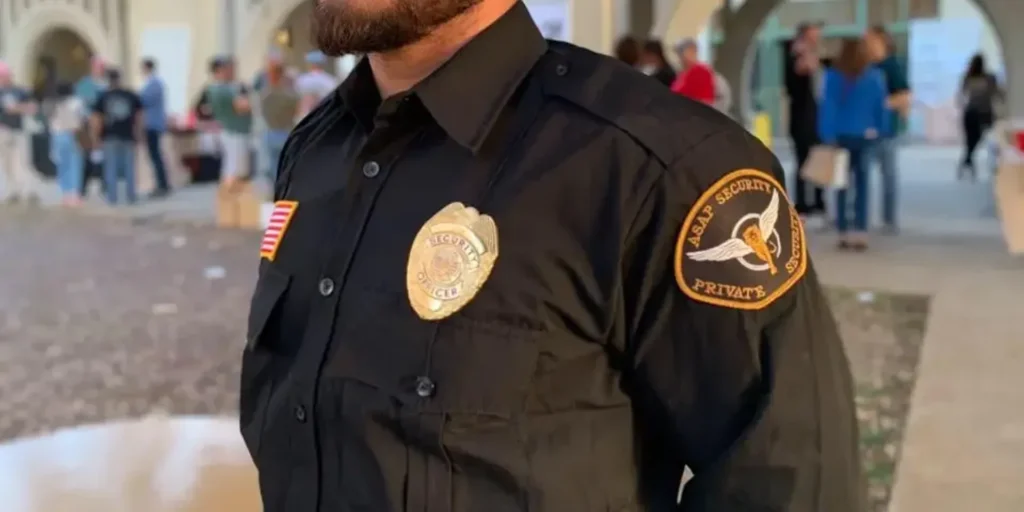
Retailers across Southern California must protect merchandise, employees, and customers without turning a store into an intimidating environment. Stores, shopping centers, and malls face a daily mix of theft concerns, disputes, access issues, and safety incidents that require a calm, visible, and accountable response.
Call (833) 272-7247 to schedule a free retail security consultation with ASAP Security Guards.
Professional retail security guards help Southern California businesses deter theft, manage access, respond to safety concerns, and support a welcoming customer experience. The right team can tailor coverage for a single storefront, a shopping center, or a large mall while maintaining clear communication with management.
Effective protection starts with understanding how retail risk is changing across the region and how a trained security presence can address those risks without disrupting normal operations.
The Growing Need for Retail Security Guards in Southern California
The Escalating Retail Theft Crisis
Retail theft has become a more costly and persistent challenge for store operators. The National Retail Federation reported that retailers experienced a 93% increase in the average number of shoplifting incidents per year in 2023 compared with 2019. Dollar loss from shoplifting increased by 90% over the same period. The study examines how retail crime evolved before and after COVID-19, underscoring that today’s risks require more than occasional attention at the entrance or checkout.
For Southern California retailers, the operating environment adds complexity. High-traffic shopping districts, enclosed malls, neighborhood shopping centers, and strip centers bring together large volumes of customers, employees, vendors, and deliveries. Each property has different sightlines, entrances, parking areas, operating hours, and exposure to theft. A security plan that works for a small storefront may not address the movement and access points of a regional shopping center.
Why Local Retail Properties Need a Proactive Approach
Retail crime affects more than inventory. Unaddressed incidents can disrupt employees, make customers feel unsafe, and place pressure on managers who must respond while keeping the store open. Professional protection helps establish a consistent presence, identify concerning behavior early, support access control, and document incidents for management review. The objective is not to make a store feel unwelcoming. It is to deter theft while helping maintain a safe, orderly environment.
Retailers can strengthen that approach with loss prevention services tailored to the property, merchandise, schedule, and known risk points. Trained officers can patrol public areas, monitor entrances and exits, assist with incident response, and coordinate with site leadership when a situation requires escalation. These duties give store teams a practical layer of support without asking employees to manage security concerns alone.
Retail security guards provide the trained, visible, and accountable presence Southern California properties increasingly need. By combining deterrence, observation, and responsive support, they help retailers address theft risks while protecting the shopping experience and the people who make it possible.
Armed vs Unarmed Retail Security Guards: How to Choose
Armed and unarmed coverage can both support a safer retail environment, but they serve different risk profiles. The right decision depends on the merchandise, cash exposure, operating hours, location, and the type of incidents your team is prepared to manage. Retail environments may need armed or unarmed guards depending on the store’s specific risk level and security needs. Review our guide to armed vs unarmed retail security before selecting a post order.
Factors That Determine Your Security Level
Start with a practical risk assessment rather than choosing the most visible option. Consider whether the store handles valuable small items, keeps substantial cash on site, operates late at night, or has experienced threats, robberies, or repeated confrontations. Also evaluate the surrounding area, parking lot activity, staffing levels, and response time for local emergency services.
| Coverage | Often appropriate for | Primary role |
|---|---|---|
| Armed security guards | Jewelry stores, banks, cash-heavy businesses, high-end retail, and late-night operations | Visible deterrence and a stronger response posture for elevated threats, valuable assets, or higher-risk hours |
| Unarmed security guards | Grocery stores, clothing retailers, department stores, and shopping malls | Access control, customer assistance, patrols, incident observation, theft deterrence, and emergency coordination |
Unarmed officers are often the best fit when the priority is a welcoming, customer-focused presence that discourages theft and supports daily operations. They can monitor entrances, patrol sales floors, document incidents, assist with policy enforcement, and coordinate with management or law enforcement when needed. Their presence should complement employees rather than disrupt the shopping experience.
Armed coverage may be appropriate when the consequences of a serious confrontation are higher or when the store faces credible risks involving robbery, weapons, or valuable merchandise. It should be paired with clear post orders, escalation procedures, and careful coordination with store leadership. A professional security provider can also recommend a blended plan, such as unarmed sales-floor coverage with armed protection during cash movement or late-night hours.
The objective is proportionate protection, not simply more equipment or personnel. Review incident history and operational changes regularly so coverage can be adjusted as the store, neighborhood, and risk profile evolve.
Common Retail Security Challenges and How Guards Address Them
Retail properties face a mix of preventable loss, safety concerns, and operational vulnerabilities. Effective protection is not limited to watching the sales floor. It combines visible deterrence, calm incident response, access control, and practical coordination with store leadership. These measures help retailers protect merchandise while keeping the environment orderly and welcoming.
Preventing Theft Without Disrupting the Store
Retail security guards can deter shoplifting through a professional presence, attentive observation, and consistent patrols around entrances, high-value displays, loading areas, and other vulnerable points. They can also support access control and visitor management, document incidents, and alert authorized managers when a situation requires escalation. A comprehensive loss prevention plan should match guard duties to the property layout, merchandise risk, operating hours, and existing cameras or alarms. Retailers can review practical retail loss prevention strategies before selecting coverage.
Workplace Violence Prevention in Retail
Retail trade workers face a higher risk of workplace violence and homicide than workers in most other industry sectors, according to the CDC and NIOSH. Exposure to violence can also contribute to severe stress, fatigue, insomnia, and post-traumatic stress disorder. Guards support prevention by monitoring entrances, recognizing escalating behavior, maintaining communication with store personnel, and responding according to documented procedures. Employers should also implement and improve workplace violence prevention programs rather than relying on response alone.
Protecting Customers, Staff, and the Property
High-traffic stores need security personnel who can manage congestion, identify hazards, assist with emergencies, and keep interactions professional. Crime Prevention Through Environmental Design, or CPTED, can strengthen this work through better visibility, controlled access, lighting, and the thoughtful placement of people and physical features. These steps help reduce opportunities for misconduct without making customers feel treated as suspects.
After-Hours Security for Retail Properties
When a store closes, risks remain around doors, parking areas, delivery zones, vacant spaces, and equipment. Scheduled patrols and posted guards can identify forced entry, trespassing, vandalism, or unsafe conditions early, then document and escalate incidents through the retailer’s response plan. This layered approach gives Southern California retailers a more accountable way to protect the property between business hours.
Balancing Theft Prevention with a Positive Customer Experience
A security presence should protect the store without making shoppers feel they are entering a fortress. One recent study found that 38% of shoppers had abandoned a purchase because of visible in-store security measures. That finding shows why retail protection requires more than adding barriers, locked displays, or an intimidating uniformed presence.
The Customer Experience Challenge
Customers notice how security measures affect their ability to browse, ask for help, and complete a purchase. Locked merchandise cabinets and access restrictions can leave shoppers feeling mistrusted, especially when they must wait for assistance. Some will leave rather than continue the interaction. Visible theft creates the opposite problem: when shoppers see theft in a store, many say they would shop there less often or stop visiting entirely. Retailers therefore face two connected risks: intrusive prevention can reduce conversions, while weak prevention can damage trust and repeat business.
The solution is not to hide security. It is to make security feel competent, measured, and service-oriented. A professional guard can greet customers, answer basic questions, monitor activity discreetly, and respond to concerns without treating every shopper as a suspect. Calm communication and respectful observation help create a sense of protection rather than pressure.
Make Security Feel Welcoming
Well-trained corporate security solutions should fit the store’s layout, customer profile, and risk level. Guards can focus on high-risk areas while remaining approachable at entrances, service desks, and other points where shoppers may need assistance. Clear procedures also help officers distinguish between routine customer behavior and situations that require intervention.
This balance supports both loss prevention and the shopping environment. The goal is a store where customers recognize that safety is being taken seriously, but still feel respected, comfortable, and welcome.
Why Southern California Retailers Choose ASAP Security Guards
Retailers need more than a uniform at the door. They need trained officers, dependable communication, and documentation that helps managers understand what is happening across each shift. ASAP Security Guards combines the reliability expected from a national provider with the local responsiveness required by stores and shopping centers throughout Southern California.
Training and Accountability Standards
ASAP officers receive training through an in-house, BSIS-approved security training academy. That internal training model gives the company a consistent foundation for professional conduct, observation, incident response, and customer-facing service. It also gives retail clients a clear answer to an important question: who is preparing the people assigned to protect the store?
Accountability continues after an officer arrives on site. ASAP uses proprietary GPS-tracked Daily Activity Reporting, or DAR, to provide real-time visibility into patrols, observations, and activity. Managers can use that reporting to review coverage, identify recurring concerns, and make informed adjustments instead of relying only on verbal updates after an incident. This documented approach supports the transparency retailers need across multiple locations.
Continuous Response With Local Coverage
ASAP maintains a 24/7 live human dispatch center for continuous response. When a store manager needs assistance, reports a developing issue, or needs to communicate a change in site conditions. The response begins with a person, not an unattended automated queue. That availability is especially valuable for retailers operating extended hours, managing busy seasonal periods, or coordinating security across several properties.
Local reach strengthens that operational model. ASAP provides guard services and patrol operations throughout Southern California, including San Diego, Orange, Riverside, and San Bernardino counties. Retailers can therefore work with one accountable partner while still receiving service shaped around local property conditions and operating needs. ASAP is also a GSA contract holder, including contract #47QSWA21D006F, supporting its capacity to meet formal procurement and compliance expectations.
National-Level Reliability, Regional Responsiveness
For a single store, shopping center, or regional portfolio, that combination matters. ASAP brings structured training, live dispatch, GPS-supported reporting, and established credentials without losing sight of the specific people, property, and customer experience at each location. Retail leaders seeking broader corporate security solutions can scale the conversation around their footprint, risk profile, and service requirements.
Frequently Asked Questions
What does a retail security guard do?
A retail security guard helps deter theft, manage access and visitor movement, monitor activity, respond to incidents, and support a safe shopping environment. Duties can be tailored for a store, shopping center, or mall, including visible patrols, opening and closing procedures, incident documentation, and coordination with managers or emergency responders.
Do I need armed or unarmed guards for a retail location?
The right choice depends on the property’s risk level, hours, layout, merchandise, prior incidents, and response needs. Unarmed officers are often suitable for visible deterrence, customer assistance, access control, and routine incident response. Armed coverage may be considered for higher-risk locations or specific threats. A professional assessment should determine the appropriate level.
How much do retail security guards cost?
Pricing varies based on the number of officers, coverage hours, service type, location, required qualifications, and whether the assignment is temporary or ongoing. A provider should review the property and operating schedule before presenting a dependable quote. This approach helps retailers pay for coverage that matches actual risk instead of relying on a generic hourly estimate.
Can security coverage support both safety and customer experience?
Yes. Effective retail coverage combines a professional, approachable presence with discreet observation, clear communication, and proportionate intervention. Officers can focus on deterrence, visitor management, and employee safety without making ordinary shoppers feel unwelcome. The objective is a safer environment that protects people, merchandise, and the store’s reputation.
Ready to Strengthen Retail Security?
A thoughtful security plan can help Southern California retailers protect shoppers, employees, and property while supporting a welcoming store environment. Schedule a free consultation for retail security guard services by calling (833) 272-7247. Our team can discuss your locations, operating hours, and security priorities, then help you identify an approach suited to your stores, shopping centers, or malls.
