
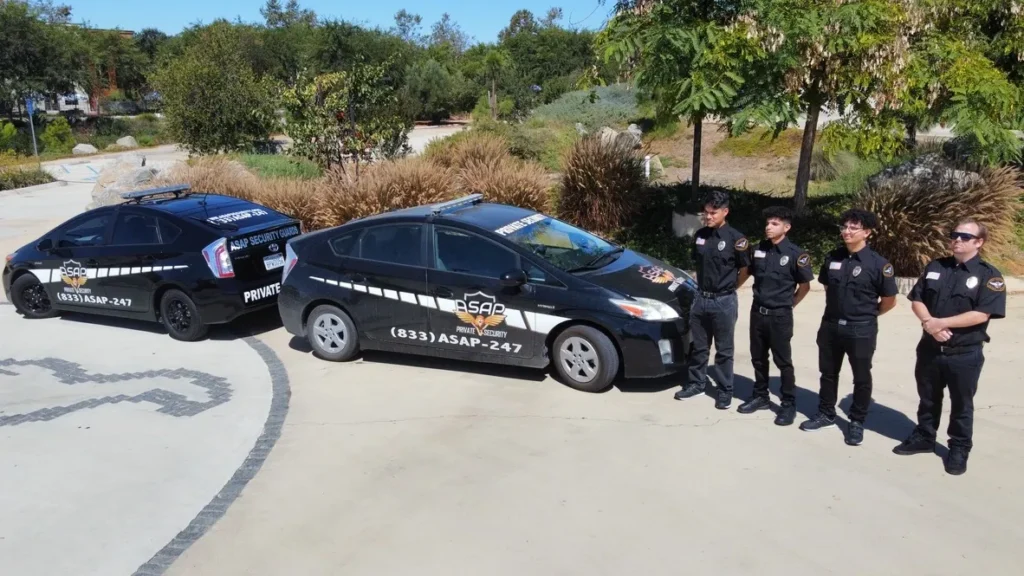
There’s a huge difference between just hiring guards and implementing a true security strategy. One is reactive, waiting for something to go wrong. The other is proactive, preventing issues before they even start. True professional private security for events begins long before the first guest arrives, with detailed risk assessments, crowd flow planning, and seamless coordination with your team. It’s about creating a controlled environment so discreetly that your attendees only notice how smoothly everything is running. In this article, we’ll explore the components of a comprehensive security plan and show you how to choose a partner who thinks strategically about protecting your event.
Key Takeaways
- Plan security early and thoroughly: Start weeks ahead by assessing your event’s unique risks and carefully vetting potential security partners. A solid plan built on experience and proper licensing is the foundation for a safe event.
- Customize your security strategy: The right security plan is tailored to your event’s specific variables, including the venue, crowd size, and risk level. Work with your provider to combine services like access control, crowd management, and emergency response for complete coverage.
- View security as a core investment: A professional security team does more than prevent trouble; it protects you from liability, ensures calm incident response, and allows you to focus on your guests. This protection for your reputation and bottom line is essential.
What Is Event Security?
At its core, event security is all about creating a safe and controlled environment for everyone involved in your gathering. It’s a combination of strategic planning, visible personnel, and established procedures designed to protect your attendees, staff, and property from potential risks. Think of it as the foundation that allows your event to run smoothly, letting you and your guests focus on the experience without worrying about what could go wrong.
A solid security plan does more than just react to problems; it prevents them from happening in the first place. This involves assessing potential vulnerabilities before the event, managing entry points, and maintaining a calm, orderly atmosphere throughout. Whether you’re hosting an intimate corporate gathering or a large public festival, professional event security provides the structure and peace of mind needed to ensure everything goes off without a hitch. It’s a critical investment in the success and reputation of your event.
Which Events Need Security?
You might think security is only for massive concerts or high-profile award shows, but the truth is, any organized gathering can benefit from a professional security presence. If you’re bringing a group of people together, you have a responsibility to keep them safe. This applies to a wide range of functions, including corporate conferences, trade shows, and shareholder meetings where sensitive information and valuable equipment are present.
Private functions like weddings, charity galas, and exclusive parties also need security to manage guest lists and deter uninvited individuals. Even community events like street fairs, sporting events, and holiday festivals require careful planning to handle crowds and respond to emergencies. Essentially, if an event’s success depends on a safe and orderly environment, then it needs security.
What Are Core Security Duties?
The responsibilities of an event security team go far beyond just standing at the door. Their primary duties are proactive and multifaceted. A key task is access control, which involves checking tickets or invitations, verifying credentials, and ensuring only authorized individuals enter the venue. Another core function is crowd management, where guards help direct foot traffic, prevent overcrowding in key areas, and maintain orderly lines to keep the event flowing smoothly.
Security officers are also your first line of defense in an emergency. They are trained to identify potential threats, de-escalate conflicts, and coordinate with medical staff or local law enforcement when needed. By constantly monitoring the area, they provide a visible deterrent to disruptive behavior and can respond swiftly to any situation, ensuring the overall safety of every guest from start to finish.
What Kinds of Security Services Do Events Need?
Event security isn’t a single service but a tailored combination of solutions designed to address the unique risks of your gathering. Whether you’re hosting a corporate conference, a music festival, or a private wedding, the right security plan involves several key components working together. A professional security provider will help you assess your needs and build a strategy that covers everything from the front gate to backstage. Understanding these different services will help you have a more productive conversation with your security partner and ensure every angle is covered.
Crowd Control and Management
One of the most critical aspects of event security is managing the flow of people. Effective crowd control is about more than just keeping lines orderly; it’s about preventing dangerous situations like overcrowding and ensuring guests can move safely throughout the venue. A well-trained security team will proactively monitor crowd density, guide attendees, and manage entry and exit points to maintain a comfortable and secure environment. This is a fundamental part of any successful event security plan, as it prevents minor issues from escalating and ensures a positive experience for everyone.
Access and Perimeter Security
Controlling who enters your event is the first line of defense. Access and perimeter security involves securing all entry points, from the main entrance to staff-only areas. This service ensures that only authorized individuals with valid tickets or credentials can get in, preventing potential threats and protecting your revenue. Guards will check bags, verify passes, and monitor the event’s boundaries to stop anyone from sneaking in. For larger venues, mobile security patrols can also be used to keep an eye on the entire perimeter, providing a visible deterrent and rapid response to any breaches.
Emergency and Medical Response
Even with perfect planning, emergencies can happen. A professional security team is trained to be the first responder in any crisis, whether it’s a medical issue, a fire, or a security threat. They know how to act quickly, coordinate with local emergency services like police and paramedics, and manage the situation until help arrives. Having a clear emergency response plan is essential for guest safety and your own peace of mind. This readiness is a core feature of 24/7 security services, ensuring a team is always prepared to handle the unexpected.
VIP and Executive Protection
If your event features high-profile guests, speakers, or performers, you may need specialized protection. VIP and executive security focuses on keeping specific individuals safe without disrupting their experience. These officers are highly trained in threat assessment, de-escalation, and discreet protection tactics. They can provide close protection, secure green rooms and private areas, and safely escort individuals through crowds. This level of executive security ensures your special guests feel safe and valued, allowing them to focus on their role at your event.
Armed vs. Unarmed Guards
Deciding between armed and unarmed guards depends entirely on your event’s risk profile. Unarmed guards are excellent for creating a welcoming yet secure atmosphere. They are a strong visual deterrent and are skilled in customer service, access control, and crowd management. For events with a higher risk level, such as those with valuable assets or a known threat, armed security guards provide an elevated level of protection. A professional security consultant can help you conduct a thorough risk assessment to determine which option is the right fit for your specific needs.
How to Choose the Right Security Provider
Finding the right security partner for your event is about more than just hiring guards; it’s about finding a team that understands your specific needs and can adapt to any situation. With so many options out there, it pays to do your homework. Asking the right questions and checking for key qualifications will help you find a provider you can trust to keep your guests safe and your event running smoothly.
Check Their Event Experience
Every event has its own unique rhythm and potential challenges. A corporate conference is very different from a music festival or a private wedding. That’s why you need a security team with relevant experience. Ask potential providers about events they’ve handled that are similar to yours in size, scope, and audience. A company with a proven track record in event security will know how to manage the specific flow of your gathering, from entry point screening to crowd dynamics. Their past experience is the best indicator of their ability to handle your future event successfully.
Verify Licenses and Certifications
This is a critical, non-negotiable step. A legitimate security company must have all the necessary licenses and certifications to operate legally in your area. Don’t just take their word for it; ask for proof. This ensures the company meets state and local standards for insurance, background checks, and operational conduct. Working with a fully licensed and insured provider protects you from liability and guarantees that their officers are legally cleared to perform their duties. It’s a simple check that provides a foundational layer of trust and professionalism.
Ask About Officer Training
What kind of training do the security officers receive? This question can reveal a lot about a company’s quality. Standard training is one thing, but elite security teams invest in ongoing education. Look for providers whose training programs cover crucial skills like conflict de-escalation, first aid, customer service, and emergency response. At ASAP Security, our officers, many with former military and law enforcement backgrounds, undergo rigorous training to prepare them for any scenario. A well-trained officer is professional, observant, and capable of handling situations calmly and effectively, which is exactly what you want for your event.
Review Their Technology and Equipment
In modern security, technology is a huge asset. Ask what kind of equipment and tech the provider uses to support their on-the-ground team. This can include things like reliable communication devices (radios or earpieces), surveillance tools, and digital reporting systems. The right technology ensures the entire security team is connected and can respond to incidents in real time. It also helps with monitoring large areas and maintaining a clear line of communication between guards and event organizers. This tech-forward approach is a hallmark of a professional and efficient private security operation.
Look Into Their Reputation
A security company’s reputation is built on trust and performance. Before you sign a contract, take some time to research their standing in the community. Look for online reviews, read testimonials, and don’t hesitate to ask for references from past clients who hosted similar events. A provider with a strong, positive reputation is more likely to deliver the high-quality service your event deserves. Neglecting to check credentials and references can expose you to unnecessary risks, so a little due diligence goes a long way in ensuring you’ve hired a reliable and respected team.
What Factors Influence Event Security Costs?
When you’re budgeting for an event, it’s helpful to understand that security pricing isn’t one-size-fits-all. The cost is tailored to your specific needs, and several key factors come into play. Think of it like a custom plan designed to keep your guests, staff, and venue safe. The final quote will depend on the unique variables of your gathering, from its size and duration to the specific risks associated with the location. A professional security provider will work with you to assess these factors and develop a strategy that fits your budget without compromising on safety. By understanding what drives these costs, you can make informed decisions and ensure your event is protected. Let’s break down the main elements that will shape your security investment.
Event Size and Number of Guests
The scale of your event is one of the biggest factors in determining security costs. A small corporate gathering has very different needs than a music festival with thousands of attendees. More guests mean you’ll need more security officers to manage crowds, monitor access points, and respond to incidents effectively. A good security provider will help you figure out the right guard-to-guest ratio to prevent overcrowding, which is a major safety risk. Professional event security isn’t just about having bodies on site; it’s about strategic placement and creating a visible presence that deters issues before they start. The larger the crowd, the more complex the strategy, which is reflected in the cost.
Event Duration and Schedule
How long will your event run? A two-hour reception will cost less to secure than a three-day conference. The total number of hours you need coverage for directly impacts the price. This includes not just the event itself but also the setup and breakdown periods, which are often vulnerable times for theft or unauthorized access. For longer events that span multiple days or run late into the night, your security plan will need to account for guard shifts and breaks to ensure everyone stays alert. A detailed schedule helps your security partner provide continuous, effective coverage, which is essential for events requiring 24/7 security services.
Location and Potential Risks
Where you host your event matters. An outdoor public park presents different challenges than a secure indoor ballroom with limited entry points. A comprehensive risk assessment of the venue is a crucial first step. This evaluation considers factors like the local crime rate, the number of entrances and exits, and the overall layout. The nature of your event also plays a role. A high-profile product launch with valuable equipment or celebrity guests will require a higher level of security than a low-key community picnic. Identifying potential threats ahead of time allows your security team to deploy the right resources to mitigate them, ensuring your corporate security services are perfectly matched to the environment.
Specific Equipment and Tech Needs
Modern event security often involves more than just personnel. Depending on your event’s risk profile, you may need specialized equipment and technology. This can include metal detectors for weapons screening, surveillance cameras to monitor large areas, and advanced communication devices to keep the entire security team connected. For high-risk situations, you might consider armed security guards who require specialized training and licensing. Access control systems, like wristbands or credential checks, also require dedicated staffing. While these tools add to the overall cost, they are invaluable for creating a secure and controlled environment, giving you and your guests greater peace of mind.
Why Is Professional Event Security a Smart Investment?
When you’re planning an event, the security budget can sometimes feel like just another line item. But thinking of professional security as an investment rather than an expense is a shift in perspective that pays off. It’s about more than just placing guards at the door; it’s about creating a foundation of safety that allows your event to succeed. A professional team works behind the scenes to manage risks, handle issues smoothly, and ensure every guest feels secure. This proactive approach protects your attendees, your reputation, and your bottom line, making it one of the smartest decisions you can make as an organizer.
Improve Safety and Reduce Risks
The primary goal of any event is to create a positive experience, and that starts with ensuring everyone feels safe. Professional event security is your first line of defense against potential problems. Trained officers are skilled at identifying and mitigating risks before they escalate, from managing overcrowding at entrances to spotting suspicious behavior. They can secure the perimeter, control access points, and ensure only authorized individuals are present. This visible security presence acts as a powerful deterrent, discouraging potential disruptions and helping you maintain a controlled, safe environment for your guests, staff, and vendors from start to finish.
Ensure Professional Incident Response
Even with the best planning, unexpected situations can arise. What sets a professional security team apart is its ability to respond to incidents quickly, calmly, and effectively. Whether it’s a medical emergency, a technical failure, or a conflict between guests, trained guards have clear protocols to follow. They know how to de-escalate tense situations, coordinate with local law enforcement and paramedics, and manage communications to prevent panic. This level of preparedness ensures that any issue is handled with minimal disruption to your event, allowing you to focus on your role as the host while they manage the response.
Gain Peace of Mind
As an event organizer, you have enough to worry about. Delegating security to a trusted partner gives you invaluable peace of mind. Knowing that a team of experienced professionals is dedicated to the safety of your event allows you to focus on logistics, guest experience, and the thousand other details on your plate. This confidence extends to your attendees, too. When guests see a professional security presence, they feel more relaxed and can fully enjoy the experience you’ve created. Hiring a reputable team of private security guards means you can be present and engaged, confident that the safety of your event is in capable hands.
Protect Against Liability
Event hosts can be held responsible for what happens on their watch. An incident, injury, or security breach can lead to significant legal and financial consequences. Hiring a licensed, insured, and professional security firm is a critical step in protecting yourself from liability. A qualified team helps you meet your duty of care obligations by implementing proper safety measures and documenting procedures. Should an incident occur, having a professional team on-site demonstrates that you took reasonable steps to protect your guests, which can be crucial in mitigating potential legal claims and safeguarding your organization’s reputation.
What to Expect from Your Security Team
Hiring a professional security team is about more than just placing guards at the door. It’s about forming a partnership with a team that is invested in your event’s success from start to finish. The best security providers act as an extension of your own team, bringing expertise and a proactive mindset to the table. Their work begins long before your event kicks off, with detailed planning and risk assessment. On the day of the event, they are the calm, professional presence that keeps things running smoothly, handling everything from access control to incident response with quiet competence.
Throughout the entire process, clear and constant communication is the thread that ties everything together. A great security team keeps you informed, coordinates with your staff, and provides detailed reports after the event concludes. This comprehensive approach ensures every angle is covered, allowing you to focus on your guests and the event itself. Understanding these different phases of engagement will help you know what to look for in a security partner and what to expect when you find the right one. From initial strategy sessions to the final debrief, their goal is to provide a secure environment that supports a positive and memorable experience for everyone involved.
Pre-Event Planning
A top-tier security plan isn’t created on the day of the event. It’s the result of careful and collaborative pre-event planning. Your security team should work with you to conduct a thorough risk assessment of the venue, identifying potential vulnerabilities and areas of concern. One of the biggest security risks at any event is overcrowding, so a key part of this process is developing a strategy for crowd management and flow.
This planning phase involves creating a detailed security layout, mapping out entry and exit points, establishing patrol routes, and determining ideal guard placement. Your team should also consider digital security as part of the event risk management plan, ensuring that things like payment systems and private networks are secure. A comprehensive event security strategy is built on this foundation of proactive preparation.
On-Site Responsibilities
During the event, your security team’s responsibilities shift to active monitoring and guest interaction. Their primary role is to maintain a safe and orderly environment while being a helpful, approachable resource for attendees. You can expect professionally trained guards to manage access control, verify credentials, and prevent unauthorized entry. They will also patrol the premises, watch for any potential issues, and provide a visible deterrent to misconduct.
Crucially, trained guards understand how to de-escalate situations calmly and interact professionally with guests, ensuring their presence enhances the event’s tone rather than detracting from it. These private security guards are the frontline representatives of your event’s commitment to safety.
Clear Communication and Reporting
Effective communication is essential for seamless event security. Miscommunication between event staff and security teams can create confusion during critical moments, so your chosen provider should have a rock-solid communication plan. This includes using reliable equipment like two-way radios and establishing a clear chain of command for making decisions and relaying information.
Your security lead should be in constant contact with your event manager, providing updates and coordinating efforts with other staff members and, if necessary, local emergency services. After the event, you should expect to receive a detailed report outlining any incidents, actions taken, and observations. This documentation is not only helpful for evaluating the event’s success but also provides valuable insights for planning future gatherings and protecting against liability.
Common Myths About Event Security, Debunked
When you’re planning an event, security can feel like a complex topic surrounded by a lot of assumptions. It’s easy to fall for common misconceptions that can leave your event, your guests, and your reputation at risk. Let’s clear up a few of the most persistent myths so you can make informed decisions for your next gathering.
Myth: Only Huge Events Need Security
It’s a common belief that security is only necessary for massive concerts or conferences with thousands of attendees. The truth is, risk isn’t determined by size alone. A small, high-profile corporate meeting, an exclusive product launch, or even a private party at a large residence can present unique security challenges. Professional event security is about proactively managing potential issues, from preventing theft to handling medical emergencies or de-escalating conflicts. Having a trained team on-site provides peace of mind and ensures that any situation is handled swiftly and professionally, no matter the guest count.
Myth: All Security Companies Are the Same
Thinking all security providers offer the same service is like assuming all restaurants are identical. The reality is that security companies vary widely in their training, experience, and areas of expertise. Some specialize in nightclub security, while others, like us, have teams with former military and law enforcement backgrounds who excel in corporate security services. A top-tier provider will offer specialized training for their officers, use modern technology, and work with you to create a custom security plan. It’s crucial to research a company’s background and client reviews to find a partner that truly understands your event’s specific needs.
Myth: Professional Security Is Unaffordable
Sticker shock can be a real concern, but viewing security as just another expense is a mistake. It’s an investment in protecting your assets, guests, and brand. The potential costs of not having adequate security, such as theft, property damage, or liability claims, can far exceed the price of hiring a professional team. A reputable security firm will work with you to create a plan that fits your budget, scaling services to match the event’s risk level. Investing in professional security is a practical step to prevent financial losses and ensure your event runs smoothly from start to finish.
Myth: Guards Only Handle Physical Threats
Many people picture security guards as stoic figures standing by a door, ready to handle physical altercations. While that is part of the job, their role is much broader. Security officers are often the first and last impression your guests have of an event. They act as a calm, authoritative presence, managing access control, monitoring crowd flow, and providing directions. They are trained to spot potential issues before they escalate, from an attendee in medical distress to an equipment hazard. A professional security team contributes to a positive and organized atmosphere, ensuring everyone feels safe and welcome.
How Security Teams Handle Common Event Challenges
Even the most meticulously planned events can face unexpected hurdles. A professional security team doesn’t just show up on the day of; their work begins weeks in advance with a thorough risk assessment. They analyze the venue layout, consider the type of event, and think through potential friction points, from overcrowded entryways to poorly lit parking areas. This deep preparation allows them to build a flexible security plan that can adapt on the fly. They work alongside you to understand your vision and your concerns, creating a strategy that feels integrated, not intrusive. With experience comes the ability to foresee potential challenges and have solutions ready before a problem even arises. From managing large groups of people to dealing with a sudden downpour or a technical glitch, a trained team is your best asset for ensuring your event runs smoothly, no matter what comes your way. Their goal is to handle disruptions so discreetly that your guests never even notice, allowing you to focus on hosting a memorable occasion. This proactive and adaptive approach is what separates a simple guard service from a true security partner.
Managing Large Crowds
Handling a large number of people is one of the most critical aspects of event security. A professional team does more than just stand at the doors. They implement a detailed crowd management strategy that starts before the first guest arrives. This includes mapping out entry and exit points to prevent bottlenecks, monitoring crowd density in real-time, and directing foot traffic to ensure a safe and comfortable flow. Trained officers can spot signs of agitation or distress in a crowd, allowing them to intervene early and prevent situations from escalating. Their visible, organized presence helps create a secure environment where guests can relax and enjoy the event.
De-escalating Difficult Situations
The best security officers are expert communicators. When tensions rise, whether it’s a disagreement between guests or someone who has had a bit too much to drink, their ability to de-escalate the situation calmly is key. Instead of immediately resorting to force, trained private security guards use proven verbal techniques to defuse conflict. They know how to listen, speak respectfully, and guide individuals toward a peaceful resolution. This professional approach protects everyone involved, maintains the positive atmosphere of your event, and ensures that minor issues don’t turn into major incidents that could damage your reputation.
Adapting to Weather and Environment
You can’t control the weather, but you can control how you prepare for it. A comprehensive security plan always includes contingencies for environmental factors. If you’re hosting an outdoor event, what’s the plan for a sudden thunderstorm or a heatwave? A professional security team works with you to answer these questions ahead of time. They can help redirect guests to sheltered areas, coordinate with medical personnel to address heat exhaustion, and ensure pathways remain safe and clear in wet conditions. This foresight and adaptability mean your event can continue safely, even when Mother Nature has other plans.
Responding to Tech Failures
In a world that runs on technology, a system failure can cause significant disruption. Whether it’s a power outage that takes down the lights, a network issue that crashes ticketing scanners, or a failure in the primary communication system, a prepared security team won’t be caught off guard. Professional teams establish backup communication plans, like using secondary radio channels or runners, to ensure their coordination is never compromised. They have protocols in place to manage access control manually and keep the event secure. This readiness ensures that a technical glitch remains a minor inconvenience instead of a full-blown crisis.
Your Event Security Planning Timeline
Great event security doesn’t just happen; it’s the result of careful and timely planning. Waiting until the last minute can lead to overlooked risks, a rushed vetting process, and a security partner who isn’t the right fit for your specific needs. This creates unnecessary stress and can compromise the safety of your guests, potentially leading to incidents that could have been easily prevented. To keep things on track, it’s best to think of your security planning as a multi-stage process, just like you would for booking a venue or hiring a caterer. It deserves the same level of attention and foresight because a secure environment is fundamental to a successful event.
By starting early and following a structured timeline, you can ensure every detail is covered, from initial risk assessments to day-of coordination. This proactive approach allows you to thoroughly research and select a qualified security provider, develop a comprehensive plan tailored to your event, and integrate the security team seamlessly with your own staff. It also gives you the time to build a real partnership with your security company, so they understand your goals and expectations. It’s about moving from a reactive mindset, where you’re just hoping for the best, to a strategic one where you’re prepared for anything. This not only helps you find the right team but also builds a foundation of safety that gives you and your guests total peace of mind.
6–8 Weeks Out: Initial Assessment
This is the time to lay the groundwork. Start by defining the scope of your event: what’s the purpose, who is attending, and what are the potential vulnerabilities? Conduct a thorough risk assessment of your venue, considering factors like entry points, crowd flow, and any specific threats. One of the biggest mistakes is treating security as a simple line item on a budget; it’s a core component of the guest experience. Use this assessment to create a preliminary security budget and start researching potential event security providers. Look for companies with proven experience handling events similar to yours in size and nature.
2–4 Weeks Out: Finalize Details
With a shortlist of security providers, it’s time to get into the specifics. Schedule detailed consultations to discuss your risk assessment and security needs. Neglecting to verify the credentials of your security provider could expose you to unnecessary risks. Ask for proof of licensing, insurance, and certifications to ensure your security team is qualified and capable. This is also when you’ll finalize the security plan, including the number of guards, their specific posts and duties, communication protocols, and emergency response procedures. Confirm whether you’ll need unarmed or armed security guards and finalize the contract.
Day of the Event: Final Coordination
On the day of your event, clear communication is everything. Miscommunication between event staff, security teams, or emergency services can create confusion during critical moments. Schedule a pre-event briefing with your security lead, key event staff, and venue managers. Walk through the security plan, review communication channels, and confirm everyone’s roles and responsibilities. Ensure the security team is familiar with the layout, including emergency exits and first-aid stations. This final check-in ensures your entire team is aligned and ready to create a safe, secure, and successful experience for every guest.
Related Articles
- Best Crowd Management Security: A Complete Guide | ASAP Security Guards
- Event Security Services in San Diego | Professional Guards – ASAP Security Guards
- Hire Event Security Services & Guards in San Diego – ASAP Security Guards
Frequently Asked Questions
What’s the difference between the security my venue provides and a dedicated event security team? Think of it this way: venue security is responsible for the entire building, while a dedicated event security team is responsible for your event. Your hired team focuses exclusively on your guests, your specific floor plan, and your schedule. They manage your access points, oversee your crowd, and handle incidents related to your gathering, providing a focused layer of safety that general venue staff can’t.
How do you determine the right number of security guards for an event? There isn’t a magic formula, as it’s about more than just the number of attendees. We conduct a detailed assessment that considers the venue’s size and layout, the type of event, whether alcohol will be served, and the overall risk profile. This allows us to recommend a staffing level that ensures strategic coverage, so you have a visible presence where it matters most without feeling overcrowded.
Will having security guards make my guests feel intimidated? This is a common worry, but a professional team should do the exact opposite. Our officers are trained to be approachable, helpful, and discreet. They contribute to a calm and organized atmosphere, acting as a reassuring presence for guests. When people see a professional security team, they tend to feel more relaxed because they know their safety is being taken seriously.
My event is small and on private property. Do I still need security? Even intimate events on private property have risks. Challenges like uninvited guests, internal disagreements, or medical situations can happen anywhere. A security team can manage your guest list at the door, protect your property from damage, and provide a trained, immediate response to any issue, allowing you to host with confidence.
How does your security team work with my own event staff and volunteers? We function as a seamless extension of your team. Before the event, we coordinate with your event manager to establish clear communication plans and define everyone’s roles. During the event, our team lead stays in constant contact with your key people, ensuring our efforts are perfectly aligned. We handle the security, so your staff can focus on creating a fantastic guest experience.
