
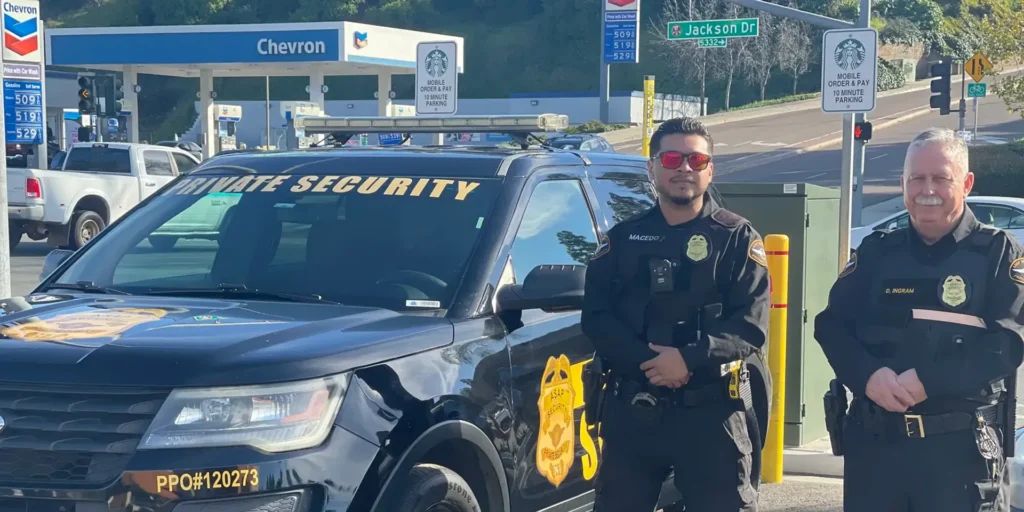
Businesses comparing security providers may see the phrase private patrol operator license California and wonder what the license proves, and what it does not. The license is tied to a business authorized to provide private patrol services in California. It is not the same thing as the individual registration or permit a guard may need to work. Understanding that distinction helps a buyer ask better questions, check the right records, and define who is responsible for the work.
Request a security services consultation
Call (833) 272-7247 to discuss your site’s coverage needs.
This guide explains the operator license at a practical level, how it relates to individual guards, what due diligence a business can conduct, and which questions to put in a service agreement. Licensing requirements and agency procedures can change. Use current California BSIS information for a specific application or compliance decision; this overview is general information, not legal advice.
What is a private patrol operator license in California?
A private patrol operator, often shortened to PPO, is a business or person licensed by California’s Bureau of Security and Investigative Services (BSIS) to provide private patrol services. In everyday terms, the operator is the licensed provider that contracts to furnish security services. The license is not a general endorsement of every service a provider might advertise, nor does it replace the requirements that apply to each guard assigned to a post.
For a business customer, the practical point is to confirm the legal provider responsible for the assignment. A proposal, contract, invoice, website, and license record should make it possible to understand which entity is providing the service. If a salesperson uses a brand name that differs from the contracting company, ask how the names relate and which licensed entity will perform the work.
The phrase “private patrol” can sound like it covers only vehicle patrols. In licensing discussions, however, the important issue is the regulated provider and the scope of authorized security activity, not just whether a vehicle is used. A customer should not infer that an operator is authorized for a particular service simply because the company describes itself as a security firm. Check the license and confirm that the proposed service, personnel, and contract fit the applicable rules.
How does an operator license differ from an individual guard registration?
The operator and the guard are separate parts of the arrangement. A PPO license identifies the provider authorized to offer regulated security services. An individual guard’s registration or other required credential relates to that person’s eligibility to perform guard work. Verifying one does not automatically verify the other.
| What is being checked? | Who or what it concerns | What a business should verify |
|---|---|---|
| Private patrol operator license | The provider or licensed business responsible for offering the service | License status, correct legal name, and whether the contracting entity matches the provider |
| Guard registration or credential | The individual assigned to perform guard duties | That the person has the required current credential and any assignment-specific qualifications |
| Service agreement | The responsibilities agreed between customer and provider | Post orders, hours, supervision, reporting, escalation, and approved changes |
| Insurance and risk documents | The provider’s risk-transfer and coverage documentation | Current certificates and endorsements required by the customer’s contract or insurer |
California’s occupational-license information describes individual guard requirements, including age, a criminal-history background check, and the required “Power to Arrest” training and examination. Those are guard-level requirements, not a substitute for checking the operator that offers the service. Review the California occupational license information for security guards for the individual credential context, and confirm current requirements directly with BSIS.
In some circumstances, an individual may hold more than one relevant role, but that does not make the roles interchangeable. A person’s guard credential should not be treated as proof that the person’s company holds an active PPO license. Likewise, an active company license does not answer whether a particular guard is properly credentialed for the assignment. Check the provider and the people separately.
What does a business need to know about the licensing process?
The application and renewal process belongs to the prospective licensee, but a buyer benefits from understanding its broad outline. BSIS administers licensing for private security providers. An applicant should consult the current agency instructions for the precise forms, eligibility standards, examinations, fees, background review, and supporting records that apply at the time of filing. Do not rely on an old checklist or a third-party summary as the final word.
At a high level, expect licensing to involve identifying the applicant and the responsible individual, submitting the required materials, satisfying applicable experience and examination conditions, and completing the agency’s background and review steps. The details can depend on the applicant’s structure and circumstances. For example, questions about the qualifying individual, business entity, ownership, or prior work history should be taken to BSIS or a qualified California licensing professional rather than guessed from a general article.
Veterans should pay attention to the agency’s specific guidance instead of assuming that prior service automatically waives requirements. BSIS describes a Veterans Come First program that addresses qualifying military experience in the licensing context. Its explanation references qualifying experience for veterans who have worked in roles such as guard, watchperson, sentry, or military police. See the BSIS Veterans Come First program information and verify how the current rule applies to the individual application.
A business customer does not need to audit an applicant’s licensing file. The customer does need a straightforward way to verify that the provider it plans to engage is currently licensed and that its own contracting and operational expectations are clear. If a provider cannot identify the exact license holder or explain how to check its status, pause and resolve that uncertainty before work begins.
How can a California business check a security provider?
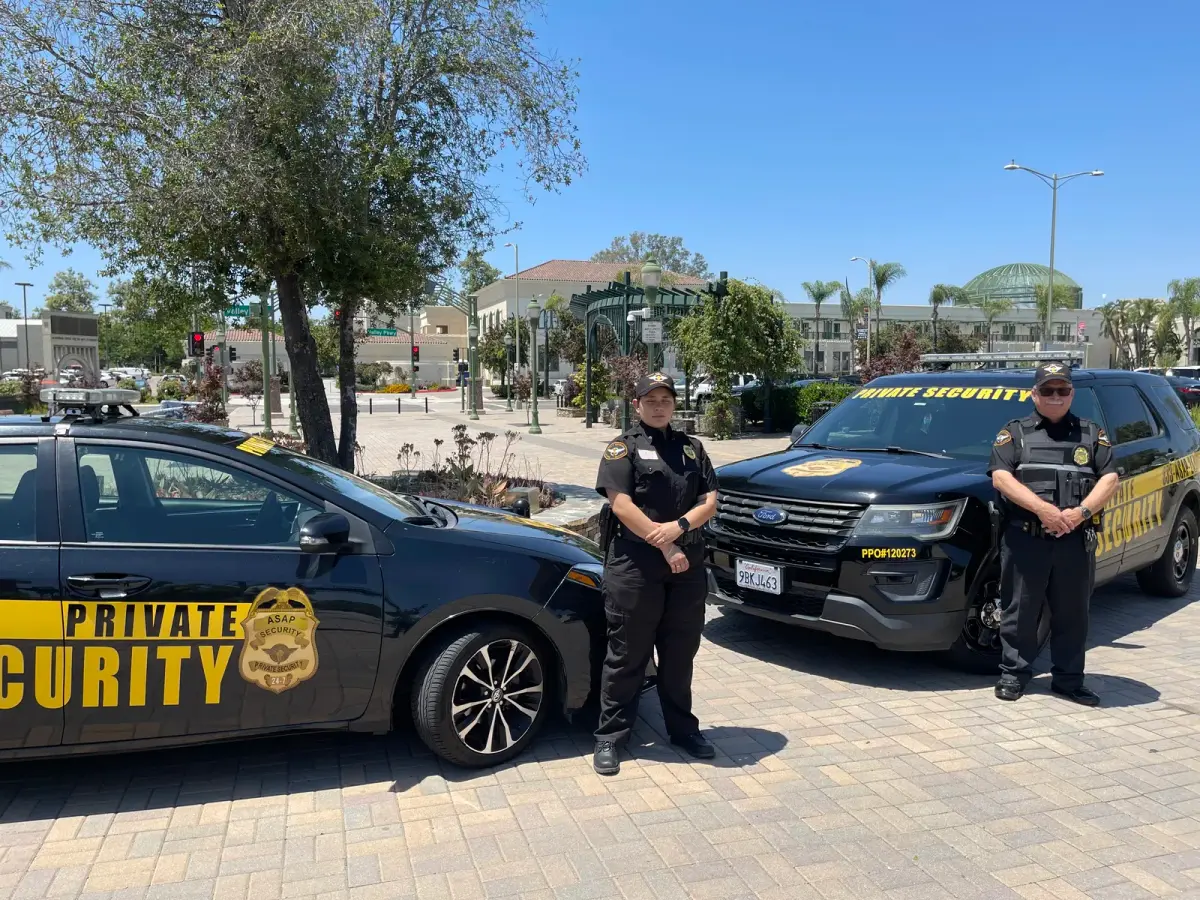
Make verification a repeatable procurement step rather than a last-minute formality. Start with the legal name shown on the proposal. Compare it with the name on the contract, invoice, certificate of insurance, and license record. If the names differ, ask for a written explanation and supporting documentation. A parent company, trade name, subcontractor, or affiliate may be involved, but the relationship should be explicit.
- Ask for the precise license identity. Request the provider’s legal business name and license number. Avoid relying only on a logo, marketing name, or verbal assurance.
- Check the current record. Use the state’s current BSIS license lookup and instructions. Confirm the record belongs to the entity that will contract with you and review the status and any available public details. If a record is unclear, contact the agency through its official channels.
- Check the assigned personnel separately. Ask how the provider confirms each guard’s required registration and assignment readiness. For specialized sites, clarify any additional training, orientation, or site access screening you require.
- Match the documents. Compare the licensed entity with the service contract and insurance records. Ask whether subcontracting is proposed and, if so, who supervises the work and remains accountable to your organization.
- Keep a dated record. Save the source, date checked, contact response, and documents received. Repeat the check at renewal or when the contracting entity, service scope, or assigned provider changes.
These steps are basic due diligence, not a guarantee of service quality or a substitute for legal review. A license check answers a narrower question: whether the relevant state record supports the provider’s authority at the time checked. It does not tell you whether a guard will fit your site, whether an operating plan is suitable, or whether a contract allocates responsibilities the way you expect.
For broader context on provider responsibilities and service scope, see ASAP’s overview of security guard services and the page on Southern California service areas. These pages can help frame a coverage discussion; they do not replace independent license verification.
What should clients ask before signing a security contract?
Licensing is one checkpoint in a larger vendor review. Once you have identified the licensed entity, ask how the proposed arrangement will work at your property. A clear conversation before signing can surface gaps that a license record cannot show.
- Who is the contracting provider? Confirm the full legal name, any trade name, and whether another entity will supply or supervise personnel.
- What is included in the assignment? Define the locations, posts, days, hours, patrol routes, access-control duties, and tasks that are outside scope.
- Who manages the post? Identify the points of contact for routine questions, schedule changes, incidents, and urgent escalation. Establish how coverage gaps will be communicated.
- How will performance be documented? Agree on the records you need, how often they will be delivered, who receives them, and how incidents or missed checks are reported.
- What are the guard requirements for this site? Specify any customer-required orientation, access rules, uniforms, language needs, or site-specific training. Distinguish your requirements from state credential requirements.
- What happens when the plan changes? Set a process for adding a post, changing a shift, responding to an incident, or adjusting access procedures. Identify who has authority to approve changes.
- What do the insurance documents show? Ask your broker or legal adviser to review the limits and endorsements your organization requires. A certificate alone may not answer every coverage question.
Put the answers in the contract, post orders, or an attached operating plan. Avoid relying on broad promises such as “complete protection” without describing specific actions and limits. For example, spell out whether a guard is expected to observe and report, control entry, conduct scheduled patrols, or contact emergency services under defined circumstances. The written plan should be practical for the property and consistent with the provider’s authorized scope.
Businesses comparing on-site and mobile coverage can also review the basics of security patrol service models. The right format depends on the property, operating hours, access points, staffing plan, and the responsibilities agreed in writing.
Call (833) 272-7247 to talk through on-site security coverage.
What records should a customer keep after verification?
Document what you checked and what the provider represented. A simple vendor file can include the legal name and license number, the date you checked the official record, a copy or note of the result, the signed agreement, insurance documents, and the approved post orders. Keep the records with your procurement or vendor-management materials so a new facilities manager can see the basis for the relationship without repeating an incomplete inquiry.
Record the people and roles that matter operationally as well. Note who the provider identifies as the account contact, who receives urgent calls, who approves schedule changes, and who is expected to review reports. If guard credentials are verified through the provider’s process, note the process and the provider’s confirmation without collecting more personal information than your organization needs. Follow your own privacy and records-retention policies.
A review is most useful when it is tied to a date and a defined scope. For example, a check done before a contract is signed does not automatically answer a question about a later change in the contracting entity. A record should make clear which provider and assignment it concerns, who performed the check, and what follow-up was requested. When a renewal comes up, compare the current documents with the earlier file and resolve changes rather than assuming that the previous review still applies.
Establish an escalation route for a discrepancy. If a provider’s legal name does not match the license record, ask the provider for clarification and supporting documents. If the status is not what you expected or the record cannot be located, contact BSIS through its official channels and hold the procurement decision until the issue is understood. Avoid drawing a legal conclusion from a partial screen, an old PDF, or a name that only appears similar.
How should businesses handle changes during a contract?
Security assignments change. A facility may add a gate, adjust visiting hours, open a new area, or move from a temporary post to a recurring schedule. The contract and operating plan should explain how the customer requests a change, who approves it, and when updated instructions take effect. This reduces the risk that the provider and site staff are working from different versions of the assignment.
Use a written change process that captures at least the effective date, affected location, coverage hours, revised duties, customer approver, provider acknowledgement, and any change to pricing or documentation. When the provider proposes a substitute entity or subcontractor, treat that as a material detail to clarify, not as a minor scheduling adjustment. Ask who employs or supplies the personnel, who supervises them, which entity is accountable, and what records need to be refreshed before the change begins.
Renewal is a good time to check that the original due diligence still matches reality. Confirm the contracting entity and its current license information, request updated insurance records, review the service scope, and look at unresolved performance or reporting issues. If the provider’s name, ownership structure, or operating arrangement has changed, seek a clear explanation and consult your organization’s procurement or legal team as appropriate. Do not assume that an old contract attachment or insurance certificate covers a changed arrangement.
For ongoing relationships, assign an internal owner to track the review calendar and receive service reports. This does not need to become an elaborate compliance program. A checklist, named contact, and reminder before contract renewal can prevent basic records from being overlooked. The review should reflect the organization’s own purchasing rules and risk level.
What does a license not tell you?
A current license matters, but it is not a rating. It does not by itself establish that a provider has the right staffing capacity for your schedule, a strong supervision plan, effective communication, or a reporting process that suits your organization. Nor does it establish that the proposed service is appropriate for your facility’s risks.
Assess those issues directly. Ask for a sample of the reporting format, discuss who reviews activity and incidents, and request a clear explanation of how the provider responds when a guard cannot report for a shift. Explore how supervisors conduct checks and how concerns are escalated. If your property has several buildings or changing activity patterns, ask how the coverage plan will reflect those conditions.
Be careful with claims that blur the boundary between security and other functions. A guard’s duties should be defined in the service plan, and the customer should not assume that a guard can perform every task assigned by a site manager. Confirm responsibilities, escalation rules, and any limits with the provider before launch. For questions about legal obligations, consult a California attorney or the relevant state agency.
It is also useful to separate credentials from operational evidence. Licensing records establish a regulatory status. References, sample reports, supervision procedures, and the proposed post orders help you assess whether the service fits your operating needs. Evaluate each on its own merits; none is a substitute for the others.
How should a business prepare for a provider review?
Gather your site information before requesting proposals. Note the property type, operating hours, entrances, visitor flow, delivery schedule, high-activity periods, and any recurring incidents that affect the assignment. Identify who at your organization owns the decision and who will manage the provider day to day.
Then create a short scope document. Include the desired coverage hours, number and location of posts, expected patrol frequency if applicable, reporting needs, escalation contacts, and any customer-specific access or training requirements. Mark what is essential and what is open to discussion. This helps providers answer the same questions and makes their proposals easier to compare.
When proposals arrive, compare them using a consistent checklist:
- Is the legal provider clearly identified, and does the license record correspond to it?
- Are the proposed hours, positions, and responsibilities specific?
- Are guard-level credentials and site orientation addressed?
- Is supervision described, including the contact route for an urgent concern?
- Are reporting and incident-notification expectations concrete?
- Do contract terms explain changes, cancellations, subcontracting, and documentation?
- Have your risk, procurement, and legal teams reviewed the insurance and contract requirements?
Keep the review focused on fit and verifiable commitments, not a single credential or slogan. A provider should be able to explain how its licensed operation will deliver the particular scope being proposed. A customer should be able to state what success looks like and how it will be reviewed.
How can you compare proposals fairly?
Imagine two proposals for the same commercial property. One lists a monthly amount and says that a guard will be present after hours. The other specifies the coverage window, post location, expected duties, supervisor contact, reporting format, and the process for notifying the customer about a missed shift. Even before considering the price, the second proposal gives the buyer more information to verify against the requested scope.
To make the comparison fair, put each proposal into the same simple matrix. List the requested requirement in one column and the provider’s written response in another. Mark each item as included, excluded, unclear, or requiring confirmation. This makes omissions visible and gives each provider a chance to clarify the same points. It also prevents a polished presentation from obscuring an important difference in hours, supervision, or reporting.
When a response is unclear, ask a narrow follow-up question. Instead of asking whether a provider offers “strong oversight,” ask who the site contact calls after hours, what information the provider records after an incident, and when the customer receives that report. Instead of asking whether coverage is “flexible,” ask how a shift change is requested, approved, documented, and reflected in the agreement. Specific questions produce answers that can be compared and written into the operating plan.
Finally, assign an owner for the decision and a separate operational contact for the active service. Procurement may verify the entity and documents, while facilities staff manage daily coordination. Both roles should know when a concern must be escalated and where the final scope documents are stored. That handoff helps keep license verification connected to the real service instead of leaving it in a file no one consults.
Discuss your facility’s security requirements
Call (833) 272-7247 to request a free security consultation.
Frequently asked questions
Is a private patrol operator license the same as a guard card?
No. The PPO license relates to the provider authorized to offer regulated private patrol services. A guard’s registration or credential applies to the individual. Check the provider and each assigned person as separate parts of due diligence.
Does an active PPO license guarantee quality service?
No. It is an important licensing checkpoint, but it does not measure whether the staffing plan, supervision, communication, reporting, or scope will meet your needs. Review those operating details and put expectations in writing.
Can a customer rely on a company website to confirm its license?
A website may be useful for identifying a provider, but verify the current status through the state’s official licensing information. Match the record to the legal entity named in the agreement, and ask the provider to explain any difference in names.
Where should an applicant confirm current requirements?
Applicants should consult the current BSIS instructions and contact the agency about questions specific to their circumstances. Requirements and procedures can change, so a general article or older checklist should not be treated as the final authority.
Make license verification one part of due diligence
A California private patrol operator license helps identify a provider’s regulatory status, while individual guard credentials address the people assigned to perform the work. Check both, align the records with the contracting entity, and evaluate the operating plan, reporting, supervision, and insurance separately. Clear questions and written expectations give your organization a more reliable basis for choosing security coverage.
