
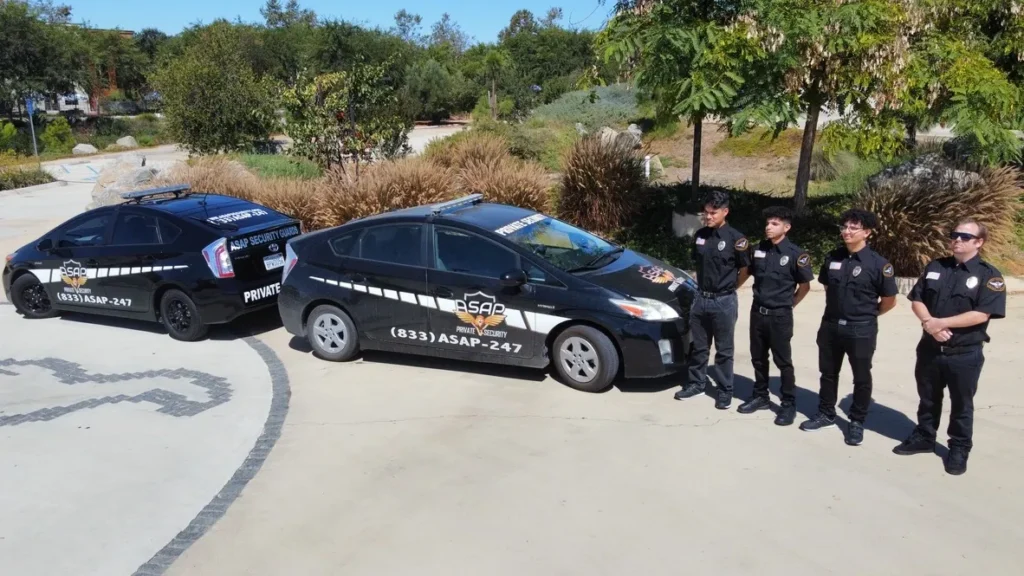
The old image of a security guard as a silent figure in the corner is long gone. In a modern hotel, your security team should be one of the most integrated parts of your staff. They are often the first and last impression a guest has, offering directions, providing escorts, and acting as a reassuring presence in the lobby. This dual role of protector and hospitality professional is what sets an exceptional security service apart. To get the most value from your team, it’s important to see them as more than just guards. This article explores the complete range of hotel security responsibilities, showing how a professional team supports every department and contributes directly to guest satisfaction and safety.
Key Takeaways
- Integrate Security Seamlessly with Hospitality: A professional guard’s role is to enhance the guest experience, not disrupt it. They should balance a visible, protective presence with a friendly, approachable attitude to make guests feel both safe and welcome.
- Build Your Plan Around Proactive Prevention: The most effective security strategies stop incidents before they start. This involves conducting regular risk assessments, maintaining consistent patrols, and controlling access to sensitive areas of your property.
- Prioritize Continuous Training and Collaboration: A prepared security team needs ongoing training in practical skills like de-escalation, first aid, and emergency response. Establishing a clear, collaborative relationship with local law enforcement is also crucial for managing serious situations effectively.
What Are a Hotel Security Guard’s Primary Responsibilities?
A hotel security guard does more than just watch over the lobby. Their role is a careful blend of hospitality and protection, ensuring every guest and staff member feels safe from check-in to check-out. A professional security team acts as your first line of defense, handling everything from routine patrols to unexpected emergencies. Their responsibilities fall into three main categories: protecting people, securing the property, and managing crises. Understanding these core duties helps you see the immense value a dedicated security presence brings to your establishment.
Protecting Guests and Staff
The top priority for any hotel security guard is the well-being of every person on the premises. This involves maintaining a visible yet approachable presence to deter potential issues and reassure guests. Guards monitor common areas like lobbies, pools, and parking lots, ready to respond to any incidents or provide assistance, such as escorting a guest to their room late at night. A professional security presence is fundamental to guest safety and plays a huge role in upholding your hotel’s reputation. When guests feel secure, they can relax and enjoy their stay, which often leads to positive reviews and repeat business.
Securing Property and Assets
Beyond protecting people, guards are responsible for safeguarding the hotel’s physical property and assets. This is achieved through diligent monitoring and proactive measures. Guards conduct regular mobile security patrols of the entire property, checking for signs of unauthorized entry, vandalism, or theft. They keep an eye on surveillance systems to spot unusual activity in real time. By consistently walking the grounds and monitoring key access points, they identify and address vulnerabilities before they can be exploited. This constant vigilance protects your investment and prevents losses from property damage or theft, ensuring the hotel remains a safe and pristine environment for everyone.
Managing Emergencies and Crises
When an emergency happens, a security guard is often the first to respond. Whether it’s a fire alarm, a medical issue, or a security threat, they are trained to act quickly and decisively. Their duties include assessing the situation, providing initial aid if needed, and coordinating with local police or fire departments. They help manage evacuations and secure the scene to ensure a calm and orderly response. This ability to handle high-stress situations is critical. Having a team that offers 24/7 security services means your property and guests are protected around the clock, with professionals ready to manage any crisis effectively.
How Do Guards Keep Guests and Staff Safe?
A professional security guard does more than just stand at a post. Their role is a dynamic blend of vigilance, customer service, and rapid response. By actively engaging with their environment, they create a secure atmosphere where guests feel relaxed and staff can focus on their jobs. A guard’s presence is a powerful deterrent, but their true value lies in the specific, proactive measures they take every day to prevent issues before they start. From walking the halls to managing access points, their work is essential to the smooth and safe operation of any hotel.
Patrolling and Monitoring the Premises
Consistent, visible patrols are the foundation of effective hotel security. Guards are trained to conduct regular circuits of the property, including guest floors, parking areas, lobbies, and event spaces. During these patrols, they aren’t just walking; they are actively looking for anything out of the ordinary, like unsecured doors, suspicious behavior, or safety hazards. This constant movement helps deter potential wrongdoers and allows guards to respond to incidents quickly. Well-executed mobile security patrols also mean that if a guest needs an escort to their car late at night or assistance with a concern, help is always nearby.
Controlling Access and Managing Keys
Managing who comes and goes is critical for protecting both people and property. Hotel security guards are responsible for overseeing key access points, ensuring only registered guests and authorized personnel enter restricted areas. This might involve checking IDs for after-hours entry, monitoring access to staff-only zones like server rooms or cash offices, and managing key card systems. By maintaining strict control over who has access to sensitive locations, guards prevent unauthorized entry and reduce the risk of theft or other incidents. This careful oversight ensures that your hotel remains a private, secure environment for everyone inside.
Preventing and Responding to Incidents
The best security strategy is one that stops problems before they happen. Through diligent patrolling and monitoring, guards can often detect and defuse a situation before it escalates. However, when an incident does occur, a swift and professional response is crucial. Security personnel are trained to handle everything from guest disputes to medical emergencies with calm authority. They know how to de-escalate conflicts, provide initial aid, and coordinate effectively with local law enforcement or paramedics when needed. Having 24/7 security services ensures there is always someone ready to respond, protecting your guests and your hotel’s reputation.
What Skills Does a Hotel Security Guard Need?
A great hotel security guard is much more than a uniform at the door. They are a vital part of your hospitality team, blending vigilance with a welcoming presence. The right person for this role possesses a unique mix of interpersonal abilities, physical readiness, and specialized training. They need to be observant and decisive, capable of spotting a potential threat from across a busy lobby, while also being approachable enough to give a guest directions. This balance is what separates an adequate security presence from an exceptional one that truly enhances the guest experience.
Effective hotel security requires a professional who can seamlessly shift from a customer service role to a first responder at a moment’s notice. They must be able to de-escalate a tense situation with calm authority, coordinate with emergency services, and patrol your property with a sharp eye for anything out of place. Finding a guard with this comprehensive skill set is key to creating a safe and secure environment where guests and staff feel protected. When you partner with a professional security service, you get a team that is vetted and trained in these critical areas, ensuring your property is in capable hands around the clock.
Mastering Communication and People Skills
In a hotel, security guards are constantly interacting with people. They need to communicate clearly and confidently with everyone, from a family asking for directions to a guest who is upset. Strong communication skills are essential for explaining hotel policies, calming tense situations, and getting people to cooperate without being confrontational. A guard’s ability to listen actively and respond with empathy can often prevent a minor issue from becoming a major incident. This blend of authority and approachability makes them an effective part of your private security guards team and a positive reflection of your hotel’s commitment to guest satisfaction.
Meeting Physical and Mental Demands
Hotel security is an active job that requires both physical and mental stamina. Officers must be physically fit enough to conduct long patrols, respond quickly to alarms, and handle emergencies that may require physical intervention. This readiness ensures they can protect themselves and others when seconds count. Just as important is their mental alertness. A guard must remain vigilant throughout their shift, paying close attention to details and recognizing unusual behavior. This constant state of awareness allows them to anticipate problems and act proactively, making mobile security patrol a powerful deterrent to potential threats on your property.
Holding the Right Training and Certifications
Professional training is what ties all of a guard’s skills together. In addition to a state-issued security license, many hotels require certifications in first aid, CPR, and AED use. Proper training ensures guards know how to monitor guest areas, respond to different types of incidents, and provide escort services when requested. A reputable security provider invests in continuous education, covering everything from emergency protocols to the latest security technology. This commitment to training means you have 24/7 security services staffed by professionals who are prepared for any situation, giving you and your guests complete peace of mind.
What Is Technology’s Role in Hotel Security?
In modern hospitality, technology is a security team’s most valuable partner. It’s not about replacing the human element; it’s about enhancing it. The right tech tools give your security guards the ability to see more, respond faster, and manage access with greater precision. By integrating smart systems, you create a seamless security network that protects guests, staff, and property without feeling intrusive. This powerful combination of trained personnel and cutting-edge technology forms the foundation of a truly safe and welcoming environment. Let’s look at how surveillance, access control, and emergency systems work together to make that happen.
Using Surveillance and CCTV
High-definition cameras and comprehensive CCTV systems are your security team’s eyes across the property. But they’re much more than just a recording device for after-the-fact investigations. A professional security team uses surveillance for active monitoring, allowing them to spot and assess potential issues in real time. Well-trained security personnel know how to watch camera feeds to identify unusual behavior and respond before a situation escalates. This proactive approach, supported by 24/7 security services, ensures that all guest areas, from the lobby and hallways to the parking garage, are under a watchful eye, providing a constant and visible deterrent to misconduct.
Implementing Key Card and Access Control Systems
Controlling who can go where is fundamental to hotel security. Modern key card and access control systems are essential for managing this flow. Unlike old-fashioned metal keys, electronic key cards can be programmed to grant access only to specific areas for designated periods. This means a guest’s key works for their room and the pool, but not for restricted staff areas. This technology is invaluable for securing not just guest rooms but also event spaces, fitness centers, and back-of-house operations. For special occasions, a robust access system is a cornerstone of effective event security, ensuring only registered attendees can enter.
Leveraging Alarms and Emergency Communication
When an emergency occurs, every second counts. Integrated alarm and communication systems are critical for ensuring a swift and organized response. This includes everything from fire alarms and panic buttons to modern communication tools that instantly connect the entire security team. Having a strong emergency plan is vital, and technology helps put that plan into action. These systems ensure that if an incident happens, your team can communicate clearly and deploy resources effectively. Whether coordinating with a mobile security patrol or guiding staff through an evacuation, clear communication minimizes panic and helps keep everyone safe.
How Do Security Teams Handle Common Incidents?
Even the most luxurious hotel can face unexpected incidents. From a noisy dispute in the hallway to a sudden medical situation, how your team responds makes all the difference. A professional security team doesn’t just react; they follow established protocols to manage situations efficiently and with minimal disruption. Their primary goal is to resolve issues while maintaining a safe and welcoming atmosphere for every guest. This is where proactive training and clear communication become invaluable.
A well-trained security guard is prepared for a wide range of scenarios. They know how to de-escalate tense situations, act as first responders in an emergency, and deter criminal activity before it happens. This readiness is what transforms a security presence from a simple uniform into a vital part of your hotel’s operations and guest services. Having a team that can handle common incidents with confidence protects your guests, your staff, and your hotel’s reputation. Clear procedures ensure that every event is managed with professionalism and care, reinforcing the sense of safety that guests expect and deserve during their stay. It’s about creating a secure environment where problems are solved before they can disrupt the guest experience.
Handling Guest Disputes and Disturbances
When tensions rise between guests, a security guard’s role is to be a calm and authoritative presence. The first step is always de-escalation. Guards are trained to listen to all sides of a dispute, speak respectfully, and guide the conversation toward a peaceful resolution. They actively monitor common areas like lobbies, bars, and hallways to spot potential conflicts before they escalate. If a guest feels uncomfortable or unsafe, security can provide escort services to their room or vehicle. The objective is to handle these disturbances discreetly and effectively, ensuring the comfort and safety of everyone involved without causing a larger scene.
Responding to Medical Emergencies
In a medical emergency, every second counts. Security guards are often the first on the scene, making their training in first aid and CPR absolutely critical. They are equipped to assess the situation, provide immediate care, and coordinate with paramedics and other emergency services upon their arrival. A professional guard knows how to clear a path for medical teams, keep bystanders calm, and communicate essential information to first responders. This quick, composed action can make a significant difference in the outcome of an emergency, providing a crucial bridge of support until professional medical help takes over.
Preventing Theft and Crime
A strong security presence is one of the most effective deterrents against theft and other crimes. Professional guards help prevent incidents by maintaining high visibility through regular patrols of the property, including parking lots, hallways, and amenity areas. They also monitor surveillance systems to spot and address suspicious activity in real time. By creating an environment where potential criminals feel watched, you significantly reduce the risk of incidents. This proactive approach to private security ensures that guests feel their personal safety and belongings are well-protected throughout their stay, allowing them to relax and enjoy their experience.
What Are the Common Challenges for Hotel Security?
Hotel security presents a unique set of challenges. Unlike other commercial properties, a hotel must create a warm, welcoming atmosphere while upholding strict safety standards. This creates a complex environment where security teams must be discreet yet effective and friendly yet authoritative. Managing these challenges is key to protecting your guests, staff, and reputation.
Balancing Security with Hospitality
The primary challenge is integrating security seamlessly into the guest experience. You want guests to feel safe, not surveilled. This means your security team must act as hospitality ambassadors, not just enforcers. A great security officer maintains a professional presence that deters trouble without disrupting your hotel’s welcoming vibe. They can offer directions or provide an escort, all while staying vigilant. This approach transforms security from an intimidating force into a reassuring service, showing guests you prioritize their well-being. Well-trained private security guards are experts at striking this crucial balance.
Handling a Variety of Guest Scenarios
A hotel is a constantly changing environment, and your security team must be adaptable. One moment they might be helping a lost child, and the next they could be de-escalating a conflict in the lobby. They handle everything from noise complaints and medical issues to intoxicated individuals and potential theft. Each situation requires a specific blend of tact, firmness, and quick thinking. A team trained to manage this wide spectrum of human behavior is essential, especially when hosting large gatherings that require specialized event security. Their ability to handle incidents calmly protects both your guests and your hotel’s reputation.
Identifying Suspicious Activity and Threats
Great hotel security is proactive. A constant challenge is training your team to spot potential threats before they escalate. This goes beyond watching monitors; it requires understanding the hotel’s normal flow of activity. Guards must learn to recognize out-of-place behavior, like someone loitering in a hallway or testing door handles. Consistent mobile security patrols through parking areas, lobbies, and guest floors are vital for this. By identifying and addressing suspicious activity early, your team can effectively prevent crimes like theft and trespassing, ensuring a truly secure environment for everyone on the property.
How Should Security Teams Work with Law Enforcement?
A hotel’s security team is the first line of defense, but their effectiveness multiplies when they have a strong, collaborative relationship with local law enforcement. Think of your security guards as the on-site eyes and ears, capable of handling many situations independently. However, when an incident escalates, a seamless handover to the police is critical for the safety of your guests and staff. This partnership isn’t just about calling 911; it’s about building a foundation of trust and clear communication that makes emergency response faster and more effective.
Professional security teams, especially those with former law enforcement or military experience, understand this dynamic perfectly. They know how to manage a scene until police arrive and how to provide the precise information officers need. This synergy ensures that when a serious situation occurs, there’s no confusion or delay. Instead, you have a well-oiled machine where your private security guards and local police work together to resolve the issue quickly and professionally, maintaining the safe and welcoming environment your guests expect.
Following Reporting and Communication Protocols
Clear rules for communication are the bedrock of a good relationship with law enforcement. Your security team needs to know exactly what warrants a call to the police and how to convey information effectively. This means establishing protocols that define what constitutes a serious incident, removing any guesswork for your guards. When a guard does make the call, they should be trained to provide calm, clear, and concise details to the dispatcher. This includes the nature of the incident, the precise location, and descriptions of any individuals involved. This level of professionalism helps police respond appropriately and builds a rapport that benefits your hotel long-term.
Coordinating an Emergency Response
In any crisis, security guards are the immediate responders. They are the first on the scene to assess the situation, provide first aid if needed, and help guide people to safety. Their role becomes even more crucial when police or paramedics arrive. A well-trained guard can direct emergency services to the exact location of the incident, saving critical seconds. They can also manage the surrounding area, keeping bystanders away and preserving the scene. This on-the-ground coordination is essential for a smooth and efficient response, turning a potentially chaotic situation into a controlled one. This is especially true during large gatherings, where professional event security is a must.
Preserving and Documenting Evidence
After an incident occurs but before police arrive, your security team plays a vital role in protecting the scene. Their first priority is to secure the area to ensure potential evidence isn’t disturbed or contaminated. This simple action can be incredibly important for a police investigation. Just as important is the documentation that follows. Guards must keep detailed logs and write thorough incident reports, capturing everything they observed and did. These records provide an accurate timeline and objective facts that are invaluable to law enforcement. Meticulous observation and reporting are key skills for any security professional, especially those conducting a mobile security patrol.
What Are the Best Training Methods for Hotel Security?
A security guard’s uniform provides a sense of safety, but it’s their training that truly protects your guests, staff, and property. The most effective security teams are built on a foundation of continuous, practical education that prepares them for the unique challenges of a hotel environment. It’s not enough for a guard to just be present; they need the skills to act decisively and professionally under pressure. The best training programs go beyond basic requirements, focusing on real-world application, life-saving skills, and the art of conflict resolution. This commitment to comprehensive training ensures your security team is an asset that enhances your hotel’s reputation for safety and hospitality.
A well-trained guard can identify potential issues before they become problems, handle sensitive situations with tact, and respond to emergencies with calm competence. They understand the delicate balance between being an approachable resource for guests and an authoritative figure when necessary. Investing in a security partner that prioritizes this level of in-depth, ongoing training means you’re not just hiring a guard; you’re integrating a security professional into your team who actively contributes to a positive and secure guest experience. This proactive approach is the difference between simply having security and having a true security solution.
Using Scenario-Based Drills
Reading a manual is one thing, but reacting effectively in a real crisis is another. That’s why scenario-based drills are so important for hotel security. This hands-on training simulates real-life situations, from handling an irate guest at the front desk to responding to a medical emergency or a fire alarm. By walking through these scenarios, security personnel can practice their responses in a controlled environment. This helps them build muscle memory and improve their decision-making skills under pressure, ensuring they can act quickly and correctly when it counts. It’s a practical way to prepare your team for anything that might come their way, reducing hesitation and improving outcomes.
Requiring First Aid and CPR Certification
In a medical emergency, every second matters. A hotel security guard is often the first person on the scene, and their ability to provide immediate assistance can be life-saving. Requiring all security personnel to be certified in CPR and first aid is a non-negotiable standard for guest safety. This training equips them to handle everything from minor injuries to serious events like cardiac arrest until paramedics arrive. Having properly trained private security guards on-site provides immense peace of mind for both guests and staff, demonstrating a clear commitment to their well-being and potentially reducing liability for your establishment.
Teaching De-escalation Techniques
A security guard’s most powerful tool is often their ability to communicate. De-escalation techniques are essential for managing conflicts and resolving tense situations without resorting to force. This training teaches guards how to stay calm, listen actively, and use verbal and non-verbal cues to reduce tension. A guard skilled in de-escalation can prevent a minor disagreement from turning into a major incident, all while maintaining a safe and welcoming atmosphere. This skill is crucial for balancing the dual roles of security and hospitality, ensuring guest issues are handled with professionalism and care, which protects your hotel’s reputation for excellent service.
Conducting Regular Refresher Training
The security landscape is always changing, and so are best practices for handling threats. Training should never be a one-time event. Regular refresher courses are vital for keeping your security team’s skills sharp and up-to-date. This ongoing education ensures they are current on the latest safety protocols, emergency procedures, and any new technologies your hotel implements. Consistent training reinforces good habits and makes sure your team is always prepared to provide effective 24/7 security services. It’s an investment in readiness that pays off by ensuring your security standards remain consistently high and your team is equipped to handle both common and unexpected challenges.
What Legal Requirements Must Hotels Meet?
Running a hotel means juggling countless responsibilities, and one of the most critical is meeting your legal obligations for guest safety and security. These aren’t just bureaucratic hoops to jump through; they are the foundation of a safe, welcoming environment that protects your guests, your staff, and your business. Think of these requirements as a roadmap for creating a secure property where people can relax and feel cared for.
Navigating this landscape involves three main areas: adhering to compliance standards, maintaining meticulous records, and safeguarding guest privacy. Each piece is essential for smooth operations and minimizing liability. While it might seem like a lot to manage on top of daily operations, you don’t have to do it alone. A professional security team can be an invaluable partner, helping you stay on top of these duties. Having trained private security guards on-site ensures that your security protocols are not just policies in a binder, but are actively implemented and managed around the clock. They provide the expertise and vigilance needed to uphold these important legal standards, letting you focus on delivering an exceptional guest experience.
Meeting Compliance Standards
Compliance simply means following the rules. Hotels are subject to a wide range of health and safety regulations that dictate everything from fire code adherence to occupancy limits. These standards are non-negotiable and are put in place to ensure a baseline of safety for everyone on your property. Staying current with local, state, and federal laws protects you from hefty fines and legal trouble, but more importantly, it demonstrates a commitment to your guests’ well-being. A well-trained security team can help by identifying potential compliance issues during their patrols, such as blocked fire exits or safety hazards, giving you an extra set of eyes to keep your property up to code.
Keeping Records and Reporting Incidents
Thorough documentation is your best defense. From the moment a guest checks in, your record-keeping process begins. Maintaining an accurate guest registry is vital for knowing who is on your property at all times. Beyond that, you need a clear and consistent protocol for reporting every incident, no matter how small. Whether it’s a noise complaint or a medical situation, a detailed incident report is crucial for managing liability and identifying areas where your safety measures can be improved. Our 24/7 security services ensure that every event is properly documented by trained professionals, providing you with clear, accurate records whenever you need them.
Protecting Guest Privacy and Rights
In the hospitality industry, trust is everything. Guests provide you with personal information, and they trust you to keep it safe. Protecting this data isn’t just good practice; it’s a legal requirement. You must have secure systems in place to prevent data breaches and ensure confidentiality. Beyond data, guests have a fundamental right to feel safe and secure during their stay. This means creating an environment where security is present but not intrusive. Professional security guards are trained to be a discreet, reassuring presence, respecting guest privacy while remaining vigilant and ready to respond to any threats, ensuring every guest feels both safe and respected.
How Can You Develop a Strong Security Policy?
A strong security policy is the foundation of a safe and welcoming hotel environment. It’s more than just a document filed away in an office; it’s a practical framework that guides your team’s actions every day. Creating one doesn’t have to be complicated. It starts with understanding your specific needs and then building clear, repeatable processes that everyone on your staff can follow.
The goal is to create a proactive security culture, not just a reactive one. This involves four key steps: assessing your unique risks, developing standard operating procedures, training your staff to implement them, and regularly reviewing your approach to stay ahead of new challenges. By breaking it down this way, you can build a comprehensive corporate security policy that protects your guests, your staff, and your property effectively. A well-defined policy empowers your team to handle situations with confidence, ensuring a consistent and professional response no matter what comes their way.
Assess Risks and Threats
Before you can protect your hotel, you need to know what you’re protecting it from. A thorough risk assessment is the first and most critical step. This involves walking through your property and identifying potential vulnerabilities. Think about everything from unsecured entry points and poorly lit parking lots to the potential for guest disputes or theft. Consider both internal and external threats. Your security team should be trained to spot unusual activities and assess potential threats before they escalate. Every hotel is different, so your assessment should be tailored to your specific location, size, and clientele. This foundational analysis will inform every other part of your security plan.
Develop Standard Operating Procedures (SOPs)
Once you’ve identified your risks, you can create Standard Operating Procedures (SOPs) to address them. SOPs are detailed, step-by-step instructions that outline how your staff should handle specific security situations. These procedures ensure consistency and take the guesswork out of incident response. Your SOPs should cover key duties like prevention, protection, and emergency response. Think through common scenarios: How should staff manage access to guest floors? What is the protocol for a medical emergency? Who should be contacted in case of a fire? Having clear procedures ensures your private security guards and staff handle every situation efficiently and professionally.
Implement Policies and Train Staff
A policy is only as good as its implementation. After developing your SOPs, the next step is to train your entire team. This training shouldn’t be limited to your security personnel; every employee, from the front desk to housekeeping, plays a role in maintaining a secure environment. Training should cover essential skills like first aid, CPR, and emergency response procedures. Your team needs to know how to manage guest access, monitor for suspicious behavior, and communicate effectively during a crisis. Regular drills and hands-on training help solidify these procedures, ensuring your staff can act decisively and correctly when it matters most.
Review and Update Policies Regularly
The world of security is always changing, so your policies can’t remain static. It’s essential to review and update your security plan on a regular basis, at least annually or after any significant incident. Use past events as learning opportunities to identify gaps in your procedures. Are your surveillance systems up to date? Is your staff prepared for new types of threats? Regular training and practicing your emergency plan help everyone stay sharp and informed. This continuous cycle of assessment and refinement ensures your security policy remains a relevant and effective tool for protecting your hotel.
Related Articles
- A Manager’s Guide to Hotel Security Guards | ASAP Security Guards
- What Do Overnight Security Guards Actually Do? | ASAP Security Guards
- Physical Security Solutions to Protect Employees & Assets | ASAP Security Guards
- What Do Hospital Security Guards Actually Do? | ASAP Security Guards
Frequently Asked Questions
What’s the difference between having a security guard and just having good cameras? Technology like cameras is a fantastic tool for monitoring and recording, but it’s ultimately a passive one. A professional security guard provides an active, thinking presence. They can interpret what the cameras see in real time, patrol areas cameras can’t reach, and most importantly, interact with people. A guard can de-escalate a situation, provide first aid, or simply offer a guest an escort to their car, providing a level of response and human judgment that technology alone can’t match.
How can a security presence feel welcoming instead of intimidating to my guests? This comes down to hiring the right people and setting the right tone. A great hotel security guard understands they are part of the hospitality team, not just an enforcer. They should be trained in communication and customer service. Their presence becomes reassuring when they are approachable, helpful, and professional. They can offer a friendly greeting, give directions, and assist guests, all while maintaining a vigilant watch over the property. It’s about blending in as a helpful resource, not standing out as an imposing figure.
My hotel already has a security plan. How often should I be reviewing it? A security plan should be a living document, not something you create once and forget. It’s a good practice to review your policies at least once a year. You should also conduct a review after any significant security incident to identify what went well and where there are opportunities for improvement. Regular reviews ensure your procedures stay current with new challenges and that your team remains prepared for any situation.
What kind of training is most important for a hotel security guard? Beyond basic licensing, the most critical training focuses on real-world hotel situations. This includes de-escalation techniques to handle guest disputes calmly and scenario-based drills to practice emergency responses. Certifications in first aid and CPR are also essential, as guards are often the first to arrive at a medical scene. This combination of interpersonal skills and emergency preparedness is what makes a security guard truly effective in a hospitality setting.
What is the security team’s role when local police need to get involved? A professional security team acts as a crucial link between your hotel and law enforcement. Their role is to manage the situation until police arrive, which includes securing the area to preserve evidence and ensuring the safety of bystanders. They are trained to provide clear, accurate information to dispatchers and responding officers, which saves valuable time. This coordination ensures a smooth and efficient handover, allowing law enforcement to handle the situation effectively.
