
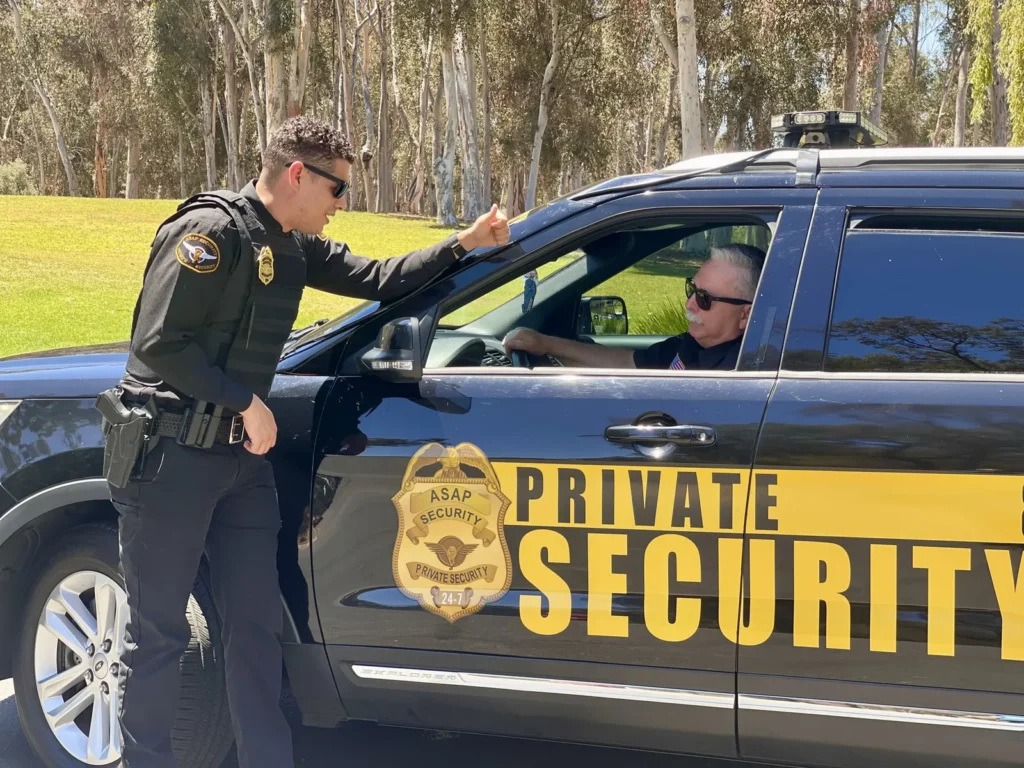
One of the most dangerous assumptions in healthcare is that a hospital’s location dictates its security needs. The reality is that every hospital, regardless of neighborhood, faces internal threats from high-stress situations, workplace violence, and theft. Another common myth is that existing clinical staff can handle security incidents. This places an unfair burden on professionals whose focus should be on patient care. True safety comes from acknowledging that security is a specialized field. This guide will cut through the misconceptions and detail the real hospital security requirements, helping you build a proactive and effective strategy based on facts, not assumptions.
Key Takeaways
- Prioritize specialized training for officers: Your security team needs more than basic skills; they require specific training in de-escalation, HIPAA compliance, and crisis response to effectively manage the unique challenges of a healthcare environment.
- Integrate technology with proactive measures: The most effective security combines smart technology, like access control and surveillance, with proactive steps such as regular risk assessments and comprehensive staff training to prevent incidents before they happen.
- Customize your security plan: Every hospital is different, so a generic security strategy will leave dangerous gaps. A tailored plan based on your facility’s specific layout, risks, and patient population is essential for creating a truly safe environment.
What Are the Requirements for Hospital Security?
Hospitals face unique security challenges, from managing public access to protecting vulnerable patients and staff. Creating a safe environment requires a thoughtful, multi-layered approach that combines technology, trained personnel, and clear protocols. It’s not just about reacting to incidents; it’s about proactively building a secure foundation that supports the hospital’s primary mission of patient care. A robust security framework addresses everything from controlling entry points to navigating complex compliance standards, ensuring every aspect of the facility is protected.
The Building Blocks of Hospital Security
A truly effective hospital security strategy is built from several interconnected layers working together. Think of it as a complete system, not just a single solution. The core components include modern access control systems to manage who goes where, advanced video surveillance for monitoring, and reliable alarm systems. But technology is only part of the equation. The most critical element is a team of highly trained security officers who provide around-the-clock protection. These professionals are your first line of defense, actively patrolling the premises, monitoring camera feeds, and responding immediately to any incidents that arise. Their presence alone is a powerful deterrent.
Meeting Compliance and Standards
Beyond physical and technological measures, hospital security must operate within a strict framework of rules and regulations. Patient privacy is paramount, so all security protocols, especially those involving video surveillance, must comply with HIPAA guidelines. This ensures sensitive information is protected while maintaining a safe environment. Every hospital needs a comprehensive security plan tailored to its specific layout, risks, and needs. This plan should detail everything from risk assessments and emergency response protocols to staff training on conflict resolution. Since security requirements can differ based on state and local regulations, it’s essential to develop a strategy that meets all legal standards while effectively addressing your facility’s unique challenges.
What Are a Hospital Security Guard’s Key Responsibilities?
A hospital security guard’s role is multifaceted, blending vigilance with a high degree of interpersonal skill. They aren’t just there to stand watch; they are an active part of the hospital’s daily operations, ensuring a safe environment for everyone who walks through the doors. From managing access points to being the first to respond during a crisis, their duties are critical to maintaining order and safety. A professional security team acts as the backbone of a hospital’s safety plan, providing peace of mind to staff, patients, and visitors alike. Let’s look at the core responsibilities that define their work.
Protecting Patients and Visitors
Hospital security guards are often the first and last people that patients and visitors interact with. This makes their role a unique blend of security and customer service. They guide lost visitors, offer a reassuring presence in stressful situations, and maintain a calm, orderly environment in waiting rooms and common areas. While they need to be approachable, they also must be prepared to handle difficult situations with empathy and firmness. A well-trained private security guard knows how to de-escalate potential conflicts and provide assistance, ensuring every person feels safe and respected from the moment they arrive.
Responding to Emergencies
In a hospital, emergencies can range from medical codes to fires or security threats. Security officers are trained to be immediate responders, acting quickly to manage the situation until other first responders arrive. They are responsible for responding to alarms, helping to coordinate evacuations, and securing areas during a crisis. Their ability to react swiftly and follow established protocols is essential for protecting lives and property. Having a dedicated 24/7 security service ensures that your facility is prepared to handle any emergency, at any time of day or night, without hesitation.
Controlling and Monitoring Access
Hospitals have many sensitive areas, such as pharmacies, maternity wards, and operating rooms, that require strict access control. Security guards manage these entry points, verifying credentials and ensuring only authorized personnel can enter. They monitor visitor traffic, issue badges, and use technology like key card systems to track who is coming and going. This careful monitoring prevents unauthorized access, protects patient privacy, and secures valuable medical supplies and equipment. By maintaining a secure perimeter and controlling internal access, guards play a vital role in preventing theft and other security breaches.
Documenting and Reporting Incidents
Clear and accurate documentation is a crucial part of a security guard’s job. They are responsible for writing detailed reports on any incidents that occur, from a slip-and-fall to a security threat. These reports serve as official records for hospital administration and can be vital for investigations or legal purposes. Guards also maintain daily activity logs, noting any unusual observations or security checks they perform. This meticulous record-keeping ensures accountability and provides valuable data that can be used to identify security trends and improve safety protocols over time.
What Training Do Hospital Security Officers Need?
A hospital security officer is a unique blend of first responder, customer service agent, and safety professional. Their role goes far beyond simply monitoring doors; they are an active part of the care environment. Because of this, their training must be comprehensive, covering not just standard security protocols but also the specific sensitivities and challenges of a healthcare setting. The right training program builds officers who can protect people and property while contributing to a calm and healing atmosphere.
Effective training starts with a rigorous screening process and builds from there. It layers foundational security skills with specialized healthcare knowledge and critical life-saving certifications. This ensures that every officer is prepared to handle the wide range of situations they might encounter, from a simple request for directions to a high-stakes emergency. A well-trained team is the cornerstone of any successful hospital security plan, providing peace of mind for staff, patients, and visitors alike.
Education and Background Checks
Before any training begins, a candidate must meet essential baseline requirements. This typically includes having a high school diploma or GED, being of legal age, and having authorization to work in the U.S. More importantly, every potential officer must undergo a thorough and rigorous background check. This is a non-negotiable step to ensure that only trustworthy and reliable individuals join your security team. The screening process goes deep, including a comprehensive criminal history check, drug testing, and verification of past employment and education. This vetting process confirms an individual’s integrity and suitability for a position of trust within a sensitive environment like a hospital.
Foundational Security Training
Once a candidate is cleared, they must complete foundational security training. This is the bedrock of their skill set, covering the essential duties and legal responsibilities of a security professional. Most states require officers to complete a Basic Security Officer Training (BSOT) course and obtain a security license. This training covers critical topics like observation and reporting, patrol techniques, emergency procedures, and the appropriate use of force. This ensures every officer, whether providing private security for an individual or securing an entire campus, understands the core principles of the job before taking on more specialized roles.
Specialized Healthcare Security Training
A hospital is not a typical corporate office or retail store, and its security training can’t be either. Officers need specialized training tailored to the unique dynamics of a healthcare environment. This includes learning how to interact with patients and families who may be under extreme stress, understanding patient privacy under HIPAA, and recognizing the signs of escalating behavior. Effective programs also cover hospital-specific protocols, such as how to respond to different emergency codes and work alongside clinical staff during a crisis. This advanced training equips officers to handle sensitive situations with the compassion and professionalism that a healing environment demands.
Essential Certifications: CPR, First Aid, and De-escalation
Beyond general training, specific certifications are vital for hospital security officers. Certifications in CPR and First Aid are often required, allowing officers to act as immediate responders in a medical emergency until clinical help arrives. Equally important is formal training in de-escalation techniques. This teaches officers how to verbally defuse tense and potentially violent situations, protecting staff, patients, and visitors from harm. By learning to manage aggressive behavior calmly and effectively, officers can prevent incidents from escalating, reducing the need for physical intervention and ensuring a safer environment for everyone.
What Security Technology Do Hospitals Use?
Modern hospital security is a powerful combination of highly trained personnel and sophisticated technology. While a security officer’s presence is irreplaceable, technology acts as a force multiplier, extending their sight, reach, and response capabilities. These systems work together to create a layered defense that protects patients, staff, and sensitive assets around the clock. Integrating the right tools allows security teams to work smarter, respond faster, and prevent incidents before they happen. This synergy between people and technology is what makes a hospital’s security plan truly effective.
Access Control Systems
Hospitals are complex environments with areas that require strict entry limitations, like pharmacies, operating rooms, and patient record storage. Access control systems are the gatekeepers for these sensitive zones. Instead of traditional locks and keys, these systems use electronic methods like key cards, fobs, or even biometric scanners that read fingerprints. This ensures only authorized personnel can enter restricted areas, creating a clear audit trail of who went where and when. A well-managed access control system is a foundational element of hospital security, providing a simple yet powerful way to protect critical assets.
Video Surveillance Networks
Advanced video surveillance is a cornerstone of hospital safety, providing eyes on everything from busy emergency room entrances to quiet hallways. These camera networks offer real-time monitoring, allowing security teams to keep a constant watch over the entire facility. More than just a deterrent, surveillance footage is an invaluable tool for investigating incidents and identifying security vulnerabilities. When combined with active mobile security patrol, these systems ensure that every corner of the hospital is accounted for, creating a safer environment for everyone inside.
Emergency Communication Systems
During a crisis, clear and rapid communication can make all the difference. Hospitals rely on Emergency and Mass Notification Systems (ENS) to instantly disseminate critical information to staff, patients, and visitors. Whether it’s a medical emergency or a security threat, these systems can send out messages through multiple channels at once, including text messages, emails, and public address announcements. This ensures that everyone receives timely, consistent instructions on what to do. An effective ENS is vital for coordinating an orderly response and minimizing panic in high-stress situations.
AI-Powered Monitoring and Alerts
Artificial intelligence (AI) is taking video surveillance to the next level. Instead of security personnel having to watch dozens of screens at once, AI-powered systems can analyze video feeds in real time to identify potential threats automatically. For example, AI can be trained to detect weapons or recognize aggressive behavior far more quickly than the human eye. When the system detects a threat, it sends an immediate alert to the security team. This technology allows 24/7 security services to respond proactively, stopping incidents before they escalate.
How Do Hospitals Handle Common Security Challenges?
Hospitals are unlike any other environment. They are open to the public 24/7, filled with people experiencing intense emotions, and home to valuable equipment and controlled substances. This unique combination creates specific security challenges that require a thoughtful and strategic approach. A successful hospital security plan doesn’t just react to incidents; it proactively addresses the root causes of common issues, from managing tense situations in the emergency room to securing sprawling campuses with multiple buildings. By understanding these challenges, hospital administrators can implement effective solutions that protect patients, staff, and property without disrupting the healing environment.
Managing High-Stress Environments
The very nature of a hospital creates a high-stress atmosphere. Patients and their families are often dealing with fear, grief, and anxiety, which can sometimes lead to agitation or aggression. A key strategy for managing this is maintaining a visible, professional security presence. Well-trained security officers act as a calming force, using de-escalation techniques to resolve conflicts before they intensify. Their role isn’t just to enforce rules but to provide assistance and reassurance. By handling tense situations with empathy and authority, security teams help maintain a safe and orderly environment for everyone. This approach ensures that the focus remains on patient care, even during difficult moments.
Securing Large Areas and Blind Spots
Hospital campuses are often vast and complex, with numerous entrances, long corridors, and isolated wings that can create security blind spots. To counter this, hospitals use an integrated security strategy that combines technology with on-the-ground personnel. Advanced video surveillance systems monitor hallways, parking lots, and other critical areas around the clock. However, cameras alone aren’t enough. These systems are most effective when paired with mobile security patrols that can provide a physical presence throughout the facility. This combination ensures comprehensive coverage, deters potential wrongdoers, and enables a rapid response to any incidents that may occur, no matter where they happen on the property.
Protecting Vulnerable Patients and Controlled Substances
A hospital’s primary mission is to care for the vulnerable, and its security plan must reflect that. Patients need to feel safe to recover, which means protecting them from internal and external threats. At the same time, hospital pharmacies store large quantities of controlled substances, making them a target for theft. Hospitals address these risks by implementing strict access control measures for sensitive areas like maternity wards, pediatric units, and pharmacies. Professional private security guards are essential for enforcing these protocols, verifying credentials, and ensuring that only authorized individuals can enter restricted zones, safeguarding both patients and valuable assets.
Preventing Workplace Violence
Healthcare workers face a disproportionately high risk of violence on the job, particularly in emergency departments and psychiatric units. According to one report, nearly a quarter of nurses have been physically assaulted at work. To protect their staff, hospitals implement robust violence prevention programs. These often include training employees to recognize and de-escalate aggressive behavior, installing panic buttons in high-risk areas, and ensuring a strong security presence. Having visible, highly trained security officers on-site serves as a powerful deterrent and provides staff with the confidence that help is immediately available if a situation turns hostile, creating a safer workplace for dedicated medical professionals.
What Are the Emergency Protocols for Hospital Security?
In a hospital, an emergency can unfold in seconds. Whether it’s a medical crisis, a security threat, or an external disaster, a swift and organized response is critical. This is where emergency protocols come in. These aren’t just dusty binders on a shelf; they are clear, actionable plans that guide every action when things go wrong. A well-defined protocol turns chaos into a controlled procedure, ensuring the safety of everyone from patients in the ICU to staff in the cafeteria.
Effective emergency plans rely on a security team that is trained, prepared, and ready to act decisively. These officers are the backbone of any hospital’s emergency response, responsible for executing protocols with precision. They manage everything from directing foot traffic during an evacuation to coordinating with first responders during a crisis. Having a professional 24/7 security service ensures there is always a team on-site to implement these life-saving measures, no matter when an emergency strikes. The goal is to create a predictable response to unpredictable events, safeguarding people and property under pressure.
Responding to Medical Emergencies
When a medical emergency happens outside of a patient room, like in a lobby or hallway, security officers are often the first to arrive. Their role is immediate and twofold: secure the area and provide initial support. They are trained to create a safe perimeter, keeping onlookers at a distance so that doctors and nurses have the space to work without interference. This quick action prevents a medical situation from becoming a chaotic scene.
Beyond crowd control, many hospital security officers are certified in CPR and first aid. As the first line of defense, their ability to perform these basic life-saving techniques can be crucial in the moments before a clinical team takes over. They act as a vital bridge, ensuring the patient gets immediate attention while also maintaining order and communicating essential information to the incoming medical staff.
Handling Security Threats
Hospitals are high-stress environments, and emotions can run high. Security threats often come from agitated patients, distressed family members, or individuals causing a disturbance. A key protocol for hospital security is knowing how to handle these situations with calm authority. The primary goal is always de-escalation, using specific communication techniques to defuse tension and resolve conflict before it becomes physical.
Well-trained private security guards are skilled at identifying escalating behavior and intervening appropriately. They are prepared to manage individuals who are acting out, ensuring the safety of staff, patients, and visitors. Their presence alone can deter disruptive behavior, but when incidents occur, they follow strict protocols to contain the threat and restore a safe environment for everyone.
Executing Evacuations and Lockdowns
A major incident like a fire, bomb threat, or active assailant requires a large-scale, coordinated response. Hospital security protocols must clearly outline procedures for both evacuations and lockdowns. During an evacuation, security officers guide people along safe, predetermined routes, assist those with mobility issues, and perform sweeps to ensure no one is left behind. Their calm direction is essential to prevent panic and keep the process orderly.
In a lockdown situation, the protocol is reversed. Security’s job is to secure the facility from an internal or external threat by controlling all entry and exit points. They ensure doors are locked, access is restricted, and everyone remains in a secure location until the threat is neutralized. These clear, practiced plans are fundamental to protecting hundreds or even thousands of people within the hospital’s walls.
Coordinating with Law Enforcement
During a major crisis, hospital security and local law enforcement must work as a single, cohesive unit. Emergency protocols establish a clear chain of command and communication for this partnership. When police or fire departments arrive, security officers are their on-the-ground contacts. They provide vital intelligence, including facility layouts, the nature and location of the threat, and real-time updates.
This seamless coordination is critical for a fast and effective response. A professional security team, especially one with officers who have prior law enforcement or military experience, understands how to communicate efficiently with first responders. Having armed security guards on-site can also provide an immediate, decisive response while waiting for police to arrive, bridging a critical gap during an active threat.
How Can Hospitals Weave Security into Daily Operations?
Integrating security into a hospital’s daily functions is about more than just placing guards at entrances. It’s about creating a seamless culture of safety where security measures support the primary mission of patient care. When security is woven into the operational fabric, it becomes an intuitive part of the environment, reassuring patients, staff, and visitors without creating an atmosphere of fear or anxiety. This approach transforms security from a reactive force into a proactive system that anticipates needs and prevents incidents before they happen.
A truly integrated security plan is comprehensive, touching every aspect of the hospital experience. It starts with understanding that a hospital is a unique environment, a place of healing that is also susceptible to high-stress situations, emotional distress, and potential threats. The key is to implement security protocols that are both effective and empathetic. This involves carefully balancing visible security presence with discreet technological monitoring, training all staff to be active participants in safety, and ensuring that every security action is performed with respect for patient dignity and privacy. By focusing on these core areas, a hospital can build a secure foundation that allows medical professionals to focus on what they do best: caring for people.
Balancing Security with Patient Care
Hospitals are places of healing, but the high emotions and stress inherent in a medical setting can sometimes lead to conflict. The challenge is to establish a secure environment that doesn’t feel cold or intimidating. Effective security enhances the feeling of safety, which is essential for patient recovery. This balance is achieved through a thoughtful strategy that combines visible deterrents with a human touch. Professional private security guards trained for healthcare settings know how to be a calming, authoritative presence. They can assist visitors with directions, help manage access points, and de-escalate tense situations with compassion, becoming a supportive part of the hospital’s care team rather than just an enforcement arm.
Training Staff in Violence Prevention
Security is a shared responsibility, and your first line of defense is often your own staff. Equipping every hospital employee, from nurses and doctors to administrative and janitorial staff, with violence prevention skills is critical. This training should teach them how to recognize early warning signs of agitation or aggression and how to respond calmly and effectively. By learning verbal de-escalation techniques, staff can often defuse a volatile situation before it requires intervention from security personnel. This proactive approach empowers your team, reduces incidents, and contributes to a safer and more collaborative atmosphere for everyone within the hospital walls.
Applying De-escalation and Conflict Resolution
While all staff can benefit from basic training, your security officers require specialized skills to manage the unique challenges of a healthcare environment. Hospital security personnel must be experts in more than just observation and physical intervention; they need advanced training in de-escalation, conflict resolution, and crisis management. These skills allow them to handle individuals who may be under emotional distress, impaired, or suffering from a mental health crisis with minimal force and maximum empathy. This specialized approach is a core component of effective corporate security services for healthcare facilities, ensuring that every interaction prioritizes the safety and dignity of patients and staff.
Maintaining HIPAA and Privacy Compliance
In a hospital, protecting patient information is just as important as protecting people and property. Every security measure, particularly technology like video surveillance systems, must be implemented in strict compliance with the Health Insurance Portability and Accountability Act (HIPAA). This means cameras should be strategically placed in public areas like lobbies, hallways, and parking lots, but never in patient rooms or treatment areas where privacy is expected. A professional security partner understands these legal and ethical boundaries. They can help you design and manage a surveillance system that enhances safety while safeguarding patient confidentiality, building trust and protecting your facility from potential legal liabilities.
What Are the Best Practices for Hospital Security?
Creating a truly secure hospital environment goes beyond simply hiring guards and installing cameras. It requires a thoughtful, proactive strategy that integrates people, technology, and processes. The most effective security plans are living documents, constantly adapting to new challenges and insights. By adopting a few key best practices, you can build a resilient security framework that protects everyone who walks through your doors, from patients and their families to your dedicated staff. These practices focus on prevention, preparedness, and smart resource allocation, ensuring your security measures are both effective and sustainable.
Conduct Regular Risk Assessments
The first step to solving a problem is identifying it. Regular security risk assessments are your way of finding and fixing weak spots before they can be exploited. This involves a thorough review of your hospital’s physical layout, existing security protocols, and potential threats. Think of it as a preventative check-up for your facility’s safety. A professional assessment can uncover vulnerabilities you might overlook, like poorly lit parking areas, outdated access points, or gaps in surveillance coverage. By proactively identifying these risks, you can develop targeted solutions and make informed decisions about where to invest your security resources for the greatest impact.
Implement Comprehensive Staff Training
Your security team can’t be everywhere at once, which is why it’s essential to empower your entire hospital staff with the right training. When every employee, from nurses to administrative staff, understands basic security protocols and de-escalation techniques, they become an active part of the solution. Training should cover how to recognize and report suspicious behavior, what to do in an active threat situation, and how to manage agitated patients or visitors. Equipping your team with conflict resolution skills can prevent many situations from becoming violent, creating a safer environment for everyone and allowing your private security guards to focus on more serious threats.
Integrate and Update Technology
Modern hospital security relies on a smart combination of advanced technology and skilled human oversight. Tools like AI-powered surveillance, automated access control systems, and instant communication devices can dramatically improve your security team’s efficiency and effectiveness. For example, AI can monitor camera feeds around the clock, detecting threats faster than the human eye ever could. However, technology is only as good as the people operating it. The key is to integrate these systems with a well-trained security force that can interpret alerts, manage systems, and provide a physical presence when needed, ensuring 24/7 security services that are both high-tech and high-touch.
Plan a Cost-Effective Strategy
While security is a significant investment, the cost of a major incident is far greater. A well-planned security strategy is not about spending the most money; it’s about spending money wisely. A proactive approach helps prevent incidents that could lead to costly legal battles, reputational damage, and loss of patient trust. The right security partner will work with you to develop a customized plan that addresses your specific risks and fits within your budget. This might involve a mix of on-site guards, mobile security patrols for larger campuses, and technological solutions to provide comprehensive coverage that is both effective and financially sustainable.
Debunking Common Hospital Security Myths
When it comes to hospital security, a few persistent myths can stand in the way of creating a truly safe environment. These misconceptions often lead to gaps in protection, putting patients, staff, and valuable assets at risk. Believing that existing staff can handle complex security situations or that a facility’s location makes it immune to threats are common but dangerous assumptions. Let’s clear up some of these ideas and get to the heart of what effective hospital security really looks like. By understanding the reality of the challenges hospitals face, you can build a security strategy that is proactive, comprehensive, and tailored to your specific needs.
Myth: Hospital Staff Can Handle Security
It’s tempting to think that nurses and administrative staff can manage security issues as they arise, but this puts an unfair and unsafe burden on them. Their primary focus is patient care, and they aren’t trained to handle aggressive behavior, de-escalate violent situations, or manage access control. True healthcare security is a specialized field that involves much more than just watching doors. It requires professionals who can manage difficult patient interactions, respond to medical and security emergencies, and protect the entire hospital community. Relying on untrained staff creates significant risks and pulls them away from their critical, life-saving duties.
Myth: Security Can Be Added Later
Treating security as an add-on after a hospital is built or renovated is a common and costly mistake. An effective security plan should be woven into the facility’s design from the very beginning. Integrating security measures during the architectural planning phase allows for the strategic placement of cameras, access control points, and security stations. This proactive approach is far more effective and budget-friendly than trying to retrofit a building later. Thinking about security from day one ensures that protective measures are seamless, efficient, and built to address the unique layout and workflow of your hospital.
Myth: “Safe” Neighborhoods Don’t Need Security
No hospital is immune to security threats, regardless of its location. Crime can happen anywhere, and hospitals are inherently vulnerable due to their 24/7 operations, high-stress environments, and open-door policies. The presence of valuable medical equipment and controlled substances can also make them targets. A hospital in a quiet suburb faces many of the same internal risks, like workplace violence or patient-related disturbances, as one in a dense urban area. Assuming a “safe” neighborhood provides enough protection is a gamble that puts your patients and staff at unnecessary risk. Consistent, professional security is essential everywhere.
Myth: One-Size-Fits-All Security Works
Every hospital is different, with its own unique layout, patient population, and specific challenges. A security plan that works for a small, specialized clinic won’t be sufficient for a large, multi-building medical center. Applying a generic, cookie-cutter security strategy ignores these critical differences and leaves dangerous gaps in your defenses. A truly effective approach requires a customized plan based on a thorough risk assessment of your specific facility. This ensures your security services are tailored to address your most pressing vulnerabilities, from securing the emergency department to monitoring parking structures.
Related Articles
- What Do Hospital Security Guards Actually Do?
- Hospital Security Services: How To Maintain A Safe Environment
- Hospital Security Services: Ensuring Safety & Comfort
Frequently Asked Questions
Why can’t my existing hospital staff just handle security issues? While your clinical and administrative staff are experts in their fields, they aren’t trained security professionals. Asking them to manage conflicts or respond to threats puts them at risk and distracts them from their primary mission of patient care. Professional security officers have specialized training in de-escalation, emergency response, and conflict resolution, allowing them to handle difficult situations effectively so your medical team can focus on healing.
How do security measures like cameras work with patient privacy laws like HIPAA? This is a critical consideration, and a professional security plan is built around it. Security technologies are implemented strategically to protect people while respecting privacy. For example, video surveillance is used to monitor public areas like lobbies, hallways, and parking lots, but it is never placed in patient rooms or treatment areas. A knowledgeable security partner ensures all protocols and technologies are fully compliant with HIPAA, safeguarding both patient safety and their confidential information.
What makes hospital security training different from other types of security training? Security for a hospital is completely different from security for a retail store or an office building. Officers in a healthcare setting need specialized training that goes beyond basic patrol and observation. They learn how to interact with patients and families who are under immense stress, understand patient privacy laws, and recognize the signs of escalating behavior. This training focuses heavily on verbal de-escalation and crisis intervention, equipping them to maintain a calm, healing environment.
My hospital is in a safe area. Do I really need a dedicated security team? A hospital’s security risks often come from within its own high-stress environment, not just the surrounding neighborhood. Issues like agitated patients, distressed family members, or workplace violence can happen anywhere. A dedicated security team is essential for managing these internal challenges and protecting vulnerable patients and valuable assets like controlled substances. Proactive security is about preventing incidents, regardless of your location.
How can I create a security plan that is effective without being too expensive? A smart security strategy is about making strategic investments, not just spending more money. The most cost-effective approach begins with a professional risk assessment to identify your facility’s specific vulnerabilities. This allows you to build a customized plan that allocates resources where they are needed most. Combining on-site guards with technological solutions like mobile patrols and AI-powered monitoring can provide comprehensive coverage that is both highly effective and financially sustainable.
