
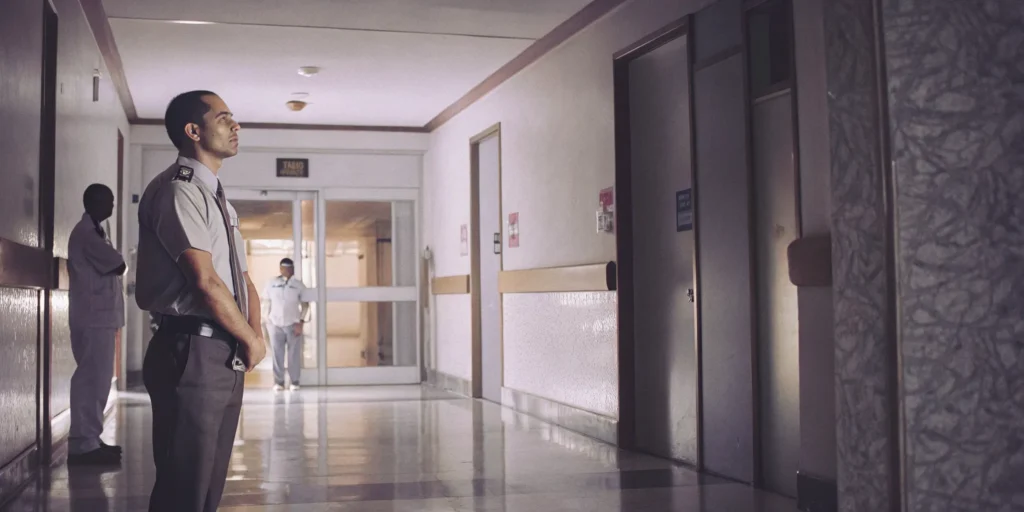
Violence in healthcare settings is rising, with 18 percent of hospital assaults now happening in emergency rooms. Protecting staff and patients in this high-stakes area requires a strong safety plan built on proven hospital security protocols.
Call (833) 272-7247 today to schedule a free security consultation for your healthcare facility and ensure your hospital security protocols are up to standard.
Effective hospital security protocols use a mix of trained guards, layered access control, and state laws to keep patients, staff, and high-value medicine safe from rising threats. In California, healthcare sites must follow Cal/OSHA Section 3342, which requires a written plan and a detailed log to track every safety event. These steps include specialized guards trained to calm people in the ER, where nearly 20 percent of hospital attacks occur daily according to state data. Modern programs also use high-tech cameras, metal detectors, and GPS tracking to maintain total watch while keeping the area welcoming for those seeking medical care.
Managing these safety risks requires a clear grasp of state laws and the specific needs of local clinics. From dense urban centers in Los Angeles to smaller offices in San Diego, every facility faces a different set of challenges. The path to better safety begins with understanding the unique security landscape of Southern California healthcare.
Hospital Security Protocols: The Unique Security Landscape of Southern California Healthcare
Healthcare centers in Southern California face a complex mix of safety risks. Dense urban hubs in Los Angeles and San Diego bring high foot traffic to local clinics. At the same time, state rules set high goals for worker safety. Facility managers must balance an open, caring space with the need for tight hospital security protocols. This task is hard in a region where local laws change fast and patient needs vary by neighborhood.
Rising risks in high-stress units
Violence is a real threat for medical staff across the state. A study by Conn and Lion shows that 41% of hospital assaults occur in psychiatric units. The same data shows that 18% of these events happen in emergency rooms. Because of these risks, Cal/OSHA Section 3342 now requires a written workplace violence prevention plan specifically tailored to healthcare settings. Under these strict mandates, hospitals must implement active violent incident logs, perform regular environmental risk assessments, and provide specialized training to all personnel.
Demographic and geographic factors
SoCal’s demographic profile creates unique operational challenges. Spanning San Diego, Los Angeles, Orange County, Riverside, and San Bernardino, healthcare facilities navigate high-density, multicultural populations with distinct security needs. In urban hubs like LA and San Diego, high volume and long ER wait times can escalate patient and visitor frustration. Meanwhile, in expanding suburban and semi-rural areas like Riverside and San Bernardino, large, sprawling campuses present broader perimeters that are harder to patrol. Managing these regional differences requires localized security planning that accounts for community demographics and language barriers.
New laws for weapons detection
California is taking bold steps to stop armed threats in medical hubs. A new state law requires hospitals to set up weapons detection systems at all public doors by 2027. This move aims to keep guns and knives out of patient areas. For sites in Orange County or the Inland Empire, this means planning for new tools and staff now. Failure to meet these goals could lead to big fines and safety gaps. Healthcare facilities should consult the California Hospital Association safety guidelines for the latest compliance requirements.
Regional expertise through elite training
National firms often lack the local touch needed for California rules. ASAP Security Guards brings an edge with its deep roots in the region. The team holds a federal GSA contract and uses SCOPUS-certified staff from its own online academy. In healthcare environments, SCOPUS certification ensures that officers are trained in verbal de-escalation, patient-privacy preservation, and medical-incident response. These officers know how to handle the unique needs of Riverside and San Bernardino facilities. With bilingual skills and real-time reporting, they provide a level of care that meets both state and federal standards as part of our corporate security for healthcare organizations.
Why Is Emergency Department Security the Highest-Risk Area?
Emergency rooms face more threats than most other parts of a hospital. High stress and long wait times often lead to tense moments for patients and staff. A study shows that 18% of hospital assaults happen in the ER. To keep people safe, guards must stay alert and follow hospital security protocols at all times.
Smart access and screening steps
Good safety starts at the door. Most large hospitals now use metal wands or scan systems at ER entries. These tools help find weapons before they enter the building. A steady security presence for 24 hours a day is also a must for these sites. Guards watch for signs of trouble in the lobby and triage areas. They check the badges of all staff and visitors to prevent people from entering without a pass. This layered plan keeps the area secure while letting care teams work without fear.
Proper screening reduces the risk of workplace violence and makes patients feel more at ease. When people see a professional guard, they know the hospital takes their safety seriously. For help with your site, read our hospital security assessment guide.
Crisis response and language skills
When a crisis occurs, teams use clear signals to respond. A “Code Gray” is a common call for a security alert. It brings guards to a spot to stop a threat or calm a situation. Another vital call is “Code Pink,” which signals a possible infant abduction. Modern teams also learn CPI-based crisis training to de-escalate conflicts. This method helps guards use words instead of force. In Southern California, bilingual guards are very helpful in these spots. They can talk to families and patients in their own language to lower stress and prevent fights.
Psychiatric patients and staff safety
ERs often care for people in a mental health crisis. These patients may be under a 72-hour hold for their own safety. These cases need a soft but firm touch from trained guards. Officers follow strict rules to protect patient rights and staff safety while staying near the patient. In some high-risk cases, a facility may need armed security guards for extra safety. These officers have the training to manage high-threat areas where drugs are kept. Most ERs find that a mix of armed and unarmed guards provides the best balance.
Outpatient Clinic and Medical Office Security
Clinic rooms in SoCal face unique risks near large wards. Many sites sit in busy strip malls or office parks in San Diego and Los Angeles. Since these sites use an open plan, they have less safety gear than a hospital. A small staff and high patient load can make it hard to spot threats. Our team helps these sites set up 24/7 security guard services to close gaps and keep staff safe.
Visitor checks and HIPAA rules
Watching the flow of people is the first line of defense. Unlike a locked hospital ward, a clinic often lets anyone walk in off the street. Front desk staff may be too busy to check every guest. Safety guards help by running the sign-in process and watching the lobby. They act as a calm but firm presence that stops trouble early. Guards must follow workplace violence prevention laws and HIPAA rules. Our team gets training to protect private health data while keeping the space safe.
Parking lot safety and night needs
Many clinic safety issues happen outside. In SoCal office parks, parking lots are often dark or poorly watched at night. Staff and patients may feel unsafe walking to their cars after late visits. Safety guards provide escort services and do regular walks to stop crime. They use GPS logs to show that every part of the lot is checked on time. This physical presence cuts the risk of car theft or threats. Night help is vital for clinics that stay open late. Having a guard on site lets staff focus on care instead of watching the door.
Selecting armed or unarmed guards
Picking the right level of force is a key step. For most low-risk medical rooms, unarmed guards are the best choice. They provide a calm space while still acting as a strong deterrent. But clinics with a pharmacy may need armed guards. High-value drugs are a top target for theft. An armed guard can stop a bold robbery. Managers should use a safety assessment to decide which guard type fits their risk level. We also advise using panic buttons and silent alarms to call for help fast during a crisis. These tools link to our 24/7 dispatch hub to keep hospital security protocols strong.
Pharmaceutical Security: Protecting Medications and Supply Chains
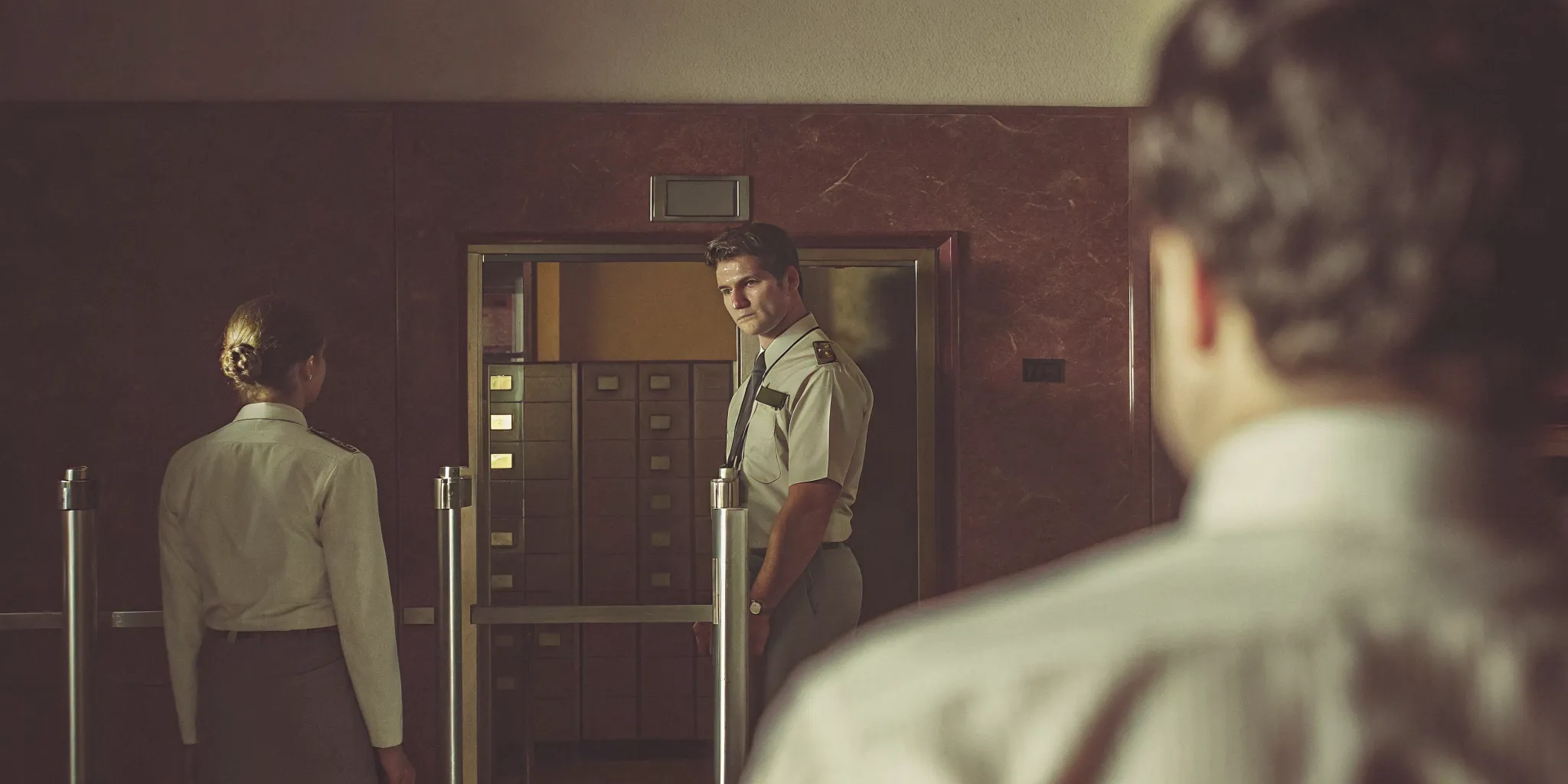
Hospital pharmacies hold high-value drugs that are prime targets for theft and internal loss. To keep these areas safe, site leaders must set up strict hospital security protocols that focus on both physical locks and human oversight. These steps help stop the loss of Schedule II through V drugs which the DEA tracks very closely.
Compliance with DEA and Cal/OSHA standards
Following federal and state laws is the first step in drug safety. The DEA has clear rules for how hospital staff must store and track drugs. California laws also state that alarm systems are needed in any area where drugs are stored. These alarms must alert security staff fast so they can stop theft before it happens. The risk of internal loss is just as high as theft from the outside. Staff often have easy access to drug lockers. This can lead to theft if no one is watching. A strong plan uses daily logs to spot patterns of loss or risk.
Armed security and access control
Since pharmacies handle strong drugs, a visible guard is often the best way to deter crime. Many experts suggest using armed security guards for medical sites that keep many drugs. Armed officers give a fast response if a robbery occurs. Their presence alone often stops people from trying to break in. Access control is another key part of this plan. Modern hospitals use badge readers and biometric scans to limit who can enter the pharmacy. This creates a digital trail of every person who goes near the drug supply. When you combine these locks with a guard, you create a deep defense that is hard to breach.
Daily reporting and audit trails
Simple paper logs are no longer enough to meet safety needs. Many Southern California hospitals now use digital tools for real-time reports. These tools track where guards are and what they see during their shifts. This data helps bosses verify that staff are checking drug rooms on time and following all rules. GPS logs give an extra layer of trust for hospital leaders. These time-stamped reports show exactly when a guard checked a pharmacy door or an alarm panel. This clear trail is helpful during audits or after a crime.
How Can Healthcare Facilities Prevent Workplace Violence?
Staff safety is a key goal for healthcare leaders today. In California, laws like SB 1299 and Cal/OSHA Section 3342 set strict rules for safety. These laws need hospitals to keep workers safe through a clear, written plan. Not following these laws can lead to big fines and unsafe conditions for medical teams. To stay safe, your team must know the risks they face each day in the clinic or hospital.
How to build a legal safety plan
A good safety program stops threats before they start. It helps staff feel safe and keeps the facility running well. Most hospitals follow a set of steps to build their plans and meet state rules. By following a clear path, you can find gaps in your current hospital security protocols and fix them fast.
- Check for Risks: Start by looking for weak spots in your building. Use a security check guide to find risks in the ER, labs, and parking lots. Look for areas where lighting is poor or where people can enter without being seen.
- Write the Plan: Put your safety rules in writing so everyone knows the path to safety. This plan must show how you will stop violence and what staff should do if a threat happens. Make sure the plan is easy to read and easy for all staff to find when they need it.
- Train the Staff: Teach all workers how to stay safe during their shift. Focus on ways to calm down angry people before they get violent. You can find special training through our academy to help your team handle tough moments with care.
- Track Every Event: Keep a clear log of every safety issue that happens on your site. Tracking these events helps you see patterns and fix problems before they happen again. State law requires you to keep these logs to show you are following safety rules.
- Get Expert Help: Work with a 24/7 security company for a constant watch on your building. Quick response teams can stop threats before they get worse and keep your staff safe at all hours.
The role of special training and guard presence
Security in a hospital is not like other sites. Guards need to be both firm and kind to patients and guests. At ASAP Security Guards, our team gets SCOPUS-trained to handle healthcare risks. This training focuses on how to speak to people and how to stop a fight before it starts. We also use 24/7 dispatch to help our guards respond to calls right away in San Diego or Los Angeles. This high level of care keeps staff safe while they help patients heal. Our guards act as a shield for your medical team so they can focus on saving lives.
What Are the Best Access Control Systems for Hospitals?
Modern hospitals in Southern California must manage a constant flow of patients, staff, and vendors. Safe access control starts at the edge of the site and extends to zones like pharmacies and surgery rooms. Using a mix of tools and on-site staff helps sites meet hospital security protocols while keeping the environment welcoming for patients.
Automated visitor management tools
Automated kiosks and badging tools provide a fast way to track guests. These tools scan IDs and print short-term badges with photos and end times. By logging every entry, hospitals create a clear audit trail. This data is vital for meeting Cal/OSHA Section 3342 rules, which require healthcare sites to keep logs of safety events and site access. Many clinics now use key cards for staff to limit entry to closed areas. These tools can lock down a whole floor in seconds during a crisis. While technology handles the logs, human presence is still necessary. Skilled officers can watch for unusual behavior that a card reader might miss. They also help guests who find touchscreens hard to use.
Comparing access control options
Healthcare sites must choose between tech-only tools and staffed posts. Most large sites use a mixed model to get the best results. Below is a look at how different options compare in a medical setting.
| System Type | Primary Benefit | Best Use Case | Staff Need |
|---|---|---|---|
| Electronic Key Cards | Fast zone control | Staff-only areas | Low oversight |
| Biometric Access | High security level | Pharmacies and labs | Low oversight |
| Automated Kiosks | Quick check-in | Main lobby areas | Tech support only |
| Manned Posts | Human judgment | ER and ICU entries | Full-time officer |
| Integrated DAR/GPS | Real-time audit | Full facility patrol | Active monitoring |
Real-time tracking and audit trails
ASAP Security Guards uses a GPS Daily Activity Reporting (DAR) tool to track all access. Officers log events and checks in real time, giving administrators a live view of site safety. This technology ensures that every patrol is done on time and every gate is locked. Having a 24/7 audit trail helps hospitals prove they follow state and federal safety laws. In busy areas like Los Angeles and San Diego, bilingual officers are a key part of guest care. They can explain site rules to those who do not speak English, which prevents confusion at entry points. This skill is valuable for 24/7 security services where night staff must handle guests from many backgrounds. Good communication helps maintain peace during stressful hospital visits.
Frequently Asked Questions
What are the five Cs of healthcare security guarding?
Expert guards follow five core values: character, skill, kindness, steady work, and bravery. These rules guide how guards act when they help patients and staff. Our team learns these values through our online academy to provide top service. This training helps them stay calm and kind in busy hospital settings across San Diego and Los Angeles.
How long does it take for security to respond to a hospital emergency?
Response times vary by facility size and layout, but most hospitals aim for a 2-3 minute response from the moment a Code Gray or security alert is called. ASAP Security Guards uses 24/7 dispatch monitoring to ensure rapid deployment. In large medical centers with dedicated security teams, officers stationed in high-risk zones like the ER can respond in under 60 seconds.
What is the 72-hour rule for security in a hospital setting?
The 72-hour rule refers to the temporary psychiatric hold (also called a 5150 or 5585 hold in California) that allows medical staff to detain a patient for up to 72 hours for mental health evaluation if they pose a danger to themselves or others. Security guards play a key role in monitoring these patients safely while respecting their rights and dignity.
Is code 99 a security alert or a medical emergency?
Code 99 is typically a medical emergency alert indicating a patient in cardiac arrest or respiratory distress, not a security alert. However, Code 99 events often draw large response teams, so security may assist with crowd control and family management while medical staff work. Security alerts use different codes such as Code Gray (security threat), Code Silver (active shooter), or Code Pink (infant abduction).
How do California hospital security regulations differ from other states?
California has some of the strictest hospital security regulations in the nation. Cal/OSHA Section 3342 requires every healthcare facility to maintain a written workplace violence prevention plan with detailed incident logs, regular risk assessments, and annual staff training. Additionally, a 2024 law mandates weapons detection systems at all hospital public entrances by 2027. These requirements go beyond federal OSHA standards and most other state regulations.
Ready to secure your Southern California medical facility today?
Your healthcare facility faces unique security challenges that demand experienced professionals who understand California regulations and local risks. From emergency room de-escalation to pharmaceutical protection and access control, every layer of your hospital security protocols matters for staff and patient safety.
Call (833) 272-7247 now for a free, no-obligation security consultation. Our team will assess your facility, identify gaps, and build a customized security plan that meets Cal/OSHA requirements and protects what matters most.
You can also request a consultation online and one of our security specialists will follow up within 24 hours.
