
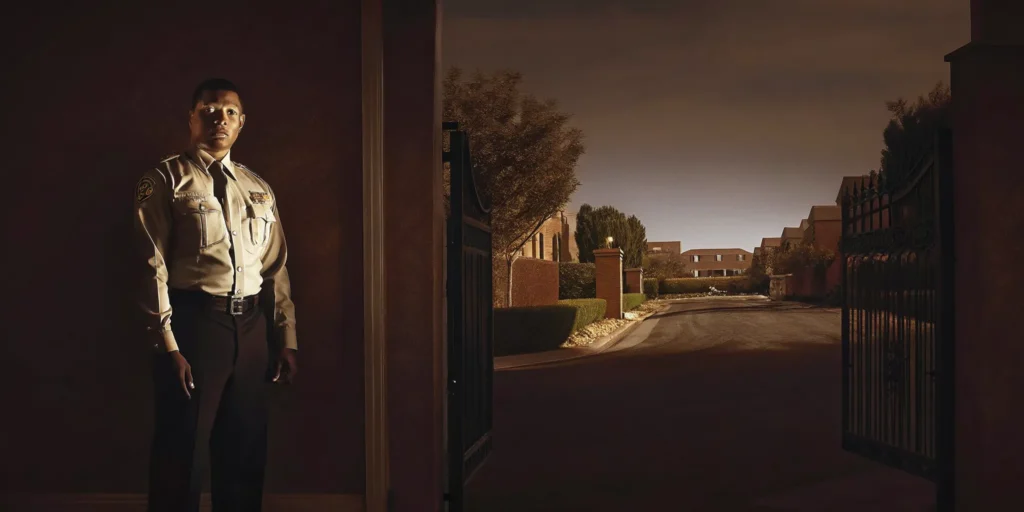
HOA Security Guards vs. Mobile Patrols
Property crime in California neighborhoods remains a threat even when regional rates drop. Managers must choose the right defense to keep their residents safe and maintain high property values. This choice often comes down to selecting between a static post and a mobile roving guard.
HOA security guards provide a vital layer of defense for managers who want to lower crime and protect property values through high-visibility deterrents. Research shows that more patrol time can lead to a 16% drop in victim-generated crimes across a property as reported in academic studies. While stationary guards manage gate access and visitor logs, roving mobile patrols cover large neighborhood perimeters to stop trouble and keep every single resident safe. The best choice for your area depends on your budget, your layout, and the specific risks you face each day. Many successful plans use a mix of both models to ensure total coverage around the clock for your gated community.
Deciding which service fits your area starts with comparing how each one handles tasks like gate control and street checks. You must weigh the costs to find the best value for your board. The path begins with our HOA security guards vs. mobile patrols at a glance.
HOA security guards vs. mobile patrols at a glance
Picking the right safety plan for your area can be hard. HOA boards and land leaders must often choose between two main paths. These are fixed hoa security guards and moving patrols. Both help keep people safe, but they work in other ways. A good plan fits the layout of your site. Most groups find that a mix of both works best for gated community security.
Fixed guards stay in one spot. They often sit at a gate or front desk. They watch who comes in and out of the area. Moving patrols go through the whole site. They drive or walk to check on pools and parks. They also look at dark spots where people might hide. This table shows the main points for each choice.
| Feature | HOA Security Guards | Mobile Patrols |
|---|---|---|
| Presence | Fixed at gate or desk | Moving through the site |
| Coverage | Limited to one spot | Full area and edges |
| Response | Fast at the post | Fast to any site spot |
| Access Control | High level of control | Low or no gate control |
| Reporting | Log of all guests | GPS logs of all checks |
| Best Fit | Busy gate entrances | Large, spread out sites |
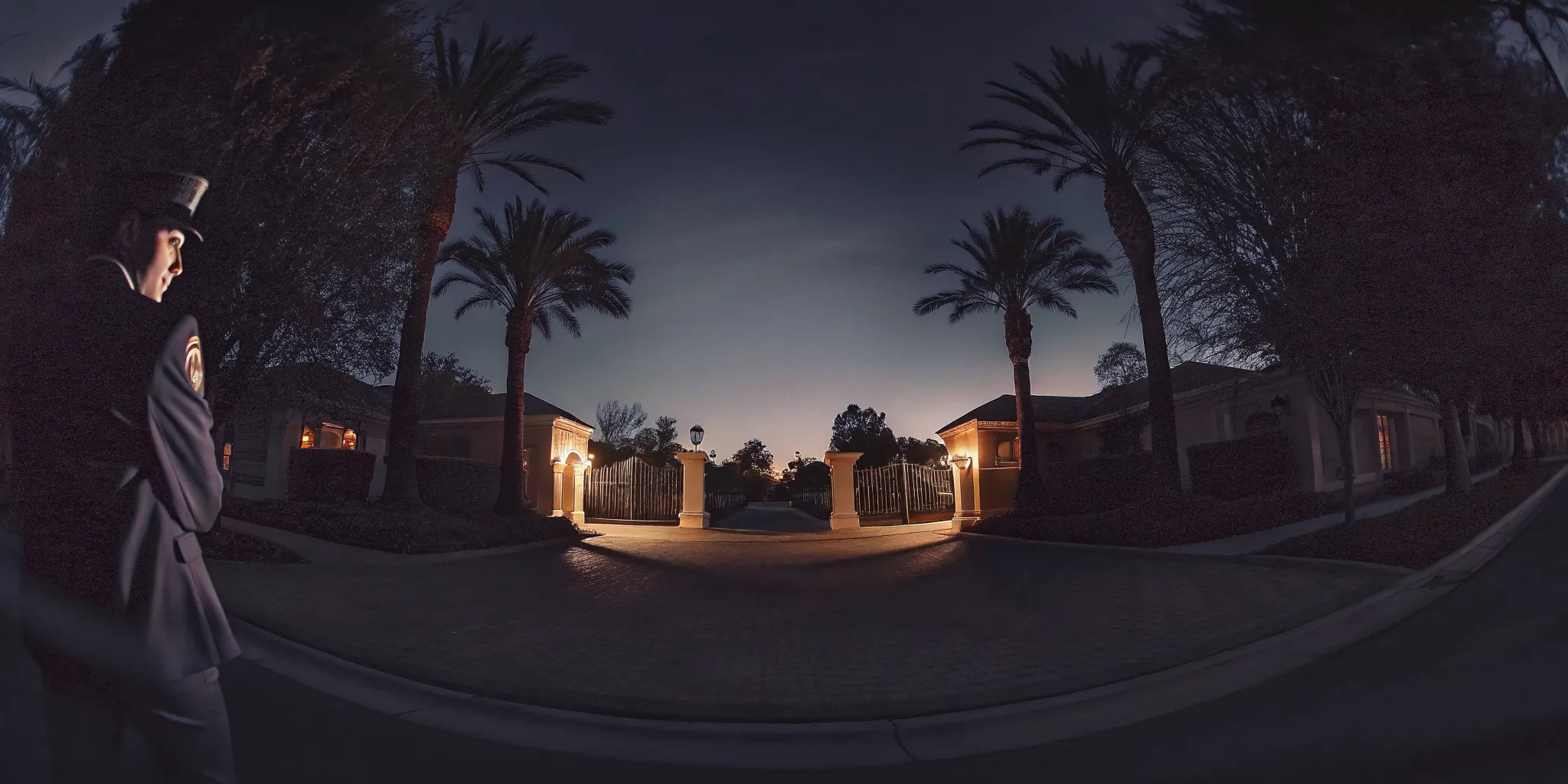
Fixed guards for access control
Guards who stay in one spot are best for gatehouses. They greet guests and check their names. This helps stop people from coming in who do not belong there. They can also watch cameras and talk to people who live there. Having a guard at the entrance shows that you care about safety. This can make people feel more secure in their homes. You might hire a pro residential security guard company to staff these posts.
These guards do more than just open a gate. They can also take in mail or give keys to new people. They are the face of the safety team for your area. If a problem starts at the gate, they are right there to help. They keep a log of every car that enters. This log is helpful if a crime happens later. Their main job is to act as a shield for the entrance.
Moving patrols for large areas
Patrol teams cover more ground than a guard at a gate. They use cars, bikes, or their feet to check every street. Research shows that visits from safety agents help lower crime. A report from the National Library of Medicine found that more patrol time led to a 16% drop in crime. These agents act as a warning to anyone who wants to break the law. Their presence makes it hard for a thief to hide.
Moving patrols can find things a gate guard would miss. They look for open garage doors or broken fences. They also check pools and gyms to make sure people follow the rules. If there is a problem at the back of the land, they can get there fast. They use GPS tools to prove they checked every part of the site. This keeps the team honest and on task for the HOA board.
Blending the two models
The best choice for your area depends on its size and budget. Small sites might only need a gate guard. Large areas with many streets usually need a patrol car. Many groups use both to get full coverage. For example, you could have a guard at the gate all day. Then, you can add a car patrol at night to check the back of the site. This plan keeps the gate safe but also protects the edges of the land.
A blended plan allows you to use your funds in the best way. You get the benefit of guest control at the front. You also get the fast response of a moving team. This mix helps stop crimes before they start. It also gives people peace of mind no matter where they are on the land. Talk to a safety pro to find the best balance for your group.
What do posted HOA security guards handle?
Posted professional residential security guard company teams play a key role in keeping a neighborhood safe. These guards stay at a fixed spot, like a gatehouse or a lobby, to watch over the area. Their main job is to stop crime before it starts by being a clear and steady presence. Studies show that having a visible guard can reduce crime rates by about 16 percent. This constant watch helps people feel safe in their homes and shared spots.
Control at community gates
One of the most vital tasks for hoa security guards is handling who comes into the neighborhood. Guards at the gate check every car and person to make sure they have a right to be there. This process helps maintain gated community security by keeping out people who might cause trouble or steal. Guards follow specific lists to let in visitors, guests, and drivers while turning away those without a right to be there. This checking process is a strong first line of defense for any board.
Access control is not just about gates. In larger buildings, guards may sit at a front desk to greet residents and check in guests. They can also manage parking permits to ensure only residents use the spots they pay for. By keeping a close eye on entry points, guards help stop small issues from turning into big problems. This work keeps the private feel of the area and protects the property values for everyone.
Guarding shared spots
Many neighborhoods have shared spaces like pools, gyms, and parks that need extra care. HOA security guards spend time watching these spots to make sure people follow the rules. This might mean checking key fobs at the pool or making sure only residents use the gym. When people see a guard, they are less likely to break rules or damage the gear. This helps keep these areas clean and safe for all families to enjoy.
Guards also look for signs of trouble like broken locks, burnt-out lights, or strange people hanging around. They act as the eyes and ears of the HOA board. If they find a problem, they report it right away so it can be fixed. This kind of care stops damage and theft in the areas where residents relax and play. A guard’s presence makes it clear that the neighborhood is well-watched and cared for.
Professional incident tracking
When something happens, a guard is there to record it with detail. Expert guards use tools like GPS-tracked reports to show exactly where they were and what they saw. This proof is helpful for boards and property managers who need to know about any issues. Reports often include photos of damaged property or notes on rule breaking. This data helps the community make better choices about safety and repairs.
Guards also know how to handle high-stress moments with a calm mind. They can call for help from police or fire teams if there is a real emergency. But they also know their limits and do not act as police officers. Their job is to watch, report, and help people until more help arrives. This balance of being helpful but firm is what makes a professional guard team so useful for a neighborhood.
Here are some of the common things guards track in their daily reports:
- Visitor logs and gate entry counts
- Safety checks of pool and gym gates
- Photos of any property damage or graffiti
- Notes on rule breaking or parking issues
- Calls made to local police or fire departments
How do mobile security patrols protect a community?
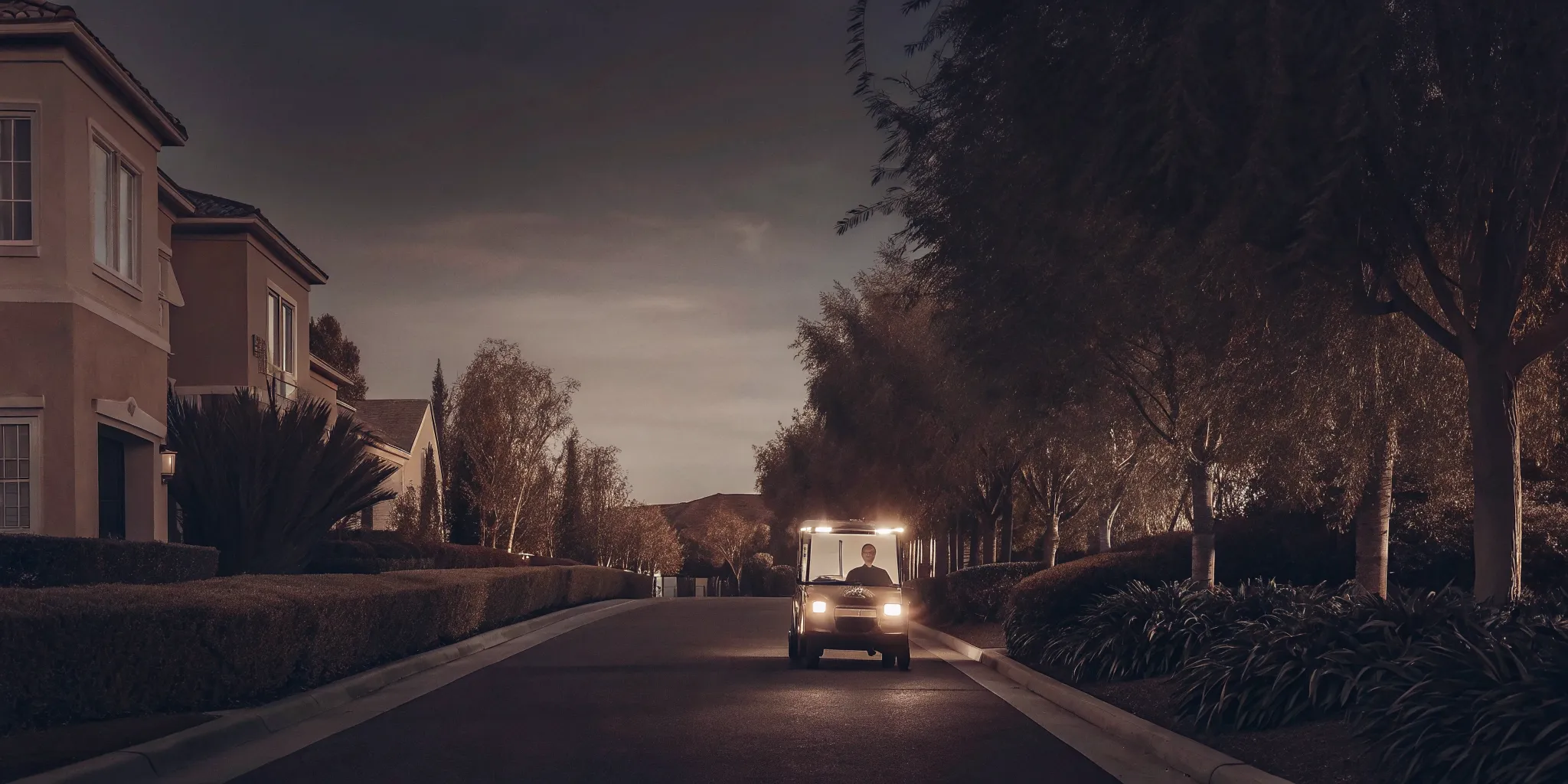
Mobile security patrols provide a strong layer of safety for large sites. While some guards stay in one spot, mobile units move around the area in marked cars or on bikes. This choice works well for hoa security guards who need to cover a lot of ground at a lower cost. These teams can monitor several spots in a single shift.
Deterrence through visible presence
One of the main ways a patrol protects a neighborhood is by being seen. A visible guard presence acts as a warning to people who might want to do harm. When a criminal sees a marked patrol car, they are less likely to target that spot.
This is known as a deterrent effect. It makes the site a hard target for thieves or vandals. A strong patrol can stop crimes like theft or graffiti before they even happen.
Research shows that being visible is a key way to stop crime before it starts. In fact, studies from the National Institutes of Health show the value of a patrol. More visits can lead to a 16% drop in crimes against victims.
For gated community security, this means that a simple drive through the streets can keep the peace. It also helps residents feel more at ease in their homes.
Planned property and fence checks
Patrol officers do more than just drive. They follow a plan to check specific parts of the site. This includes the fence line, parking lots, and dark spots where problems might happen.
Officers may also check pools and clubhouses to make sure they are safe. They look for things like open gates or broken locks that could let a stranger in. Finding these issues early keeps the area secure.
These checks are often done at random times. If a patrol always comes at a set time, a thief could just wait for them to leave. By changing the plan, the patrol keeps everyone guessing. Officers also look for signs of a break-in or damage.
If they find a broken gate or an open door, they report it right away. This stops a small problem from getting big. It also saves the HOA money on costly repairs.
Proof and real-time reporting
Modern patrol services use tech to prove the work is getting done. At ASAP Security, we use GPS logs. Every time an officer hits a check point, the system records the time and place.
This gives the board a clear report of every visit. You no longer have to wonder if the guard was there. The logs show exactly where the team was at all times.
These reports often include photos and notes about what the officer saw. If there is a car in the wrong spot or a light that is out, it goes into the log. This data helps the HOA board see where they need to focus.
While a mobile unit cannot watch every door at once, the speed of the car helps them respond fast. If a resident calls with a concern, the patrol car can be there in minutes to help.
How should an HOA assess its security needs?
Checking security needs helps an HOA board protect people and property. Every community has a unique layout and different safety goals. A board must look at the local crime rate and the physical setup of the neighborhood. Using a professional residential security guard company can help find gaps that a board might miss. These gaps often lead to theft or property damage that costs the community money.
A full check of the site is the first step toward a safer community. It allows the board to see where they are most at risk. This data helps in making a plan that fits the budget and the specific needs of the residents. A clear plan ensures that visible security guards can act as a strong deterrent against crime. When guards are on-site, they send a clear message that the HOA takes safety seriously.
Gathering crime and risk data
Boards should start by looking at past events in the neighborhood. This includes thefts, vandalism, or any entry by people who do not live there. Checking local police data can show if the area has a high risk of crime. About one in five people in California may become a victim of property crime. Know the types of crimes that happen nearby. This helps the board decide what level of guard presence they need for their own streets.
It is also helpful to talk to neighbors about their fears. Some residents may worry about dark corners in the park. Others might see people trying to enter the main gate without a key. This feedback gives the board a better look at what is happening when they are not watching. Joining police data with resident reports creates a full picture of the risk level.
Mapping access and assets
The board must also map every entry and exit point of the complex. This includes main gates, side paths, and fence lines. Shared areas like pools, gyms, and laundry rooms often need extra eyes. These assets are common targets for unwanted visitors or vandals. Using a gated community security guide can help you spot high-risk zones. By marking these spots, the board can set a better path for guards to follow during their shifts.
- Review past crime and event data. Look at old logs to find patterns in theft or damage. Use this data to see where the community is most at risk.
- Find entry points and shared assets. Map out all gates, fences, and shared areas like pools. These are the spots where hoa security guards will spend most of their time.
- Find peak risk hours. Find out when most events happen in your area. Most HOAs need more help during late nights or on holiday weekends when the area is quiet.
- Define guard duties and response rules. Write down what the guard should do in different cases. These are called post orders and they guide the guard’s daily work.
- Survey resident safety wishes. Ask the people who live there what makes them feel unsafe. Neighbors often see things that the board or property manager might miss.
- Match coverage needs to the budget. Decide if you need a full-time guard at a gate or a mobile patrol that visits a few times a night. This ensures the plan is solid and can last.
- Get an expert site walk-through. Invite a security expert to walk the grounds with you. They can spot blind spots in your cameras or weak points in your fences.
Developing the scope and post orders
Once the board has this data, they can build a clear scope of work. This scope defines the daily tasks for the guards. It should list the exact areas to check and how often to do it. A good scope of work prevents confusion and keeps the team focused on the right goals. It also makes it easy to track if the guards are doing their job well.
The board should also set up clear post orders. These are the specific steps a guard follows during their shift. Post orders should cover how to handle visitors and what to do during a fire or a water leak. Clear rules help the guards do their job with strict military rules. This level of detail makes the community much safer for every resident and guest.
Lastly, the board should review the plan every year. Security needs can change as the community grows or as local crime patterns shift. A yearly check ensures that the HOA budget is always used in the best way. It also allows the board to update post orders with new rules or better tech tools. This active approach keeps the neighborhood one step ahead of future threats.
Which option delivers better value for an HOA?
Finding the right security plan for an HOA is about more than just the lowest price. Board members must weigh the cost against the peace of mind they get in return. A cheap bid might look good on paper, but it can leave gaps in your safety. True value comes from a plan that fits the size and risk level of your local streets. It is key to look at how a firm runs its staff and uses tools to prove their work.
Key factors that set the price
A few main things drive the cost of security for a community. The total number of guard hours is often the largest part of any budget. A neighborhood that needs a 24/7 gate guard will pay more than one that only wants night checks. The size of the site also plays a big role. A large area with many roads needs more time to cover than a small condo group. You must also think about the tasks you ask the guards to do each day.
Risk levels vary from one place to the next. Some areas might need more frequent checks or even armed staff. Training also changes the cost. Guards who go through a top safety academy tend to be better at their jobs. They know how to handle crowds and watch for small signs of trouble. While these guards might cost more per hour, they often give much better service. They are better prepared to stop issues before they turn into big problems for the HOA.
Comparing scope and proof of work
When you check bids, look past the hourly rate. Ask how the firm ensures its guards stay active and alert. Good firms use GPS tools to track guards in real time. This tech gives boards proof of work. You can see when and where a guard was during their shift. This level of proof is worth the extra cost. It ensures you are not paying for a guard who is sleeping or staying in one spot all night.
You should also check the response times and how bosses lead the team. A professional residential security guard company will have a 24/7 dispatch center. This helps them talk to local police and fire teams fast. Good leads mean that guards are checked on by bosses often. This keeps standards high for the whole team. A low-cost firm may skip these steps, which can lead to poor service and higher risk for the board.
Tools like online reports add even more value. Guards can use a GPS-tracked work report to show what they found on patrol. This includes photos of locked gates or pools. These facts help the board manage the site better. It also makes sure that you get what you pay for. When you compare plans, look for these tools that build trust and show clear results.
The return on investment in safety
The best way to judge value is by the drop in crime and events. Visible hoa security guards act as a strong threat to likely thieves. Research shows that more patrol time and more visits lead to better results. In one study, more patrol visits led to a 16% drop in victim-based crimes. This proves that a steady presence makes a real difference in community safety.
Think about the cost of one theft or act of damage. Fixing the site or dealing with loss can be very costly. When you invest in good gated community security, you help keep home values high. Residents feel safer, and the board faces fewer tasks. Good security is not just a cost; it is a way to protect the future of the area. Focus on the results you want to see, such as fewer break-ins and better rule enforcement.
Frequently Asked Questions
Can HOA security guards pull people over?
No, private HOA security guards do not have the power to pull over cars on public roads. Only police and law enforcement can stop a moving car for a traffic law. However, guards in a gated community may stop cars at the entry point to check IDs and visitor logs. They can also mark cars that break parking rules or report speeders to the HOA board. This helps keep the streets safe while staying within the law.
Do HOA security guards have arrest powers?
In most cases, HOA security guards do not have the power to make an arrest. They act as watchful guards who look for crime and report it to the police. According to a study in the National Institutes of Health, a visible guard presence acts as a strong deterrent. If a guard sees a crime, they usually call local law enforcement and keep people safe until help arrives. Their main job is to keep a close eye on the property.
What is the typical hourly rate for an HOA security guard?
The cost of hiring security for an HOA often depends on the type of guard and the level of risk. Unarmed guards usually cost less than armed ones. Most communities pay an hourly rate that covers the guard’s time, gear, and training. For a custom price, it is best to get a security quote based on your neighborhood’s specific needs. Factors like 24/7 coverage or the size of the area will impact the final price.
How do HOA security guards improve community safety?
Security guards improve safety by providing a visible presence that stops crime before it starts. Research shows that more visits by guards can lead to a 16 percent drop in crime according to the PMC. They also help by checking gates, watching shared spots like pools, and reporting any broken fences or locks. This fast response and close watch help keep residents safe and protect the value of the homes in the area.
Ready to find the right security model for your area?
Leaving your area without a clear security plan can lead to theft or damage that costs more than the price of a guard. If you do not act now, small gaps can turn into big risks that hurt your home value and break resident trust. Set up a site check today to get the facts you need to pick the best patrol for your area budget.
Ready to protect your people? Our team can help you find the best way to keep your site safe and stay within your month-to-month budget. Call 833-272-7247 to request a security assessment and quote for your HOA or area from our local experts now.
