

A security incident is one of the most expensive things your business can experience, measured in lost assets, downtime, and liability. Waiting for something to go wrong is a gamble you can’t afford to take. The most effective security posture is a proactive one, designed to prevent threats rather than just react to them. This means identifying your vulnerabilities and implementing a strategic plan to mitigate them. It’s an investment in business continuity and peace of mind. Below, we will walk you through the process of fortifying your facility, from conducting a thorough assessment to choosing the right security services for industrial sites.
Fortify Your Facility: Unparalleled Industrial Security Guard Services for Maximum Protection
 Understanding the Importance of Industrial Security
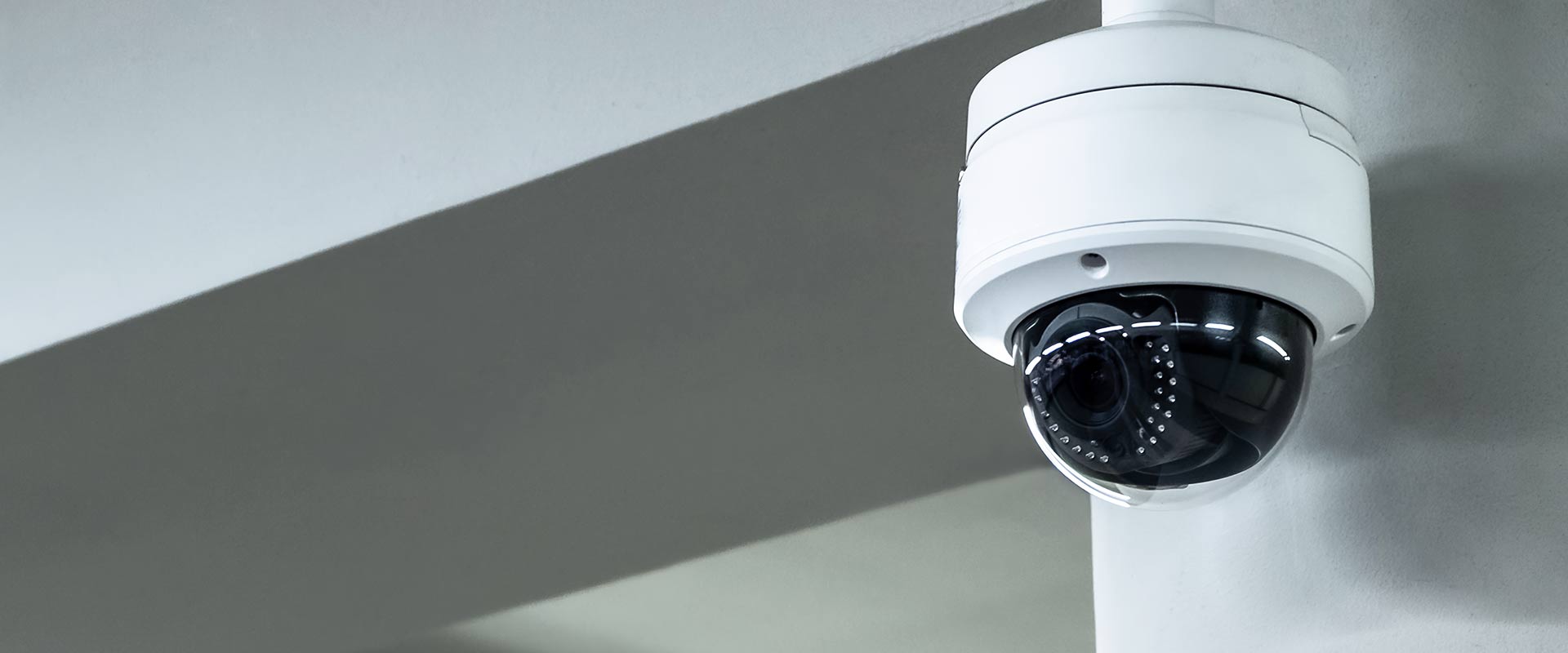 Understanding the Importance of Industrial Security
Industrial settings often house critical infrastructure, valuable equipment, and sensitive information. The repercussions of theft, vandalism, or sabotage in these environments can be severe, leading to significant financial losses, operational downtime, and compromised safety. Implementing comprehensive security measures is crucial to mitigate these risks effectively. Industrial security goes beyond just protecting physical assets; it also encompasses safeguarding intellectual property, trade secrets, and proprietary information. In today’s interconnected world, cyber threats pose a significant risk to industrial operations, making cybersecurity an integral part of industrial security protocols. By implementing robust cybersecurity measures, such as firewalls, encryption, and intrusion detection systems, industrial facilities can defend against cyber attacks and data breaches.
What Do Industrial Security Guards Actually Do?
Security plays a multifaceted role in industrial settings. It not only deters potential criminal activities but also ensures the overall safety of the facility. Industrial security guards act as a visible deterrent, minimize access to unauthorized individuals, prevent employee theft, and respond promptly to any security incidents. Moreover, security personnel in industrial settings undergo specialized training to handle emergencies such as fires, chemical spills, or industrial accidents. Their quick response and knowledge of safety protocols can prevent minor incidents from escalating into major disasters, thereby protecting lives and minimizing property damage.
The Three Pillars of Industrial Security
A strong industrial security plan is built on three core pillars. Think of them as the legs of a stool—if one is weak, the whole structure becomes unstable. Understanding how physical, communication, and operational security work together is the first step toward creating a truly secure environment for your facility. Each pillar addresses a different type of vulnerability, and a comprehensive strategy ensures you have all your bases covered, from your front gate to your most sensitive company data. Let’s break down what each one means for your business.
Physical Security
Physical security is the most tangible pillar, focusing on controlling who can physically enter your facility. It involves using barriers like fences, gates, and alarm systems to protect your property from unauthorized access and potential threats. But it’s more than just putting up a wall. Effective physical security relies on a proactive presence. This is where professional security guards make a significant impact. They don’t just stand at a post; they manage access control points, verify credentials, and conduct regular mobile patrols to monitor the perimeter. Their visibility alone is a powerful deterrent, while their training ensures a swift and effective response to any breach or emergency.
Communication Security
While physical security protects your tangible assets, communication security shields your information. This pillar is all about protecting your transmission systems, from internal emails to client phone calls, ensuring sensitive data isn’t intercepted by unauthorized parties. In an industrial setting, this could mean safeguarding project specifications, shipping manifests, or internal memos. While a security guard’s primary role is on-site, a holistic security plan recognizes that digital vulnerabilities can be just as damaging as physical ones. Ensuring your communication channels are encrypted and secure is a critical layer of defense that complements the work your physical security team does on the ground.
Operational Security
Operational security, often called OPSEC, is about protecting the processes, formulas, and activities that make your business unique. It involves identifying your critical information—your “secret sauce”—and taking steps to keep it from falling into the wrong hands, whether through corporate espionage or accidental leaks. This is where a well-trained security team becomes invaluable. Guards can enforce policies that support OPSEC, such as restricting access to sensitive R&D labs or production floors. They can also monitor for unusual behavior and ensure that protocols designed to protect proprietary information are followed, making them a key part of your corporate security strategy.
What Are the Biggest Threats to Your Facility?
A range of risks and threats exists in industrial environments, such as theft, vandalism, industrial espionage, and terrorism. With advanced security measures in place, you can effectively address these threats and safeguard your facility against potential harm. Industrial facilities are also vulnerable to natural disasters like floods, earthquakes, and hurricanes, which can disrupt operations and cause extensive damage. Implementing disaster preparedness and recovery plans as part of industrial security measures can help mitigate the impact of such events and ensure business continuity in the face of unforeseen circumstances.
Features of Unparalleled Industrial Security Guard Services
 Features of Unparalleled Industrial Security Guard Services
When selecting security guard services for your industrial facility, it is crucial to opt for unparalleled solutions that provide comprehensive protection. Here are some key features that distinguish exceptional industrial security guard services:
Developing a Comprehensive Security Strategy
A truly secure industrial facility doesn’t happen by accident. It’s the result of a deliberate and comprehensive security strategy. This isn’t just about placing a guard at the front gate; it’s about creating a thoughtful, multi-layered plan that addresses your specific vulnerabilities. A strong strategy is proactive, designed to prevent incidents before they occur rather than just reacting to them. It starts with a thorough assessment of your property, identifying potential weak points, and understanding the unique threats your facility faces, from external intruders to internal risks. This holistic view allows you to build a security posture that is both robust and efficient.
Building this strategy means integrating various security elements into a cohesive system. This includes physical barriers, technological solutions like surveillance cameras and access control systems, and, most importantly, highly-trained security personnel. Each component should support the others, creating a unified defense. The goal is to manage risks effectively, ensuring that you can protect your people, assets, and operations at an acceptable cost. By thinking strategically, you move beyond simple security measures and create a resilient environment prepared for a wide range of challenges.
The Principle of Protection in Depth
Think of your facility’s security like a medieval castle. A castle doesn’t just rely on a single tall wall. It has a moat, an outer wall, an inner wall, and guards patrolling the grounds. This is the principle of “protection in depth.” It recognizes that a single line of defense can be breached, so multiple layers are needed to slow down and stop threats. Simply securing the perimeter of your property isn’t enough, as many security issues can originate from within or bypass an outer fence. A complete system connects every part of your security—from the front gate to the server room—to provide overlapping fields of protection, ensuring that if one layer fails, another is ready to stop the threat.
Key Approaches to Risk Management
Once you’ve identified the potential risks to your facility, the next step is to decide how to handle them. You can’t eliminate every single threat, but you can manage them intelligently. Risk management is the process of choosing and implementing security measures to reduce your exposure to an acceptable level. There isn’t a one-size-fits-all solution; the right approach depends on the specific risk, its potential impact, and the cost of mitigating it. By understanding the different strategies available, you can make informed decisions that protect your facility without breaking your budget. Let’s look at five key approaches you can use to manage risk.
Risk Avoidance
The most straightforward way to deal with a risk is to eliminate it completely. This is known as risk avoidance. It involves changing a process or procedure to remove the source of the danger altogether. For example, if you store highly flammable materials on-site that pose a significant fire hazard, a risk avoidance strategy would be to find a way to operate without them or have them delivered on a just-in-time basis instead of stockpiling them. While you can’t avoid every risk, this approach is ideal for high-impact threats that can be designed out of your operations without causing major disruption.
Risk Reduction
Risk reduction is one of the most common security strategies. Instead of eliminating the risk, you take steps to lower its likelihood or its potential impact. This is where most physical security measures come into play. Installing security fencing, adding bright lighting to dark areas, deploying surveillance cameras, and implementing strict access control protocols are all examples of risk reduction. These actions don’t remove the threat of a break-in, for instance, but they make it significantly more difficult and less likely to succeed, thereby reducing your overall vulnerability.
Risk Spreading
Sometimes, you can’t avoid or reduce a risk, but you can limit the amount of damage it can cause in a single incident. This is the principle of risk spreading, which involves decentralizing your valuable assets. For example, instead of keeping all your high-value inventory in one large warehouse, you could store it across several smaller, separate locations or in multiple secure vaults within the same facility. If a fire, flood, or theft occurs in one area, your entire stock isn’t compromised. This strategy contains the impact of a loss, ensuring that one event doesn’t become a catastrophic failure for your business.
Risk Transfer
You don’t have to carry the entire burden of security on your own. Risk transfer involves shifting the financial or operational responsibility for a potential loss to another party. The most common example is purchasing insurance, which covers financial losses from specific events. Another powerful form of risk transfer is hiring a professional security agency. When you partner with a team of private security guards, you are transferring the responsibility of protecting your facility to experts who are trained, equipped, and insured to handle security incidents, which significantly reduces your liability and operational burden.
Risk Self-Assumption
Finally, there are some risks you might choose to simply accept. This is known as risk self-assumption. This approach is typically reserved for risks that have a very low probability of occurring and would have a minimal impact if they did. Instead of spending money on preventative measures, you consciously accept the risk and its potential consequences. Often, this strategy is paired with setting aside a contingency fund to cover any losses that might occur. It’s a calculated decision made when the cost of mitigating the risk is greater than the potential loss itself.
Expert Training: A Non-Negotiable Feature
Industrial security guards undergo extensive training to handle various security scenarios specific to industrial environments. From deterring potential threats to investigating security incidents, these guards possess the necessary skills and knowledge to protect your facility effectively. Moreover, these guards often receive specialized training in areas such as emergency response, crisis management, and conflict resolution. This additional expertise equips them to handle high-stress situations with composure and efficiency, ensuring the safety and security of your industrial site at all times.
Specialized Training for Industrial Environments
Industrial facilities present unique security challenges that you won’t find in a typical office building or retail store. You’re not just protecting a building; you’re securing a complex operation with valuable equipment, potentially hazardous materials, and a constant flow of people and vehicles. This is why a one-size-fits-all training program simply isn’t enough. Guards working in these environments require specialized knowledge of industrial safety protocols, including how to manage access control at busy shipping docks and respond to site-specific emergencies. They must be trained to recognize and respond to threats ranging from internal theft of materials to external attempts to access sensitive areas. This focused training ensures they are prepared for the realities of your site. Our approach to corporate security prioritizes this specialized preparation, equipping our officers to handle the distinct challenges of an industrial environment with professionalism and expertise, ensuring your operations remain secure and uninterrupted.
Does Your Security Service Use the Latest Tech?
To augment the capabilities of security guards, unparalleled industrial security services integrate advanced technologies such as surveillance cameras, access control systems, and alarm systems. These technologies provide real-time monitoring, prompt event detection, and enhanced situational awareness for optimal security. Furthermore, some industrial security providers offer cutting-edge solutions like drone surveillance, biometric access control, and artificial intelligence-powered analytics. By leveraging these innovative technologies, industrial facilities can stay ahead of potential security threats and respond swiftly to any security breaches, maintaining a secure environment for employees and assets.
The Process of Fortifying Your Facility
 The Process of Fortifying Your Facility
Fortifying your facility involves following a systematic approach to address security vulnerabilities and establish robust protective measures. This process typically includes:
Visitor Management and Access Control
A crucial first step in securing your facility is managing who comes and goes. An effective visitor management system controls and tracks every individual—from contractors and vendors to one-time visitors—who enters your property. This isn’t just about having a sign-in sheet at the front desk. It involves verifying identities, issuing temporary badges, and maintaining a clear, real-time log of who is on-site at any given moment. Professional private security guards are essential for enforcing these protocols, ensuring that only authorized personnel gain access to sensitive areas and that every visitor is accounted for from arrival to departure. This systematic approach minimizes the risk of unauthorized entry and enhances overall site safety.
Advanced Surveillance and Video Analytics
Modern security is about being proactive, not just reactive. High-quality surveillance cameras are a given, but their true power lies in smart video analytics. These systems do more than just record footage; they actively monitor for unusual activity, identify potential threats, and send immediate alerts to your security team. Imagine a system that can distinguish between a stray animal and a person attempting to scale a fence after hours. This level of intelligence allows security personnel to respond faster and more effectively, often preventing incidents before they escalate. Integrating advanced surveillance gives your team the situational awareness needed to protect your facility around the clock.
Emergency Accountability Systems
When an emergency strikes, your top priority is the safety of every person on-site. An emergency accountability system, often called a mustering system, is designed to quickly determine who is safe during an evacuation. In the chaos of a fire or chemical spill, this system helps you rapidly account for all employees and visitors at designated assembly points. Trained security guards manage this process, ensuring an orderly evacuation and providing accurate information to first responders. Knowing that everyone is accounted for not only saves lives but also provides critical peace of mind during a high-stress event.
Essential Physical Security Measures
Beyond technology and personnel, the physical structure of your security is the foundation of your defense. Physical security focuses on controlling who can physically enter a space through tangible barriers and systems. This layered approach, a core component of effective corporate security services, creates multiple obstacles for potential intruders, making your facility a much harder target. It starts at your property line and extends to your most sensitive assets. By implementing robust physical measures like fences, lighting, alarms, and locks, you establish a strong deterrent and a resilient defense against a wide range of threats.
Perimeter Barriers and Protective Lighting
Your first line of defense is a strong perimeter. Physical barriers like fences and walls clearly define your property and are designed to stop or slow down unauthorized entry. But a fence alone isn’t enough. Protective lighting is a powerful partner, illuminating your perimeter and eliminating potential hiding spots for intruders. A well-lit facility acts as a significant deterrent to thieves and vandals while making it easier for your security team to spot suspicious activity. When combined with regular mobile security patrols, these measures create a formidable and highly visible barrier against external threats.
Protective Alarms, Locks, and Key Control
Once your perimeter is secure, the next layer involves controlling access points within your facility. Protective alarms are your electronic watchdogs, instantly alerting security staff to any attempted or successful intrusion. These systems are most effective when paired with high-quality locks and a strict key control policy. Managing who has keys or access cards, and to which areas, is fundamental to preventing internal theft and unauthorized access. A comprehensive system ensures that even if one layer is breached, another is ready to stop an intruder in their tracks, protecting your most critical areas from compromise.
Protective Containers: Safes and Vaults
For your most valuable assets, a final layer of defense is non-negotiable. Protective containers like safes and vaults are designed to safeguard items such as sensitive documents, cash, or proprietary materials. Think of them as the last line of defense inside your facility. Even if an intruder manages to bypass all other security measures, a high-quality safe or vault provides the ultimate protection. This ensures that your most critical assets remain secure, no matter what happens. It’s an essential component of a defense-in-depth strategy that protects your business from significant loss.
Reliable Operational Support
Technology and physical barriers are powerful tools, but they are most effective when managed by skilled professionals. Security plays a multifaceted role in industrial settings; it’s not just about preventing crime but also about ensuring the overall safety and smooth operation of your facility. Professional security guards provide the essential human element that ties your entire security strategy together. They monitor surveillance systems, manage access control, patrol perimeters, and respond to alarms and emergencies. With 24/7 security services, you have a dedicated team ensuring your policies are enforced and your facility is protected at all times, allowing you to focus on your core business operations.
Step 1: Start with a Security Assessment
Prior to implementing security measures, a comprehensive assessment of your facility’s current security status is conducted. This assessment identifies vulnerabilities, evaluates potential risks, and helps in formulating a customized security plan. During the initial security assessment, security experts may conduct on-site visits, review security camera footage, analyze access control systems, and interview key personnel to gain a comprehensive understanding of the existing security protocols and potential weaknesses. This thorough evaluation serves as the foundation for the subsequent steps in fortifying your facility.
Security Surveys vs. Security Inspections
It’s easy to use these terms interchangeably, but they serve two distinct, vital functions in your security plan. A security survey is a comprehensive, top-to-bottom review of your entire property to identify potential risks and vulnerabilities. Think of it as the diagnostic phase where an expert looks for weak points—like inadequate lighting, blind spots in camera coverage, or gaps in perimeter fencing—and then recommends countermeasures to fix them. It’s about discovering what needs to be done to secure your facility from the ground up.
On the other hand, a security inspection is a routine check-up to ensure your existing security measures are working correctly and are in compliance with your policies. This process verifies that guards are performing their duties, alarms are functional, and access control systems are operating as intended. While a survey helps you create the security blueprint, inspections ensure that blueprint is being followed every day. Both are essential for maintaining a strong defense and are a core part of any effective corporate security strategy.
Step 2: Develop a Custom Security Plan
Based on the assessment findings, a customized security plan is developed to meet the unique needs of your industrial facility. This plan incorporates a combination of physical security measures, technological solutions, and the deployment of skilled security guards. The development of a customized security plan is a collaborative process that involves input from security consultants, facility managers, and key stakeholders. This plan not only addresses immediate security concerns but also considers long-term security goals and scalability to accommodate future growth and changes within the facility. By tailoring the security plan to the specific requirements of your facility, you can ensure a comprehensive and effective security strategy that mitigates risks and enhances overall safety.
Benefits of Maximum Protection in Industrial Facilities
 Benefits of Maximum Protection in Industrial Facilities
Implementing unparalleled industrial security guard services offers numerous benefits that extend beyond mere protection: When it comes to industrial facilities, the importance of maximum protection cannot be overstated. Beyond the obvious benefits of safeguarding against external threats, such as theft and vandalism, a comprehensive security strategy can also enhance operational efficiency and regulatory compliance.
Protecting Sensitive Information and Documents
In any industrial facility, the things you can’t see are often just as valuable as the heavy machinery and physical inventory. I’m talking about your intellectual property, trade secrets, financial data, and employee records. Protecting this sensitive information is a critical layer of your overall security strategy. A data breach or information leak can do more than just cause financial damage; it can erode customer trust and give competitors an unfair advantage. That’s why a modern approach to industrial security must include robust protocols for document and information handling, both digital and physical.
A comprehensive security plan addresses these vulnerabilities head-on. It’s not just about preventing break-ins; it’s about controlling who has access to what information and when. Professional corporate security services help establish and enforce these protocols. This can involve monitoring server rooms, managing access to administrative offices, and ensuring that procedures for handling sensitive documents are followed by every employee. By integrating information security into your physical security plan, you create a multi-layered defense that protects your business from all angles, safeguarding your most critical assets and your future.
Information Classification Systems
One of the most effective ways to protect your information is to organize it. An information classification system is essentially a framework for labeling your documents based on their sensitivity. Think of it like a sorting system that tells everyone how to handle a particular piece of information throughout its entire lifecycle—from creation and storage to eventual disposal. For example, you might classify documents as “Public,” “Internal Use Only,” or “Confidential.” This simple act removes ambiguity and sets clear expectations for your team and your security personnel.
This system makes enforcing security policies much more straightforward. When a document is clearly marked “Confidential,” your security team knows it should be stored in a locked file cabinet or a secure digital folder with restricted access. They can ensure that only authorized individuals handle these materials and that proper procedures are followed when they are moved or destroyed. Having private security guards who understand and can enforce this system adds a vital human element to your information protection strategy, ensuring the rules are followed consistently.
The “Need to Know” Principle
The “Need to Know” principle is a simple but powerful concept: people should only have access to the information that is absolutely necessary for them to perform their jobs. Just because someone is a trusted employee doesn’t mean they need access to everything. For instance, a machine operator on the factory floor needs to know operational procedures and safety protocols, but they don’t need access to the company’s payroll records or strategic marketing plans. Limiting access on a “need to know” basis drastically reduces the risk of both accidental and intentional information leaks.
This principle is where physical and information security truly intersect. Your security team can enforce this by managing access control systems. An employee’s keycard can be programmed to grant them access to their specific work area but deny them entry to the server room or executive offices. This ensures that the “need to know” principle is upheld physically, not just digitally. With 24/7 security services, you can be confident that these access controls are monitored and enforced around the clock, providing a constant and reliable defense for your most sensitive information.
Protect Your Assets from Theft and Damage
By fortifying your facility with exceptional security measures, you significantly reduce the risk of theft and vandalism. This not only protects your valuable assets but also minimizes the financial impact of such incidents. Furthermore, a secure facility can act as a deterrent to potential wrongdoers, reducing the likelihood of security breaches. This proactive approach not only saves costs associated with theft investigations and asset replacement but also contributes to a more stable and secure business environment.
Keep Your Team Safe and Secure
An environment with robust security measures fosters a sense of safety and confidence among your employees. Knowing that their workplace is secure creates a positive work environment that enhances productivity, morale, and overall well-being. Employee safety is paramount in any industrial setting, and a visible security presence can reassure staff members and promote a culture of vigilance and responsibility. By prioritizing the well-being of your workforce, you not only protect your most valuable asset – your employees – but also cultivate a positive company image that can attract top talent and foster long-term loyalty.
Choosing the Right Security Guard Service for Your Facility
 Choosing the Right Security Guard Service for Your Facility
When selecting a security guard service for your industrial facility, several key factors should be considered:
Your Checklist for Choosing a Security Service
Factors like industry experience, reputation, reliability, and customer reviews should influence your decision-making process. It is crucial to choose a security provider with a proven track record in securing industrial environments. Industry experience is vital as it ensures that the security guards are familiar with the unique challenges and risks associated with industrial settings. A reputable security guard service will have a history of successfully protecting similar facilities, giving you peace of mind knowing that your site is in capable hands. Reliability is another crucial factor to consider when choosing a security guard service. You need a provider that you can depend on to be present, alert, and proactive in safeguarding your facility at all times. A reliable security service will have stringent protocols in place to ensure consistent performance and quick responses to any security incidents.
Types of Security Guard Forces
Once you decide to bring in security personnel, you have two main paths you can take: partnering with a specialized agency or building your own team from the ground up. Each approach has its own set of benefits and considerations, and the right choice really depends on your facility’s specific needs, resources, and long-term goals. Understanding the difference is the first step in making a confident decision about how to best protect your property and people. Let’s look at what each option entails so you can figure out which one fits your situation.
Private Security Agencies
Private Security Agencies (PSAs) hire, train, and assign guards to businesses, providing tailored security solutions based on your specific needs. When you work with an agency like ASAP Security Guards, you gain access to a roster of highly trained professionals without the overhead of direct employment. These agencies handle all the background checks, licensing, and ongoing training, which saves you significant time and resources. This model offers incredible flexibility, allowing you to scale your security detail up or down for special events or changing operational demands. A professional private security firm brings a wealth of experience from serving various industries, offering insights and best practices you might not develop with an internal team.
In-House Security Teams
Alternatively, you can create an in-house security team, also known as a Company Security Force (CSF). These guards are your direct employees, which allows for a security team that is deeply integrated with your company culture and operations. You have complete control over hiring, training, and daily management, ensuring the team’s objectives align perfectly with your business goals. However, this path comes with greater responsibility. You’ll be managing everything from payroll and benefits to liability and equipment procurement. While the direct oversight is a plus for some, the administrative and financial commitment can be substantial for many businesses.
Verifying Credentials and Personnel Integrity
Whether you choose a private agency or an in-house team, the effectiveness of your security comes down to the people on the ground. You are placing an immense amount of trust in these individuals to protect your most valuable assets. That’s why a rigorous vetting process isn’t just a box to check—it’s the foundation of a reliable security program. Verifying credentials, checking backgrounds, and ensuring every officer has impeccable integrity is absolutely essential before they ever set foot on your property. This step ensures that the people protecting your facility are as dependable as the locks on your doors.
The Importance of Personnel Security Investigations (PSI)
This is where Personnel Security Investigations (PSI) come in. A PSI is a thorough background check critical for assessing a person’s character, honesty, and loyalty, ensuring they are suitable for a position of trust. Reputable security firms conduct these investigations to confirm that their officers are reliable and can be trusted with sensitive information and access. These aren’t simple database searches; they often include National Agency Checks (NAC) and Local Agency Checks (LAC), which review everything from national and local law enforcement records to past employers and educational institutions. This deep-dive verification process ensures that every security guard is not just qualified, but also trustworthy.
Don’t Sign a Contract Before Asking These Questions
When evaluating potential security guard services, ask relevant questions about their expertise, training protocols, technology integration capabilities, responsiveness, and emergency response procedures. This will help you gauge their capabilities and determine if they align with your facility’s security requirements. Expertise in handling security threats specific to industrial facilities is essential. Inquire about the training programs the security guards undergo to handle potential risks effectively. Additionally, ask about their use of technology such as surveillance cameras, access control systems, and alarm systems to enhance security measures. In conclusion, fortifying your facility with unparalleled industrial security guard services is crucial for maximum protection. By understanding the importance of industrial security, comprehending the features these services offer, and following a systematic process, you can safeguard your facility and enjoy the numerous benefits that come with it. Choose wisely when selecting an industrial security guard service, as this decision will have a profound impact on the safety and security of your facility, employees, and assets. 
Have Questions? Let’s Talk About Your Security Needs.
We are proud of our stellar customer service record, so check our website for all the testimonials from our various satisfied customers. Call ASAP Security at 1-833-272-7247
Frequently Asked Questions
What’s the very first step I should take to improve my facility’s security? The best place to start is with a professional security assessment. Before you can create an effective plan, you need a clear and objective understanding of where your vulnerabilities are. An assessment will identify weak points you might have overlooked, from gaps in your perimeter fence to blind spots in your camera coverage, giving you a solid foundation to build a security strategy that actually works for your specific site.
My budget is tight. How can I manage security risks without spending a fortune? Effective security isn’t about buying every gadget on the market; it’s about making smart, strategic choices. A good security plan is tailored to your specific risks and budget. The risk management approaches we discussed, like risk reduction or transfer, help you prioritize. You might find that investing in better lighting (risk reduction) or hiring a professional security service to handle liability (risk transfer) provides the most protection for your investment, rather than trying to do everything at once.
What makes security for an industrial site so different from other types of properties? Industrial facilities have unique challenges that you just don’t see in retail or office settings. You’re often dealing with valuable equipment, complex shipping and receiving logistics, potentially hazardous materials, and large perimeters. This requires guards with specialized training who understand industrial safety protocols, access control for vehicles and vendors, and how to respond to site-specific emergencies, not just general security procedures.
How do I know if I should hire a security agency or build my own in-house team? This really comes down to your resources and priorities. Building an in-house team gives you complete control, but it also means you’re responsible for everything: hiring, training, licensing, insurance, and management. Partnering with a professional agency like ours transfers that administrative burden to experts. You get access to a pool of vetted, highly trained officers and the flexibility to scale your security up or down as needed, which is often more efficient and cost-effective.
Beyond just watching for intruders, what other roles can a security team play in my daily operations? A great security team does much more than just stand guard. They become an integral part of your operations by managing visitor and contractor access, enforcing safety protocols on the floor, and monitoring for operational issues, not just security threats. During an emergency, they are crucial for directing evacuations and ensuring everyone is accounted for. They provide reliable operational support that helps your entire facility run more smoothly and safely.
Key Takeaways
- Build a layered defense system: Relying on a single security measure, like a fence, leaves your facility vulnerable. A strong security posture combines physical barriers, operational protocols, and trained personnel to create multiple obstacles for any potential threat.
- Be strategic about managing risks: A one-size-fits-all security plan is ineffective. Intentionally decide how to handle each potential threat, whether that means reducing its likelihood with cameras, transferring the liability to a professional security partner, or avoiding the risk entirely by changing a process.
- Verify the people protecting your property: Technology is only as effective as the people who manage it. Ensure any security team you hire consists of thoroughly vetted professionals who have specialized training for the unique challenges of an industrial environment.
Related Articles
- Industrial Security Guards for Manufacturing Facilities | ASAP Security Guards
- Industrial Mobile Security Patrols for Facilities | ASAP Security Guards
- Enhance Industrial Security with Mobile Security Patrols | ASAP Security