
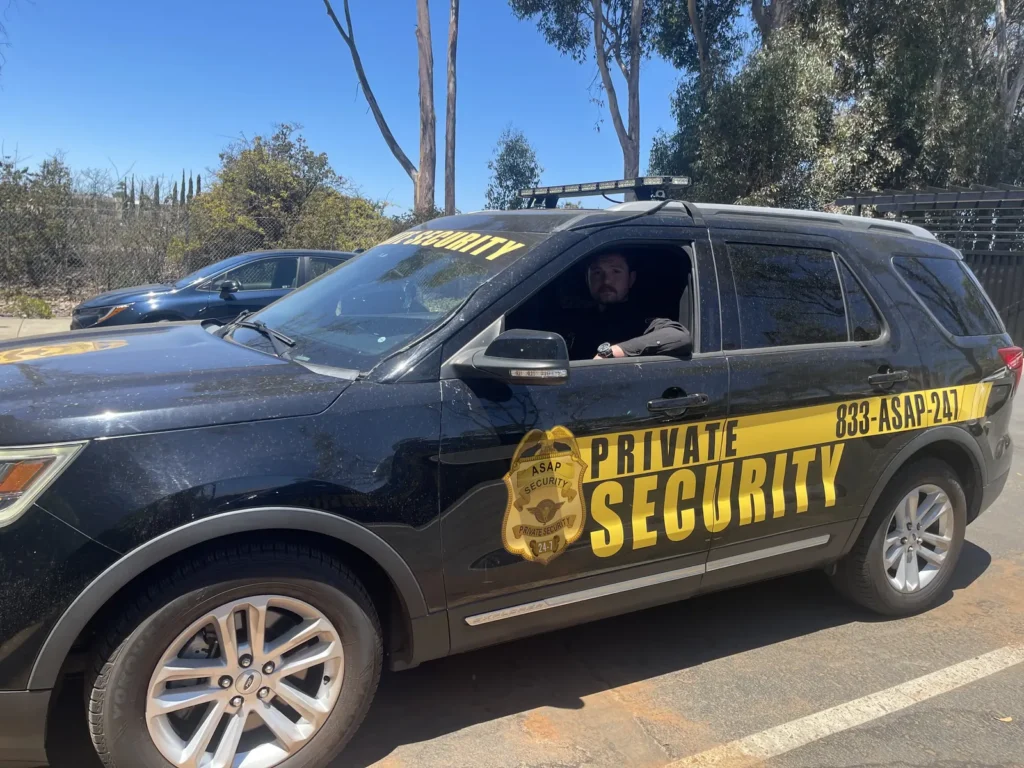
The best way to handle a crisis is to avoid it entirely. That’s the core philosophy of professional executive protection. Instead of waiting for a threat to appear, a protection detail works proactively to stop problems before they can begin. Much of this critical work happens behind the scenes—gathering intelligence, assessing risks, and planning secure travel routes. This is what provides true security. The good news? You can now leverage this executive protection intelligence without the enterprise cost. For leaders in San Diego, this means you can focus on your agenda, confident your safety is being managed with precision and foresight.
Ready to discuss executive protection in San Diego? Call (833) 272-7247 for a private consultation.
Key Takeaways
- Focus on proactive strategy, not just physical presence: True executive protection is about preventing incidents through intelligence and advance planning, creating a secure environment before a threat ever appears.
- Demand a personalized security plan: Your protection should be built around your unique risks and lifestyle, integrating seamlessly into your daily routine rather than disrupting it.
- Prioritize experience and soft skills: When choosing a provider, look for officers with military or law enforcement backgrounds, advanced training, and crucial soft skills like discretion and clear communication.
What Does an Executive Protection Officer Actually Do?
When you think of personal security, it’s easy to picture a classic bodyguard: a large, imposing figure standing guard. While that image has its place, it doesn’t fully capture the role of a modern Executive Protection Officer (EPO). An EPO is a highly trained security specialist whose primary job is to prevent threats before they ever materialize, not just react to them. They focus on proactive, intelligence-driven strategies to keep high-profile individuals, like corporate leaders and public figures, safe.
The core difference is in the approach. Instead of just being a physical barrier, an EPO is a strategic planner, a risk assessor, and a discreet operator rolled into one. The ultimate goal is to create a secure bubble that allows you to conduct your business and live your life with minimal disruption and complete peace of mind. True executive security is about blending seamlessly into your world, providing a layer of protection that’s felt but not always seen.
A Look at Their Day-to-Day Responsibilities
The work of an Executive Protection Officer goes far beyond simply being present. Much of their most critical work happens behind the scenes, long before you arrive at a destination. They are masters of proactive measures, working to stop problems before they can begin. This involves gathering intelligence, performing advance risk assessments of venues, and planning secure travel routes. Their goal is to keep you safe without drawing unwanted attention or disrupting your schedule. This level of discretion and meticulous planning is what separates a professional EPO from a standard guard; they are experts at maintaining your privacy while ensuring your complete protection.
Why San Diego Requires Specialized Protection
San Diego is a thriving hub for business, technology, and high-profile events. While this creates incredible opportunities, it can also attract negative attention. For executives and public figures, this can mean facing risks ranging from corporate espionage and stalking to protests and even kidnapping threats. The city’s diverse landscape, from downtown corporate offices to exclusive coastal communities, requires a security approach that is both sophisticated and adaptable. This is where specialized private security becomes a necessity, not a luxury. It’s about striking the perfect balance between protecting your privacy and ensuring your safety in an environment where threats can be unpredictable.
What Qualities Should Your Protection Officer Have?
Finding the right executive protection officer is about more than just hiring a bodyguard. You’re looking for a professional who can seamlessly integrate into your life while providing an invisible shield of security. The best officers possess a unique blend of hard skills learned through rigorous training and soft skills that allow them to be discreet and effective. Knowing what to look for helps you distinguish a true protection specialist from a standard security guard. An elite officer is a strategist who focuses on preventing threats before they ever materialize. When you start your search, focus on these key areas to ensure you’re bringing on a professional who is truly prepared to protect you.
Why a Military or Police Background Matters
A background in the military or law enforcement is a significant asset. This experience provides a foundation of discipline, situational awareness, and the ability to perform calmly under extreme pressure. Many top-tier officers come from these fields, where they’ve learned how to handle tough situations. This isn’t just about knowing how to handle a weapon; it’s about a mindset forged in environments where strategic thinking is a matter of survival. This background ensures your officer has real-world experience in de-escalation and threat assessment, making them a proactive part of your executive security detail.
Look for These Advanced Training and Certifications
Beyond a foundational background, look for specialized training specific to executive protection. A qualified officer should have advanced training in defensive driving, tactical first aid, route planning, and conflict de-escalation. This isn’t the same as a standard security license; it shows a commitment to the craft and ensures they have the skills to manage your safety proactively. For example, knowing how to plan secure travel routes can prevent an incident from ever happening. This level of preparation is what separates professional private security guards from amateurs.
More Than Muscle: The Importance of Soft Skills
Technical skills are only half the equation. An executive protection officer operates in your personal and professional space, so soft skills are just as critical. They need to be professional, adaptable, and able to work well with your family and staff without being intrusive. Discretion is paramount, as your officer will be privy to sensitive information and must maintain absolute confidentiality. Clear communication is also key. They need to explain security plans, coordinate with your team, and provide calm instructions during an emergency. This ability to blend in while remaining vigilant is the hallmark of a truly elite protection professional.
What Are the Top Threats for San Diego Executives?
San Diego’s vibrant economy and beautiful setting make it a fantastic place to live and work, but for high-profile individuals, this visibility can also create unique security challenges. The threats executives face here are multifaceted, ranging from professional risks tied to their company to personal dangers that affect their families and peace of mind. Understanding these potential issues is the first step toward creating a security plan that allows you to focus on your life and work without constantly looking over your shoulder. These risks generally fall into three main categories: business-related threats, personal safety concerns, and vulnerabilities that arise during travel or public appearances.
Understanding Corporate and Business Risks
As a leader, your professional life can unfortunately attract unwanted attention. San Diego is home to major businesses and high-stakes events, which can become targets for everything from corporate spying to organized protests. A threat might come from a disgruntled former employee, a competitor seeking proprietary information, or an activist group targeting your industry. These situations put not only you at risk but also your employees and your company’s assets. A comprehensive corporate security strategy helps protect your workplace, secure sensitive data, and ensure that business operations can continue safely and without disruption, no matter the external pressures.
The Evolving Threat Landscape: Digital and Personal Risks
The threats facing executives today extend far beyond the boardroom. As our lives become more connected, the line between our professional and personal worlds has blurred, creating new vulnerabilities that attackers are eager to exploit. Your digital footprint and personal life are now the new front lines for security risks. It’s no longer enough to secure your office; you have to consider the devices in your home, your family’s online activity, and the personal information available about you on the web. Understanding these modern dangers is essential for building a security strategy that truly protects you in every aspect of your life.
From Doxxing to Deepfakes: Modern Digital Dangers
The internet has given rise to threats that can cause serious real-world harm. Doxxing, for instance, is when someone maliciously publishes your private information online—like your home address, phone number, or family details. This can lead to harassment, stalking, or even physical confrontations. Then there are deepfakes, which are AI-generated videos or audio clips that can realistically mimic your appearance and voice, making it seem like you said or did something you never did. These can be used to damage your reputation, manipulate stock prices, or authorize fraudulent transactions. These digital attacks are not just virtual problems; they are direct threats to your personal safety and professional integrity.
How Attackers Use AI and Data to Profile Targets
Modern attackers are incredibly resourceful. They act like digital detectives, piecing together information about you from countless sources. They scour social media, analyze data from public records, and use information exposed in data breaches to build a detailed profile of you and your family. This profile might include your habits, your children’s school schedules, your favorite vacation spots, and even old passwords. With this information, they can craft highly convincing phishing emails, impersonate you to your colleagues or family, or identify the weakest link in your personal security. They are not just targeting you at work; they are looking at your entire life to find an opening.
Why Your Personal Life is the New Front Line
The traditional idea of a security perimeter—the office walls—is officially outdated. The biggest risks you face are now intertwined with your personal life. Your “attack surface” has expanded to include your home Wi-Fi network, your personal email accounts, your smart TV, and even your kids’ tablets. A vulnerability in any one of these areas can become a gateway for an attacker to access your corporate network or, worse, threaten your family’s safety. This is why a modern executive security plan must be holistic, addressing both your physical environment and your digital life with equal diligence. True protection means securing the individual, not just the executive.
Addressing Stalking and Personal Safety Threats
The line between public and private life can easily blur for prominent individuals, making personal safety a primary concern. Threats like stalking and harassment are serious issues that can escalate and impact your entire family. Because your information is often publicly available, you can become a target for individuals with ill intentions. The goal of executive security in San Diego is to stop these problems before they begin. Professional officers focus on proactive threat assessment and prevention, which includes identifying and addressing specific dangers like stalking. This allows you to maintain your privacy and feel secure at home and in your community.
Managing Risks During Travel and Public Appearances
Your risk profile changes the moment you leave your home or office. Travel, whether it’s a daily commute or an international flight, introduces unpredictable variables and new vulnerabilities. Airports, hotels, and public venues are all areas where your security can be compromised. The same goes for attending large functions; high-profile event security is about more than just crowd control. It involves meticulous advance planning, establishing secure driving routes with backup options, and managing safe arrivals and departures. A skilled protection team works behind the scenes to handle these logistics, balancing your safety with your need for privacy and a normal schedule.
How to Build Your Custom Security Strategy
Executive protection should fit the way you work, travel, and live. The right plan starts with your actual risk profile, then turns that information into practical coverage. The goal is to protect you without making your schedule feel restricted or your business events feel disrupted.
A professional team can help you decide what level of support makes sense, from protection for one public appearance to recurring coverage for home, work, and travel. The process should be clear, discreet, and tailored to your priorities.
Start With a Threat and Risk Assessment
A useful plan begins with a conversation about your role, routines, travel, public exposure, family considerations, and any known concerns. A protection team can use that information to identify vulnerabilities and determine where advance planning or an on-site presence may be useful.
This assessment is not about creating fear. It gives you a practical view of the risks around your work and personal schedule, so you can choose coverage based on need rather than guesswork.
Plan for Travel and Public Appearances
Travel and public appearances require planning before the day begins. Depending on the assignment, advance work may include reviewing the venue, identifying secure arrival and departure points, planning primary and alternate routes, and coordinating the timing of movements. Event security may also include access control, crowd awareness, and a clear response plan for unexpected changes.
For business leaders, this preparation helps protection support the schedule instead of competing with it. A plan can account for meetings, conferences, media activity, airport transfers, and other public engagements while keeping discretion at the center. Learn more about event security services when a business appearance or gathering requires additional coverage.

Planning an executive trip or public appearance? Call (833) 272-7247 for guidance.
Choose Discreet Coverage That Fits Your Routine
Discretion is part of effective executive protection. Officers should understand the setting, communicate clearly, and adjust their presence to the environment. A corporate meeting, family activity, private residence, and large public event may each call for a different approach.
The right plan should help you stay focused on your responsibilities while a trained team manages the security details. Review related private security services if your needs include protection for personal spaces or household routines.
Decide Between Event-Specific and Ongoing Protection
Some clients need protection for a single event, business trip, or period of elevated concern. Others need recurring coverage for daily travel, work, home, or family activities. A hybrid plan can combine ongoing measures with additional support for higher-visibility events.
The right choice depends on your schedule, exposure, locations, and concerns. A consultation can help define the scope without asking you to commit to more coverage than your situation requires. For broader organizational needs, see the related executive security services page.
Plan Staffing and Lead Time
Staffing depends on the assignment, schedule, locations, travel demands, and required coverage hours. Ongoing protection also requires a team plan that accounts for shift changes, advance work, and continuity. A provider should explain who will be assigned, how communication will work, and what happens if the schedule changes.
For events and travel, sharing the date, itinerary, venue details, and known concerns as early as possible gives the team more time to prepare. Short-notice requests can still be discussed, but the available planning window may affect the options.
What to Bring to a Private Consultation
To make the first conversation useful, be ready to discuss the type of coverage you are considering, your typical schedule, upcoming travel or events, the locations involved, and any specific concerns. You can also ask about officer experience, communication procedures, advance planning, and how the proposed service would fit your routine.
ASAP Security Guards can review your needs and outline a tailored next step through the private consultation request.
Need discreet coverage for travel or a business event? Call (833) 272-7247 to discuss a plan.
What Does Executive Protection Actually Include?
Executive protection is far more than just having a physically imposing person by your side. It’s a comprehensive suite of services designed to work together, creating layers of security that address risks before they become threats. A professional strategy is proactive, not reactive, and is built on a foundation of several key components. Understanding these core services will help you see the full picture of what true safety and peace of mind look like.
Close Protection for You and Your Family
This is the service most people picture when they think of executive protection. Personal and close protection involves having a highly trained officer physically present to ensure your safety. But their job starts long before a threat appears. These officers are experts in threat assessment, de-escalation, and proactive defense. They work to stop problems before they happen by carefully planning, gathering intelligence, and constantly evaluating your surroundings for potential risks. This constant vigilance provides a secure bubble, allowing you to focus on your work and personal life without worry. It’s the most visible layer of your executive security detail, providing immediate response and a powerful deterrent.
Strategic Advance Planning and Secure Routes
The best way to handle a crisis is to avoid it entirely. That’s the principle behind advance planning. Before you ever arrive at a destination, your protection team has already been there. They conduct extensive advance work, scouting locations, identifying secure entry and exit points, and checking for any vulnerabilities in the environment. This includes planning primary and alternate travel routes to avoid potential chokepoints or dangers. Whether you’re attending a high-profile gala or a private business meeting, this behind-the-scenes logistical work is what makes seamless, secure movement possible. It’s a critical component of any professional event security plan and daily protection.
Secure Transportation for Seamless Travel
Your vulnerability is often highest when you’re in transit. Secure transportation services are designed to mitigate these risks, whether you’re commuting across San Diego or flying internationally. This service goes beyond just having a driver. Your protection officer is trained in defensive and evasive driving techniques to react to any situation on the road. For longer trips, the team handles all travel logistics, ensuring your movements are discreet and secure from door to door. This might involve coordinating with airlines, arranging secure ground transport at your destination, and ensuring your accommodations are safe. It’s an essential service for maintaining security while on the move, similar to how a mobile security patrol protects a larger area.
Using Tech and Intelligence for Smarter Security
Modern executive protection leverages cutting-edge technology to add another layer of security. This isn’t about invading your privacy; it’s about using smart tools to identify threats early. Services can include monitoring for online threats, using secure communication devices, and employing technical surveillance counter-measures (TSCM) to sweep for hidden listening devices in your office or home. This technological support works in tandem with the physical presence of your officers, giving them the information they need to stay one step ahead. It’s about creating a complete security ecosystem that protects you in both the physical and digital worlds, a key element of modern corporate security services.
Intelligence-Driven Monitoring: Social Media and the Dark Web
In our connected world, a threat can emerge online long before it becomes a physical danger. That’s why modern executive protection extends into the digital realm. A key part of this is intelligence-driven monitoring, which involves keeping a watchful eye on social media and even the dark web for any signs of trouble. This isn’t about spying; it’s about proactive threat detection. Professionals look for specific risks like doxxing (the malicious sharing of your private information), fake profiles created to damage your reputation, or chatter that could indicate a planned physical threat. By identifying these digital breadcrumbs early, a security team can intervene and neutralize a problem before it ever reaches your doorstep, making it a crucial component of any robust executive security plan.
Understanding Cyber Threat Intelligence (CTI)
Cyber Threat Intelligence, or CTI, sounds technical, but the concept is straightforward. It’s the process of gathering and analyzing information to understand who potential attackers are, what motivates them, and what methods they use. Think of it as creating a profile of potential threats so you can anticipate their next move. Instead of just reacting to an attack after it happens, CTI allows a security team to build defenses against specific, known tactics. This intelligence helps inform every aspect of your security strategy, from securing your digital accounts to planning your physical movements. It turns raw data into actionable advice, ensuring your corporate security services are prepared for tomorrow’s threats, not just yesterday’s.
Securing Your Digital Footprint and Home Network
The security perimeter no longer ends at the office door. Attackers are increasingly targeting the personal lives of executives, where security is often more relaxed. Your home network, personal email accounts, and even your family’s devices can become entry points for those looking to do harm. The greatest risks often lie in these personal spaces. A complete protection strategy must therefore include securing your digital life from the ground up. This involves strengthening your home Wi-Fi, practicing good digital hygiene, and being aware of phishing attempts. True residential security today is a blend of physical protection and digital defense, ensuring your home is a sanctuary in every sense of the word.
What Does Executive Protection Cost in San Diego?
The cost of executive protection isn’t a simple sticker price. Think of it as a tailored investment in your safety, where the final price depends entirely on your unique situation. Several key elements determine the cost, ensuring you get the precise level of security you need without paying for services you don’t. Understanding these factors will help you get a clear picture of what to expect when you seek a quote for these highly specialized services.
What Factors Influence the Cost?
The most significant factor influencing cost is your personal risk level. If you face higher risks because of your public profile, industry, or specific threats, your security will require more intensive planning and a larger, more experienced team. A generic, one-size-fits-all approach simply doesn’t work in executive protection. Your security plan must be unique to your personal risks and needs, creating a strategy that addresses your specific vulnerabilities. This ensures your protection is both robust and seamlessly integrated into your daily life, from your home to your office and everywhere in between.
Armed vs. Unarmed Officer Rates
One of the first decisions you’ll make is whether you need an armed or unarmed officer, and this choice directly impacts the price. As a general rule, bodyguards who carry guns cost 30% to 50% more. This increase isn’t arbitrary; it covers the significant costs associated with extra licenses, specialized training, and higher insurance liabilities. An armed security guard must maintain rigorous qualifications to ensure they can perform safely and effectively under pressure. The right choice depends entirely on your risk assessment. For many situations, a highly trained but unarmed officer provides the perfect blend of deterrence and discretion. However, if your threat assessment indicates a higher level of danger, the added cost for an armed officer is a necessary investment in your safety.
The Impact of Agent Background and Experience
When it comes to personal protection, experience is everything, and it’s a primary driver of cost. Officers with more extensive backgrounds, particularly those from military special operations or federal law enforcement, can cost 60% to 120% more. This premium reflects their proven skills for handling tough situations with calm and precision. You’re not just paying for a person; you’re investing in years of real-world training in strategic thinking, de-escalation, and crisis management. At ASAP Security, we prioritize hiring officers with former military and law enforcement experience because we know it provides a foundation of discipline and situational awareness that can’t be taught in a classroom. This expertise is what allows them to provide true executive security that is proactive and intelligent, not just reactive.
Domestic vs. International Travel Costs
If your work requires travel, your security costs will change based on your destination. For international assignments, you can expect costs to be 40% to 60% higher than domestic rates. The logistics of operating overseas are far more complex, involving different laws, potential language barriers, and more extensive advance planning to ensure every leg of the journey is secure. To put it in perspective, a week-long international trip with two bodyguards can easily cost over $30,000. This covers not only the officers’ time but also the detailed intelligence gathering and coordination required to ensure seamless protection across borders. This level of detailed planning is crucial for any high-profile travel, whether it’s for a corporate roadshow or a major public appearance requiring event security.
Understanding Service Levels and Contract Lengths
The scope of the service is another major cost driver. A simple detail, like having a single officer for a few hours during a public appearance, will naturally cost less than a full team providing 24/7 protection with special equipment and secure vehicles. The duration of the service also plays a big part. Needing protection for a single day, a week-long business trip, or on an ongoing basis will all have different pricing structures. It’s important to have a clear idea of how much coverage you truly need to get an accurate and appropriate quote for your situation.
Comparing Daily Rates vs. Long-Term Retainers
Your security needs can change depending on the situation, so it’s helpful to know the difference between short-term and long-term protection. You might only need temporary coverage for a specific, high-stakes scenario, like a major corporate announcement, a public appearance, or travel to an unfamiliar city. This type of focused event security is designed for a set timeframe. On the other hand, if your profession, public profile, or wealth puts you at a consistently higher risk, a long-term retainer for continuous protection is a better fit. This ongoing service covers your safety at home, at work, and during travel. Many people also opt for a hybrid model, combining daily protective measures with increased security for specific events.
Budgeting for Additional Costs and Equipment
Beyond the hourly or daily rate for your officers, your final cost will also include any specialized equipment or resources needed to keep you safe. A tailored security plan is built around your specific risks, and that might require more than just personnel. For example, your plan could include secure vehicles, advanced communication systems, or even technical surveillance counter-measures (TSCM) to sweep for bugs. If your risk assessment indicates a high threat level, the plan might call for armed security guards, which will also influence the cost. These elements are part of creating a comprehensive security strategy that addresses your unique vulnerabilities, ensuring your protection is robust and effective.
Finding Protection That Fits Your Budget
While cost is a practical consideration, value and expertise should always be your top priorities. When vetting providers, look for a company that emphasizes discretion, professionalism, and has officers with proven military or law enforcement backgrounds. Your chosen team should offer constant communication and support, so you always have a direct line for any concerns. The right executive security partner will work with you to conduct a personal risk assessment. This helps you understand your needs and allows them to build a plan that fits your budget without ever compromising on your safety.
How to Choose the Right Executive Protection Company
Choosing the right executive protection company is one of the most important decisions you’ll make for your safety. This isn’t about hiring the biggest person in the room; it’s about finding a strategic partner who can seamlessly integrate security into your life. The right team operates with precision, professionalism, and near-invisibility, allowing you to focus on your business and personal life with confidence. They become a trusted extension of your inner circle, anticipating risks before they materialize and managing threats with quiet competence. A great security firm understands that protection is not a one-size-fits-all service. They take the time to understand your unique lifestyle, routines, and potential vulnerabilities to build a plan that feels natural, not intrusive. This level of personalization is what separates adequate security from exceptional protection. To find that perfect fit, you need to do your homework. A thorough vetting process will help you distinguish true security professionals from stereotypical bodyguards. Here’s how to evaluate your options and make an informed choice.
How to Verify a Company’s Qualifications
When you evaluate a company, look past the surface. The most critical qualifications are experience, training, and temperament. The best protection officers often have backgrounds in law enforcement or the military, which provides them with invaluable discipline and experience in high-stakes situations. But technical skill is only half the equation. True professionals prioritize discretion and clear communication, ensuring your privacy is always protected. You are looking for a team that understands the nuances of personal security, not just physical force. A company that emphasizes these qualifications is a strong indicator that they provide top-tier executive security.
Key Questions to Ask During Your Consultation
Your initial consultation is your opportunity to gauge a company’s expertise and approach. A reputable firm will be transparent and ready to answer all your questions. Don’t hesitate to ask about the specifics of their service. Inquire about their team’s training, certifications, and experience with clients who have similar risk profiles. Ask them to walk you through how they would conduct a threat assessment and create a customized security plan for you. You should also discuss their communication protocols and how they ensure absolute discretion. A productive conversation about your need for private security guards should leave you feeling understood and confident in their capabilities.
Warning Signs and Red Flags to Avoid
Just as important as knowing what to look for is knowing what to avoid. Be wary of the stereotypical ‘bodyguard’ persona. An oversized ego, a flashy demeanor, or a dismissive attitude toward your staff are major red flags. True professionals are humble, respectful, and blend into the background. Another warning sign is a lack of verifiable credentials. If a provider is vague about their training, licensing, or past experience, walk away. Finally, pay attention to how they handle confidential information. An agent who shares private details about other clients will likely do the same with yours. Your safety depends on professionalism and trust, so don’t settle for anything less.
Debunking Common Myths About Executive Protection
When people think about personal security, a lot of images from movies and TV come to mind. These portrayals have created some persistent myths about what executive protection actually is and who it’s for. Getting past these misconceptions is the first step to understanding how professional security can fit into your life and provide genuine peace of mind. Let’s clear up a couple of the most common myths so you can see the real value of a well-planned security strategy.
Myth #1: It’s Just a Bodyguard
One of the biggest misunderstandings is that an executive protection officer is just a bodyguard. While both roles are focused on safety, their approaches are fundamentally different. A bodyguard’s role is often reactive, designed to respond physically to an immediate threat. True executive security, however, is proactive. It’s a comprehensive, intelligence-led operation designed to prevent incidents from ever happening. This involves meticulous planning, risk assessments, and advance work to identify and neutralize potential dangers before you are ever exposed to them. An EP team isn’t just standing by; they are actively managing your security behind the scenes, creating a safe environment through strategy, not just strength.
Myth #2: It’s Only for Emergencies
Another common belief is that you only need executive protection when you’re facing a specific, active threat. This “break glass in case of emergency” mindset misses the primary benefit of professional security: prevention. The goal of an executive protection detail isn’t to win a fight; it’s to make sure a fight never starts. Waiting for an emergency to hire protection means you’ve already lost the advantage. Effective protection is a continuous process of risk management. It involves secure travel planning, venue assessments, and discreet surveillance to ensure your daily life proceeds without interruption. This proactive stance is a key part of our corporate security services, as it allows executives to focus on their business, confident that potential issues have already been handled.
Myth #3: I’ll Know If I’m in Danger
It’s a comforting thought—the idea that your intuition will kick in and warn you when something is wrong. Many people believe they can spot a threat from a mile away, but this is a dangerous assumption. The reality is that modern threats are rarely so obvious. The dangers executives face are often subtle and multifaceted, blending professional risks with personal ones. An attacker doesn’t need to be physically present to be a threat; they just need information, which is often easily found online. This is where professional training makes all the difference. A skilled protection team doesn’t wait for danger to announce itself. Their job is to perform a proactive threat assessment, using intelligence and advance planning to identify and neutralize risks before they ever become apparent. They are trained to see the patterns and warning signs that most people would overlook, creating a secure environment so you don’t have to guess if you’re in danger.
Do You Really Need Executive Protection?
Deciding whether you need personal protection can feel like a big step. It’s easy to think of it as something reserved for movie stars or global leaders, but the reality is much broader. The goal of executive security is to create a safe environment that allows you to focus on your work and personal life without fear or disruption. It’s less about reacting to danger and more about proactively preventing it from ever reaching you.
Thinking about your specific circumstances is the best way to determine your needs. Your public profile, industry, travel schedule, and even personal situations can create risks that a professional security plan can address. It’s not about being paranoid; it’s about being prepared. Let’s look at some clear indicators that it might be time to consider bringing in a protection detail, whether for a short-term situation or as a permanent part of your life.
Beyond Safety: The Business Case for Protection
Increasing Productivity and Efficiency
A great executive protection program does more than just keep you safe; it makes you better at your job. Think about the mental energy spent on small worries—navigating traffic, finding secure parking, or just being aware of your surroundings in a crowd. An effective protection detail takes all of that off your plate. By managing logistics, planning routes, and handling security concerns, they reduce daily friction and save you valuable time. This allows you to focus your full attention on critical business decisions and leadership responsibilities. The peace of mind that comes from knowing your safety is being professionally managed is a powerful productivity tool, directly benefiting your company’s bottom line.
Fulfilling the Board’s “Duty of Care”
For any organization, protecting its leaders is a fundamental responsibility known as the duty of care. This isn’t just about ethics; it’s a legal and financial obligation that directly impacts the company’s stability, brand reputation, and shareholder value. Boards are increasingly recognizing that failing to protect their key executives is a significant corporate risk. The cost of prevention through professional corporate security services is predictable and manageable. In contrast, the cost of reacting to an incident—from ransom demands and legal fees to reputational damage and operational disruption—is unpredictable and can be catastrophic. Investing in protection is a strategic decision to safeguard the entire organization.
Warning Signs You Need Protection Now
Sometimes, the need for security is urgent and tied to a specific event or threat. If you find yourself in one of these situations, it’s wise to seek immediate protection. High-profile individuals, like CEOs and public figures, often become targets simply because of their visibility and influence. If your role puts you in the public eye, you may attract unwanted attention. Similarly, if you are facing a unique, high-risk situation, such as a contentious legal case or a messy corporate fallout, professional security can provide essential peace of mind. High-stakes travel to unfamiliar areas or hosting important events also calls for heightened security to ensure everything goes smoothly and safely.
Why You Should Consider Long-Term Security
While some threats are temporary, others are ongoing. Long-term security is for individuals whose lifestyle or profession carries a baseline level of risk. The best protection seamlessly integrates into your daily life, finding the perfect balance between your safety and your privacy. A professional team works to understand your routines and preferences, creating a security plan that feels supportive, not restrictive. This service is highly flexible and tailored to your unique needs. Ultimately, true protection is about preventing danger, not just reacting to it. Investing in long-term private security guards is a proactive strategy to safeguard your future and ensure you can live and work with confidence.
How to Get Started with Executive Protection
Taking the first step toward securing your safety can feel like a big move, but the process is more straightforward than you might think. It all begins with a simple conversation and moves toward building a plan that fits your life. Here’s how you can get started.
What to Expect During Your Initial Consultation
The first step is to reach out to a professional security provider to discuss your situation. This initial meeting is your chance to explain your concerns, ask every question you have, and get a feel for the team you might be working with. A reputable company will listen to your unique needs and walk you through their approach without any pressure. Think of it as an information-gathering session where you can determine if their executive security services are the right fit for you. The goal is to leave the conversation with a clear understanding of your options and what a tailored security detail could look like for your specific circumstances.
Creating Your Personalized Security Plan
After your consultation, the next phase is creating a security plan that fits seamlessly into your life. Your protection team will conduct a thorough risk assessment, identifying potential threats and vulnerabilities related to your work, travel, and daily routines. This isn’t about creating a fortress around you; it’s about smart, preventative planning. The final strategy is always tailored to you. It could involve a single officer for public events or a full team providing 24/7 security services. The cost and scope will vary based on these specific requirements, ensuring you get the protection you truly need without unnecessary disruptions to your lifestyle.
Related Articles
- Executive Security Services in San Diego | ASAP Security Guards
- The Role of Executive Protection Services In Business Operations
- Private Security Services | San Diego, CA – ASAP Security
- Your Guide to Armed Security Patrol in San Diego | ASAP Security Guards
- San Diego Corporate Offices Need Proactive Security Guards | ASAP Security
Frequently Asked Questions
Is an Executive Protection Officer just a more formal term for a bodyguard? Not quite. While both roles focus on safety, their methods are very different. A bodyguard is often seen as a reactive physical presence, there to respond to a threat as it happens. An Executive Protection Officer, however, is a proactive strategist. Their main job is to use intelligence, advance planning, and risk assessment to prevent a dangerous situation from ever occurring in the first place. Think of them as security planners who stop problems before they start.
Will having a protection detail feel intrusive or disrupt my family’s privacy? This is a common and completely valid concern. The goal of a professional protection team is to integrate seamlessly into your life, not disrupt it. A great officer operates with discretion and works to understand your family’s routines and comfort levels. The aim is to provide a layer of security that makes you feel safer without making you feel constantly watched. It’s about creating a sense of normalcy while a professional team handles the security details in the background.
Do I have to commit to a long-term contract, or can I hire protection for a single event or trip? You absolutely do not have to commit to a long-term plan. Executive protection services are flexible and can be tailored to your specific needs. Many clients hire protection for a single high-stakes event, a week-long business trip, or during a period of increased risk. We can also create ongoing, daily security plans for those who need continuous coverage. The right solution is the one that matches your actual circumstances.
What can I expect during the initial consultation? The initial consultation is simply a conversation. It’s a confidential, no-pressure opportunity for you to discuss your concerns and for us to listen. We’ll ask questions to understand your lifestyle, work, and specific security goals. This helps us get a clear picture of your situation so we can suggest a potential strategy. You can ask us anything you want about our team, training, and approach. The goal is for you to leave with a clear understanding of your options.
How do you ensure my personal and business information remains confidential? Discretion is the foundation of professional executive protection. Every member of a protection detail operates under strict confidentiality agreements and is trained to handle sensitive information with the highest level of care. Your privacy is paramount. We understand that our officers become part of your inner circle, and building and maintaining that trust is a responsibility we take very seriously.
