
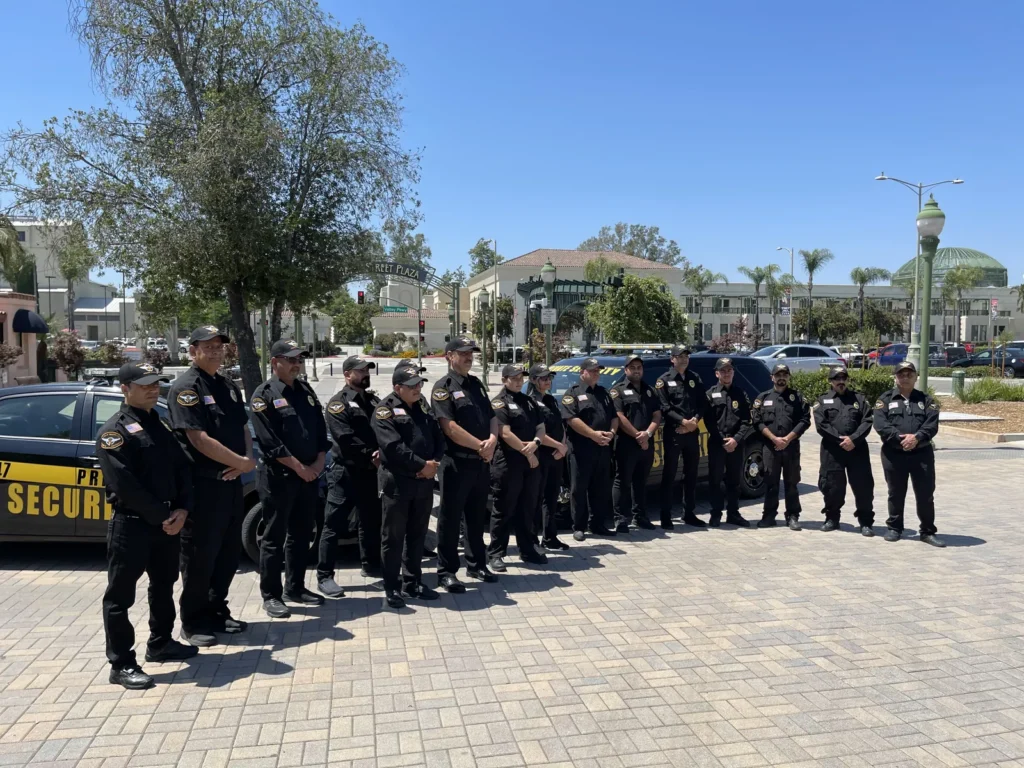
The most effective personal security is the kind you barely notice. It’s not about creating a scene with an intimidating presence; it’s about creating a seamless layer of safety that lets you move through your world with confidence. This philosophy of “invisible security” is what separates a modern protection specialist from a traditional executive bodyguard. A bodyguard is often a visible, reactive force. In contrast, an executive protection officer is a master of discretion and prevention. Their most important work happens long before you arrive, through careful planning and threat assessment, ensuring a problem is solved before it begins.
Key Takeaways
- Think prevention, not just reaction: True executive protection is proactive; it focuses on meticulous planning and threat assessment to neutralize dangers before they happen, which is different from a bodyguard’s reactive role.
- Prioritize skills over stereotypes: The most effective officers have a blend of specialized training, professional experience, and crucial soft skills like discretion and adaptability, which are far more important than physical size.
- Understand that protection is personal: Your security needs are unique to your risk profile, so the protection strategy and its cost are customized based on factors like threat level, duration, and the scope of the service.
Executive Protection vs. Bodyguard: What’s the Real Difference?
When you think of personal security, the image of a stoic bodyguard in a dark suit probably comes to mind. While that’s a common picture, it doesn’t capture the full scope of modern personal protection. The terms “bodyguard” and “executive protection officer” are often used interchangeably, but they represent two very different philosophies of safety. Understanding this distinction is the first step in finding the right security solution for your needs. A bodyguard is often a reactive presence, there to respond to a threat as it happens. An executive protection officer, on the other hand, operates with a proactive mindset, working diligently behind the scenes to prevent threats from ever materializing. Let’s break down what sets these roles apart.
Proactive Strategy vs. Reactive Defense
The most significant difference between a bodyguard and an executive protection officer comes down to one word: proactivity. A bodyguard’s role is primarily reactive. They are trained to respond with force during an emergency, acting as a physical shield when a situation turns dangerous. While valuable, this approach puts them on the defensive.
In contrast, an executive protection officer focuses on prevention. Their goal is to ensure an emergency never happens in the first place. They achieve this through meticulous strategic planning, intelligence gathering, and advance work. Think of it as the difference between having a first-aid kit for injuries and implementing a comprehensive safety program to prevent accidents altogether.
Their Core Mission: Preventing Threats Before They Happen
An executive protection officer’s duties go far beyond physical presence. Their work is a blend of logistics, intelligence, and security strategy. A key part of their job is to identify, analyze, and mitigate threats before they can impact the client. This involves conducting risk assessments of venues, planning secure travel routes, and even vetting individuals who will be in close contact with the client. They create a secure bubble around the person they are protecting, allowing them to conduct their business and personal life with confidence and minimal disruption. This comprehensive approach ensures all potential vulnerabilities are addressed ahead of time.
How They Plan Ahead to Assess and Reduce Risk
Effective executive protection is built on a foundation of thorough advance work. Before a client ever steps foot in a new location, the protection team has already been hard at work. This phase involves a detailed risk assessment that considers every angle, from the political climate of a travel destination to the layout of a conference hall. The team evaluates specific risk factors and develops a customized security plan tailored to the client’s unique schedule and profile. This level of preparation is what truly defines close protection services and separates them from a simple bodyguard detail.
Ensuring Your Safety from Point A to Point B
Travel introduces a host of variables and potential risks, making it a critical focus for any protection detail. An executive protection team manages every aspect of a client’s journey to ensure it is safe, discreet, and efficient. This includes everything from secure ground transportation and airport logistics to coordinating with local law enforcement and on-site security at hotels and event venues. By managing these details, the protection officer ensures smooth transitions between locations, minimizing exposure to potential threats and allowing the client to focus on the purpose of their trip without worrying about their safety.
Comprehensive Security Measures
True executive protection is a 360-degree shield that covers every facet of your life. It’s not just about having a physical presence during your workday or at an event; it’s about creating a secure environment that extends to your communications, your travel, and even your home. This holistic approach is what sets a professional detail apart. It involves integrating various layers of security to address a wide range of potential vulnerabilities. From safeguarding your private conversations to ensuring your family is safe at home, a comprehensive strategy leaves nothing to chance. This is where specialized skills and advanced planning become critical components of your safety.
Technical Surveillance Counter-Measures (TSCM)
In a world where information is as valuable as any physical asset, protecting your privacy is paramount. Threats are no longer limited to physical confrontations; they can come from a hidden microphone in a boardroom or a bug on your phone. This is where Technical Surveillance Counter-Measures (TSCM) come into play. TSCM is the practice of sweeping for and neutralizing hidden listening devices, cameras, and other forms of electronic surveillance. For executives, attorneys, or anyone handling sensitive information, ensuring that private conversations remain private is non-negotiable. An executive protection team can conduct regular sweeps of your office, home, and vehicles to protect your intellectual property and personal privacy from corporate espionage or other intrusions.
Secure Transportation and Travel Logistics
While we’ve touched on travel, it’s worth emphasizing the logistical depth involved. Secure transportation is more than just a safe car and driver; it’s a carefully choreographed operation. An executive protection team manages every detail of your journey to ensure it is safe, discreet, and efficient. This includes planning primary and alternate routes, coordinating with airport staff for seamless arrivals and departures, and liaising with on-site security at hotels and event venues. For complex itineraries, this might involve advance teams securing locations before you even arrive. This meticulous management of mobile security minimizes your exposure to risk and allows you to travel with complete peace of mind.
Home, Estate, and Asset Security
Your safety shouldn’t end when you walk through your front door. For many high-profile individuals, their home is a primary target. Comprehensive executive protection extends to securing your personal residence and assets. This involves a thorough assessment of your property to identify and fortify any vulnerabilities, from installing advanced security systems to designing safe rooms. It also includes establishing protocols for staff and visitors. A professional security detail can provide dedicated residential security, ensuring a constant, watchful presence that protects not just you, but your family and property. This creates a sanctuary where you can relax, knowing that your personal space is completely secure.
Who Really Needs an Executive Bodyguard?
When you hear “executive protection,” it’s easy to picture a celebrity surrounded by stoic figures in dark suits. While that’s one version, the reality is much broader. Executive protection is a specialized security service for anyone facing elevated personal risk due to their profession, status, wealth, or a specific situation. It’s not about reacting to danger; it’s about proactively preventing it through meticulous planning, threat assessment, and intelligence gathering.
The need for this level of security isn’t always permanent. Some individuals require ongoing protection due to their public profile, while others may need it for a short period, like during international travel or a high-stakes corporate event. The core idea is to create a secure environment that allows you to conduct your business and live your life with peace of mind. Deciding if you need executive security is less about fame and more about a realistic assessment of your personal risk profile.
The Growing Need for Private Security
It’s not just your imagination; the world has become more unpredictable, and with it, the nature of personal threats has evolved. High-profile people like executives and public figures face more security risks than ever, stemming from global tensions, rising crime rates, and new dangers emerging from the internet. This isn’t just a feeling—it’s a documented trend. The demand for private security is growing so rapidly that the market is projected to expand from $21.9 billion to nearly $30 billion by 2030, according to recent industry analysis. This growth reflects a broader understanding that proactive safety measures are becoming a necessity, not a luxury, for anyone whose position or profile makes them a potential target.
Protecting Your Business and Reputation
Investing in executive protection is about more than just personal safety; it’s a crucial step in safeguarding your business and its reputation. A security incident involving a key leader can send shockwaves through an entire organization, impacting morale, operations, and public perception. The primary goal of corporate security is to anticipate and neutralize threats before they ever become a problem. This proactive approach, which includes everything from risk assessments to secure travel planning, demonstrates a company’s commitment to its people. As noted by security experts, this helps companies maintain a positive image by showing they prioritize their team’s well-being, which is a powerful statement in itself.
When You’re Constantly in the Public Eye
CEOs, board members, politicians, and other public figures are prime candidates for executive protection. Their visibility makes them potential targets for a range of threats, including disgruntled employees, activists, stalkers, or individuals seeking financial gain through kidnapping or extortion. For these leaders, security is a business continuity tool. A threat against them is a threat against their organization. An executive protection officer provides more than a physical presence; they manage secure travel logistics, sweep venues before arrival, and create a buffer that allows the client to focus on their work without distraction or fear.
Mitigating Unique Risks like Kidnapping and Blackmail
Let’s be direct: for some high-profile individuals, the risk of serious crimes like kidnapping or blackmail is a real concern. This is where the intelligence-driven strategy of executive protection proves its absolute worth. The goal isn’t just to react to a threat; it’s to make you an exceptionally difficult and unattractive target, disrupting a potential plot long before it can ever take shape. A professional protection officer’s work is a blend of logistics, intelligence, and security strategy. They analyze your routines to spot anomalies, vary travel routes to prevent predictability, and work to secure your physical and digital environments from intrusion. This proactive approach creates a secure bubble that moves with you, making it incredibly difficult for anyone with malicious intent to find an opportunity. It’s this level of dedicated preparation that defines true executive protection and provides genuine peace of mind against complex threats.
When You’re Dealing with a Specific Threat
You don’t have to be a household name to face a serious threat. Executive protection is also crucial for individuals in unique, high-risk situations. This could include a high-net-worth individual going through a contentious divorce, a key witness in a major court case, or someone who has received credible threats of violence. In these scenarios, the service is highly personalized and discreet. The goal is to provide a seamless layer of security that mitigates the specific danger while allowing the individual to maintain as much normalcy as possible. It’s a tailored solution for temporary but critical security challenges.
For Critical Corporate Events and Global Travel
Sometimes, the need for protection is tied to a specific event rather than an individual’s daily life. Consider a major shareholder meeting where tensions might run high, an international business trip to a region with political instability, or a conference where you’re hosting foreign dignitaries. Our corporate security services can be deployed to manage these short-term, high-stakes situations. The team handles everything from advance planning and route reconnaissance to on-site security management, ensuring the event or trip proceeds smoothly and safely for all key personnel involved.
Busting the Biggest Myths About Executive Protection
One of the biggest misconceptions is that executive protection is just a fancy term for a bodyguard. In reality, they are very different. A bodyguard is typically reactive, responding to a threat as it happens. An executive protection officer is proactive, working to identify and neutralize threats long before they can materialize. Their work is based on intelligence and planning, not just physical intervention. Another myth is that protection officers must be large, intimidating men. The best agents are chosen for their training, critical thinking, and discretion, not their size. In fact, female officers are increasingly sought after for their ability to blend in and de-escalate situations effectively.
How to Hire the Right Executive Protection Officer
Finding the right executive protection officer is about more than hiring a bodyguard. It’s about entrusting your safety, privacy, and peace of mind to a highly skilled professional. The best officers blend into the background, managing threats before they ever materialize. They are strategic thinkers, expert planners, and calm presences in high-stress situations. While physical capability is a given, the most crucial qualities are often the ones you don’t see, like sharp instincts, unwavering discretion, and advanced training. When you’re ready to hire, you need to look past the stereotypes and focus on the specific qualifications that define an elite protection specialist. This means checking for a solid background, verifying their training, and assessing the soft skills that are essential for working in close personal proximity.
Do They Need a Military or Law Enforcement Background?
Many of the most effective executive security officers come from military or law enforcement careers. This isn’t just a coincidence. These backgrounds provide a foundation of discipline, situational awareness, and crisis management that is difficult to replicate. Individuals with this experience are trained to operate under extreme pressure, make split-second decisions, and conduct thorough risk assessments. They understand command structures and how to communicate clearly and concisely when it matters most. This experience equips them with a unique skill set that goes far beyond basic security, preparing them to handle the complex challenges of protecting high-profile individuals.
Essential Training and Certifications to Check For
A background in the military or law enforcement is a great start, but it’s not enough on its own. True executive protection requires specialized training. Look for officers who have completed accredited executive protection courses covering topics like advance route planning, defensive driving, emergency first aid (TCCC), and threat de-escalation. These programs teach agents how to proactively identify and neutralize potential dangers rather than just reacting to them. Certifications from reputable institutions show a commitment to the profession and ensure the officer is current on the latest protection tactics and technologies.
Medical Certifications like EMT and CPR
An officer’s responsibility extends beyond security threats to include your overall well-being. A medical emergency is often a more probable risk than a physical attack, and your protection officer is the first person on the scene. Because of this, medical training isn’t just a bonus—it’s a fundamental requirement. Look for certifications in CPR and basic first aid, with an Emergency Medical Technician (EMT) qualification being the gold standard. This training ensures your officer can respond effectively to anything from a sudden cardiac event to an injury, providing critical care until paramedics arrive. It’s a vital skill that demonstrates an agent’s commitment to your total safety, not just your security.
Specialized Executive Protection Programs
While a military or law enforcement background provides an excellent foundation, it doesn’t automatically qualify someone for executive protection. This field demands a unique and advanced skill set that is taught in specialized programs. This is the training that teaches an officer how to proactively identify and neutralize dangers rather than just reacting to them. Key topics include advanced route planning, defensive and evasive driving techniques, threat de-escalation, and Tactical Combat Casualty Care (TCCC). This is what separates a true protection specialist from a standard bodyguard. It equips them with the strategic mindset needed to manage logistics, intelligence, and security with seamless professionalism.
More Than Muscle: The Soft Skills That Truly Matter
An executive protection officer’s job is as much about intellect and emotional intelligence as it is about physical presence. The best agents are professional, adaptable, and possess excellent interpersonal skills. They need to work seamlessly with your family, staff, and business associates without being intrusive. A key trait is understanding professional boundaries; their role is to protect, not to become a friend or confidant. This emotional maturity allows them to remain objective and focused on their primary mission: your safety. They should be observant, patient, and capable of blending into any social or corporate environment.
Evaluating Their Discretion and Communication Style
Discretion is non-negotiable in executive protection. Your officer will be privy to sensitive personal and professional information, and you must have absolute trust in their ability to maintain confidentiality. They should be masters of low-profile protection, ensuring your safety without drawing unwanted attention. Strong communication skills are equally vital. The officer must be able to clearly convey plans to you, coordinate with other team members, and interact professionally with everyone from venue staff to law enforcement. This combination of discretion and clear communication is the hallmark of a true professional.
Armed vs. Unarmed Protection
One of the first decisions you’ll face is whether to hire armed or unarmed protection, and the right answer depends entirely on your specific risk profile. It’s not about which is better, but which is appropriate. An unarmed officer is a master of de-escalation, communication, and situational awareness, trained to neutralize threats using their intellect and physical skills before a situation escalates. This is often the ideal choice for lower-risk environments where a visible firearm could create unnecessary tension. On the other hand, for clients facing a credible, high-level threat, an armed security officer provides a powerful visual deterrent and the highest level of protection. At ASAP Security, our armed officers are not only fully licensed but also undergo extensive training to ensure their judgment and proficiency are second to none.
Strategic Team Composition
Effective executive protection is rarely a one-person job. While a single bodyguard can provide close protection, a comprehensive security strategy often requires a team. Think of it as a network of specialists working in concert to create a secure bubble around you. A full executive protection team offers layered security that a lone operator simply can’t. This includes agents who perform advance work by scouting locations, secure drivers trained in evasive maneuvers, and officers who secure your residence. This team approach ensures that all vulnerabilities are covered, from your home to your office to your travel destinations, allowing for a seamless and proactive defense against potential threats.
Why a Smaller, Low-Profile Team Can Be Better
It might seem counterintuitive, but a large, obvious security detail can sometimes do more harm than good. A crowd of imposing guards can draw unwanted attention, signaling your importance to potential adversaries and making you a more prominent target. It also disrupts your ability to live a normal life. This is why a smaller, more discreet team is often the better strategy. An elite, low-profile team can blend into the background, providing “invisible security” that doesn’t advertise its presence. This approach is often safer because it relies on intelligence and subtlety, allowing the team to operate without alerting potential threats while you go about your day with minimal intrusion.
Understanding Police Limitations
While we have immense respect for law enforcement, their role is fundamentally different from that of a private protection team. Police forces are a reactive entity; they respond to emergencies after they have already happened. Depending on call volume and proximity, it can take several critical minutes for them to arrive on the scene. Their resources are also spread across an entire community, not dedicated to a single individual. In contrast, a private executive protection detail is a proactive asset focused exclusively on you. The goal is to prevent the incident that would require a 911 call in the first place. By providing continuous, dedicated coverage, a protection team ensures your safety is the number one priority at all times.
Red Flags to Watch For When Hiring Your Protection
When vetting candidates, be aware of certain red flags. An oversized ego is a major one. An officer who seems more interested in looking the part or being seen with a high-profile client is a liability. Protection is about the principal, not the agent. Another warning sign is a lack of respect for your existing staff or a desire to overstep professional boundaries. Avoid anyone who speaks poorly of past clients or shares confidential details. Finally, be wary of candidates who can’t provide proof of specialized training or certifications. A professional will always be transparent about their qualifications and experience.
What’s the Real Cost of an Executive Bodyguard?
When you’re considering executive protection, one of the first questions that comes to mind is about the cost. The price isn’t a simple, flat rate because the service is tailored specifically to your situation. Think of it less like an off-the-shelf product and more like a custom-built safety plan. Several key factors influence the final cost, from the level of risk to the duration of the service. Understanding these elements will help you plan your budget and find the right level of security for your needs.
How Service Tiers Influence the Final Price
The cost of executive protection is directly tied to the complexity of the security plan. A basic service might involve a single officer providing low-profile surveillance for a few hours at a public event. A more comprehensive plan, however, could include a full team offering round-the-clock protection at your home, office, and during travel. These executive security services are designed to provide complete peace of mind. The number of officers, their specific skill sets (like advanced medical training or defensive driving), and the use of technology like secure vehicles all contribute to the overall service level and its price.
Does a Higher Risk Profile Mean a Higher Cost?
A crucial factor in determining cost is the level of risk you or your organization faces. A thorough threat assessment is the first step any professional security firm will take. This process identifies and analyzes potential dangers to create a protective strategy that effectively mitigates them. A higher-risk profile, such as a public figure facing specific threats or an executive traveling to an unstable region, requires more intensive planning and a larger, more experienced team. This proactive, intelligence-driven approach ensures your personal safety and allows for business continuity, but it naturally requires a greater investment than a standard private security detail.
Can Executive Protection Be Short Term? Factoring in Time and Scope
The duration and scope of the assignment also play a significant role in the cost. Are you looking for protection for a single-day corporate meeting, or do you need a dedicated team for several weeks during a multi-city tour? A short-term, local assignment is priced differently than a long-term, ongoing detail that involves complex logistics. The scope also includes the environment; securing a single building is simpler than managing secure travel across different locations. Services like mobile security patrols that adapt to your movements require detailed coordination, which is reflected in the pricing structure.
How to Realistically Budget for Your Security
To plan your security budget effectively, start by clearly defining your needs and potential concerns. Think about the specific situations where you feel vulnerable and what outcomes you want to avoid. When you consult with a security provider, be prepared to discuss these points openly. A reputable firm will use this information to develop a customized strategy and provide a transparent quote. Investing in professional corporate security services is about more than just hiring a guard; it’s about creating a secure environment that protects your most valuable assets: your people and your peace of mind.
Related Articles
- How to Hire a Personal Security Bodyguard: A Guide
- Executive Protection Services for Business Security & Risk Management
- The Role of Executive Protection Services In Business Operations
- Security Detail: Meaning & Types
Frequently Asked Questions
I’m not a celebrity. Is executive protection really for someone like me? Not at all. Executive protection is for anyone facing a higher level of personal risk due to their job, wealth, or a specific circumstance. This could be a CEO managing a sensitive corporate event, a manager handling a difficult termination, or even a family traveling to an unfamiliar region. The service is scaled to your actual risk level, not your public profile. It’s about preventing problems before they start, regardless of who you are.
So, what is the main difference between a bodyguard and an executive protection officer? The simplest way to think about it is prevention versus reaction. A bodyguard is primarily a reactive force, trained to respond physically when a threat occurs. An executive protection officer, however, works proactively to stop a threat from ever happening. Their job is rooted in intelligence, risk assessment, and meticulous advance planning, creating a secure environment so that a physical response is never needed.
How can a protection officer keep me safe without drawing a lot of attention? Discretion is a core part of professional executive protection. The goal is to blend in seamlessly with your life and work. Much of the work happens behind the scenes: planning secure travel routes, assessing venues beforehand, and coordinating logistics. The officer’s role is to be a quiet, professional presence, not an intimidating figure. Their expertise in low-profile security ensures you are protected without disrupting your daily routine or attracting unwanted notice.
What if I only need security for a short period, like for a corporate event or a business trip? That’s a very common need. Executive protection services are highly flexible and can be arranged for short-term assignments. Whether you need a team to secure a high-stakes shareholder meeting, protect a visiting executive, or ensure your safety during international travel, a plan can be customized for that specific duration and scope. It’s not an all-or-nothing commitment.
I think I might need this service. What is the first step? The first step is to have a confidential conversation with a security provider to discuss your specific situation and concerns. From there, the provider will conduct a professional threat assessment to understand your unique vulnerabilities. This assessment becomes the foundation for building a customized security strategy that fits your life, your work, and your budget.
The Financial Case for Protection
Thinking about professional security often leads to one big question: what does it cost? While it’s true that dedicated protection is a significant investment, it’s more accurate to view it as a financial strategy rather than just an expense. The cost of a security breach—whether it’s a threat to your personal safety, the theft of valuable assets, or a disruption to your business—can far outweigh the price of prevention. Making a financial case for protection means looking at both the direct costs of the service and the potential long-term savings and value it provides. It’s about investing in continuity, safety, and the peace of mind that allows you to focus on what matters most.
Daily and Annual Cost Examples
The cost of executive protection varies widely because it’s tailored to your specific risk profile. At the highest level, public figures might spend tens of millions annually on comprehensive, military-level security teams. On a smaller scale, a top-tier officer for a single day can cost upwards of $1,200. However, these figures represent the upper end of the spectrum. For most clients, the cost is determined by a detailed threat assessment that considers the number of officers needed, the duration of the assignment, and the complexity of the logistics. The best way to understand the real cost for your situation is to get a personalized quote based on a professional evaluation of your security needs.
How Security Can Impact Insurance Premiums
One of the most tangible financial benefits of professional security is its potential to lower your insurance premiums. Insurance companies operate on risk; the lower your perceived risk, the less you pay. When you implement a professional security plan, you are actively mitigating threats that insurers care about. For a business, having visible corporate security services can reduce liability and property insurance costs. For a homeowner, a dedicated residential security presence can lead to lower premiums by reducing the risk of theft, vandalism, and other incidents. This investment in protection often pays for itself over time, not just through prevented losses but also through direct savings on essential insurance coverage.
