
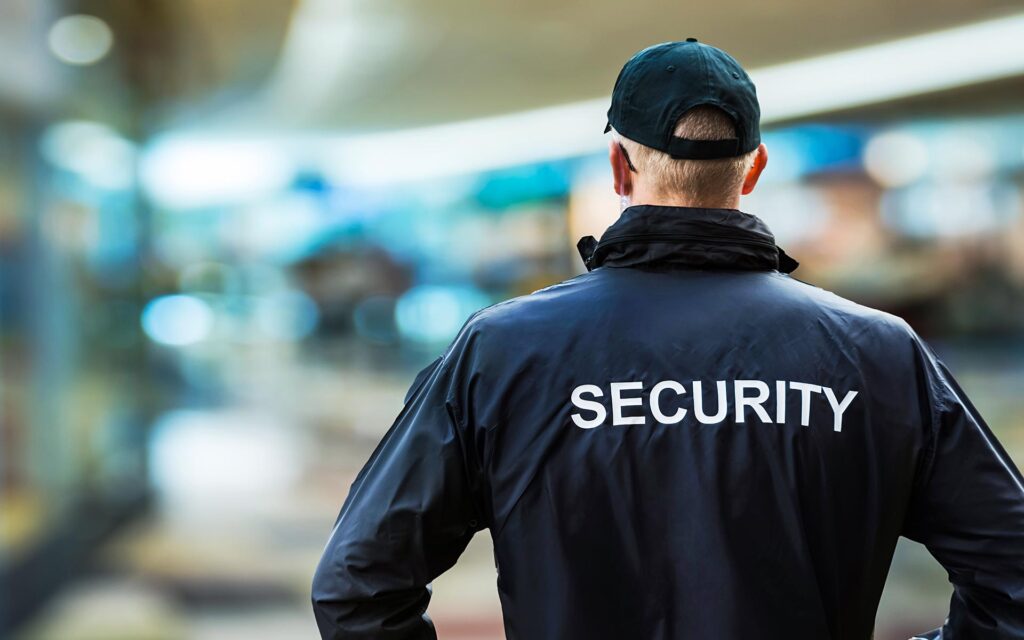
The feeling customers have when they walk into your store is powerful. A welcoming and safe environment encourages them to browse longer, spend more, and come back again. Conversely, a space that feels insecure can drive them away for good. Effective retail security is about much more than just preventing theft; it’s a critical component of your customer experience. When shoppers and employees feel protected, it builds trust and reinforces your brand’s reputation. This guide explores how a comprehensive security plan does double duty by protecting your inventory while also creating the kind of safe, positive atmosphere that fosters customer loyalty.
Elevating Retail Security: Solutions Offered by Expert Private Security Companies
 Understanding the Importance of Retail Security
 Understanding the Importance of Retail Security
The retail industry is no stranger to security threats, both internal and external, which can have a significant impact on a business’s bottom line. By investing in robust security measures, retailers can create a safe and secure environment for their customers and employees. Private security companies offer specialized expertise that can help identify and mitigate potential risks. When it comes to retail security, there is more at stake than just merchandise. The safety and well-being of employees and customers are paramount. A secure environment not only protects against theft and vandalism but also ensures that everyone feels safe and comfortable while shopping or working. One of the key challenges in retail security is the ever-evolving nature of threats. Criminals are constantly finding new ways to exploit vulnerabilities in a retail business’s security infrastructure. From traditional theft and vandalism to more sophisticated cyberattacks, retailers face a range of risks that require proactive measures to address.
The Financial Impact of Retail Crime
Retail crime is more than just a headache—it’s a significant financial burden. In 2022, stores lost a staggering $112.1 billion to what’s known in the industry as “shrink,” which is inventory that disappears for reasons other than being sold. About 65% of that loss comes directly from theft by customers and employees. And we’re not just talking about petty shoplifting. Organized retail crime (ORC) is a huge factor, with a reported 85% of retailers having been targeted by these coordinated groups. But the impact isn’t just financial. The human cost is also rising, with 80% of retailers reporting an increase in violent and aggressive incidents. This reality highlights why a solid security plan is essential. Having professional private security guards on-site can be a powerful deterrent, protecting not just your inventory, but more importantly, your people and your peace of mind.
What Are the Biggest Threats to Retailers Today?
Retailers face a range of threats, from traditional theft and vandalism to more sophisticated cyberattacks. As technology advances, criminals adapt their methods to exploit vulnerabilities in a retail business’s security infrastructure. Retailers need to stay informed about emerging threats and invest in proactive security solutions. Furthermore, physical security threats such as organized retail crime (ORC) pose a significant challenge to retailers. ORC involves professional shoplifters who steal large quantities of merchandise to resell on the black market. These criminal networks can cause substantial financial losses and disrupt the supply chain. Retailers need to collaborate with law enforcement agencies and implement advanced surveillance systems to combat this growing threat.
Fraudulent Activities
Fraudulent activities extend far beyond a simple case of shoplifting. These schemes are often more complex and can seriously damage your bottom line. For instance, you might encounter fraudulent returns, where individuals attempt to return stolen merchandise or items purchased with counterfeit money for a cash refund. On a larger scale, retailers are increasingly targeted by Organized Retail Crime (ORC), which involves coordinated groups stealing high volumes of products to resell. It’s also crucial to recognize that these threats aren’t always external. Internal theft by employees remains a significant source of loss for many businesses. Addressing these varied forms of fraud requires a comprehensive security strategy that includes vigilant staff and a professional security presence to deter potential offenders.
How Security Contributes to Your Store’s Success
Effective security measures not only protect a retail business from potential losses but also instill confidence in customers, enabling them to shop without concerns about their safety. By prioritizing security, retailers can enhance customer satisfaction, loyalty, and ultimately drive growth. Customers today are more conscious of security risks and are more likely to choose retailers that prioritize their safety. A visible security presence, such as uniformed security guards and surveillance cameras, can act as a deterrent to potential criminals and provide peace of mind to customers. Retailers that invest in security measures send a clear message that they value their customers’ well-being. In addition to preventing losses, retail security measures can also help in the identification and apprehension of criminals. Advanced surveillance systems, facial recognition technology, and access control systems can aid in the detection of suspicious activities and provide valuable evidence for law enforcement agencies. Moreover, a comprehensive security strategy can help retailers identify vulnerabilities in their operations and implement measures to mitigate risks. Regular security audits, employee training programs, and collaboration with private security companies can ensure that retailers stay one step ahead of potential threats. In conclusion, retail security is a critical aspect of running a successful business in today’s challenging environment. By investing in robust security measures, retailers can protect their assets, create a safe shopping environment, and build trust with their customers. Staying informed about emerging threats and implementing proactive security solutions is essential to stay ahead of criminals and maintain a competitive edge in the retail industry.
Identifying the Challenges in Retail Security
 Identifying the Challenges in Retail Security
Retail security poses unique challenges that require specialized solutions. Understanding these challenges is the first step in implementing effective security measures. When it comes to retail security, various factors need to be considered. From internal theft and fraud to external theft and vandalism, as well as the growing concern of cybersecurity threats, retailers need to be prepared to tackle these challenges head-on.
Protecting Your Store from Internal Theft
Employee theft and fraud can significantly impact a retailer’s profitability. It is estimated that businesses lose billions of dollars each year due to internal theft. This can include anything from cash register manipulations to inventory shrinkage. To combat this issue, private security companies can assist in developing comprehensive strategies to deter and detect internal theft. One effective solution is the implementation of surveillance systems throughout the retail space. These systems can help monitor employee behavior and identify any suspicious activities. Regular audits can also be conducted to ensure that inventory counts match sales records, minimizing the risk of theft going unnoticed. Additionally, access control measures can be put in place to restrict unauthorized access to sensitive areas, further reducing the opportunity for internal theft.
Stopping External Theft and Vandalism
Traditional theft and vandalism remain prevalent in the retail industry. Shoplifting, organized retail crime, and acts of vandalism can all have a significant impact on a retailer’s bottom line. To address these challenges, private security companies provide a range of solutions. One effective measure is the strategic placement of surveillance cameras. These cameras can act as a deterrent, as potential criminals are less likely to target a store that has visible security measures in place. In the event of an incident, surveillance footage can also be used to identify and apprehend the perpetrators. Alarm systems can also be installed to alert store personnel and security personnel in case of a break-in or suspicious activity. Trained security personnel can respond promptly to such incidents, ensuring the safety of both customers and employees.
The Role of Private Security Companies in Retail Security
 The Role of Private Security Companies in Retail Security
Private security companies bring specialized knowledge and experience that can bolster a retailer’s security efforts.They offer a range of services, from providing highly trained security officers to implementing advanced technological solutions, all tailored to the specific needs of the retail environment. By partnering with a professional security firm, retailers can create a comprehensive security strategy that addresses all potential vulnerabilities, ensuring a safe and secure shopping experience for customers and a protected environment for employees.
Proactive Loss Prevention Strategies
Waiting for an incident to happen is a strategy that costs you money, time, and peace of mind. A proactive approach to loss prevention is about creating an environment where theft and other security threats are less likely to occur in the first place. It involves layering different strategies—from technology to your store’s physical layout—to build a robust defense. This forward-thinking mindset not only protects your inventory but also fosters a safer atmosphere for both your employees and customers. The goal is to make your business a hard target for potential criminals, encouraging them to move on before they even try.
Implementing these strategies requires a holistic view of your operations. It’s not just about installing a camera and calling it a day. It’s about understanding your specific vulnerabilities and addressing them with a tailored plan. This could involve integrating modern technology, optimizing the flow and design of your physical space, and building a strong, security-conscious culture among your staff. Each element supports the others, creating a security ecosystem that is much more effective than any single measure on its own. Let’s explore some of the most effective proactive strategies you can put into action.
Leveraging Modern Security Technology
Technology is a powerful ally in the effort to prevent retail loss. Modern security tools go far beyond simple cameras; they offer intelligent, automated ways to monitor your store, control access, and protect your merchandise. When you integrate advanced technology into your security plan, you create a system that can identify potential threats in real-time and provide valuable data to stop losses before they happen. These systems work around the clock, acting as a constant, vigilant presence that supports your on-site security team and staff. From smart surveillance to sophisticated tagging systems, the right tech can transform your store’s defense from reactive to proactive.
Electronic Article Surveillance (EAS) and RFID
You’ve seen them before—those plastic tags on clothing or cases on high-value electronics. These are part of an Electronic Article Surveillance (EAS) system. It’s a simple but highly effective concept: a tag on an item communicates with sensors at the store exit. If an item with an active tag passes through, an alarm sounds. Studies show that EAS systems can reduce shoplifting by a significant margin. Radio-Frequency Identification (RFID) technology takes this a step further, using unique identifiers to track individual items, which not only helps with loss prevention but also improves inventory management.
Artificial Intelligence (AI) in Surveillance
Today’s security cameras are smarter than ever, thanks to Artificial Intelligence. AI-powered surveillance systems can do more than just record footage; they can analyze it in real-time to identify suspicious behaviors or potential threats. For instance, some systems can detect when a weapon is present without relying on facial recognition, respecting privacy while enhancing safety. This technology can automatically alert security personnel to a potential issue, allowing for a much faster response than if someone had to manually review hours of video.
Access Control Systems
Not every part of your store should be accessible to everyone. Access control systems are essential for securing sensitive areas like stockrooms, cash offices, and server rooms. Using keycards, biometric scanners, or simple PIN codes, you can ensure only authorized personnel can enter restricted zones. This is a critical step in preventing internal theft, as it creates a clear digital record of who accessed which area and when. It’s a straightforward way to limit opportunities for theft and protect your most valuable assets.
Integrated Security Systems
While each piece of security technology is useful on its own, its true power is unlocked when all systems work together. An integrated security system connects your surveillance cameras, access control, alarm systems, and even your point-of-sale data. For example, if an alarm is triggered in the stockroom, the system can automatically show you the live feed from the nearest camera. This seamless integration provides a complete picture of your store’s security, making it easier to manage, monitor, and respond to any incidents efficiently.
Optimizing the Physical Environment
Your store’s physical layout plays a surprisingly large role in its security. A well-designed space can naturally deter theft by increasing visibility and eliminating hiding spots, while a poorly planned one can inadvertently create opportunities for shoplifters. Optimizing your environment is a cost-effective and powerful layer of your loss prevention strategy. It’s about using smart design principles to guide customer flow, maximize sightlines for your staff, and make it clear that the entire store is being monitored. Simple changes to lighting, shelving, and signage can make a significant difference in how secure your store feels and actually is.
Store Layout and Design
Think about your store from a security perspective. Are there blind spots created by tall displays or poorly lit corners? A strategic store layout with low shelving and wide, clear aisles allows your staff to easily see across the sales floor. Placing cash registers near the entrance/exit gives employees a clear view of everyone coming and going. By designing your store with unobstructed views, you make it much harder for a potential thief to go unnoticed, which is often enough to deter them.
Physical Deterrents
Visible security measures are some of the most effective deterrents available. When potential thieves see security cameras, anti-theft tags, and mirrors in corners, they know they are being watched. This psychological deterrent makes them think twice before attempting to steal. The most powerful physical deterrent is a professional security presence. Having a uniformed private security guard on-site sends an unmistakable message that your business takes security seriously. Their presence alone can prevent incidents and provide immediate assistance if a situation arises.
Building a Security-Focused Culture
Your employees are your first line of defense against retail loss. Technology and store design are crucial, but without a well-trained and vigilant team, your security plan will have gaps. Building a security-focused culture means empowering every staff member with the knowledge and confidence to be an active participant in protecting the store. This involves comprehensive training, clear communication about security policies, and fostering an environment where employees feel comfortable reporting suspicious activity. When your entire team is on the same page, your security becomes a collective effort, making it much more effective.
General Employee Training
Every employee, from cashiers to stockroom staff, should receive basic security training. This education should cover how to identify common signs of shoplifting, what to do if they witness a theft, and how to handle unruly customers safely. Clear protocols for reporting incidents are essential. When your team knows exactly how to react, they can respond calmly and effectively, ensuring their own safety and minimizing potential losses for the business. This training turns your staff into an extension of your security team.
Customer Engagement as a Deterrent
Excellent customer service is also excellent security. When employees proactively greet and engage with every customer who enters the store, it creates a welcoming atmosphere. It also lets potential thieves know they have been seen and acknowledged. A simple, friendly question like, “Can I help you find anything today?” can be a powerful deterrent. This approach makes shoplifters feel watched and uncomfortable, often causing them to abandon their plans and leave the store without incident.
Regular Security Audits
A security plan is not something you can set and forget. Threats evolve, and your business changes, so your security measures must adapt as well. Conducting regular security audits is like a health check-up for your loss prevention strategy. These assessments help you identify new vulnerabilities—like a broken camera or a new blind spot from a seasonal display—and address them before they can be exploited. Partnering with a firm like ASAP Security for a professional audit can provide an expert, unbiased perspective on how to strengthen your defenses.
What Services Can a Security Company Provide?
Expert private security companies offer a range of services tailored to the unique needs of retail businesses. These services include manned guarding, CCTV monitoring, mobile patrols, alarm response, and risk assessments. By outsourcing security to professionals, retailers can focus on their core business operations.
The Value of Professionally Trained Security Guards
Private security personnel undergo rigorous training to handle various security situations effectively. They are well-versed in conflict resolution, emergency response, and customer service. With their presence, retailers can deter potential threats and ensure a safe shopping environment.
Choosing the Right Private Security Company for Your Retail Business
 Choosing the Right Private Security Company for Your Retail Business
When selecting a private security company, retailers should consider several factors to ensure they make the right choice.
Uniformed vs. Undercover Security Officers
Deciding between uniformed and undercover security officers really comes down to your primary goal. Uniformed guards are your first line of defense. Their professional appearance and clear visibility act as a strong deterrent, discouraging potential shoplifters and troublemakers before they even act. They also provide a sense of safety for customers and staff, offering an easily identifiable point of contact in case of an emergency. On the other hand, undercover or plainclothes officers are essential for addressing internal threats and more subtle external risks. By blending in with shoppers, they can effectively monitor for employee theft or organized retail crime without tipping off the culprits. Often, the most robust security plan combines both: a visible private security presence at the entrance to deter crime and plainclothes officers inside to handle covert issues.
Your Checklist for Hiring the Right Security Company
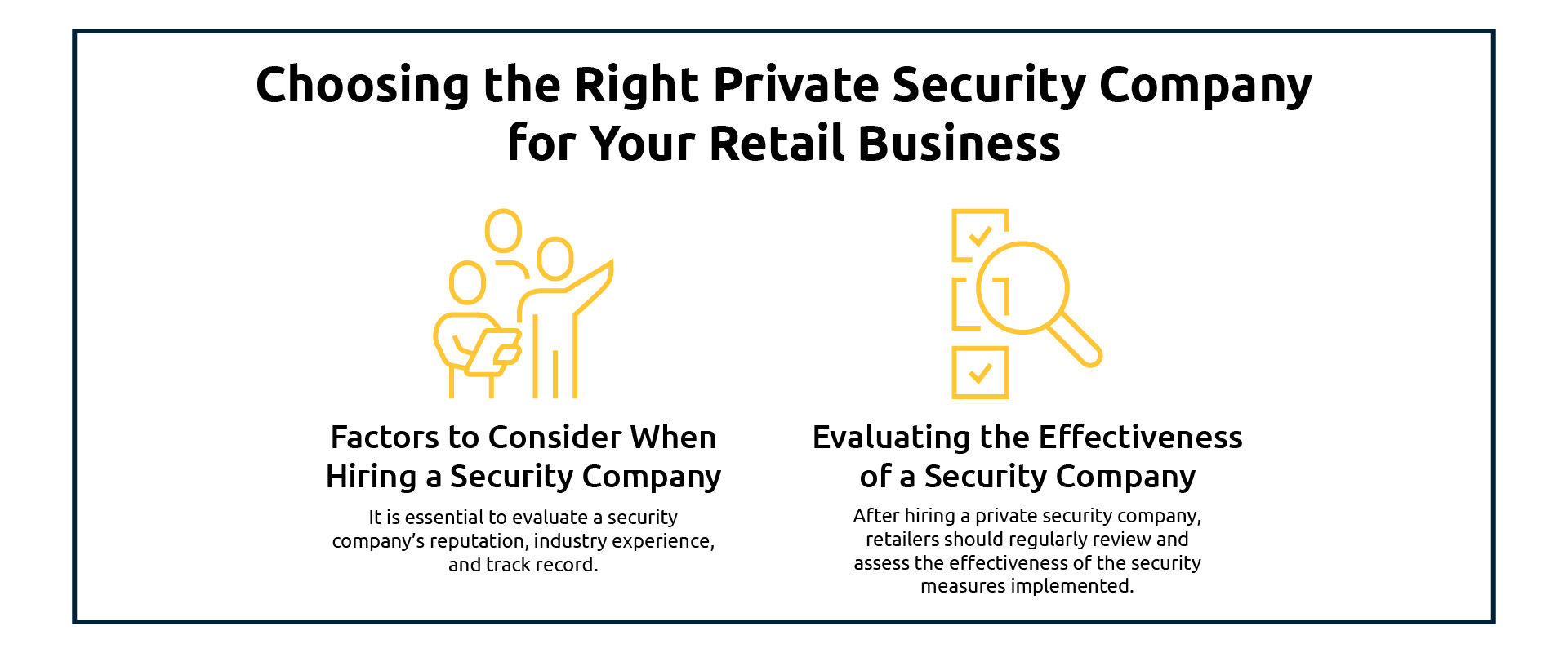
It is essential to evaluate a security company’s reputation, industry experience, and track record. Additionally, retailers should assess the company’s ability to customize security solutions to their specific needs, obtain references from existing clients, and ensure compliance with industry standards and regulations.
How to Measure Your Security Partner’s Performance
After hiring a private security company, retailers should regularly review and assess the effectiveness of the security measures implemented. Ongoing communication with the security provider allows for adjustments and improvements to further optimize retail security. By partnering with expert private security companies, retailers can proactively address security challenges and create a secure environment that sets them apart from their competitors. Elevating retail security not only protects assets and reduces losses but also enhances customer trust and loyalty, fostering long-term success in the retail industry. Take time to invest in your safety and security ASAP. Get a free security consultation from ASAP Security today!
Ready to Improve Your Store’s Security?
We are proud of our stellar customer service record, so check our website for all the testimonials from our various satisfied customers. Call ASAP Security at 1-833-272-7247
Frequently Asked Questions
My store’s main problem is shoplifting. Isn’t that the only thing retail security focuses on? While preventing shoplifting is a huge part of retail security, a truly effective strategy goes much deeper. It also protects your business from more complex issues like organized retail crime, fraudulent returns, and even internal theft by employees. Beyond just protecting merchandise, a solid security plan creates a safe and welcoming atmosphere. When customers and staff feel secure, it builds trust in your brand and encourages shoppers to return.
I have a great team. How significant is the threat of internal theft, really? It’s a sensitive topic, but unfortunately, internal theft is a major source of loss for retailers across the board. It doesn’t always mean a staff member is malicious; sometimes it stems from poor inventory controls or unclear policies. A professional security assessment can help you identify vulnerabilities, such as unsecured stockrooms or cash-handling procedures, and implement solutions like access control systems to protect your assets and remove temptation.
What’s more effective: investing in new security technology or hiring on-site guards? This isn’t an either/or question; the most effective security plans use both. Technology like AI-powered cameras and access control systems provide constant, unbiased monitoring and create a digital record of activity. However, a professionally trained security guard provides a powerful physical deterrent and the ability to respond to situations immediately, de-escalate conflicts, and assist customers. The two work together to create a comprehensive defense.
How can I make my employees part of the security solution without making them feel like police? The key is to frame security training as an extension of great customer service. Teaching your team to greet and engage with every person who walks in is a perfect example. This simple act makes shoppers feel welcome, but it also signals to potential thieves that they’ve been noticed. When employees are trained to spot suspicious behaviors and know the correct, safe protocol for reporting them, they feel empowered to protect the store, not burdened by it.
What’s the difference between a uniformed guard and a plainclothes officer, and how do I choose? The choice depends entirely on your primary security goals. A uniformed guard is a powerful visual deterrent. Their presence alone can prevent many incidents and provides a clear point of contact for anyone needing assistance. A plainclothes, or undercover, officer is better for situations that require discretion, such as investigating internal theft or identifying members of an organized retail crime ring without alerting them. Many retailers find that a combination of both offers the most complete coverage.
Key Takeaways
- View security as part of the customer experience: A safe store environment does more than just prevent theft; it builds trust and encourages shoppers to stay longer, spend more, and return, making security a key driver of customer loyalty.
- Create a proactive, layered defense: Combine modern technology like AI surveillance, a strategic store layout that eliminates blind spots, and the visible presence of professional security guards to deter crime before it happens.
- Train your employees to be your first line of defense: Empower your team with security training, teach them to use friendly customer engagement as a deterrent, and foster a culture where everyone actively contributes to keeping the store safe.
Related Articles
- Elevating Retail Security – Security Guards In San Diego | ASAP Security
- What Is a Security Guardian? A Simple Guide | ASAP Security Guards
- 6 Top Private Security Companies in the USA | ASAP Security Guards
- Physical Security Solutions to Protect Employees & Assets | ASAP Security Guards