
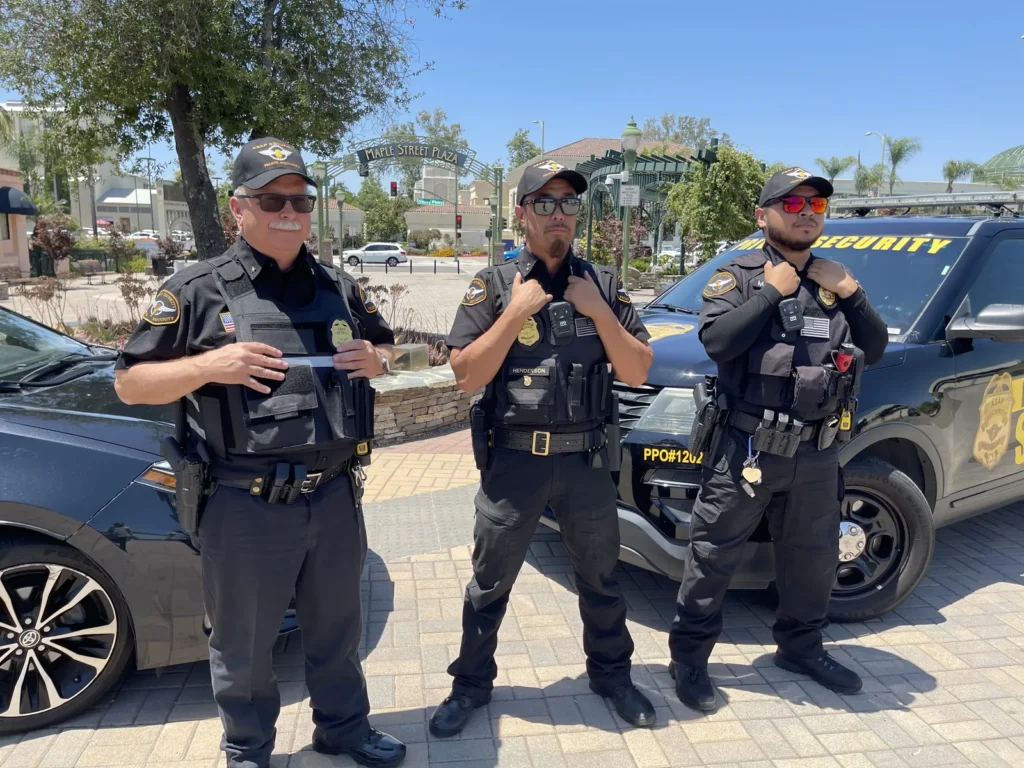
It’s a scenario that can feel confusing and a little intimidating: you see flashing lights in your rearview mirror inside your own neighborhood, but it’s not a police car. It’s the community security patrol. This situation immediately brings up a critical question: can HOA security pull you over? The short answer is almost always no, as security guards are not law enforcement officers and lack the legal authority to conduct a traffic stop. However, the full answer depends on key factors like whether your community’s roads are public or private. Understanding these distinctions is crucial for residents and HOA boards to ensure safety is maintained without crossing legal boundaries and creating liability. This guide will break down where a guard’s authority begins and ends.
Key Takeaways
- Security Guards Are Not Police Officers: Remember that HOA security are private employees hired to observe, report, and enforce community rules, not public laws. Their authority is limited, meaning they cannot arrest you or conduct legal traffic stops.
- Know Your Rights and Your HOA’s Rules: You have the right to record interactions and are not obligated to provide identification as you would for law enforcement. Understanding your community’s specific rules, especially regarding private versus public roads, clarifies what a guard can reasonably ask.
- Ignoring Legitimate Requests Has Consequences: While guards have limits, refusing to follow valid community rules can lead to HOA-issued fines or restricted access to amenities. Since you agree to these rules as a resident, non-compliance can result in real penalties.
What Can HOA Security Actually Do?
When you see a security guard patrolling your neighborhood, it’s natural to wonder about the scope of their authority. Are they like police officers? Can they give you a ticket? The short answer is that HOA security plays a vital, but specific, role. Their main job is to observe, report, and enforce the community’s rules as outlined in the HOA’s governing documents. They are the eyes and ears of the community, helping to deter crime and maintain order.
Think of them as rule-enforcers for the private property they are hired to protect. They can monitor access points, patrol common areas, and address violations of HOA policies, such as parking rules or noise complaints. However, they are private citizens, not sworn law enforcement officers. This distinction is key to understanding what they can and cannot legally do. Their authority is granted by the homeowner’s association, and it is limited to the boundaries of the community’s private property. Understanding these boundaries helps both residents and security personnel maintain a safe and respectful environment.
Their Legal Powers and Limits
It’s important to be clear: HOA security guards are not police officers. While both work to keep people safe, their jobs, powers, and training are very different. Security personnel do not have the same legal powers as law enforcement. They cannot arrest you, conduct criminal investigations, or execute search warrants. Their authority comes directly from the HOA and is limited to enforcing the specific rules and regulations of your community.
Their primary functions are to deter unwanted activity through their presence, observe situations, and report any suspected criminal activity to the police. They can ask you to comply with HOA rules, like moving a car parked in a fire lane, but they generally cannot force you to do so. A professional security team understands these limits and works within them to protect the community without overstepping its legal authority.
Where Their Authority Applies
The authority of an HOA security guard depends heavily on where an incident takes place, specifically whether the roads are private or public. If the streets within your community are private and owned by the HOA, the association has more control. In this case, the HOA can set its own rules, like speed limits, and authorize security to enforce them. For example, an Illinois court ruled that an HOA could issue speeding tickets on its private roads.
However, if the streets are public and owned by the city or county, HOA security has very little power to enforce traffic laws. On public roads, only sworn law enforcement officers can conduct a traffic stop or issue a citation. A professional residential security service is trained to understand this crucial distinction, ensuring they only act where they have clear jurisdiction.
Common Myths About HOA Security Authority
Several misconceptions exist about what HOA security can do, which can lead to confusing and tense situations. One of the biggest myths is that security guards can arrest you. They cannot. While they can perform a citizen’s arrest in very specific and extreme circumstances (just like any other citizen), they do not have general arrest powers. Their role is to call the police if they witness a crime.
Another common myth is that you must treat security guards as if they are law enforcement. While you should always be respectful, you are not legally required to provide them with identification or answer their questions in the same way you would with a police officer. They are private employees enforcing private rules, not public laws. Understanding this clarifies their role as a helpful presence meant to maintain community standards, not to act as a private police force.
Can HOA Security Pull You Over?
It’s a scenario that can feel confusing and a little intimidating: you see flashing lights in your rearview mirror inside your own neighborhood, but it’s not a police car. It’s the community security patrol. So, can they actually pull you over? The short answer is almost always no. Security guards are not law enforcement officers, and they don’t have the legal authority to conduct a traffic stop in the way a police officer does.
However, the full answer isn’t quite so simple. The authority of an HOA security guard depends heavily on a few key factors, including whether your community’s roads are public or private and what your specific state laws allow. Understanding these distinctions is crucial for both residents and HOA board members to ensure safety is maintained without crossing legal boundaries. When everyone knows the rules, it helps create a safer, more respectful environment. A professional security team understands these limits and operates within them to protect the community effectively. Before we get into what to do if you’re stopped, let’s break down where a guard’s authority begins and ends.
Private Roads vs. Public Streets
The first and most important question to ask is: who owns the road? If the streets in your neighborhood are public and maintained by the city or county, then HOA security has no more authority there than any other private citizen. They cannot legally stop your vehicle or enforce traffic laws. An attempt to do so on a public street could be considered unlawful detainment.
If the roads are private property owned and maintained by the homeowners’ association, the rules change a bit. The HOA has the right to set its own regulations for its private property, including speed limits and parking rules. While guards can enforce these community rules, their power is still limited. They can document violations and report them to the HOA board for fines or other penalties, but they still typically cannot perform a traffic stop like a police officer would.
Why Only Law Enforcement Can Make a Traffic Stop
There is a clear and critical line between private security and law enforcement. Only sworn police officers who have completed rigorous training and are granted authority by the state have the legal power to conduct a traffic stop. This authority allows them to detain drivers, request identification, and issue official citations that hold up in court. Private individuals, including security guards, cannot legally stop cars.
Security guards are private citizens hired to observe, deter, and report. Their role is to be a visible presence and to document any rule-breaking or criminal activity. A professional residential security team is trained to understand these legal limits. Instead of pulling someone over, their protocol is to note the vehicle’s details, document the violation, and submit a report to the HOA or, if a crime is witnessed, to the local police.
How State Laws Impact HOA Rules
Adding another layer to the issue, state laws can sometimes grant HOAs specific powers that aren’t standard elsewhere. It’s a reminder that what’s true in one state may not be true in another. For instance, a court in Illinois once ruled that an HOA could use its security team to issue speeding tickets on its private roads, which is a notable exception.
In other places, like Florida, state laws allow an HOA board to formally vote to have local law enforcement enforce state traffic laws on their private roads. Notice the key difference: the HOA isn’t doing the enforcing itself; it’s authorizing the police to do so. These cases are often the exception, not the rule. That’s why it’s so important for residents and board members to be familiar with their own state and local ordinances to understand exactly what is and isn’t allowed.
What to Do if HOA Security Tries to Stop You
It can be confusing when a security guard in a uniform tries to stop you. Are they allowed to do that? What are your rights? Knowing how to handle the situation calmly is key. Your response can prevent a minor issue from becoming a major headache. Let’s walk through exactly what you should do if you find yourself in this scenario.
Know Your Rights During an Encounter
First, remember that HOA security guards are not police officers. They are private citizens hired by the HOA and lack the legal authority of law enforcement. Their role is to observe, report, and enforce community rules, not laws. This means they generally cannot legally pull you over for a traffic violation, especially on a public street. If the roads are city-owned, a guard has very little power to stop you. As a guest, you are typically not required to stop or provide identification. Understanding their limited role is the first step to handling any interaction with confidence.
How to Respond Safely
If an HOA security guard signals for you to stop, stay calm and polite. Escalating the situation rarely helps. While you can choose to listen, you are not required to show them your driver’s license, registration, or proof of insurance. You can clarify the situation by asking, “Am I free to go?” If they insist you stay, they may be overstepping. Should they threaten to call the police, calmly agree to wait for an officer. This de-escalates the interaction and ensures it’s handled by someone with proper legal authority.
When It’s Time to Call the Police
You should call the police if a guard acts aggressively, threatens you, or tries to physically detain you or your vehicle. A private security guard cannot legally perform a traffic stop; that power is reserved for sworn law enforcement officers, a point emphasized by police veterans. If a guard uses flashing lights or blocks your path, they are acting outside their legal bounds. If they insist you are being detained without legal cause, call 911. Tell the dispatcher your location and that a private guard is attempting to detain you. This creates an official record and ensures your safety.
What Happens if You Refuse an HOA Security Request?
While HOA security guards don’t have the same authority as police officers, refusing a legitimate request can still lead to serious consequences. When you move into a community with an HOA, you agree to abide by its rules. This agreement gives the HOA, and its security team, the power to enforce those rules. Ignoring them can result in financial penalties, restricted access to your own neighborhood, and formal disciplinary action from the HOA board. Let’s walk through what could happen if you choose not to comply.
Potential Fines and Rule Violations
The most common consequence for refusing an HOA security request is a fine. It’s important to remember that these are not official police tickets; they are civil penalties for violating the community’s established rules. The security guard’s job is to document the violation and report it to the HOA. The HOA then issues the fine based on the authority granted in its governing documents. Your obligations depend on the specific rules (bylaws) of your HOA, which you agreed to upon becoming a resident. Keep in mind that you can also be held responsible for the actions of your guests, so make sure they understand the community rules as well.
Restricted Access and Other Penalties
If you ignore fines or repeatedly violate the rules, the HOA can escalate the penalties. You might find your access to community amenities like the pool or clubhouse suspended. In some cases, the HOA can even deactivate your gate key or transponder, temporarily restricting your access to the community until the issue is resolved. The most severe consequence is a property lien. If you don’t pay your fines, the HOA can often put a lien on your property, which is a legal claim that can complicate selling or refinancing your home. This shows how a seemingly minor disagreement can turn into a significant financial and legal problem.
Disciplinary Action from the HOA Board
Refusing a security request typically triggers a formal process. The guard will file an incident report, which is then reviewed by the HOA board. The board may issue a formal warning or call you in for a hearing to discuss the violation. This is your opportunity to present your side of the story, but the board has the final authority to decide on disciplinary action based on the bylaws. A professional residential security team ensures these reports are accurate and unbiased, which protects both the community and the resident by providing a clear account of what happened. Ultimately, the board’s decision is binding, and it can enforce any of the penalties we’ve discussed.
HOA Security vs. Law Enforcement: The Key Differences
It’s easy to blur the lines between HOA security and local police, but their roles and legal powers are worlds apart. While both work to keep your community safe, security guards are private citizens employed by the HOA, and law enforcement officers are government agents. Understanding this distinction is the first step to knowing your rights and interacting with them correctly.
Arrest and Detention Authority
A security guard cannot arrest you. Unlike sworn police officers, private security personnel do not have the power to make arrests or legally detain individuals against their will. Their primary role is to observe and report suspicious activity to the proper authorities. While they can perform a citizen’s arrest in very specific situations, the legal standard is high and the risks are significant. The main job of professional residential security is to deter crime through presence and to be a reliable witness if an incident occurs, not to act as law enforcement.
Power to Issue Tickets and Citations
This is where things can get tricky. HOA security can’t issue a government traffic ticket that adds points to your license. However, if your community’s rules allow it, they can issue violation notices for breaking HOA rules, like speeding on private roads or parking improperly. Think of these as contractual fines, not legal citations. You pay the fine directly to the HOA as a penalty for not following the agreed-upon community guidelines. These rules are enforced by services like a mobile security patrol, which helps maintain order according to the HOA’s specific bylaws.
Limits on Investigations
Security guards are not detectives. They cannot conduct criminal investigations, demand to search your property without your consent, or force you to answer questions. While a guard might ask you what happened after an incident, you are not legally obligated to speak with them. The role of private security guards is to secure a scene, gather basic facts for an incident report, and hand everything over to the police. They are there to be helpful witnesses and to ensure the scene is safe until law enforcement, who has the authority to investigate, arrives.
Your Rights When Interacting with HOA Security
Knowing what to expect when you interact with your community’s security team can make all the difference. While HOA security plays a role in maintaining safety, their authority has clear limits. Understanding your rights helps ensure every interaction is respectful, professional, and within legal bounds. It’s not about being confrontational; it’s about being informed. When both residents and guards understand the rules, the entire community benefits from a safer and more trusting environment. Here’s what you need to know about your rights on private property.
Constitutional Protections on Private Property
It’s important to remember that HOA security guards are not law enforcement officers. They are private citizens employed to observe and report, and their legal powers are limited. This distinction is key, especially when it comes to your rights. For example, their authority can depend on who owns the streets in your community. If the streets are public, a guard’s power to stop or question you is very restricted. If the HOA owns the roads, they have more control, but your basic rights still apply. A professional residential security team understands these boundaries and operates strictly within them.
Your Right to Record the Interaction
If you ever feel an encounter with an HOA guard is becoming uncomfortable, you have the right to document it. Pulling out your phone and recording the interaction is a smart way to create an objective record of what happened. A guard cannot legally demand your phone or force you to delete a video. This isn’t about escalating a situation; it’s about protecting yourself. Having a recording can be incredibly helpful if you need to file a complaint or clarify a misunderstanding with the HOA board later on. It ensures that everyone is held accountable for their actions.
Information You Don’t Have to Share
During an interaction with HOA security, you are not obligated to provide personal documents or information. You generally do not have to show them your driver’s license, vehicle registration, or proof of insurance. They also cannot compel you to tell them who you are visiting. While cooperating can often smooth things over, you have a right to privacy. Sharing your name or address to confirm you’re a resident is reasonable, but you can politely decline to offer more sensitive details. Professional private security guards are trained to gather necessary information without infringing on your personal rights.
How Professional Security Protects Your Community the Right Way
When you hire a security team, you’re looking for peace of mind, not a private police force. The most effective security services understand that their role is to protect the community by being a visible, professional presence, not by overstepping legal boundaries. True safety comes from a combination of expert training, clear rules, and a deep respect for the rights of residents and their guests. A professional security partner works with your community to create a secure environment where everyone feels safe and respected, ensuring that protocols are followed and that their actions always stay within the letter of the law. This approach builds trust and effectively reduces risk without creating unnecessary conflict or liability for your HOA.
The Value of Proper Legal Training
Let’s be clear: security guards are not law enforcement officers. While they both work to keep people safe, their legal authority and training are fundamentally different. A reputable security firm invests heavily in training its officers on the specific laws that govern their work, including the limits of their authority on private property. This training ensures guards understand what they can and cannot do, from handling trespassers to reporting criminal activity. A team of well-trained private security guards knows that their power lies in observation and deterrence, not enforcement. They are experts in de-escalation and serve as a crucial link to local law enforcement when a situation requires it.
Establishing Clear Protocols and Boundaries
Effective security doesn’t happen by accident; it’s the result of a carefully planned strategy. A professional security company will work directly with your HOA board or property management to establish clear and specific protocols. These guidelines, often called “post orders,” detail exactly how guards should respond to various situations, from noise complaints to unauthorized vehicles. This ensures every action they take is consistent and approved by the community they serve. For instance, while guards can’t enforce state traffic laws, they can document violations of community rules and report them to the HOA board. This creates a safe environment for residential security without crossing legal lines.
Ensuring Safety Without Overstepping
You may have seen news stories about security guards in some neighborhoods illegally pulling over drivers and attempting to issue tickets. This is a perfect example of what happens when security oversteps its authority, and it creates liability for the entire community. Professional security officers know that their job is to observe, deter, and report. The presence of a marked mobile security patrol vehicle is often enough to deter potential rule-breakers or criminals. If they witness a serious issue, their role is to be an excellent witness. They safely document the incident and immediately contact the appropriate law enforcement agency. This approach keeps your community safe while protecting everyone’s rights.
Your Guide to Smooth HOA Security Interactions
Navigating interactions with HOA security can feel tricky, but it doesn’t have to be. The key is understanding the role of security within your community and knowing your rights as a resident or guest. A professional security team is there to maintain safety, not to act as law enforcement. With a bit of knowledge, you can ensure every encounter is respectful, professional, and straightforward. These tips will help you handle any situation with confidence and clarity.
Smart Communication Strategies
The best way to ensure a smooth interaction is to remain calm and polite, even if you feel frustrated. Clearly state your name and address if you’re a resident, or the name and address of the person you’re visiting. If you’re a guest, remember that you generally aren’t required to pull over or provide identification to HOA security on a public road. A professional guard will communicate their request clearly and respectfully. Responding in kind often leads to the quickest and most positive resolution for everyone involved.
Know Your Community Rules and Personal Rights
It’s crucial to remember that HOA security guards are not police officers and don’t have the same legal authority. Their primary role is to observe, report, and enforce the specific rules set by the HOA. Take some time to review your community’s bylaws to understand these rules. A major factor is whether your community’s streets are private or public. If the streets are public, a guard’s authority is very limited. Understanding your community’s residential security protocols helps you know what to expect and what is considered a reasonable request.
Steps to Take if a Guard Crosses a Line
If you believe a security guard is overstepping their authority, your safety is the top priority. Do not escalate the situation. Instead, document everything you can: the guard’s name, the time, the location, and exactly what happened. You have the right to record the interaction. Remember that private security personnel cannot legally stop cars or detain you against your will unless they witness a crime. If a guard is acting aggressively or making unlawful demands, remove yourself from the situation if possible and report the incident to your HOA board and the security company management.
Related Articles
- 5 Reasons San Diego HOAs Need Security Guards | ASAP Security
- The HOA Guide to Effective San Diego Residential Security | ASAP Security
- Community Safety Tips for HOAs: Secure Your Neighborhood | ASAP Security Guards
- Residential Security Guards San Diego: Apartments, Condos & HOAs | ASAP Security Guards
Frequently Asked Questions
So, can an HOA security guard give me a real traffic ticket? No, they cannot issue a legal traffic citation like a police officer would. A guard cannot add points to your driver’s license or report a violation to the DMV. However, they can issue a violation notice for breaking community rules, such as speeding on a private road or parking in a restricted area. This notice is then sent to the HOA, which can issue a fine as a civil penalty for not following the rules you agreed to when you moved in.
What’s the most important thing to remember if a guard tries to stop my car? The most important thing is to stay calm and remember that they are not law enforcement. They generally do not have the legal authority to conduct a traffic stop. You can politely ask if you are free to go. If a guard becomes aggressive or insists on detaining you without a clear, lawful reason, it is best to agree to wait for the police to arrive. This ensures the situation is handled by someone with the proper legal authority.
Do I have to answer a guard’s questions or show them my ID? You are not legally obligated to provide personal documents like your driver’s license or registration to a private security guard. While you should always be respectful, you have a right to privacy. Answering basic questions to confirm you are a resident or a guest can help resolve situations quickly, but you can politely decline to share more sensitive information.
What gives the HOA the right to fine me if I don’t listen to a guard? The HOA’s authority comes from the governing documents you agreed to when you became a member of the community. The security guard acts as an agent for the HOA, observing and documenting violations of these community rules. When you refuse a legitimate request that aligns with those rules, the guard reports the incident to the HOA board, which then has the power to levy fines or other penalties as outlined in the bylaws.
Why is the difference between private and public roads so important for security authority? This distinction is critical because it defines jurisdiction. On public roads maintained by the city or county, only sworn law enforcement officers can enforce traffic laws. On private roads owned by the HOA, the association can establish its own rules, like speed limits or parking regulations. This gives security the specific, limited authority to enforce those community rules on that private property, an authority they would not have on a public street.
