
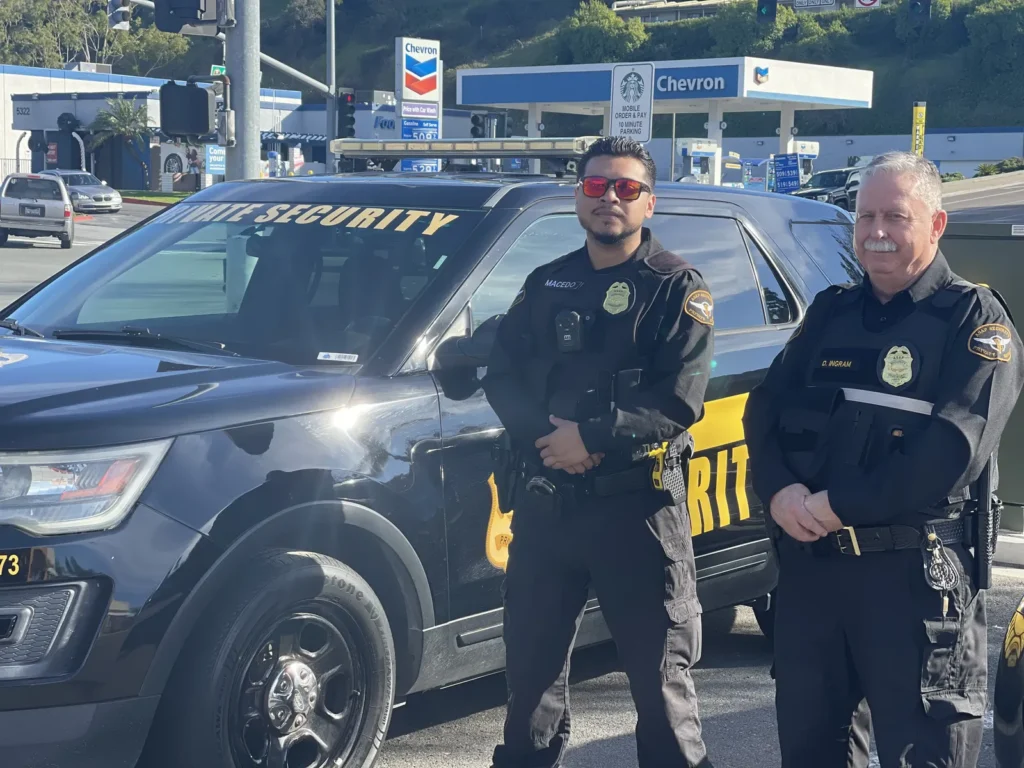
No two events are ever the same. A corporate conference has vastly different security needs than a music festival, which is why a one-size-fits-all plan is never the answer. A generic approach leaves dangerous gaps. So, where do you start? Finding the right partner can feel overwhelming, especially when you’re trying to figure out what are the best event safety companies to hire for large gatherings. Whether you need top-rated event safety services for outdoor events or want to know how to choose a leading service for large venues, the key is a custom strategy. This guide will help you find a team that builds a plan from scratch to protect your event and your guests.
Key Takeaways
- Insist on a customized security plan: A top-tier security partner moves beyond generic solutions by performing a detailed risk assessment of your venue, crowd, and event type to proactively address vulnerabilities.
- Verify the team’s qualifications and track record: The best security providers invest in highly trained, licensed guards and can readily provide positive client reviews and references to prove their experience with events like yours.
- Coordinate a clear communication plan for event day: Ensure a smooth and safe event by holding a pre-event briefing for all staff, establishing direct communication channels, and clearly informing attendees of the security rules.
What Defines a Top-Rated Event Safety Service?
When you’re planning an event, security is more than just a line item on your budget; it’s the foundation for a safe and successful gathering. But what separates a truly exceptional security team from a group of people in uniforms? The best event security providers don’t just react to problems, they proactively prevent them. They blend into the background while maintaining a strong presence, ensuring your guests feel safe without feeling policed. It comes down to a combination of careful planning, expert personnel, comprehensive services, and the right tools for the job. Let’s look at the key ingredients that make a security service truly great.
Why a Custom Security Plan Is Non-Negotiable
Every event is unique, and your security plan should be too. A top-tier security partner never uses a one-size-fits-all template. Instead, they begin with a detailed risk assessment tailored to your specific occasion. This involves analyzing the venue layout, expected crowd size, type of event, and potential vulnerabilities. A corporate conference has very different security needs than a music festival or a private wedding. A great provider will walk the venue with you, identify potential weak spots, and develop a custom strategy that covers everything from access points to emergency exits. This bespoke approach ensures that resources are allocated effectively and that every potential issue has been considered long before the first guest arrives.
Are Their Guards Properly Trained and Licensed?
The effectiveness of any security plan rests on the quality of the guards implementing it. A great security service invests heavily in its people. Look for a company whose officers have undergone rigorous training in de-escalation techniques, emergency response, and customer service. It’s also critical to verify that the company and its guards are fully licensed and insured. This not only confirms their legitimacy but also protects you from liability. Companies that hire professionals with backgrounds in law enforcement or the military, like ASAP Security Guards, often bring a higher level of discipline and experience to the table, ensuring your event is in capable hands.
Verifying State-Mandated Licensing
Before you sign any contract, it’s absolutely essential to confirm that the security company and its guards hold all required state licenses and are fully insured. This isn’t just a box to check; it’s your primary protection against liability. An unlicensed guard or an uninsured company can expose you to significant legal and financial risk if an incident occurs. Don’t hesitate to ask for copies of their business license, their state security agency registration, and a certificate of insurance. A reputable company will have this documentation ready and will be transparent about their credentials. This simple verification step confirms their legitimacy and gives you the peace of mind that you’re working with true security professionals.
Specialized Emergency Preparedness Training
A uniform doesn’t automatically make someone an effective security officer. The real difference lies in their training. For events, you need guards skilled in more than just observation. Look for a team whose training emphasizes de-escalation techniques to resolve conflicts calmly before they disrupt your event. They should also have clear protocols for emergency response, whether it’s a medical issue, a fire, or a security threat. Finally, strong customer service skills are a must. Your security guards are often ambassadors for your event, and their ability to interact politely and helpfully with guests contributes to a positive atmosphere. This combination of skills ensures your event security team can handle any situation with professionalism and grace.
They Handle Everything from Access Control to Emergencies
Exceptional event security goes far beyond simply checking tickets at the door. A truly comprehensive service manages every aspect of safety and crowd control. This includes handling access control with bag checks or metal detectors, monitoring crowd flow to prevent dangerous bottlenecks, and providing dedicated protection for VIPs or speakers. Most importantly, a great team has a clear and rehearsed plan for responding to emergencies, whether it’s a medical incident, a fire alarm, or a security threat. Their ability to coordinate with local emergency services and manage a crisis calmly and efficiently is what truly sets them apart.
Specialized Security Teams
A top-tier security service provides more than just a physical presence; they offer specialized teams trained for specific event roles. This goes beyond the front door to include officers skilled in managing access points with bag checks, monitoring crowd dynamics to prevent unsafe congestion, and providing discreet protection for VIPs and speakers. The goal is to stop potential issues before they can escalate. Depending on the risk assessment for your event, this might involve a mix of unarmed guards for a friendly, customer-service-oriented presence and highly trained armed security guards for situations requiring a higher level of deterrence. A comprehensive event security provider has the flexibility to deploy the right personnel for the right job, ensuring every angle of your event’s safety is covered by experts.
Guest and Conference Services Staff
A truly seamless event experience often relies on staff who manage more than just security. Many leading security firms also provide guest and conference services staff to ensure everything runs smoothly from the moment attendees arrive. This can include friendly ushers to guide guests, efficient ticket takers to manage entry, and parking lot attendants to direct traffic. By integrating these roles into the overall event security operation, you create a unified team working from the same playbook. This cohesion is invaluable, especially during an emergency. When everyone from the parking attendant to the guard at the main stage is part of a coordinated team with a rehearsed response plan, you can be confident that any situation will be handled with professionalism and speed.
Do They Use Modern Security Technology?
In today’s world, the best security services combine skilled personnel with cutting-edge technology. Modern tools can significantly enhance a security team’s effectiveness and efficiency. This might include a network of high-definition surveillance cameras to monitor large areas, advanced communication systems to ensure every guard is connected, or digital reporting software for real-time incident logging. For larger outdoor events, some services even use drones for aerial oversight. When a company invests in technology, it shows they are serious about providing the most robust and responsive mobile security patrol and on-site protection possible.
How Do I Choose a Leading Event Safety Service?
Finding the right security team is about more than just hiring guards; it’s about finding a partner you can trust to protect your guests, property, and reputation. A great security partner works with you to understand your vision for the event and builds a plan to match. They should feel like an extension of your own team. To find a company that fits this description, you’ll want to look closely at their approach, experience, and reputation.
First, What Security Does Your Event Actually Need?
Before you can find the right partner, you need a clear picture of what you need. A corporate conference has very different security requirements than a music festival or a private wedding. Take a moment to think about the specifics of your event: How many guests are you expecting? What is the venue layout? Who is your audience? What are the potential risks? One of the most common mistakes is not properly assessing your security needs from the start. A thorough self-assessment will help you communicate your needs clearly and find a provider who can offer a truly customized event security plan.
Determining Guard-to-Guest Ratios
Deciding on the right number of guards is less about math and more about matching the security to the atmosphere of your event. While industry guidelines can offer a starting point—like one guard for every 50 guests at a typical gathering—this is just a baseline. A high-energy concert or a large public festival might need a much tighter ratio, maybe one guard for every 20 people. This is precisely why a true security partner doesn’t just quote a number. They start by assessing the unique risks of your venue and crowd to build a staffing plan that provides effective event security without being excessive. The goal is smart, customized coverage, not just a headcount.
Have They Secured Events Like Yours Before?
Not all security experience is created equal. A company that specializes in residential patrols might not be the best fit for a high-profile product launch. When vetting potential partners, ask them directly about their experience with events similar to yours. A trusted security partner should be experienced in managing events with similar complexities, whether it’s a large-scale public gathering or an intimate VIP function. Don’t hesitate to ask for case studies or examples of their work. This will give you confidence that they understand the unique challenges and nuances of your specific event type and can handle them professionally.
What Are Past Clients Saying?
Past performance is one of the best indicators of future success. Before you sign a contract, do your homework. Look for online reviews and testimonials from previous clients. What do they say about the company’s professionalism, responsiveness, and the quality of their guards? Poor communication can create confusion during critical moments, and reviews often highlight a company’s ability to coordinate effectively. For a deeper insight, ask for a list of references you can contact directly. Speaking with a past client will give you a firsthand account of what it’s like to work with them.
Does Their Proposed Strategy Make Sense?
A professional security company won’t just give you a quote; they’ll present a detailed security strategy. This plan should be based on the specific needs you outlined and should cover everything from access control and crowd management to emergency response procedures. A well-prepared team is essential for enhancing event security and managing unexpected situations. Your potential partner should be able to walk you through their plan, explaining how their private security guards will be deployed, what their communication protocols are, and how they’ll handle any potential issues that arise. This strategic approach shows they are proactive, not just reactive.
What Does Event Security Actually Cost?
Planning a budget for event security can feel tricky because there isn’t a single flat rate. The cost is tailored to the specific needs of your event, which is actually a good thing. It means you’re not paying for services you don’t need. Several key factors influence the final price tag, and understanding them will help you get a realistic estimate.
Think about the location of your event, the number of attendees, and the overall risk level. A large, open-to-the-public festival will have different security requirements than an exclusive corporate gala. The experience level of the guards and whether you need specialized services also play a role. The more complex the event, the more comprehensive the security plan will be. Planning ahead is key, as last-minute requests can sometimes come with higher rates due to the urgency of scheduling.
What Factors Influence the Final Price?
When you start gathering quotes for event security, you’ll notice that pricing is based on a few core elements. The biggest factor is the number of guards you need and the total hours they’ll be on-site. Beyond that, the specific duties required will shape the cost. For example, do you need simple access control and crowd management, or more intensive services like bag checks and perimeter patrols? The perceived risk of your event, the location, and the experience level of the security team all contribute to the final hourly rate. A high-profile event with VIP guests will naturally require a more robust and experienced team than a small community gathering.
Armed vs. Unarmed Guards: What’s the Cost Difference?
One of the most significant decisions affecting your budget is whether to hire armed or unarmed guards. Unarmed guards are perfect for managing crowds, checking credentials, and providing a visible deterrent at lower-risk events. Their rates are generally more budget-friendly. On the other hand, armed security guards are essential for events where there’s a higher potential threat, valuable assets are present, or you need to ensure the highest level of protection. Their extensive training and the responsibility they carry mean their hourly rates are higher. The right choice depends entirely on a thorough risk assessment of your specific event.
Understanding Typical Hourly Rates
While every security proposal is customized, it helps to have a general idea of industry-standard pricing to inform your budget. Hourly rates for security guards can vary widely based on the level of risk, the guard’s experience, and the specific duties they’ll perform. Think of these figures as a starting point. The final quote from a professional security partner will reflect the comprehensive value they provide, including rigorous training, proper licensing and insurance, and a management structure that ensures accountability and high performance throughout your event.
General Security Guard Costs
For a standard, unarmed security guard providing a visible presence and general safety monitoring, you can typically expect hourly rates to fall in the range of $25 to $45 per hour in the Southern California market. This rate covers more than just a person in a uniform; it includes the costs of thorough vetting, ongoing training, state-mandated licensing, and comprehensive insurance that protects you and your assets. While you might find lower rates, they often come at the expense of these critical factors. A professional service like corporate security ensures that the guards on your property are not just present, but prepared, professional, and reliable.
Costs for Specialized Roles
When your event requires a higher level of protection, the rates will reflect the advanced skills and increased risk involved. Specialized roles demand more extensive training and experience, which naturally commands a higher price. For instance, highly trained armed security guards, who are equipped to handle significant threats, can range from $45 to over $100 per hour. Similarly, discreet and highly skilled executive security for VIPs or services involving the protection of high-value assets will also be at the upper end of this scale. Investing in these specialized services ensures you have experts on hand who are specifically qualified to manage high-stakes situations with precision and professionalism.
How to Get a Clear, All-Inclusive Quote
To avoid surprises and ensure you’re getting exactly what you pay for, it’s important to ask for a detailed quote. Don’t just settle for a single number. A professional security company should be transparent about its pricing structure. Ask for a complete breakdown that includes hourly rates per guard, any flat fees for services like planning or equipment, and policies on deposits or cancellations. It’s also smart to inquire about potential overtime charges and whether things like holiday pay are included in the initial quote. Getting a clear, itemized proposal allows you to compare different providers accurately and find the best private security guards for your budget.
What Type of Security Company Should You Hire?
Finding the right security partner is about more than just hiring guards; it’s about finding a team that understands your vision and can proactively ensure your event runs smoothly. The best security isn’t just about reacting to problems, it’s about preventing them from ever happening. A great partner will work with you to create a security plan tailored specifically to your venue and your guests, rather than handing you a one-size-fits-all solution. As you compare your options, you’ll likely encounter a few different types of security companies.
Should You Hire a Full-Service Agency?
A full-service agency offers a comprehensive approach to event security. Instead of just providing personnel, these companies act as true security partners, handling everything from initial risk assessments to post-event reporting. They have the resources and expertise to manage all aspects of safety, including access control, crowd management, and emergency response coordination. Working with a full-service provider like ASAP Security Guards means you get a cohesive strategy where every piece works together. This integrated approach saves you from the headache of coordinating multiple vendors and ensures there are no gaps in your security plan.
National vs. Local: Which Is Better for Your Event?
You’ll also need to decide between a national chain and a local provider. National companies have a wide reach, which can be beneficial for large corporations hosting events across the country. However, a local firm often provides a more personal touch and has invaluable knowledge of the community. A local team understands regional challenges, traffic patterns, and has established relationships with local law enforcement. This insider knowledge allows them to offer more responsive and tailored private security guards who are familiar with the specific needs of your area, whether it’s San Diego, Orange County, or Riverside.
The Scale of National Providers
The biggest draw for a national security company is its sheer size and resource pool. These large corporations have the infrastructure to manage events across multiple cities or even states, providing a consistent brand of service for massive corporate tours or nationwide product launches. Their main advantage is the ability to mobilize extensive networks of personnel and equipment on a large scale. For an organization that hosts identical events in different parts of the country, a national provider can offer a single point of contact and a standardized security plan, which can simplify logistics. This scale is their primary selling point, especially for clients whose needs span beyond a single region.
Examples of Major National Security Companies
When you start researching national providers, a few names will likely come up. These companies are known for their extensive reach and ability to service a wide range of security needs across the country. For instance, Allied Universal is one of the largest security firms in the world, offering services that include crowd control and emergency planning for major events. Another giant is Securitas, which is recognized for its risk assessment capabilities and experience managing large-scale venues like concerts and sporting events. While their broad scope is impressive, it’s important to consider if that national scale is the right fit for your specific event’s needs and location.
Could a Boutique Agency Be the Right Fit?
Boutique agencies often specialize in a particular type of security, such as high-profile celebrity events or large music festivals. Their focused expertise means they have deep experience in managing the unique challenges associated with those specific gatherings. The best way to handle complex events is to find a trusted partner with a proven track record. Look for a company that can demonstrate its experience with events similar to yours. A provider that specializes in event security will know exactly what questions to ask and how to build a safety plan that addresses every potential vulnerability, giving you complete peace of mind.
Your Game Plan for Smooth Security on Event Day
Once you’ve chosen your security partner, the planning phase is over, but the work isn’t done. A successful event depends on seamless collaboration between your team and your security provider on the big day. The key is proactive coordination and clear communication from start to finish. By taking a few key steps before the doors open, you can ensure your security plan is executed flawlessly, creating a safe and enjoyable experience for everyone involved.
Get Everyone on the Same Page Before the Event
A well-prepared event team is your first line of defense. Before the event begins, hold a comprehensive briefing with all staff, volunteers, and security personnel. This meeting ensures everyone understands the specific security measures in place, from access control points to emergency exit routes. Use this time to conduct a walkthrough of the venue, pointing out key locations and potential trouble spots. When your entire team knows the plan, they can support your event security guards and respond confidently to any unexpected situations that may arise.
How Will Your Teams Communicate?
Effective communication is the backbone of great event security. You need clear, open lines of contact between event organizers, security personnel, vendors, and medical staff. Establish a primary communication method, like two-way radios on a dedicated channel, and make sure everyone knows who to contact for different scenarios. A solid communication plan prevents confusion during critical moments and allows for a swift, coordinated response to anything from a minor disruption to a serious emergency. This ensures that information flows quickly to the right people, keeping your event safe and running smoothly.
Let Attendees Know the Security Rules in Advance
Your attendees play a role in event safety, too. Clearly communicate security rules and procedures to them before and during the event. Use signage at entrances, announcements over the PA system, and information in the event program to relay important safety instructions. Let guests know about bag check policies, prohibited items, and restricted areas. When attendees understand the rules, they are more likely to be cooperative and patient. This approach helps manage expectations and creates a secure environment without causing unnecessary alarm, making guests feel cared for and safe.
Have a Plan for Common Security Issues
Events can be unpredictable, but many potential challenges can be anticipated. Work with your security team to prepare for common issues like overcrowding, medical incidents, or disorderly conduct. An experienced team of private security guards will have protocols for these situations. By discussing potential risks beforehand, you can develop clear response plans. This proactive approach means your team won’t be caught off guard. Instead, they’ll be ready to manage any challenge efficiently and professionally, ensuring minor issues don’t turn into major problems.
Related Articles
- How to Hire Private Security for Events: A Guide | ASAP Security Guards
- Best Crowd Management Security: A Complete Guide | ASAP Security Guards
Frequently Asked Questions
How far in advance should I book security for my event? It’s always best to book your security team as early as you can in your planning process. For larger or more complex events, aim for at least a few months out. This gives the security company ample time to conduct a thorough risk assessment, develop a custom strategy for your venue, and schedule the most qualified officers. Last-minute bookings can be accommodated, but planning ahead ensures a smoother, more thoughtful security integration.
How do I decide if I need armed or unarmed guards? The choice between armed and unarmed guards depends entirely on a professional risk assessment of your event. Consider factors like the event type, the venue’s location, whether you’ll have high-profile guests, or if valuable assets will be on site. Unarmed guards are excellent for crowd control and providing a visible deterrent at most events. Armed guards are better suited for situations with a higher perceived threat level. A quality security partner will walk you through this assessment to help you make the right decision.
What is my role in creating the event security plan? Think of it as a partnership. Your role is to provide all the essential details about your event: the vision, the schedule, the guest list, and any specific concerns you have. The security company then uses its expertise to build a comprehensive plan based on that information. The more you can share about your expectations and potential vulnerabilities, the better your security team can tailor their strategy to fit your exact needs.
Can a security company help coordinate with local police or medical services? Yes, a professional, full-service security agency should absolutely handle this. They act as the central point of contact for all safety-related matters. A great security partner will have established relationships with local law enforcement and emergency services, and they will incorporate this coordination into the overall security plan. This ensures a unified and efficient response in case of any emergency.
What makes specialized event security different from just having a regular guard on site? Event security is a dynamic and specialized field that goes far beyond a static post. While a regular guard might focus on observing a single property, event security teams are trained in proactive crowd management, de-escalation in dynamic environments, access control for large groups, and emergency response tailored to a specific occasion. They are an active part of the event’s flow, ensuring safety while maintaining a positive atmosphere for your guests.
