
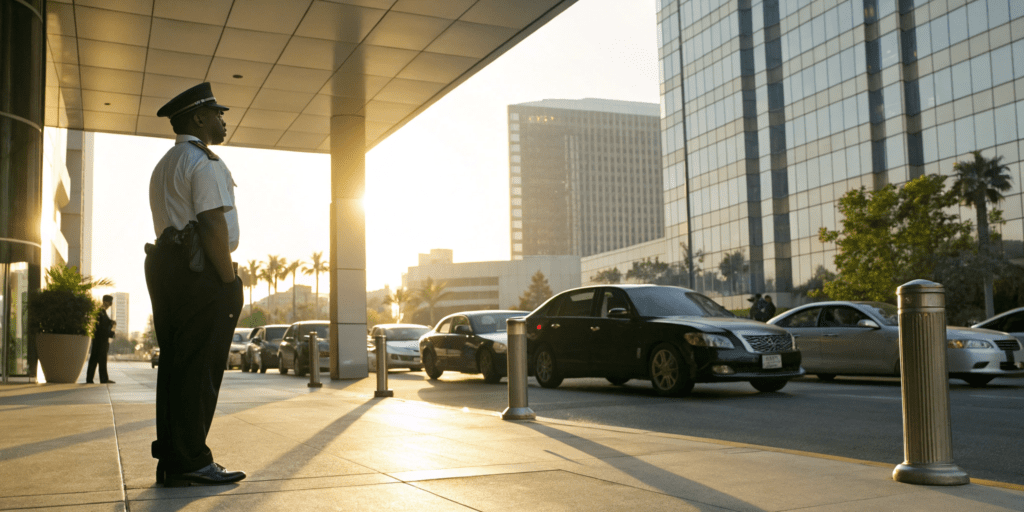
When you think of crowd safety, do you picture a line of guards? That’s only part of the picture. True crowd control and management security is less about force and more about foresight. The real work is done by combining highly trained crowd control experts with powerful technology. AI surveillance can flag strange crowd movements instantly, while drones give a complete view from above. This tech-forward approach gives security teams incredible situational awareness. It’s how the best crowd management providers stay one step ahead, preventing problems before they even start.
Key Takeaways
- Start with a Detailed Risk Assessment: True event safety isn’t about having guards on-site; it’s about having a strategic plan built on a thorough understanding of your venue, crowd, and potential vulnerabilities before the event even begins.
- Balance Trained Personnel with Modern Technology: The most effective security pairs highly trained de-escalation specialists with advanced tools like AI surveillance and integrated communication systems. One without the other leaves you exposed.
- Vet Your Security Partner’s Experience: Don’t just take their word for it. Check their track record with events similar to yours, ask about their specific training protocols, and verify they can create a flexible, custom plan for your unique needs.
What is Crowd Management Security, Really?
Think about the last large event you attended—a concert, a street festival, or even a major corporate conference. The smooth flow of people, the clear pathways, and the general sense of order didn’t happen by accident. That’s the result of effective crowd management security. At its core, crowd management is the strategic planning and supervision of large groups to ensure safety, prevent chaos, and maintain an organized environment. It’s a proactive approach, not a reactive one.
The goal isn’t just to control people but to guide them, creating a positive and secure experience for everyone involved. This involves everything from designing entry and exit points that prevent bottlenecks to monitoring crowd density and behavior. A solid plan ensures that your event runs smoothly, guests feel safe, and potential issues are addressed before they escalate. Whether it’s a planned celebration or an unexpected gathering, having a professional event security strategy is fundamental to a successful outcome. It’s the invisible framework that allows thousands of people to share a space without incident.
Crowd Management vs. Crowd Control: A Key Distinction
While people often use the terms “crowd management” and “crowd control” interchangeably, they represent two very different approaches to security. Think of it this way: crowd management is the thoughtful architecture of a safe event, while crowd control is the emergency response when that architecture fails. One is about proactive planning and prevention, creating an environment where issues are unlikely to arise. The other is a reactive measure, stepping in to contain a problem that has already started. Understanding this difference is crucial because the best security strategy focuses almost entirely on management to ensure control is never needed.
Proactive Crowd Management
Crowd management is the strategic, behind-the-scenes work that happens long before your guests arrive. It’s a planned approach to organizing and guiding large groups to maintain safety and order. The primary goal is to prevent dangerous situations like overcrowding, stampedes, or panic by designing a seamless flow of people. This includes mapping out clear entry and exit routes, using effective signage, managing queue lines, and positioning staff at key points to provide information and assistance. Good crowd management helps your event run smoothly, stops accidents before they happen, and ensures everyone has a positive, secure experience from start to finish.
Reactive Crowd Control
Crowd control, on the other hand, is the set of actions taken when a crowd becomes disorderly or dangerous. It’s a public safety practice focused on stopping an escalating situation. This is where highly trained security personnel step in to de-escalate conflicts, manage aggressive behavior, or direct people away from a hazard. While absolutely necessary, the need for crowd control often signifies a lapse in the initial management plan. The ultimate goal of any professional security team is to implement such a strong crowd management strategy that the need for direct, physical crowd control is minimized or completely avoided.
How Crowd Management Fits into Event Risk Management
Crowd management isn’t a standalone task; it’s a critical piece of a much larger puzzle called event risk management. A comprehensive risk management plan looks at every potential vulnerability an event might face—not just the behavior of the crowd. This holistic strategy considers external threats like severe weather, internal issues like power outages or medical emergencies, and security risks like unauthorized access. The plan you develop with your security partner should address all these possibilities with clear, actionable protocols. It’s about asking “what if?” and having a solid answer for every scenario.
By integrating crowd management into this broader framework, you create a resilient and secure environment. For example, your plan for a sudden downpour should include how you will safely guide thousands of guests to shelter without causing a panic. Your response to a technical failure on the main stage should involve calmly redirecting the audience’s attention and movement. This is where a professional partner proves its worth. A team of experts will conduct a thorough assessment to build a custom event security plan that anticipates challenges, ensuring that every detail, from crowd flow to emergency response, works in harmony to protect your guests and your reputation.
What Makes a Crowd Management Plan Work?
An effective crowd management plan is built on a few core principles. First is a thorough risk assessment to identify potential hazards, from overcrowding in specific areas to security vulnerabilities. Next comes detailed planning, which maps out traffic flow, establishes clear signage, and designates emergency exits. It’s also crucial to understand the nature of your crowd. A high-energy concert audience requires a different approach than attendees at a professional trade show. A flexible plan that can adapt to the crowd’s mood and movement is essential for keeping things orderly and safe.
Why You Should Leave It to the Pros
Managing a large group of people can quickly become overwhelming, and a misstep can lead to chaos, injuries, and significant liability. A professional security team brings the expertise needed to handle these complex situations. They are trained in de-escalation techniques, emergency response, and the subtle art of guiding crowds without being confrontational. These private security guards do more than just watch; they anticipate problems, communicate clearly during stressful moments, and implement the strategic plan with precision. Investing in a professional team is an investment in the safety of your attendees and the reputation of your event.
Who Are the Top Crowd Control Experts?
Choosing the right security partner is a big decision. You need a team with the right experience, training, and approach to handle the unique dynamics of your event or venue. While many companies offer security services, a few stand out for their expertise in crowd management. Here’s a look at some of the top firms that specialize in keeping large groups of people safe, starting with a trusted leader in Southern California.
ASAP Security Guards
Based in San Diego, ASAP Security Guards has built a strong reputation for providing comprehensive and professional security. They combine deep local knowledge with a team of highly trained officers, many with former military and law enforcement backgrounds. Their approach to event security focuses on creating a safe and enjoyable atmosphere through expert planning and vigilant protection. What sets them apart is their commitment to integrity and client service, ensuring every detail is managed with precision. For businesses in Southern California, they offer a tailored and responsive solution that larger national firms can’t always match.
Who Are the Top Crowd Control Experts?
Choosing the right security partner is a big decision. You need a team with the right experience, training, and approach to handle the unique dynamics of your event or venue. While many companies offer security services, a few stand out for their expertise in crowd management. Here’s a look at some of the top firms that specialize in keeping large groups of people safe, starting with a trusted leader in Southern California.
ASAP Security Guards
Based in San Diego, ASAP Security Guards has built a strong reputation for providing comprehensive and professional security. They combine deep local knowledge with a team of highly trained officers, many with former military and law enforcement backgrounds. Their approach to event security focuses on creating a safe and enjoyable atmosphere through expert planning and vigilant protection. What sets them apart is their commitment to integrity and client service, ensuring every detail is managed with precision. For businesses in Southern California, they offer a tailored and responsive solution that larger national firms can’t always match.
Allied Universal
As one of the largest security companies in the world, Allied Universal has vast resources and a global presence. They provide security solutions for a wide range of industries and events, from massive international concerts to corporate conventions. Their strength lies in their ability to scale operations and integrate advanced technology, like AI-powered monitoring and access control systems, into their services. For event organizers managing large, complex, or multi-venue events, Allied Universal’s extensive network and comprehensive service offerings make them a formidable choice for handling significant security challenges.
Securitas
Securitas is another global leader known for its modern, data-driven approach to security. They focus on “protective services,” which means they blend on-site guards with remote monitoring and electronic security to create a holistic safety net. For crowd management, this translates to using analytics to predict crowd flow and identify potential risks before they escalate. Their guards are trained to be proactive and customer-service-oriented, making them a good fit for events where a positive guest experience is just as important as maintaining order and safety.
G4S
Now part of Allied Universal, G4S has a long history of securing major events and complex environments around the world. They are particularly experienced in risk management and logistical planning for high-profile gatherings like sporting events and music festivals. G4S specializes in creating integrated security strategies that cover everything from perimeter control to emergency response coordination. Their deep expertise in handling large-scale operations and mitigating complex threats makes them a reliable partner for events where the stakes are exceptionally high and there is no room for error.
Prosegur
Prosegur is an international security company that emphasizes innovation and technology in its solutions. While well-known for cash management, their guarding and event security services are equally robust. They leverage integrated security operations centers (iSOCs) to provide real-time monitoring and support for their on-the-ground teams. This tech-forward approach allows them to offer services like drone surveillance and advanced analytics for crowd monitoring. For clients looking for a security partner that uses cutting-edge tools to enhance safety and efficiency, Prosegur offers a compelling and modern solution.
The foundation of any good crowd management plan is the people who execute it. Professional firms provide tailored event security services with staff specifically trained for your type of gathering. Whether you’re hosting a small corporate function, a large music festival, or a community fair, the security team is selected and briefed on the specific challenges and expectations of the day. This isn’t a one-size-fits-all solution; the number of guards, their placement, and their specific duties are all part of a custom security plan developed to ensure everyone stays safe and the event runs smoothly.
The Role of the Designated Crowd Manager
Behind every successful crowd management plan is a designated crowd manager. This person is the strategic brain of the entire operation, and their work starts long before guests arrive. They conduct a detailed risk assessment to understand the venue’s layout, identify potential choke points, and analyze the specific nature of the expected crowd. From there, they develop the proactive safety plan that guides the entire security team. On event day, the crowd manager acts as central command, overseeing the plan’s execution and making real-time adjustments as needed. Their expertise in crowd psychology allows them to guide people naturally, not forcefully, transforming a group of guards into a cohesive event security team that keeps everyone safe.
Guiding Crowd Flow and Movement
Managing the movement of a large group of people is both an art and a science. Effective crowd control is essential for preventing dangerous situations like stampedes or crushes, especially during high-traffic moments like entry, exit, or intermissions. A professional security company implements strategies to facilitate a smooth flow of foot traffic, using barriers, clear signage, and verbal directions to guide attendees. By preventing bottlenecks and maintaining orderly lines, they create a more pleasant and much safer experience for everyone involved. This proactive management is key to avoiding chaos and potential injuries.
Creating a Plan for Emergencies
Even with the best planning, emergencies can happen. What sets a professional security firm apart is its preparation. A core service is developing a comprehensive emergency response plan that covers various scenarios, from medical incidents to unexpected evacuations. This includes establishing first aid stations, ensuring emergency exits are clearly marked and accessible, and creating detailed evacuation routes. Crowd marshals and security staff are trained on these protocols, so they can take swift, decisive action when it matters most. This level of preparedness ensures a calm and coordinated response in a crisis.
Using Evacuation Simulations to Test Plans
An emergency plan looks great on paper, but how do you know it will hold up when things get real? That’s where evacuation simulations come in. Think of it as a stress test for your safety strategy. By using technology to model how a large group of people will move during an emergency, you can see exactly where your plan might fail—before it ever has the chance to. These simulations are incredibly valuable for identifying hidden bottlenecks, figuring out how long an evacuation will actually take, and making critical decisions about venue layout or even ticket capacity. It’s a proactive step that helps prevent panic and ensures that your carefully designed evacuation routes are truly effective. This level of detailed analysis is a key part of how professional event security teams turn a good plan into a great one, ensuring everyone has a clear and safe path out when it counts.
Securing Entry Points with Access Control
Securing the perimeter is the first line of defense for any event. Access control and screening services ensure that only authorized individuals enter the venue. This can involve checking tickets, verifying credentials, and screening guests and their belongings for prohibited items. Modern security firms often use advanced technology like electronic access control systems and video surveillance to support their on-the-ground staff. By creating a secure entry point, you can significantly reduce the risk of disruptions and threats, setting a safe tone for the entire event.
Implementing Screening Methods
Effective screening is about more than just setting up a checkpoint; it’s about creating a clear and consistent process that keeps unauthorized items out while ensuring a smooth entry for guests. This involves a combination of trained personnel and reliable procedures. Security teams will typically implement bag checks, use metal detector wands, and verify tickets or credentials to ensure everyone entering is supposed to be there. The key is to make this process as efficient as possible to avoid long lines and frustration, which is a core component of professional event security. A well-run screening area immediately communicates to attendees that their safety is a top priority.
The success of these methods hinges on the people carrying them out. A professional private security guard is trained to be thorough yet courteous, performing their duties in a way that makes guests feel secure, not scrutinized. They know what to look for and how to handle situations calmly and discreetly. Supporting them with technology, like electronic ticket scanners and communication devices linked to a central command, makes the entire process more effective. This blend of skilled observation and modern tools ensures that your first line of defense is strong, significantly reducing potential risks from the very start.
Patrolling the Perimeter for Total Security
A security presence shouldn’t be static. Mobile and perimeter patrols are a critical service for maintaining order and providing a visible deterrent across a large area. Uniformed guards actively move through the crowd and around the venue’s boundaries, addressing potential issues before they escalate and providing assistance to attendees who need it. These officers are trained in de-escalation techniques and are skilled at giving clear instructions. Their constant movement ensures that no part of your event is left unmonitored, offering peace of mind to guests and organizers alike.
Understanding Crowd Density and Safety Risks
One of the most critical factors in crowd safety is density—how many people are packed into a given space. When a crowd becomes too dense, the risk of trips, falls, and even life-threatening crushes increases dramatically. Effective crowd management isn’t just about watching people; it’s about proactively organizing and monitoring the space to prevent these dangerous situations from developing. A professional security plan always starts with an analysis of the venue’s capacity and expected attendance to ensure there’s enough room for everyone to move safely. This planned approach is the difference between a controlled environment and a potential disaster, ensuring that panic or sudden movements don’t lead to a chain reaction of injuries.
Meeting the Basic Needs of a Crowd
Crowd behavior is rarely random. It’s often a direct response to the environment and whether basic needs are being met. Think about it: people need adequate space, access to food and water, clean restrooms, and clear information about what’s happening. When these needs aren’t met, frustration and agitation can build, turning a calm group into a restless one. A key part of a professional event security strategy is ensuring these fundamentals are in place. By helping to manage queues for concessions, directing people to facilities, and providing clear communication, security personnel play a vital role in maintaining a positive and safe atmosphere for everyone.
The Four Stages of the Crowd Management Framework
Great crowd management doesn’t rely on luck; it follows a structured, repeatable process. Professionals in the field use a four-stage framework to ensure every angle is covered, from initial concept to post-event analysis. This methodical approach allows for consistent, high-quality security planning that can be adapted to any event, venue, or crowd type. The stages are: gathering information, creating a strategic plan, implementing and monitoring the plan, and finally, evaluating its effectiveness. By following this framework, security teams can move beyond simple reactive measures and implement a truly proactive strategy that anticipates challenges and keeps people safe. This process ensures that every decision is informed, intentional, and focused on a successful outcome.
Stage 1: Information Gathering and Assessment
The first and most critical stage is all about research and risk assessment. Before a single guard is deployed, a security team needs to understand the complete picture. This involves analyzing the venue’s layout, identifying potential choke points, and understanding the expected crowd size and demographics. Is it a high-energy concert or a formal corporate gathering? Who is the audience? What are the specific vulnerabilities of the location? This deep dive into the details forms the foundation of the entire security plan. A thorough assessment allows the team to anticipate potential problems and build a strategy that is tailored to the unique circumstances of the event.
Stage 2: Strategic Planning and Design
Once all the information is gathered, the next stage is to build the actual plan. This is where expertise and experience come into play. The security team designs a comprehensive strategy that maps out everything from staffing levels and guard positions to communication protocols and emergency response procedures. They will determine the best locations for entry and exit points to manage flow, establish clear signage, and coordinate with event staff and local emergency services. This isn’t just about placing bodies; it’s about creating an intelligent, integrated system where every element works together to maintain order and ensure safety for every attendee.
Stage 3: Implementation and Monitoring
With a solid plan in place, the third stage is execution. On the day of the event, the security team puts the strategy into action. This involves briefing all personnel, deploying guards to their designated positions, and opening communication channels. But the job doesn’t stop there. A crucial part of this stage is active monitoring. Supervisors and guards constantly observe crowd behavior, watch for signs of distress or agitation, and make real-time adjustments as needed. This adaptability is key, as no crowd behaves exactly as predicted. A professional team remains vigilant and flexible, ready to respond to changing conditions instantly.
Stage 4: Post-Event Evaluation and Review
The final stage happens after the last guest has gone home, and it’s one that true professionals never skip. The evaluation and review process is essential for continuous improvement. The security team conducts a thorough debrief, analyzing what went well and what could have been handled better. They review any incident reports, gather feedback from event staff, and assess the overall effectiveness of the plan. This final step ensures that valuable lessons are learned from every event, allowing the team to refine their strategies and deliver even better service in the future. It’s a commitment to excellence that separates the best from the rest.
Understanding Different Types of Crowds
A fundamental truth of crowd management is that not all crowds are created equal. The energy, purpose, and behavior of a group can vary dramatically, and a one-size-fits-all security plan is destined to fail. Event organizers and their security partners must understand the specific type of crowd they expect to manage. Is it a dense, excited audience at a music festival, or a passive group milling around a trade show? Is it a dynamic crowd moving through a street fair, or an orderly queue waiting for entry? Recognizing these distinctions is the first step in developing a security strategy that is not only effective but also appropriate for the atmosphere you want to create.
Dense and Excited Crowds
Dense and excited crowds, like those at concerts or major sporting events, present unique challenges. The high energy and tight packing can easily lead to dangerous situations like crowd surges or crushes, especially near stages or exits. Managing these crowds requires a strong, visible security presence with personnel trained in de-escalation and physical intervention. The strategy often involves using barriers to create “pens” that break up large masses into smaller, more manageable sections. Constant monitoring from elevated positions is also crucial to spot signs of distress early. The goal is to channel the crowd’s energy positively while preventing it from escalating into a safety risk.
Passive and Dynamic Crowds
Passive crowds, such as those at a museum or an art gallery, are generally low-risk but still require oversight. Security’s role here is more about observation, providing assistance, and ensuring assets are protected. In contrast, dynamic crowds, like those at a street festival or a large market, are constantly in motion. The primary challenge is managing flow and preventing bottlenecks in high-traffic areas. For these crowds, security planning focuses on creating clear pathways, using visible signage, and deploying mobile patrols. Private security guards must be adaptable, guiding movement and addressing minor issues before they disrupt the event’s overall rhythm.
Queueing Crowds
Even a simple line can become a security concern if not managed properly. Queueing crowds, whether for entry to a venue, for concessions, or for a product launch, can become sources of frustration and conflict. Effective management involves creating clear, organized lines using barriers and ensuring the queue moves at a reasonable pace. Communication is key; security personnel should keep people informed about wait times and procedures. For high-demand events, a well-planned queueing system prevents line-jumping, manages expectations, and maintains a sense of fairness, ensuring the experience starts on a positive and orderly note for everyone involved.
How the Best Crowd Management Teams Keep You Safe
Keeping a crowd safe is about more than just placing guards at the doors. The best security firms use a layered approach that combines meticulous planning, highly skilled personnel, and cutting-edge technology. This proactive strategy is designed to identify and neutralize potential threats before they can disrupt an event or endanger attendees. It’s a seamless integration of people and processes, all working together to create a secure environment where everyone can feel confident and protected. This comprehensive system ensures that every angle is covered, from the perimeter to the heart of the crowd.
Starting with a Strategic Risk Assessment
Every successful security operation begins with a thorough risk assessment. Top firms don’t just consider the obvious threats; they dig deeper, anticipating issues many organizers might overlook, like severe weather, fire hazards, or the potential for crowd panic. This process involves a detailed analysis of the venue, the type of event, and the expected demographics of the attendees. Once potential risks are identified, a strategic security plan is developed. This isn’t a one-size-fits-all document but a custom-built roadmap that outlines everything from access control points and patrol routes to emergency evacuation procedures, ensuring your event security is prepared for any scenario.
Relying on Trained De-escalation Specialists
The most valuable asset in crowd management is a team of well-trained professionals. Elite security guards are more than just a physical presence; they are de-escalation specialists. They are trained to read crowd dynamics, spot potential conflicts, and intervene calmly and effectively before situations escalate. Their ability to provide clear instructions and maintain order during a tense moment can be the difference between a minor incident and a major crisis. This specialized training in crowd management and communication is what sets a professional private security guard team apart, ensuring that order is maintained with professionalism and respect.
The Value of Military and Law Enforcement Experience
There’s a reason why many of the best security officers have a background in the military or law enforcement. That experience provides a level of discipline, situational awareness, and calm under pressure that is nearly impossible to teach. These professionals are trained to anticipate problems, not just react to them. They can read crowd dynamics, spot potential conflicts brewing, and intervene with precision before a situation gets out of hand. Their expertise in de-escalation is especially valuable, allowing them to resolve issues calmly without creating more chaos. This unique skill set is what makes a professional private security team so effective at handling complex scenarios and keeping everyone safe.
Using Advanced Security Technology
Leading security firms leverage advanced technology to enhance their on-the-ground operations. Modern tools act as a powerful force multiplier, giving security teams eyes and ears everywhere. This includes high-definition video surveillance, AI-powered systems that can detect anomalies in crowd behavior, and sophisticated access control systems to manage entry and exit points. In some cases, drones are used to provide an aerial overview of large venues. This technological integration allows for real-time monitoring and rapid response, enabling security personnel to address potential issues proactively. This is a core component of modern corporate security services.
Maintaining Constant Communication
Clear and constant communication is the backbone of any effective security operation. Top firms operate a central command center with a 24/7 dispatch system, ensuring there is always a direct line of communication between guards on the ground, event organizers, and emergency services. This allows for the instant relay of information and the coordinated deployment of resources whenever and wherever they are needed. Having a dedicated human dispatcher means that when a call comes in, a real person is there to provide immediate, reliable support. This commitment to 24/7 security services ensures that your event is protected around the clock.
What Technology Do the Best Security Firms Use?
When you’re managing a large event or a busy property, the right technology can be the difference between proactive control and reactive chaos. The best security firms don’t just provide personnel; they deploy a sophisticated suite of tools designed to enhance situational awareness and response capabilities. This technology acts as a force multiplier, allowing security teams to monitor vast areas, analyze complex situations in real time, and communicate seamlessly. From AI that can spot trouble before it starts to drones that offer an unmatched aerial view, modern security tech is all about giving officers the information they need to make smart, fast decisions. This integration of human expertise and cutting-edge tools is what truly defines a top-tier private security provider. It ensures that every angle is covered, from the front gate to the farthest corner of your property, creating a safer environment for everyone.
Low-Tech Essentials: Barriers, Stanchions, and Signage
While advanced surveillance and AI are impressive, some of the most effective tools in crowd management are decidedly low-tech. Think about physical barriers like stanchions and barricades. Their job isn’t just to block people off; it’s to create order out of potential chaos. By setting up clear, defined pathways, a security team can facilitate a smooth flow of foot traffic, especially during critical times like entry and exit. These simple structures prevent dangerous bottlenecks and guide attendees exactly where they need to go, creating orderly lines and a much safer environment. Paired with clear, visible signage that directs people to exits, restrooms, and first-aid stations, these foundational tools are essential for a proactive security plan that keeps everyone safe and informed.
AI-Powered Surveillance Systems
Imagine having a security system that doesn’t just record what happens but understands it. That’s the power of AI-powered surveillance. These smart systems use advanced algorithms to analyze video feeds in real time, automatically detecting unusual behavior or potential threats. For instance, the AI can identify anomalies in crowd movement, like a sudden panic or a fight breaking out, and instantly alert security personnel. This allows your team to intervene immediately, often before a situation escalates. By automating the initial detection process, AI frees up human officers to focus on strategic response and on-the-ground engagement, making your corporate security far more effective.
Analyzing Crowd Behavior in Real Time
Managing crowd flow is essential for both safety and attendee experience. Real-time crowd analytics provides the data to do it right. This technology uses sensors and video feeds to monitor crowd density, movement patterns, and wait times. Security teams can view this information on a live dashboard, allowing them to identify bottlenecks or areas of overcrowding as they form. With these insights, they can make informed decisions on the fly, such as redirecting foot traffic, opening additional entry points, or deploying more staff to a specific area. It’s a proactive approach that prevents dangerous crushes and keeps things moving smoothly.
Automating Access for Faster Entry
The first line of defense for any secure area is its entry point. Automated access control systems streamline this process while strengthening security. Instead of manual checks that can be slow and prone to error, these systems use technology like digital ticket scanners, RFID wristbands, or biometric readers to manage entry. This not only speeds up the process for attendees but also creates a digital log of who is entering and exiting the venue. For high-security events or corporate campuses, this technology is indispensable for ensuring only authorized individuals gain access, making it a core component of modern event security.
Getting a Bird’s-Eye View with Drones
For large venues, open-air festivals, or sprawling properties, getting a complete view from the ground is nearly impossible. Drone surveillance solves this problem by providing a bird’s-eye view of the entire area. Equipped with high-resolution cameras, drones allow security teams to monitor crowd dynamics, check perimeter security, and identify potential issues from above. This aerial perspective is invaluable for spotting problems that ground-level patrols might miss, such as unauthorized entry points or disturbances on the edge of a crowd. It gives the command center a comprehensive overview, enabling better coordination of mobile security patrol units.
Connecting the Team with Integrated Systems
In a security operation, clear and instant communication is non-negotiable. Top security firms use integrated communication systems that connect every member of the team, from the guards on patrol to the central dispatch. These are not just simple walkie-talkies; they are unified platforms that can transmit voice, text, and even video data in real time. This ensures that everyone has the same up-to-the-minute information, creating total situational awareness. When an incident occurs, a well-connected team can coordinate its response instantly, ensuring a swift and effective resolution. This seamless information sharing is the backbone of any successful 24/7 security operation.
A Brief History of Crowd Control Methods
The sophisticated crowd management strategies we see today are the result of a long evolution. Decades ago, handling large groups was often a matter of simple, reactive force. The approach was far less strategic, lacking the psychological understanding and detailed planning that defines modern security. As societies changed and public gatherings became more common and complex, it became clear that a more organized approach was necessary. This shift began in the mid-20th century, as law enforcement and security professionals started to develop standardized tactics and equipment to manage crowds more effectively and with greater safety for everyone involved.
A significant turning point came in the late 1950s with the introduction of the first formal containment teams using riot shields and batons. This marked a move toward more tactical, organized responses. Throughout the following decades, historical events and large-scale protests served as powerful learning experiences, highlighting the dangers of poorly managed crowds and the need for better techniques. The lessons learned from these incidents pushed the industry to develop strategies that prioritize de-escalation and non-lethal methods. Today, this history informs the modern emphasis on proactive planning, risk assessment, and specialized training, ensuring that crowd management is treated as a science, not just a show of force.
What Are the Biggest Crowd Management Challenges?
Even the most meticulously planned event can face unexpected hurdles. The key isn’t to prevent every possible issue but to have a team in place that can respond effectively when they arise. Understanding these common challenges shows why professional crowd management is so critical for ensuring a safe and successful event for everyone involved. From concerts and corporate conferences to community festivals, being prepared for these situations is non-negotiable.
Mastering Peak Crowd Management
The energy of a large crowd is exciting, but that same energy can become a significant safety risk without proper management. Peak times, like entry, exit, or during a main attraction, can create bottlenecks and dangerous surges. A sudden rush toward a stage or an exit can quickly lead to injuries if the flow isn’t managed correctly. Professional event security teams are trained to anticipate these moments. They use strategic placement, clear signage, and direct communication to guide people, preventing overcrowding and ensuring everyone can move through the space safely and efficiently.
Responding Quickly to Emergencies
No one wants to think about emergencies, but failing to plan for them is a massive oversight. A comprehensive crowd management strategy goes far beyond basic security. It involves detailed planning for potential medical incidents, fire hazards, severe weather, or even active threats. This means having clearly marked exits, established evacuation routes, and a direct line of communication with local first responders. A professional team doesn’t just react; they have a rehearsed emergency response plan and trained officers who can stay calm under pressure, guide attendees to safety, and manage the situation until help arrives.
Adapting to Sudden Event Changes
Events are dynamic, and things rarely go exactly as planned. A keynote speaker might run late, a popular vendor could attract an unexpectedly large crowd, or a technical issue could require rerouting foot traffic. A rigid security plan can quickly fall apart in these scenarios. The best security teams are built on adaptability. They can adjust their strategy on the fly, redeploying personnel and using assets like a mobile security patrol to address new challenges as they emerge. This flexibility is crucial for maintaining control and ensuring guest safety, no matter what surprises the day brings.
How to Choose the Right Crowd Management Security Team
Selecting the right crowd management provider is one of the most important decisions you’ll make for your event or venue. This isn’t just about hiring guards; it’s about finding a strategic partner who understands your vision for a safe and welcoming environment. Your security team is often the first and last point of contact for your guests, making them a direct reflection of your brand and your commitment to their well-being. The right team doesn’t just watch over a crowd; they actively create an orderly atmosphere where everyone feels secure, allowing them to enjoy the experience you’ve worked so hard to create.
When you’re vetting potential companies, you’re looking for a partner with the perfect blend of experience, modern tools, and a flexible approach. It’s about finding a team that can go beyond a standard security checklist and develop a plan that fits the unique dynamics of your space and the specific nature of your event. This process involves looking past the sales pitch and digging into their training protocols, the technology they use, their ability to adapt, and their proven track record. A great security partner acts as a seamless extension of your own team, giving you peace of mind so you can focus on everything else.
Look Into Their Experience and Training
A provider’s experience is their resume, and you should review it carefully. Look for a company with a proven history of managing crowds in settings similar to yours, whether it’s a large-scale concert, a corporate conference, or a community festival. Don’t hesitate to ask for case studies or references from past clients. The quality of their personnel is just as crucial. A team staffed by officers with former military or law enforcement backgrounds often brings a higher level of discipline and professionalism to the job. Inquire about their specific training programs. Do their guards receive ongoing education in de-escalation techniques, emergency response, and customer service? Top-tier event security teams are trained to be proactive problem-solvers, not just passive observers.
Ask About Their Technology
In modern crowd management, technology is a powerful force multiplier. The best security firms use cutting-edge tools to enhance their on-the-ground operations and provide a more comprehensive layer of protection. When speaking with potential providers, ask specifically what technology they use. Do they employ AI-powered surveillance to monitor crowd density and detect unusual behavior in real time? Do they use integrated communication systems to ensure their entire team is connected and responsive? Advanced systems like automated threat detection can identify potential issues before they escalate, allowing security personnel to intervene quickly and discreetly. A company that invests in technology is a company that invests in your safety, offering a more sophisticated approach to corporate security.
Prioritize Flexible, Customized Plans
Every venue and event has its own unique challenges, so a one-size-fits-all security plan simply won’t cut it. Your provider should act as a strategic partner who takes the time to understand your specific needs, from the physical layout of your venue to the expected demographics of your attendees. They should work with you to develop a customized security strategy that covers everything from access control and screening to emergency egress routes. A truly flexible provider can adapt to last-minute changes and scale their services up or down as your event requires. This collaborative approach ensures that the private security guards on-site are fully prepared for the specific realities of your event, not just following a generic playbook.
Inquire About Specialized Services
A truly customized plan is built from a suite of specialized services that go far beyond just placing guards at the door. When vetting a provider, ask about the specific capabilities they offer. Can they develop a comprehensive emergency response plan tailored to your venue? Do they provide specialized executive security for VIPs or high-profile guests? For larger events or properties, you might need a dedicated mobile security patrol to maintain a visible presence and cover more ground. Discussing these specific services is a great way to gauge a company’s depth of expertise. It shows whether they can provide a truly comprehensive solution that addresses all your potential vulnerabilities, not just the obvious ones.
Confirm Their Coverage and Response Time
Effective crowd management depends on having the right number of personnel in the right places at the right times. Discuss detailed coverage plans with any potential provider. How do they determine appropriate staffing levels for your event’s size and scope? What is their strategy for covering all critical areas, including entrances, exits, stages, and perimeters? Equally important is their ability to respond swiftly and effectively to any incident that may arise. Ask about their on-site command structure and communication protocols. A well-organized team with clear leadership and reliable communication can manage situations efficiently, provide clear instructions to attendees, and de-escalate potential conflicts before they disrupt your event. This is where services like mobile security patrol can be invaluable for larger venues.
Read Client Reviews and Check Their Reputation
A security company’s reputation is built on trust, reliability, and consistent performance. Before you sign a contract, it’s essential to do your homework. Read online reviews, check their ratings with business bureaus, and, most importantly, ask for a list of client references you can speak with directly. Hearing from past or current clients can give you honest, unfiltered insight into the company’s professionalism, responsiveness, and overall effectiveness in the field. Remember, poor crowd control can quickly lead to chaos, injuries, and significant damage to your organization’s reputation. Choosing a provider with a stellar track record is the best way to ensure your event is remembered for all the right reasons and that your attendees feel secure from start to finish.
Related Articles
- Hire Event Security Services & Guards in San Diego – ASAP Security Guards
- Trade Show Security Guard Services: Safeguards for Events
- Crisis Management & Armed Security for Industrial Emergencies
- How To Choose The Right Security Guard Company – ASAP Security
- The Role of Executive Protection Services In Business Operations
Frequently Asked Questions
What’s the real difference between crowd management and crowd control? Think of it this way: crowd management is the proactive game plan, while crowd control is the reactive response. Our goal is always to focus on management—designing the event flow, assessing risks, and using clear communication to guide attendees so that problems never start. Effective management means we rarely have to resort to control, creating a much safer and more positive experience for everyone.
Do I really need professional security for a smaller event? It’s a common question, but the size of the crowd doesn’t eliminate risk. Even at a smaller gathering, you can face challenges like a medical emergency, an unexpected disruption, or the need for a smooth evacuation. A professional team provides a strategic plan that ensures order and safety, protecting your guests and your reputation, no matter the scale of your event.
How is a security plan for a corporate conference different from one for a music festival? The approach is completely tailored to the environment and the audience. For a corporate conference, the focus is on professionalism and discretion, with an emphasis on access control for different sessions and swift, quiet de-escalation. For a music festival, security needs to be more visible. The plan will concentrate on managing high-energy crowds, securing a large perimeter, and handling potential medical situations more frequently.
What role does technology play in your crowd management services? Technology acts as a powerful partner to our on-the-ground officers. We use tools like AI-powered surveillance to spot unusual crowd behavior before it escalates and real-time analytics to prevent dangerous overcrowding in specific areas. These systems give our team better information, allowing them to make smarter decisions and respond faster, which ultimately creates a safer environment for your guests.
What’s the first step if I want to hire a crowd management team? The process begins with a simple conversation. We start by learning about your event, your venue, and your specific goals and concerns. From there, our experts conduct a detailed risk assessment to identify potential vulnerabilities. This initial consultation is the foundation upon which we build a completely customized security plan designed to keep your event safe and successful.