

It’s easy to put physical security on the back burner until something goes wrong. After a break-in or an incident, finding a solution becomes an urgent, stressful priority. A proactive approach, however, treats security as a strategic investment in your business’s long-term health. It’s about preventing disruptions before they happen, not just cleaning up after them. This forward-thinking mindset is essential for truly understanding what are the important contributions of physical security in an organization. It’s not just a reactive measure; it’s a fundamental part of operational stability, risk management, and creating a safe, productive environment for everyone.
Physical Security to Protect Your Assets, Employees, and Customers
In an increasingly complex and interconnected world, the need for robust physical security measures has become paramount for businesses of all sizes and industries. From retail stores to corporate headquarters, manufacturing facilities to data centers, safeguarding assets, employees, and customers has emerged as a critical concern. Physical security not only serves as a powerful deterrent against potential threats such as theft, vandalism, and unauthorized access, but it also instills confidence in stakeholders, fosters a safe and productive work environment, and protects invaluable intangible assets like intellectual property. As we delve into the realm of business security, we’ll explore why certain enterprises require comprehensive and effective physical security solutions to safeguard their interests.
Why Physical Security is a Non-Negotiable for Businesses
When you think about your business, you likely focus on growth, innovation, and customer satisfaction. But underlying all of that is a foundation of safety and stability. Physical security isn’t just about preventing worst-case scenarios; it’s about creating an environment where your business can thrive without disruption. It involves a combination of measures designed to protect your team, your assets, and your operations from physical harm or loss. From visible security personnel to discreet surveillance systems, a solid security plan is one of the most important investments you can make. It sends a clear message to everyone—employees, customers, and potential threats—that you take safety seriously and are prepared to protect what you’ve built.
Protecting Your Most Valuable Assets: People and Property
At its core, the primary goal of physical security is to protect your organization’s most valuable assets: its people and property. Your employees, clients, and visitors deserve to feel safe when they are on your premises. A secure environment fosters trust, improves morale, and allows everyone to focus on their work without worrying about their personal safety. Beyond people, your physical assets—equipment, inventory, facilities, and sensitive information—are the tangible components of your business. Protecting them from theft, vandalism, or damage is essential for your financial health and operational stability. A comprehensive security strategy ensures that both your team and your tangible assets are shielded from harm.
Ensuring Business Continuity
Unexpected disruptions can bring a business to a grinding halt. A security breach, whether it’s a break-in, an act of vandalism, or a safety incident, can cause significant downtime, financial loss, and damage to your reputation. Effective physical security is a key component of business continuity planning. By proactively identifying and mitigating risks, you can prevent many incidents from ever occurring. And if an event does happen, having security protocols and personnel in place ensures a swift and organized response, minimizing the impact. This allows your business to keep running smoothly, safeguarding your operations and maintaining customer confidence even in the face of adversity.
Meeting Regulatory Compliance
Depending on your industry, you may be subject to specific regulations that mandate certain physical security measures. Fields like finance, healthcare, and government contracting have strict compliance requirements to protect sensitive data and ensure public safety. Failing to meet these standards can result in hefty fines, legal trouble, and the loss of essential certifications or licenses. Implementing adequate physical security isn’t just good practice; it’s often a legal necessity. A professional security assessment can help you understand your obligations and implement the necessary controls to ensure you remain compliant, protecting your business from regulatory penalties and reinforcing your commitment to ethical operations.
How to Build a Fundamental Security Strategy
Creating an effective security strategy doesn’t happen by chance. It requires a thoughtful, structured approach that considers your unique vulnerabilities and objectives. The most resilient security plans don’t rely on a single solution but instead integrate multiple elements that work together to create a formidable defense. This begins with a thorough risk assessment to identify potential threats, from external risks like theft to internal ones like employee misconduct. Once you understand your specific challenges, you can design a strategy that addresses them directly. The goal is to build a system that is not only strong but also flexible enough to adapt as your business and the threats around it evolve.
Understanding the Layered Approach (Defense in Depth)
The most effective security strategies use a layered approach, often called “defense in depth.” The idea is simple: don’t rely on a single point of failure. Instead, create multiple layers of security so that if one is breached, others are still in place to protect your assets. Think of it like the layers of a castle—a moat, high walls, guarded towers, and finally, the keep. Each layer presents a new obstacle for a potential intruder, making a successful breach far more difficult. This method combines different types of security measures—personnel, technology, and procedures—to create a comprehensive and resilient defense system. This approach is broken down into four key functions: Deter, Detect, Delay, and Respond.
Deter
The first layer of defense is deterrence. The goal here is to discourage potential threats before they even attempt to act. This is often achieved through visible security measures that signal your property is well-protected. Elements like prominent signage, bright lighting, fences, and, most importantly, the visible presence of professional security guards can make a potential wrongdoer think twice. A uniformed officer on patrol sends a powerful message that your site is monitored and that any illicit activity will be met with a swift response. Deterrence is a proactive and cost-effective way to prevent incidents from happening in the first place.
Detect
If a threat is not deterred, the next layer is detection. This involves using systems and personnel to identify a potential security breach as it happens. Detection measures include motion sensors, door and window alarms, and surveillance cameras. These tools are designed to alert you or your security team to unauthorized activity immediately. The key to effective detection is having a system that provides timely and accurate information, allowing you to move to the next stage of your security response without delay. Without reliable detection, a breach could go unnoticed for hours, giving intruders ample time to cause significant damage or loss.
Delay
Once a threat has been detected, the goal is to delay the intruder for as long as possible. This layer is designed to slow down their progress and give your response team time to arrive and intervene. Delaying tactics include physical barriers like high-security locks, reinforced doors, and access control systems that require specific credentials to pass through. Every second an intruder is delayed increases the chances of them being apprehended. These physical obstacles work in tandem with your detection systems, creating a critical window of opportunity for your security personnel to manage the situation effectively before any major loss occurs.
Respond
The final layer is the response. After a threat has been deterred, detected, and delayed, a fast and effective response is crucial to neutralizing the situation. This is where having a well-defined plan and trained personnel makes all the difference. Your response plan should outline the exact steps to be taken during a security event, and your security team must be trained to execute it flawlessly. Whether it’s an on-site guard confronting an intruder or a monitoring team dispatching law enforcement, a decisive response minimizes damage and ensures the safety of everyone involved. This is why professional private security guards are invaluable; they are trained to respond calmly and effectively under pressure.
Prioritizing Your Security Efforts: Access, Surveillance, and Personnel
When building your layered defense, it’s helpful to focus on three major areas of concern: access control, surveillance, and security personnel. Access control is your first priority; it’s about managing who can enter your property and specific areas within it. This is your fundamental gatekeeping function. Next is surveillance and monitoring, which allows you to observe your property and detect suspicious activity in real-time. Finally, security personnel are the active component of your strategy. They provide a visible deterrent, monitor your systems, and respond to incidents. By balancing these three elements, you can create a robust security posture that addresses your most critical vulnerabilities.
The Core Components of a Comprehensive Physical Security System
A strong physical security system is built from several interconnected components, each playing a distinct role in protecting your facility. Think of these as the building blocks of your defense-in-depth strategy. From the outermost boundary of your property to the most sensitive areas within, each component adds another layer of protection. A truly comprehensive system integrates these elements seamlessly, so they work together to deter, detect, delay, and enable a response to threats. When designed thoughtfully, these components create a formidable barrier against unauthorized access, theft, and other security risks, ensuring your people and assets remain safe around the clock.
Perimeter Security: Your First Line of Defense
Your first line of defense begins at the edge of your property. Perimeter security is designed to prevent unauthorized entry onto your grounds. This includes physical barriers like fences, gates, and walls, which clearly define your property lines and create a controlled environment. Good lighting is also a critical element, as it eliminates hiding spots and makes it easier to spot suspicious activity. For larger properties or facilities with extensive perimeters, mobile security patrols can provide an active and visible presence, regularly checking for vulnerabilities and deterring potential intruders before they even reach your building. A secure perimeter is the foundation upon which all other security measures are built.
Access Control Systems
Once someone is on your property, access control systems manage who can enter your buildings and specific areas within them. The goal is to ensure that only authorized individuals can access sensitive zones, such as server rooms, inventory storage, or executive offices. Modern access control has moved far beyond traditional locks and keys, offering more sophisticated and manageable solutions. These systems not only restrict entry but can also create a digital record of who entered, where they went, and when they left, providing valuable data for security audits or investigations. Choosing the right type of access control depends on your specific security needs and the level of protection required for different areas.
PINs (Personal Identification Numbers)
PIN pads are a common form of access control where individuals enter a unique numeric code to unlock a door. They are relatively simple to install and manage, as codes can be easily changed or revoked when an employee leaves. However, their primary weakness is that PINs can be shared, forgotten, or even observed by an unauthorized person. Because of this, they are often best suited for low-to-medium security areas or used in combination with another form of authentication, such as a keycard, to create a more secure two-factor verification process.
Keycards
Keycards, or access cards, are another popular choice for managing entry. Each authorized person is issued a card that they swipe or tap on a reader to gain access. These systems offer better security than PINs because a physical card is required. They also provide excellent administrative control; you can program cards to grant access only to specific doors or during certain hours. If a card is lost or stolen, it can be instantly deactivated, eliminating the security risk without needing to change any locks. This makes them a flexible and scalable solution for businesses of all sizes.
Biometrics
For the highest level of security, many organizations turn to biometrics. Biometric systems use unique biological traits to verify a person’s identity, such as fingerprints, facial recognition, or iris scans. Because these traits are unique to each individual and cannot be lost, stolen, or shared, biometrics provide an exceptionally secure method of access control. They are ideal for protecting high-value assets or highly restricted areas where unauthorized access would pose a significant risk. While the initial investment may be higher, the unparalleled level of security and control they offer is often worth it for critical applications.
Surveillance and Monitoring
Surveillance systems, primarily CCTV (Closed-Circuit Television) cameras, are the eyes of your security operation. They allow you to monitor your property in real-time and record footage for later review. The visible presence of cameras can act as a powerful deterrent, while the recorded video can be invaluable for investigating incidents and identifying suspects. Modern surveillance systems offer advanced features like high-definition video, night vision, and remote viewing capabilities, allowing you to keep an eye on your business from anywhere. For maximum effectiveness, cameras should be strategically placed to cover key areas like entrances, exits, parking lots, and sensitive interior zones.
Intrusion Detection
Intrusion detection systems are designed to alert you to unauthorized entry. These systems use a network of sensors placed on doors, windows, and other potential entry points. If a sensor is triggered while the system is armed, it will sound an alarm and can automatically notify your security team or a central monitoring station. Some systems also include motion detectors or glass-break sensors for an added layer of protection. Intrusion detection is a critical component for after-hours security, providing an immediate alert that allows for a rapid response to a break-in, often before significant loss or damage can occur.
Environmental Design
Crime Prevention Through Environmental Design (CPTED) is a design philosophy that uses the physical environment to discourage criminal behavior. It focuses on principles like natural surveillance, where buildings and landscapes are designed to maximize visibility, eliminating blind spots where illicit activity could occur. It also emphasizes natural access control, using walkways, landscaping, and lighting to guide people to proper entrances and away from restricted areas. By thoughtfully designing your space, you can create an environment that feels safe and is inherently more secure, often without the need for overt security measures.
Emergency Response Planning
Even with the best preventative measures, emergencies can still happen. A comprehensive emergency response plan is a critical document that outlines exactly how your organization will respond to various incidents, from fires and medical emergencies to security breaches and active threats. This plan should include clear procedures, evacuation routes, and designated roles for key personnel. Regular drills and training are essential to ensure that everyone knows what to do in a crisis. Having a well-rehearsed plan, supported by trained 24/7 security services, can significantly reduce confusion and panic, ensuring a calm and orderly response that protects lives and minimizes disruption.
Modern Threats and Common Security Weaknesses
The security landscape is constantly changing, and the threats businesses face today are more varied and complex than ever before. It’s no longer enough to just protect against traditional break-ins; organizations must also be prepared for a wider range of risks, including workplace violence, sophisticated theft rings, and insider threats. Understanding these modern dangers is the first step toward building a defense that can stand up to them. At the same time, many businesses unknowingly leave themselves vulnerable through common security oversights. Identifying and correcting these weaknesses is just as important as preparing for new threats.
Recognizing a Broader Range of Threats
Today’s security threats extend far beyond simple property crime. Businesses must now consider a spectrum of risks that can impact their people, operations, and reputation. These threats can come from external sources or, in some cases, from within the organization itself. Being aware of this broader range of potential dangers is crucial for developing a security plan that is truly comprehensive. A proactive approach involves not just securing your physical space but also creating policies and training programs that address these evolving challenges, ensuring your team is prepared for anything.
Active Shooters
The tragic reality is that active shooter incidents have become a serious concern for all types of organizations, from corporate offices to schools and retail centers. Preparing for such an event involves more than just physical security measures; it requires specialized training for employees on how to react and a clear, actionable emergency response plan. Having trained armed security guards on-site can also be a critical deterrent and a vital component of a rapid response, providing a level of protection that can save lives in a worst-case scenario.
Insider Threats
An insider threat comes from a current or former employee, contractor, or anyone else who has legitimate access to your company’s assets. These threats can be malicious, such as an employee stealing data or inventory, or unintentional, like someone accidentally causing a security breach. Because insiders already have access, they can often bypass traditional security measures. Mitigating this risk requires a combination of access controls to limit what individuals can access, thorough background checks, and a positive work culture that reduces the likelihood of disgruntled employees seeking to cause harm.
Workplace Violence
Workplace violence encompasses a range of behaviors, from verbal threats and harassment to physical assault. These incidents can arise from disputes between employees, conflicts with customers, or domestic issues that spill over into the workplace. A zero-tolerance policy, employee training on de-escalation techniques, and a clear reporting mechanism are essential for prevention. For high-risk situations or during contentious events like terminations, having professional executive security present can provide a calming, authoritative presence and ensure the situation is handled safely.
Drones and Unmanned Aircraft
The increasing availability of drones presents a new and evolving security challenge. Drones can be used for unauthorized surveillance, to smuggle contraband into a facility, or even to carry out attacks. Protecting against this threat requires a modern approach to security that may include drone detection technology and specific protocols for how to respond when an unauthorized drone is detected near your property. This is a particularly relevant concern for large facilities, event venues, and critical infrastructure where aerial surveillance could pose a significant risk.
Identifying Common Security Vulnerabilities
Many security breaches are not the result of a highly sophisticated attack but rather the exploitation of simple, common weaknesses. These vulnerabilities often stem from a lack of attention to detail or a failure to maintain basic security protocols. Issues like unlocked doors, poorly lit parking lots, outdated or non-functional security cameras, and a lack of formal security training for staff can create easy opportunities for criminals. Regularly conducting a security audit of your property and procedures is a crucial step in identifying and correcting these weak points before they can be exploited, strengthening your overall security posture from the ground up.
Physical Security in Action: Examples by Industry
While the core principles of physical security are universal, their application can vary significantly depending on the industry. The specific risks and operational needs of a manufacturing plant are very different from those of a luxury hotel or a school. A truly effective security plan is not one-size-fits-all; it must be tailored to the unique environment it is designed to protect. By looking at examples from different sectors, we can see how these principles are put into practice to address specific challenges, from protecting valuable inventory and sensitive equipment to ensuring the safety of students and guests.
For Manufacturing Facilities
Manufacturing plants and industrial sites face a unique set of security challenges. They often house expensive machinery, raw materials, and finished products, making them prime targets for theft. They also have complex access control needs, with employees, contractors, and delivery drivers constantly coming and going. A robust security plan for a manufacturing facility typically includes strong perimeter security with controlled access points, 24/7 surveillance of key areas like loading docks and storage yards, and regular patrols to detect and deter unauthorized activity. The goal is to protect valuable assets, prevent supply chain disruption, and ensure a safe working environment for all personnel.
For Schools
The safety of students and staff is the absolute top priority for any educational institution. School security focuses on creating a safe and welcoming learning environment while controlling access to the campus. This involves managing visitor check-in processes, monitoring campus perimeters, and having a visible security presence to deter potential threats. A key component is also developing and practicing emergency response plans for various scenarios, including active threats. The presence of trained security officers who are skilled in working within a school environment can provide peace of mind to parents, students, and faculty alike, allowing them to focus on education.
For Hotels
Hotels are open environments by nature, welcoming hundreds of guests and visitors daily. This openness creates a security challenge: how to maintain a welcoming atmosphere while ensuring the safety of everyone on the property. Hotel security focuses on monitoring public areas like lobbies, hallways, and parking lots, as well as controlling access to guest floors and back-of-house areas. Professional security personnel play a crucial role in providing customer service while also acting as a deterrent to crime and responding to any incidents, from guest disputes to medical emergencies, ensuring a safe and pleasant stay for all patrons.
For Car Dealerships
Car dealerships manage a high-value, easily accessible inventory spread across large, open lots. This makes them particularly vulnerable to theft and vandalism, especially after hours. Effective security for a dealership involves a multi-layered approach. This includes bright, comprehensive lighting, perimeter fencing, and advanced surveillance with video analytics to detect suspicious activity. Mobile patrols are also highly effective, providing a visible and unpredictable security presence that can check the entire lot throughout the night. The primary objective is to protect the valuable vehicle inventory from both individual thieves and organized criminal rings.
1. Protecting People and Assets in Banks
Banks require physical security to protect their assets and customers. They may employ armed security guards who have specialized training in handling potential threats and risks associated with bank robberies and other security threats. If you’re in the Orange County, Riverside County, or San Diego County areas, you likely saw that in May of this year, and police were finally able to apprehend the man responsible for a string of bank robberies across San Diego County. From 2019 to 2022, the man executed four “take-over” style robberies. If you’re unfamiliar, “take-over” robberies are when the theif threatens everyone in an area to exert control over the situation. Any robbery is dangerous, but these styles of robberies show why having a physical security presence is so important. If there are guards in the area, they can help deter such events from happening or stop them when they do.
 2. Retail stores
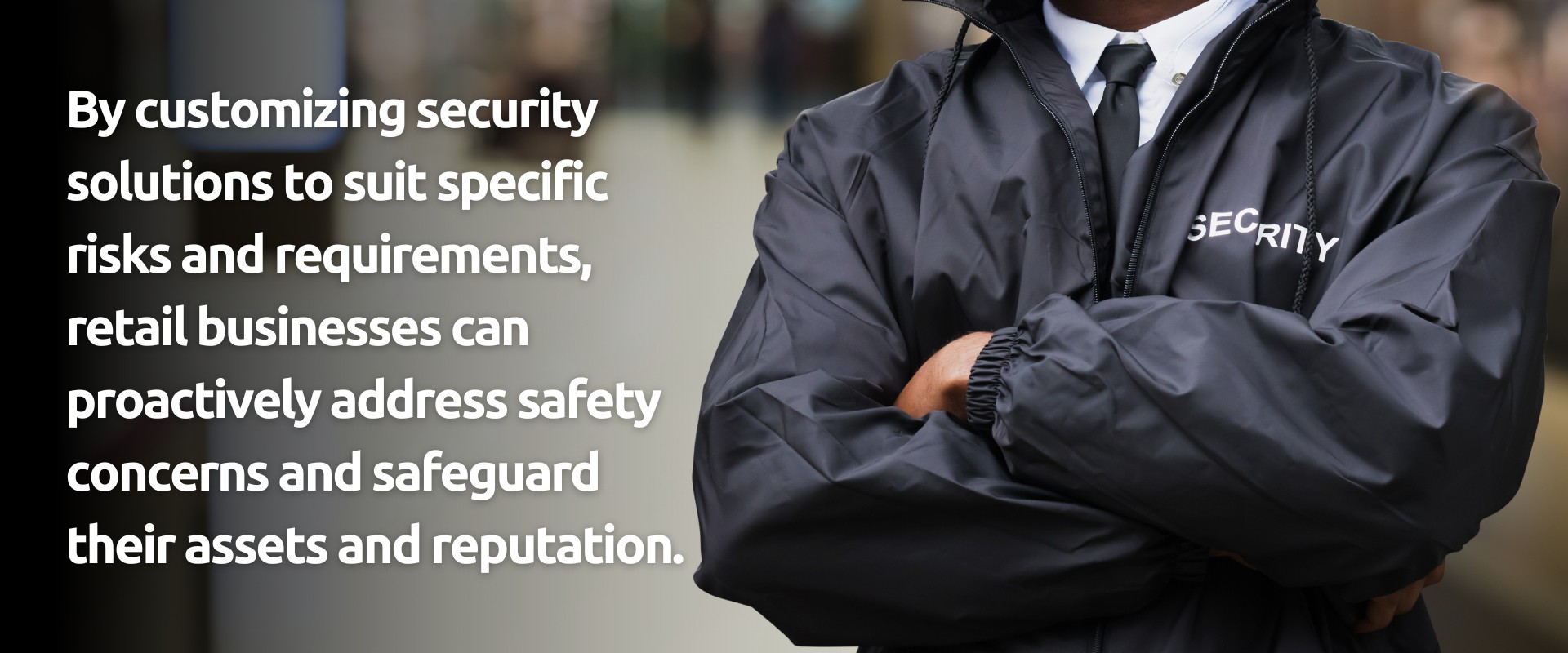 2. Retail stores
Retail stores need security guards to prevent theft and ensure the safety of customers and employees. Unarmed security guards may be sufficient for this type of environment, and may be tasked with monitoring surveillance cameras, checking customer bags, and responding to incidents. However, some retail businesses may also benefit from having armed security personnel, especially in high-risk areas or stores dealing with high-value merchandise. Armed guards can offer an added layer of protection and quick response to potential threats, helping to deter criminal activities effectively. Moreover, their presence alone can instill a sense of security among staff and customers, fostering a conducive shopping atmosphere. Earlier this year, two men were arrested for a string of retail store robberies where they got away with more than $200,000 worth of merchandise from high-end retail stores. While insurance may cover the losses, it’s better to deter such events from happening in the first place. By customizing security solutions to suit specific risks and requirements, retail businesses can proactively address safety concerns and safeguard their assets and reputation.
3. Maintaining a Safe Environment in Hospitals
Hospitals require security guards to maintain order, prevent theft, and ensure the safety of patients and staff. Security guards in hospitals may be tasked with enforcing visitation policies, managing access control, and monitoring potentially violent or aggressive patients. In emergency situations, these dedicated personnel are instrumental in facilitating smooth evacuations and providing assistance to healthcare professionals. With their specialized training in handling delicate situations, hospital security guards offer a calming presence amidst the often tense and high-stress environment of healthcare facilities, creating a secure and reassuring atmosphere for all stakeholders involved.
4. Protecting People and Data in Corporate Offices
Corporate offices may employ security guards to manage access control, screen visitors, and protect against theft and vandalism. Security guards in this setting may be armed or unarmed, depending on the level of risk involved. Their primary responsibility is to maintain a secure perimeter, ensuring only authorized personnel gain entry, and responding swiftly to any suspicious activities or potential security breaches. Additionally, these guards may be tasked with conducting regular patrols within the office premises, monitoring CCTV cameras, and implementing emergency protocols when necessary. By proactively addressing security concerns, corporate security guards contribute to the protection of sensitive data, confidential information, and the overall well-being of employees, fostering a safe and productive work environment.
5. Safeguarding Your Team and Assets in Manufacturing
Manufacturing plants require physical security to protect their assets and ensure the safety of employees. Armed security guards may be necessary in this type of environment due to the potential risks associated with hazardous materials and heavy machinery. Their presence acts as a strong deterrent against unauthorized access and theft of valuable equipment or intellectual property. By prioritizing robust physical security measures, manufacturing plants bolster the confidence of investors, employees, and customers alike, underscoring their commitment to safeguarding both their resources and the well-being of those within the facility.
6. Managing High-Stakes Security in Casinos
Casinos require a high level of physical security due to the large amounts of cash and other assets on site. Armed security guards who are trained to handle potential threats and risks may be necessary in this environment. Given the nature of the industry and the constant flow of cash transactions, casinos become attractive targets for criminal activities such as robberies or fraud. Armed guards play a pivotal role in deterring such incidents and ensuring the safety of patrons and employees alike. Their specialized training equips them to respond swiftly and decisively to any security breaches, preventing escalation and maintaining order within the bustling casino floor. By providing a visible security presence, armed guards create an atmosphere of safety and confidence, allowing visitors to enjoy their experience without undue concern about their personal well-being or the protection of the casino’s valuable assets.
7. Hotels
 7. Hotels
Hotels require security guards to manage access control, monitor surveillance cameras, and respond to incidents. Unarmed security guards may be sufficient in this type of environment, and may be tasked with enforcing hotel policies and maintaining order. Their presence in lobbies, entrances, and other public areas helps to create a safe and welcoming atmosphere for guests and staff. These vigilant guards play a pivotal role in ensuring that only authorized individuals have access to certain areas, safeguarding against potential theft or unauthorized activities. By upholding the highest standards of security and customer service, hotel security guards contribute significantly to the overall positive guest experience, leaving a lasting impression of safety and comfort.
Operational Best Practices for Long-Term Security
Putting physical security measures in place is a great first step, but it’s not a one-and-done task. True security comes from creating ongoing processes that adapt to new challenges. It’s about building a resilient system and a culture where everyone feels responsible for safety. By integrating a few key practices into your daily operations, you can ensure your security strategy remains effective and robust for the long haul, protecting your people and property consistently.
Conducting Regular Security Audits
Think of a security audit as a regular health checkup for your safety plan. It’s a systematic process where you examine your current security measures to find any weak spots before a potential threat does. This involves more than just a quick walk-through. A thorough audit means testing alarms, checking camera sightlines, reviewing access control logs, and ensuring all doors and locks are functioning correctly. By regularly assessing your vulnerabilities, you can make informed improvements and stay ahead of risks. Professional teams can offer a fresh perspective, helping you identify gaps you might have missed in your day-to-day routine.
The Role of Employee Training
Your employees are your greatest asset and your first line of defense. A security camera can record an incident, but a well-trained employee can prevent one from happening in the first place. Comprehensive training empowers your team to be active participants in their own safety. This education should cover how to identify suspicious behavior, what to do in an emergency, and how to properly use security systems. When everyone understands the security protocols and their role within them, they can respond confidently and effectively, turning your entire workforce into a vigilant and capable security team.
Implementing a Visitor Management System
Knowing exactly who is on your property at all times is a fundamental aspect of good security. A visitor management system provides a clear and consistent process for tracking guests, contractors, and anyone else who isn’t a regular employee. This doesn’t have to be a complex, high-tech system; it can be as simple as requiring all visitors to sign in and receive a badge. For facilities with higher security needs, having professional private security guards manage the lobby can streamline this process. A solid visitor policy ensures everyone is accounted for, reducing the risk of unauthorized access.
Fostering a Company-Wide Culture of Safety
Ultimately, the most effective security strategy is one that’s woven into the fabric of your company culture. When safety becomes a shared value, it transforms from a set of rules into a collective mindset. This starts with leadership demonstrating that security is a priority, often by investing in comprehensive corporate security services, but it thrives when every employee feels empowered to contribute. Encourage a “see something, say something” mentality by creating clear and accessible channels for reporting concerns. Regular communication and training help create an environment where everyone is watchful and invested in maintaining a safe workplace.
Don’t Let Your Business Become A Target
The points mentioned above would have provided you with a detailed overview of the numerous ways in which you can keep the premise of your workplace safe. ASAP Security takes the responsibility of securing your office building, employees and guests around the clock. With us by your side, you don’t have to worry a bit about the security of your workplace. We provide you with exceptional 360 service. If you’re a business owner or operator in the Orange County, Riverside County, or San Diego County areas, feel free to contact us to discuss how ASAP can provide your business with the security services it needs.
Ready to Discuss Your Security Needs?
We are proud of our stellar customer service record, so check our website for all the testimonials from our various satisfied customers. Call ASAP Security at 1-833-272-7247
Frequently Asked Questions
I have cameras and an alarm system. Isn’t that enough? Cameras and alarms are excellent tools for detection and are a vital part of any security plan. However, they are just one piece of the puzzle. A truly effective strategy also includes deterrence and response. The visible presence of a security guard can discourage a potential incident before it even starts, and in the event an alarm is triggered, a trained professional on-site can respond immediately to manage the situation, which is something technology alone cannot do.
My business is in a “safe” area. Is a full security plan really necessary? While a good location can reduce certain risks, it doesn’t eliminate them entirely. Many modern threats, such as workplace disputes, insider theft, or targeted vandalism, are not dependent on your zip code. A proactive security plan is about preparing for the unexpected, not just the most obvious threats. It ensures your people, property, and operations are protected from a wide range of potential disruptions, regardless of your neighborhood.
How do I figure out the right security measures for my specific industry? The best way to determine your needs is to start with a professional security assessment. As the post illustrates, the vulnerabilities of a hotel are very different from those of a manufacturing plant or a school. An expert can evaluate your specific property, operational flow, and industry-related risks to help you build a tailored, layered security plan that addresses your unique challenges without being excessive or insufficient.
What’s the first step I should take if I’m starting from scratch? The most logical first step is to conduct a thorough risk assessment. Before you invest in any equipment or personnel, you need a clear understanding of your vulnerabilities. This process involves identifying potential threats, evaluating your existing security measures (or lack thereof), and prioritizing the areas that need the most attention. This foundational step ensures you build your security strategy on a solid understanding of your actual needs.
How can I create a security-conscious culture without making my employees anxious? The key is to frame security training as empowerment, not fear. When your team understands the security protocols and knows exactly what to do in an emergency, they feel more prepared and in control. Focus on clear, simple procedures and positive communication. A culture of safety is built on shared responsibility, where everyone feels comfortable reporting a concern because they know there’s a clear and supportive process for handling it.
Key Takeaways
- Think in layers, not single solutions: The most resilient security plans use a layered approach, often called defense in depth. This strategy combines different measures to deter, detect, delay, and respond to threats, ensuring that if one defense is breached, others are still in place to protect your business.
- Balance technology with trained personnel: A comprehensive system relies on more than just cameras and alarms. It requires a strategic mix of access control, surveillance technology, and professional security guards who provide a visible deterrent, monitor systems, and respond effectively to incidents.
- Treat security as a continuous process: Effective security is not a one-time setup; it is an ongoing commitment. Regularly auditing your measures, training your employees, and fostering a company-wide culture of awareness are essential for keeping your defenses strong against evolving threats.
Related Articles
- Business Security Tips: 20 Ways to Protect Your Company
- Office Building Security: The Essential Checklist
- The Importance of Physical Security To Protect Your Employees
- The Advantages of Hiring Security Guards for Your Business
- Hiring Security Guards: Key Benefits for Your Business