
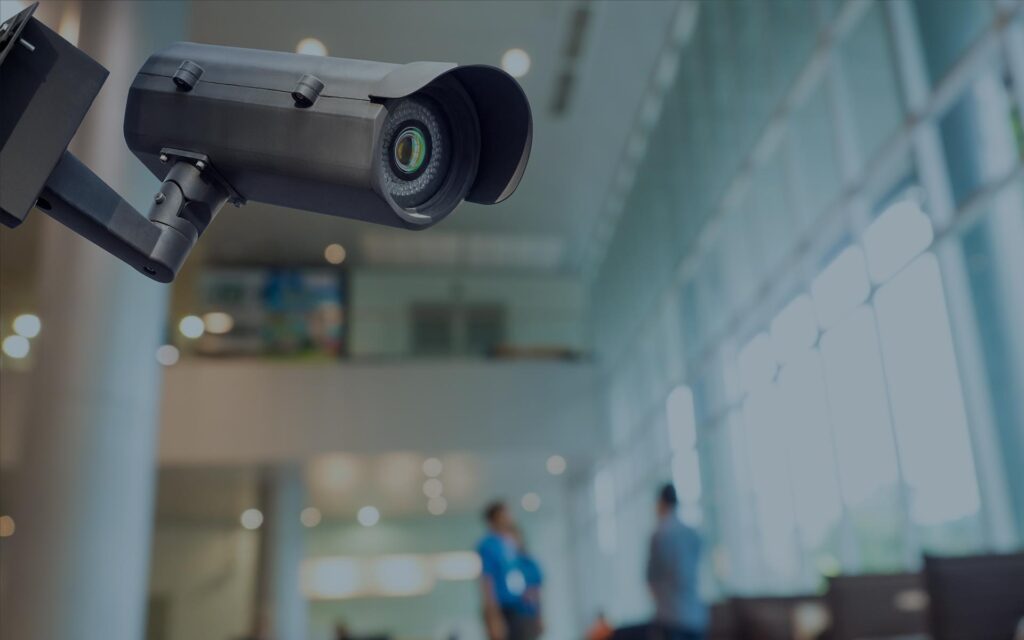
Every business owner knows the fundamentals: lock your doors, set the alarm, and install a few cameras. But what about the threats that aren’t so obvious? True security vulnerabilities often hide in plain sight, like an employee clicking a phishing link, a third-party vendor with weak data protection, or sensitive information tossed in the dumpster without being shredded. A comprehensive security plan goes beyond the basics to address these often-overlooked risks. This collection of business security tips will walk you through the essentials and also highlight the critical details that create a truly resilient and secure workplace for everyone.
20 Tips for Improving Security at Your Business
As a business owner, ensuring the safety and security of your employees, customers, and assets is crucial. Here are 20 tips for improving security at your business: Don’t have time to read the article? Check out our video!
1. Start with a Comprehensive Security Audit
Conducting a comprehensive security audit is essential for enhancing the protection of your business. To begin, it is crucial to evaluate the existing security measures and their effectiveness. Engage the expertise of a qualified security professional who can meticulously assess your premises and identify potential vulnerabilities that may exist. Through a thorough examination, they will pinpoint specific areas that require attention and improvement, allowing you to take proactive steps toward fortifying your security infrastructure. By investing in a security audit, you demonstrate your commitment to safeguarding your business, employees, and assets. You’ll also gain valuable insights to create a robust security framework tailored to your unique needs.
 2. Install Security Cameras
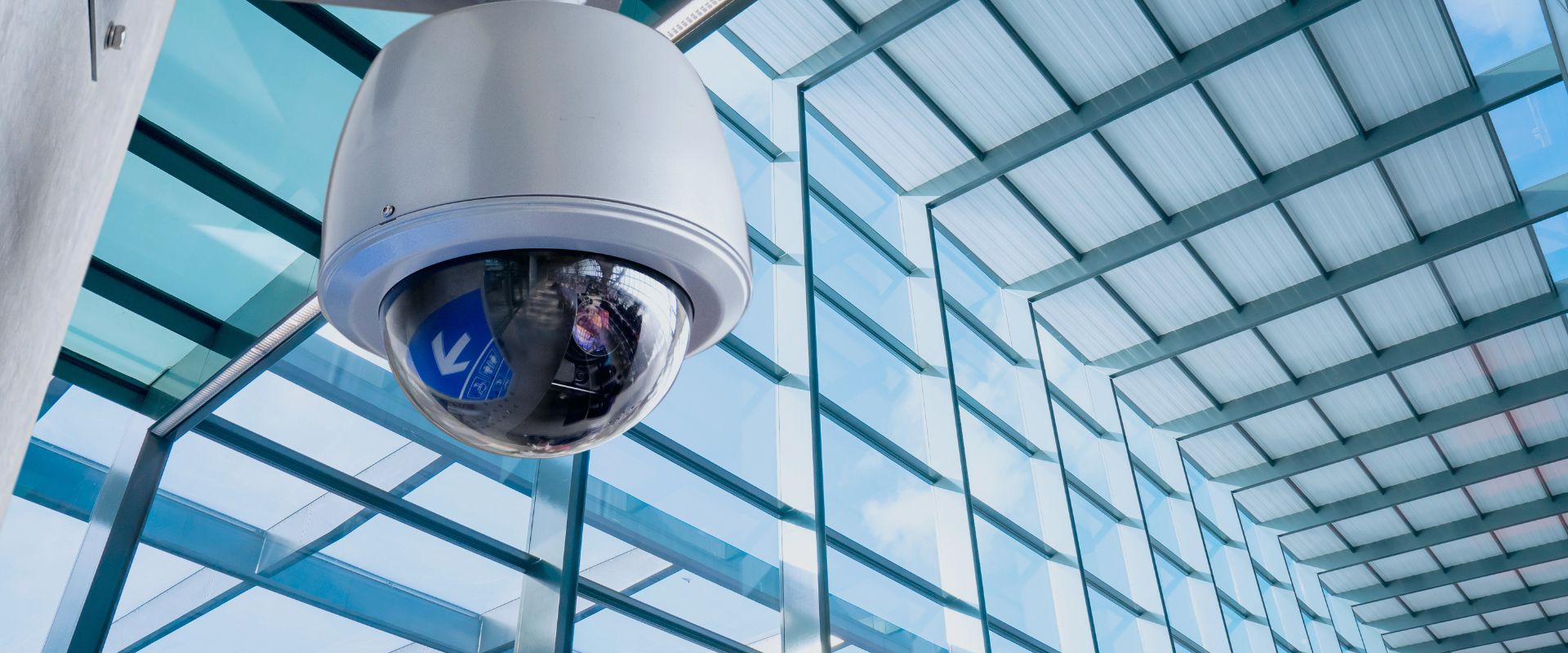 2. Install Security Cameras
Installing security cameras is a fundamental step in bolstering the security of your business premises. These surveillance systems play a crucial role in deterring potential criminals by creating a visible and monitored environment. Beyond their preventive effect, security cameras also serve as a vital source of evidence in the event of any unlawful incidents. To maximize their effectiveness, it is advisable to strategically position the cameras in high-risk areas such as entrances, exits, and storage rooms. By doing so, you create a comprehensive surveillance network that minimizes blind spots and ensures optimal coverage. Security cameras provide you with a valuable tool for monitoring activities, investigating incidents, and enhancing your business’s overall security.
3. Control Who Comes and Goes with an Access System
Access control systems are crucial for enhancing your business’s security. By employing the latest security technologies, such as key cards or biometric readers, you gain the ability to exert control over who gains entry to your premises. These systems provide an effective means of preventing unauthorized access and mitigating the risk of potential security breaches. Whether it’s granting access to specific areas based on employee roles or restricting entry to authorized personnel only, access control systems offer a flexible and customizable solution tailored to your organization’s needs. With these measures in place, you can establish a robust security infrastructure that safeguards sensitive areas, protects valuable assets, and ensures the safety of your employees and visitors.
4. Secure Your Perimeter
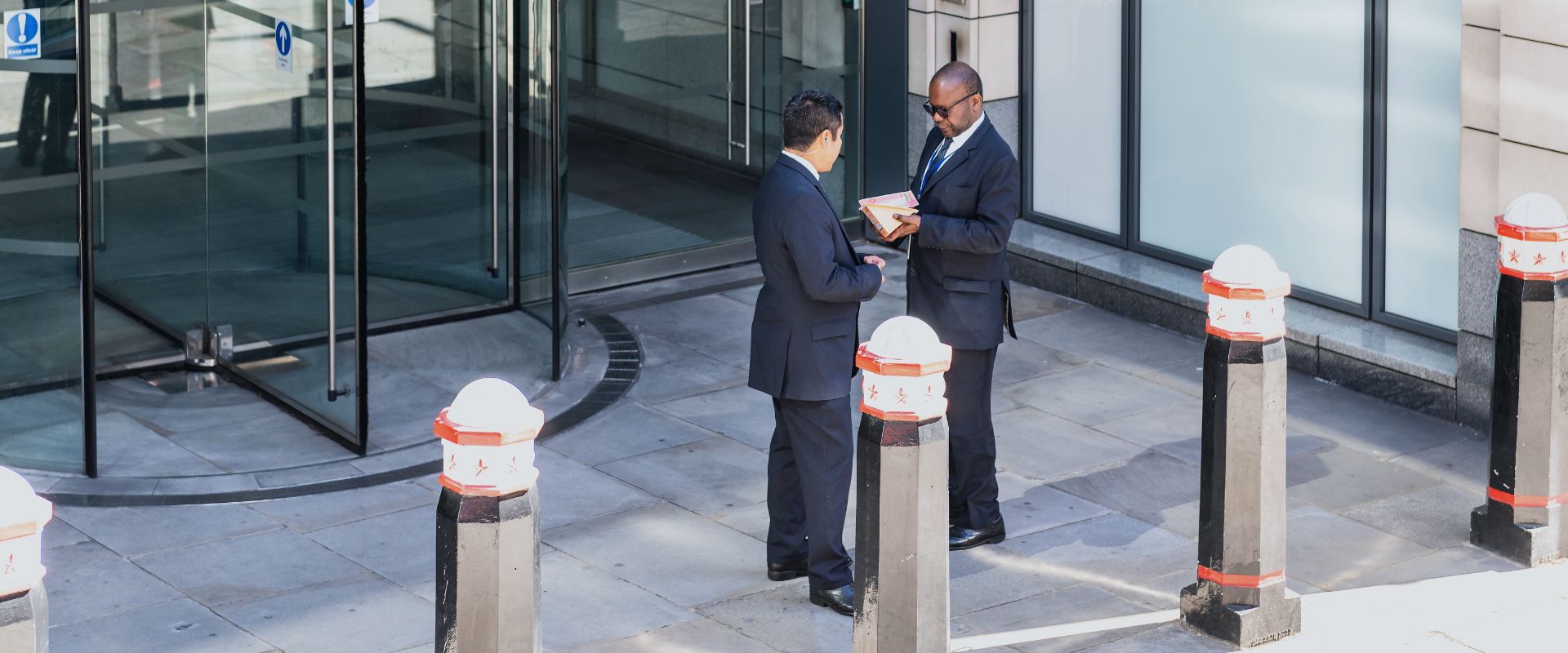 4. Secure Your Perimeter
To fortify the security of your business, it is essential to prioritize the protection of your perimeter. Installing robust barriers such as fences, bollards, or gates serves as an effective deterrent against unauthorized access by vehicles. These physical defenses create a formidable barrier, restricting entry to authorized personnel only. By safeguarding your perimeter, you establish a first line of defense, effectively deterring potential intruders and enhancing overall security measures. Additionally, these security enhancements demonstrate your commitment to the safety and well-being of your employees, customers, and valuable assets.
Manage Access for Temporary Employees
Bringing on seasonal or temporary staff is a great way to handle busy periods, but it’s essential to manage their access carefully to keep your business secure. Before they even start, running a thorough background check is a smart first step. Once they’re on board, make sure they can only get into areas that are absolutely necessary for their job. This simple step minimizes the risk of someone accessing sensitive information or valuable assets. For businesses with high-traffic areas or sensitive zones, having professional corporate security services can help enforce these access policies consistently. When their time with your company is over, be sure to immediately deactivate any key cards, access codes, or permissions they had. This prevents any lingering access and keeps your property secure long after they’ve gone.
5. Implement Essential Cybersecurity Measures
In today’s digital landscape, prioritizing cybersecurity is paramount for businesses of all sizes. Safeguarding your company’s computer systems requires the implementation of robust cybersecurity measures. One crucial step is to deploy firewalls that act as a barrier against unauthorized access and protect your network from external threats. Additionally, employing reliable antivirus software enhances your defenses by detecting and neutralizing malware, viruses, and other malicious software that can compromise your data. To further bolster your cybersecurity posture, regularly backing up your data ensures that critical information remains safe and can be restored in case of a breach or system failure. By proactively implementing these cybersecurity measures, you fortify your business against cyber threats, preserve the integrity of your data, and safeguard sensitive information.
6. Give Your Employees The Proper Training
 6. Give Your Employees The Proper Training
Empowering your employees with proper security training is vital in strengthening the overall security posture of your business. By equipping them with the knowledge and skills to identify and respond to potential threats, you create a vigilant and proactive workforce. Conduct regular training sessions focused on security protocols, ensuring that your employees understand how to recognize and report suspicious behavior. Be sure to provide them with guidance on emergency response procedures, enabling them to take swift and appropriate action during critical situations. Moreover, educating your staff on the proper usage of security equipment, such as surveillance cameras, access control systems, and alarms, will maximize the effectiveness of your overall security regime. By investing in comprehensive employee training, you create a culture of security awareness and collaboration, significantly enhancing the overall security resilience of your business.
Adopt a Formal Cybersecurity Framework
When it comes to digital security, having a structured plan is far more effective than just reacting to threats as they appear. Adopting a formal cybersecurity framework gives your business a clear roadmap for managing digital risks. Think of it as a comprehensive strategy that covers all your bases. For example, some frameworks focus on key areas like planning, protecting, proving, promoting, and partnering. This approach ensures you’re not just installing antivirus software and hoping for the best. Instead, you’re building a resilient system that can anticipate, withstand, and recover from cyber threats, giving you a solid foundation for protecting your company’s valuable information.
Conduct a Cyber Risk Assessment
You can’t protect what you don’t know you have. Before you can effectively secure your business, you need to understand where your vulnerabilities lie. A cyber risk assessment is the first step. This process involves identifying your most critical digital assets—like customer data, financial records, or proprietary information—and figuring out the potential threats to them. By figuring out which systems and data are most important, you can prioritize your security efforts and allocate your resources wisely. This isn’t about finding every single flaw; it’s about understanding what needs to be protected most urgently to keep your business running smoothly and safely.
Strengthen User Accounts with Passwords and MFA
Your employee accounts are often the first line of defense against cyberattacks. While encouraging strong, unique passwords is a good start, the single most effective step you can take is implementing multi-factor authentication (MFA). MFA adds a simple, extra layer of security by requiring a second form of verification, like a code sent to a phone, before granting access. This one change can make a massive difference. In fact, studies show that MFA is incredibly effective, stopping 99.9% of automated cyberattacks. It’s a straightforward and powerful way to secure your accounts from unauthorized access.
Keep Systems Updated and Hardened
Think of software updates as essential maintenance for your digital infrastructure. These updates often contain critical patches that fix security flaws discovered by developers. Cybercriminals actively search for businesses running outdated software because those vulnerabilities are like an unlocked door. To protect your network, make it a standard practice to regularly scan for weak spots and install updates as soon as they become available. This applies to everything from your operating systems and web browsers to your business applications. Staying current with patches is a simple yet crucial habit for keeping attackers out of your systems.
Protect and Recover Data with Backups and Encryption
Even with the strongest defenses, a security breach can still happen. That’s why having a solid recovery plan is non-negotiable. Regularly backing up your data is your safety net. It ensures that if your files are ever compromised, encrypted by ransomware, or lost due to system failure, you can restore them quickly and continue operations with minimal disruption. In addition to backups, you should also use encryption to protect sensitive data. Encryption scrambles your information, making it unreadable to anyone without the proper key, which is essential for safeguarding data both when it’s stored and when it’s in transit.
Monitor Systems and Report Incidents
Cybersecurity isn’t a one-time setup; it requires ongoing vigilance. Continuously monitoring your network and keeping detailed activity logs are key to spotting suspicious behavior early. This allows you to detect and respond to potential threats before they can cause significant damage. Just as our mobile security patrols keep a watchful eye on physical properties, digital monitoring provides constant oversight for your network. It’s also vital to have a clear incident response plan in place so your team knows exactly what to do when a potential threat is identified, ensuring a swift and organized reaction to minimize any impact.
Focus on Specific Threats like Phishing and Social Engineering
Not all security threats involve a broken window or a hacked server. Often, the biggest vulnerability is human error. That’s why it’s so important to train your team to recognize specific threats like phishing and social engineering. Phishing attacks use deceptive emails or messages to trick employees into revealing sensitive information, like passwords or financial details. Social engineering is a broader tactic where an intruder manipulates people to gain physical access or information, like pretending to be a repair person to get past the front desk. Regular training should teach your staff how to spot red flags, such as suspicious email addresses or urgent, unusual requests, and who to report them to immediately. This awareness is a critical layer of defense that technology alone can’t provide.
Create and Distribute Written Security Policies
Clear, documented security policies are the foundation of a secure workplace. If your rules are just spoken, they can be easily forgotten or misinterpreted. Putting everything in writing ensures every team member understands their responsibilities. Your policies should cover key procedures like who is authorized to access certain areas, protocols for visitors, rules for locking doors and windows, and what to do if a key or access card is lost. Once you’ve created these policies, don’t just file them away. Distribute them to all employees and incorporate them into your onboarding process for new hires. A professional security partner can also help enforce these rules through services like mobile security patrols, ensuring your written policies are followed day and night.
7. Light Up Your Property to Deter Intruders
Ensuring proper lighting throughout your business premises is a fundamental aspect of enhancing security. Adequate illumination serves as a powerful deterrent, making your property less appealing to potential criminals. By eliminating dark areas, you create a sense of visibility and reduce hiding spots, significantly lowering the risk of unauthorized activity. It is crucial to prioritize well-lit areas, especially during non-business hours, when the absence of natural light can create vulnerabilities. Install high-quality outdoor lighting that covers all critical areas, such as parking lots, entrances, and walkways, minimizing shadows and enhancing visibility. Furthermore, consider implementing motion sensor lights that activate when movement is detected, further discouraging intruders.
8. Develop A Crisis Management Plan
 8. Develop A Crisis Management Plan
Developing a comprehensive crisis management plan is a critical step in safeguarding your business against potential security threats. By proactively addressing scenarios like natural disasters or acts of violence, you establish a framework for swift and effective response. Begin by creating a plan that outlines specific protocols, procedures, and roles for handling various crises. Ensure that your employees receive thorough training on the plan, ensuring they understand their responsibilities and know how to react in high-stress situations. Regularly reviewing and updating the crisis management plan is essential to adapting to evolving threats and ensuring the plan’s relevance over time.
Create a Cyber-Specific Incident Response Plan
Think of a cyber incident response plan like a fire escape plan, but for your digital assets. It’s a clear, step-by-step guide that tells your team exactly what to do during a security breach, helping you react quickly and effectively to minimize damage and downtime. Before you write the plan, it’s smart to conduct a cyber risk assessment to figure out which of your systems and data are most critical. That way, you know what to prioritize protecting. A crucial part of any plan is your people. Regularly train your employees on security protocols so they can recognize and report threats. And don’t just write the plan and forget it—test it regularly to make sure it actually works when you need it most. This proactive approach, combined with continuous network monitoring, helps you spot suspicious activity early on.
9. Vet Potential Hires with Background Checks
Conducting thorough background checks on potential employees is a crucial step in maintaining a secure work environment. By verifying their backgrounds, including criminal records, you minimize the risk of hiring individuals with a history of criminal activity. These checks provide valuable insights into an applicant’s past behavior, helping you make informed decisions and reduce the likelihood of theft, fraud, or other criminal activities within your organization. This is especially important for industries that handle sensitive information and digital assets. It’s estimated that one in five cybersecurity threats comes from insiders. These insiders can be current employees, vendors, contractors, or even business partners who have access to your internal networks and systems.
10. Create A Visitor Log
 10. Create A Visitor Log
Implementing a visitor log is a valuable security measure that enhances control and accountability within your business premises. By requiring all visitors to sign in, you create a record of individuals accessing your facility, allowing you to monitor and identify any unauthorized or suspicious visitors. The visitor log serves as a crucial tool for tracking the presence of external parties, enabling you to cross-reference the information with scheduled appointments or expected guests. This practice ensures that only approved individuals gain access to your premises, minimizing the risk of unauthorized entry and potential security breaches. Additionally, the visitor log provides a historical record that can be valuable for investigations or audits, further enhancing the overall security of your business.
11. Use Security Signage as a Simple Deterrent
Using signage strategically can significantly contribute to the effectiveness of your security measures. Displaying signs that highlight the presence of security cameras and other security systems serves as a visual deterrent to potential criminals. The mere visibility of such signage can make individuals think twice before engaging in unlawful activities, knowing that their actions are being monitored and recorded. Additionally, signage can create a sense of awareness and reassurance among employees, customers, and visitors, instilling a sense of confidence in the security measures in place.
12. Install Deadbolts And Secure Locks
 12. Install Deadbolts And Secure Locks
Enhancing the physical security of your business demands the installation of high-quality deadbolts and secure locks on all doors and windows. These robust locking mechanisms serve as a pivotal line of defense, deterring unauthorized entry and fortifying the integrity of your premises. By opting for industry-leading deadbolts and secure locks, you establish a formidable barrier that significantly reduces the risk of break-ins, burglaries, and other security breaches. It is crucial to select locks that meet professional standards and offer exceptional resistance against common intrusion techniques. By prioritizing these advanced physical security measures, you create a professional and trustworthy environment, assuring employees, clients, and stakeholders that their safety and the protection of valuable assets are paramount.
13. Lock Down Both Physical and Digital Assets
To safeguard your business’s valuable assets, it is essential to implement robust security measures. Secure your valuable assets by storing them in locked cabinets or safes, providing an additional layer of protection against theft and unauthorized access. This not only applies to physical assets but also extends to digital assets and sensitive information. In the realm of cybersecurity, employ encryption techniques and access controls to safeguard critical data and systems. Regularly update and patch your software to address any vulnerabilities and ensure that your network is protected by firewalls and advanced intrusion detection systems. By adopting a comprehensive approach to security that encompasses both physical and digital assets, you create a fortified environment that mitigates the risk of theft, data breaches, and other security incidents.
14. Install Motion Detectors
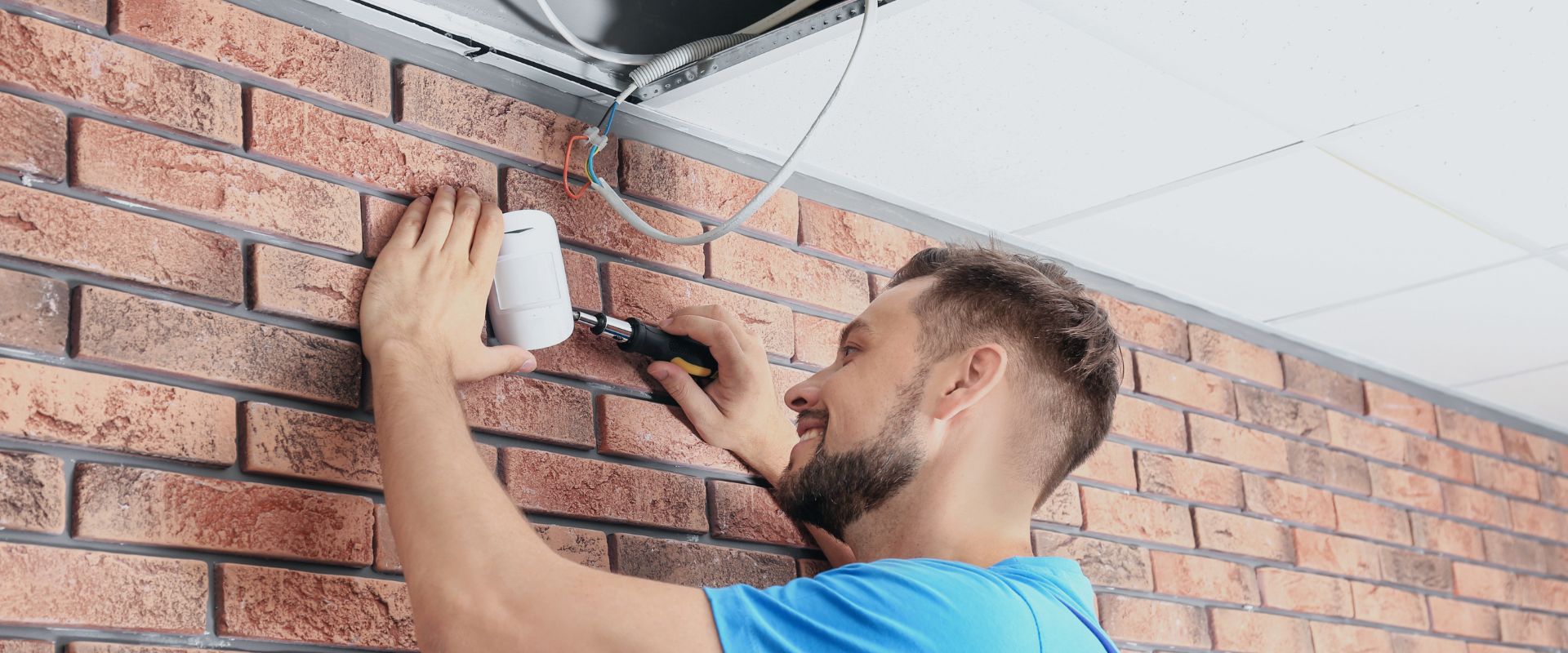 14. Install Motion Detectors
Installing motion detectors is a highly effective security measure that enhances the protection of your business premises. By strategically placing motion detectors throughout your property, you create an additional layer of defense against potential intruders. These devices are designed to detect movement and promptly trigger alarms, alerting both security personnel and nearby individuals to the presence of unauthorized individuals. The swift response facilitated by motion detectors can deter criminals, thwart break-ins, and minimize the risk of theft or vandalism. It is crucial to position the detectors strategically, covering critical entry points and vulnerable areas. By integrating motion detectors into your security system, you establish an advanced and proactive approach to safeguarding your business, bolstering overall security, and providing peace of mind for employees and stakeholders.
Keep a Detailed Device Inventory
Your security plan should extend beyond your physical location to the devices that power your business. It’s essential to maintain a detailed inventory of all company-owned equipment like laptops, tablets, and servers, especially those that store or access sensitive customer data. Your inventory list should track what each device is, where it’s located, and which employee is responsible for it. This simple document becomes invaluable if a device is lost or stolen, as you’ll know exactly what’s missing and what information might be at risk. For an added layer of protection, make sure any sensitive data stored on these devices is encrypted. This practice not only helps you manage your assets but also strengthens your defense against costly data breaches.
Handle Cash Securely
If your business handles cash, you need a strict policy for managing it, especially after hours. Leaving cash on-site overnight or during holiday closures makes your business a prime target for theft. Even a high-quality safe isn’t a guarantee of security, as thieves can sometimes remove the entire unit if it isn’t properly bolted down. The best practice is to make regular bank deposits and remove all cash from the premises before closing each day. For periods when your business is unoccupied, like weekends or holidays, having a visible security presence can make all the difference. Professional 24/7 security services provide a powerful deterrent, signaling to potential criminals that your property is actively protected around the clock.
Use Privacy Screens to Protect Information
Information theft doesn’t always happen through a complex cyberattack; sometimes, it’s as simple as someone looking over a shoulder. This is often called “visual hacking,” and it’s a real threat in any office environment where screens are visible to visitors or other employees. You can easily protect sensitive information by installing privacy screens on computer monitors, especially for employees in roles like HR or accounting who handle confidential data. These filters restrict the viewing angle so that only the person directly in front of the screen can see what’s on it. Similarly, using blinds on windows in offices where sensitive documents are reviewed adds another simple but effective layer of visual security, ensuring private business information stays private.
15. Actively Monitor Your Property Around the Clock
Monitoring your premises is vital for improving security at your business. Regularly monitor your property for suspicious activity using security guards, cameras, or other monitoring systems. Trained security guards provide a physical presence, deterring unauthorized individuals and responding to incidents promptly. Implement a comprehensive security camera system with advanced features for continuous surveillance and real-time monitoring. Integrate access control and alarm systems to restrict unauthorized entry and receive immediate alerts for breaches. These monitoring measures create a robust security framework, preventing incidents and offering peace of mind. Consult our security professionals to assess your needs and recommend tailored solutions for optimal business security.
16. Make Sure All Sensitive Documents Are Shredded When Disposed Of
 16. Make Sure All Sensitive Documents Are Shredded When Disposed Of
Implementing a shredder as part of your document management process is a crucial step in safeguarding sensitive information and preventing identity theft. By securely disposing of sensitive documents through shredding, you ensure that confidential data cannot be retrieved or reconstructed by unauthorized individuals. Encourage employees to shred any documents containing personal information, financial data, or sensitive business details. Additionally, consider implementing a document retention policy that outlines how long certain types of documents should be retained before shredding.
Regularly Test and Maintain Security Equipment
Installing security cameras, access control systems, and alarms is a great first step, but their value depends on them working when you need them most. Think of it like a fire extinguisher—you hope you never have to use it, but you need to know it’s ready. Regularly testing your equipment is non-negotiable. This means checking that your cameras are recording clearly, your door access systems are functioning properly, and your alarm systems are responsive. It’s also wise to test your data backups to ensure you can recover critical information if something goes wrong. Integrating these checks into a routine maintenance schedule ensures your 24/7 security is never compromised and helps you identify and fix issues before they become critical vulnerabilities.
Dispose of Other Materials Securely
Your security plan should extend all the way to your dumpster. Secure disposal goes beyond just shredding documents; it includes everything your business throws away. Your trash can reveal sensitive details about your operations, suppliers, and inventory to anyone willing to look. Criminals often use dumpster diving to find information, so it’s important to make your waste uninteresting. Always remove and shred shipping labels and completely break down boxes, especially those from high-value shipments. This prevents thieves from knowing what kind of products you stock. The same principle applies to old hard drives, outdated employee ID badges, and company uniforms, all of which should be physically destroyed, not just thrown out. To fully protect these vulnerable points, consider securing your disposal areas. Regular checks by mobile security patrols can deter after-hours snooping and ensure your discarded materials don’t become a security risk.
17. Install Fire Alarms for Early Warning and Protection
Installing reliable fire alarms and smoke detectors is paramount for ensuring the safety of your employees and customers within your business premises. These devices provide early detection of fire and smoke, allowing for prompt evacuation and mitigating potential damage. Make sure to install an adequate number of alarms and detectors throughout your facility, strategically placing them in key areas such as hallways, common areas, and rooms with high fire risk. Regularly test and maintain these devices to ensure they are in proper working order, promptly addressing any issues or malfunctions. Additionally, consider integrating them with a central monitoring system that alerts both occupants and emergency services in the event of an emergency.
18. Train Employees On Fire Safety
 18. Train Employees On Fire Safety
Ensuring the safety of your employees during a fire emergency requires comprehensive training on fire safety protocols. Conduct regular training sessions that cover essential topics such as evacuation procedures, the proper use of fire extinguishers, and the importance of staying calm in high-pressure situations. Educate your employees on the location of emergency exits, assembly points, and any specific evacuation routes relevant to your business premises. Emphasize the significance of reporting fires promptly and the appropriate actions to take to minimize risks, such as closing doors and alerting others. Conducting regular fire drills to simulate real-life scenarios and evaluate the effectiveness of your emergency response plans.
19. Extend Security to Your Parking Lot with Good Lighting
Maintaining proper lighting in your parking lot is crucial for enhancing security and deterring criminal activities such as car theft and vandalism. Ensure that your parking lot is well-lit at all times, especially during nighttime hours, to create a safe and visible environment. Regularly inspect and maintain the lighting fixtures to address any malfunctioning bulbs or dark areas. Additionally, consider implementing additional security measures to complement the lighting, such as installing security cameras strategically positioned to cover the parking lot or assigning security guards to patrol the area. These measures not only provide a sense of security for employees and customers but also serve as a deterrent to potential criminals.
20. Hire A Professional Security Company
 20. Hire A Professional Security Company
Enhancing the security of your business can be greatly facilitated by enlisting the services of a professional security company. The presence of visible security personnel can act as a deterrent to would-be criminals, reducing the risk of unauthorized access, theft, and other security incidents. Partnering with a reliable security company demonstrates your commitment to maintaining a secure environment for your employees, customers, and valuable assets. When you hire a reputable security company, like ASAP Security, you gain access to a team of trained and experienced security personnel who can provide comprehensive protection for your premises. We offer a range of services tailored to your specific needs, including onsite security guards, alarm monitoring, access control, and surveillance systems. By working with ASAP Security, you’re taking the steps needed to ensure that your business is safeguarded by professionals who possess the knowledge and expertise to handle potential threats effectively. Let us take on the responsibility of securing your office building, employees, and guests around the clock. With ASAP Security by your side, you don’t have to worry a bit about the security of your workplace. Schedule Your Security Consultation Today
Build Your Extended Security Team and Resources
A truly comprehensive security plan extends beyond your physical property and the guards patrolling it. It involves building a network of resources and partners who can help you prepare for, and respond to, a wide range of threats, both online and off. Just as you rely on a professional security team for physical protection, having legal, financial, and government resources on your side creates a multi-layered defense that covers all your bases. This proactive approach ensures you’re not just reacting to incidents as they happen, but are fully prepared to handle them with a clear, strategic response that protects your assets and reputation.
Look into Cyber Insurance and Legal Counsel
Even with strong defenses, security incidents can still happen. That’s why having a plan for the aftermath is just as important as prevention. Cyber insurance can be a financial lifesaver, helping to cover the significant costs associated with a data breach, such as notifying customers, recovering data, and paying for credit monitoring. At the same time, it’s wise to hire a cyber attorney before you ever need one. Having legal counsel specializing in cyber law on retainer means you have an expert ready to guide you through the complex legal requirements and potential liabilities of a security breach, ensuring you respond correctly and efficiently.
Manage Security Risks from Third-Party Vendors
Your company’s security is only as strong as its weakest link, and sometimes that link is an outside partner. When you grant vendors, suppliers, or contractors access to your data or network, you are also trusting their security practices. Before entering into any new partnership, it’s crucial to check their cybersecurity measures to ensure they meet your standards. Ask direct questions about their data protection policies and make security requirements a clear part of your service agreements. This due diligence protects your business from vulnerabilities that originate outside your organization.
Leverage Free Government Security Resources
Strengthening your security doesn’t always have to come with a high price tag. Several government agencies offer free resources to help businesses protect themselves. The Cybersecurity and Infrastructure Security Agency (CISA), for example, provides valuable tools and services for small and medium-sized businesses. CISA offers free scans to help you find and fix weaknesses in your systems, along with other cyber hygiene services. Taking advantage of these programs is a cost-effective way to get an expert assessment of your digital footprint and make immediate improvements to your security posture.
Frequently Asked Questions
This is a long list of tips. Where should I even begin? A great starting point is a comprehensive security audit. Before you invest in new cameras or software, you need a clear picture of your unique vulnerabilities. An audit will help you identify your most critical risks, whether they are physical, digital, or procedural. This gives you a practical roadmap so you can focus your time and budget on the areas that need the most attention first.
How do I get my employees to actually care about security protocols? The key is to make security a consistent part of your company culture, not just a boring annual training. Create clear, written policies and review them with your team regularly. Use real-life examples to show them what phishing emails or social engineering attempts look like. When your staff understands the reasoning behind the rules and sees security as a shared responsibility, they are far more likely to become your strongest defense.
Which is more important for my business: physical security or cybersecurity? Thinking of them as separate is a common mistake; in reality, they are completely intertwined. A strong deadbolt can prevent someone from stealing a laptop, but it can’t stop a hacker from accessing the data on it remotely. Likewise, the best firewall won’t help if an unauthorized person can walk in and access a server room. A truly resilient business gives equal attention to both, creating layers of protection that cover all potential threats.
My budget is tight. What are the most cost-effective security measures I can implement right away? Many of the most effective security improvements don’t require a huge financial investment. Start by enforcing strong password policies and implementing multi-factor authentication (MFA) across all your accounts, which is one of the most powerful steps you can take to prevent unauthorized access. You can also focus on creating clear visitor protocols and training your team on how to handle sensitive information securely. These foundational habits can dramatically improve your security without straining your budget.
When should I hire a professional security company instead of managing everything myself? It’s time to call in professionals when your security needs go beyond basic measures or require consistent, expert oversight. If you need to secure your property around the clock, manage access for a large number of employees and visitors, or want to deter potential threats with a visible presence, a professional security company is your best bet. They provide the dedicated personnel and expertise to handle complex security challenges, giving you peace of mind.
Key Takeaways
- Secure your business from every angle: A complete security plan protects both your physical property and your digital information. Combine visible deterrents like security guards and cameras with essential cybersecurity measures, including multi-factor authentication and regular data backups.
- Turn your team into a security asset: Your employees are a critical part of your defense. Provide regular training to help them spot threats like phishing, and establish clear, written policies for everything from visitor logs to data handling.
- Treat security as a continuous process: An effective strategy requires consistent attention, not a one-time setup. Regularly audit your vulnerabilities, test your equipment and emergency plans, and ensure your security protocols adapt to new challenges.
Related Articles
- Business Security Tips: 20 Ways to Protect Your Company | ASAP Security Guards
- Hiring Security Guards: Key Benefits for Your Business | ASAP Security Guards