
A truly secure community is built in layers. Think of it like securing a home: a strong deadbolt is important, but it’s even more effective when combined with good lighting, trimmed hedges, and watchful neighbors. The same principle applies to an entire neighborhood or apartment complex. Relying on a single solution, like security cameras, leaves you with vulnerabilities. A comprehensive strategy integrates resident education, environmental design, and professional services to create a resilient defense. This guide goes beyond a basic list of 5 safety measures in the community to show you how ten different strategies can work together to protect your residents and property effectively.
10 Tips On Improving Community Safety
Building a thriving and livable community depends on ensuring community safety. Unfortunately, safety issues, like crime, affect many residential communities across California. These issues can have significant negative impacts on the quality of life and well-being of residents within your community. Low levels of community safety can also influence anything from individual safety and property values to economic development and social cohesiveness. Thankfully, there are simple steps that can be taken to mitigate the effects of crime and help your residents feel safe. Regardless of whether you manage an apartment complex, an HOA, a gated community, or some other form of residential community, these ten tips can help you provide the peace of mind your residents deserve.
1. Start with Community Safety Education
This is probably one of the easiest ways you can encourage community safety and it works. If your community is unaware of the threat that crime poses, it will be virtually impossible to prevent it from happening. Most cities have programs and strategies in place to help people understand what crime looks like, how it can be prevented, and what to do when crime strikes. Ask local law enforcement or city officials to give a presentation at a community-wide meeting. This can go over common safety concerns and how to address them. There are often training sessions available on personal safety, home security, emergency preparedness & response, and even self-defense. Even simply sending out reminders with common-sense prevention techniques like locking your doors (even if you only plan on stepping away for a second), not leaving items out in the open in your car, maintaining situational awareness, and presenting yourself with confidence to show you’re not an easy target.
Practice Safe Habits When Away
One of the most vulnerable times for any home is when it’s empty. Whether you’re gone for a two-week vacation or just a weekend trip, an unoccupied house can be an attractive target for criminals. The good news is that a few simple, proactive habits can make a world of difference. It’s not about being paranoid; it’s about being smart and prepared. By taking a few extra steps before you leave, you can significantly reduce the risk of a break-in and enjoy your time away with greater peace of mind. These practices are easy to adopt and rely on a combination of personal discretion and community collaboration.
Don’t Announce Your Absence
It’s incredibly tempting to share your excitement about an upcoming trip, but broadcasting your travel plans on social media is like putting out a welcome mat for burglars. Wait until you’re safely back home to post those beautiful beach photos or mountain-top selfies. Advertising that your home is empty makes it a prime target. Even with private accounts, information can spread further than you think. A simple rule of thumb is to share your memories, not your itinerary. This small change in your social media habits is a free and highly effective way to protect your property while you’re away.
Ask a Neighbor for Help
Your neighbors can be your greatest allies in home security. Before you leave, ask a trusted neighbor to keep an eye on your place. They can perform simple tasks that create the illusion that someone is home, like collecting your mail, picking up newspapers, or even parking a car in your driveway occasionally. An overflowing mailbox is a clear signal that no one has been home for a while. Building a good relationship with your neighbors creates a network of eyes and ears that can spot and report suspicious activity, strengthening the safety of the entire community. For an added layer of protection, professional mobile security patrols can provide random check-ins to deter potential threats.
Teach Children About Safety
Empowering children with safety knowledge is a fundamental part of creating a secure community. Start by having open and age-appropriate conversations about safety rules without causing fear. Teach them essential practices like never opening the door to strangers and always asking for a password if someone they don’t know claims to be sent by you. Make sure they have important phone numbers memorized, including 911 and your cell phone number, and know how to use the phone in an emergency. Role-playing different scenarios, like what to do if they smell smoke or if a stranger approaches them, can help them feel more confident and prepared to act correctly under pressure.
It’s also crucial to establish clear rules about online safety and what information is okay to share. Beyond the home, these lessons contribute to a safer environment everywhere, from the park to the classroom. Reinforcing these habits helps children develop strong situational awareness and sound judgment. While parental guidance is key, professional services can also play a vital role. For instance, having trained school security personnel on campus ensures that children are protected in their learning environments, creating a comprehensive safety net that extends from home to school and back again.
2. Establish A Community Watch
The police aren’t omnipresent. They can’t be everywhere at once, and they can’t have their eyes on every neighborhood at all times. But just because the cops aren’t present doesn’t mean that your community has to be unprotected and left to the whims of criminals. Community Watch programs are another effective free tool that citizens can implement to help foster community safety. While it’s likely that everyone has seen the community watch warning sign at some point in their lives, many have likely never actively participated in the watch itself. Getting your community to actively participate in the community watch is a highly effective way to help reduce crime. A recent study from the Department of Justice found that active community watch participation helped reduce crime by 16% when compared to the control group. That’s a significant decrease, and all it takes is a little community involvement and awareness. So if your neighborhood doesn’t have a community watch already, you should get to work creating one and recruiting your neighbors.
Enhance Your Watch Program
Simply having a Community Watch program isn’t enough; its effectiveness hinges on active participation and modern strategies. Once you’ve established the program, the next step is to empower your residents with clear, organized ways to contribute. This involves creating structured patrols and leveraging digital tools to keep everyone connected and informed. By enhancing your program, you transform a passive concept into a dynamic and responsive safety asset for the entire community. These efforts not only deter potential criminals but also strengthen the bonds between neighbors, creating a more unified and secure environment for everyone who lives there.
Organize Neighborhood Patrols
A visible presence is one of the most effective deterrents to crime. Organizing a local watch group allows residents to actively monitor for suspicious activity, report issues, and share information with each other and law enforcement. This proactive approach fosters a strong sense of community and empowers residents to take an active role in their own safety. To get started, create a simple volunteer schedule and map out patrol routes that cover key areas of the community. It’s crucial to provide clear guidelines on what to look for and how to report incidents safely without direct confrontation. For larger properties or during overnight hours, resident efforts can be powerfully supplemented by professional mobile security patrols to ensure consistent and expert surveillance.
Use Online Community Groups
Technology offers a fantastic way to keep your community watch connected and responsive. Encourage residents to join online community groups on platforms like Nextdoor or a private Facebook Group to stay updated on neighborhood news and safety alerts. These digital spaces are perfect for sharing real-time information, such as descriptions of suspicious vehicles, reminders about recent break-ins in the area, or alerts about unlocked community gates. This digital engagement complements traditional patrols by ensuring everyone, including those who may not be able to patrol physically, stays informed and involved. It creates a network of communication that allows for rapid dissemination of important safety information, making the entire community more vigilant and prepared.
3. Secure Individual Homes and Properties
While community-wide initiatives are powerful, the foundation of a safe neighborhood is the security of each individual home. When residents take proactive steps to protect their own properties, they create a ripple effect that strengthens the entire community. Making your home a less appealing target for criminals contributes to a collective defense, discouraging illicit activity from taking root in the area. It’s about creating layers of protection that work together, from the community watch down to the lock on your front door. Taking personal responsibility for your property’s security is an empowering step that not only protects your family and belongings but also demonstrates a commitment to the well-being of your neighbors. Let’s go over some practical and effective ways to secure your home.
Install Physical Barriers
The first line of defense for any home is a solid physical barrier. The goal is to make unauthorized entry as difficult and time-consuming as possible. Most opportunistic criminals are looking for an easy target they can get into and out of quickly. By installing robust physical deterrents, you immediately signal that your property is not that easy target. These barriers can range from simple, reinforced locks to more comprehensive solutions like fences and gated entry points. Each layer you add increases the effort required for a potential intruder to gain access, making them more likely to move on to a more vulnerable property. It’s a straightforward approach that provides a tangible sense of security and peace of mind.
Reinforce Locks
It might sound basic, but one of the most critical security measures is ensuring every potential entry point to your home is properly secured. Take a walk around your property and check every door and window. Are the locks sturdy and fully functional? All exterior doors should have a high-quality deadbolt, which is much harder to force than a standard spring-bolt lock. Don’t forget about sliding glass doors, which can be secured with a bar in the track, and windows on all floors. Even a window on the second story can be an entry point for a determined intruder. Regularly checking and upgrading your locks is a low-cost, high-impact way to reinforce your home’s security.
Consider Fences and Gated Entrances
For a more significant layer of protection, consider installing fences or gates around your property. A fence clearly defines your property line and controls who can easily walk up to your home. For larger residential communities, such as HOAs or apartment complexes, gated entrances provide an even higher level of access control. These systems ensure that only residents and authorized guests can enter the premises. When combined with professional residential security services to manage access points, gated entrances become a powerful tool for preventing unauthorized individuals from entering the community in the first place, significantly reducing the risk of crime.
Protect Your Deliveries and Valuables
In an age of online shopping, front porches have become a common target for thieves. Package theft, or “porch piracy,” is a growing concern for many residents. Beyond deliveries, it’s also important to think about how you secure your valuable possessions inside your home. Making your valuables less attractive or accessible to thieves can be a major deterrent. Simple habits and small adjustments can make a big difference in safeguarding your belongings from theft. Protecting your assets doesn’t always require expensive systems; sometimes, it just takes a bit of planning and foresight to outsmart potential criminals.
Create a Safe Spot for Packages
Leaving packages sitting in plain sight on your doorstep is an open invitation for theft. To prevent this, create a less visible spot for deliveries. You could place a large planter or outdoor storage box on your porch for couriers to tuck packages behind. Some people install a secured package lockbox that can be bolted to their porch. If you’re expecting a valuable delivery, you can also request that the package requires a signature or have it sent to your workplace or a secure pickup location. The key is to keep your deliveries out of sight from the street, removing the temptation for opportunistic thieves passing by.
Mark Your Valuables
A simple yet effective way to protect your valuable items is to mark them. You can use a UV pen to write your name or driver’s license number on electronics, tools, and other high-value goods. The marking is invisible to the naked eye but can be seen under a black light, making it easier for police to identify and return your property if it’s ever stolen and recovered. Engraving your items serves a similar purpose. Marked items are less appealing to thieves because they are much harder to sell, and they provide concrete proof of ownership if a suspect is caught with them.
Secure Your Wi-Fi Network
Home security isn’t just about physical barriers anymore; it also extends to your digital life. Your home Wi-Fi network is a gateway to your personal and financial information. If a criminal can access your network, they could potentially compromise your smart home devices, steal your identity, or access sensitive files on your computers. Securing your network is a crucial step in a modern security plan. The good news is that it’s relatively easy to do. Start by changing the default administrator name and password on your router and then create a strong, unique password for the network itself. Using a combination of upper and lowercase letters, numbers, and symbols will make it much harder for anyone to guess.
Consider a Four-Legged Deterrent
Never underestimate the security benefits of a canine companion. A dog can be an excellent deterrent to potential intruders. Most burglars want to remain undetected, and a barking dog immediately draws attention to their presence. The sound alone is often enough to scare away someone who is looking for an easy target. You don’t necessarily need a large, intimidating guard dog; even smaller dogs can make a lot of noise and alert you to someone on your property. While a dog provides a great early-warning system, it’s just one component of a comprehensive security strategy. Combining a furry friend with other measures, like strong locks and a community watch, creates multiple layers of protection for your home.
3. Hire Professional Security Guards
While awareness training and neighborhood watch programs are effective ways of engaging residents to come together and build a safer community, there’s only so much that residents can do. If they see suspicious activity or witness a crime in progress, the best they can do is call the police and notify their neighborhood, assuming they have systems in place to do so. Even once a call is made to the police, it could be more than an hour before officers can respond, depending on the severity of the crime. Staffing shortages and other factors have led to increased response times across the country. In San Diego, police response times have increased substantially over the last five years. Even “Priority 1” calls, where a serious crime is actively being committed or there is a threat to life, the average police response time in San Diego was 36 minutes! And it takes even longer for less serious crimes or suspected crimes. While we hope response times improve in the future, hiring security guards quickly puts boots on the ground to help secure your community. Whether you’re an HOA official for a community that wants increased security or a property manager at an apartment complex, well-trained security guards can help protect you, your residents, and your property. They also provide the sense of community safety that you deserve.
 4. Increase Your Community’s Lighting And Visibility
 4. Increase Your Community’s Lighting And Visibility
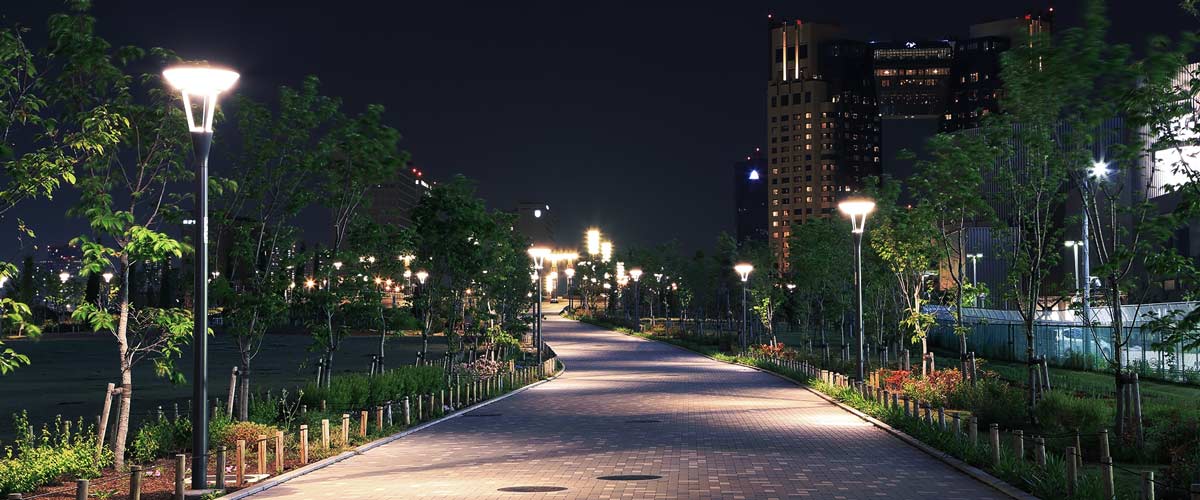
Do you remember the old saying, “Nothing good happens after dark”? Well, it’s true. Serious crimes are more likely to be committed at night when there are fewer people out and about. While crime is certainly still happening during daylight hours, darkness provides criminals with the cover they need to confidently commit crimes. Darkness can also make it more difficult for cameras to get good footage of perps. Having a well-lit community will help make camera footage more useful for security and police. Most importantly, maintaining a well-lit community will give residents the confidence they deserve when they’re outdoors after dark. No more wondering what or who could be lurking in the shadows.
Maintain Public Spaces
Beyond just adding lights, the overall upkeep of your community’s public spaces sends a powerful message. Think of it this way: a clean, well-maintained environment signals that residents are attentive and invested in their neighborhood. This creates an atmosphere of care and vigilance that can be a strong deterrent to potential criminals. When common areas are tidy, graffiti is removed quickly, and public property is in good repair, it shows that people are watching. This proactive approach to environmental maintenance is a simple yet effective layer of security that complements other safety measures, making the entire community a less appealing target for crime.
Keep Landscaping Trimmed
Overgrown shrubs, low-hanging tree branches, and dense bushes can create perfect hiding spots for individuals with bad intentions. By keeping landscaping neatly trimmed, you eliminate these potential blind spots and improve natural surveillance throughout the community. Clear sightlines mean residents can see their surroundings more easily, and neighbors are better able to look out for one another. This simple act of property maintenance not only enhances the beauty of your neighborhood but also makes it much harder for suspicious activity to go unnoticed. Regular trimming is a practical step that property managers and residents can take to increase safety and help everyone feel more secure while walking outdoors.
Organize Community Clean-Ups
Planning regular neighborhood clean-up events does more than just keep your community looking its best; it builds a stronger, more connected community. When residents come together to pick up litter, tend to common gardens, or paint over graffiti, they develop a shared sense of pride and ownership over their space. This camaraderie is a powerful tool for crime prevention. A community where neighbors know and trust each other is one where people are more likely to notice when something is amiss and feel comfortable reporting it. These events foster a spirit of collective responsibility, sending a clear signal that residents are united and actively care for their neighborhood’s well-being.
5. Install Strategic Security Cameras
Speaking of security cameras, they’re a great way to improve community safety and ensure residents know they’re being protected. There are several different levels where implementing security cameras makes sense. For an HOA or gated community, it would make sense for homeowners to have security cameras on their property. This could simply be a “smart doorbell,” or a more robust network of security cameras that cover various angles of the home. For apartment complexes and other residential areas where installing security cameras is impractical for tenants, CCTV cameras routed to the security guard station are a very logical choice. There doesn’t need to be cameras all over your facility per se, as that might make residents feel as if their privacy is being violated, but strategically placed cameras in stairwells, elevators, and parking garages can add an extra level of security to your premises. No matter what type of cameras make sense for your community, these devices can help deter criminals from targeting your neighborhood. And if crime does strike, then security cameras can record it and help police catch the perpetrators.
6. Establish A Safe Walk Program
 6. Establish A Safe Walk Program
This tip might be more niche, but a safe walk program could improve community safety sentiments. Such programs have become very popular on college campuses where students and university employees feel unsafe walking alone after dark. While it may not be feasible for every community, if you have security guards on the premises, they may be willing to help escort people to or from their vehicles after dark. While this would require security on the premises, it’s a solution that’s worth considering.
Understand Camera Limitations
While security cameras are a fantastic deterrent and evidence-gathering tool, it’s crucial to understand their limitations. They work best when they are part of a comprehensive security strategy, not the entire plan. For instance, finding the right balance between security and privacy is essential; strategically placing cameras in common areas like stairwells and parking garages is effective, but over-surveillance can make residents uncomfortable. It’s also important to remember that cameras are reactive—they record a crime but can’t physically stop one from happening. Technical issues like poor lighting can also render footage useless, reinforcing the need for a well-lit environment. Ultimately, cameras are one powerful layer of protection, but they are most effective when combined with other security measures, like having a professional residential security presence.
7. Practice Vehicle Safety
Our cars are a huge part of our daily lives, but they can also be a prime target for criminals. A car parked in a driveway or a community lot can look like an easy opportunity for theft. The good news is that a few simple, consistent habits can significantly reduce the risk of a break-in. Taking a moment to secure your vehicle properly is one of the most straightforward ways to contribute to the overall safety of your neighborhood and protect your personal property.
Remove Valuables and Lock Up
Think of your car as a display case. Leaving a purse, laptop bag, or even loose change in plain sight is like putting up a sign that says, “Valuables inside!” It’s a common mistake, but one that can be costly. Before you walk away from your vehicle, make it a habit to take all important items with you. This includes your wallet, phone, GPS devices, and any shopping bags. Once everything is out, always lock your doors and arm your alarm. It sounds basic, but it’s a powerful deterrent that makes your car a much less appealing target for opportunistic thieves.
Park in Well-Lit Areas
Where you park can be just as important as what you leave inside your car. Criminals thrive in the dark, as shadows provide cover and make it harder to be seen. Whenever possible, choose a parking spot in a well-lit area, whether it’s under a streetlight on the road or in a brightly lit community garage. Good lighting not only discourages potential thieves but also makes residents feel more secure when walking to and from their cars at night. It also improves the quality of security camera footage, making it easier to identify suspects if a crime does occur. This simple choice is a key part of a comprehensive residential security strategy.
7. Promote Responsible Gun Ownership
There are more than four million Californians who own a firearm, and an additional three million Californians who live in a household with firearms. Gun owners in California own a combined twenty million guns. That’s nearly 25% of all adults in the state. So, unless your community has specifically banned gun ownership on the premises, it’s likely that some gun owners are living among you. However, you feel about gun ownership aside, we can all agree that responsible gun ownership is going to lead to much higher levels of community safety for everyone living in your neighborhood. Encourage gun owners in your community to ensure their guns are securely stored in a lockbox where they cannot be stolen. Remind them it’s also a best practice to ensure that their ammunition is stored in a fireproof safe. This will make it less likely for bullets to explode during a house fire—eliminating one potential danger to first responders.
8. Address Homelessness In Your Community
 8. Address Homelessness In Your Community
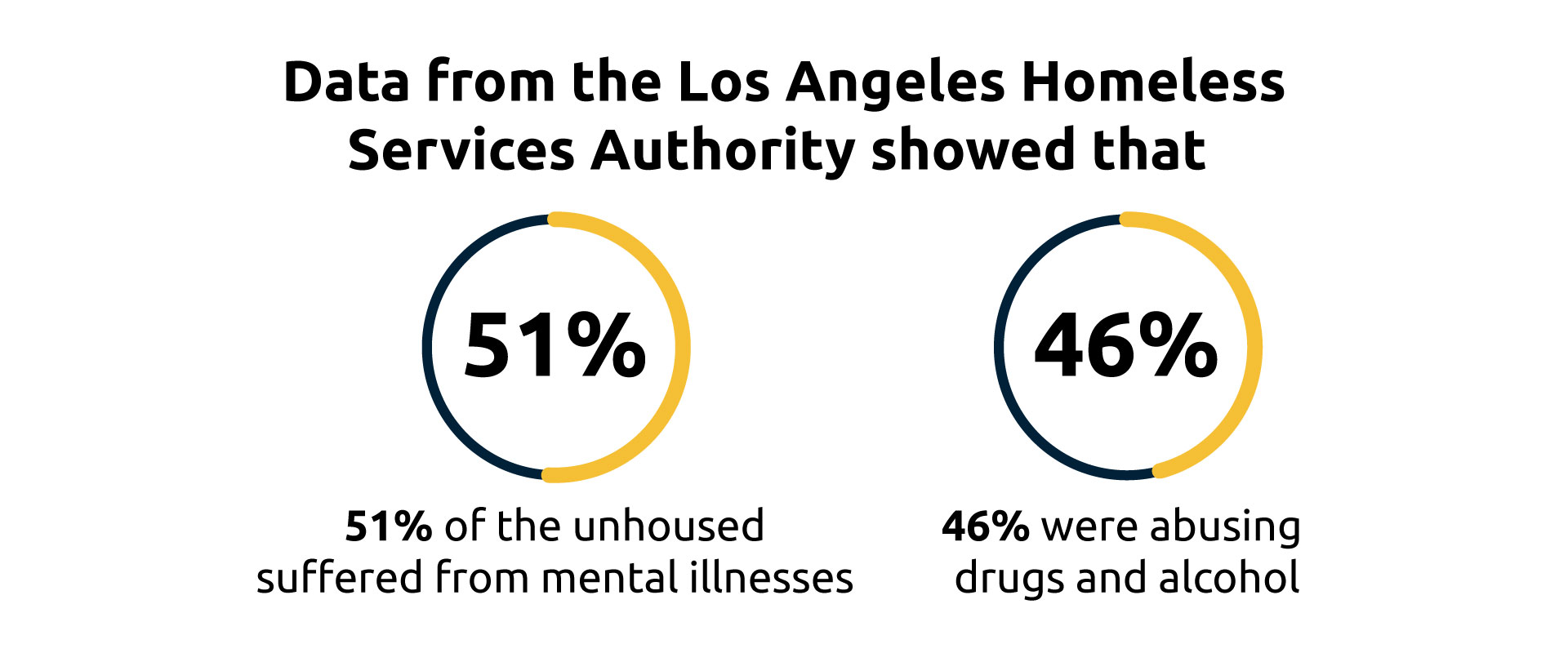
Homelessness is a serious problem in California, and the number of homeless individuals has been on the rise for several years. This is causing some serious anxiety for Californians who fear they are less safe in neighborhoods due to the growing concentrations of encampments and unsheltered homeless individuals. And these concerns are warranted. In 2019, data from the Los Angeles Homeless Services Authority showed that 51% of the unhoused suffered from mental illnesses, and 46% were abusing drugs and alcohol. With data largely backing public sentiment, it makes perfect sense that increased homeless populations are directly linked to lower levels of perceived community safety. Hiring security guards to patrol your apartment complex, HOA, gated community, or other residential community can help mitigate any issues caused by transients who could pose a threat to your residents. Not only can they stop such individuals from entering the property or remove them if necessary, but they’ll reinforce the sense of community safety that your residents deserve.
9. Foster a Sense of Community Ownership
When people feel more connected to their neighbors and their community as a whole, they’re more likely to watch out for one another and be active in solving issues that negatively impact community safety. By fostering strong community bonds, residents will feel more inclined to collaborate and communicate with their neighbors. When a community is tight-knit and vigilant, criminals may be less likely to target them. Should someone in the area be a victim of crime, a strong community will be looking out for their neighbors and be more likely to report anything they saw to security or law enforcement.
Build a Strong Relationship with Police
Building a strong, collaborative relationship with your local police department is a fundamental step toward a safer community. Think of law enforcement as your partners in safety. You can foster this connection by inviting officers to community meetings to discuss local concerns or by participating in police-sponsored events like “National Night Out.” This engagement builds trust and opens lines of communication, which is invaluable. When police are familiar with your community and its residents, it can lead to quicker responses during an emergency. A positive relationship helps shift the dynamic from reactive to proactive, creating a united front against crime.
Support Local Businesses
A vibrant main street is a safe main street. Supporting local businesses does more than just fuel the local economy; it actively contributes to community safety. When shops, cafes, and restaurants are bustling, it increases foot traffic and natural surveillance. More people out and about means more “eyes on the street,” which naturally deters criminal activity. This creates a lively, engaged atmosphere where people feel connected and look out for one another. Encouraging this environment helps build a community that is not only prosperous but also resilient and secure. When residents and business owners share a sense of pride in their neighborhood, everyone benefits from a safer, more welcoming place to live and work.
10. Take Action on Public Substance Abuse
Substance abuse is another big problem in our state. The issue has become so detrimental to our communities that even residents of other states have noticed. Public drug abuse is a major contributor to the degradation of community safety sentiments across the state. Nobody feels safe having to worry about walking around individuals high out of their minds. And if you have to watch where you step to ensure you’re not stepping on needles, which is an unfortunate California stereotype, it leaves people nervous. While solving this issue at the state level is largely out of our control, we can take measures to protect our communities from the dangers of public substance abuse. If you see it, report it. It’s that simple. Call security or law enforcement and allow them to deal with the issue. You might not be able to completely change the issue, but you can keep it from impacting community safety.
Take Steps To Improve Community Safety For Your Residents
 Take Steps To Improve Community Safety For Your Residents
While all of these steps can help improve the overall level of safety within your community, not all of these tips are going to have the same impact. While programs encouraging community awareness and neighborhood watch programs will certainly help reduce the likelihood of crime or at least inform residents of what to do when a crime occurs, it will still take a long time for police to arrive on the scene. However, having an active security guard presence can dramatically increase both perceived and realized community safety. Having highly-trained guards on the premises at all times will not only deter criminals from acting, but they can also give your community the protection that it needs. If you want to truly improve community safety in your apartment complex, HOA, or high-rise building, ASAP Security is ready to work with you and implement an action plan. Contact ASAP Security today to learn how we can help protect your community.
Frequently Asked Questions
Our community has an active neighborhood watch. Do we still need professional security? A neighborhood watch is a fantastic foundation for safety. It builds community and encourages everyone to be more aware. However, a watch program is a passive deterrent. Your residents are observers, not responders. Professional security provides an active, trained presence. Guards can patrol consistently, manage access points, and respond to incidents immediately, offering a level of protection and liability coverage that a volunteer group simply cannot. The two work best together, creating a powerful combination of community vigilance and professional response.
How can I get residents to actually participate in these safety initiatives? Getting people involved can be tough, so the key is to make it easy and show them what’s in it for them. Start with clear, consistent communication. Use a community newsletter or a private online group to share simple, actionable tips. Instead of asking for a huge time commitment, you could organize a single community clean-up day or invite local law enforcement for a one-time safety presentation. When residents see that these small efforts make the community cleaner and safer, which protects their property values, they are much more likely to stay engaged.
We have a limited budget. What are the most impactful first steps we can take? You don’t need a massive budget to make a real difference. Start with the things that offer the most security for the lowest cost. Improving lighting in common areas and trimming back overgrown landscaping are two of the most effective changes you can make. These actions eliminate hiding spots and make your property a less attractive target. At the same time, focus on resident education through emails and flyers. These foundational steps create a much safer environment while you plan for larger investments.
Are security cameras enough to protect our property on their own? Security cameras are an excellent tool for gathering evidence, but they are not a complete security plan. Think of them as reactive; they record a crime in progress but can’t physically stop it. Their effectiveness also depends on other factors, like proper lighting for clear footage and strategic placement. Cameras work best when they are part of a layered strategy that includes physical deterrents like strong locks, community awareness, and a visible security presence that can proactively patrol and respond to what the cameras capture.
How should our community handle sensitive issues like transients or public substance abuse? These situations can be complex and potentially unsafe, so the best policy is always “observe and report.” Instruct residents never to confront individuals directly. Instead, establish a clear protocol for who to call. A professional security service is ideal for this, as guards are trained in de-escalation and know how to handle these incidents safely and legally. They can address the immediate issue on your property and act as a formal liaison with law enforcement, ensuring the situation is managed correctly without putting your residents at risk.
Key Takeaways
- A connected community is a safer community: True safety starts with your residents. Fostering collaboration through neighborhood watch programs, safety education, and online communication creates a vigilant and supportive environment.
- Make your property a difficult target: Discourage criminals by layering simple but effective deterrents, such as reinforcing home locks, keeping common areas well-lit and clear of hiding spots, and securing vehicles properly.
- Know when to call in the experts: Resident-led initiatives are powerful, but professional security guards provide a critical advantage with their constant presence, rapid response capabilities, and ability to manage complex situations.
Related Articles
- Community Safety Tips for HOAs: Secure Your Neighborhood | ASAP Security Guards
- San Diego HOA Security Guards: Top Benefits for Communities | ASAP Security Guards